How to Plant, Grow, and Care for Mung Beans
The mung bean plant is not well known in the US, but it really should be. Gardening expert Kaleigh Brillon discusses growing tips for this versatile bean plant!

Contents
Mung beans may not sound familiar at first, but chances are you’ve eaten them before if you’ve had bean sprouts at a salad bar or in a stir-fry. In the United States, those sprouts typically come from the mung bean plant.
While sprouts are the most common way mung beans are consumed, they’re incredibly versatile. Popular across Asia, mung beans can be eaten sweet or savory, as whole beans, sprouts, or even ground into a paste.
Although many Americans only recognize them in sprout form, mung beans are easy to grow at home. Once you’ve tried it, you’ll discover just how many ways there are to enjoy this unique plant. They grow much like green beans, making them a great option for gardeners looking to try something new.
Plant Overview

|
Plant type
Legume
Family
Fabaceae
Genus
Vigna
Species
Vigna radiata
|
Native Area
India
Sun exposure
Full sun
Height
1-3′
Watering requirements
Moderate
|
Pests and diseases
Aphids, powdery mildew
Maintenance
Low
Soil Type
Well-draining, loamy
Hardiness zone
10-12
|
What Are Mung Beans?
Vigna radiata, or the mung bean, has many names across the world. In international publications, you may see it listed as the green gram or golden gram. In Asian countries, you’re likely to see names such as moong, monggo, munggo, or maash.
The mung bean plant originated in India and has been used there since ancient times but is now popular in many Asian countries. Asia is responsible for growing most mung beans, but they’re also grown in Africa and South America. They’re also grown in the United States, with Oklahoma being the state that grows the most.
Characteristics
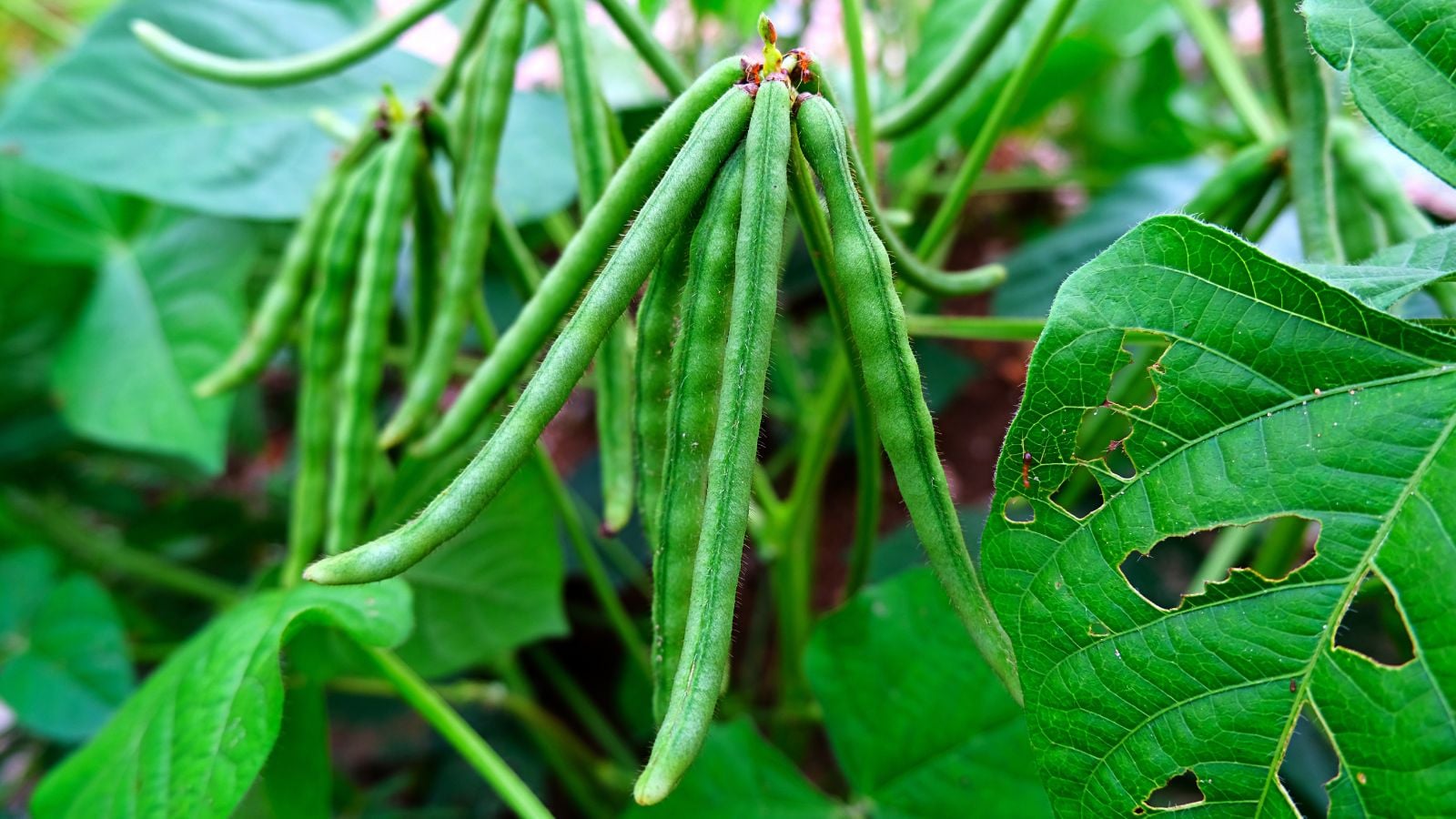
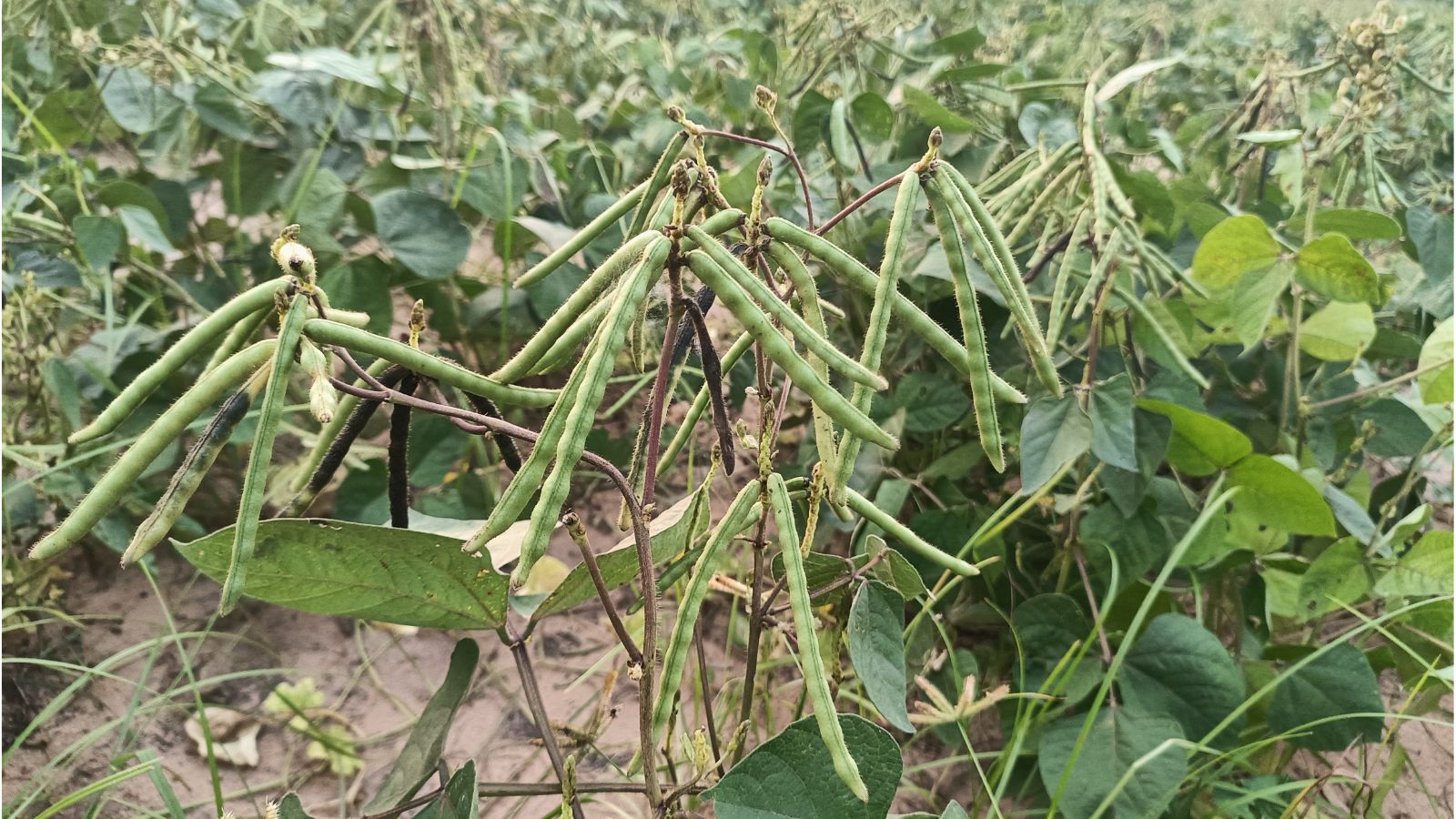
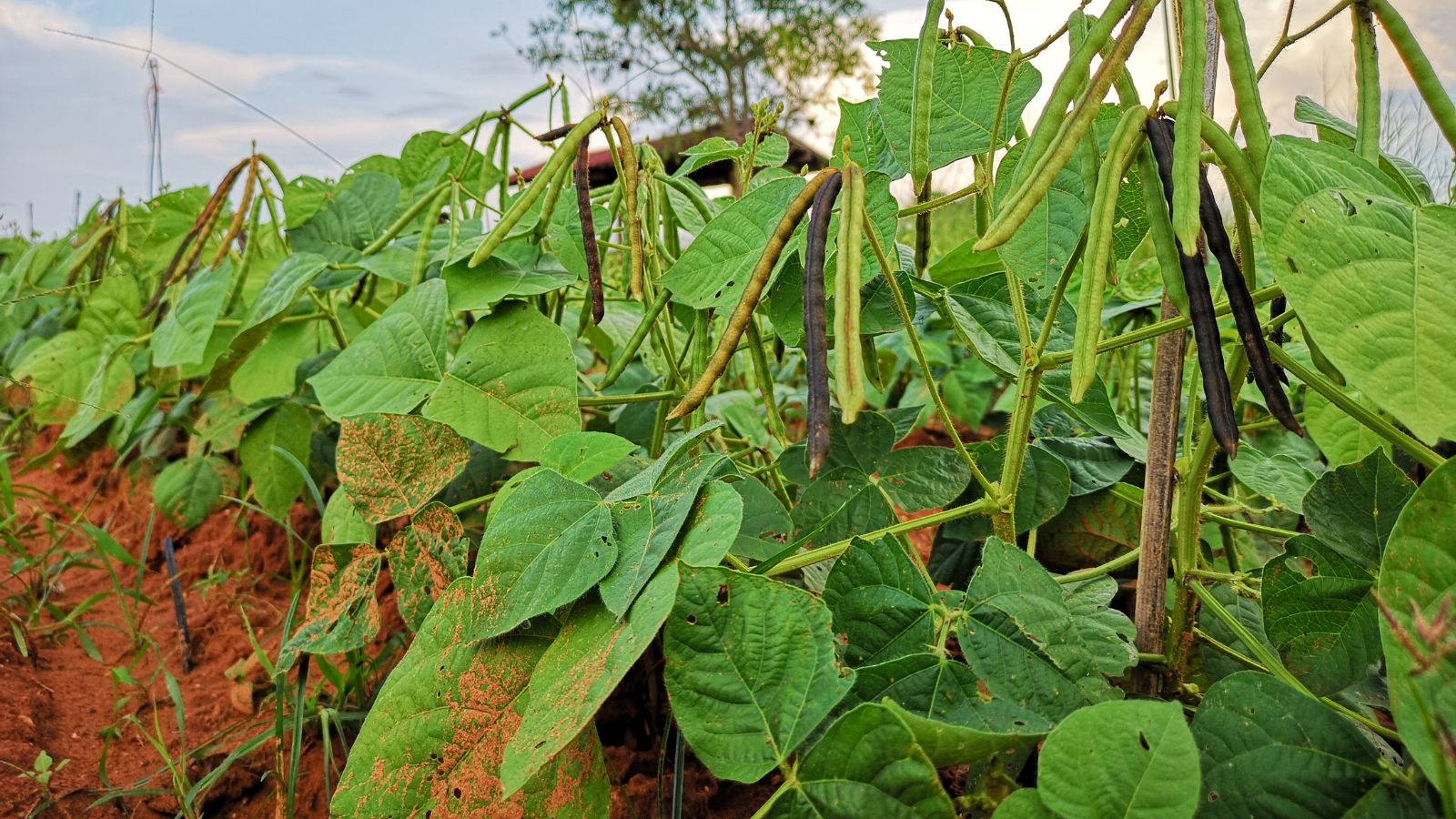
Mung bean plants are in the legume family and typically grow 2.5 feet tall, although some varieties can grow a bit taller. They produce pale yellow flowers at the top of the vine in clusters of up to fifteen. Yellowish-brown or black bean pods will develop from the flowers and become fuzzy when they mature. The seeds can be yellow, green, brown, or black. Like other legumes, mung beans produce their own nitrogen.
You can grow mung beans in a similar manner to other bush bean plants. The biggest difference is that the beans stay on the plant longer than many other bean varieties. Growing mung beans requires patience, but the end result is well worth it.
Not only can you eat the beans, but the leaves and root tubers are also edible. In fact, the entire plant can be consumed, although parts of it (like the pods themselves) are not as palatable as the beans. The leaves can be too fibrous to enjoy fresh, so they’re typically cooked or used as forage for cattle. The tubers are generally only eaten in times of desperation, but their creamy white interior makes them pleasing enough to cook and eat.
Planting
Mung beans take about three months to grow from seed to maturity, making late spring the ideal time to plant. May is typically a good month to sow, once temperatures reach 65 °F (18°C) and remain above that point. As a warm-season crop, mung beans won’t germinate well if the soil is too cold, especially given the size of their seeds.
For a continuous harvest after the first batch matures, sow additional seeds every two weeks.
Where to Plant
Growing mung beans is fairly simple, as the seeds can be planted directly in the ground, in raised beds, or in containers. Just make sure the area receives at least six hours of sunlight.
However, avoid planting them in rocky or heavily weeded areas. The soil should be loose and smooth, allowing roots to grow without resistance. Mung beans prefer a soil pH between 6.2 and 7.2, so steer clear of spots where adjusting the soil would be difficult.
How to Plant
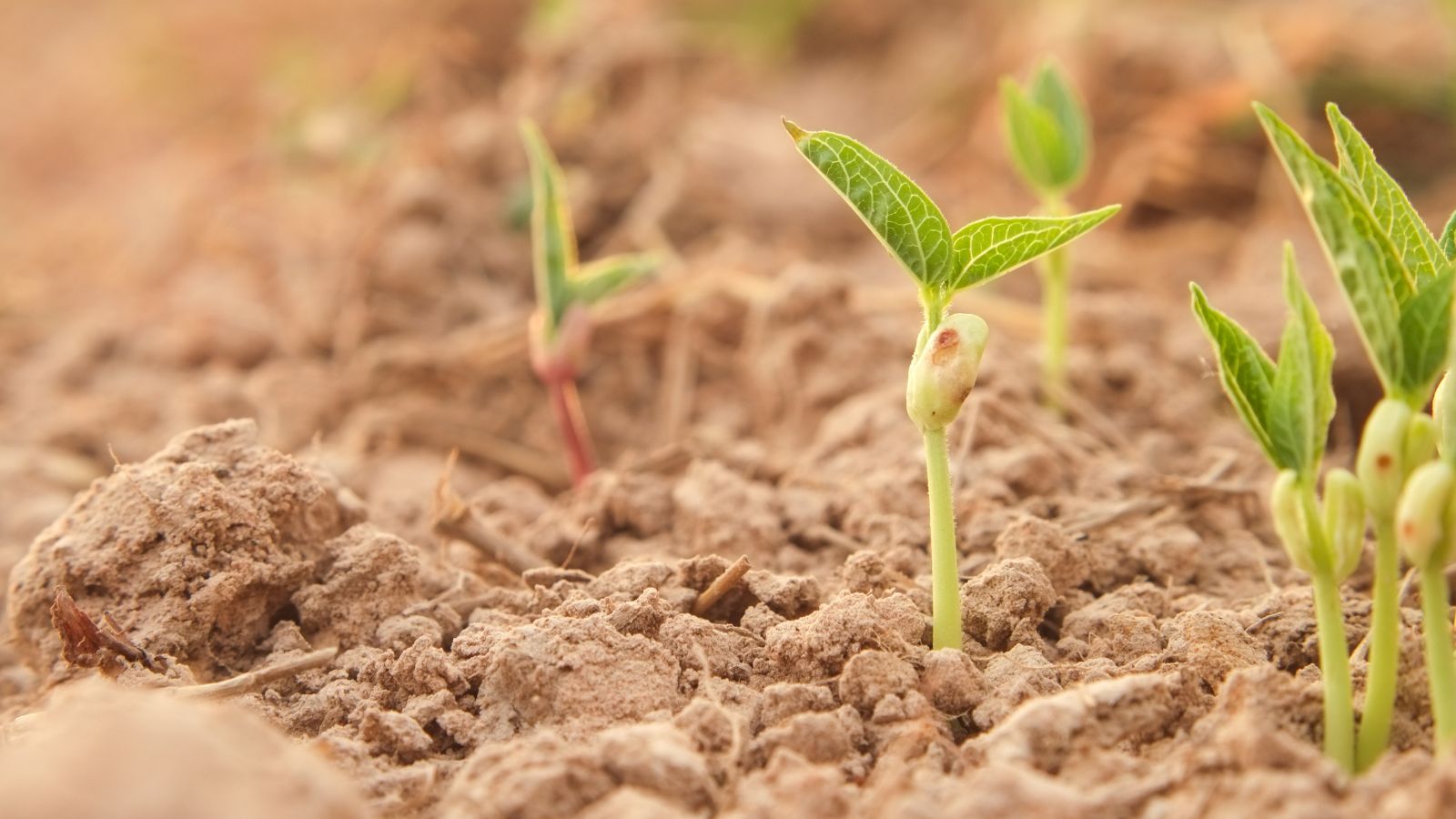
Planting mung beans is simple and starts with adding 1 to 2 inches of compost to the soil. Since mung beans are nitrogen-fixing, they won’t need much nitrogen fertilizer. A few inches of composted organic matter that is nutrient-rich should be enough to feed the plant throughout its lifespan.
To grow mung beans, plant seeds one inch deep in the soil and two inches apart. Space the rows 30 to 36 inches apart. You can add a bean inoculant into the hole or apply it directly to the seed. Inoculants are optional but help the beans produce nitrogen more efficiently.
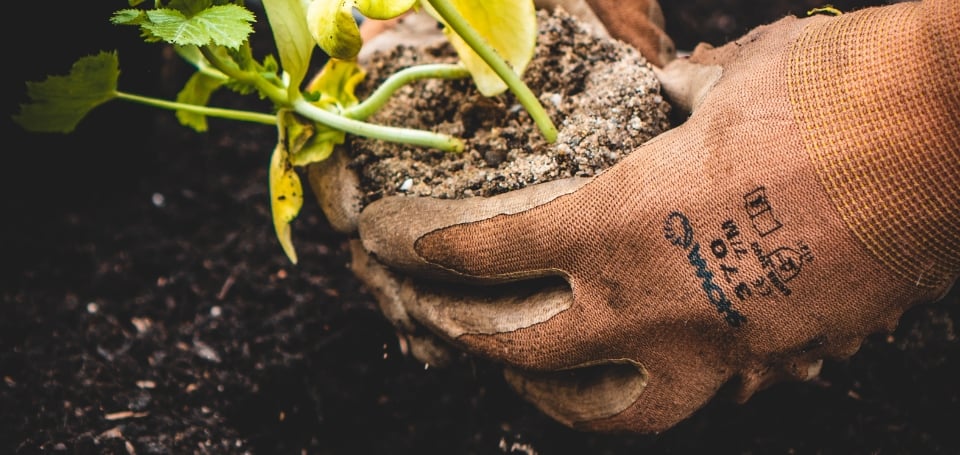
Mung beans prefer direct sowing over transplanting, but transplants can still be used. Carefully place the transplants into holes large enough for the root ball. Space the transplants at least six inches apart.
Care
Let’s take a look at how to care for your growing mung beans so you can have a bountiful harvest in three months.
Light
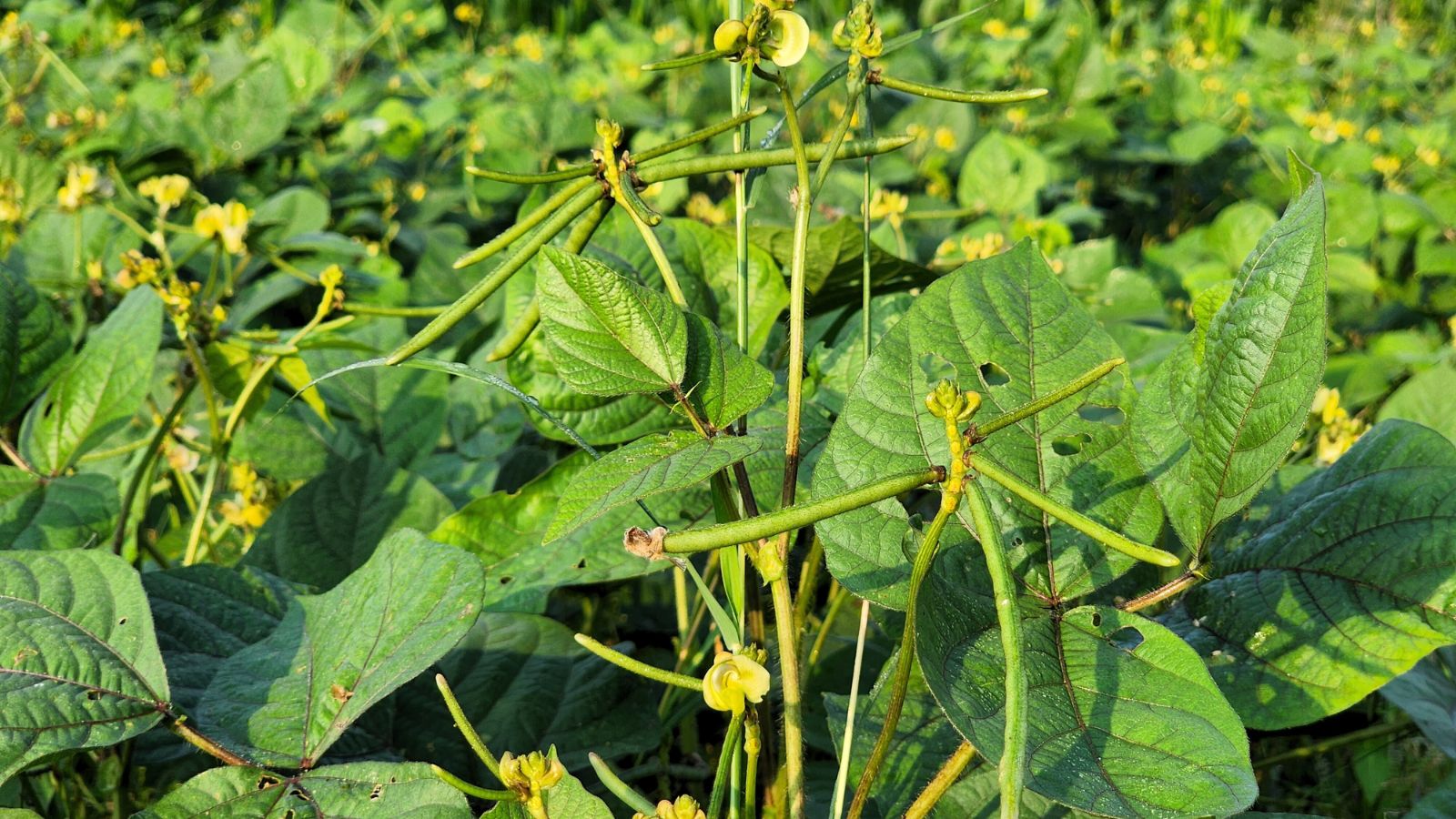
Like most other beans, mung beans require full sun, which means at least six hours of direct light each day. As mentioned earlier, mung beans are a warm-season crop and will perform best in the right weather conditions.
Water

You need water for growing mung beans, but fortunately, they have moderate drought tolerance to help you through dry spells. A young mung bean will need more water than a mature plant.
When you water your established and growing mung beans, water at the base of the plant to prevent moisture on the leaves. Wet leaves can attract fungal disease. Soaker hoses are a good option.
Vigna radiata should receive 2 to 3 inches of water per week, which usually means watering a few times each week. You don’t need to water as often in cool weather or during the rainy season. Make sure the soil stays moist, but avoid soggy soil.
Soil

Mung beans prefer sandy loam and loamy soil conditions that are rich in organic matter such as composted plant waste or manures. The soil should be free of large rocks and weeds and must drain well to prevent water from pooling.
The ideal pH range for mung beans is 6.2 to 7.2.
Temperature and Humidity
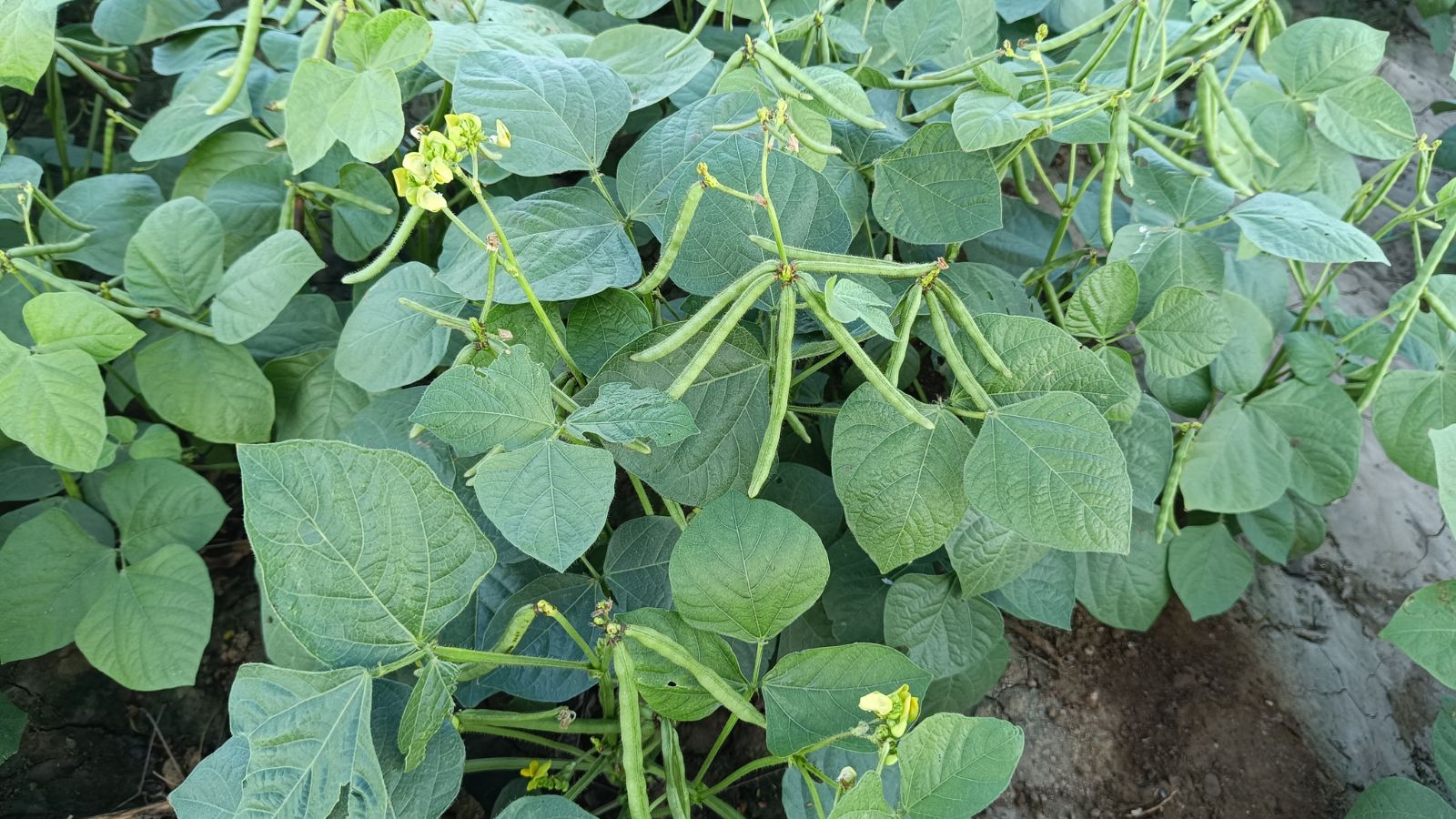
The ideal USDA hardiness zones for mung beans are 10 to 12, but they can be grown in cooler regions as long as temperatures remain within the ideal range of 69 to 96°F (20 to 36°C) during the growing season. Mung beans can tolerate highs of 104°F (40°C) and lows of 46°F (8°C), but they are not frost-tolerant, and anything lower can damage or kill the plant.
Fertilizing

When it comes to fertilizing, you shouldn’t need to if you added good compost to the soil. But if your growing mung beans need a boost, use a fertilizer that’s low in nitrogen. A 5-10-10 blend will work well.
Nitrogen encourages leaf growth, so a small amount at the beginning can help. Too much, however, will push the plant to produce more foliage rather than beans, which is why it’s best to minimize nitrogen once the vines are established.
Pruning
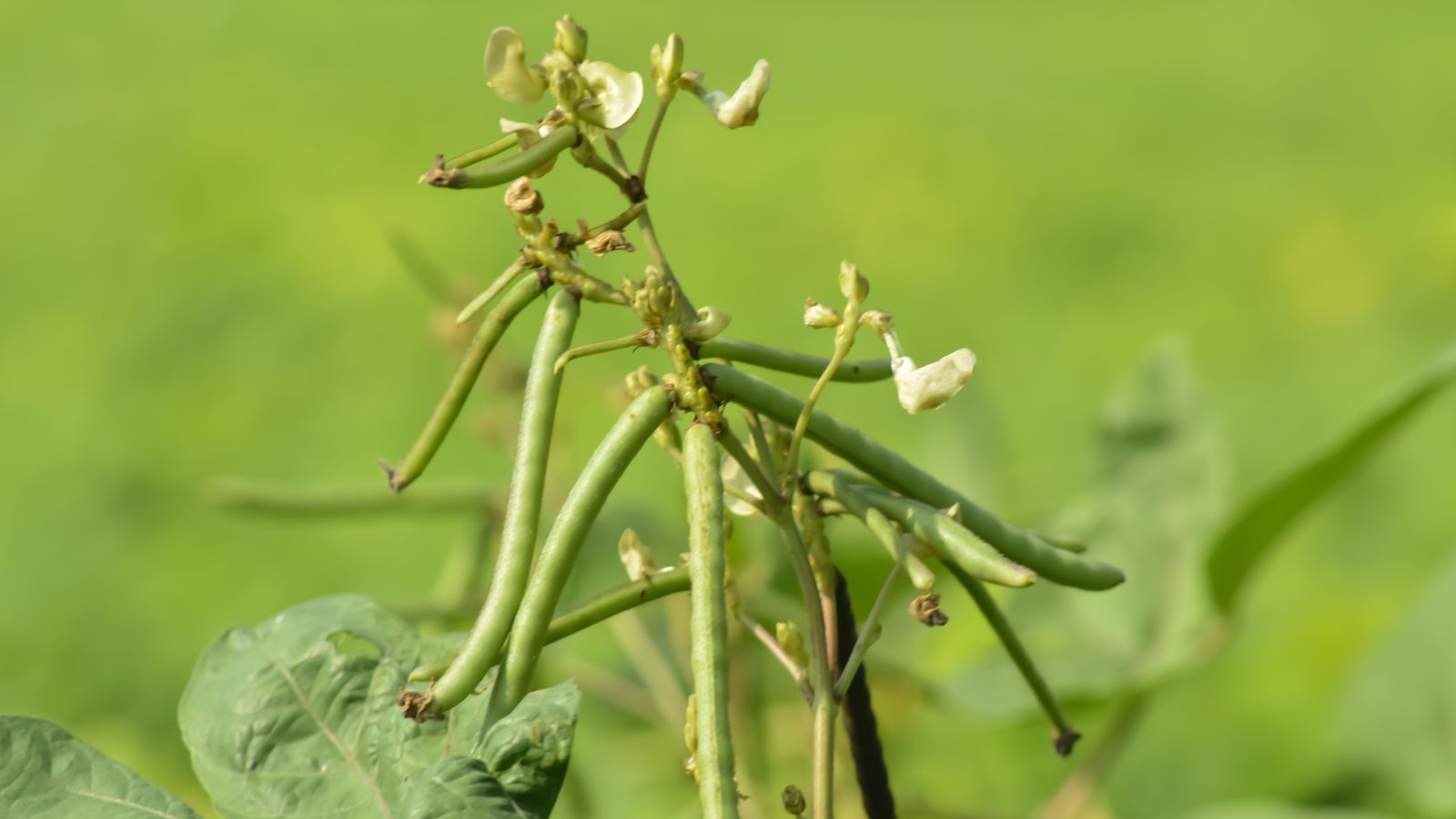
Pruning mung beans is unnecessary. You can prune the plants to remove dying or damaged leaves, but other than that, the plants don’t require it.
Propagation
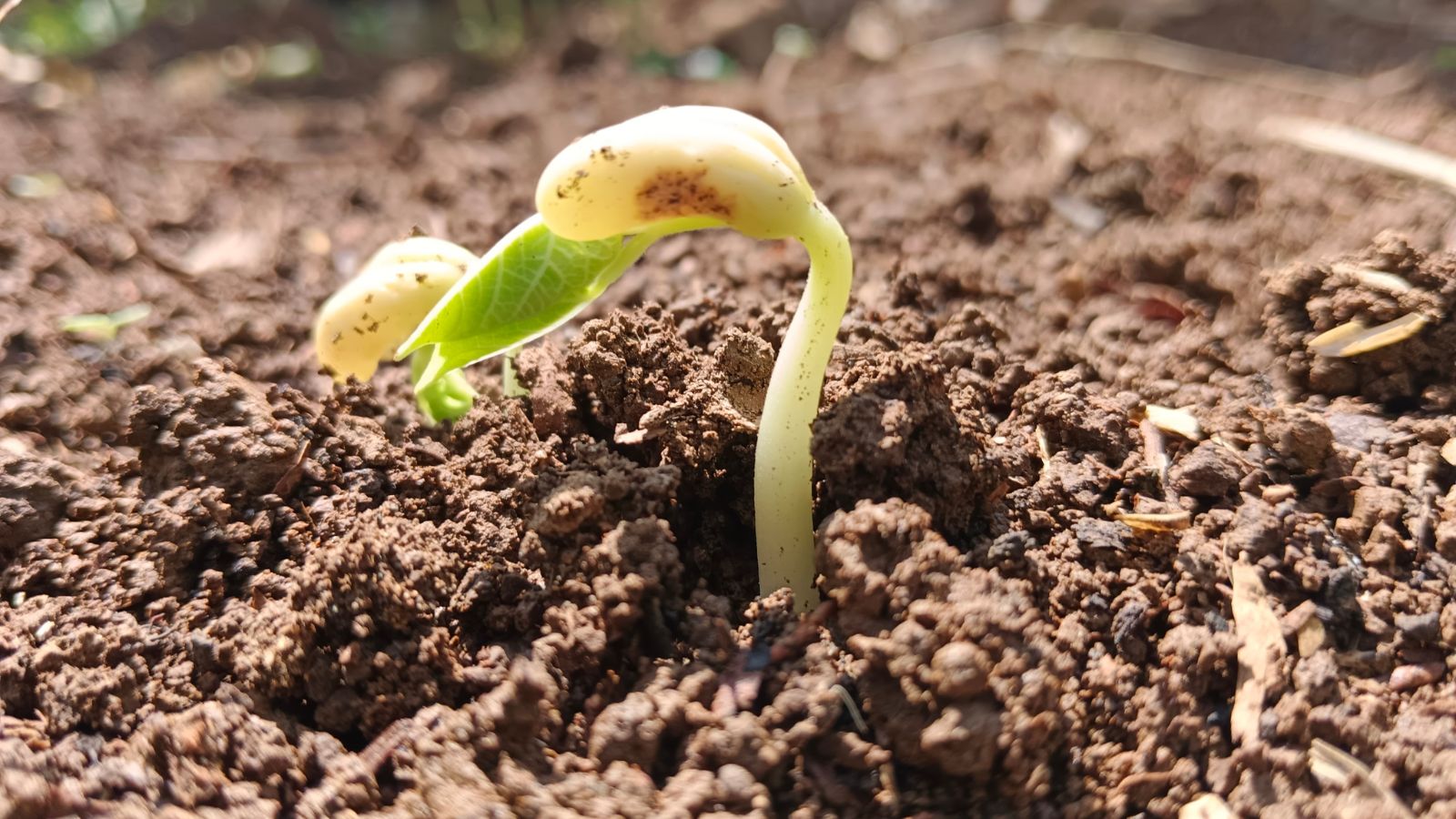
Mung beans are propagated only by seed. Soak the seeds in warm water for up to twelve hours. Then plant the seeds, and you’ll have mung bean sprouts soon.
Harvesting
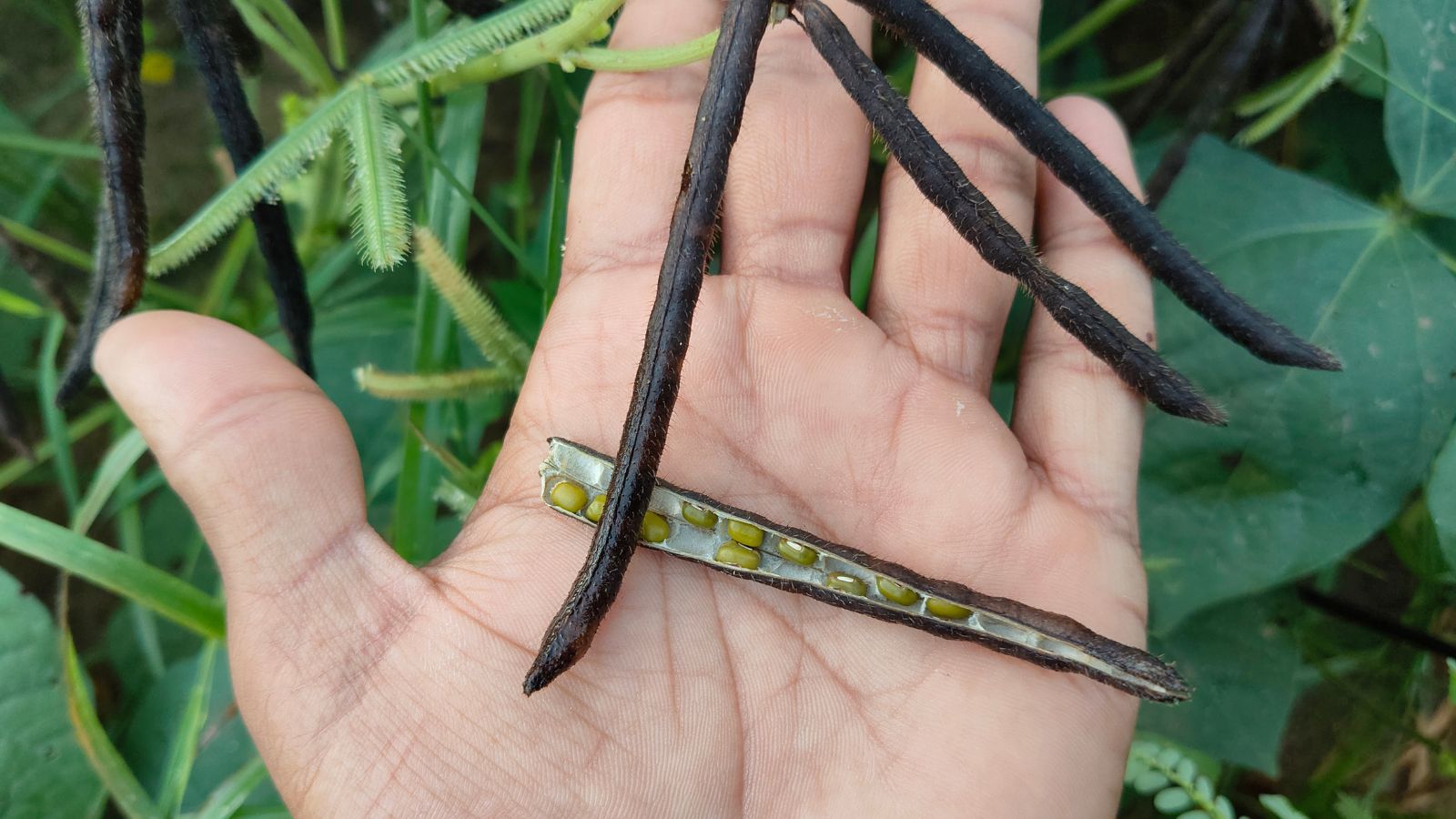
Legumes are one of the most appreciated crop types thanks to their long shelf life and ability to make a warm, comforting meal. If you don’t plan to eat all your mung beans right after harvesting, you can store them for several years without issue.
You’ll know your mung beans are ready to harvest when the pods reach about 5 inches (12 centimeters) in length and turn yellowish-brown or black. Mature pods will also have a fuzzy texture. If they’re still green, they need more time on the plant.
Not all the pods will ripen at once, but you can begin harvesting when around 60% are mature. To do this, pull up the entire vine and hang it upside down in a cool, dry area. A garage or shed works well.
Lay down fabric or newspaper underneath to catch the beans as they fall out of the pods. Since some pods may still be maturing, the full process can take a few weeks to complete.
Storing

To store fresh mung beans without drying them, place them in an airtight container and keep them in the fridge for 2–3 days. Add a clean paper towel to the container to absorb excess moisture, which can cause the beans to spoil quickly.
To store them as a dry bean, wait until all the pods are fully dried after hanging the plants upside down. Then, remove the beans from the pods and spread them out on paper towels or newspaper to dry completely.
Once dry, store the beans in a plastic bag or airtight container, such as a tightly sealed glass jar. Properly dried and stored, they can last for several years, making them a great option for winter use or emergency supplies.
For even longer storage, you can freeze the dried beans. This also helps prevent insect infestations.
Common Problems
Mung beans may be easy to grow, but that doesn’t mean they’re free from problems. There are only a few pests and diseases to look out for, and prevention will be the best way to battle them.
Excess Nitrogen
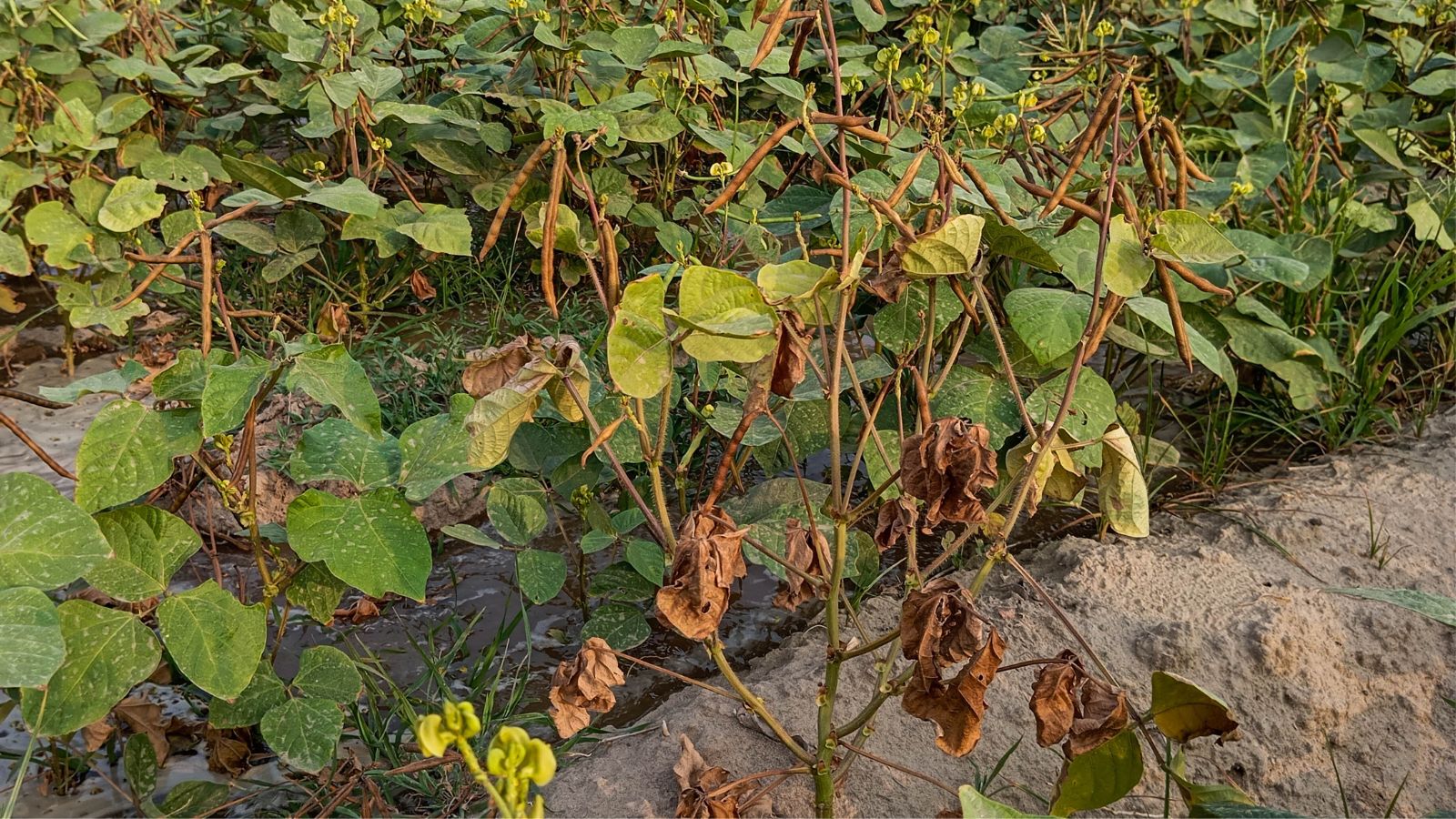
One problem you may have with mung beans is too much nitrogen. Beans of any kind may fail to set flowers if they receive excess nitrogen early on. Another sign is when vines develop too many leaves for their stems to support. The weight of the leaves can cause stems to bend or break. If your beans appear to be getting too much nitrogen, add several inches of compost to help balance the nutrients in the soil.
Pests

Aphids and mealybugs are two pests that suck sap from plants and may settle on your mung beans. As they feed, the leaves can become distorted and eventually shrivel. Covering your vines with row covers is an effective preventative step. You can also introduce ladybugs to control aphids naturally, or use neem oil, insecticidal soap, or pyrethrin to treat infestations of both aphids and mealybugs.
Bean beetles and bean weevils are two additional pests to watch for, as they feed on the leaves. Preventative strategies include practicing crop rotation, clearing away dead plant material at the end of the season, and avoiding excess watering.
Diseases
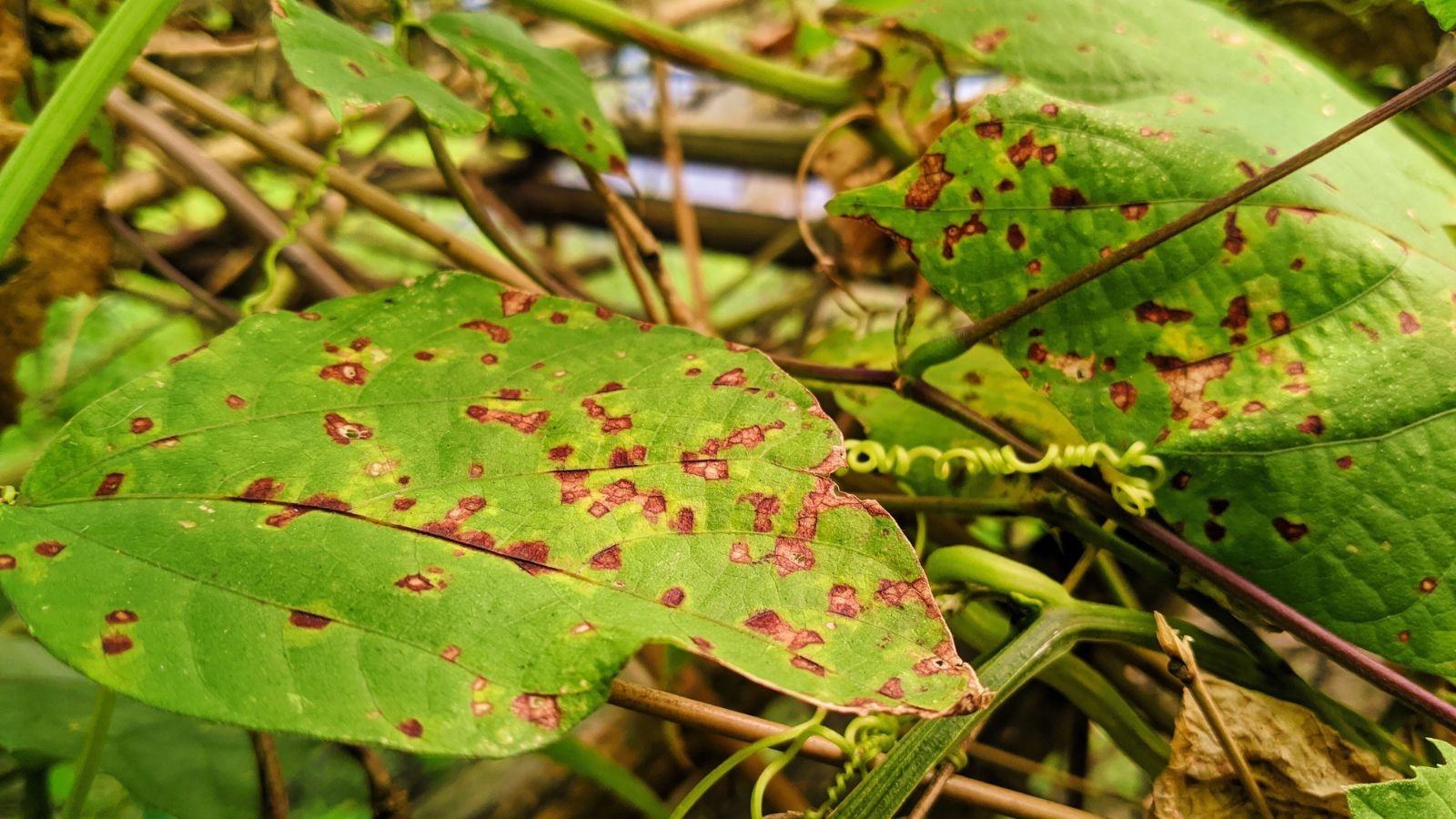
Bean rust is a fungal disease that affects all types of beans. It appears as reddish-brown spots with yellow halos and can lead to deformed pods and wilting foliage. Humid or consistently wet conditions often encourage its spread.
Anthracnose is another fungal disease that tends to emerge in cool, wet spring weather. Infected parts of the plant should be removed and the rest can be treated with neem oil or a copper-based fungicide to prevent spread.
Bean mosaic viruses, spread by aphids, present a variety of symptoms depending on the specific virus. Common signs include yellowing leaves, black spots, and stunted growth. These viruses cannot be cured, so infected plants should be removed and discarded. Avoid composting to prevent further spread.
Bean blight is another concern, spread by beetles, whiteflies, or water left on leaves. Copper fungicides can help limit its spread when applied early.
Frequently Asked Questions
How long does it take for mung beans to grow?
It takes about three months (100 days) for a mung bean to reach maturity.
Can you eat mung bean plant?
You can eat the beans, leaves, and tubers, although the leaves and tubers should be cooked first since they can be unpleasant to eat.
Where can mung beans be grown?
Mung beans need to be grown in a sunny location that receives at least six hours of direct sun. They can be grown in containers, raised beds, or directly in the ground.