How to Plant, Grow, and Care for Mother Of Thousands
Unique and fascinating, mother of thousands is a succulent that's easy to propagate and grow. Expert Lorin Nielsen's guide reveals all you'll need to know to grow this succulent as a houseplant or in the garden.

Contents
This unique succulent, Kalanchoe daigremontiana, is sometimes called the Mexican hat plant or devil’s backbone. It is an incredibly interesting xeriscape plant or houseplant.
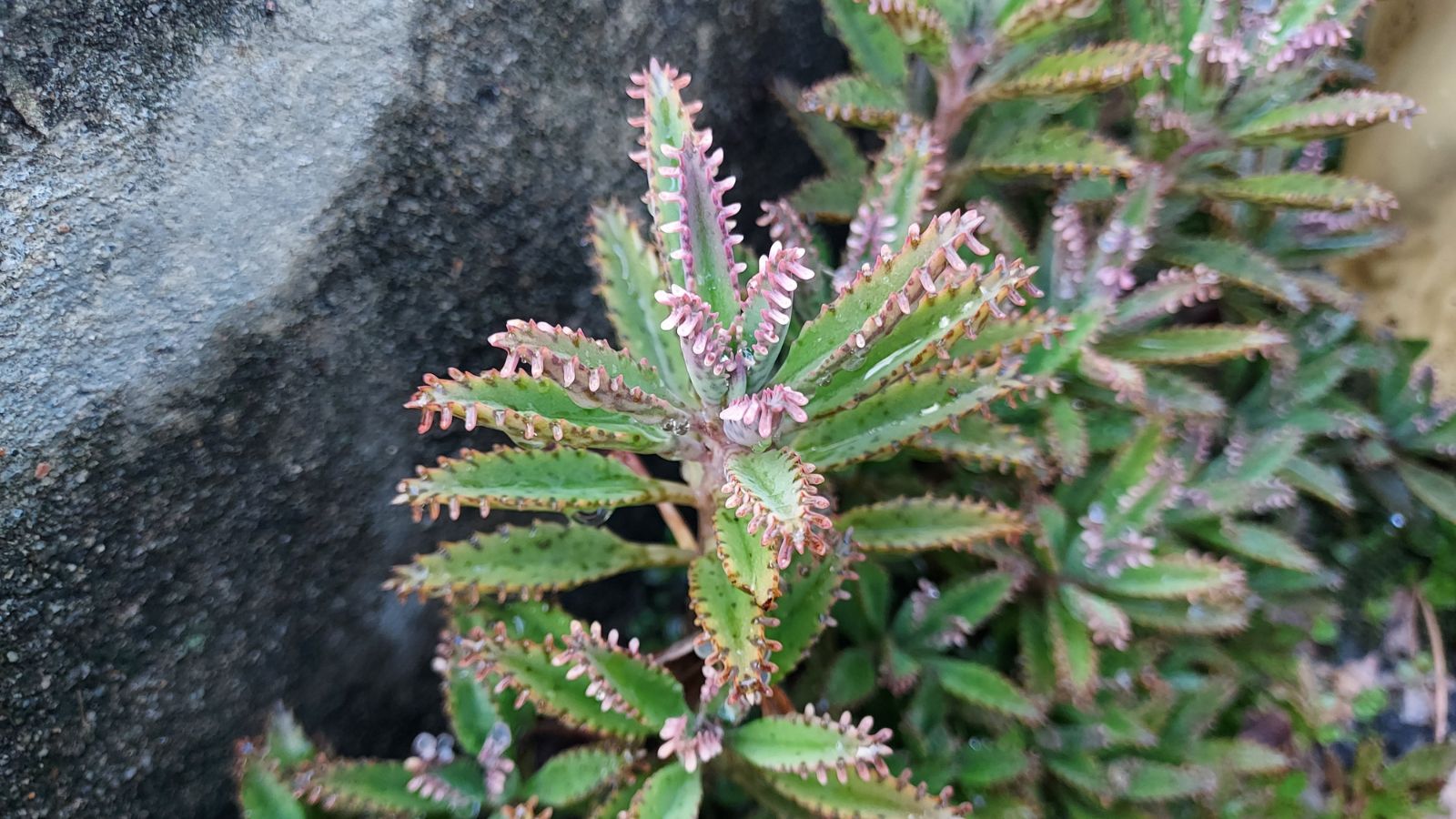
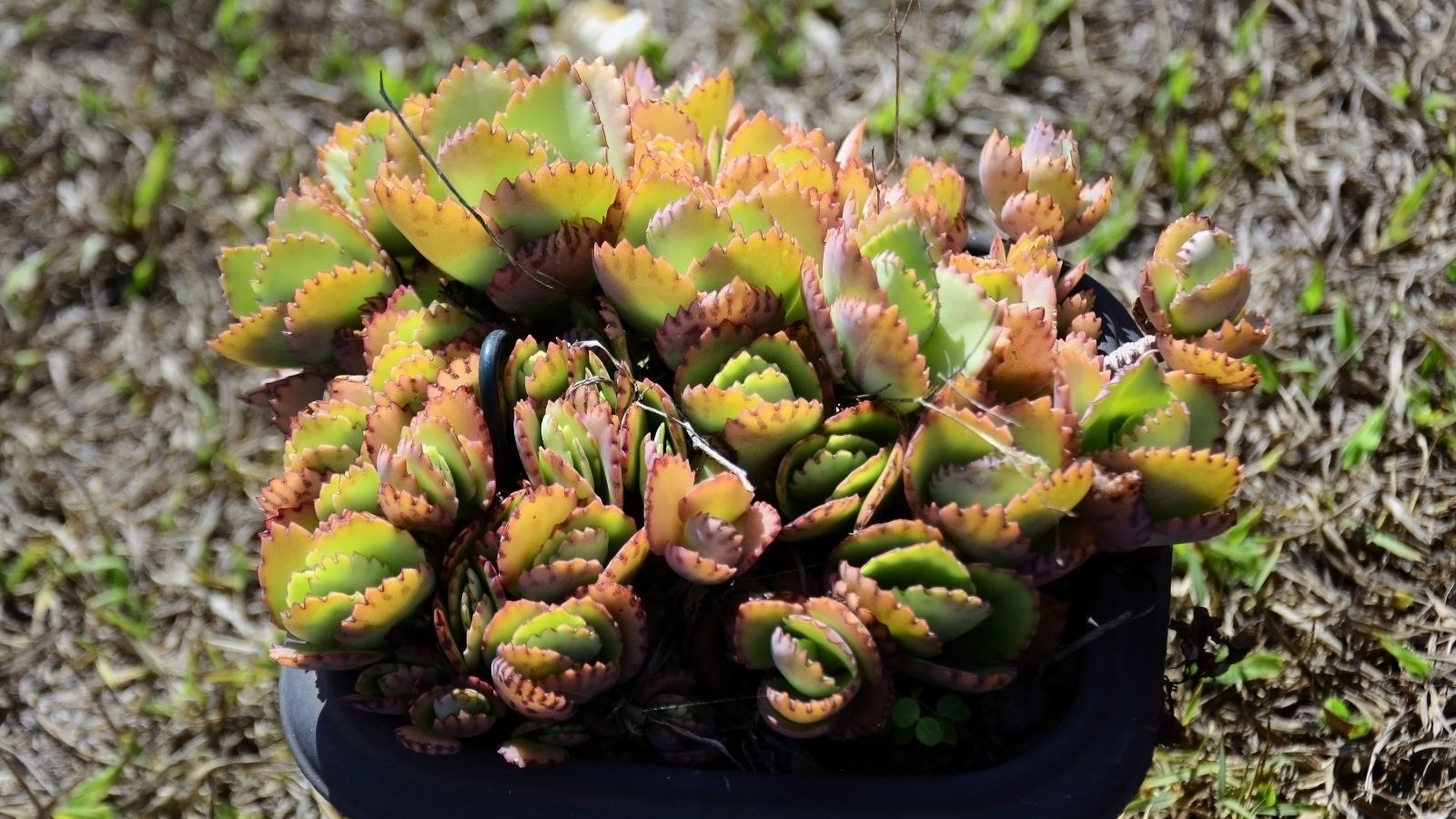
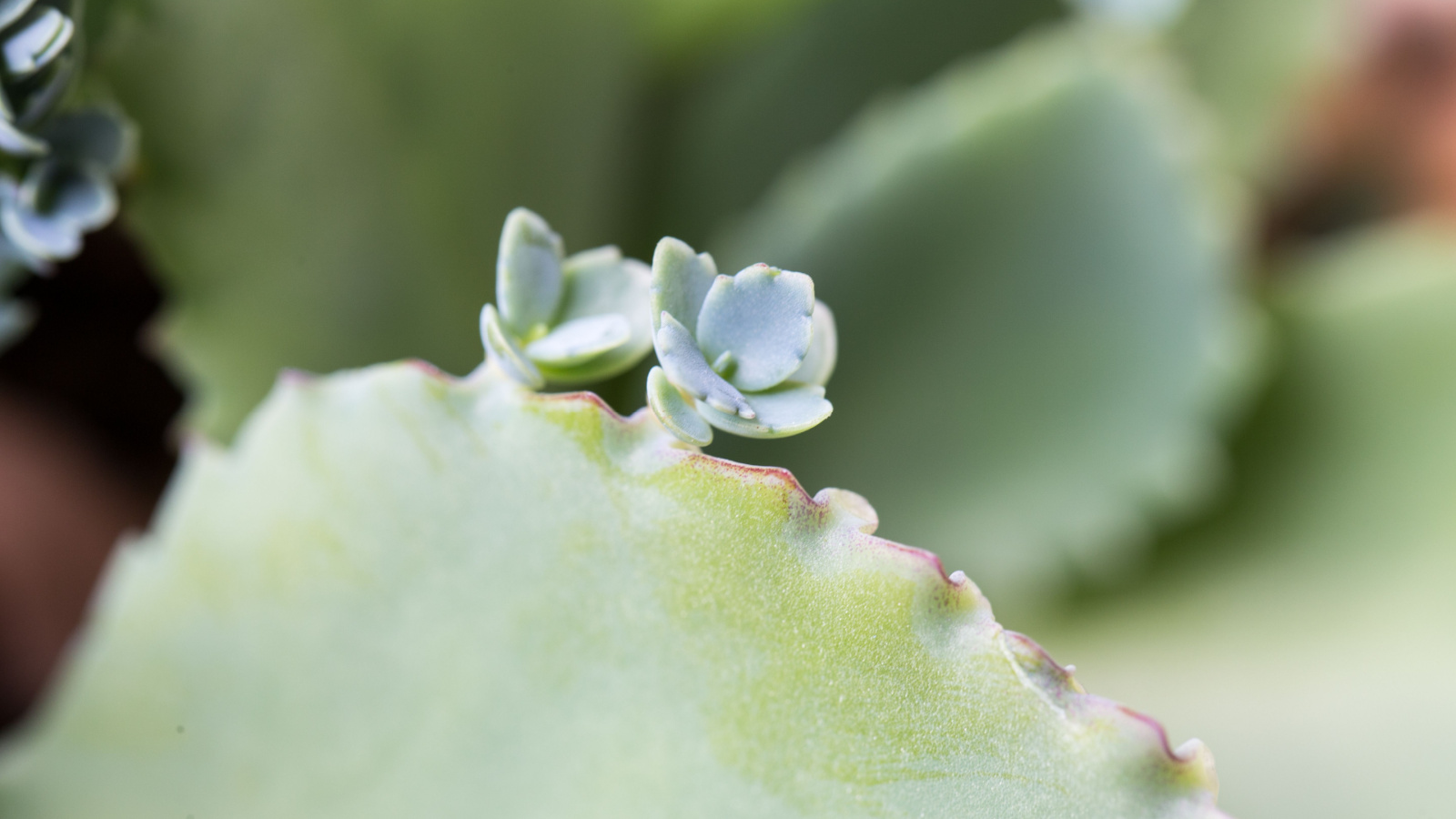
It gets the name mother of thousands from the many tiny plantlets that form along the leaf edges. One plant can quite literally produce thousands. These broad, fleshy leaves are a source of delight for many gardeners, but the tiny plantlets can become a problem if they are not kept in check.
So let us take a closer look at this unusual succulent and explore the best way to care for it.
Plant Overview

|
Plant Type
Succulent
Family
Crassulaceae
Genus
Kalanchoe
Species
Kalanchoe daigremontiana
|
Native Area
Madagascar
Exposure
Full sun, bright, indirect light indoors
Height
3’
Watering Requirements
Low
|
Pests & Diseases
Aphids, mealybugs, scale insects, root rot
Maintenance
Low
Soil Type
Well-draining, sandy
Hardiness Zone
9-11
|
All About the Mother Of Thousands
There has been some confusion about the botanical name for this Madagascar native. Technically, its botanical name was Bryophyllum daigremontiana. It is now referred to as Kalanchoe daigremontiana.
Calling it Kalanchoe daigremontiana is not incorrect, but it can cause confusion. Most kalanchoe plants are prized for their unique, showy flowers. Mother of thousands does produce blooms, but they are a muted greyish pink rather than bright and cheerful.
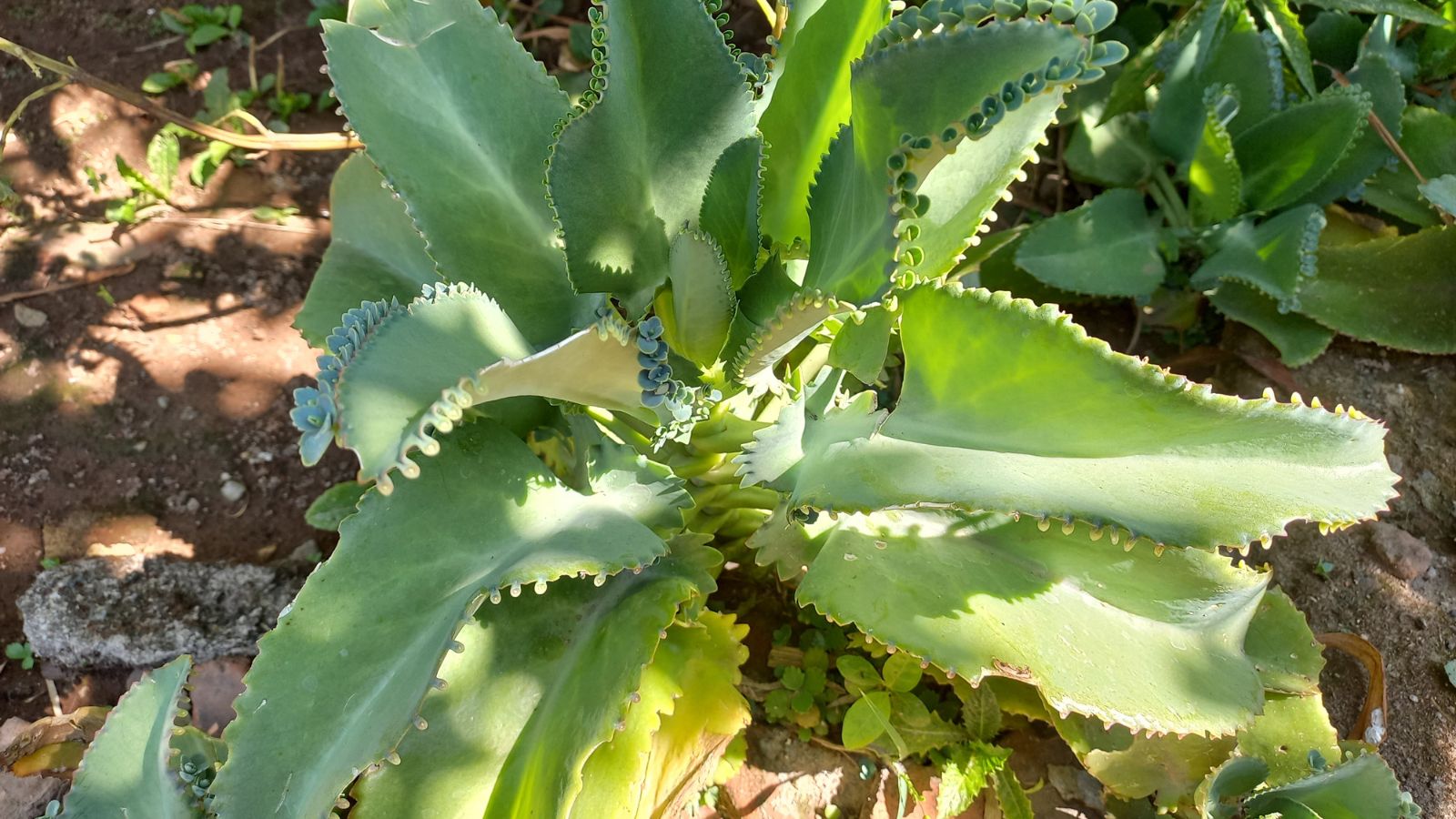
Large, bluish green leaves with pointed tips grow in pairs along the stem. As the plant grows, each pair of leaves is staggered directly opposite the one below it. New leaves form at a right angle to older ones, giving every leaf good access to sunlight.
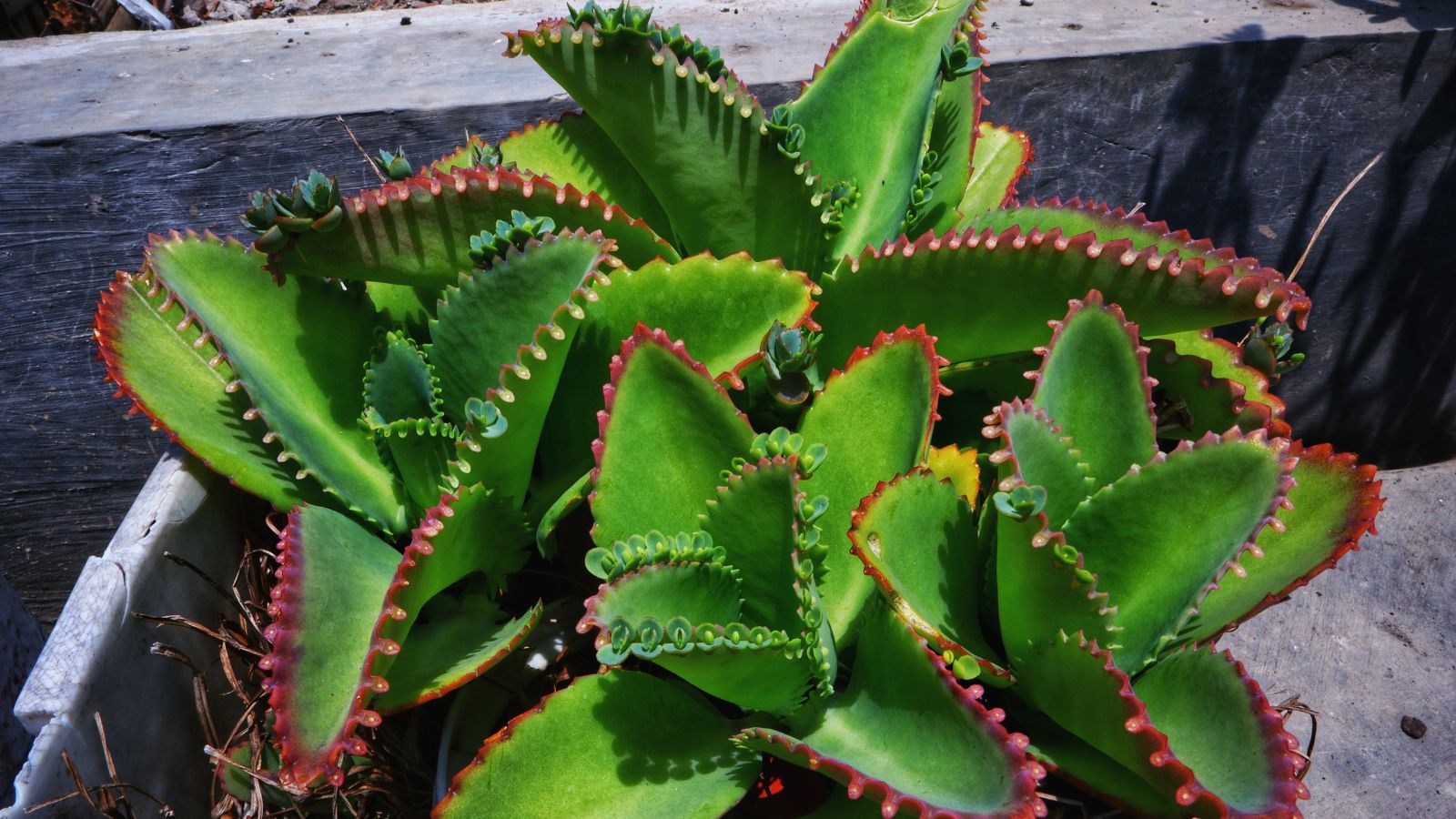
These striking leaves can reach up to three inches wide and six inches long. What truly sets this plant apart are the tiny plantlets that grow along the serrated leaf edges. They are miniature versions of the mother plant and take the place of seeds.
The pinkish grey flowers are long and tubular, hanging downward from slender stalks. Flowering is rare but does occasionally occur. Most of the plant’s appeal comes from the foliage rather than the blooms.
A close relative, commonly called mother of millions, has narrower leaves with plantlets that form only at the tips. It is also a member of the Crassulaceae family, although it looks quite different from its cousin.
Some of the common names for these plants include Mexican hat plant, devil’s backbone, and alligator plant.

How to Grow
As a popular house plant, Kalanchoe daigremontiana is fairly easy to take care of. Here’s everything you should know about its care and maintenance.
Light
You’ll find that your mother of thousands plant prefers at least six hours of light each day, although indirect sunlight is best in hot climates. Its distinctive leaves can burn when exposed to intense direct sun.
West or north-facing windows usually provide enough bright light, and a grow light works well if indoor conditions are dim. An east-facing window may allow in too much light for this plant’s sensitive foliage.
Water

Extremely drought-tolerant, this succulent originates from a naturally arid region. It can survive long periods without water, but grows best with a small amount of consistent moisture.
Avoid watering the leaves and focus on saturating the soil. If the soil is dry at least two inches below the surface, moisten it with room temperature water, wait a few minutes, then water again. This gradual approach helps the planting medium rehydrate evenly. Make sure any excess water drains away easily.
These plants need the most moisture during their active growing season in spring and summer. In fall and winter, reduce your watering schedule to match the plant’s slower growth.
Soil

Well-drained, sandy soil is ideal for your Kalanchoe daigremontiana. A succulent and cactus mix or a standard potting soil in a terracotta pot works well, since both options promote strong drainage and prevent standing water around your mother of thousands plant. Most cactus or succulent blends contain perlite and extra sand to keep the soil light and fast-draining.
Soil pH is not a major concern for this species. If you do track pH levels, aim for a neutral reading to maintain healthy growth.
Temperature

Mexican hat plants grow best in temperatures between 65 to 75°F (18 to 24°C). They can tolerate temperatures in the 40s (around 4°C), but it is best to bring them indoors when the weather turns cold.
Zones 9 to 11 are suitable for growing them outdoors. Indoors, they adapt well to any climate.
Fertilizer

Mother of thousands plants do not need heavy feeding. Fertilize once in spring and once in summer with a liquid fertilizer diluted to half strength. Avoid feeding in fall or winter, since the plant is not actively growing during these cooler months.
Repotting

Mother of thousands plants rarely need repotting. The only time you will need to refresh their container is when plantlets drop and begin to take over the pot. At that point, remove the young plants and place them in their own containers. Choose pots with reliable drainage holes to keep the soil from staying wet.
Pruning

The only pruning your plant will require is to trim off spent flower stalks. Once flowering ends, use clean pruning snips and trim off the stalk right where it emerges from the leaves.
Propagation
All you need to propagate this plant are its baby plantlets. Seed is not a viable method for mother of thousands, and although cuttings can work, the plantlets are much easier to use.
As the plant begins to slow down toward winter, it naturally drops some of these tiny offsets. You can also gently test whether any are ready to detach on their own. Use only a light touch and avoid applying pressure. If a plantlet is ready, it will come away easily.
To make new plants, moisten a potting mix and place the plantlets on the surface. Keep the soil slightly damp by misting it from time to time. A clear plastic cover can help slow moisture loss, and the tray should stay indoors until roots begin to form. The plantlets will send out roots and anchor themselves without any assistance.
Beyond these small offsets, there is no reliable way to propagate this species. Fortunately, the plant produces plenty of plantlets on its own.
Troubleshooting
Although your mother of thousands plant is easy to maintain, it is extremely vulnerable to root rot and can have some pest issues. Here’s how you can manage these problems.
Growing Problems
Much like jade plant, mother of thousands is drought-tolerant and especially sensitive to overwatering. Excess moisture can cause the plant to go limp. Keep the leaves firm by watering only when the soil has dried out at least two inches below the surface.
The most common issue growers encounter is ending up with too many baby plants. Mother of thousands drops its plantlets easily, and they root wherever they land. Pick up any fallen plantlets to prevent unwanted spread. Outdoors, this is essential since the plant can become invasive in suitable climates. Indoors, it grows with very few problems, although you may need to collect the occasional plantlet that drops from the parent plant.
Pests

Mealybugs and other scale insects are opportunistic pests, and aphids are just as persistent. These sap suckers are drawn to the thick, juicy leaves of mother of thousands and attach themselves quickly.
To keep them under control, spray the plant regularly with neem oil. Beneficial insects such as ladybugs and lacewings can also help reduce pest populations. Stubborn scale insects can be removed with a cotton swab dipped in rubbing alcohol.
Diseases

The biggest disease risk for mother of thousands is fungal root rot. This problem develops in soil that stays too wet and can kill the plant quickly. Use a well-draining potting mix and make sure the container never sits in standing water.
Frequently Asked Questions
Is mother of thousands poisonous?
Yes, all the parts of the plant are poisonous, especially for pets and young children. Keep this one well out of reach of your kids and your pets.
Why is it called mother of thousands?
All of the plantlets that form along the edges of the parent plant have led to people referring to it as the mother of thousands plant. One large plant could potentially produce thousands of plants in its lifetime!
Should I remove babies from mother of thousands?
Removing the plantlets from the side of the plant is one of the best ways to get starters to propagate. A gentle nudge should free ones that are ready to be replanted, and you can simply lay them on some soil and mist them regularly until they take root.