How to Plant, Grow, and Care for Meyer Lemon Trees
Learning proper Meyer lemon tree care will give you an abundance of fruit for life. Our guide reveals how to grow them!

Contents
When life gives you lemons, plant a tree and grow more. With proper Citrus x meyeri care, these lemons become a sweet, juicy treat you can grow at home, no matter your climate.
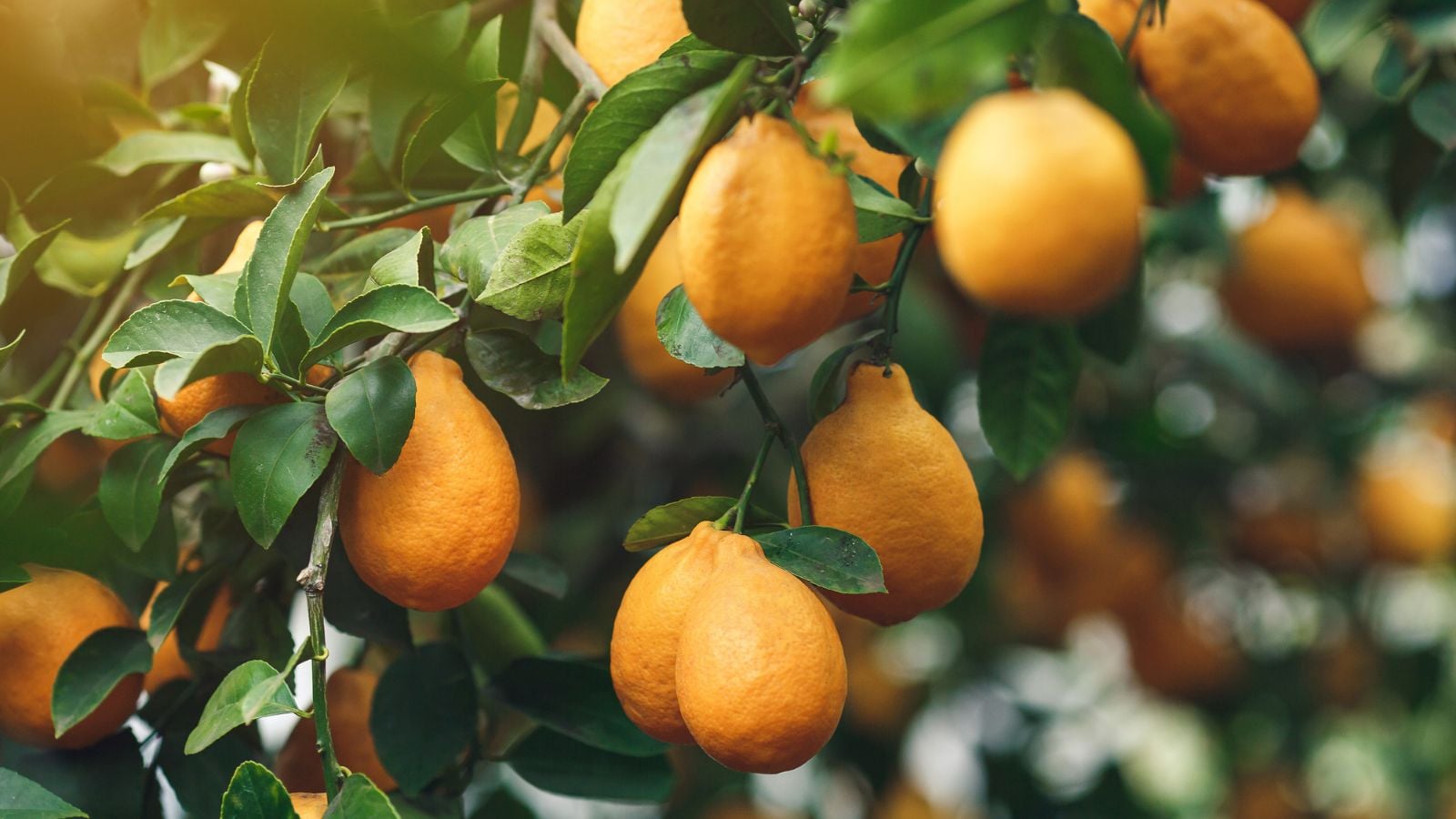
Meyer lemon trees are less acidic than standard grocery store lemons, which gives them a sweeter flavor that chefs and lemonade fans love. The tree is lively and colorful, producing plentiful yellow-orange fruit paired with vibrant evergreen foliage. Twice a year, it puts on a show with clusters of white, citrus-scented flowers that brighten any room.
These features, combined with easy care, make the Citrus x meyeri tree the most popular citrus variety grown in the United States. Since Meyer lemons are rarely sold in grocery stores, many gardeners choose to grow their own. By the time you learn more about this striking tree, you may want to grow one too.


Quick Care Guide

|
Scientific Name
Citrus x meyeri ‘Improved’
Month(s) of Harvest
4-8 months
Light
Full sun
Water
Water deeply when the top of the soil dried out.
|
Soil
Loamy and well-draining.
Fertilizer
Apply once a month from spring to fall.
Pests
Mites, scale insects, aphids, whiteflies
Diseases
Greasy spot, citrus canker, Phytophthora Gummosis, root rot
|
About Meyer Lemons

Meyer lemon trees are believed to be a cross between a traditional lemon and a mandarin orange. They were originally imported from China but carried a harmful citrus virus. In 1975, the University of California released the version grown today. These are often called improved or perfect lemons because they are resistant to the virus that affected earlier Citrus x meyeri cultivars.
These trees naturally grow like shrubs but can be trained into a full tree form. In containers, they are typically kept compact to match the size of the pot, usually around four feet tall or less. When planted in the ground, they can reach eight to ten feet tall and spread up to 12 feet wide.
Because they are hybrids, Meyer lemon trees produce reliable fruit only when grown on established rootstock rather than from seed. Newly grafted trees usually take about two years to begin producing. Meyer lemon trees sold by nurseries are almost always grafted to rootstock to ensure strong growth and consistent fruiting.
Planting

Plant your Meyer lemon tree in late winter or early spring before the growing season begins. This timing gives the tree a chance to settle in before it starts putting out new growth. If you live in zones 8 through 11, you can plant it directly in the ground. In colder climates, it is best grown in a container and kept indoors at least during winter.
Once you have your young tree and have chosen the right spot, gently slide it out of its original container. Loosen the root ball and remove any dead or damaged roots. Spread the roots so they are not twisted together. Set the tree so the upper roots sit just at the soil surface. Pat the soil firmly around the base and water thoroughly.
How to Grow
Care is straightforward but leaves little room for variation. To get the best performance from your Meyer lemon tree, it helps to follow these essential care guidelines.
Light

Because they are citrus trees, Meyer lemons need at least eight to ten hours of sunlight to grow well and produce fruit. The leaves can develop sunburn, so watch for signs of scorching. For the best growth, choose a spot that gets full sun in the morning and indirect light during the hottest part of the afternoon. Make sure the tree will receive adequate light throughout the year.
Water

Meyer lemon trees prefer soil that stays moist but never saturated. Water deeply until moisture drains from the holes at the bottom of the container. To avoid overwatering, wait until the top few inches of soil have dried before watering again. With this citrus tree, it is safer to underwater than overwater.
Always empty any excess water that collects in the saucer and check periodically to ensure the drainage remains clear. Standing water can suffocate the roots, attract pests, and encourage bacterial or fungal diseases.
For trees planted directly in the ground, monitoring soil moisture is essential. The soil should stay consistently moist but never soggy or muddy.
Young trees need more frequent watering while they establish and should be watered at least once a week. During hot weather, they may require even more to stay healthy. Mature trees can be watered less often but typically need between three and six inches of water every couple of weeks. A slow, deep watering with a drip irrigation system is ideal for older trees.
Soil

The soil is one of the most important parts of keeping any plant healthy. Meyer lemon trees need loamy, well-draining soil. You can make your own mix by combining equal parts soil (sandy or slightly silty soil works well), perlite, and sphagnum peat moss. You can also use a pre-mixed citrus potting blend.
These trees prefer a soil pH of 5.5 to 6.5, which is mildly acidic to neutral and typical for citrus. If you are unsure of your soil’s pH, have it tested and adjust as needed.
Temperature and Humidity

The temperature should stay between 50°F (10°C) and 80°F (27°C) for strong growth. If your tree is grown in a container, bring it indoors when temperatures remain below 50°F (10°C) for an extended period. Protect it from strong, cold winds to prevent stress and damage.
Fertilizing

Meyer lemons are heavy feeders, so they need regular fertilizing. Depending on the product you choose, feed your tree once a month during the growing season using a specialty citrus fertilizer that is high in nitrogen.
If you prefer slow-release options, apply a balanced dose at the start of the growing season and reapply as often as the package recommends. No matter which fertilizer you use, you can give the tree an extra boost with a diluted liquid feed such as compost tea or fish emulsion.
Pollinating

Meyer lemon trees are self-pollinating, so you do not need to pair them with another tree. Outdoors, they are usually pollinated by wind or insects.
If your tree stays indoors during spring and summer, you will need to take over the role of pollinators. Use a cotton swab or a small paintbrush to collect pollen from one flower and gently dust it onto another. This step is essential if you want your tree to produce fruit.
Growing in Containers

It is very common to grow Meyer lemon trees in containers, especially in colder climates. Choose a container of at least five gallons with proper drainage holes. If the pot is too heavy to lift once the tree is planted, use a dolly or ask for help when moving it. Repot the tree every other year as needed so it does not become rootbound.
For indoor trees, place the container near a window that receives consistent sunlight throughout the day. These citrus trees need plenty of light, so supplement with a grow light if necessary. Rotate the tree from time to time to ensure even light exposure.
Move the tree indoors or outdoors only when temperatures are similar. Sudden changes can shock the plant. After moving it outside, keep it in the shade for a few weeks so it can adjust to the brighter light.
Zones 8 through 11 generally have higher humidity than cooler regions, so indoor trees may benefit from added moisture in the air. A humidifier can help, and a pebble tray beneath the pot can increase ambient humidity.
If your tree grows exclusively indoors, the fruit may take up to a year to ripen.
Pruning/Training

Prune your Meyer lemon tree to keep its size manageable and to strengthen the branches so they can support the weight of the fruit. Here are some quick pruning tips:
- Remove non-fruiting branches that grow straight up.
- Get rid of branches that are crossing or growing inwards.
- Keep the center of the tree thinned enough to encourage air circulation.
- For tree-like growth, remove ground-level shoots so it keeps one, solitary trunk.
- Meyer lemons can be trained as an espalier tree!
You can also improve fruit quality by redirecting the tree’s energy through selective pruning. To grow larger lemons, thin each cluster to one or two fruits. The energy that would have gone into the removed lemons will instead support the ones you keep. It may feel counterintuitive, but this process helps the tree focus on producing higher-quality fruit and stronger vegetative growth.
Propagation

Meyer lemons grown from seed rarely mature or produce fruit, so most gardeners propagate them by stem cuttings or grafting. Here is what you need to know.
Propagate during the growing season when the tree is actively growing. Gather the following materials:
- A 1-gallon container with drainage holes
- Sterile, well-draining soil
- Rooting hormone
- A damp paper towel
- Sterile clippers
- A sharp, clean knife
Using clean clippers, take a cutting from the end of a healthy branch. Choose a stem that is mature but not carrying flowers or fruit. The cutting should be long enough to include two to three leaf nodes. Immediately wrap the cut end in a damp paper towel to prevent it from drying out.
Remove all but the top three or four leaves, and take off any buds. With a sharp knife, recut the base of the cutting at a 45° angle.
Dip the cut end into rooting hormone, then place it upright in moist, well-draining soil. Both the soil and the container should be sterile to reduce the risk of citrus-related diseases.
Keep the soil evenly moist and provide bright, indirect light. In about eight weeks, the cutting should form roots and begin producing new leaves.
Harvesting

This has to be the most exciting and rewarding part of growing a fruit tree! Harvest is simple, and the fruit is delightful.
This citrus tree flowers and fruits twice a year, usually in early spring and fall. It can take six months or more for the lemons to mature, so you will need to be patient. The lemons only ripen on the tree, so avoid picking them too early. When ripe, they will be the color of an egg yolk, and the peel will feel slightly soft to the touch. They should also have a similar weight to other lemons.
Cut or clip the fruit from the tree so you do not damage the branches by pulling it off. Meyer lemons are best eaten fresh and taste fantastic in almost any dish. They are also perfect for lemonade.
Storing

Meyer lemons left out on the kitchen counter usually last no more than a week. Storing them in a sealed bag in the refrigerator can extend their lifespan by up to a month. Cut lemons should also be sealed and refrigerated, where they will stay fresh for a few days.
Lemons can be frozen, but they may become mushy once thawed. Many people freeze them for their juice, which works well in beverages. Whole lemons should only be kept in the freezer for three to four months. If juiced, the liquid can be frozen for up to six months.
You can store Meyer lemon trees long-term by canning them as jams, jellies, or marmalades. There are also popular methods for preserving candied or salted Meyer lemons, many of which are used in Mediterranean cuisine.
The zest is often considered one of the most prized parts of a Meyer lemon. This outer layer holds the oils that create a bright, fragrant lemon flavor. Some people choose to dehydrate or freeze zest for later use, but it is never quite as vibrant as fresh zest.
For a subtle lemon flavor in future baking, try zesting a lemon directly into a bowl of sugar. Massage the zest into the sugar with your fingertips and place the mixture in a warm spot until the zest dries. A dehydrator set just below 100°F (38°C) works well for drying lemon sugar. Once dry, break up any clumps and store them in a mason jar. This method also works beautifully for creating flavored salts for savory dishes.
Troubleshooting
Improved Meyer lemon trees may be free from the citrus virus, but they can still face a few problems. Here are some common issues to watch for.
Growing Problems

If your tree has yellowing leaves, it likely needs more fertilizer or water. When underwatering is the cause, the leaves will feel dry as well. You may be tempted to fix the issue quickly, but avoid overwatering as a response. Increase water gradually. The same goes for fertilizer. If your tree is already on a regular feeding schedule, supplement with a diluted liquid fertilizer for an extra boost.
A common issue with Meyer lemon trees grown indoors is poor flowering or a lack of fruit. This usually happens when the tree does not get enough sunlight. It needs as much light as possible for fruit production. Move it to a brighter location and consider adding a grow light.
Wilting leaves are often a sign of too much water. Overwatering can cause internal damage, so be cautious. Check that the top few inches of soil are dry before you water again. If the soil stays consistently soggy, replace it with a better-draining mix.
Pests
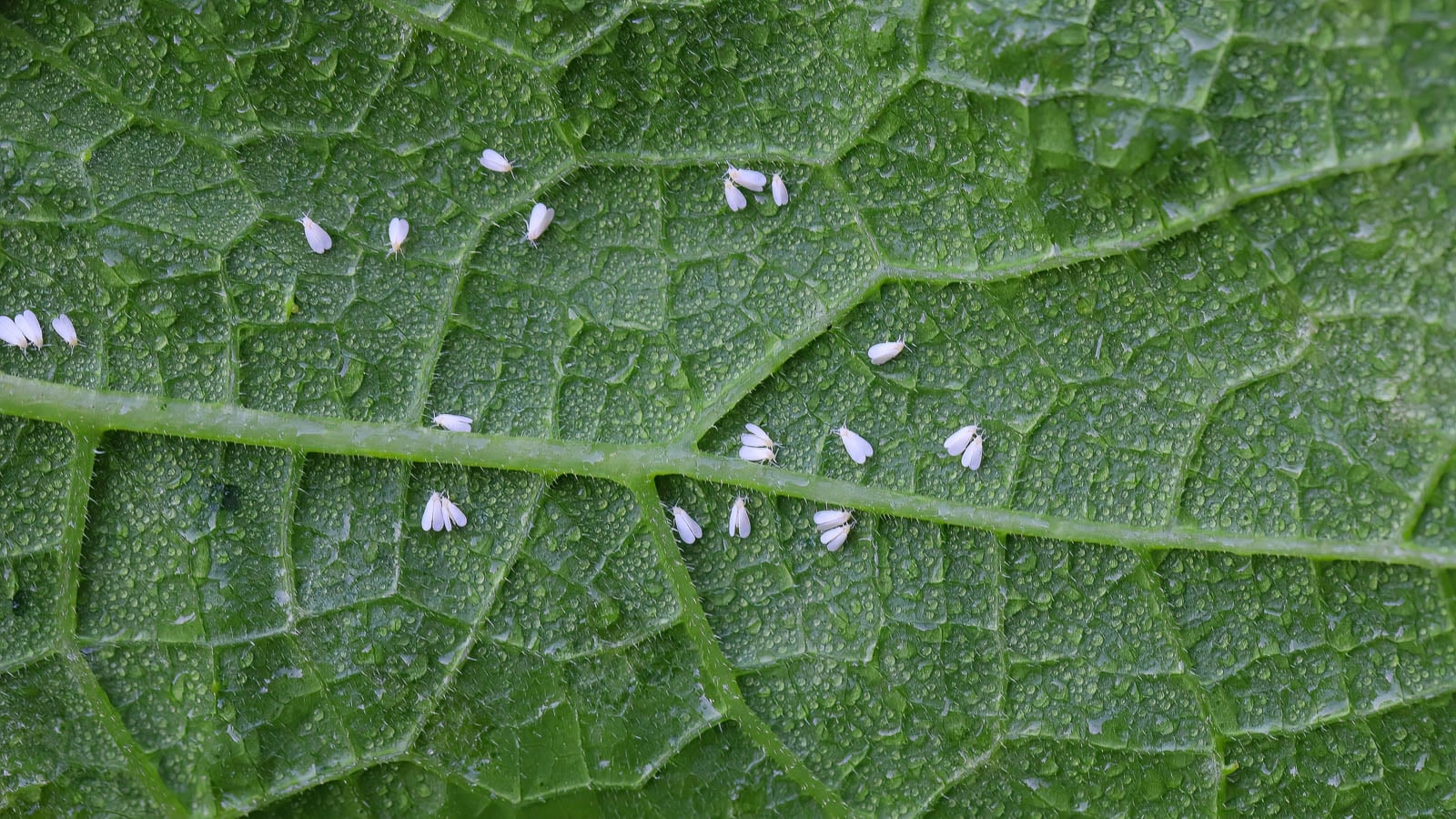
There are many pests that may target citrus trees, but the ones you are most likely to encounter are citrus mites, citrus scale insects, whiteflies, and aphids. All four feed on the leaves by sucking out the plant’s juices. They may cause the following symptoms:
- Yellow spots
- Dropping leaves
- White cottony or waxy material (scale insects)
- Brown, curling leaves
Prevention is the simplest way to keep your Meyer lemon tree healthy. Keep the tree clean by removing dead leaves or branches, overripe fruit, and any other debris. Prune the branches to maintain good air circulation throughout the canopy.
If pests are already present, horticultural oil or neem oil can eliminate most eggs and larvae. An organic pesticide such as pyrethrin can also be used to control active infestations.
Diseases

Keeping away pests will also help prevent diseases in your plants. If your tree still shows symptoms, check our chart for how to treat them:
| Disease | Symptoms | Prevent | Cure |
| Greasy Spot | Fatal greasy, brown blisters on the leaves. | Spray copper fungicide on the leaves before and after summer. | Spray copper fungicide on all leaf surfaces. |
| Citrus Canker | Dying twigs, leaf loss, and brown, cork-textured blisters. | Spray the tree and fruit with copper fungicide for the first few months after the flowers fade. | Remove the infected sections. |
| Phytophthora Gummosis | Fungal-infected sap oozing from the bark can create lesions or cause the bark to slough off. | Keep the trunk dry and the temperature warm. Use well-draining soil and examine the tree periodically for disease. | Dilute granular fungicide fosetyl-al according to the package’s instructions and spray or paint it on the trunk. Copper fungicide is an organic option. |
| Root rot | Roots become brown and mushy. The rot may spread to the branches and leaves. | Use well-draining soil and don’t overwater. Remove debris from the soil, keep the trunk dry, and prune for air circulation. | Remove the infected sections of the root (in container-grown plants) and change out the soil. |
Frequently Asked Questions
Are coffee grounds good for Meyer lemon trees?
Coffee grounds are a great amendment for most trees. They won’t acidify the soil, so don’t rely on them to help with that! But they will provide small quantities of nitrogen as they decompose.
How long does it take for a Meyer lemon tree to bear fruit?
If you bought your tree already grafted and growing, it will take about 2 years to grow fruit. If you’re growing Meyer lemons from cuttings, you’ll have to wait 3-5 years for fruit.
Why are the leaves on my Meyer lemon tree turning yellow?
Your tree may be underwatered or may need more nutrients. Determine which it is by checking the soil moisture. In some cases, yellowing leaves can be a sign of a pest or disease, so inspect for further symptoms.





