How to Plant, Grow, and Care for Mamey Sapote
The mamey sapote is a fascinating tropical tree with unusually sweet fruit. It's possible to grow these unique trees in home gardens in the right climates. We explain step-by-step how to grow this sweet treat!

Contents
Mamey sapote, the national fruit of Cuba, is a tropical fruit popular throughout Central America and the Caribbean. It is also grown in the United States in warm regions of South Florida, California, Texas, and Hawaii. While it is fairly common in South Florida, mamey sapote can be difficult to find elsewhere in the US and is rarely available in standard grocery stores.
If you live in USDA zones 9 through 11 and have enough space, you can grow mamey sapote at home. This long-lived fruit tree, botanically known as Pouteria sapota, tolerates a wide range of soil types and can produce an impressive 200 to 500 fruits per year once mature. The fruit has a smooth, creamy texture, with a flavor often compared to sweet potato, pumpkin, and sweetened almonds. Mamey sapote can be eaten raw, but it is especially popular in smoothies and ice creams.
Mamey sapote is rich in vitamins, minerals, and dietary fiber. It is an excellent vegetarian source of iron and is considered a heart-healthy food that supports cardiovascular health and balanced cholesterol levels.
Once planted, these trees are known to live for up to 100 years, producing fruit for generations.
Metal Tree Surround – 8” Tall
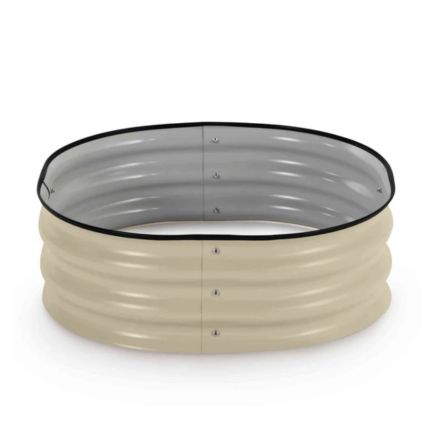
Metal Tree Surround – 8” Tall
Level up your garden setup with these beautiful, hard-working Tree Surrounds. Made from ultra-durable aluzinc steel and built to last over 20 years, they’re designed to support both new and established trees or bushes to give you more control over your growing environment.
Buy at Epic Gardening Shop
Quick Care Guide

|
Common Name(s)
Mamey, sapote, mamey sapote, Mamey Colorado
Scientific Name
Pouteria sapota
Days to Harvest
13-24 months
|
Light
Full sun, 8+ hours
Water
Regular watering; keep soil moist, but not overly wet.
Soil
Tolerant of most soils; prefers clay loam soils.
|
Fertilizer
2x per year in the spring and early fall
Pests
Diaprepes weevil, red spider mites, scale insects
Diseases
Anthracnose, root rot (pythium and rhizoctonia)
|
All About Mamey Sapote
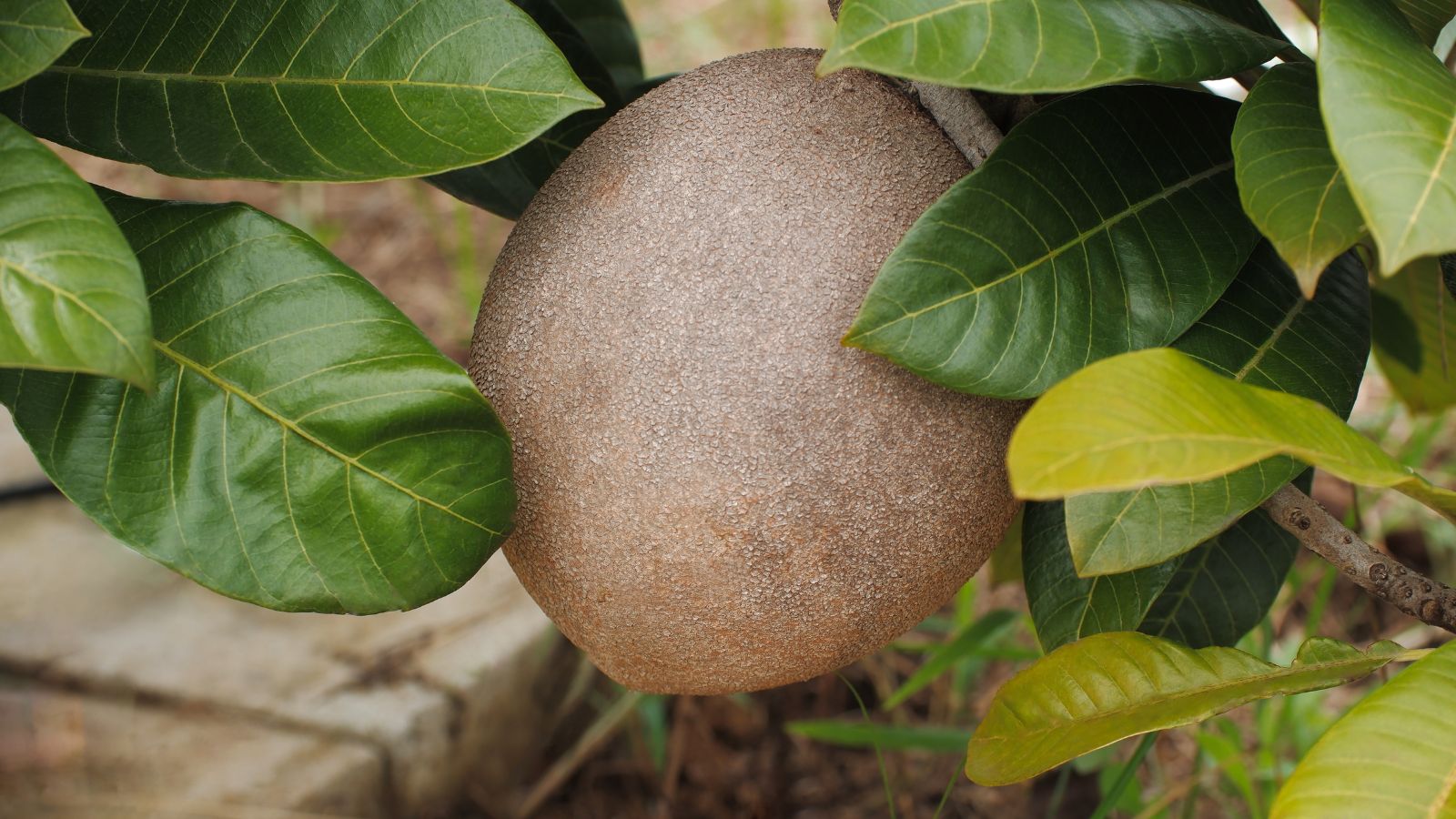
The mamey sapote tree, Pouteria sapota, is also commonly referred to as a mamey or sapote tree. Mamey sapote originates from Central America but has become popular throughout many tropical regions, especially the Caribbean. The term sapote comes from the Nahuatl word ‘tzapotl’, which means edible fruit.
Pouteria sapota is a large evergreen tree with thick branches and dense foliage. The leaves are large, green, lanceolate, and clustered at the tips of the branches. At maturity, the tree typically grows around 40 feet tall and can exceed 60 feet in optimal conditions. Fortunately, it responds well to pruning and can be maintained at a manageable size for its planting location.
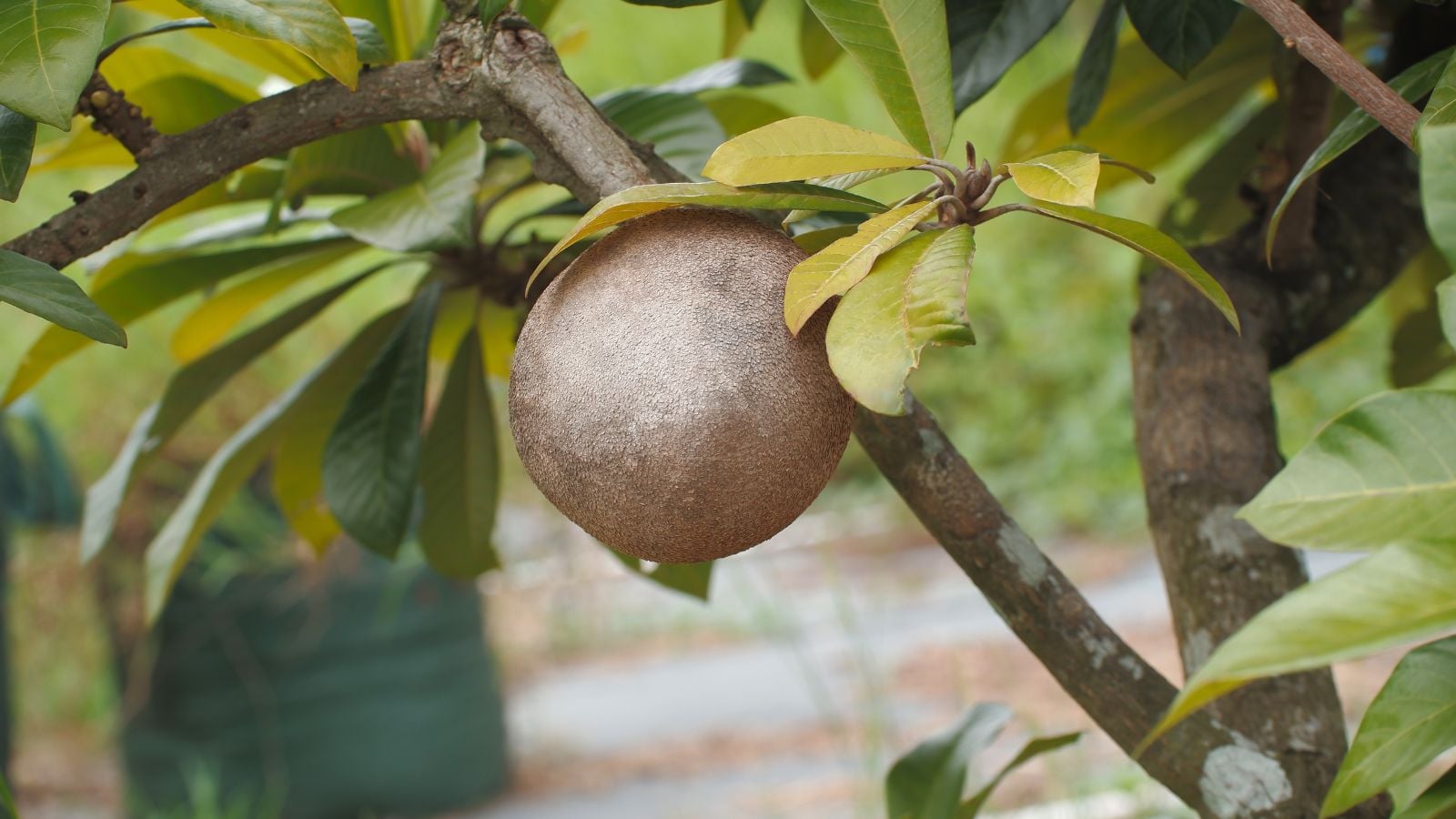
Flowers and fruit develop in clusters along leafless branches. The flowers are small, white to green, and fairly inconspicuous. The fruit resembles a coconut in both color and shape, but the interior is very different. Mamey sapote flesh ranges from rich orange to deep red. Fruit size varies by variety, generally measuring four to eight inches in diameter. Each fruit weighs between one and six pounds and contains one to three large seeds at the center.
Mamey sapote is a tropical plant that requires warm temperatures and regular moisture. It tolerates a wide range of soil types and grows well in regions that receive an average of 70 inches (178 cm) of rainfall per year. Because the fruit takes a long time to mature, it is common to see flowers, developing fruit, and fully ripe fruit on the tree at the same time.
Planting
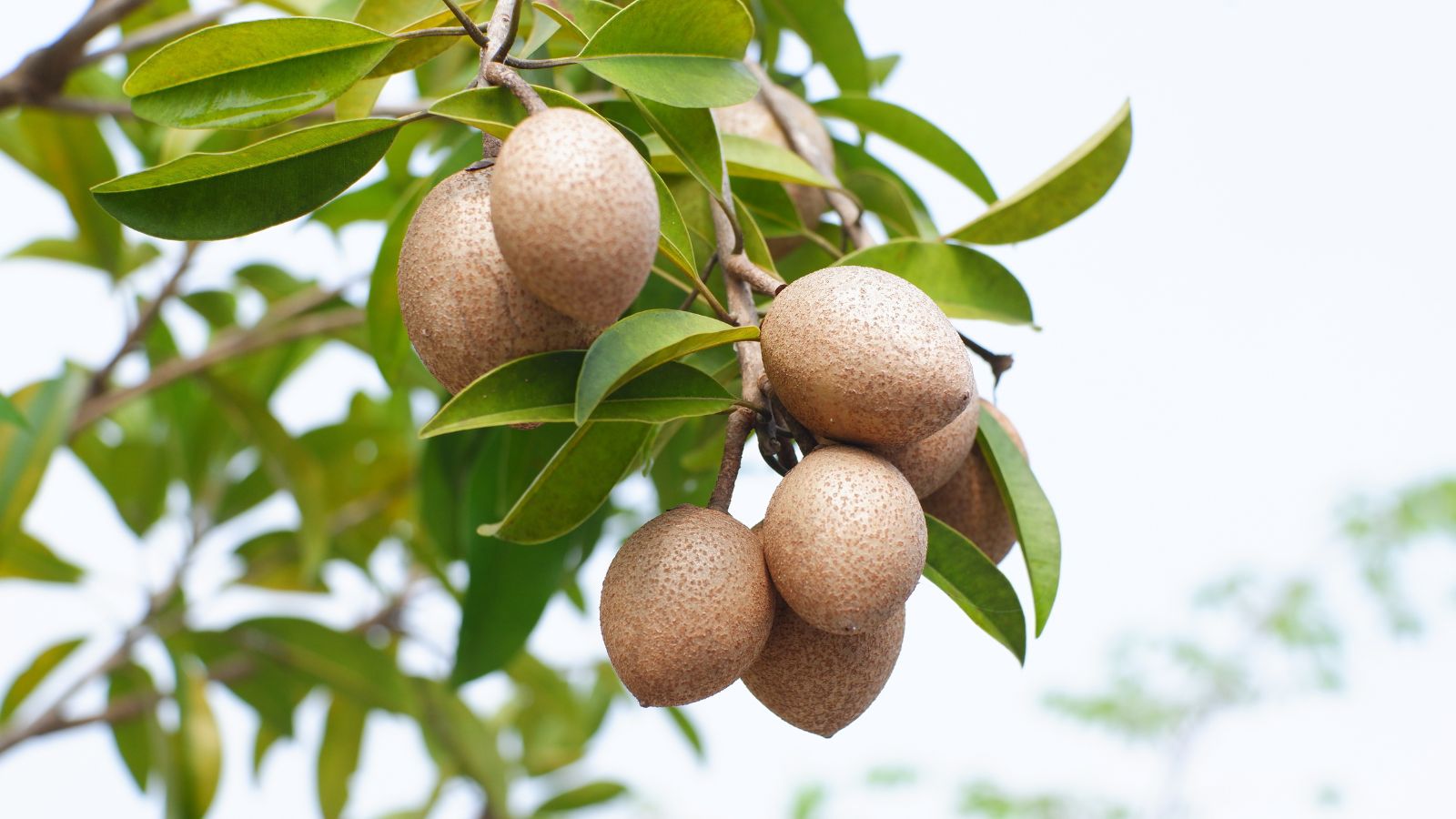
Pouteria sapota is most commonly planted as a grafted tree. It can be grown from seed, but the seed must be planted shortly after harvest, or it will lose viability. Trees grown from seed typically take seven to 10 years to produce fruit, compared to just three to five years for grafted trees.
The best time to plant is in spring, when rainfall is usually sufficient to help establish a young tree. Avoid planting in winter, as Pouteria sapota is sensitive to cold temperatures. In areas with occasional frost, it is best to grow the tree in a large container that can be moved or protected during cold events.
Choose a sunny planting site with at least 20 to 30 feet of space between the tree and nearby structures or other trees. For healthy growth and fruit production, the tree needs a minimum of eight hours of direct sunlight each day.
When planting mamey sapote, dig a hole three times the diameter and depth of the root ball. Set the tree in place, backfill with soil, and mound the soil around the trunk so it sits about four inches above ground level.
In many parts of Florida, the water table sits within seven feet of the surface. If you live in an area with a shallow water table, plant mamey sapote on an elevated mound. Although these trees require consistent moisture, they do not tolerate waterlogged soil. Poor drainage can quickly lead to root rot and decline.
How to Grow
Pouteria sapota is fairly easy to care for. Proper care is important to maintain a healthy tree that will return high fruit yields year after year.
Light
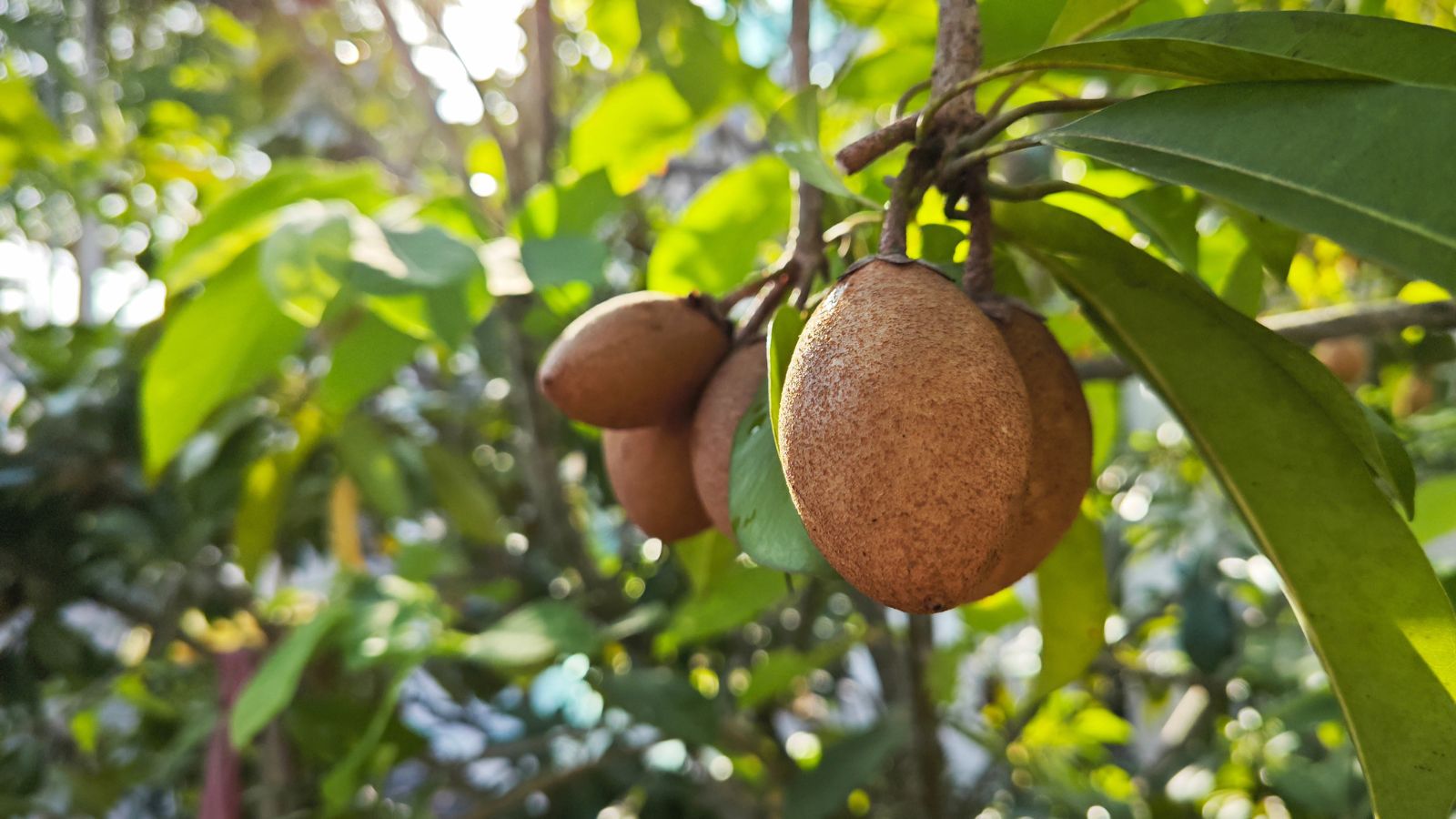
Pouteria sapota requires full sun for at least eight or more hours per day. Insufficient light will compromise fruit yield.
Water

The best time to water is in the early morning. This prevents water from evaporating too quickly and allows both the plant and soil to absorb moisture efficiently. Watering in the evening can sometimes lead to stagnant moisture, which may encourage disease.
Young trees should be watered immediately after planting and then every other day for the first month or two. In general, mature trees should be watered about every five days with one inch of water if there is not enough rainfall. Soil type plays a major role in how often and how long to water. For example, clay soil holds moisture much longer than sandy soil, so it should be watered less often but more deeply.
Both soaker hoses and sprinklers can be used for irrigation. On average, it takes about 200 minutes to apply one inch of water using a soaker hose. Sprinklers vary widely, so using a rain gauge is the best way to determine how long to run them. Irrigation is not necessary if the area receives at least one inch of rainfall during the week. During cooler months, watering frequency should be reduced to prevent overwatering.
Soil

Pouteria sapota grows best in clay loam soil with good drainage. However, it tolerates moist soil types as long as drainage is adequate. An ideal soil pH ranges between 6.0 and 7.0, though the tree can tolerate a slightly wider range.
Temperature

These trees are hardy in USDA zones 9 through 11 and are not frost-tolerant. Young trees are especially vulnerable to damage when temperatures drop below 32°F (0°C). Mature trees can tolerate temperatures below 32°F (0°C) for several hours with minimal damage, but exposure below 22°F (-6°C) will kill the tree.
The optimal average temperature range for Pouteria sapota is between 77 and 82°F (25 to 28°C). These trees are also known to thrive in parts of Central America where temperatures regularly reach 90 to 95°F (32 to 35°C).
Fertilizing

Fertilize twice per year in the spring and early fall using an 8-3-9 fertilizer formula. Depending on the soil, zinc and manganese deficiencies may occur. If there are deficiencies, foliar sprays are recommended every six weeks between March and September. Iron deficiency is also common and can be remediated by applying a chelated iron once or twice a year through a soil drench.
Pruning

Pruning should be done during the warmer months, after fruit harvest. Young trees can be pruned to encourage three to four strong main branches. Mature trees should be pruned as needed to maintain an appropriate size and shape.
Before pruning, check carefully for flowers and young fruit near the base of the branches to avoid accidentally removing developing fruit. If fruits are not harvested, they will naturally drop from the tree once fully ripe.
Propagation
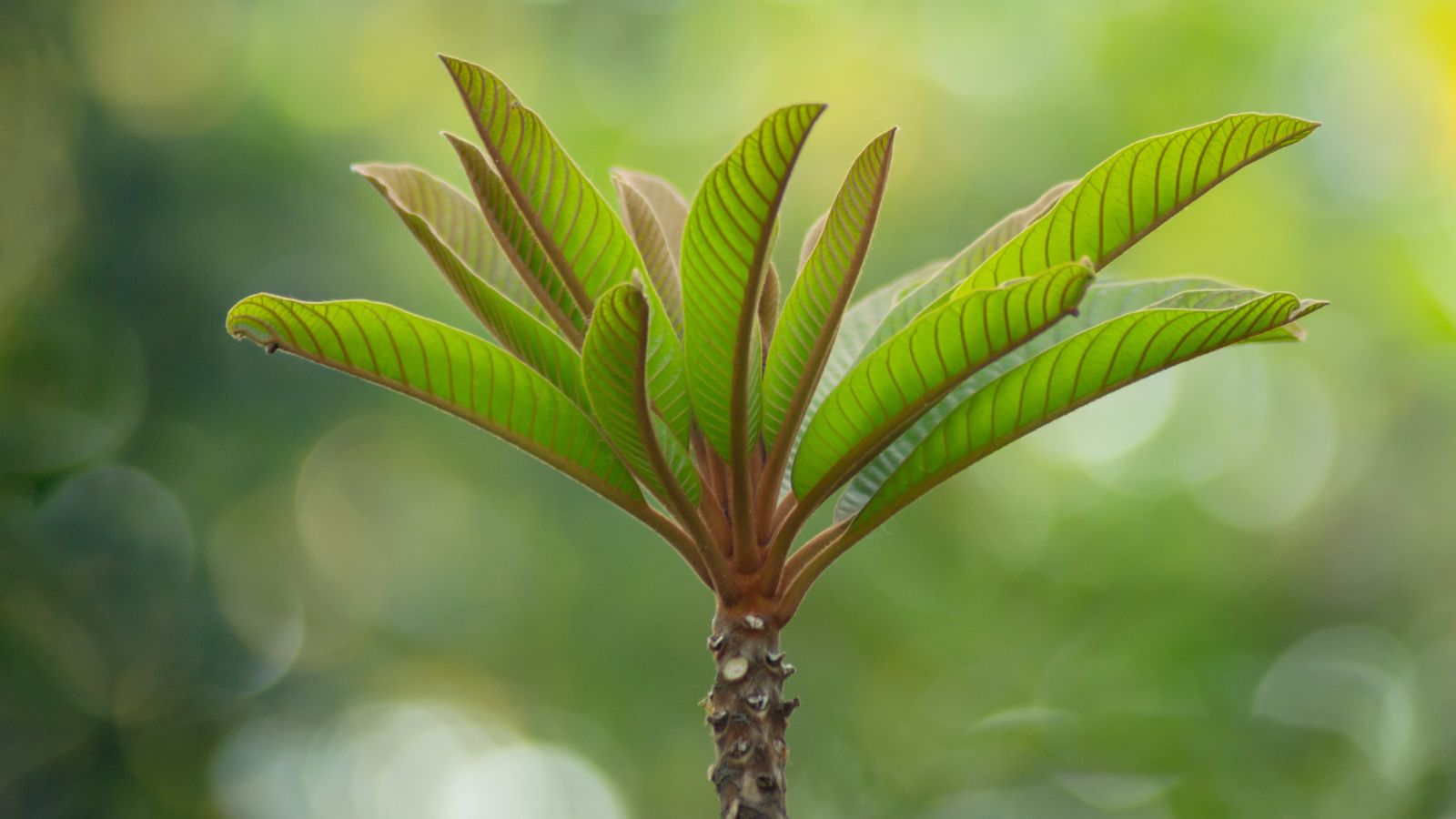
Mamey plants can be propagated by seed or by grafting.
Trees grown from seed take many years to produce fruit. Fruit characteristics are unpredictable, and in some cases, seed-grown trees may never produce fruit at all. For this reason, seed is best used only to grow rootstocks that will later be grafted with a known variety.
Grafted trees are the most reliable option. Their characteristics are known, and they produce fruit several years sooner than trees propagated from seed.
Harvesting
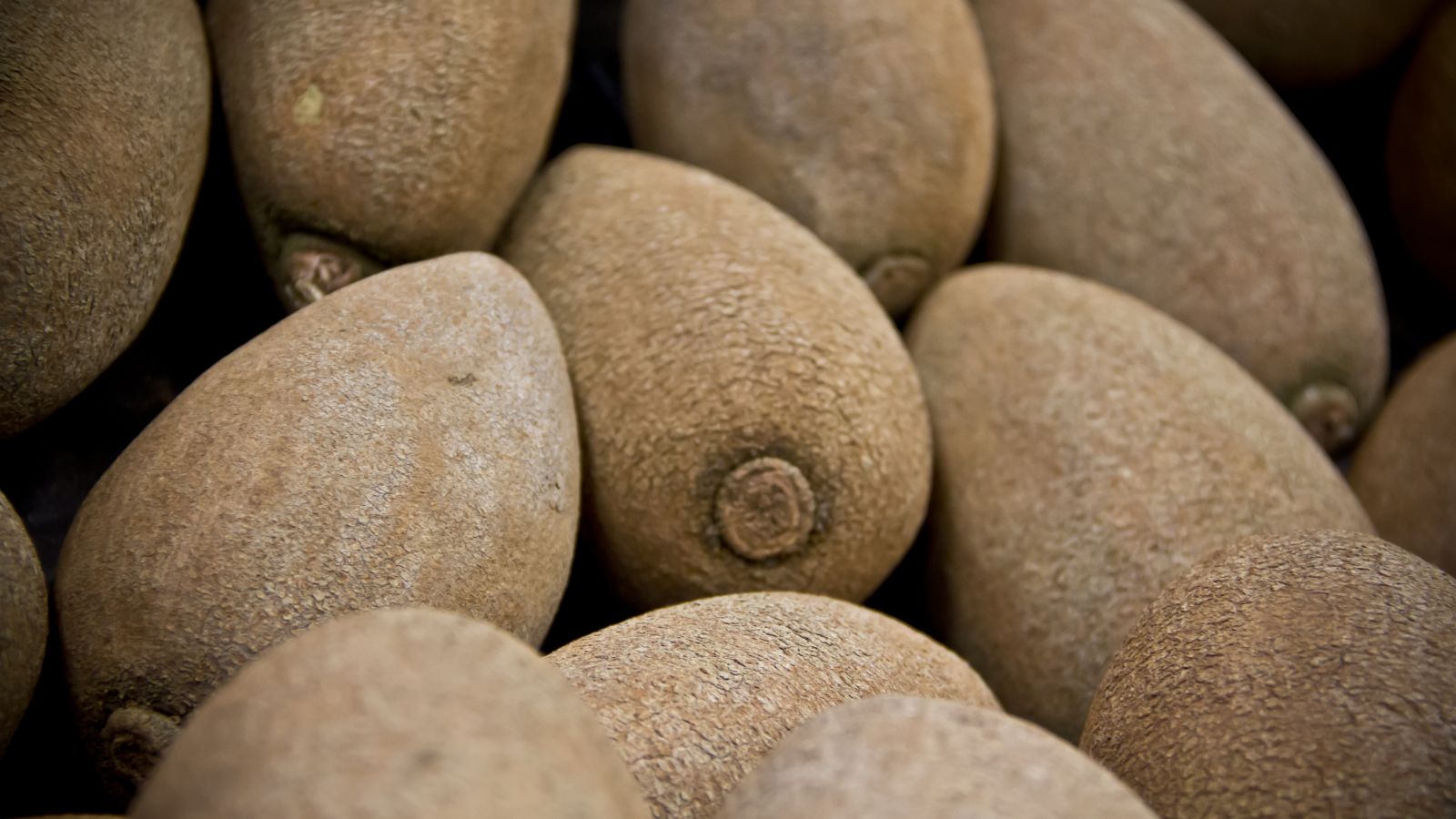
Eventually, ripe fruit will fall from the tree naturally. However, the impact usually damages the fruit. To harvest by hand, gently twist the fruit off the branch. Harvest season varies by variety, but most types are ready between April and September.
The easiest way to determine when a mamey sapote is ready to harvest is by lightly scratching the skin and checking the flesh color beneath. If the flesh is green, the fruit is not ripe. If it is orange, red, or pink, the fruit is ready to pick.
After harvesting, the fruit will still feel firm. Allow it to sit at room temperature for a couple of days to finish ripening. Ripeness can be judged the same way as an avocado. Gently squeeze the fruit. If there is slight give, it is ripe and ready to eat.
Keep in mind that mamey sapote fruit takes 13 months to two years to fully develop. Patience is essential when growing and harvesting high-quality fruit.
Storing
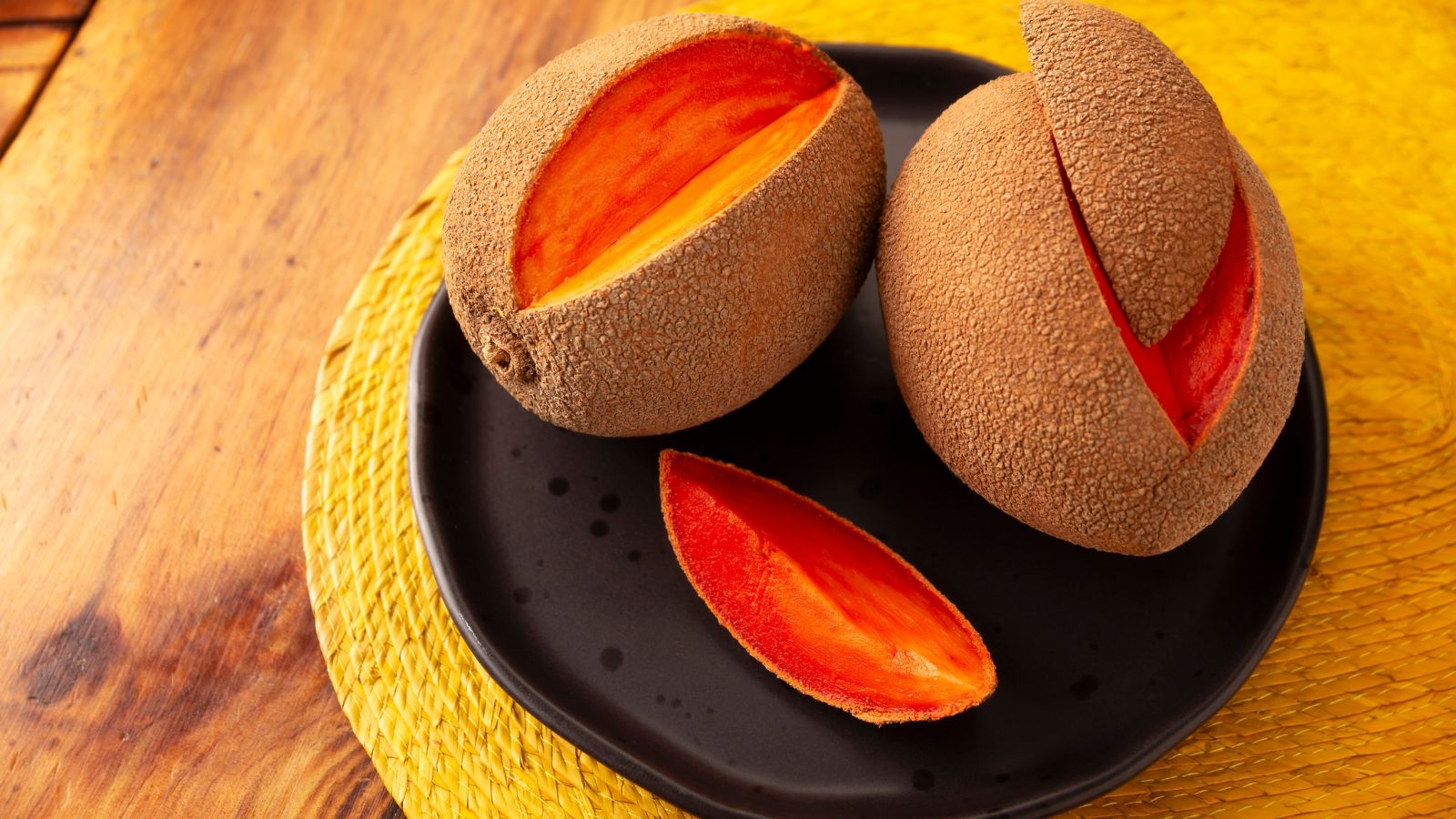
Fruit can be stored fresh in the refrigerator for one to two weeks. For longer storage, cut the fruit into chunks and freeze it. Frozen fruit can later be used in smoothie and ice cream recipes. The fruit can also be freeze-dried to create a crunchy snack with a long shelf life.
Troubleshooting
Even though Pouteria sapota is fairly easy to grow, that doesn’t mean you won’t run into difficulties. Below are a few problems that you may face and potential solutions!
Growing Problems
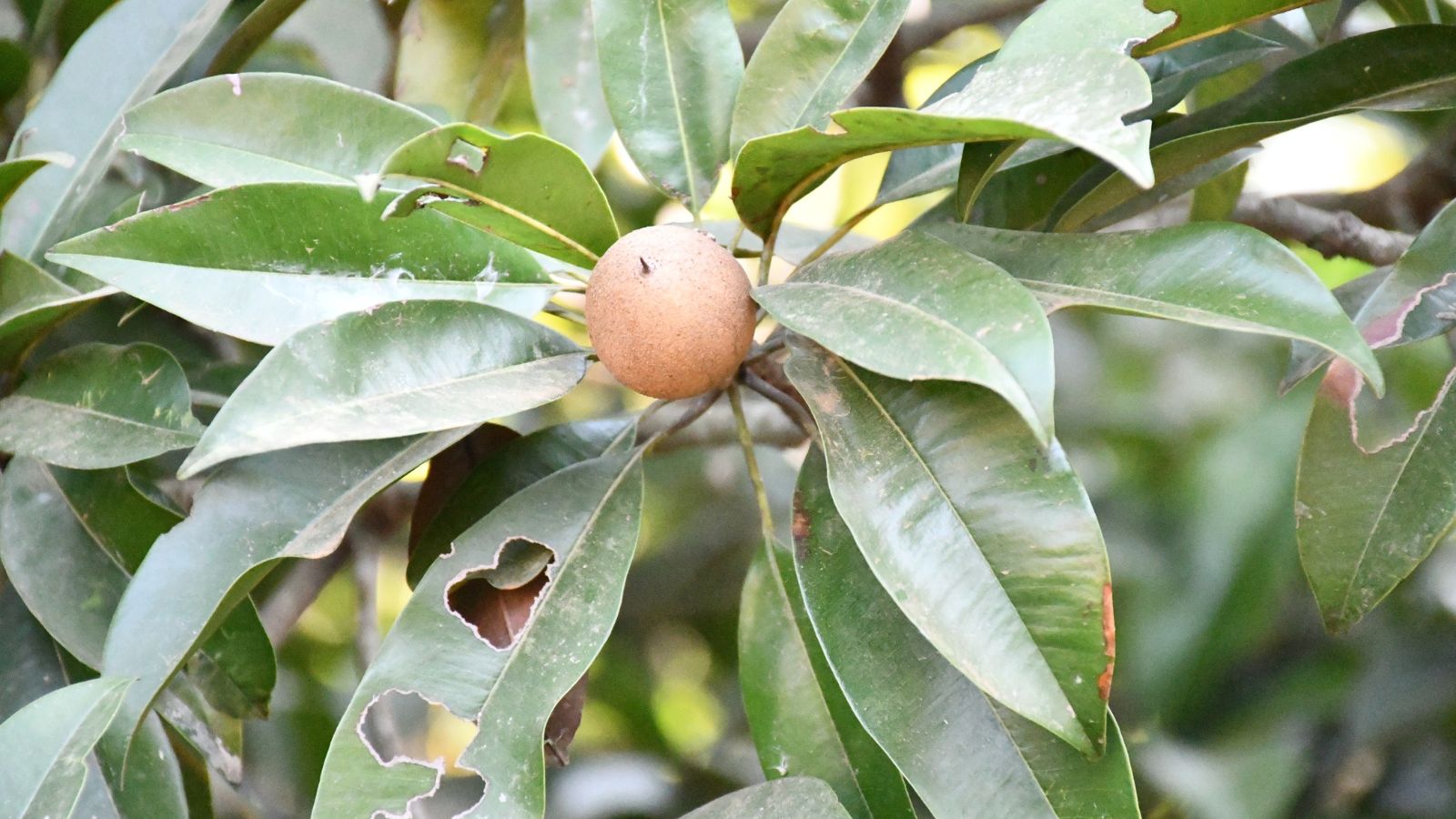
Proper irrigation is key to growing a healthy tree. Underwatering can cause defoliation and fruit drop. A lack of water and nutrients will also result in poor fruit production.
Freezing temperatures can injure or kill trees, with young trees being especially susceptible to cold damage.
Pests
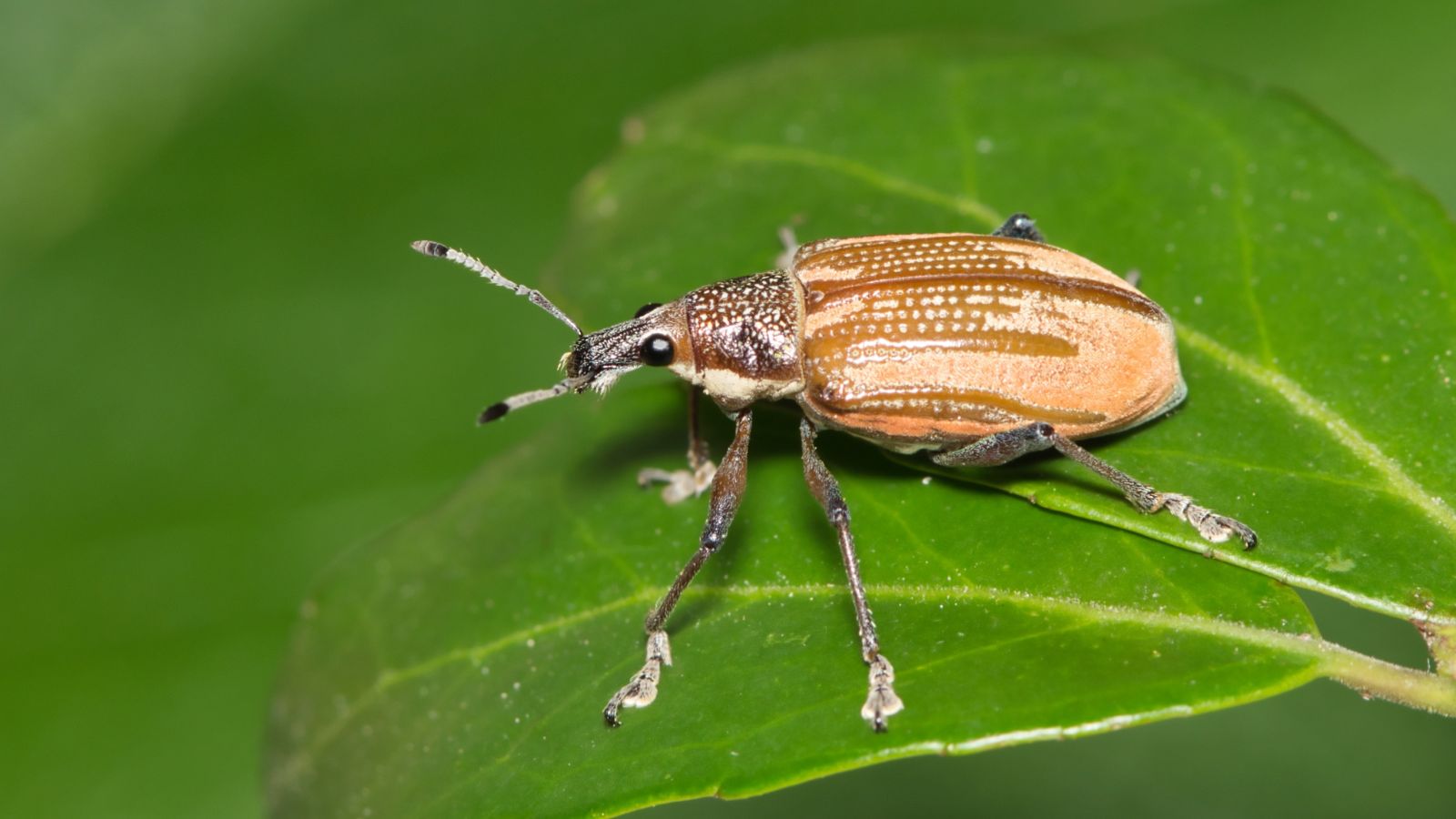
The Diaprepes weevil (Diaprepes abbreviatus) is a root weevil found in Florida and the Caribbean. Adults feed on leaves, while the larvae feed on roots. Adults range from three-eighths to three-quarters of an inch in length and are black with red, orange, or yellow scales on the elytra. The larvae are white grubs that grow to about one inch long.
Heavy infestations can cause severe decline or even tree death. Beneficial nematodes can be applied to the soil to control the larvae. Horticultural oils may also be sprayed to kill eggs and prevent females from laying them on leaves.
Red spider mites (Tetranychus bimaculatus) may infest foliage and cause stippling damage. Because mites are extremely small, damage is often noticeable before the pests themselves are seen. Severe infestations can lead to defoliation. Mite populations can be controlled biologically with predatory mites such as Phytoseiulus persimilis. Horticultural oils are also effective at reducing mite numbers.
Several types of scale insects may infest mamey trees. Scales are most often found on branches and twigs, and damage is usually minimal. In many cases, natural predators keep scale populations in check as long as ants are controlled. Ants feed on honeydew produced by scales and will actively protect them from predators. Horticultural oils are a proven option for managing scale insects when infestations occur.
Diseases
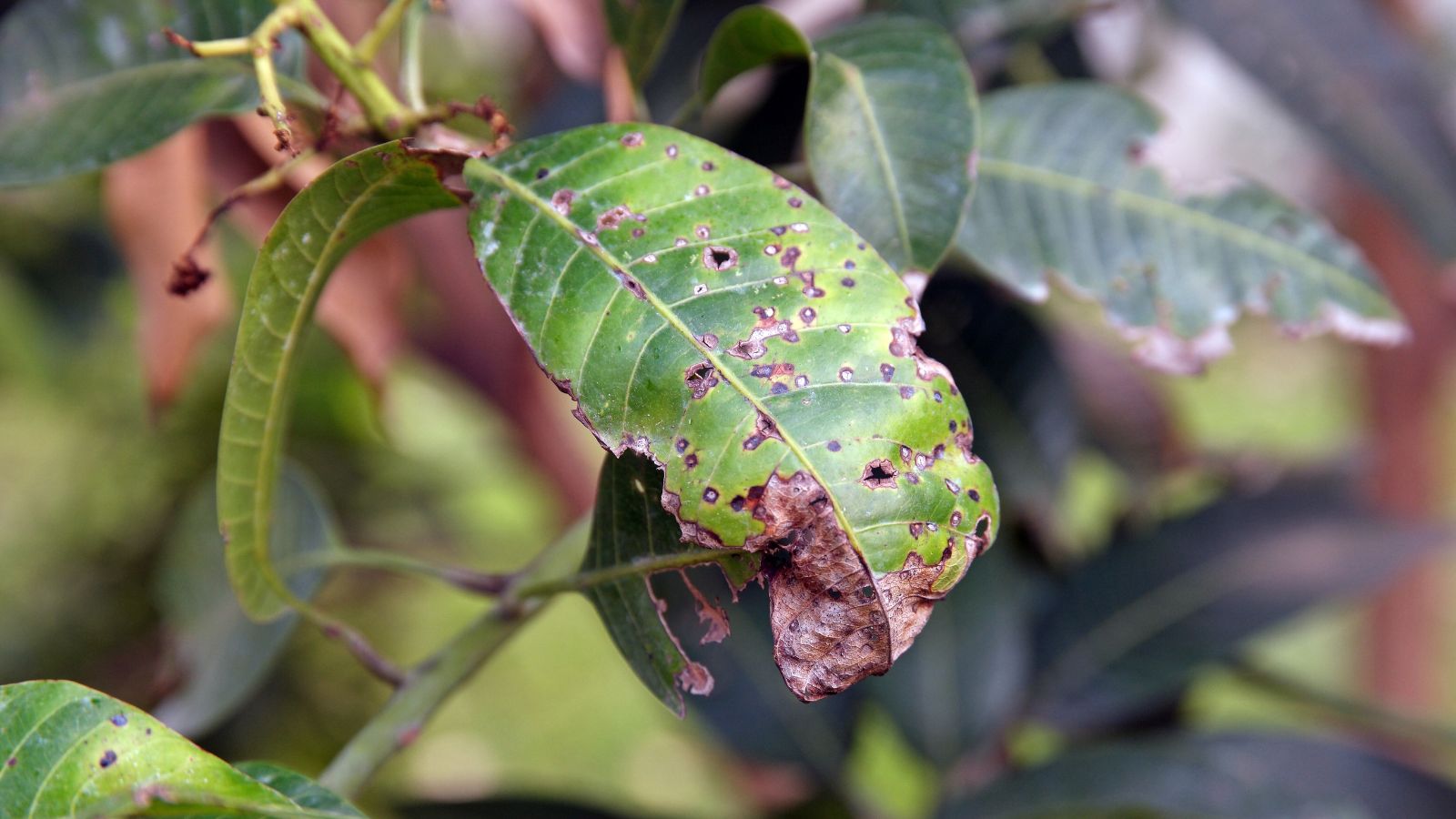
The most significant disease problems are root rots caused by Pythium and Rhizoctonia. Both diseases are directly linked to overwatering and can usually be prevented or corrected with proper irrigation practices. These issues develop when soil remains consistently saturated.
The first sign of a root problem is a general decline in plant vigor and reduced fruit production. To confirm the diagnosis, dig down to check soil moisture and root health. If the soil is waterlogged and the roots appear brown and brittle, the tree is suffering from root rot.
Anthracnose can also occur during the rainy season. This disease primarily affects young, tender growth such as flowers and new leaves. In most cases, damage is minor and does not require treatment, as it typically resolves on its own once conditions become drier.
Frequently Asked Questions
What does a mamey sapote taste like?
The flavor of mamey sapote is compared to sweet potato, pumpkin, and sweetened almonds.
How do you eat mamey sapote?
Mamey sapote can be eaten fresh or it can be added to smoothies, ice cream, and other sweet recipes.
Is mamey fruit related to avocado?
Even though there are some similarities, mamey sapote is not related to avocado.





