How to Plant, Grow, and Care for Malabar Spinach
Malabar spinach isn't a true spinach at all, but tastes like it when cooked. It's great for gardeners in warmer regions who enjoy spinach but don't have the right climate for it. Learn how to grow this prolific staple green with our guide!

Contents
Malabar spinach is a warm-weather vegetable that originates from Asia and is a common ingredient in many Asian cuisines. Its leaves, shoots, and berries are all edible, each with different culinary uses. Malabar is a region on the southwest coast of India, where the tropical climate provides ideal growing conditions for this vigorous vine. This vegetable is also known as Indian spinach, Ceylon spinach, or vine spinach.
One common issue with growing regular spinach is that it tends to bolt and turn bitter as soon as temperatures rise. Last year, in my zone 5b garden, I was only able to harvest for a few short weeks from my ‘Bloomsdale Long Standing’ variety between the last frost and the first late-spring heatwave. It was the first leafy green to bolt in my garden, even before my arugula.
Although Malabar spinach is not botanically related to common market spinach varieties, it can be a reliable and productive alternative for the summer garden.
When grown in consistently warm regions such as Southern California or the southern United States, Malabar spinach is a perennial. In most other climates, it is grown as an annual. It can also become invasive if plants are allowed to go to seed. However, in regions that experience frost, this vegetable can only be grown as an annual, where it works well as a succession planting after cold-hardy leafy greens have finished.
Medium Modular Metal Raised Garden Bed Kit – 15” Tall
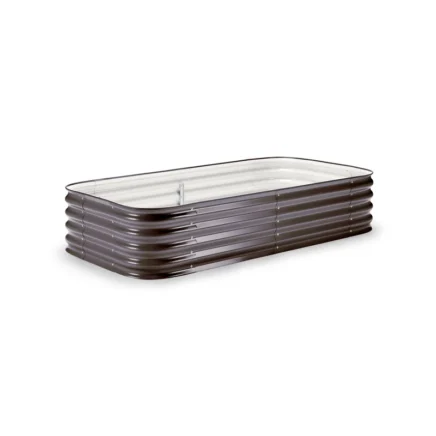
Medium Modular Metal Raised Garden Bed Kit – 15” Tall
Folding A-Frame Trellis Support For Plants

Folding A-Frame Trellis Support For Plants

Quick Care Guide

|
Common Name(s)
Malabar spinach, Ceylon spinach, Indian spinach, vine spinach
Scientific Name
Basella alba or Basella rubra
Days to Harvest
50 days for baby greens; 85 days to full size
|
Light
Full sun
Water
Consistent moisture
Soil
Prefers fertile soil with pH ranging from 6.5 to 6.8 although it can tolerate poor soils
|
Fertilizer
Nitrogen-rich fertilizer to support leaf growth
Pests
Root-knot nematodes
Diseases
Cercospora leaf spot
|
All About Malabar Spinach

Malabar spinach can serve multiple purposes in the garden, functioning as both an edible crop and a landscaping ornamental.
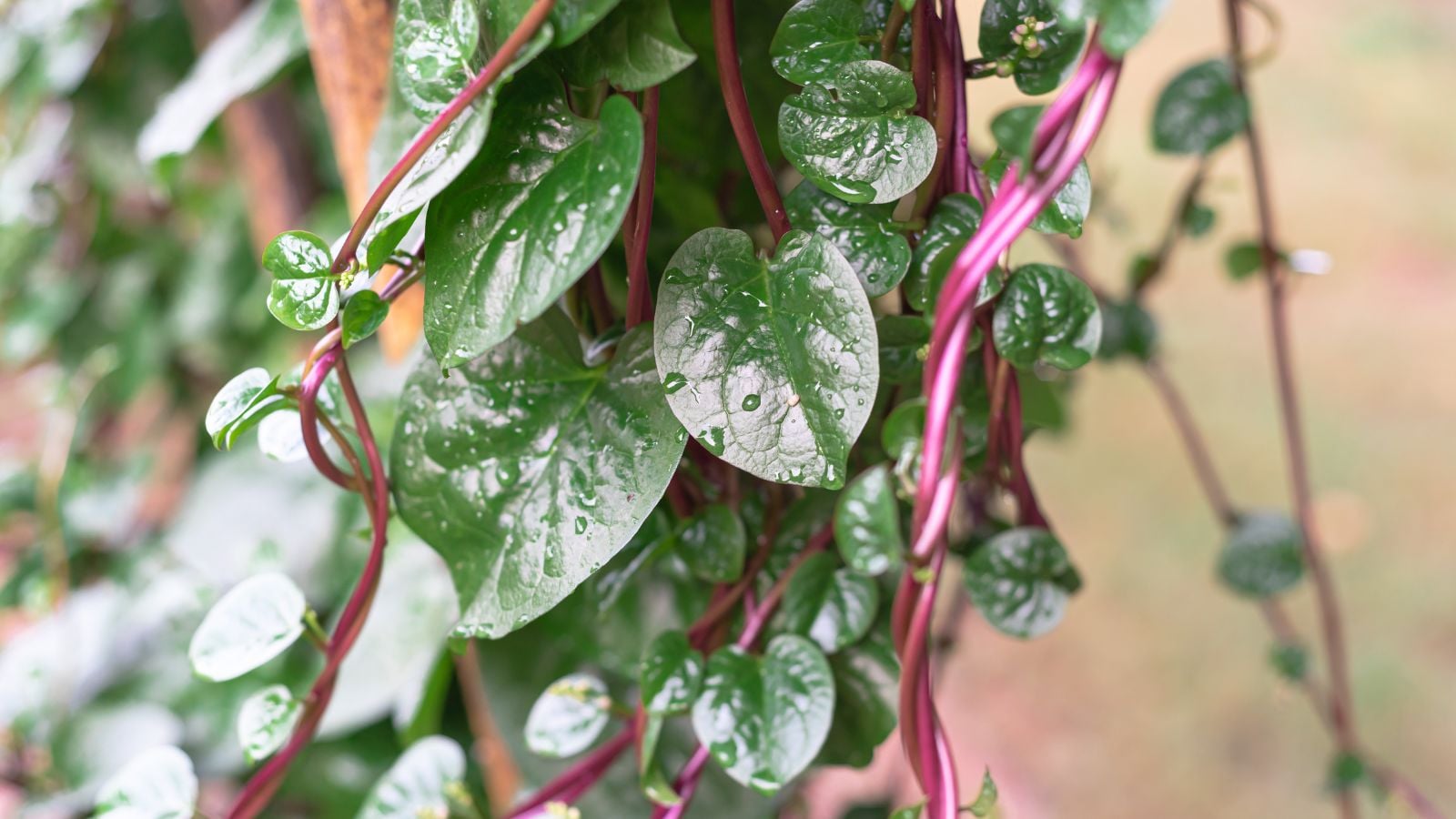
There are two common species of Malabar spinach: Basella alba and Basella rubra. Basella rubra is more often grown as an ornamental because of its striking purple vines, while the dark green Basella alba is more commonly cultivated for food. Both species are edible and highly nutritious, with high levels of calcium, iron, and vitamins A and C.
Both Malabar spinach types are fast-growing vines with oval to heart-shaped leaves that are dark green and semi-succulent. The vines are vigorous and can grow up to six feet tall in one season. The main difference between Basella alba and Basella rubra is the color of their vines. The word “alba” means white in Latin, while “rubra” means red.
Malabar spinach blooms in summer, producing long clusters of small purple-white flowers. These flowers eventually develop into dark purple berries, which are edible but are also commonly used as a natural dye.
Malabar spinach leaves and tender stems can be added to soups, stews, curries, or stir-fries. The leaves are fleshy and work well as a natural thickener. In some cultures, the roots of Malabar spinach are also used in traditional medicine to treat diarrhea and other digestive issues.
Planting

Malabar spinach is sensitive to frost, so it must be planted after all danger of frost has passed and once the soil has warmed. This vine can be started from seed, direct sown, or transplanted from cuttings.
Seeds or transplants grow best in full sun. Malabar spinach is easy to care for and thrives when planted in the ground, in raised beds, or in containers. Adding a trellis allows the vines to climb vertically, while allowing them to sprawl creates a fast-growing ornamental groundcover.
How to Grow
Malabar spinach is easy to grow and a reliable heat-tolerant vegetable for summer gardens. Given the right conditions, Malabar spinach can become both a visual and culinary standout in the garden.
Light

Malabar spinach grows best in full sun, which means six or more hours of sunlight in the summertime. These heat-tolerant plants handle sunny spots with ease.
Water

Malabar spinach is a tropical plant, so it needs consistent soil moisture. If you live in a hot, dry climate, stay on top of watering by using a timer and watering deeply with soaker hoses. Apply mulch generously to help retain soil moisture.
This type of vine spinach is sensitive to dry spells and will flower and turn bitter if watering is inconsistent. This may not be an issue if you are growing Malabar spinach primarily as an ornamental vine.
Take care not to overwater, and avoid overhead watering to reduce the risk of fungal diseases. If you are growing Malabar spinach in a tropical climate with a rainy season, additional watering is usually unnecessary during that time.
Soil

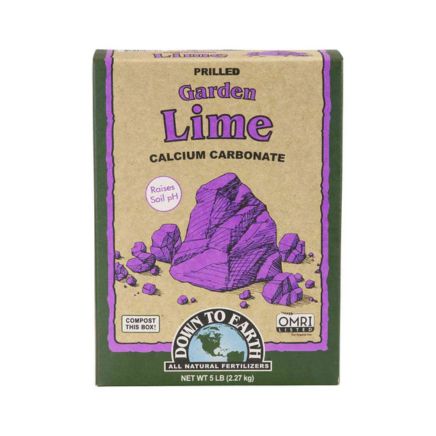
Malabar spinach prefers well-draining, loamy, and nutrient-rich soil. The ideal soil pH is slightly acidic, ranging from pH 6.5 to 6.8. Although it can tolerate alkaline or poor soils, plant growth will slow significantly under these conditions. Apply mulch to the soil surface to reduce moisture evaporation during hot weather and to help suppress weeds.
Temperature

Malabar spinach can be grown as an annual in most USDA growing zones, but may be perennial in zone 7 and above. Because this spinach vine thrives in summer heat, it may not grow as vigorously in regions where the average summer temperature stays below 80 to 90°F (27 to 32°C). Malabar spinach is highly frost sensitive and will not survive even a light frost.
Fertilizing

When you grow Malabar spinach for its dark green or purple-red leaves, use a high-nitrogen fertilizer to promote healthy leaf growth. Start plants in fertile soil in spring with added nitrogen fertilizer. Continue fertilizing every three to four weeks throughout the growing season to encourage ongoing leaf production.
Pruning

Malabar spinach can be pruned quite aggressively. If the plant is left unpruned, it can quickly take over a growing area. Frequent pruning and harvesting of leaves and shoots benefits the plant and encourages bushier, leafier growth.
Because this plant self-seeds easily, berries should be removed or flowering prevented. Malabar spinach can become invasive if it is not managed properly.
Propagation

You may have more success germinating Malabar spinach seeds if you scarify the tough seed coat by carefully nipping it with a sharp knife or roughing it with sandpaper. Soaking seeds in water overnight before planting can also speed up germination. Start seeds indoors or sow directly about 1/4 inch deep. If direct sowing, thin seedlings so they are spaced six inches apart.
To propagate Malabar spinach from cuttings, trim a section from one of the stems, cutting just below a growing node. Select stems that are five to six inches long. Rooting hormone can be used, but it is not required, as cuttings can be placed directly into well-draining soil. Cuttings can also be rooted in water. Roots typically develop within two weeks and are ready to be transplanted into the garden.
Harvesting
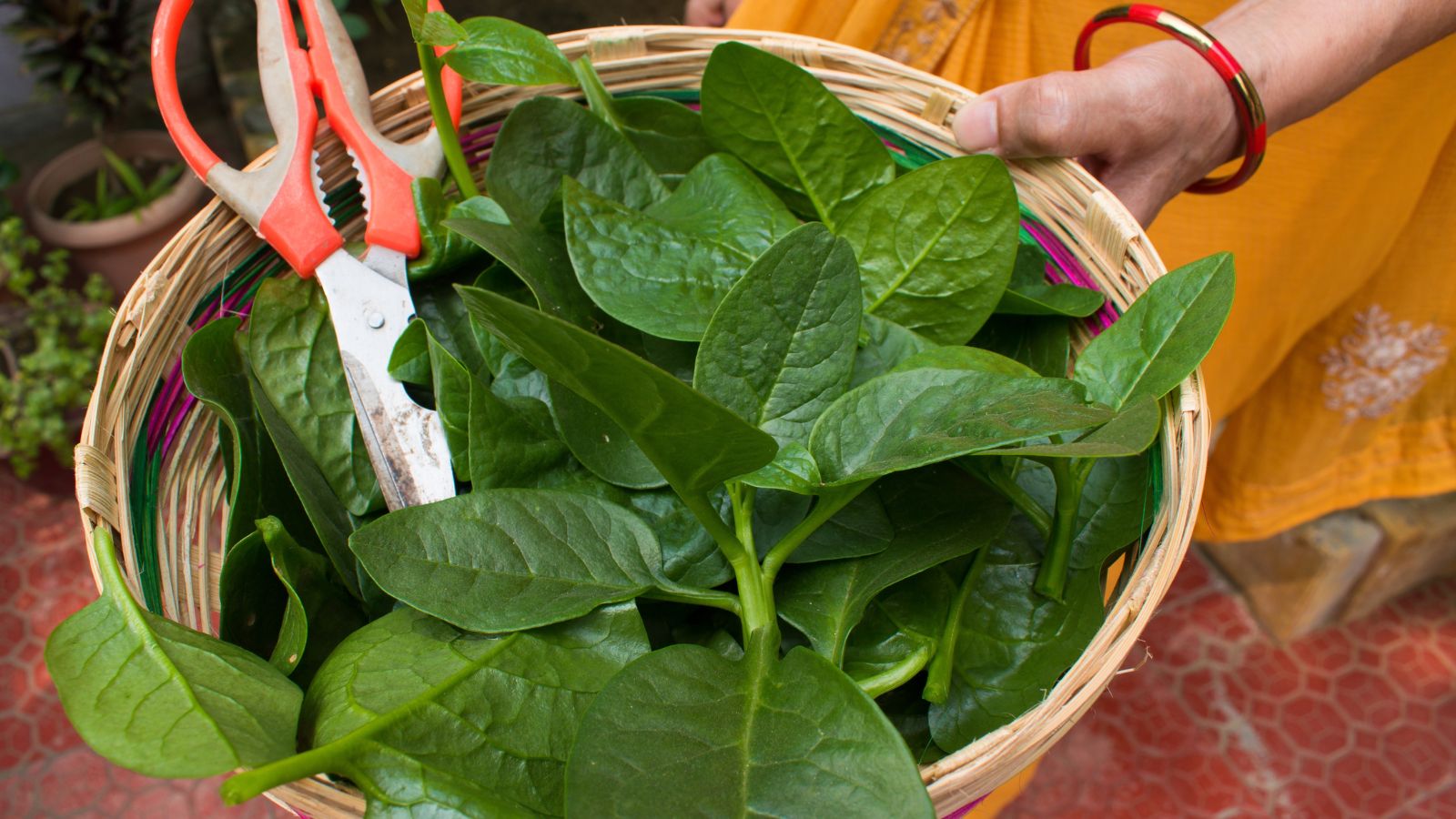
Malabar spinach can be eaten raw in salads as a substitute for other leafy greens or cooked in a wide range of dishes. This plant works well in any recipe that calls for traditional spinach. Younger leaves and shoots are typically the best choice, especially for fresh salads.
Malabar spinach can be harvested as early as 50 days after planting, or once a strong main stem has formed. Pick smaller, heart-shaped leaves throughout the plant or snip off tender stems. Harvest frequently to encourage bushier growth, while leaving at least six inches of stem and foliage intact each time. Continue harvesting weekly until cold temperatures kill the plant.
Storing
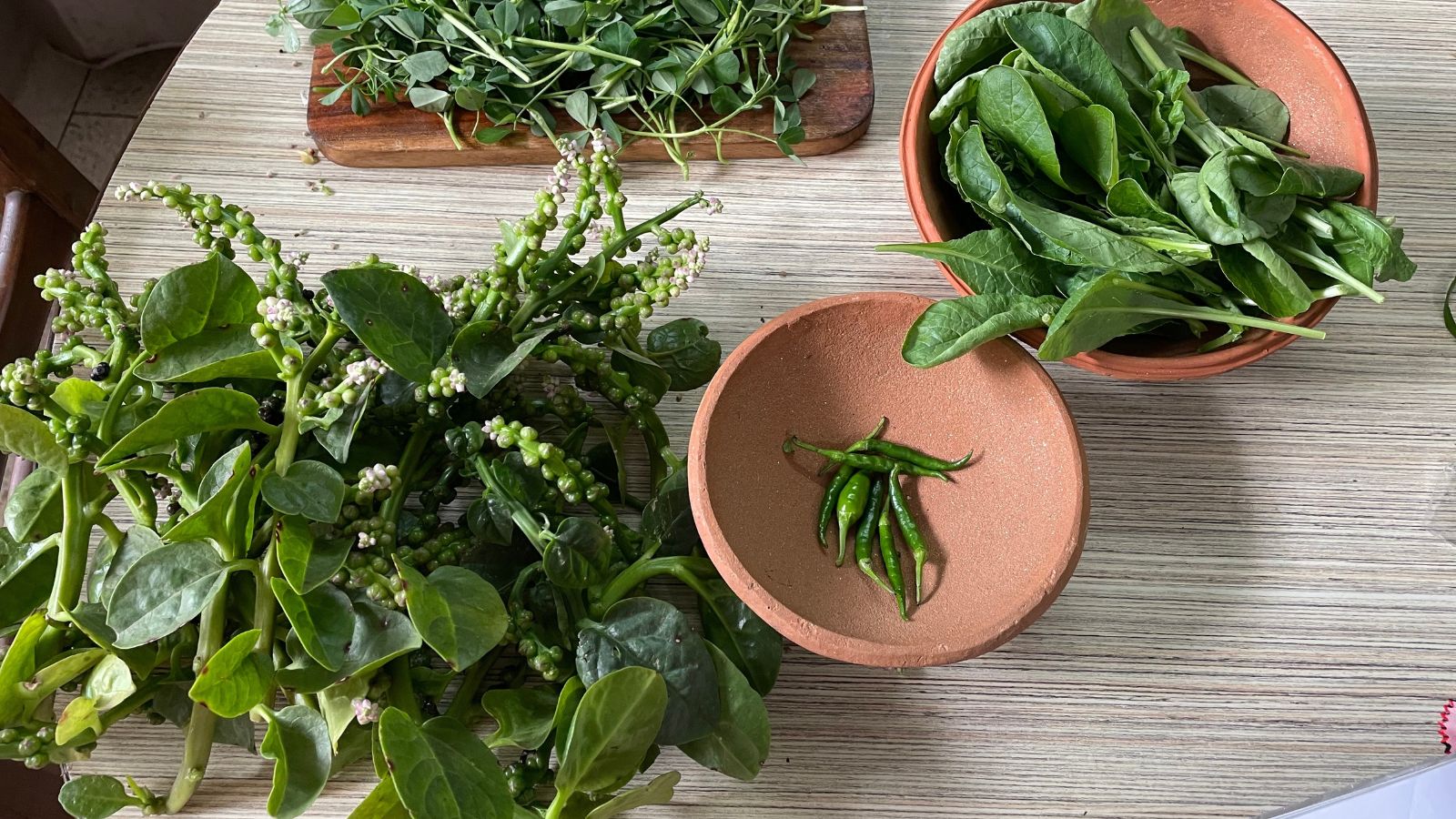
Malabar spinach is best eaten fresh. After harvesting the leaves or stems, use them immediately or store them in the refrigerator, where they can keep for two to five days. If you have a very abundant harvest, blanch the leaves and then freeze them for longer-term storage.
Troubleshooting
Malabar spinach is a popular market crop in Asia due to its strong resistance to pests and diseases. It is not a fussy plant to grow, making it a good choice for both novice and experienced gardeners.
Growing Problems
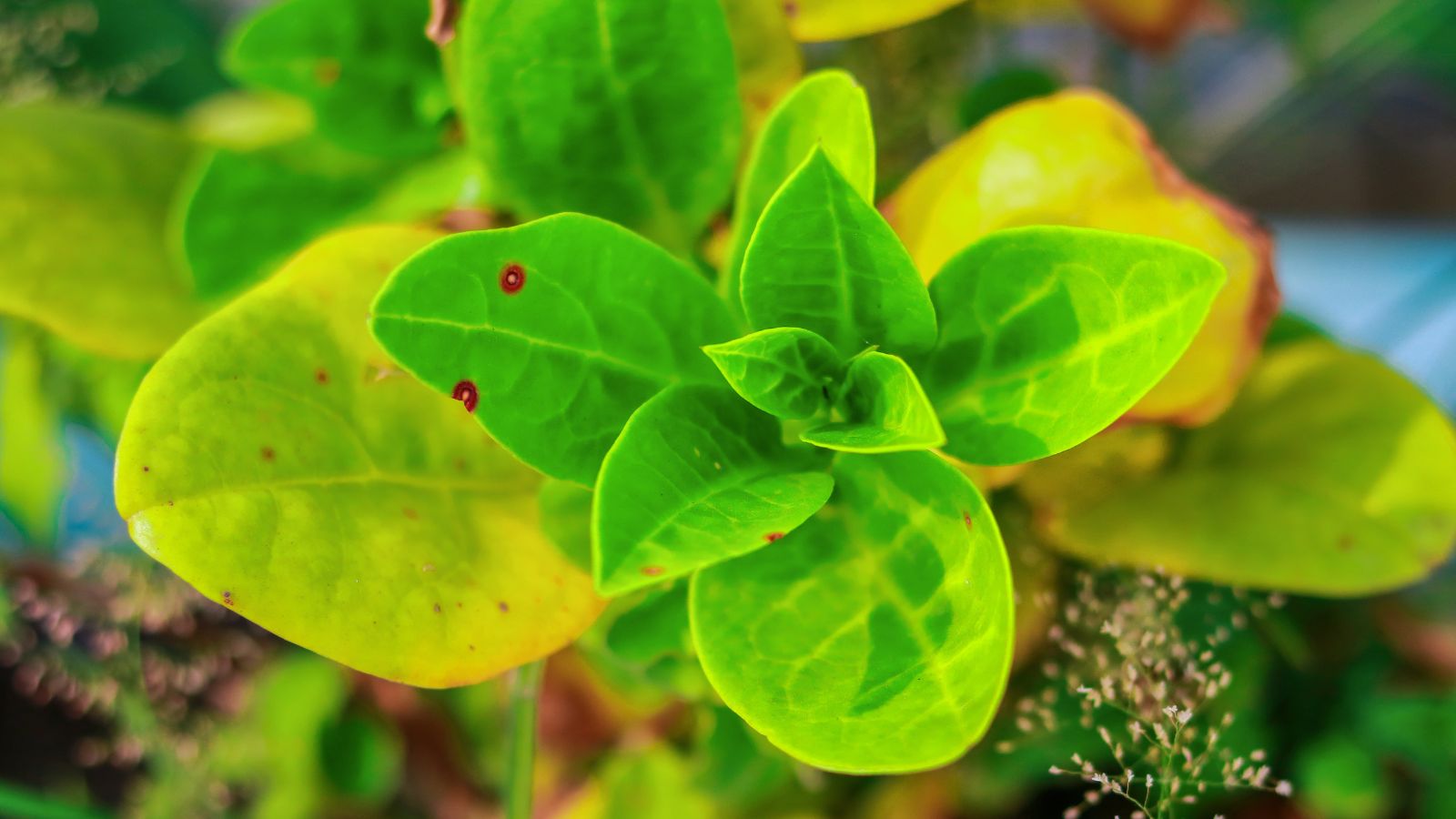
Ceylon spinach may be slow to get started as the weather warms for summer, but it typically has few issues once established. Only plant it after all danger of frost has passed, preferably well after the last expected frost date. While this spinach vine can grow in partial shade, it will be more vigorous when grown in full sun.
Pests

Malabar spinach is resistant to most major garden pests, making it a very low-maintenance vine. However, there have been reports of damage caused by root-knot nematodes. These pests can stunt growth and reduce plant vigor, leading to leaf chlorosis, or yellowing of the leaves and stems. If you notice these symptoms and suspect a nematode issue, check the soil and roots for signs of swelling.
There are two organic nematicides available that can be used to manage root-knot nematodes, although they will affect both harmful and beneficial nematodes in the soil. Alternative approaches include fertilizing with neem seed meal, crab meal, or oyster shell flour to help strengthen plant roots and improve resistance to nematode damage. Applying beneficial nematodes to the soil, which prey on root-knot nematodes, is another effective option.
Diseases

Because Malabar spinach thrives in warm, moist conditions, it may be susceptible to foliar diseases, including fungal leaf spots caused by Cercospora beticola. This pathogen is most commonly found on sugar beets, spinach, and Swiss chard.
Cercospora beticola causes small, circular to oval grey spots with dark purple or brown margins to appear on leaves. If left untreated, the pathogen can lead to premature defoliation and weaken overall plant vigor.
Use best watering practices to keep foliage as dry as possible, and avoid overhead watering whenever you can. If fungal spots appear, remove affected leaves immediately. Do not eat or cook leaves showing signs of fungal disease, and do not compost them, as the pathogen can survive in soil for up to two years.
In particularly humid regions with summer temperatures above 80°F (27°C), consider applying an organic protectant fungicide as a preventative measure.
Frequently Asked Questions
Can malabar spinach be eaten raw?
Yes, Malabar spinach can be eaten raw although it’s typically stir-fried or used in stew and curries.
Is malabar spinach an annual or perennial?
Malabar spinach is very frost sensitive and loves the hot weather. In areas of the world that are tropical or subtropical, Malabar spinach can be grown as a perennial. Overwise, it’s grown as an annual.





