How to Plant, Grow, and Care for Maiden Grass
Maiden grass is an old-time garden favorite for a variety of outdoor styles. It sprouts thin, dainty foliage from large, arching clumps. Red flowers appear in the fall, and seed heads emerge shortly after for winter interest. If you’re looking for a hardy grass, look no further than this unique variety!


Contents
Grasses are often undervalued in landscapes. They work as focal points, backdrops, and for lining borders and edges. Without them, you’ll miss the sway of their fronds in the autumn breeze, and their shiny gold foliage as fall turns to winter.
Out of all the perennial grasses, maiden grass is one of the best cultivars. It’s graceful, dainty, and exquisitely interesting. Onlookers will sway their gaze to its fronds as they walk along your yard. It provides all-season interest, with coppery fall foliage, seed heads in winter, green fronds in spring, and flowers in late summer.
Maiden Grass Overview

|
Plant Type
Deciduous grass
Family
Poaceae
Genus
Miscanthus
Species
sinensis
|
Native Area
China, Japan, Korea
Exposure
Full sun to partial shade
Height
4-7’
Watering Requirements
Low
|
Pests & Diseases
Mealybugs, Blight, Rust
Maintenance
High
Soil Type
Well-drained
Hardiness Zone
5-9
|
What Is Maiden Grass?
This cultivar is a tough, sometimes weedy, plant with self-spreading tendencies. It grows runners that sprout new clumps from underground, and seeds that grow into new seedlings far from the original plant. Its scientific name, Miscanthus sinensis ‘Gracillimus,’ reflects its graceful tendencies, though it doesn’t account for the self-spreading!
Native Area

Native to China, Japan, and Korea, Miscanthus sinensis, or Chinese silvergrass, grows wild in meadows and the lower regions of hillsides. It’s drought-tolerant, thriving with seasonal changes in the weather. It’ll withstand summer drought and winter frost, sprouting anew each year.
‘Gracillimus,’ is a variety of the species most commonly referred to as maiden grass. There are dozens of other varieties, though ‘Gracillimus’ is a longtime favorite. It differs from the main species in that it has thin grass blades with silver midribs, and long, reddish flower plumes that mature into gold seed heads.
This grass spreads into wild, disturbed lands, but rarely invades natural areas. It may spread outside of the garden in both western and eastern states and is particularly troublesome in the eastern parts of North America. Consider alternative, native grasses if this variety is invasive in your region.
Characteristics

‘Gracillimus’ sprouts thin, narrow, and dark green grass blades that reach four to five feet in length. In late summer, later than most other Miscanthus sinensis cultivars, tall flowering stems up to seven feet tower above the foliage.
These tall stems sprout reddish-copper flowers that use the wind for pollination. After successful pollination, they morph into creamy golden seed heads that attract hungry birds to the yard. The plumes are frost-hardy, lasting long into the winter until new growth emerges in spring.
Planting
You have two options when it comes to planting: starting seedlings from seeds or finding potted plants at a local nursery. Many nurseries carry it, as ‘Gracillimus’ is one of the most popular cultivars of all the Chinese silvergrasses. Find seeds online, or ask your neighbor with a plant or two if you can harvest some of their seeds at the end of the growing season.
Growing From Seed

Unlike other perennials with specific seed-sowing requirements, these grass seeds sprout readily with little effort! Simply sow them a quarter inch deep in potting soil, keep them moist, and try to keep them warm around 77°F (25°C) indoors.
Seedlings should appear within a week or two, growing rapidly and readily when they’re warm, moist, and under bright light. Thin extra seedlings after they sprout, so there’s one per pot.
You may also sow seeds outdoors, either in containers or directly in the ground. Scatter them along the ground and rake them into the soil, then water them well. Keep the site moist until seedlings appear after a week or two.
Transplanting

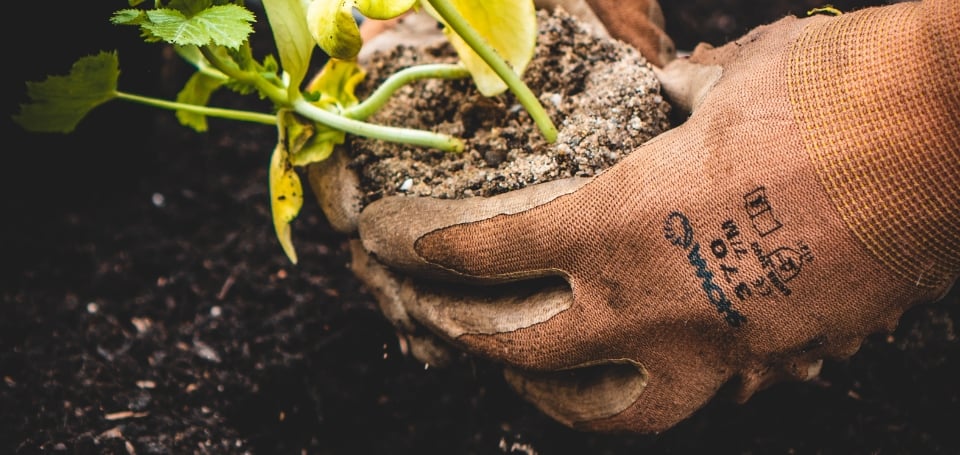
Whether you’re transplanting seedlings you started yourself or potted plants from the nursery, the process is the same. You’ll need to choose a good growing site with plenty of sunshine, warmth, and open air. If you started seeds indoors, harden off the seedlings first before planting them in the ground.
Start by preparing holes for your plants. Dig as deep and twice as wide as their rootballs, and set the soil aside. Then, remove the plants from their pots and set each in its own hole. Use the soil you dug out to cover the rootballs. Water the site well, and add more soil if necessary to keep the holes level with the ground.
The transplants need regular water while they establish themselves. After establishment, they’re drought and frost-tolerant from USDA hardiness zones 5 through 9.
How to Grow
This grass grows well in a wide variety of conditions. It’ll thrive in typical garden settings, like those with fertile, moist soil, though it also survives on dry sites with little moisture. Watch your plants to see how they adapt, and grant them what they need to see them flourish.
Light

Maiden grass prefers full sun or partial shade. The more sunlight it receives, the more water it’ll require to stay perky and healthy. In the hottest regions, like Florida, the West Coast, and the Southwest, consider granting your plants afternoon shade during the hottest hours of the day.
Give your specimens no less than three to four hours of direct sunlight, as shaded specimens will grow leggy and lanky instead of bushy and compact. They’ll be targets of pests and pathogens when they sit in deep shade.
Water

Maiden grasses benefit from regular water during the growing season; they tolerate temporary periods of extreme conditions, like soggy or dry soils, though they grow best with regular moisture. Too much moisture can cause floppiness, as the loose-rooted fronds lack the necessary support to stay tall and erect.
In areas without significant rainfall, some extra irrigation helps keep these perennials satiated and healthy. Use overhead sprinklers, drip irrigation, or a hose to water the soil around the plants during long periods of dry weather.
Soil

Well-draining soil is ideal when cultivating these grasses. They can adapt to heavy clay or sandy soils, though they prefer a loamy mixture that’s free-draining. Good drainage ensures the roots don’t rot and the stems stay erect rather than floppy.
To increase drainage in the growing site, add compost twice a year, once in the fall and again in early spring. Add a layer two to three inches thick—the compost will fertilize and amend the soil for future growing success.
Temperature

Maiden grasses thrive in temperate regions with cold winters and warm growing seasons. They dislike extreme heat in zones 10 and above, preferring cool temperatures common to zones 5 through 9.
In zones 4 and below, the plants may survive the winter with extra protection. Adding a mulch, like compost, will protect the roots from oncoming frosts. Your plant isn’t guaranteed to survive below zone 4, though it has a fighting chance with extra mulch.
Fertilizing

Low feeders, these plants require few nutrients to survive. Grant them a dose or two of balanced organic fertilizer, or feed them with a helping of compost. Follow the instructions on the fertilizer package for proper dosage and application rates.
Fertilizers come in all shapes and sizes. Liquids and dusts are easy to apply in summer; simply mix them with water and add them near the roots of your grasses.
Maintenance

Some maintenance is necessary to control these unruly spreaders. Maiden grasses sprout from seeds and compact rhizomes, filling bare sites with grassy foliage. Dig up the rhizomes to reduce a clump’s size, and pull up seedlings before they mature.
Adding mulch can help prevent Miscanthus seeds from sprouting, thus limiting their spread. Use compost, leaf mold, straw, or a similar material.
Cutting the grass back encourages vigorous new shoots. Remove the old leaves to the ground in late winter or early spring before new growth emerges. You may chop the plants again in midsummer to encourage compact, dense growth.
Old, big specimens may require staking to stay upright. Their bushy nature causes them to topple over as flowers and seeds emerge. Use cages, ties, or stakes to keep them erect.
Propagation
Propagate this variety by dividing the clumps when they’re mature, or save seeds and sprout them for seedlings. Divisions grow large quickly, while seedlings take longer to reach adulthood. The allure of seed starting lies in the genetic variability of the seedlings—you may discover a new variety!
Division

Divide mature grasses to keep them tight and bushy. Do so every two to three years, as the compact rhizomes fill the space. It’s best to divide in early spring or fall when the weather is cool, mild, and regular.
Start by excavating the grasses, digging down a foot or two outside of where the stems emerge from the dirt. The wide distance helps preserve the entire plant, so you get the most divisions without losing roots in the process.
After digging up the grass, take a look at its roots. You should see short, knobby, and tough root chunks. Using a sharp knife or spade, separate the specimen into multiple pieces with roots and shoots on each one. Transplant the divisions into new sites, and water them well so they establish without issues.
Seed Saving

If you’d like to sow seeds, you’ll need to collect them in late autumn and early winter. They pop up at the end of the growing season on the tall, flowering plumes. Collect on a warm, dry day, as dry seeds last longer than wet ones. Dampness encourages rot, and it’s best to let the seeds dry before storing them.
The seeds will have fluffy, white fringes attached to them. Remove them, then place the dry seeds inside a glass, plastic, or paper container. Store the containers in a cool, dry location until you’re ready to sprout them, like a refrigerator, pantry, or closet.
Popular Varieties
There’s a popular sport of ‘Gracillimus,’ called ‘Morning Light,’ as well as a few similar cultivars of Chinese silvergrass. Opt for ‘Gracillimus,’ or consider one of these three alternative varieties.
‘Morning Light’

‘Morning Light’ is a sport of ‘Gracillimus,’ meaning it sprouts from rhizomes with a genetic mutation that causes stunning ornamental growth. This cultivar sprouts dark green leaves with silver midribs like the main variety, though there are also white strips on the leaf margins.
The form also differs—‘Morning Light’ naturally stays compact and dense, growing to four feet tall and wide with flowering stems up to six feet tall.
‘Graziella’

You can see the influence of ‘Gracillimus’ in the naming of ‘Graziella!’ This variety is wider and more upright, with clumps reaching five feet tall and up to eight feet wide. The feathery, flowering plumes emerge up to seven feet into the air.
Use ‘Graziella’ if you’re looking to fill lots of empty spaces. It’ll divide well, and it’s perfect en masse as a backdrop for other perennials.
‘Sarabande’

‘Sarabande’ sprouts thin blades that are thinner than the other types. Elegant and graceful, this grass is exceptional for the collector’s garden. Its flowers appear earlier than ‘Gracillimus,’ meaning you can stagger the bloom times by planting both kinds near each other.
Common Problems
Relatively pest-free, these grasses will experience few infestations or infections, if any, during their lifetime. Prevent issues by keeping your specimens happy, healthy, and thriving!
Pests

Mealybugs are the main pests of this species; they love feeding on the sap from the grass blades. Spray them off your plants with strong streams of water.
Water may not fully eradicate them because they’re difficult to treat. They like to hide inside the plant stems. They’ll disappear over the winter, and chopping the plants annually in early spring will prevent them from returning.
Diseases

Blight and rust can affect unhealthy grasses. Rust is rarely fatal, though Miscanthus blights can be fatal or extremely damaging. To discourage its presence, grow the plants in well-drained soil with compost on top. Avoid soggy, wet spots where fungal blights are common.
Frequently Asked Questions
Where is the best place to buy maiden grass?
Find seeds online, and look for potted plants at local nurseries, garden centers, and specialty online retailers.
When does maiden grass start to grow?
It begins appearing in late winter and early spring from underground rhizomes. New shoots emerge from the soil as temperatures warm and days lengthen.
How do you trim maiden grass?
Chop the old growth to the ground in late winter before new growth emerges. You may cut the plants back again in midsummer if you have a long growing season. Otherwise, let them be so that they produce their flowers at summer’s end.