How to Plant, Grow, and Care for Mexican Bush Lobelia (Lobelia Laxiflora)
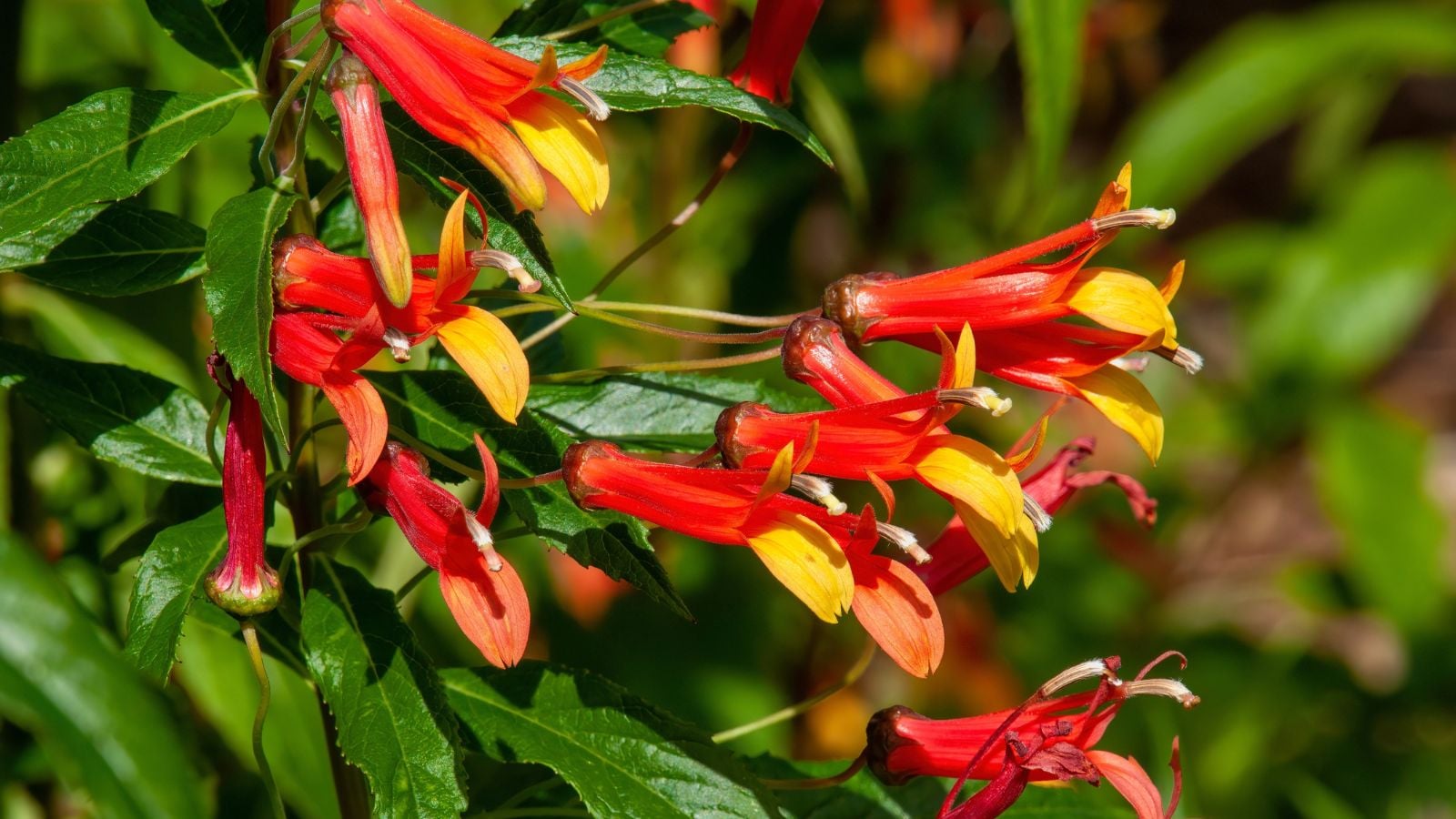
Lobelia laxiflora or Mexican Cardinal flower is the perfect dry-climate plant for hummingbird gardens.

Contents
Lobelia laxiflora is a sprawling perennial with medium green leaves and colorful tubular flowers. Also known as Mexican lobelia, this plant is native to Mexico, Central America, and southern Arizona.
As a low-maintenance perennial with bright orange and red blooms, it grows best in warm, dry regions and is an excellent choice for xeriscape gardens. Gardeners appreciate this species for its beauty, ease of care, and ability to attract vibrant hummingbirds.
If you want to grow this beautiful pollinator plant in your garden, follow this care guide to get it right.
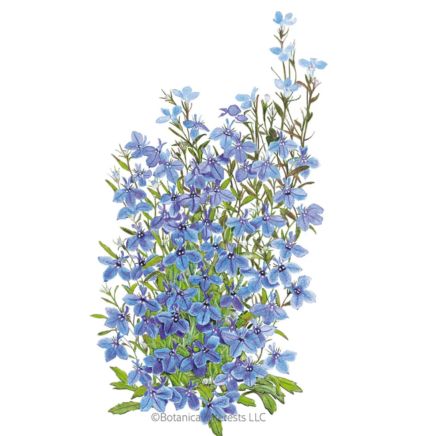
Cascade of Color Trailing Lobelia

Cascade of Color Trailing Lobelia Seeds


Quick Care Guide

|
Common Name(s)
Mexican bush lobelia, Mexican cardinal flower, Sierra Madre lobelia, loose flowers, drooping lobelia
Scientific Name
Lobelia laxiflora
Family
Campanulaceae
Height & Spread
2-3′ tall and 4-6 wide
|
Light
Full Sun
Soil
Well-draining, rocky, deep
Water
Low
Pests & Diseases
Aphids, spider mites, whiteflies
|
All About Lobelia Laxiflora
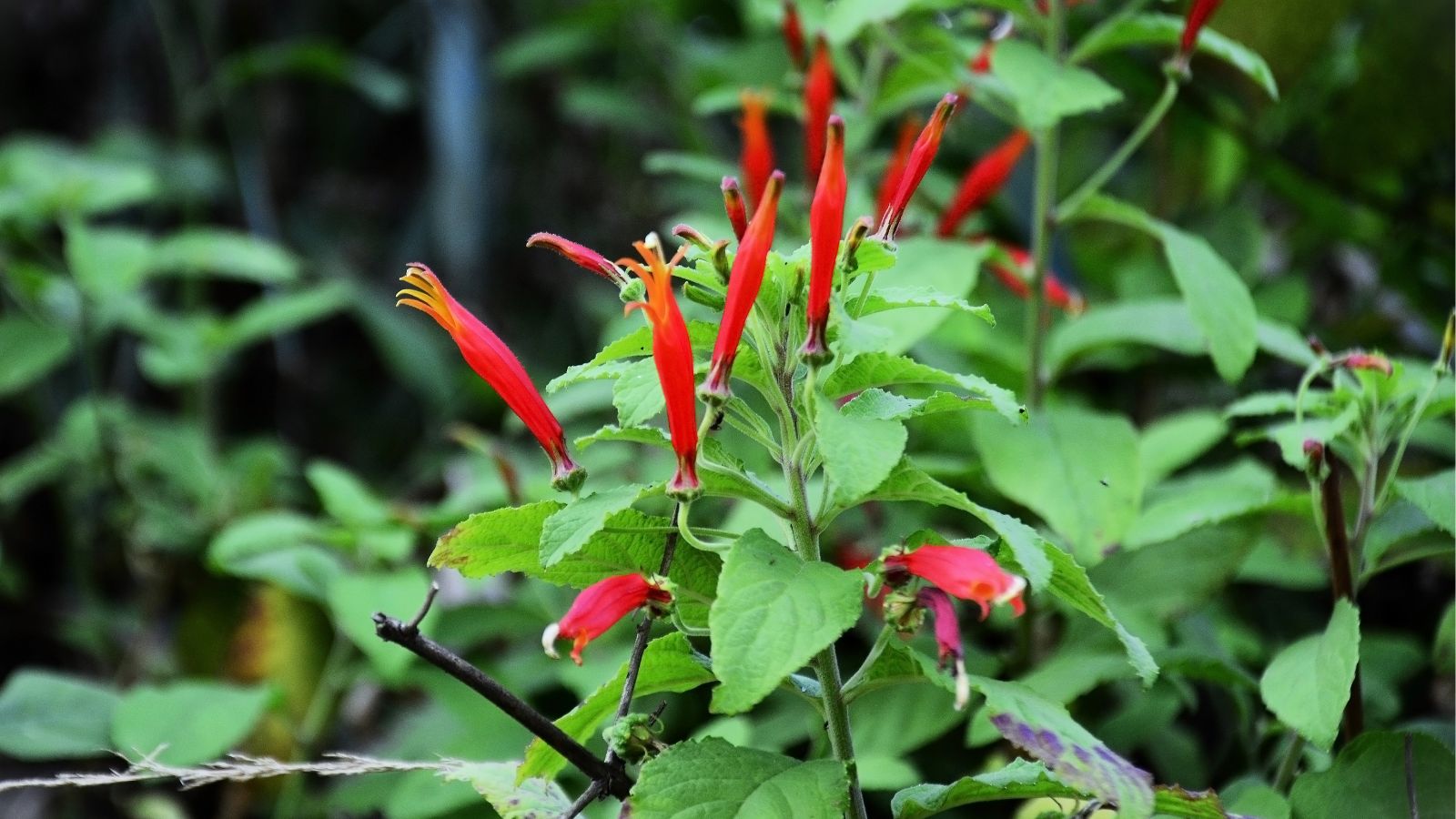
Lobelia laxiflora is commonly known as Mexican bush lobelia, Mexican cardinal flower, Sierra Madre lobelia, loose flowers, and drooping lobelia. This plant belongs to the Campanulaceae family, also called the bellflower family.
It is native to South America, Central America, and the southern parts of North America, extending as far north as Arizona. In much of its native range, especially in Mexico, it grows best in alpine regions, either in sunny meadows or in partial shade along forest floors.
This perennial herb with green leaves typically reaches two to three inches tall and produces arching stems lined with long, narrow foliage. Its inflorescences can grow up to 16 inches long and bloom from late spring through summer. The delicate red flowers have a tubular base and a narrow corolla with protruding anthers. The main flowering season runs from May through August.
Mexican lobelia serves as a specific host for the hummingbird mite, which feeds on its nectar and pollen. The flower lasts about a week, providing just enough time for the hummingbird mite to feed, lay eggs, and complete its reproductive cycle.
Planting
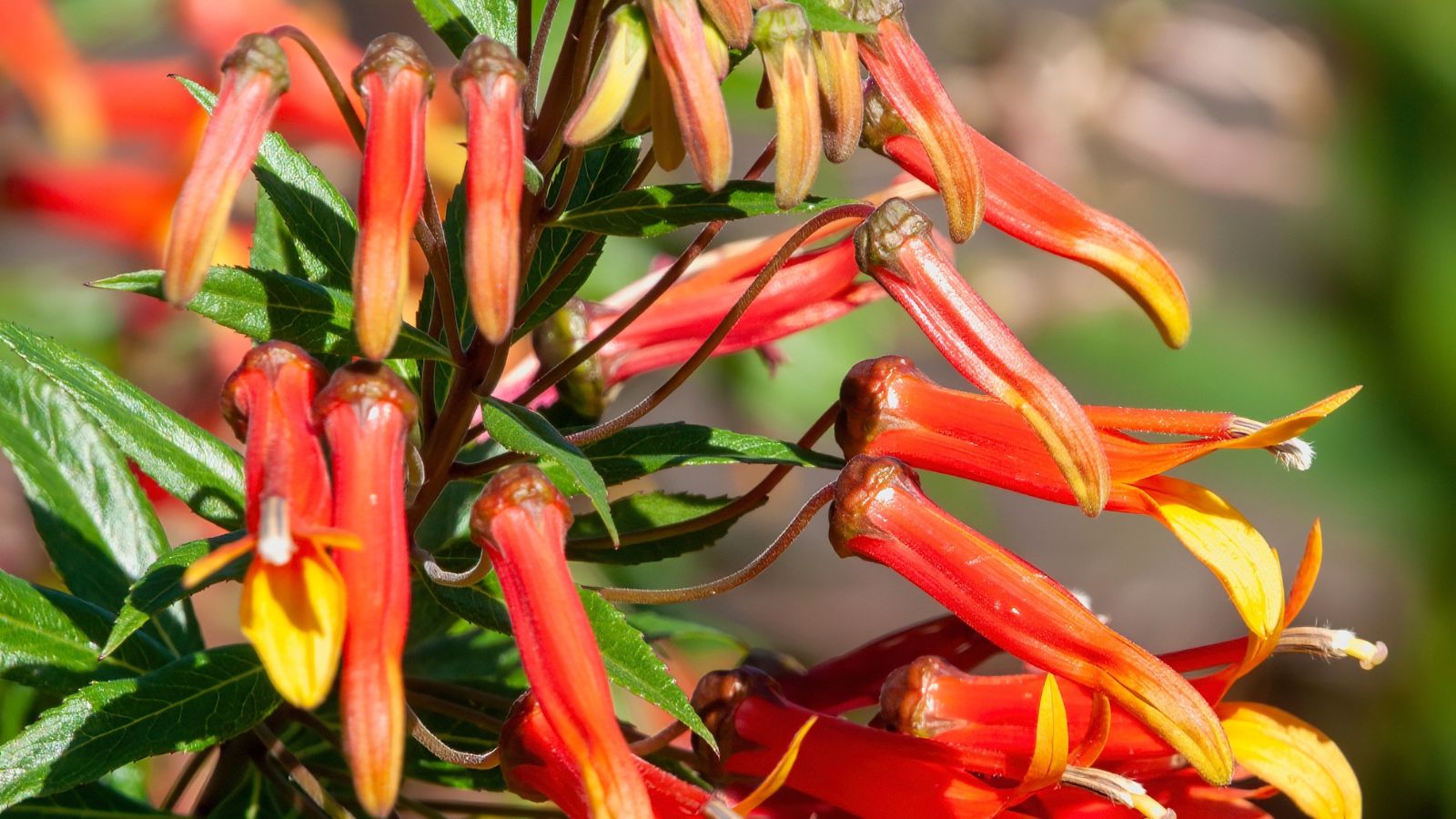
Lobelia laxiflora can be transplanted in spring just before new growth begins. If you are growing it in a container, only repot when it needs a larger pot. You can sow the seeds directly in the garden or start them indoors and transplant later.
To start indoors, begin about 10 to 12 weeks before your last frost date. Use a small pot and sprinkle the tiny seeds on the surface. Water thoroughly and place the pot in a warm, well-lit spot.
The seedlings usually emerge within one to two weeks, which is the right time to thin them out. Once they reach at least two to three inches tall and all danger of frost has passed, transplant them into the garden. Space the plants five to six inches apart.
How to Grow
As a low-maintenance plant that thrives in sunny areas, Lobelia laxiflora requires care similar to other herbaceous perennials. The conditions below will help it grow its best.
Light
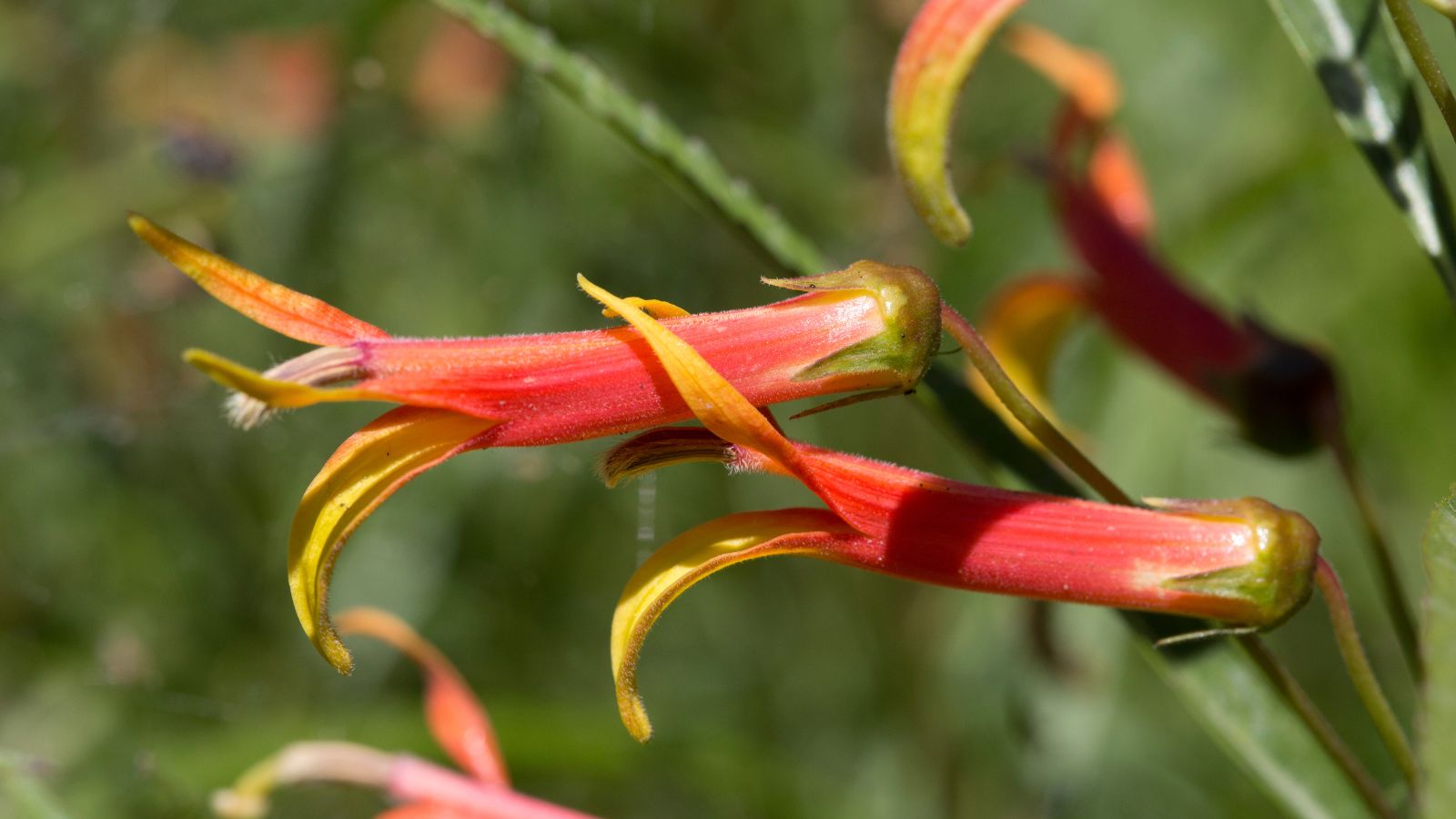
The plant should be grown in full sun or partial shade. If you are growing it indoors, place it near a south or west-facing window. Avoid north-facing windows, since they do not provide enough light.
Water

Younger plants need deep watering throughout summer. Once established, the plant becomes drought-tolerant and will not require frequent watering.
Excess moisture can cause the plant to spread quickly and become aggressive in the garden. Giving it less water helps keep the growth controlled while still allowing the blooms to thrive.
Soil

The plant needs well-drained, moist soil for optimal growth. Sand and loam are ideal choices, and a slightly alkaline pH helps the plant perform well through the seasons. A rich potting soil amended with organic compost and a pH of 6 to 7.5 also works well. If you are mixing your own blend, add a bit of sand or perlite to improve drainage and lighten the soil.
Temperature and Humidity

It is suited to USDA hardiness zones 9 through 11. In cooler climates or areas with harsh winters, you will need to overwinter the plant by growing it in a container and bringing it under cover. It can tolerate short periods of temperatures down to 20°F (-7°C).
Fertilizer

The plant responds well to liquid fertilizers that are high in phosphorus. Feed it with a quality fertilizer once a month during the growing season, and reduce feeding in winter.
Maintenance

Simply pinch off any dying or wilting flowers to encourage fresh blooms. Cut back any dead stems or foliage after the first freeze.
Propagation
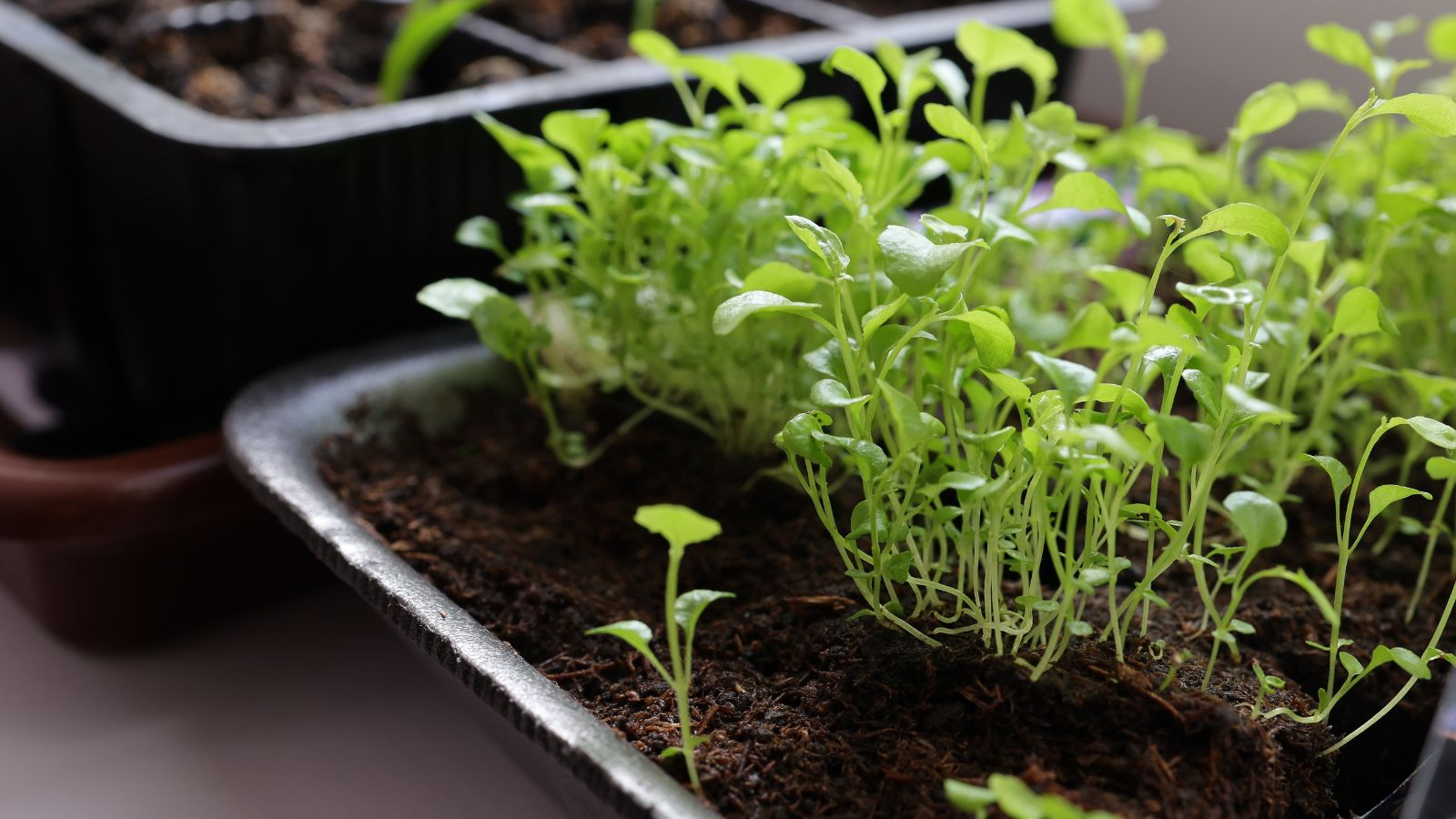
The Mexican bush lobelia can be propagated in late spring while you are grooming the plant. Measure and cut four to five-inch sections from healthy branches and remove the leaves.
Prepare a clay pot with well-draining potting soil, hydrate the soil, and gently press the fresh cuttings about halfway into the mix.
Lightly mist the cuttings twice a day and water the container every other day. Once they develop roots, move them into individual pots.
After the final frost has passed, carefully transplant the young plants into the garden.
Troubleshooting
When given well-draining soil, adequate water, and plenty of sun, this perennial grows with very few issues. Even so, it can still be susceptible to a few pests and diseases.
Growing Problems
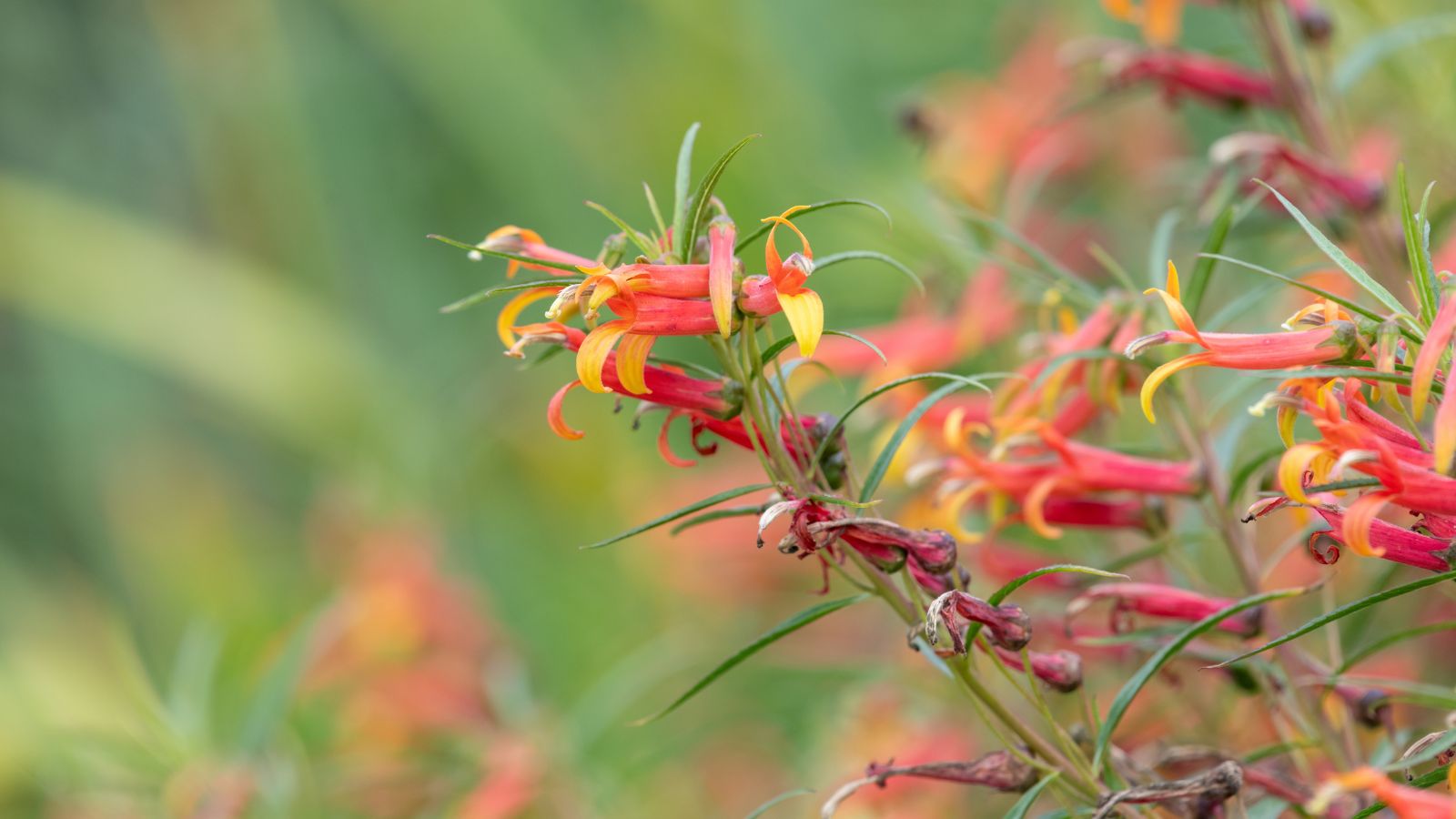
The only issue you may face beyond pests and diseases is aggressive growth in the garden. This plant does not need much water, and excessive irrigation can encourage rapid spreading that overwhelms nearby plants. Reduce watering if you notice this happening.
Pests

Spider mites, whiteflies, and some species of aphids are the main pests that can affect this plant. To eliminate spider mites, mix a few drops of rosemary oil in water and spray it over the leaves. Insecticidal soap is another effective option.
Whiteflies can be knocked off with a strong jet of water. Afterward, apply insecticidal soap to the stems and leaves for added protection.
Aphids often gather on new stems and tender leaves. A firm blast of water will remove and kill them effectively.
Diseases
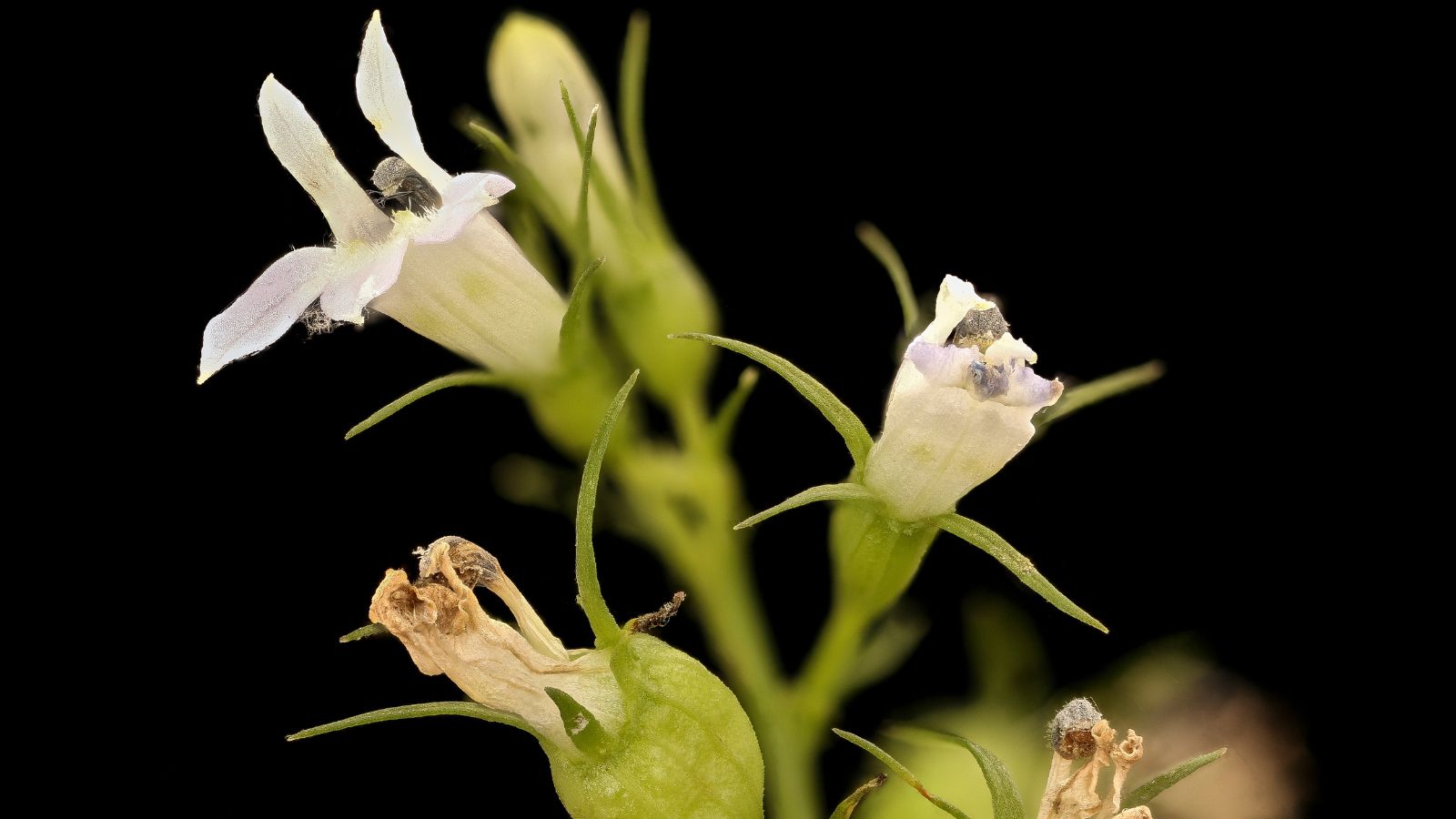
Although there are no major disease concerns, the crown can rot in damp, mild conditions. It is important to keep watering to a minimum once the plant is established to prevent this issue.
Frequently Asked Questions
Is the Mexican cardinal flower a good plant for a pollinator garden?
Certainly. It is an excellent choice as its colorful flowering and bloom size attracts hummingbirds, butterflies, and other beneficial insects.
Is Mexican bush lobelia drought tolerant?
Yes, this species is drought-tolerant with a long blooming season.
Can it be grown in a container?
Yes, it can be grown inside a pot; however, make sure the soil remains well-drained and moist.





