10 Best Lime Tree Varieties for Home Gardens
Thinking of planting a lime tree in your garden? Choosing the right variety is essential, especially if you're looking for a specific flavor. This list of the best lime tree varieties will help you decide, with information on how to grow them.

Contents
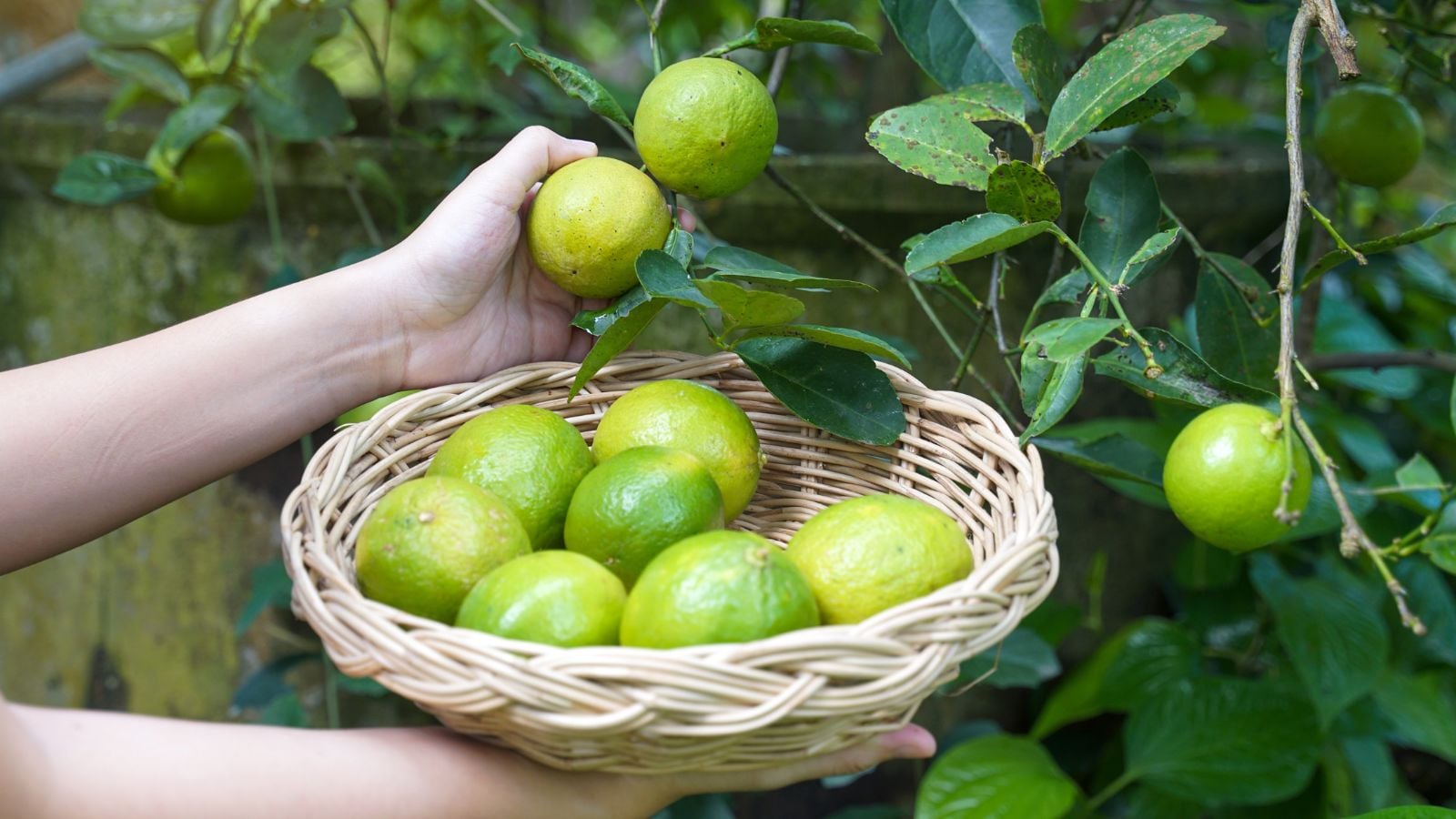
There might seem to be nothing out of the ordinary about a lime at first glance. However, limes come in a wide range of shapes, sizes, and even colors. From the striking red rind of the blood lime to the long, tubular Australian finger lime filled with caviar-like pearls, lime tree varieties offer an impressive amount of diversity.
Limes are warm-loving citrus trees, but gardeners in cooler climates still have options. Those growing in zones 3 through 8 can successfully grow lime trees in containers and bring them indoors during colder months. Gardeners looking for a classic option may want to grow the Persian lime tree or key lime tree, while more adventurous cooks may enjoy growing the kaffir lime for its aromatic leaves and fruit.
Like other citrus trees, lime tree varieties have a few essential requirements for healthy growth. They need plenty of warmth, careful watering without waterlogged soil, and well-draining growing conditions. Fertilize the soil a few times per year to support steady growth. With proper care, lime trees can grow up to 20 feet tall and produce abundant fruit for use in the kitchen.



Mexican Lime
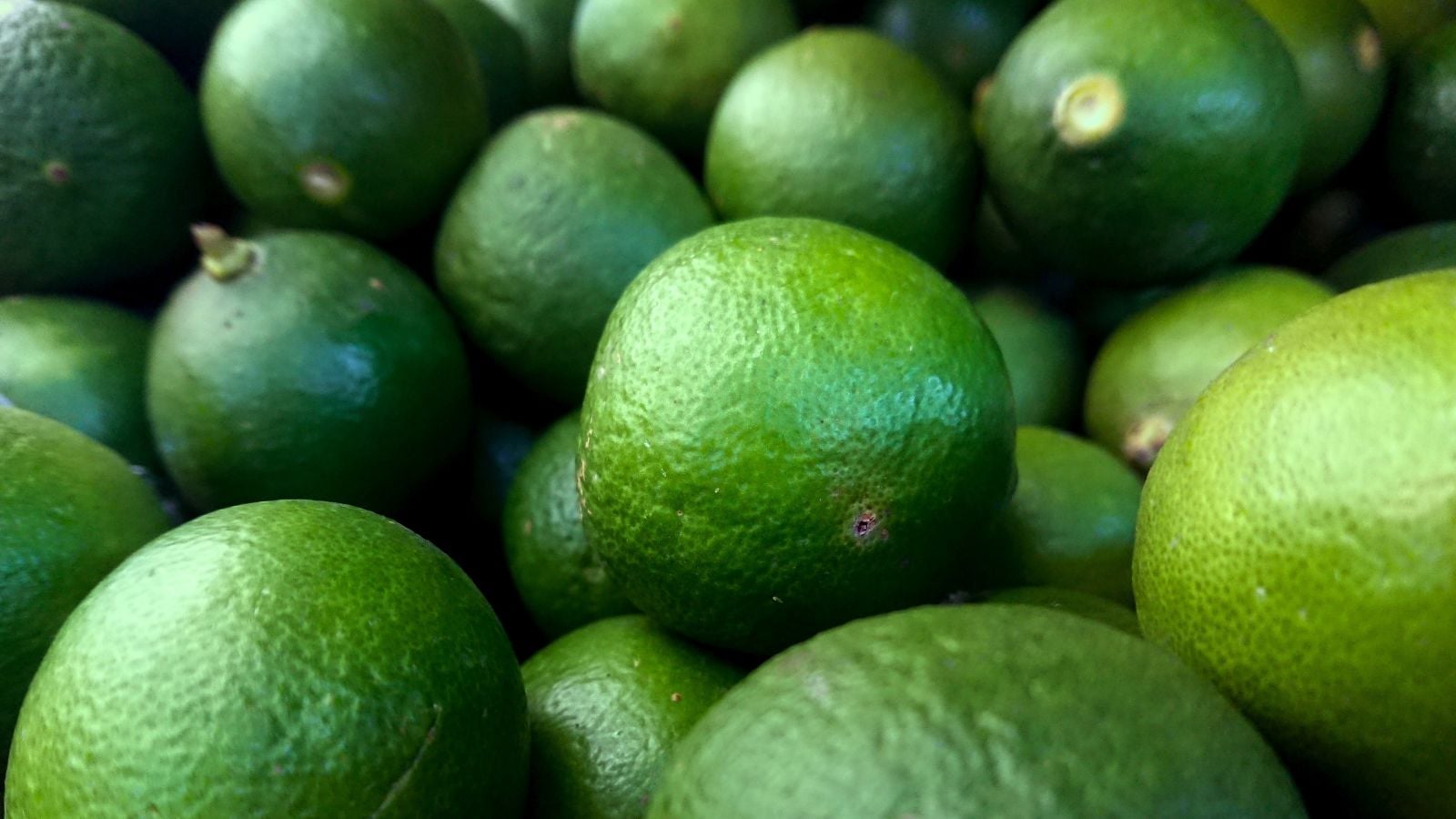
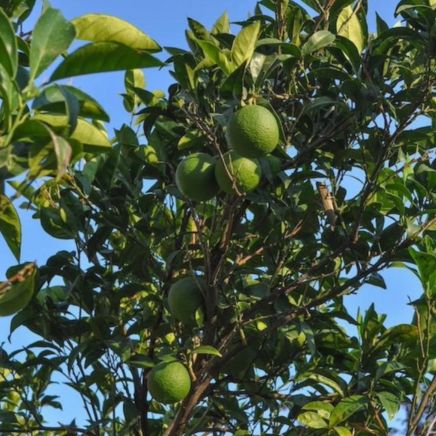
Mexican lime trees are one of the most commonly grown limes in the US. These lime tree varieties are known by several names, including the key lime tree. Their fruit is widely found in supermarkets, with green flesh and a size slightly smaller than a lemon. Citrus aurantifolia, also called the West Indian lime, can grow into a 15 ft. tall tree and may live for up to 150 years.
This citrus tree is very cold sensitive and has a dense, rounded crown, making it an excellent choice for growers in warmer climates who want both fruit production and light shade. The fruit is especially popular in fresh dishes and is a classic addition to guacamole and pico de gallo.
Castelo Lime

This rare Indo-Malayan lime produces fruit that is slightly larger than a standard lime and is only fully mature once it turns a pale yellow. The fruit measures about six centimeters wide and is typically in season from mid-fall through winter.
Although uncommon, these lime tree varieties can be used interchangeably with key lime in recipes such as key lime pie, thanks to their balanced tart yet slightly sweet flavor.
Australian Finger Lime
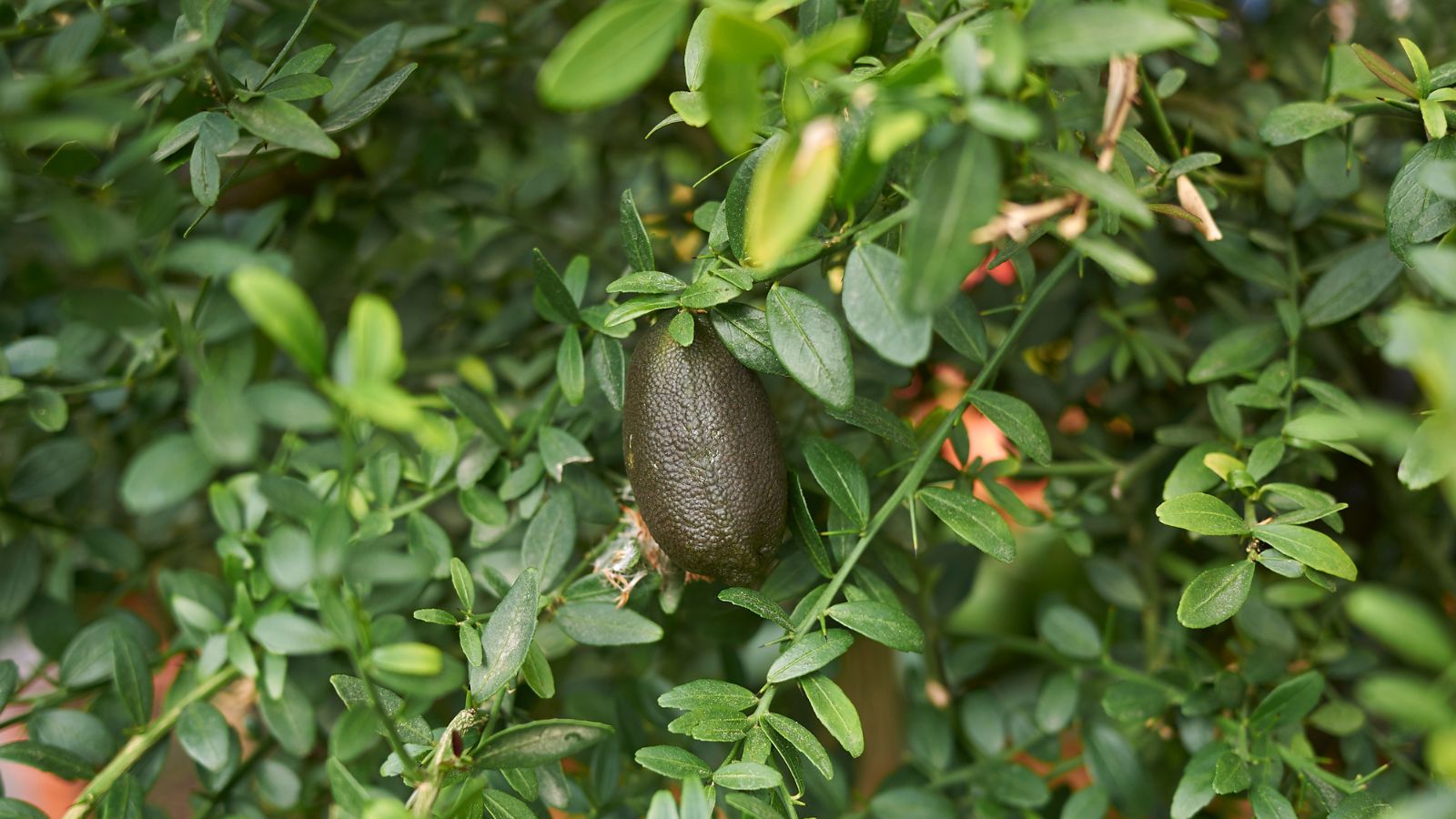
The Australian finger lime, or Citrus australasica, is also known as the caviar lime thanks to the small, spherical pulp inside the fruit, called vesicles, which spill out when a ripe finger lime is cut open.
Native to Australia, this citrus produces tubular fruit with a dark green exterior measuring about three inches long and a very pale green interior. Although relatively new to the American market, this lime tree has gained popularity for its intense, distinctive flavor and is now commonly used in cocktails and other gourmet drinks.
As one of the ornamental lime tree varieties, this fast-growing citrus can reach up to 20 feet tall and is highly decorative. It features small, compact leaves, thorn-covered branches, and delicate white flowers, making it an attractive addition to edible landscapes as well as ornamental gardens.
Persian Lime
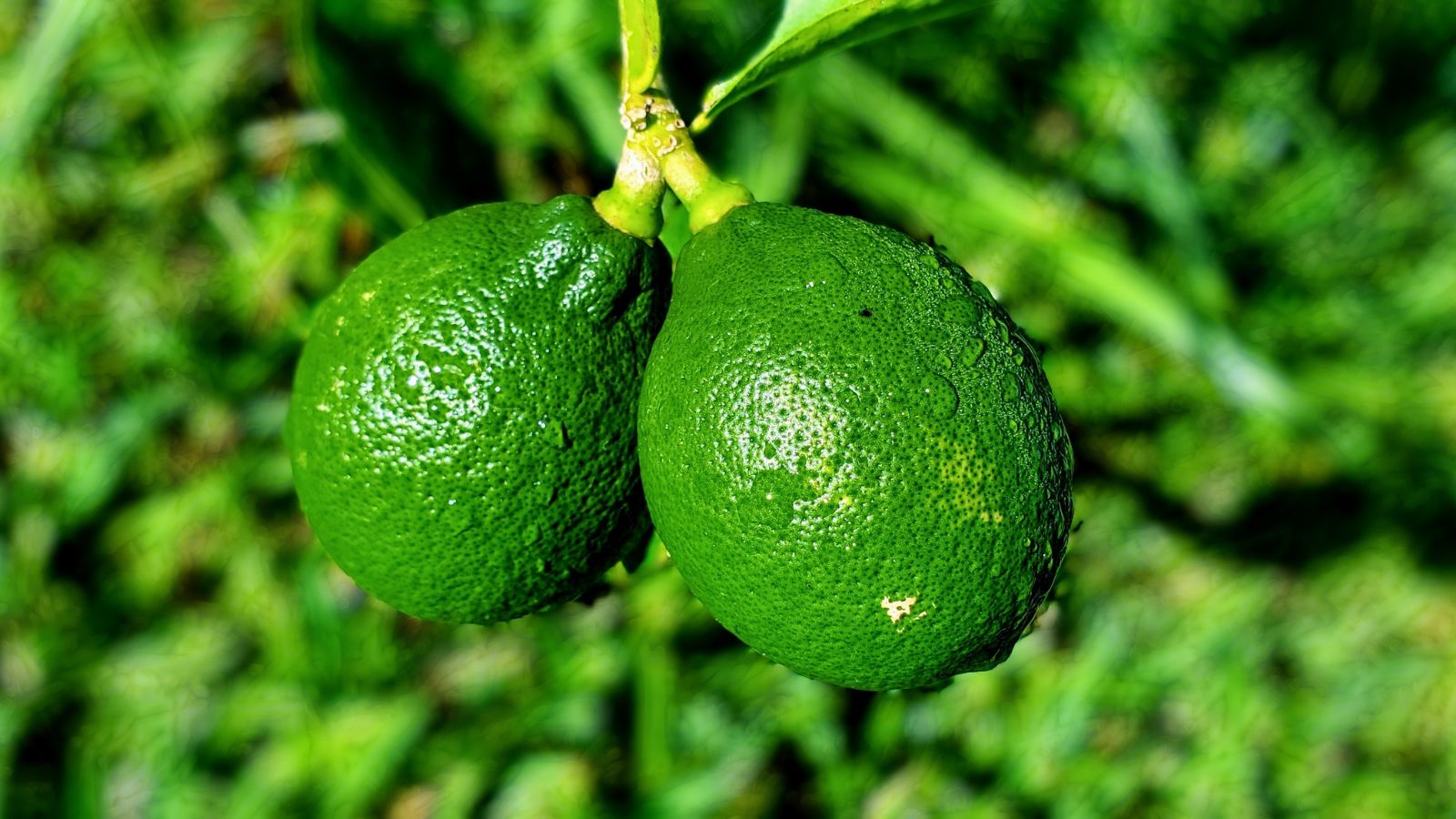
A type of Tahiti lime tree, the Persian lime is the most commonly sold lime in the US. This widely grown citrus is a hybrid between a key lime and a lemon tree and turns yellow once fully ripe.
For home growers, this tree can reach up to 20 feet tall and may develop thorny branches as it matures. It grows well in zones 9 through 11 and is less acidic than many other lime varieties, making it especially popular for fresh use and cooking.
Bearss Lime
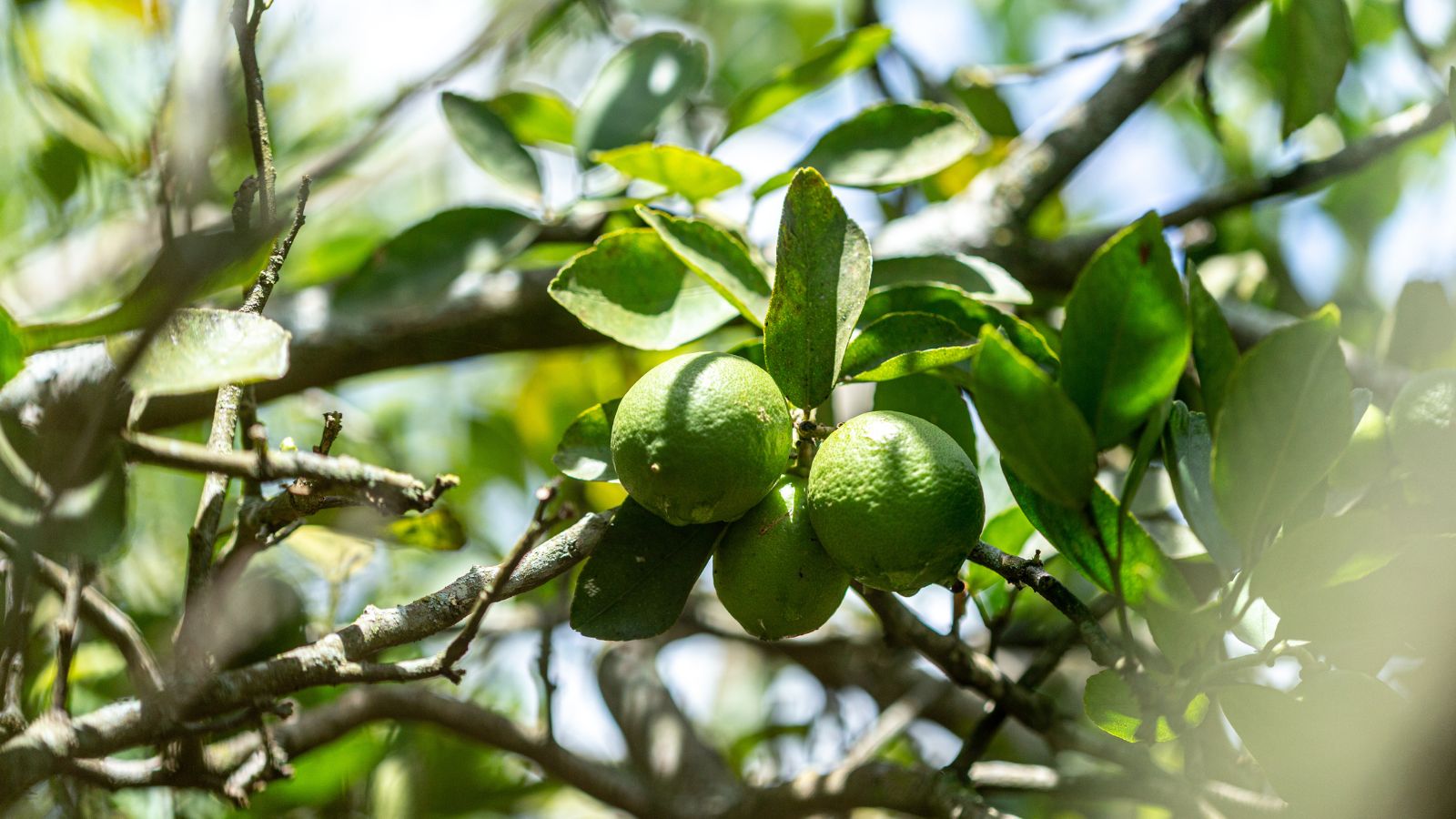
Tahiti lime trees are grown primarily in two main varieties. One of the most common is the ‘Bearss’ lime tree, which is grown in California and is seedless. This dark green lime matures to a lighter green, almost yellow color. It is a hybrid between a key lime tree and a lemon tree. The main harvest begins in winter and continues through late spring.
Thanks to its long shelf life, the ‘Bearss’ lime dominates the commercial market. It is closely related to the Persian lime, which is the Florida-grown variation of the Tahiti lime tree.
Blood Lime
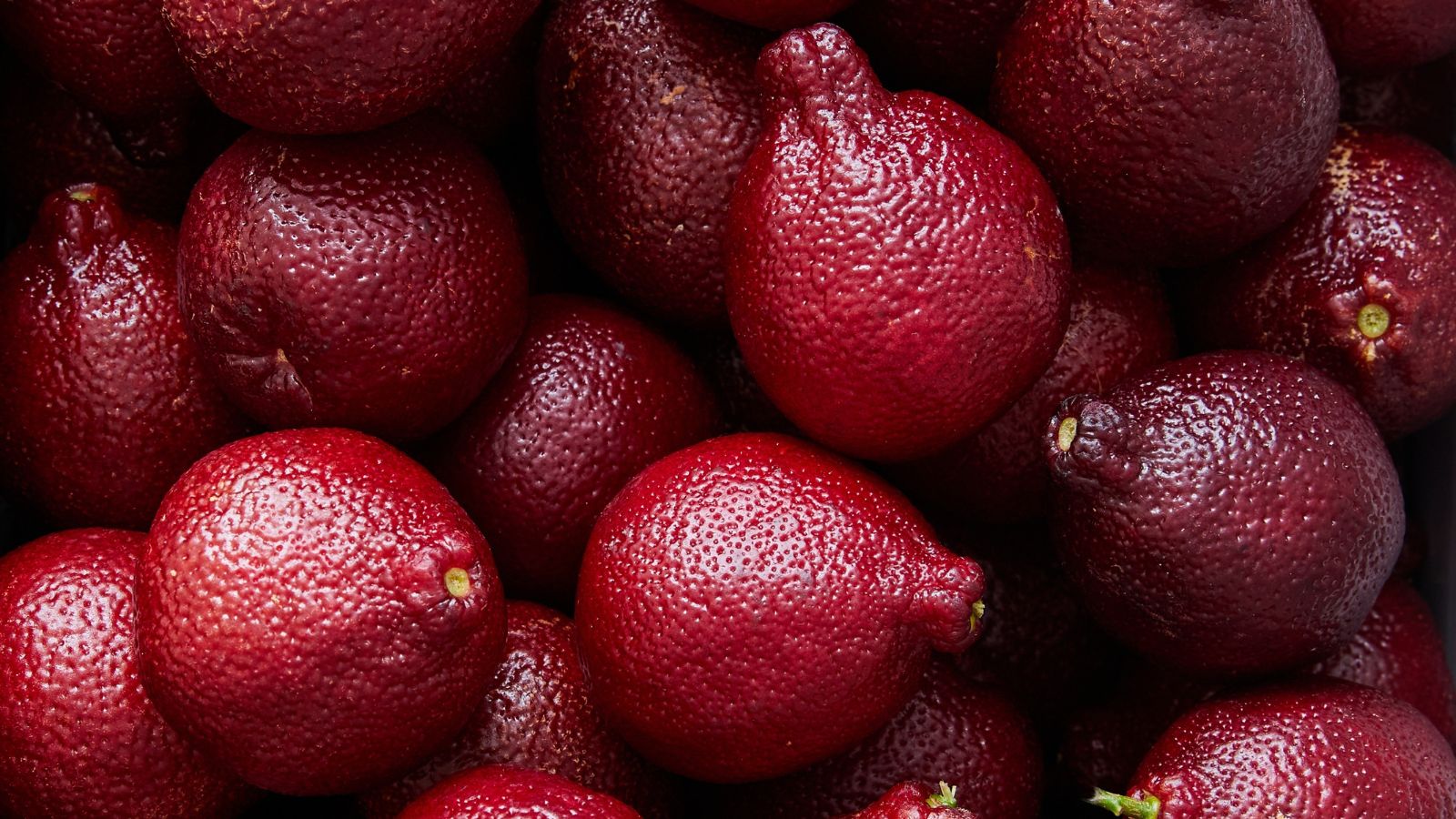
A very rare type of citrus, blood limes are grown almost exclusively in Australia. Named for their deep red rind, this hybrid was developed to be salt-resistant for a specific growing region. The fruit is smaller and sweeter than a standard lime, and the tree itself is often grown as an ornamental thanks to its striking appearance and compact habit.
Kaffir Lime

The kaffir lime tree is also commonly referred to by its more appropriate name, the makrut lime tree, due to the racist origins of the word ‘kaffir’ introduced by English colonists. Wear gloves when harvesting from this tree. Its scientific name, Citrus hystrix, comes from the word hystrix, meaning hedgehog, a reference to the sharply thorned branches that cover the plant. Use caution during harvest, as the thorns can be very sharp.
Native to Indonesia, both the fruit and leaves of this lime tree are widely used in cooking. Unlike most other lime trees, the fruit is not valued for its juice. Instead, the bumpy, aromatic rind is used for zest, and the highly fragrant leaves are a staple in Thai and Indonesian cuisine.
The makrut lime tree requires plenty of warmth and humidity. It grows best in zones 10 through 12 and can reach up to 25 feet tall when mature.
Rangpur
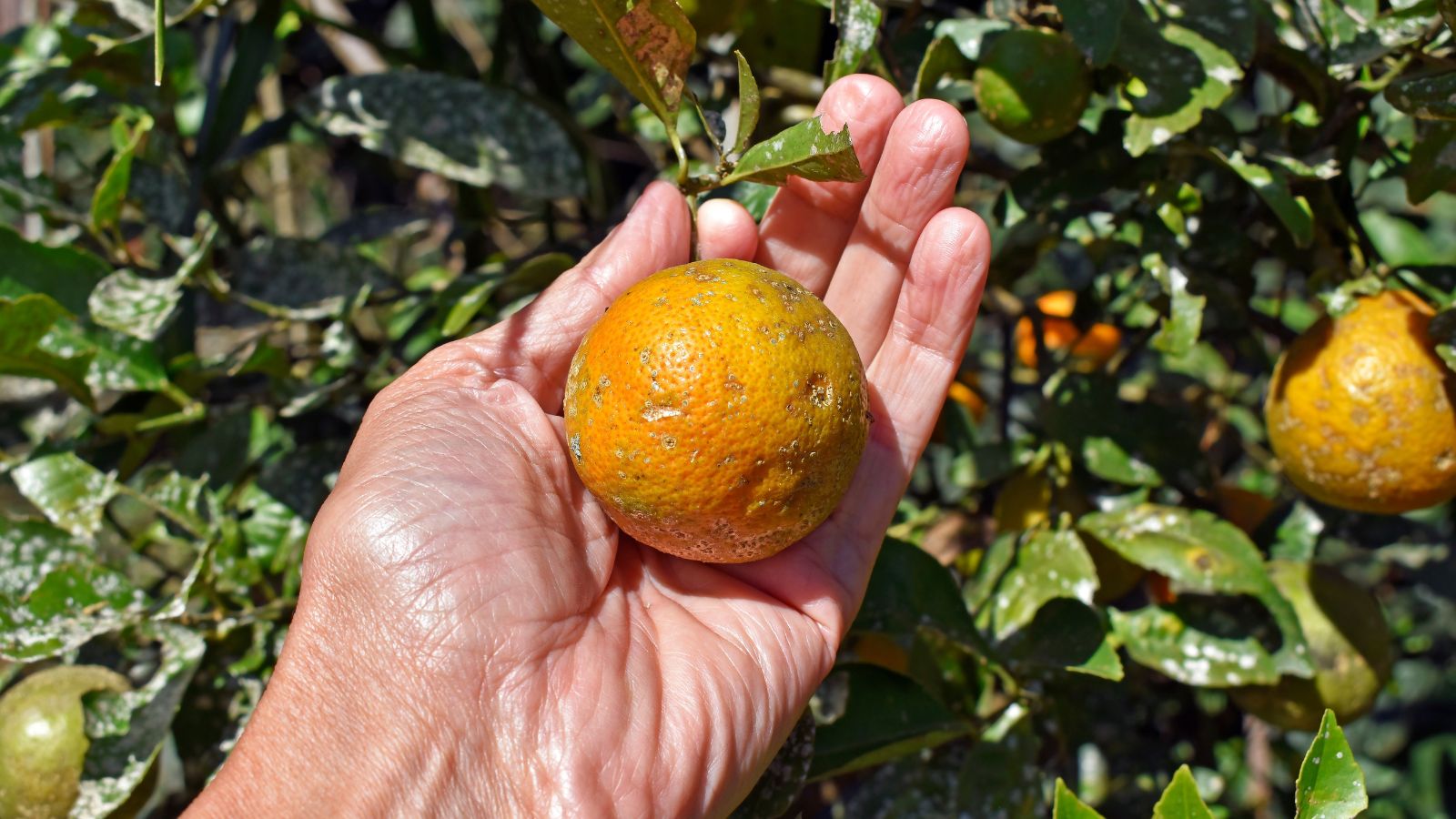
Also known as the Rangpur lime tree or mandarin lime tree, this citrus looks more like a mandarin than a traditional lime. The fruit is bright orange both inside and out, and Citrus × limonia originates from Bangladesh.
Despite its appearance, it can be used interchangeably with fruit from other lime trees in many culinary applications, making it a versatile option for home growers and cooks alike.
Calamansi Limes

Sometimes called the calamondin lime tree, this hybrid citrus originates from the Philippines and also features orange-colored flesh. The juice is quite sour, but the fruit is prized for its sweet rind. Although it closely resembles a tangerine in appearance, it is in fact a lime.
Its botanical name is Citrus × microcarpa, and it is commonly used in cooking, preserves, and beverages where both tart juice and fragrant peel are desired.
Lemon-Lime Tree

The lemon-lime tree is actually two trees combined into one. This modern convenience pairs ‘Meyer’ lemon trees with fragrant key lime trees, creating a space-saving option for the home garden. Designed to maximize both flavor and productivity, this grafted plant allows gardeners to harvest two types of citrus from a single tree.
In cooler zones, these lime tree varieties are often grown in containers and moved indoors in fall. This self-fertile tree produces both lemons and limes, making it an ideal choice for small gardens, patios, or anyone looking to grow multiple citrus varieties in limited space.
Lime Tree Tips
Once you’ve chosen your lime tree varieties, follow these steps to take care of them for a strong harvest.
Feeding

Lime trees are heavy feeders and benefit from regular fertilizing. When using a chemical fertilizer or an organic granular fertilizer, apply it around the base of the plant three times per year and water it into the soil. Lime trees rely on nitrogen to support healthy leaf growth and phosphorus to encourage flowering. They also require trace elements such as magnesium, boron, copper, and zinc for proper fruit development.
If you prefer organic options like compost or well-rotted manure, plan to fertilize more frequently, as nutrients release more slowly. As with most citrus trees, wait to fertilize until the plant is well established and several inches of new growth appear at the tips of the branches.
Watering

Lime trees generally perform best with infrequent but deep watering, with increased attention during hot summer weather and much less water needed in winter. Because lime trees are highly sensitive to standing water, overwatering can quickly lead to decline, so less is often more.
You can tell when a lime tree needs water by checking the top few inches of soil. If the soil feels dry, water slowly and deeply to give the soil time to absorb the moisture. When growing lime trees in containers, make sure the pot is not sitting in a tray of standing water. For effective deep watering, consider installing a drip line or soaker hose so moisture can gradually penetrate the soil.

Pruning

Give your lime tree regular pruning to keep it healthy and productive. In most cases, pruning once a year or every other year is sufficient, although there are a few important areas that should always be addressed.
As with other fruit trees, remove any branches that are crossing or tangled, as this type of growth can create hiding places for pests. Also cut away any wood that is dead or diseased. Always use clean, disinfected loppers or pruners, since plant diseases can easily spread from one tree to another through dirty tools.
Cold Protection

Many citrus trees are vulnerable to cold damage, and limes are no exception. Most lime trees are not cold hardy and, in zones below 9, should be grown in pots or containers and brought indoors before the first frost. Key lime trees are especially sensitive and can suffer severe damage in as little as 30 minutes of exposure to cold air.
Keep a close eye on evening temperatures, as this is when conditions tend to drop the most. If bringing your lime trees indoors is not an option, protect them by wrapping the branches and trunk with sheets or frost blankets to reduce cold exposure.
When to Plant

Choosing a sunny location is the most important factor when planting lime trees. Keep in mind that sun exposure can change throughout the year, so observe your garden carefully before selecting a spot. The planting area should also have excellent drainage and be free of standing or pooling water.
Plant lime trees in late spring or early fall to give them the best chance of establishing successfully. Mild, temperate conditions encourage strong root development before the tree has to endure winter cold or intense summer heat.
Propagation

Citrus trees, including limes, can be propagated by taking cuttings and placing them into a well-draining rooting medium such as soil or sand.
Select a healthy, vigorous branch and take a cutting that is six to eight inches long. Remove most of the leaves, leaving only two or three so the cutting can focus its energy on root development. Roots typically form after about two months. At that point, you can begin hardening the plant off before transplanting it outdoors.
Pest Management

Lime trees can be affected by a wide range of pests, including leaf miners, aphids, mites, and scale insects.
One of the most effective ways to prevent infestations is keeping lime trees properly pruned so air can circulate freely through the canopy. Good airflow helps reduce pest pressure and discourages disease. When pests do appear, organic control methods such as neem oil and insecticidal soap are effective for managing scale, mites, and aphids while minimizing harm to beneficial insects.





