Lettuce Bolting: Can It Be Stopped?
Lettuce bolting causes your plant to turn bitter and unpleasant. We discuss what causes bolting as well as some solutions to slow it down!

Contents
Lettuce is the crop of choice for both experienced and beginner gardeners. It is a quick-growing plant that can be eaten during almost any stage of its life cycle, and with hundreds of varieties available, it is a staple in gardens everywhere.
Like all plants, lettuce follows a natural life cycle. It begins as a seed, develops leaves, produces a flower stalk for pollination, sets seed, and then dies. This process can be confusing at first, but understanding it makes a big difference. While bolting is inevitable, learning how to control bolting lettuce can help extend your harvest.
Lettuce thrives during the cool season, whether that is spring in the Midwest or winter in coastal California. Once temperatures rise, lettuce will quickly begin to bolt, especially when daytime temperatures exceed 80°F (27°C). By recreating cool-season conditions during mild summer heat, it is possible to slow bolting and keep lettuce producing for longer.
Encouraging lettuce to behave as though it is still growing in a cool season may sound tricky, but it can be surprisingly effective. Limiting direct sun on the leaves or planting lettuce under trees or alongside a building for shade can help reduce heat stress and delay bolting.
Later in the summer, depending on your region, lettuce may become difficult or even impossible to grow. As an early-season crop that prefers temperatures below 75°F (24°C), lettuce struggles once daytime highs reach 80°F (27°C) or higher. At that point, it is usually best to pause planting and wait until fall conditions return before growing lettuce again.


What Causes Bolting Lettuce?

Lettuce bolts because it is moving into the next stage of its life cycle. These leafy vegetables do not bolt because a gardener is “doing something wrong” or damaging the plant. Bolting is simply the natural progression of lettuce as it attempts to reproduce.
When lettuce bolts, it begins producing a flower stalk, which, once pollinated, will develop seed. Lettuce does not follow a rigid timetable but instead responds to environmental cues to determine when it is time to reproduce. As days become longer, hotter, and drier, typically at the start of summer, lettuce is triggered to flower.
Because pollinators are more active in spring and early summer when flowers are abundant, lettuce has adapted its life cycle to take advantage of these favorable conditions for pollination.
Signs of Bolting

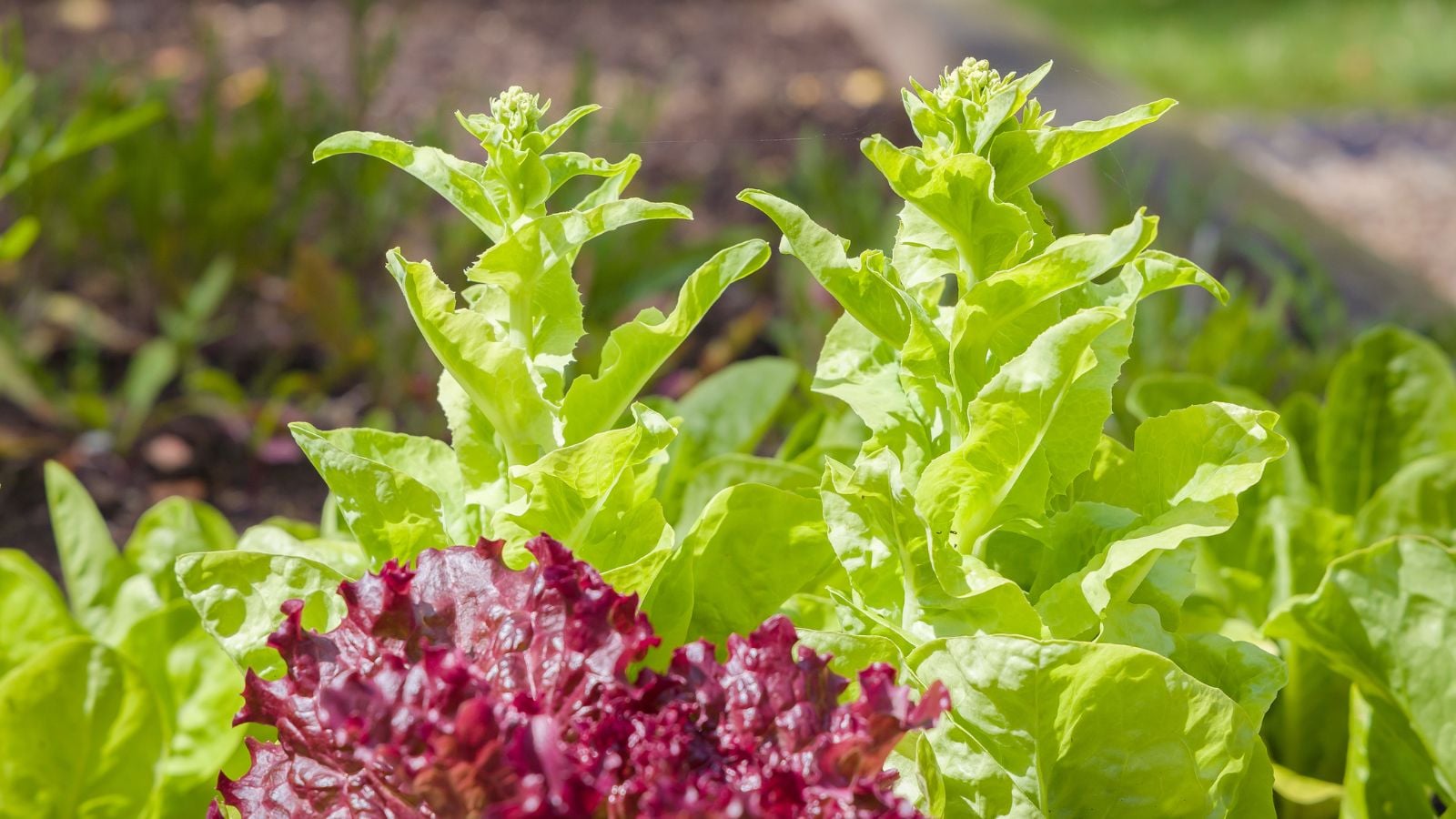
Gardeners can watch for early signs of bolting by keeping an eye on the center of the lettuce head. The center will begin to thicken and elongate, forming a new central growth point. This is where the flower stalk is developing. It is possible to snip back this center to delay the bolting process, although the leaves may still develop a slightly bitter taste afterward.
How To Slow Or Stop Bolting

Because lettuce responds strongly to environmental conditions, you can extend its productive life and delay, though not stop, the bolting process by recreating the conditions it prefers.
On hot days, provide shade to protect plants from intense sun and heat. During dry periods, make sure the soil around the lettuce stays evenly moist. As days grow longer, shading plants can also help prevent the lettuce’s internal clock from triggering bolting too quickly.
Extending the Grow Season

Gardeners can mimic the ideal conditions these leafy greens prefer, even during weather that would normally cause bolting. By encouraging plants to behave as though they are growing in a different season, you can prolong your lettuce harvest. One of the most important factors when growing lettuce during times of year when daytime temperatures approach 75°F (24°C) is providing adequate shade.
Shade cloth is especially useful in these conditions and is available in several different types. For growing lettuce during warm weather, a woven white or red shade cloth works best. Woven fabric allows for better airflow, which helps keep plants cooler and reduces the risk of disease.
Avoid shade cloth designed for human shade or specialty plants like orchids, as these block too much sunlight. A shade cloth rated to block 30 to 60% of the sun’s rays is ideal. Install the cloth high enough above the plants so it does not weigh down the leaves. Used correctly, shade cloth lowers the growing temperature around lettuce while helping the soil retain moisture, making it an excellent summer growing aid.
Bolt-Resistant Varieties

You are not the only gardener battling heat while trying to grow leafy vegetables in less-than-ideal conditions. Over the years, many new lettuce varieties have been bred to be bolt-resistant.
This means that while the plant will eventually produce a flower stalk and complete its life cycle, that process is delayed, allowing you to extend your harvest. Some of these bolt-resistant varieties include:
- Sparx (romaine)
- Salvius (romaine)
- Vivian (romaine)
- Starfighter (green leaf)
- New Red Fire (red leaf)
- Great Lakes 118 (crisphead)
Bolt-resistant varieties can significantly extend your growing season for what many gardeners consider their favorite crop.
Bolting Possibilities

Once a lettuce plant bolts, the world does not end. There are several useful options for dealing with bolting lettuce plants. After bolting, lettuce produces tall stalks topped with small flowers, which can be quite attractive and help draw pollinators into the garden to benefit nearby crops.
If you need to free up space, pulled plants can be safely fed to pets such as guinea pigs or rabbits. You can also leave bolting lettuce in place as a trap crop, allowing aphids to gather on the tender growth before removing the plant to help protect surrounding vegetables.
One of the most valuable uses for bolting lettuce plants is seed saving for the following year. Many home gardeners and farmers enjoy saving their own seed to replant or trade, and this long-standing practice helps preserve plants that are well adapted to local growing conditions.
Keep in mind that if you are growing a hybrid variety, the plants grown from saved seed may differ from the parent plant. To save seed successfully, allow lettuce plants to continue growing through summer so they can fully develop mature seed. Place a small mesh bag over the seed head to collect the seed and prevent it from being lost to wind.
Frequently Asked Questions
Is it safe to eat bolted lettuce?
It is safe to eat bolted lettuce although the flavor will be more bitter than is usual.
Will bolted lettuce regrow?
Bolted lettuce, when cut down to its base will regrow under the right conditions. If summer is too hot, the entire plant may die, but in cooler temperatures, it may resprout and continue to produce.
What to do with lettuce when it bolts?
Growers have several options when lettuce plants bolt, flowers can be used to attract pollinators, it can be used as a trap crop, given to pets that can eat leafy greens (chickens or bunnies), or even saved for seed.





