11 Late-Season Pollinator Plants That Bloom Through October
Fall is an important time for pollinators as they prepare for the cold months ahead. Join beekeeper and pollinator enthusiast Melissa Strauss to discuss late-season flowering plants that bloom through October and beyond!


Contents
Fall is an important time for pollinators. As they prepare for the winter, many of them begin to change their habits. Some will slow down as the air gets cooler and food becomes scarce. They will conserve their energy. Others may forage more vigorously to collect food for the winter.
Feeding these pollinators in autumn is essential because it is often the last chance they will have to gather energy. Some will overwinter in the pupal stage, others will enter a semi-hibernation, and others will migrate. Before that happens, many of them reproduce, which requires extra energy.
By planting late-season pollinator plants, you can provide nectar and pollen at a time when the food supply is dwindling. Both annuals and perennials are vital at this time of year. By adding flowers that bloom until the first frost, you’re doing more than simply beautifying your garden. You’re providing for pollinators, which in turn helps to support the ecosystem in your garden.


Aster


|
botanical name Symphyotrichum spp. |
|---|---|

|
sun requirements Full sun |

|
height 1’-6’ |

|
hardiness zones 3-9 |
Sweet asters are among the most important late-season pollinator plants. They are a perfect addition to the wildlife-friendly garden and pollinator patch. As many flowering plants are fading, aster is just ramping up, blooming throughout September and October. They bloom abundantly and provide a significant amount of food, particularly to bees.
Bees have ultraviolet vision, so aster’s blue and purple flowers stand out to them. However, they’re not the only insects that depend on them for food. Butterflies, hoverflies, beetles, and even wasps look to aster for autumn nourishment. Choose a native species for an extra low-maintenance addition to the garden.
Goldenrod

|
|
botanical name Solidago spp. |
|---|---|
|
|
sun requirements Full sun |
|
|
height 6”-6’ |
|
|
hardiness zones 2-9 |
Goldenrod is another wonderful native plant that is excellent to grow for pollinators in the fall. Their showy, golden flower clusters glow against the fading backdrop of autumn. All you need to do to know how important they are is to take a closer look at these blooms on an October afternoon.
My goldenrod is always teeming with bees of all kinds, but especially bumblebees. I have a soft spot for those fuzzy bumbles, and the more food I can provide them, the better. This late-season pollinator plant is a top nectar source, and though it’s often credited for being hard on allergy sufferers, it’s usually not. It just blooms along with giant ragweed, a common allergen.
Anise Hyssop

|
|
botanical name Agastache foeniculum |
|---|---|
|
|
sun requirements Full sun to partial shade |
|
|
height 2’-4’ |
|
|
hardiness zones 3-9 |
Anise hyssop is invaluable as a late-season pollinator plant. Its flowers aren’t the showiest in the garden, but they are one of the best nectar sources. They are often described as a ‘pollinator magnet.’ The tall spikes of lavender flowers have an herbal quality, and the leaves have a distinctive licorice scent.
Bees are the main pollinators for anise hyssop, as is the case with many blue or purple flowers. However, butterflies are also fond of it, and it’s even appealing to hummingbirds because of its high nectar content. It’s long-blooming and drought-tolerant, making it an ideal addition to the summer and fall garden.
Zinnia

|
|
botanical name Zinnia spp. |
|---|---|
|
|
sun requirements Full sun |
|
|
height 1’-4’ |
|
|
hardiness zones 2-11 |
I could sing the praises of zinnias all day long. These late-season pollinator plants are so easy to grow and care for. My zinnia patch gets endless attention from butterflies, bees, wasps, and beetles. I even see the occasional hummingbird visit them.
Zinnias are annuals, and if you want them blooming in the fall, it’s good to start a second planting later in the season. Plant some in late spring so that they’re not too leggy and falling over by October. Zinnias self-sow, especially in warmer climates. They’re not native to much of North America, but they’re also not invasive.
Calendula

|
|
botanical name Calendula officinalis |
|---|---|
|
|
sun requirements Full sun |
|
|
height 1’-2’ |
|
|
hardiness zones 9-11 |
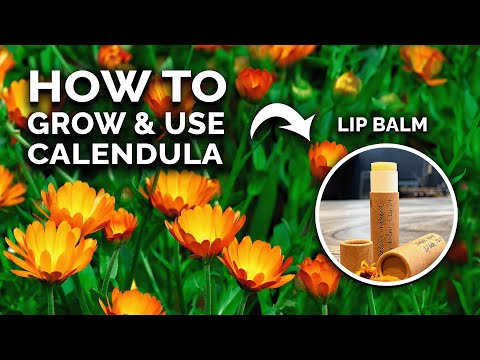
Calendula is not the most common flower that comes to mind when it comes to late-season pollinator plants. However, it’s a great little cool-weather plant that will flower late in the season. It grows and blooms quickly, so plant in August for October blooms. Calendula has cheerful orange and yellow flowers that are good producers of pollen and nectar.
Calendula is attractive to bees because it produces a significant amount of pollen. Bees collect pollen for winter, as it’s high in protein and helps sustain them through the winter dearth. This plant is frost-tolerant, so you can grow it in the fall, even in cooler climates.
Japanese Anemone

|
|
botanical name Eriocapitella hupehensis |
|---|---|
|
|
sun requirements Full sun to partial shade |
|
|
height 2’-4’ |
|
|
hardiness zones 4-8 |
Japanese anemones are elegant, late-blooming perennials. They play an important role in feeding pollinators during the fall. Blooming from late August through October, their flowers provide nectar and pollen when many other garden plants are fading.
These late-season pollinator plants have blooms in pink or white with prominent yellow centers. They thrive in part shade, and fill a seasonal gap in woodland edges, north-facing beds, or dappled gardens.
When it comes to pollinators, Japanese anemones are especially valuable to bees. Both honeybees and native species eagerly visit the open, bowl-shaped flowers. They are shaped perfectly for easy access to nectar and pollen. They also attract hoverflies and other beneficial insects that support garden health.
Autumn Joy Sedum

|
|
botanical name Hylotelephium spectabile ‘Autumn Joy’ |
|---|---|
|
|
sun requirements Full sun |
|
|
height 1.5’-2’ |
|
|
hardiness zones 3-9 |
‘Autumn Joy’ sedum is one of the very best late-season pollinator plants. It flowers in September and October when few other flowers are still blooming. Its flat clusters of star-shaped blossoms produce abundant nectar and pollen, making it a busy feeding station. Honeybees and migrating butterflies often stop to refuel before their long journeys and hibernations.
It’s the rare succulent that blooms strongly enough to be a significant support to pollinators. This one does. Its flowers are bright and bountiful, making it an excellent ornamental for the fall garden as well. It’s tough and drought-tolerant, and the seed heads left behind provide food for overwintering birds.
Coral Honeysuckle

|
|
botanical name Lonicera sempervirens |
|---|---|
|
|
sun requirements Full sun to partial shade |
|
|
height 10’-20’ |
|
|
hardiness zones 4-9 |
Coral honeysuckle is a native variety to most of the eastern and part of the central United States. It’s fantastic for supporting pollinators for most of the year, not just in the fall. It begins to bloom in the spring and continues through the fall. In warm climates, these late-season pollinator plants are evergreen.
Hummingbirds are particularly fond of coral honeysuckle. The long, trumpet-shaped flowers are nectar-rich and easy for them to access. Bumblebees and larger butterflies are also able to access these nectar stores. In winter, the berries feed birds.
Milkweed

|
|
botanical name Asclepias spp. |
|---|---|
|
|
sun requirements Full sun to partial shade |
|
|
height 1’-6’ |
|
|
hardiness zones 3-9 |
Milkweed is a vital fall-blooming plant for monarch butterflies. This genus of plants is the sole larval food for these favorite pollinators. As monarchs migrate south for the winter, they must produce a generation of extra-strong, long-lived offspring. Having the right species of milkweed at the right time is integral to this process.
Be careful about tropical milkweed in warmer climates. It’s not native to the U.S., and if it doesn’t die back in the winter, it can hold onto a parasite that is harming the monarch populations. Monarch populations have dropped 80% in the past 20 years. Much of the issue is a lack of food due to habitat destruction.
Bluebeard

|
|
botanical name Caryopteris spp. |
|---|---|
|
|
sun requirements Full sun |
|
|
height 2’-4’ |
|
|
hardiness zones 5-9 |
Bluebeard is an outstanding late-season pollinator plant, often called the blue mist shrub. It produces a cloud of small, sky-blue flowers in late summer and fall. Blooming from August into October, it steps in just when nectar and pollen sources are dwindling. This makes it invaluable for sustaining pollinators.
All types of bees love bluebeard, especially bumblebees. This shrub produces a substantial number of flowers, and along with them, plenty of pollen and nectar. Bees aren’t the only fans of this plant; butterflies are as well. It blooms steadily from late summer through fall, and it’s a lovely ornamental on top of its ecological value.
Joe Pye Weed

|
|
botanical name Eutrochium spp. |
|---|---|
|
|
sun requirements Full sun |
|
|
height 2’-10’ |
|
|
hardiness zones 3-9 |
Joe Pye weed is one of the best perennials for pollinators in the fall. Its towering clusters of nectar-rich flowers bloom just when many insects need them most. Blooming from late summer through early fall, it produces broad, fluffy flower heads in shades of pink to mauve.
The blooms on this plant, though individually small, attract an astonishing variety of wildlife. They bloom in substantial clusters and are a magnet for bees, butterflies, and other beneficial insects. It blooms through October, making it a highly valued late-season pollinator plant.





