How to Plant, Grow, and Care for Juniperus Conferta (Shore Juniper)
Juniperus conferta (shore juniper) is a low-lying ground cover option for dry climates. It's also not difficult to care for when grown in the right environment. In this guide, Epic Gardening founder Kevin Espiritu shares everything you need to know to grow these shrubs successfully.

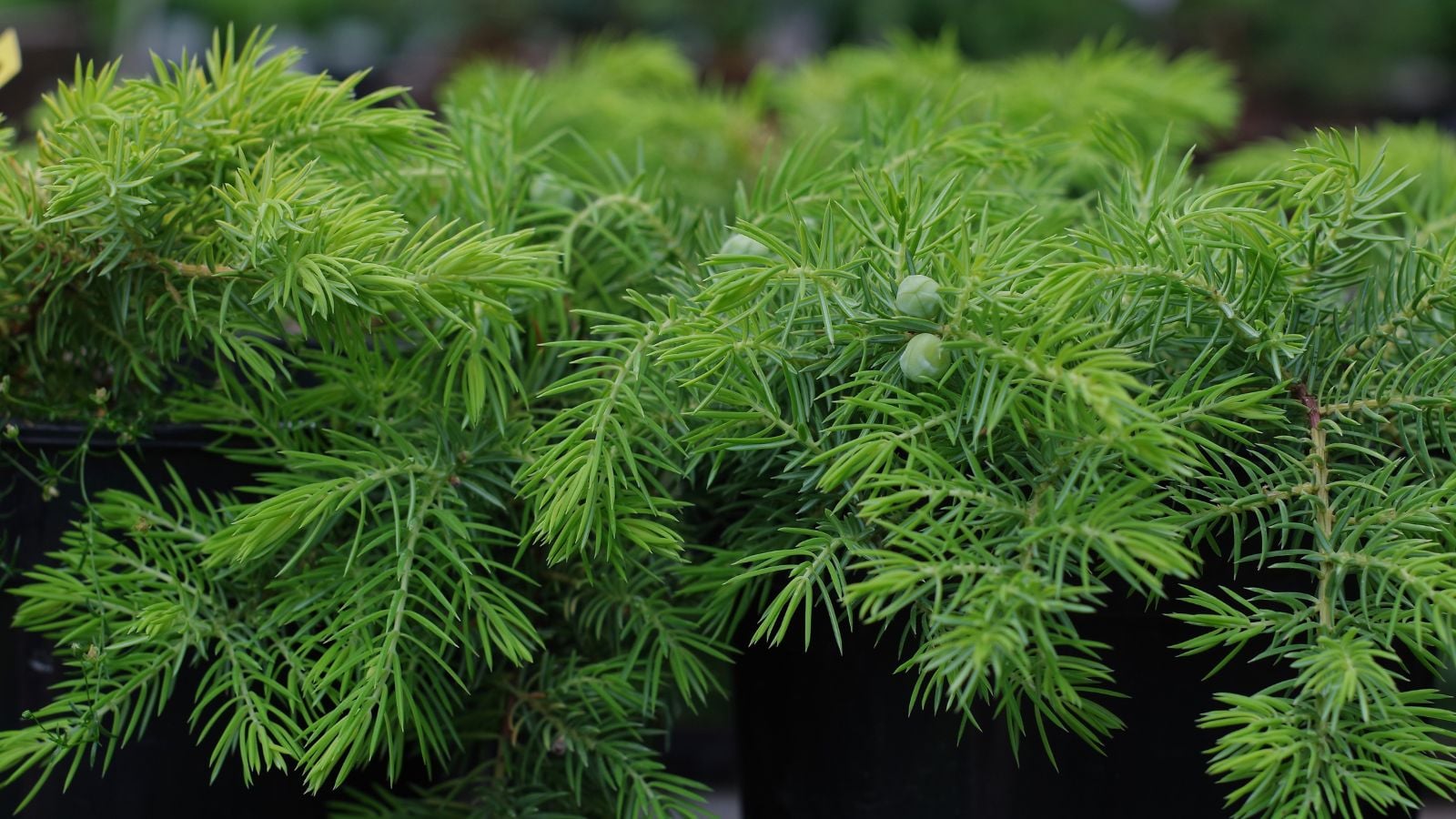
Juniperus conferta is a dense evergreen shrub native to the seacoast of Japan and Sakhalin Island. With prickly blue-green foliage, the shore juniper grows as a low, spreading, creeping plant, making it an excellent ground cover.
This hardy shrub thrives in dry, sandy soils and performs well in poor soil conditions in general. J. conferta is ideal for well-drained areas, including retaining walls, and it is often used for erosion control thanks to its spreading habit and strong root system.
Here is everything you need to know about its care and maintenance.

Espoma Bio-tone Starter Plus Organic Plant Food (4 lbs.)

Espoma Bio-tone Starter Plus Organic Plant Food (4 lbs.)

Quick Care Guide

|
Common Name(s)
Shore juniper, Pacific blue juniper
Scientific Name
Juniperus conferta
Family
Cupressaceae
Height & Spread
6-18″ tall and 4-6′ wide
|
Light
Full sun
Soil
Well-drained soil, sandy soil
Water
Medium
Pests & Diseases
Aphids, bagworms, twig borers, scale, rust, and blights
|
All About Juniperus Conferta
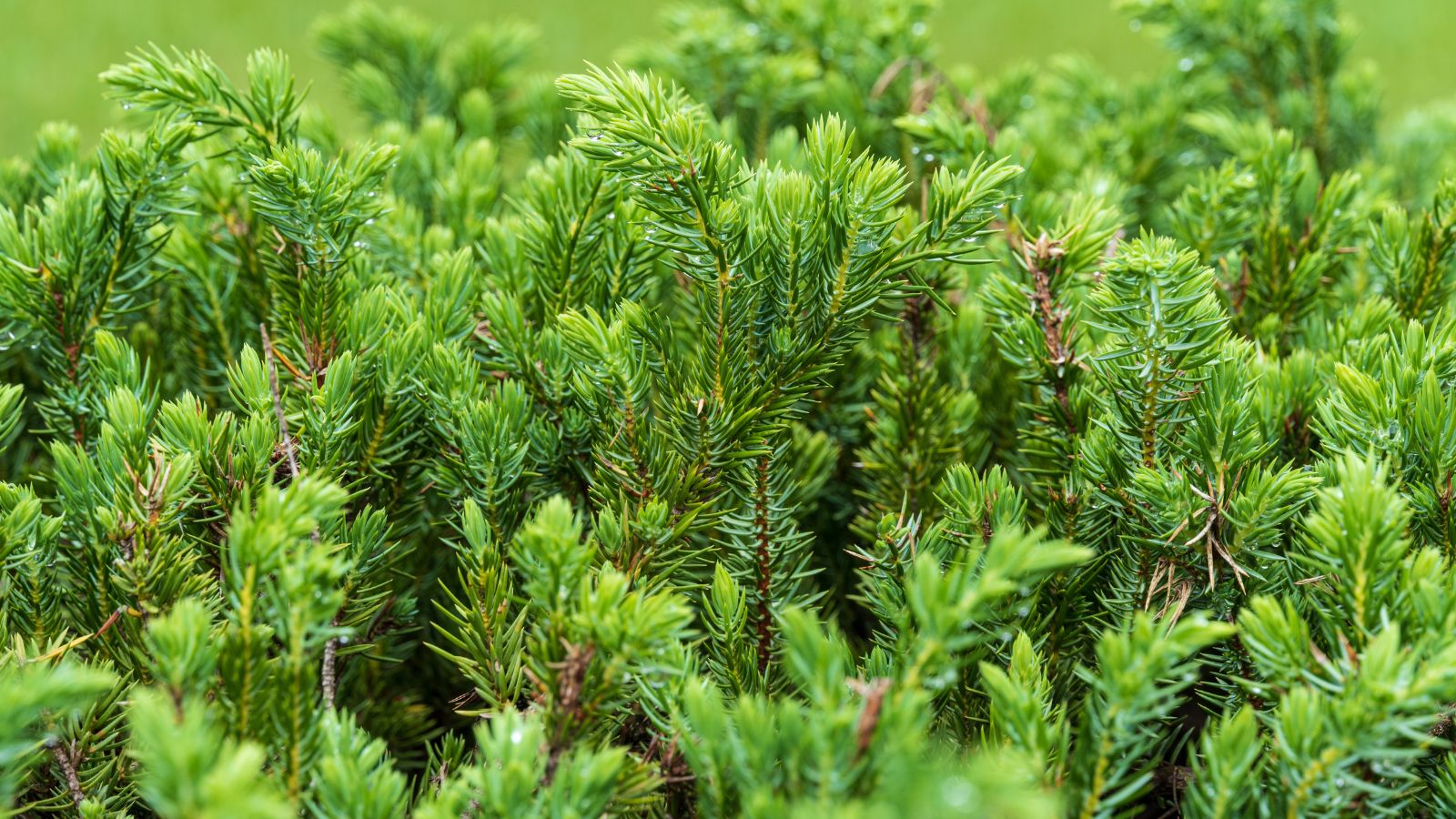
Juniperus conferta belongs to the family Cupressaceae. This low-growing evergreen typically reaches six to eighteen inches in height, with creeping stems that can spread up to eight feet wide. The awl-shaped, aromatic foliage grows in groups of three along branched stems, creating a dense mat of pointed blue blue-green needles.
This ground cover juniper also produces fruit. Its berry-like seed cones develop a silvery bloom as they mature, and birds enjoy snacking on them. The plants thrive in full sun and prefer medium moisture, well-drained, dry soil.
Originally native to Japan, Juniperus conferta grows naturally along the Pacific coastline. It has since spread into parts of Russia and is widely grown across the United States in home gardens. Several reliable cultivars are available, each suited to different ground cover needs.
Common names for Juniperus conferta include shore juniper and conferta blue Pacific juniper, in addition to specific cultivar names.
Varieties
The shore juniper belongs to the genus Juniperus, known for its blue-green, cascading branches. The most popular cultivars include Juniperus conferta ‘Blue Pacific’, ‘Silver Mist’, and ‘Sunsplash’, with others like ‘Allgold’ and the subspecies ‘Schlager’ becoming increasingly popular.
‘Blue Pacific’
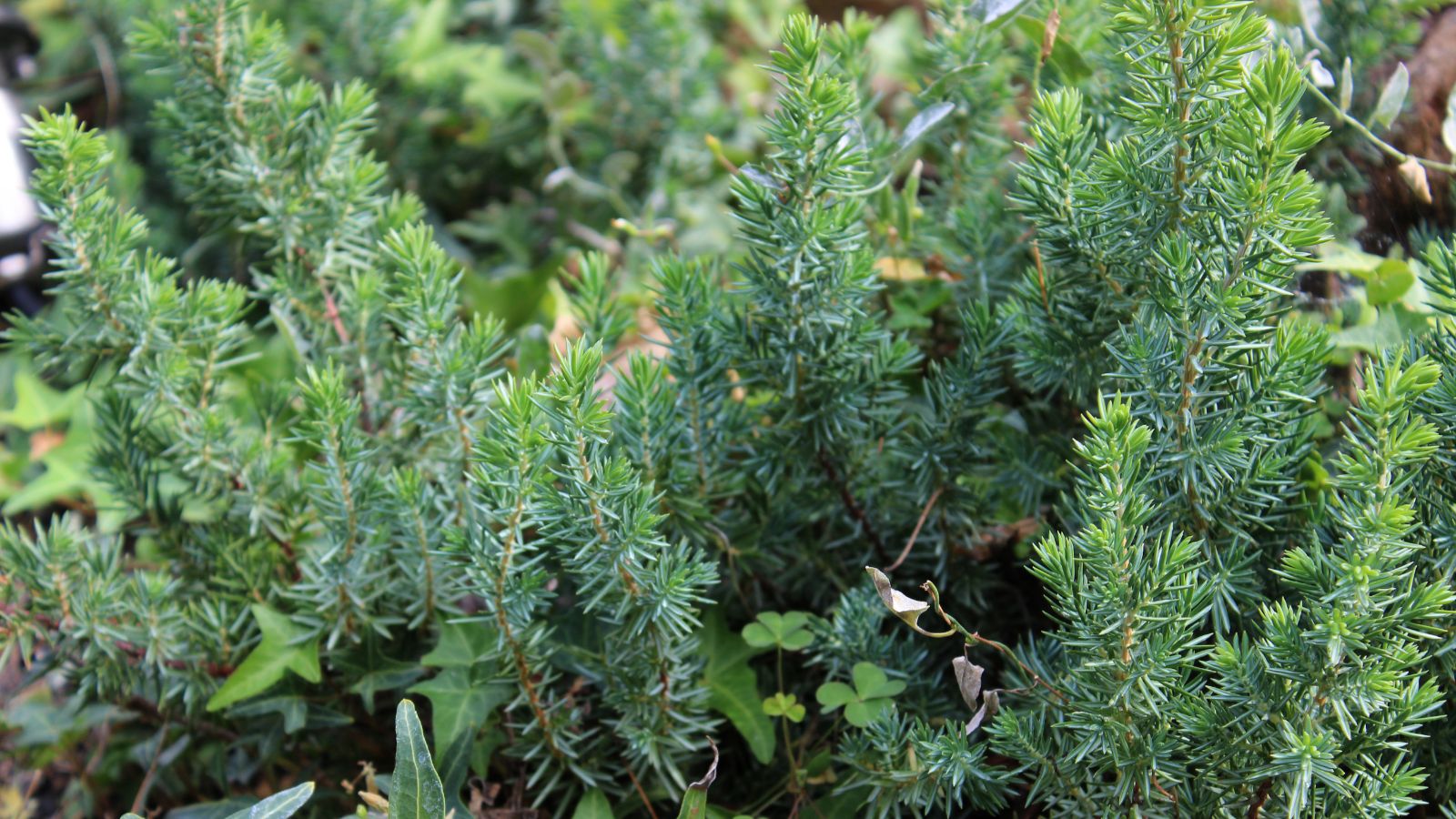
‘Blue Pacific’ is slightly hardier than the other cultivars and stands out for its blue green foliage. It spreads wide as ground cover and is an excellent choice for adding texture and color to any well drained area. Use conferta blue pacific to accent slopes, rock gardens, or coastal plantings. It also makes a lovely point of interest tucked into the pockets of a retaining wall, where its cascading growth habit can really shine.
‘Silver Mist’
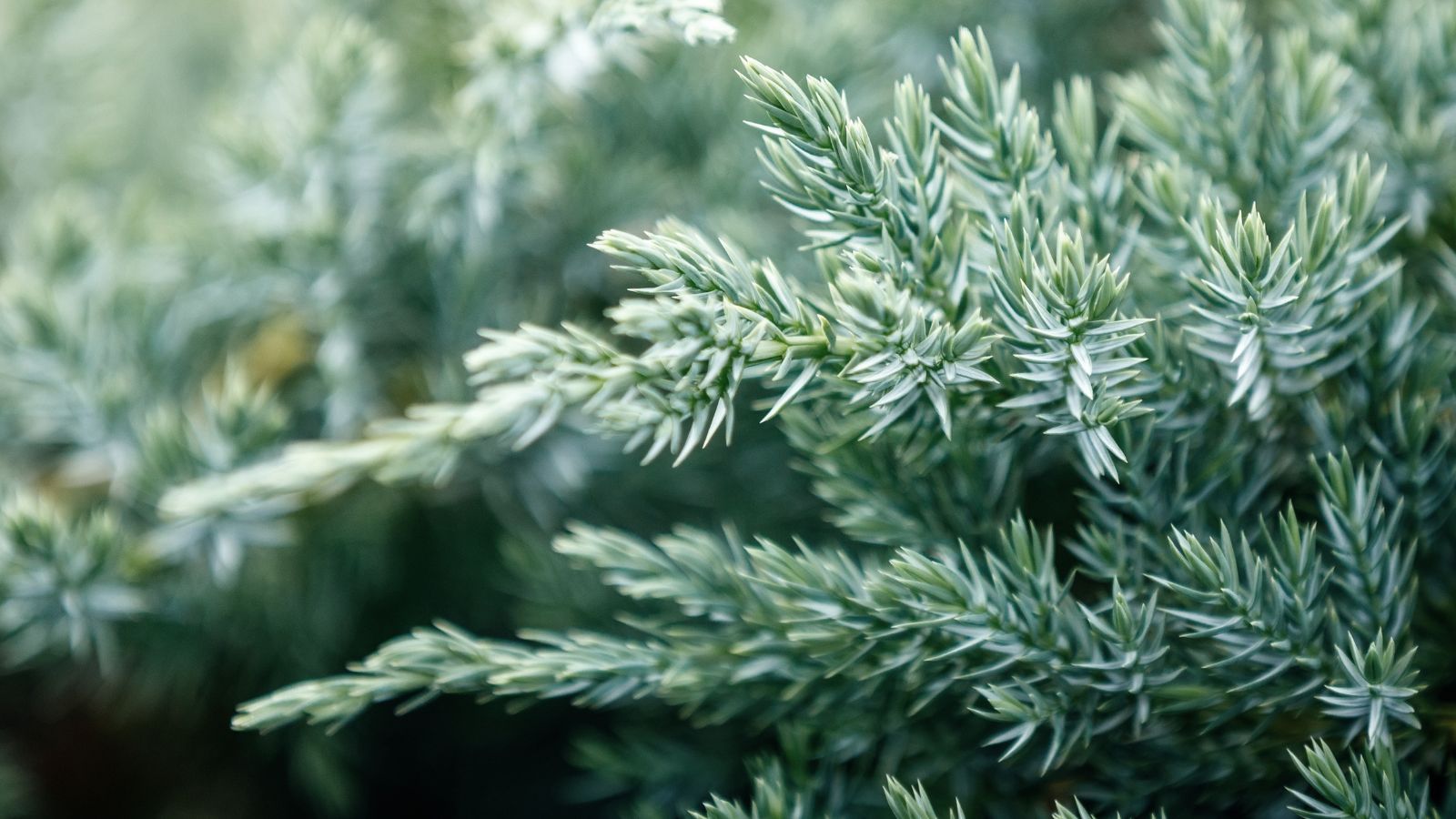
‘Silver Mist’ has a crowded, dense growing habit and reaches about 16 inches tall. Its foliage is a striking silvery blue-green that shifts to a purplish cast in winter, unlike the consistent blue-green of ‘Blue Pacific’. It looks especially beautiful when planted among yellow flowering plants, which brighten and offset its cool-toned foliage.
‘Sunsplash’
Lastly, ‘Sunsplash’ is a variegated form of Juniperus ground cover that, like ‘Blue Pacific’, features bluish green foliage. What sets it apart from ‘Blue Pacific’ is its golden-yellow needles. The foliage stays fresh throughout all seasons.
Planting

If you want to transfer the plant from a container to the garden, dig a hole twice as wide and twice as deep as the root ball. Choose a spot with well-draining soil and full sun, along with water-appropriate exposure. Gently tilt the juniper to one side and remove the root ball from the pot.
Place the Juniperus conferta in the hole and adjust the soil level as needed. Spread the roots evenly and refill the soil around them. Space plants at least five to eight feet apart to avoid overcrowding and maintain good air circulation. Water the soil an inch deep twice a week to support strong root development.
How to Grow
The plant can tolerate drought, erosion, and air pollution, making it an easy low-water option to care for and maintain. Grow it in well-drained sandy soil with medium moisture to enjoy a rich, evergreen display throughout the year.
Light
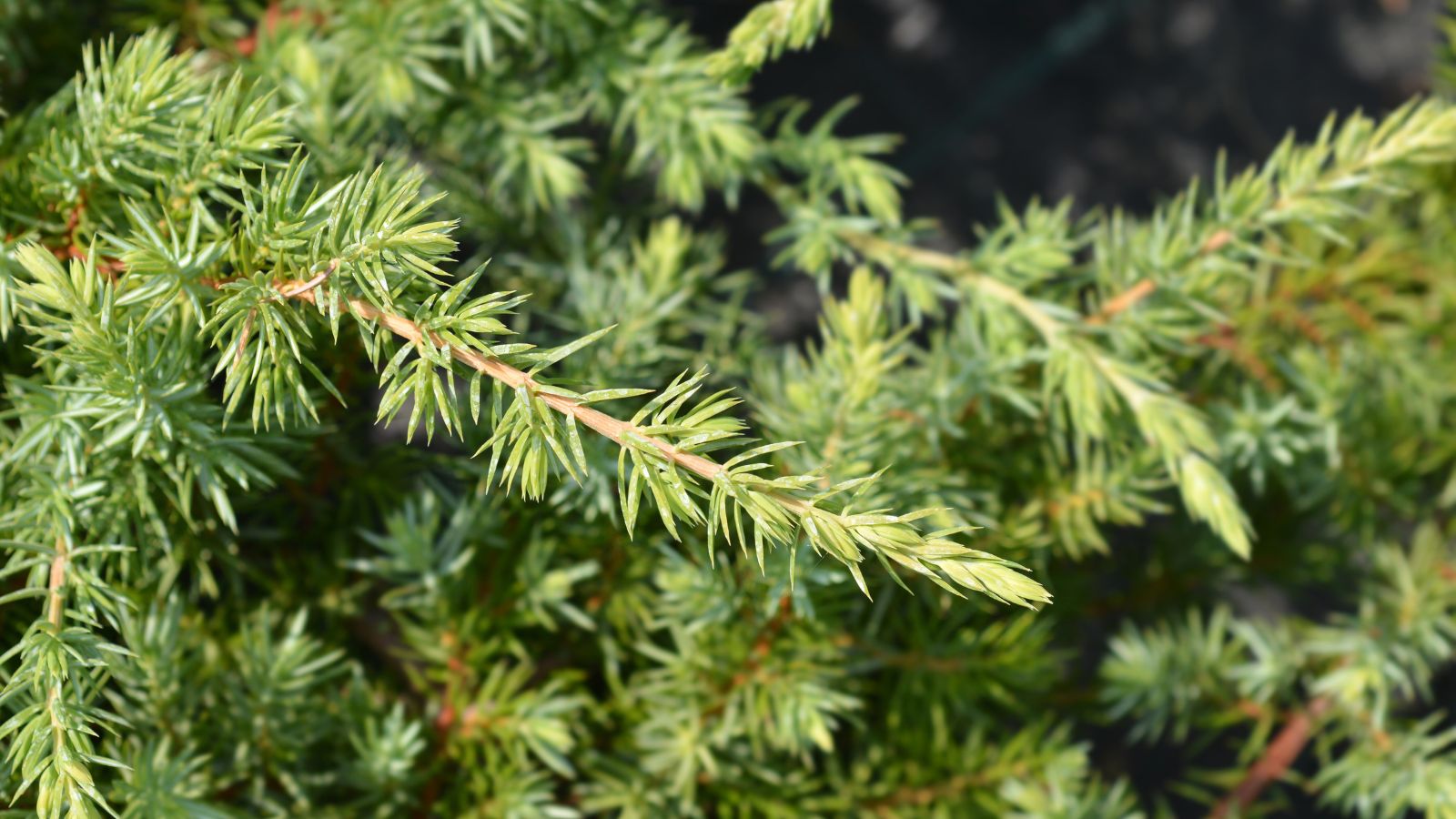
Juniperus conferta needs full sun and should be planted in a bright spot where it receives six to eight hours of direct light each day. If you are growing it outside its ideal zones (6-8), pay close attention to the specific care requirements for your region.
Water

As a drought-tolerant plant, the shore juniper grows well in dry, arid environments and only needs medium moisture. Soil that stays too wet can cause branches to die back or turn brown. Give young plants a deep watering two to three times a week during the first month. Once they mature, water them deeply about one inch per week to maintain healthy green growth.
Allow the soil to dry out between waterings. Soil that remains consistently wet, or even slightly too moist, can create conditions that encourage root rot.
Soil

This species grows best in well-drained, dry, sandy soils. It tolerates acidic and neutral conditions but performs particularly well in slightly alkaline soils with a pH of 8 to 8.5. If your soil is not naturally sandy, any well-draining mix will work. Avoid adding too much organic matter, since it increases water retention and can leave the soil overly wet.
Temperature and Humidity

The plant tolerates a wide range of temperatures but is sensitive to anything below -23°F (-30°C). It may return in spring after a subfreezing winter, although it can benefit from a frost blanket in these conditions.
Fertilizer

Evergreen ground covers do not need much fertilizer. You can feed Juniperus conferta with a complete fertilizer such as 12-4-7 or 16-4-8 in early spring and again in late summer. Dilute the fertilizer to half strength and avoid feeding in fall and winter.
Maintenance

The best time to prune the plants is late winter to early spring, just before new growth begins. Remove any dead or damaged stems beneath the canopy to improve air circulation. Avoid pruning to reduce the size of the shrub. If it becomes an obstruction, move it to a new location instead. Trimming does not effectively control the size of juniper shrubs.
Juniperus Conferta Propagation
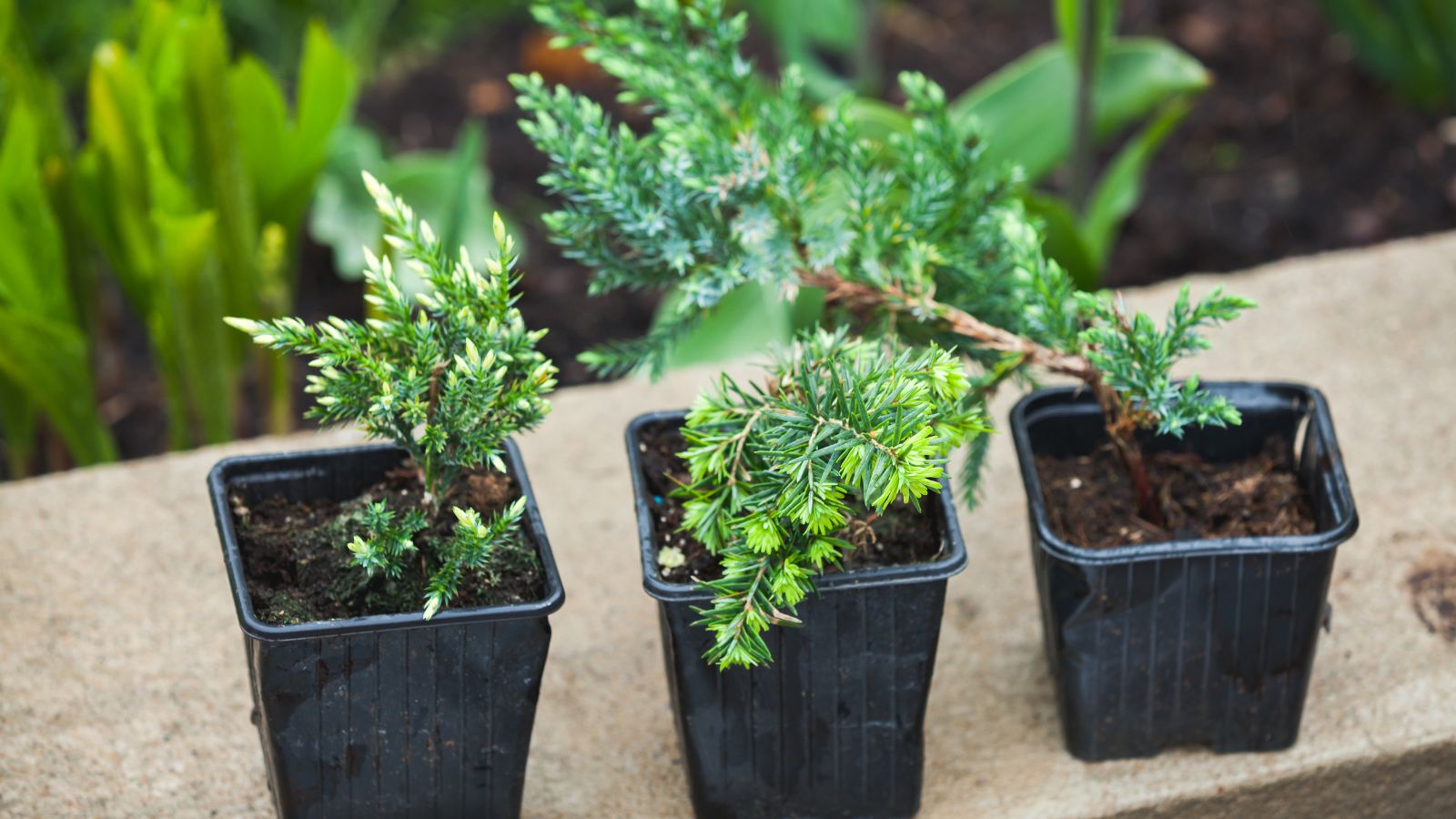
Juniperus conferta can be propagated from cuttings. Select healthy branches and cut eight to ten inch stems. Dip the cut ends in rooting hormone and place them into a prepared planter. Lightly mist the potting mix until it is evenly moist. Keep the planter in bright, indirect light at 60 to 65°F (16 to 18°C). Mist the cuttings daily and gently pull on them every four weeks to check for root development.
Common Problems
Juniperus conferta is generally a low-maintenance plant that grows well across a range of conditions as long as it receives full sun, the right amount of water, and well-draining soil. Even with its resilience, the plant can still be vulnerable to a few pests and diseases.
Growing Problems
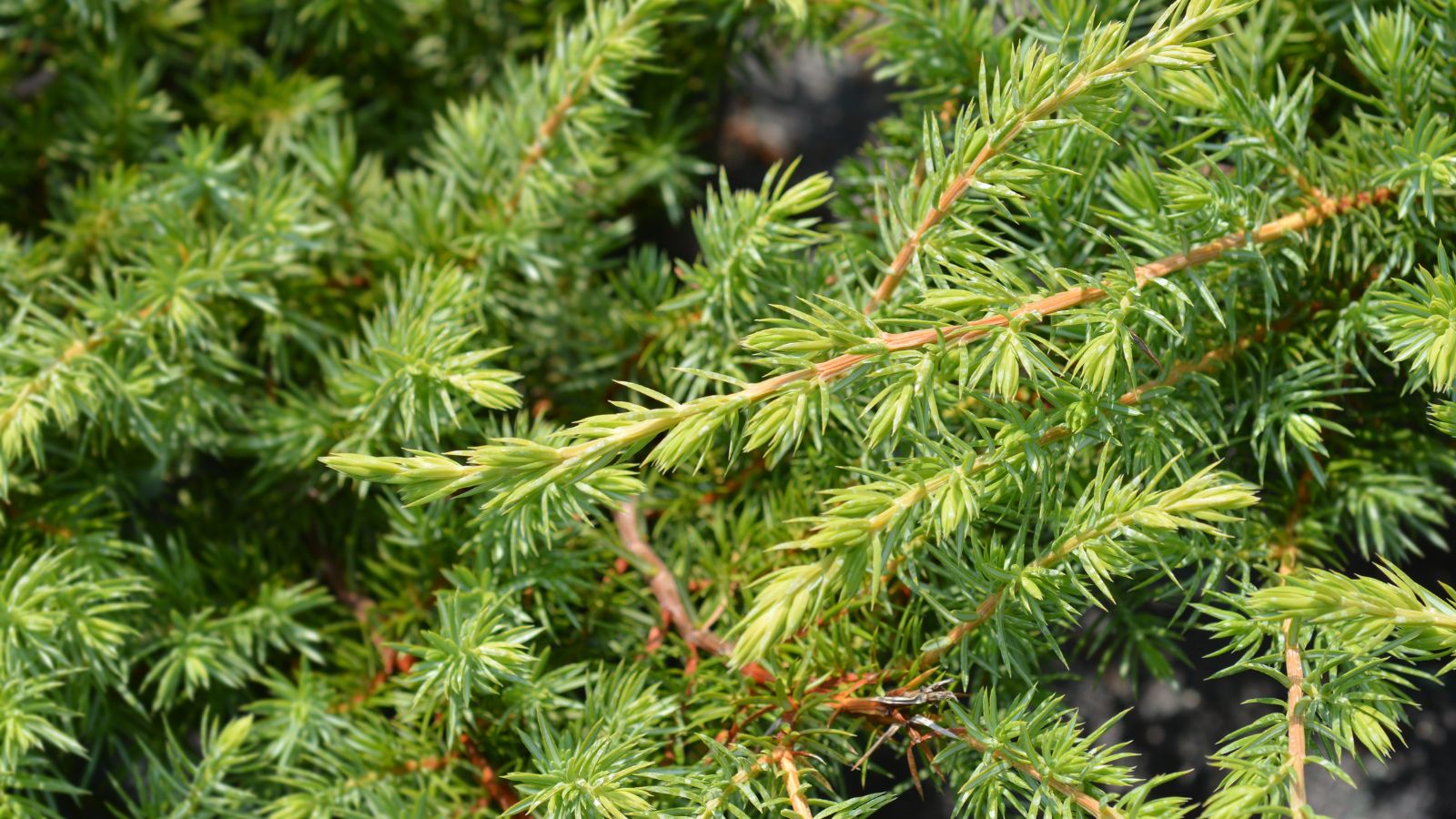
There are a few growing problems you may encounter with Juniperus conferta. Improper planting or placing it in an area with too much shade or excess moisture can lead to poor growth. If this happens, move the shrub to a location with full sun and well-draining soil.
Pests

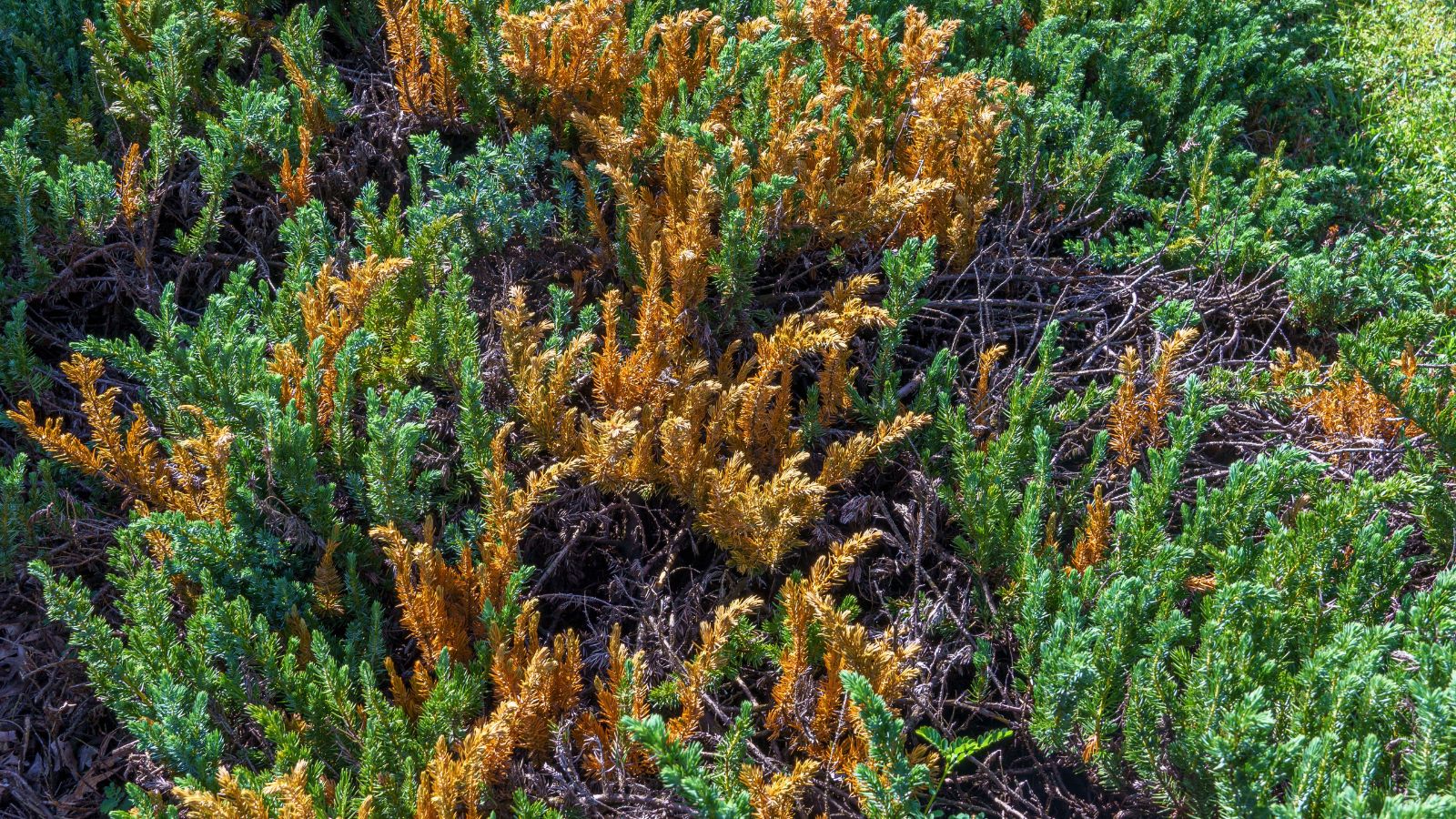
The plant is susceptible to aphids, bagworms, twig borers, and webworms. Bagworms create a protective casing from dried juniper leaves. Twig borers are metallic blue beetles with long antennae that tunnel into stems and trunks, causing sections of the canopy with awl-shaped leaves to yellow and die back. Webworms are caterpillars that spin dense webs around branches as they feed.
Begin treatment by pruning affected areas in early spring. If you are not concerned about potential impacts on wildlife, you can use insecticidal soap, neem oil, or a strong horticultural oil to help manage these pests.
Diseases
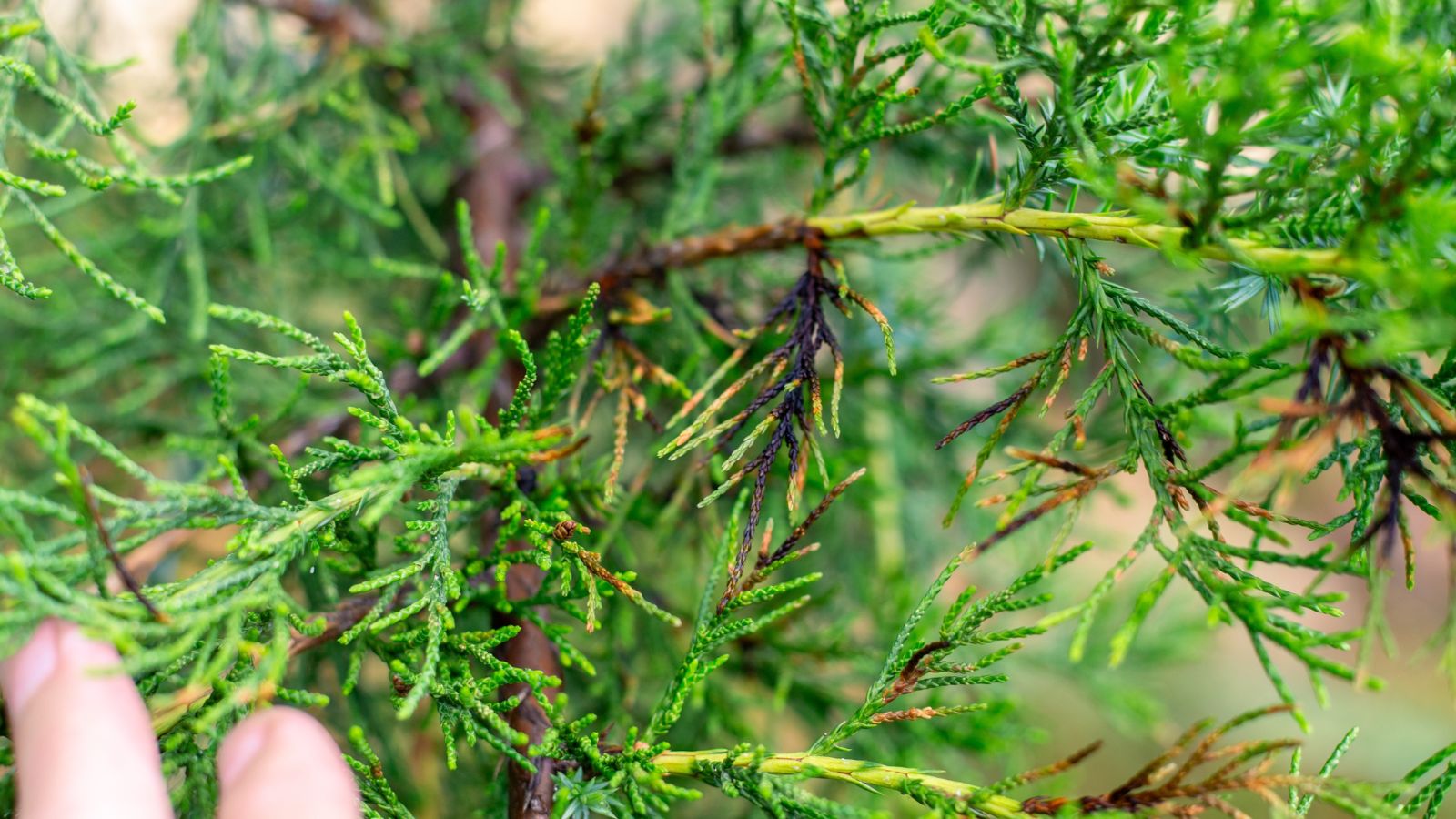
To manage fungal blights, apply a copper fungicide or another appropriate chemical fungicide, and prune away any infected material. Copper fungicide can also help with bacterial blight, although results are usually less effective. To prevent rust diseases, use sulfur fungicide or copper sprays to eliminate infections on susceptible plants. For the best results, begin treatment at the first sign of disease.
Root rot is the most common issue with junipers. These plants do not tolerate waterlogged soil, which encourages fungi that cause the roots to decay. Ensure the soil drains well, keep the plant in full sun, and water only when needed. Keep in mind that all chemical treatments can negatively affect wildlife, so use them with care.
Frequently Asked Questions
What is the difference between Juniperus horizontalis and Juniperus conferta?
Juniperus horizontalis, also known as blue rug juniper, is closely related to the shore juniper. This species is a low-growing shrub native to North America and forms a dense evergreen mat. Its foliage is greener and less blue than that of Juniperus conferta. One worthwhile Juniperus conferta cultivar to consider when choosing plants is Juniperus conferta ‘Blue Pacific’.
What kind of fruit does the shore Jjuniper bear?
Once the plant is mature, it produces fruit that is purplish-black inside the seed cones.
How fast does shore juniper grow?
Even as a mature shrub, it’s a moderately growing low spreading plant that produces 6 to 8 inches of outward growth annually.
How far apart should you plant Blue Pacific juniper?
Plant them in retaining walls and rock gardens about 3 to 5 feet apart. Denser plantings for erosion control provide more coverage than those planted more sparsely.
How do you propagate Juniperus Conferta?
Like many junipers, you can take stem cuttings of this shrub and make new plants from them. Check out the Propagation section for details.