How to Plant, Grow, and Care for Jicama
The jicama plant is well-known as a Mexican staple, but it's a delicious addition to anyone's food garden, too! If you want to try growing something a little different his year, this is a great choice. In this guide, we explore how to grow and care for this vine.

Contents
There are many vegetables you can grow at home, and one in particular deserves a spot in your garden. The jicama plant has many positive characteristics that make it rewarding to grow and enjoyable to eat.
Jicama, pronounced “hi-kuh-muh,” plays an important cultural role in Mexico, where it represents an earth element during Day of the Dead celebrations. This root vegetable has a long history, dating back to 3000 BC in Peru. It remains a well-loved and significant crop in its native regions.
Although jicama (Pachyrhizus erosus) is not a common garden vegetable, this edible tuber grows on a vigorous vine and is well worth learning about. Jicama thrives in tropical conditions, but gardeners outside its ideal climate can still grow it successfully. The methods covered in this growing guide help overcome climate challenges and support a productive harvest.


Quick Care Guide

|
Scientific Name
Pachyrhizus erosus
Days to Harvest
150+
Light
Full sun
Water
Regular, keep the soil moist
|
Soil
Sandy loam soil
Fertilizer
Potassium
Pests
Weevils and borers
Diseases
Bacterial spot and fungal diseases
|
All About Jicama
Jicama is native to Mexico and Central America, where it thrives in full sun with warm soil and consistent water. Its botanical name is Pachyrhizus erosus, and it belongs to the bean family, Fabaceae. This warm-season crop requires a long growing season to reach maturity.
Jicama is a herbaceous perennial vine that produces edible underground tubers. The tubers resemble turnips and have a crisp texture similar to water chestnuts with a mildly sweet aftertaste. Mature vines can grow up to 20 feet tall, although most gardeners prune them regularly to keep growth manageable.
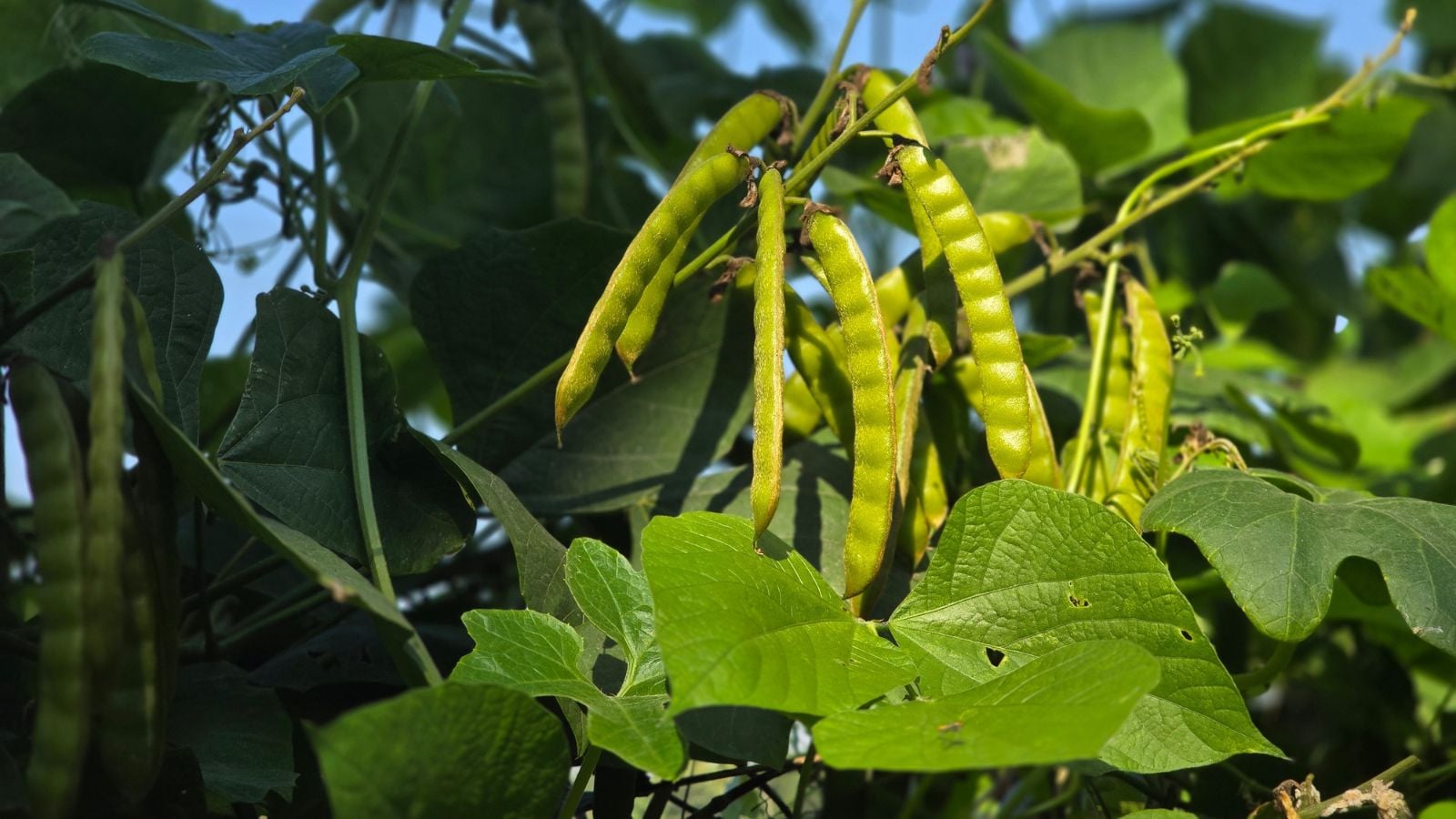
The vigorous vine produces lateral leaves with toothed edges that appear ovate or rhomboid in shape. White or violet flowers develop into fuzzy seed pods filled with seeds. Underground, the tubers form with brown skin and white flesh that resembles a turnip or beet. When left to grow unchecked, a single tuber can weigh up to 50 pounds, although smaller tubers offer better flavor and texture.
The tuber is the only edible part of the plant and provides many culinary uses and health benefits. Cooks commonly use jicama in stir-fries and salads, and many people enjoy it as a refreshing snack in hot weather because it contains 85% water. Jicama tubers also supply vitamin C, antioxidants, and dietary fiber. The leaves, flowers, and seed pods are poisonous, but they contain a natural insecticide that helps protect the plant from pests.
Although botanically classified as a perennial, gardeners usually grow jicama as an annual since they harvest the root as the primary food source. The plant grows throughout summer, with tubers ready for harvest in fall. You can grow jicama from seed, but allow plenty of time for the plant to fully mature.
Planting
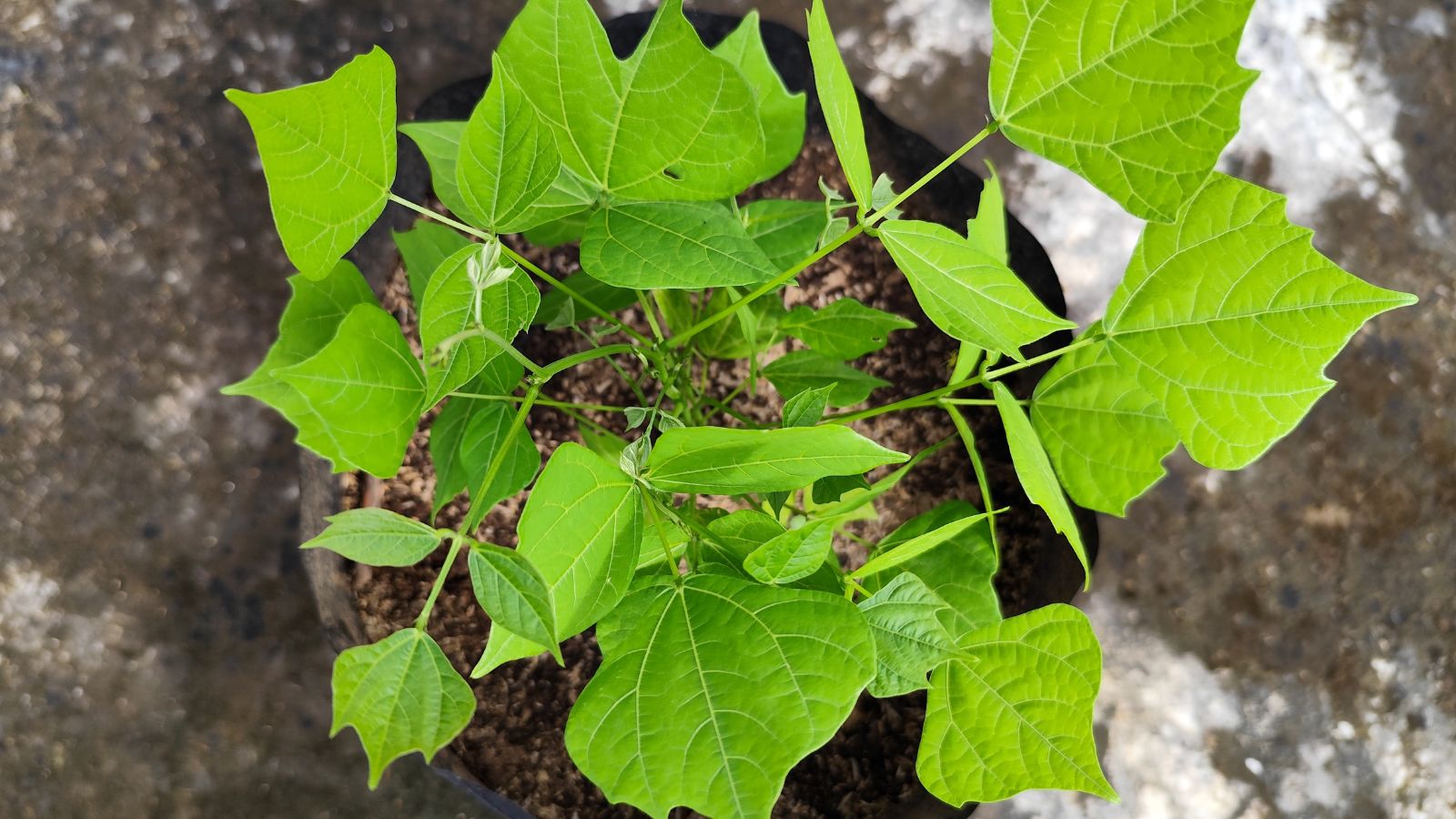
Jicama plants are easy to grow, but they require a long growing season, typically in growing zones 7 through 10. If you live in an area with a shorter season, you can grow jicama successfully in large containers as long as the plants receive plenty of sunlight. Jicama grows well from direct sowing or from transplants started early indoors.
Plant jicama (Pachyrhizus erosus) seeds or transplants outdoors in spring once the danger of frost has passed. Provide ample space in a garden bed or raised bed, along with room for a sturdy trellis to support each plant. If you plan to grow jicama in containers, you can start seeds indoors earlier and move the plants outside once temperatures warm.
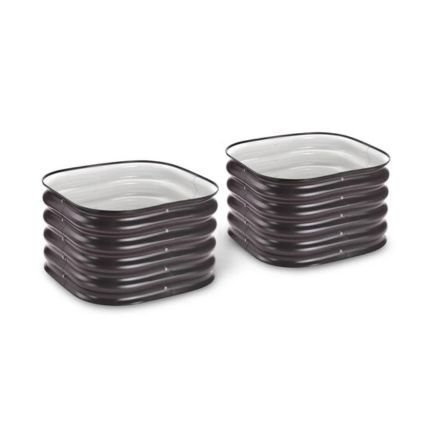
Choose a container large enough to support two to three tubers and sturdy enough to hold a trellis for the climbing vine. Full sun and well-drained soil rich in potassium support healthy tuber development and vigorous jicama growth.
How to Grow
Light, temperature, water, humidity, and soil all play important roles in producing healthy plants and achieving high yields.
Light
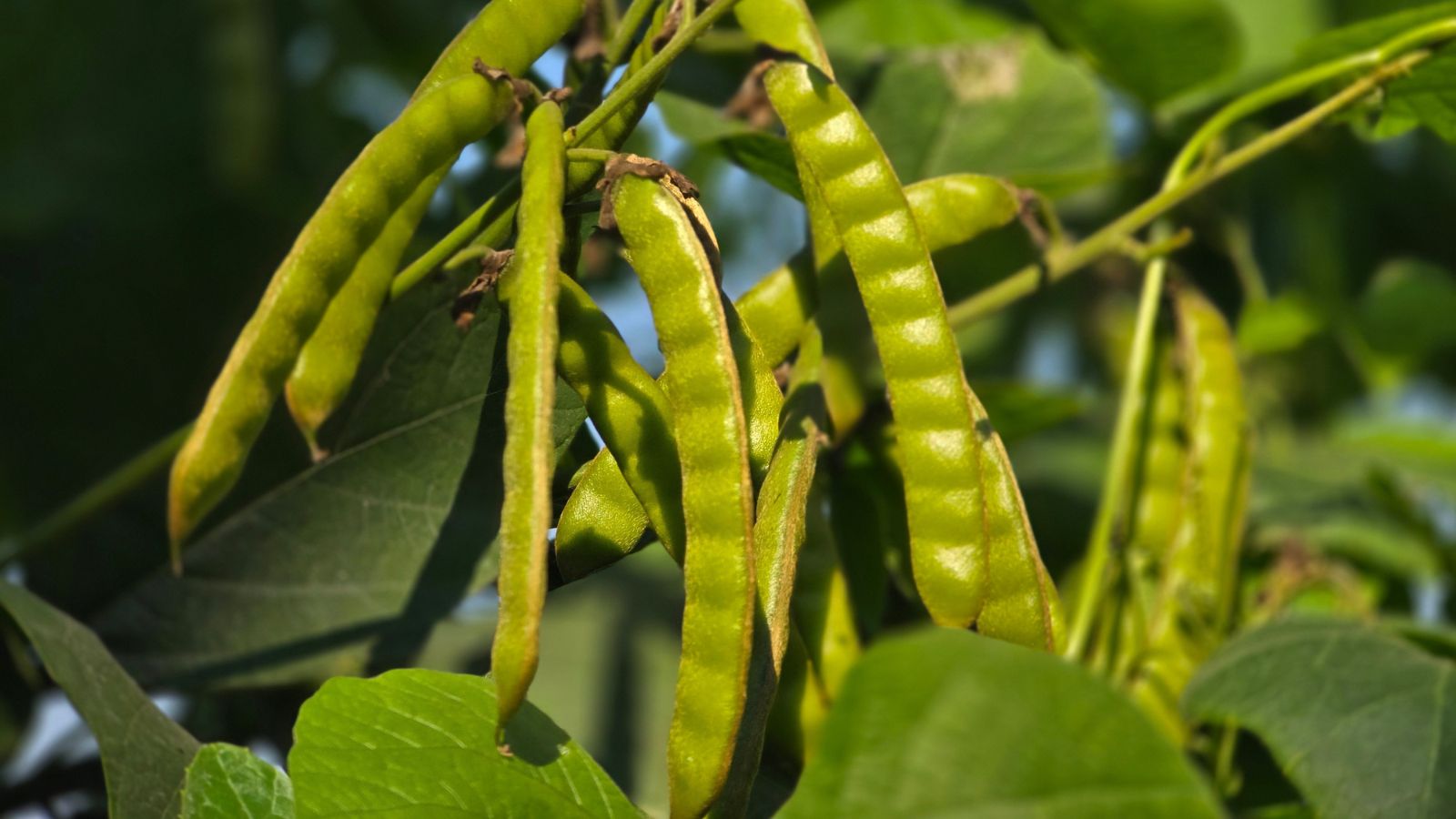
Direct sunlight, at least eight hours per day, is required to grow jicama. Shady spots limit growth and reduce overall plant vigor.
Water

Regular watering supports healthy jicama growth because the plant is not drought tolerant. Provide each plant with at least two inches of water per week as it increases in size. Keep the soil consistently moist but never soggy.
Water in the morning near the base of the plant using a soaker hose or drip line. In hot, dry conditions, jicama may need more frequent watering than in humid regions with regular rainfall.
Soil

Plant jicama in sandy loam soil that drains well while still retaining moisture. Poor soil leads to weak growth, as jicama requires ample nutrients and organic matter for a strong start. Aim for a soil pH between 6.5 and 8.0. If your in-ground soil does not meet these conditions, grow jicama in a raised bed or container garden instead.
Temperature

Jicama grows best in USDA growing zones 7 through 10 because it requires hot weather and tolerates humidity well. You can cover jicama plants at night to protect them from cooler temperatures. However, if temperatures consistently drop below 50°F (10°C), jicama plants will struggle to grow well.
Fertilizing

Since jicama is a legume, it does not require high nitrogen fertilizer. Excess nitrogen encourages leafy growth at the expense of tuber development. Instead, amend the soil with a fertilizer high in potassium and phosphorus at least two times during the long growing season to support healthy tuber formation.
Pruning
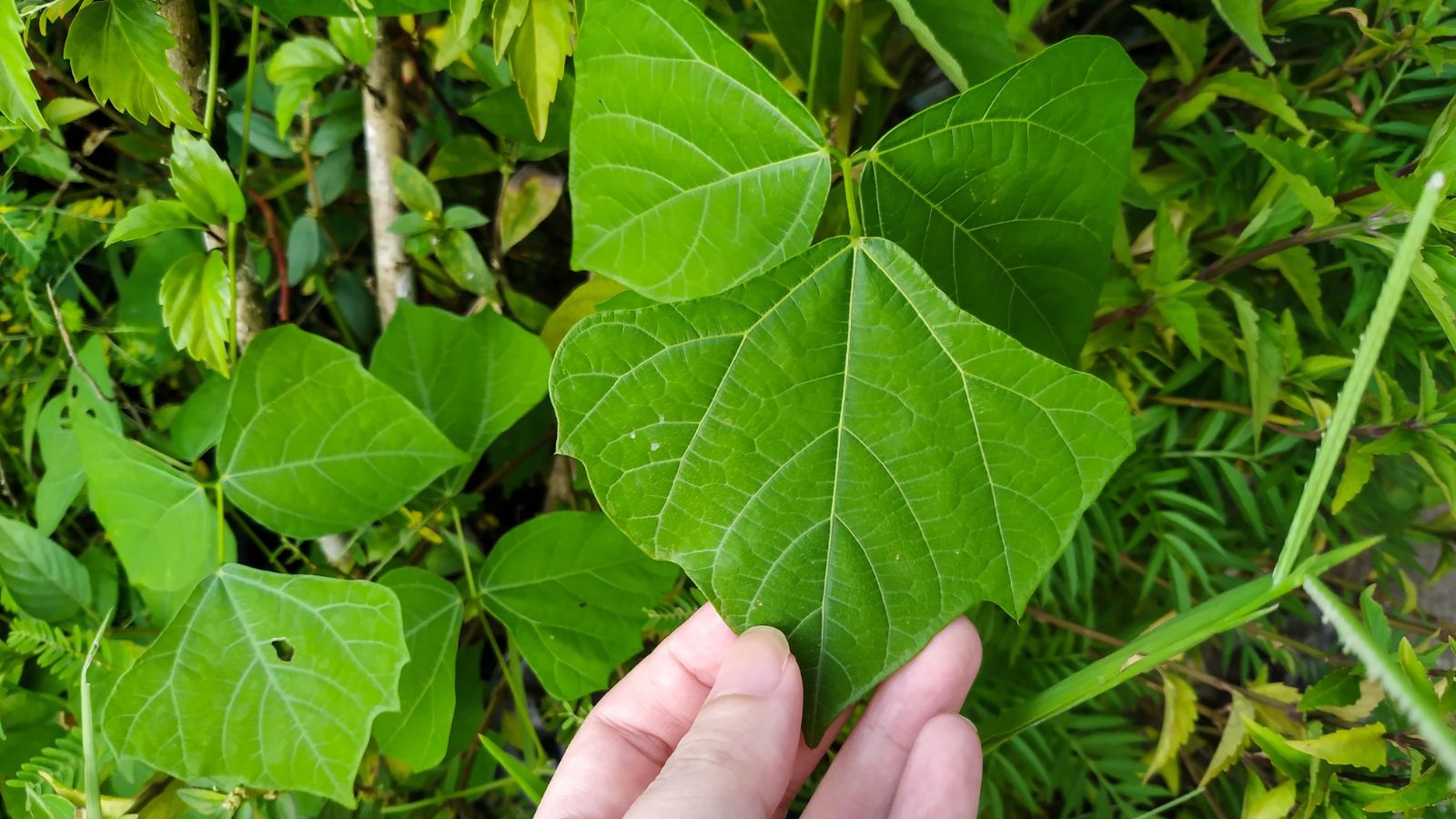
Maintenance pruning provides the greatest benefit when growing jicama. Prune the vine regularly to prevent it from overtaking the garden, and remove flowers to direct more energy toward root development rather than flower production.
Propagation
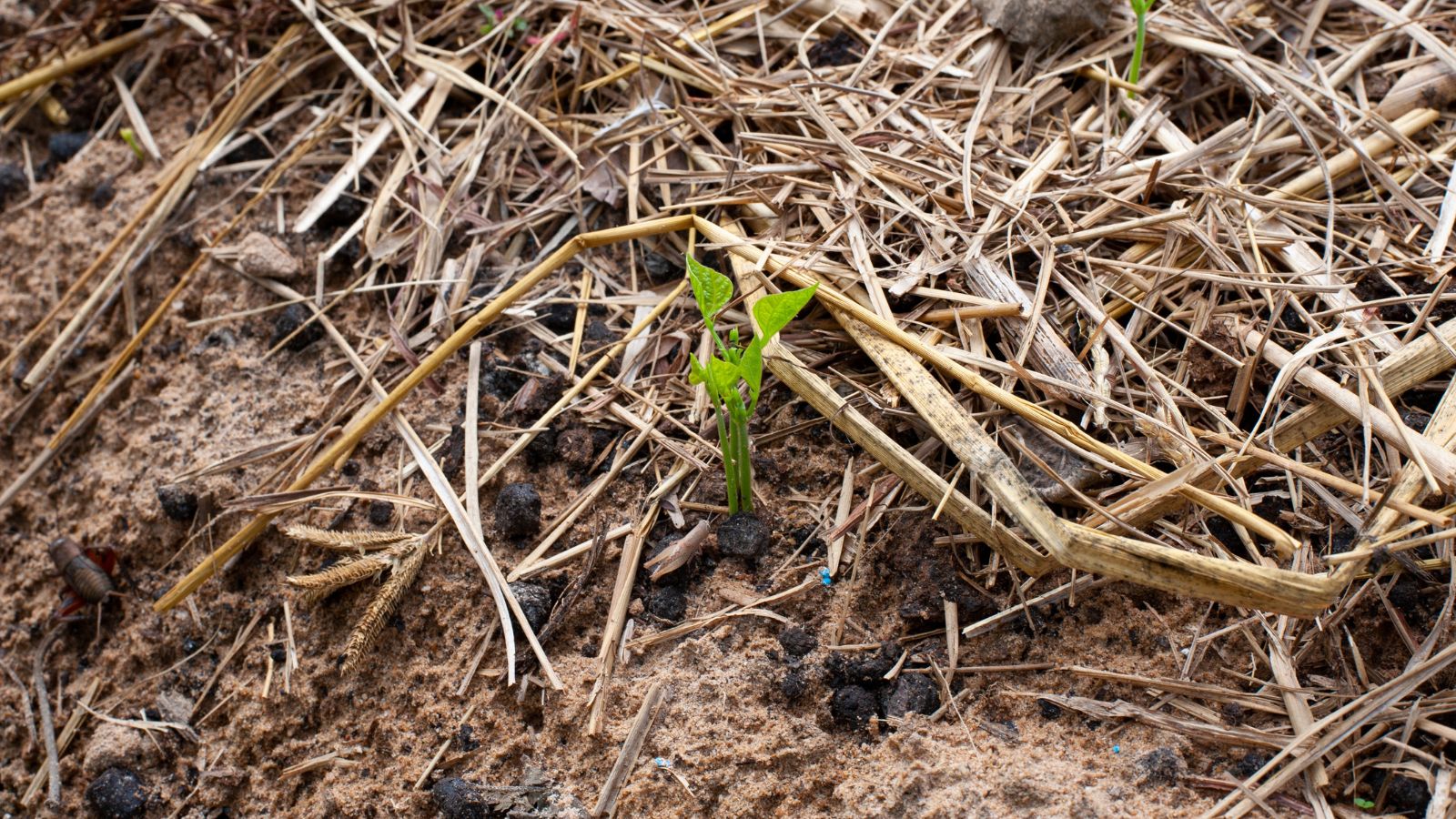
The only way to grow jicama is from seed. Although the plant produces tubers, gardeners do not use them for propagation as they would with potatoes.
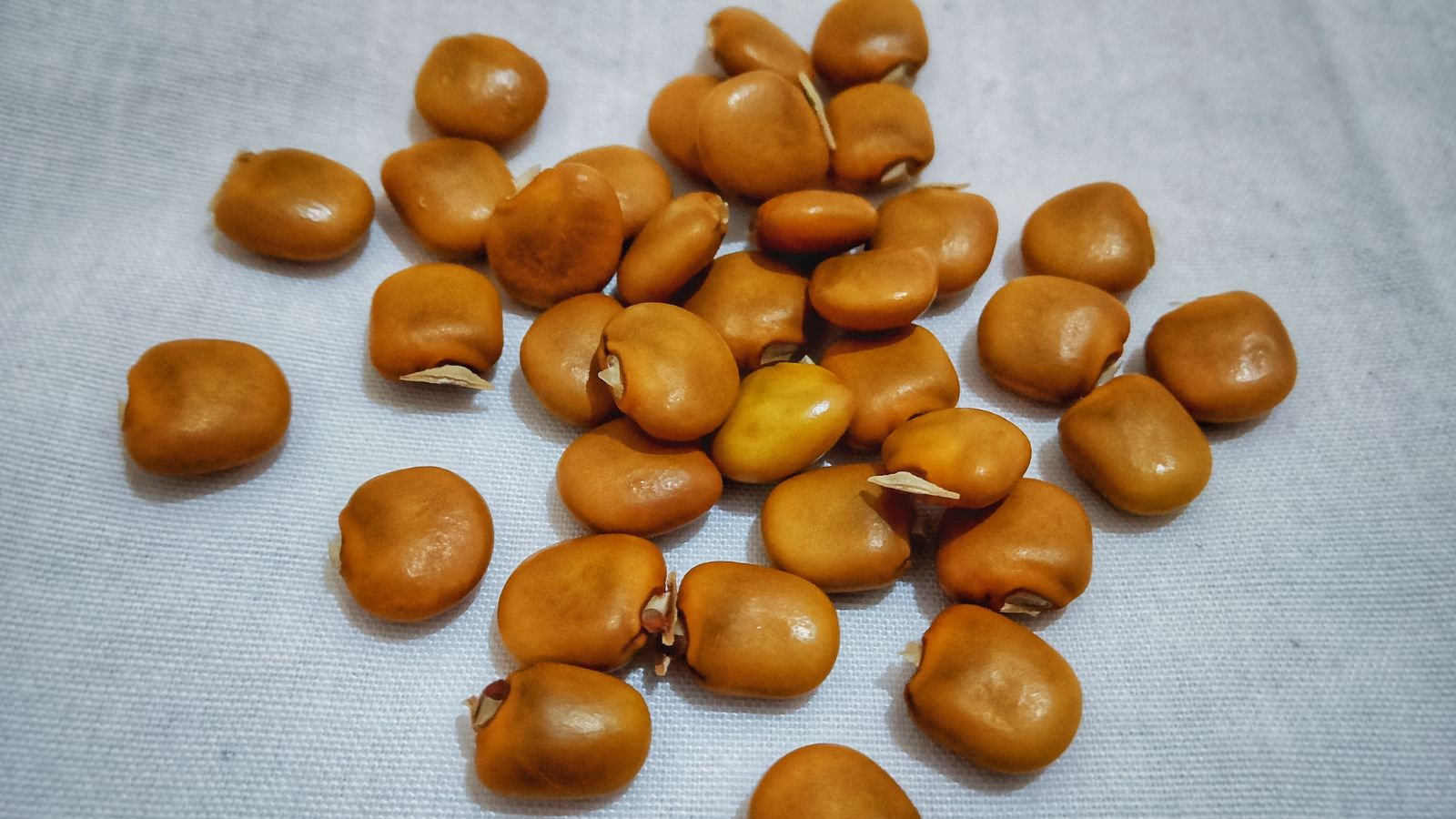
Once you have jicama seeds, soak them overnight in warm water to improve germination rates. Even with soaking, germination can take up to 20 days. The ideal soil temperature for planting jicama is 70 to 85°F (21 to 29°C).
You can sow seeds indoors eight to 10 weeks before your last frost date. Use a heat mat and a grow light to support strong germination and early growth. When you direct sow or transplant jicama seedlings outdoors, space plants 10 inches apart with at least four feet between rows.
For direct sowing, plant seeds one inch deep and space them six inches apart. Thin seedlings to 10 to 12 inches apart once germination occurs.
Harvesting
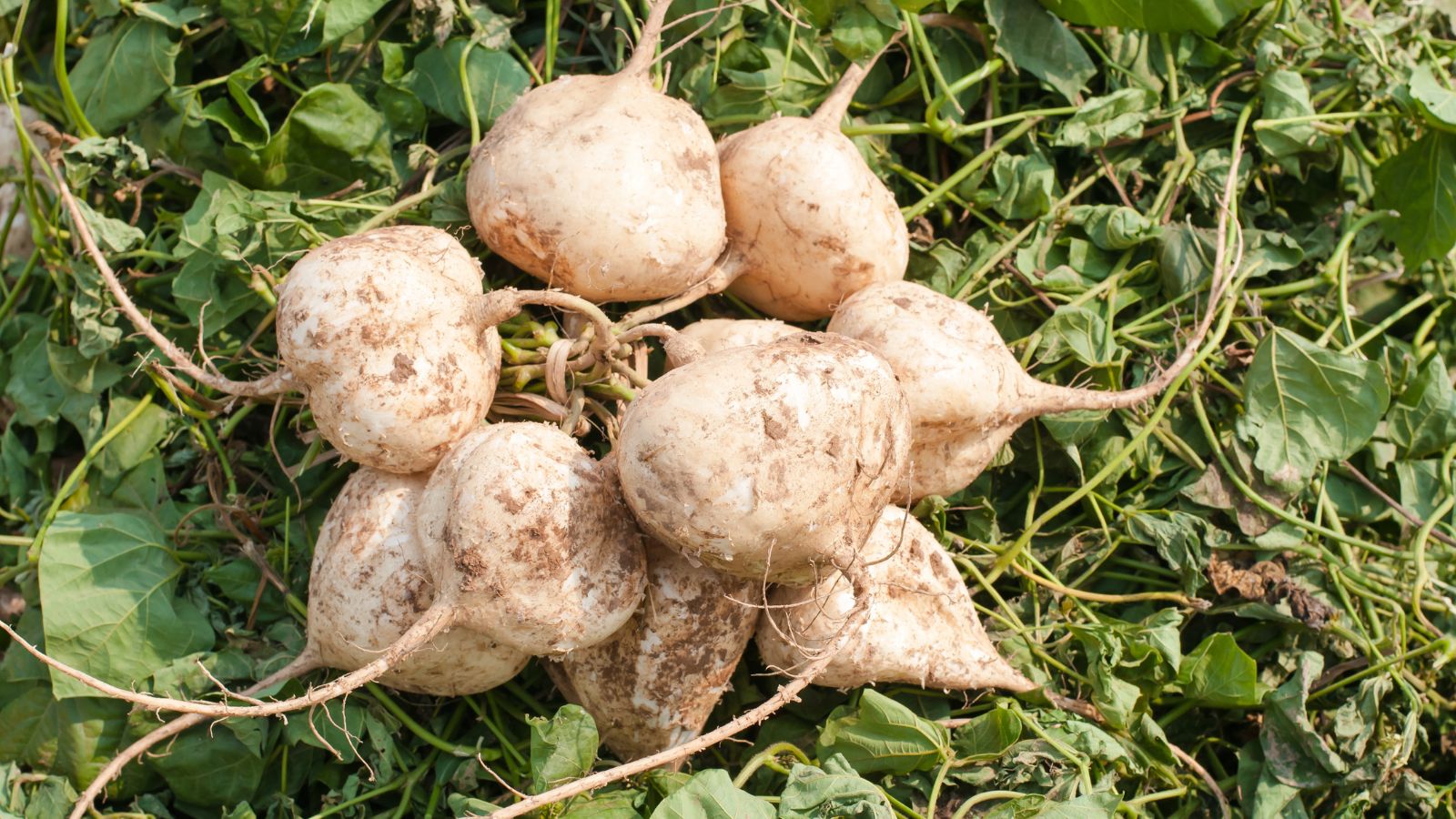
Since the jicama plant can take up to nine months to mature, wait the full growing period before harvesting to avoid undersized tubers. The average yield ranges from four to five tubers per plant, with each tuber weighing between two and five pounds.
In warm climates, the root vegetable continues to increase in size if left in the ground. However, oversized tubers often lose flavor and develop a tough, woody texture. Harvest tubers when they reach three to six inches in diameter for the best taste and texture. Gardeners in cooler climates should plan to harvest just before the first frost or when the vine begins to yellow and die back.
Stop watering the plant two weeks before harvest to allow the tubers to cure in the soil, which improves storage life. You can also cure tubers after harvest by placing them in a warm, dry location for one to two weeks at least 80°F (27°C) before moving them into storage.
To harvest, follow the vine down to the soil and use a small trowel or shovel to carefully dig up each tuber. Cut the vine away after removing the tuber, then brush off excess soil to prepare the roots for storage. Set aside a few tubers to enjoy fresh in stir-fries or sliced with chile and lime for a refreshing snack.
After harvesting, chop the vines and add them to the compost pile. Remove all seed pods and use a hot composting method to ensure any toxins break down fully.
Storing
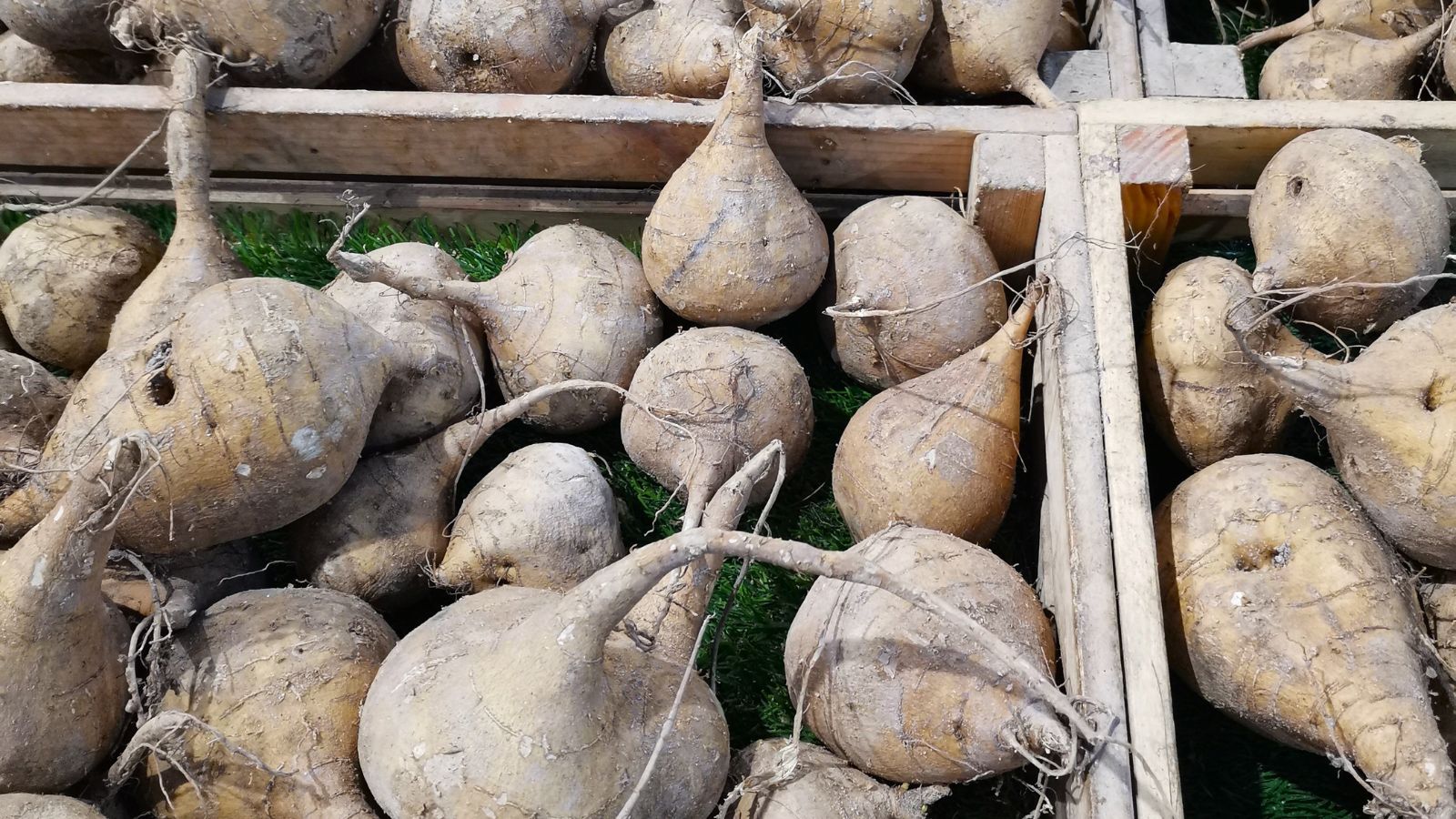
Properly stored jicama lasts up to two months. Store tubers in a cool, dark location maintained between 50 and 60°F (10 to 16°C). Avoid placing whole, fresh jicama in the refrigerator, as temperatures are too cold and prolonged storage causes spoilage.
If you do not have a suitable cool storage area, several long-term storage options work well. Slice jicama into chips and dehydrate them, freeze prepared pieces, or preserve the tubers by pickling them using a simple recipe.
Troubleshooting
Thankfully, jicama has few growing problems, pests, or diseases. The following section outlines what to watch for and provides solutions for each issue.
Growing Problems
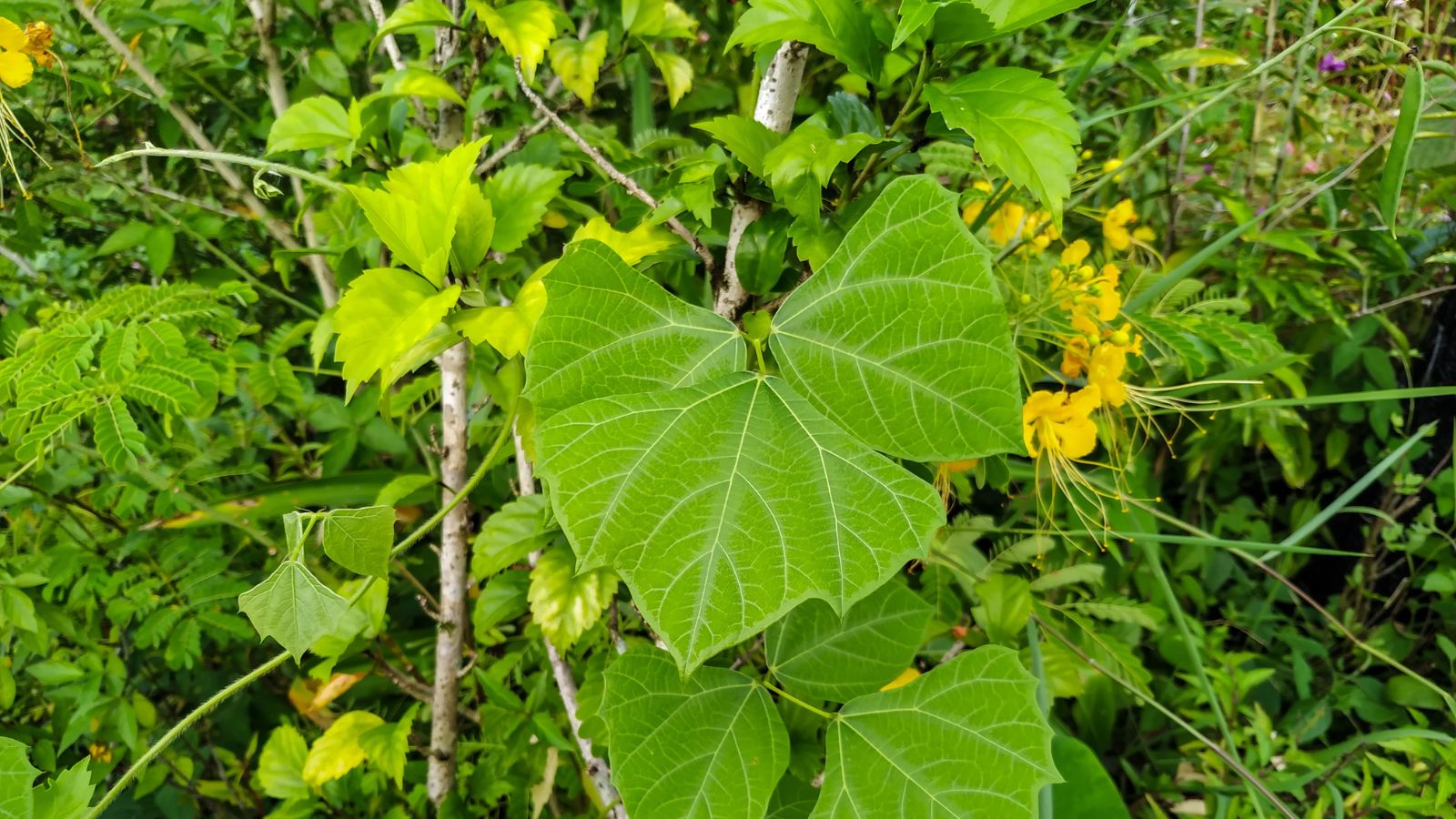
A few growing problems can affect jicama, with water issues being the most common. Although jicama needs consistent moisture, overwatering can kill plants. Keep the soil moist but never soggy, and always plant jicama in well-draining soil to prevent root problems.
Jicama thrives in warm climates and does not tolerate cold or frost. In cooler regions, extend the growing season or plant jicama in containers so you can move plants to warmer locations when needed, such as a greenhouse or sunroom.
Pests
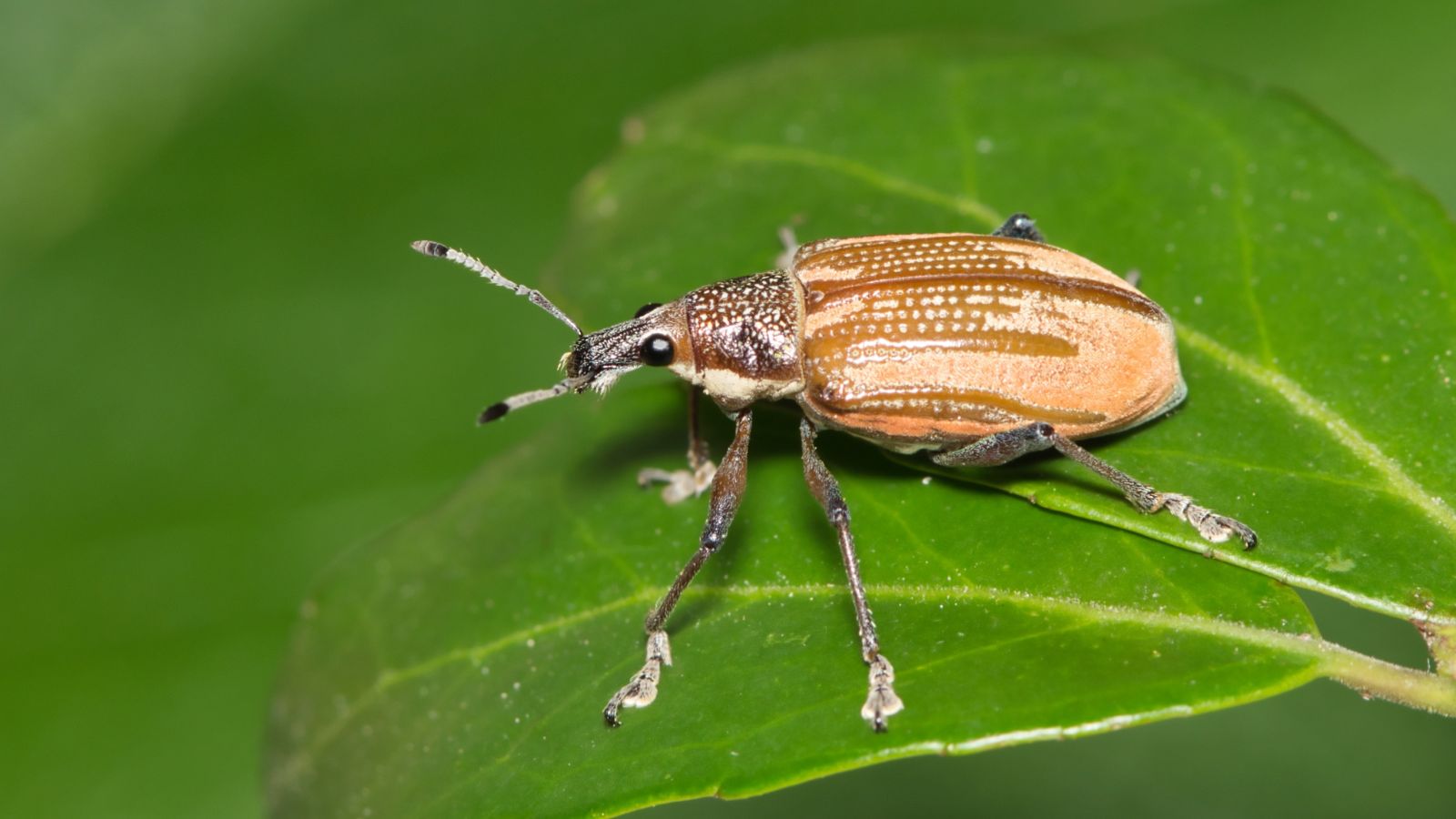
Since jicama contains natural insecticidal compounds, pest control is rarely a major concern. However, weevils can occasionally cause problems if left unmanaged. These beetles damage plants by feeding on foliage and stems.
Apply diatomaceous earth on top of the mulch at the base of the plant to prevent weevils from climbing onto the vine. Pyrethrin, a natural insecticide derived from dried chrysanthemum flowers, effectively kills adult weevils.
Pyrethrin also controls several other opportunistic pests, including aphids. Although aphids do not strongly prefer jicama, they readily feed on the plant’s sap and can spread diseases such as mosaic virus.
Diseases

Root rot is a fungal disease that causes roots to become sunken and deformed and can slow or stop vine growth. Prevent root rot by avoiding overwatering and planting jicama in well-draining soil.
Aphids spread mosaic virus, which causes leaves to yellow and develop a bluish-green pattern. As the disease progresses, leaves drop and the plant can die. There is no treatment, so prevention is key. If a plant becomes infected, remove it from the garden immediately and destroy it to stop the virus from spreading.
Frequently Asked Questions
How long does it take to grow jicama?
Jicama takes up to 150 days of growth until you can harvest the tubers. Those who live in a warm climate have the ideal environment. However, you can start jicama seeds in the late winter and plant the jicama seedlings outside in the spring to give them a head start.
Is jicama easy to grow?
Growing jicama from seeds is easy, but you need to have plenty of warmth and sunshine to give the tubers time to grow to an adequate size.
Are jicama beans edible?
No, the jicama beans aren’t edible. The only edible portion is the root vegetable – the seeds/beans, vines, stems, and flowers of these plants contain a poisonous toxin called rotenone.