Contents
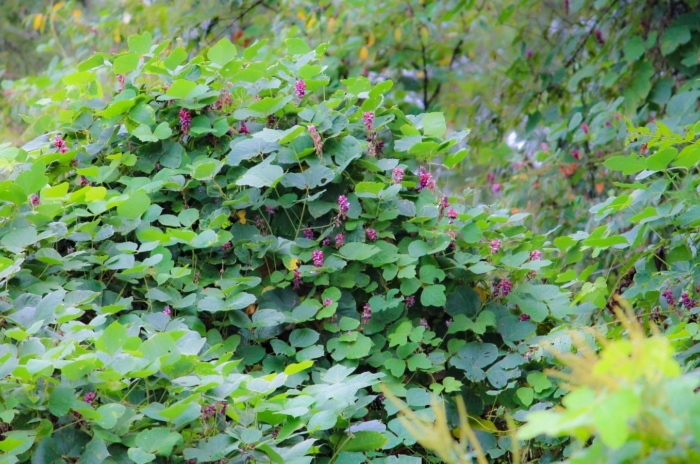
If you’re a gardener in California (or other states in the Pacific Northwest), chances are good you’ve had to battle one of these 43 invasive species. I personally can go on a quick canyon run and spot a handful right off of the bat.
Following the great comments on my post about invasive species sold at garden centers, I wanted to get deeper into invasive species.
The following 43 plants are the most invasive species in California as ranked by the California Invasive Plants Council. They run a ton of tests and studies to come up with their list and I’ve included some of the details below. Each plant has a score from A – C on the following:
- Impact – how large is the effect it has on the environment?
- Invasiveness – how effectively does it take over the areas it invades?
- Distribution – how much of California land is affected by the invasive species?
Because this is a huge list, you can either scroll through normally or click a plant that you want to learn more about.
Let’s get started!
CobraHead Original Weeder & Cultivator

Gardeners LOVE this tool!
Gardening is a relaxing and enjoyable hobby, but it comes with some tedious tasks. Pulling out reluctant weeds or breaking up tough soil can be frustrating and time consuming without the right tools. The Original CobraHead Weeder and Cultivator is here to make those jobs easier so that you can focus on planting and nurturing your garden.
Buy at Epic Gardening ShopAegilops triuncialis

|
common name Barb Goatgrass |
|---|
- Impact Score – A
- Invasiveness Score – A
- Distribution Score – B
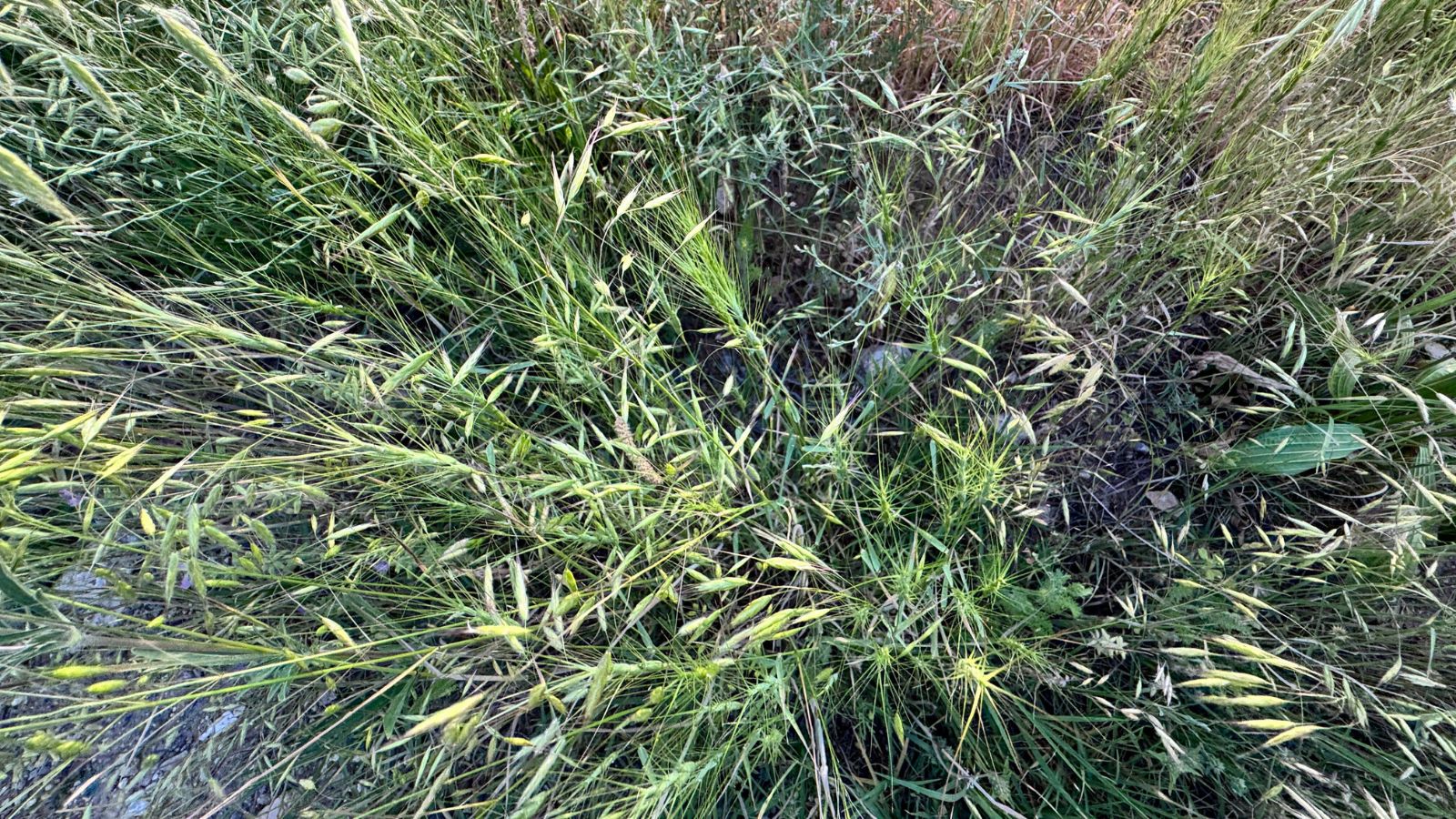
Barb Goatgrass grows all over central California in grasslands, woodlands, and even rangelands. It’s unique in that it can harm livestock when it lodges in their mouths and eyes. Cattle can’t eat it to get rid of it either! The most important factor for controlling this weed is typically just early prevention, as its seeds disperse far and wide once it’s grown in.
Alternanthera philoxeroides
|
|
common name Alligatorweed |
|---|
- Impact Score – A
- Invasiveness Score – B
- Distribution Score – C
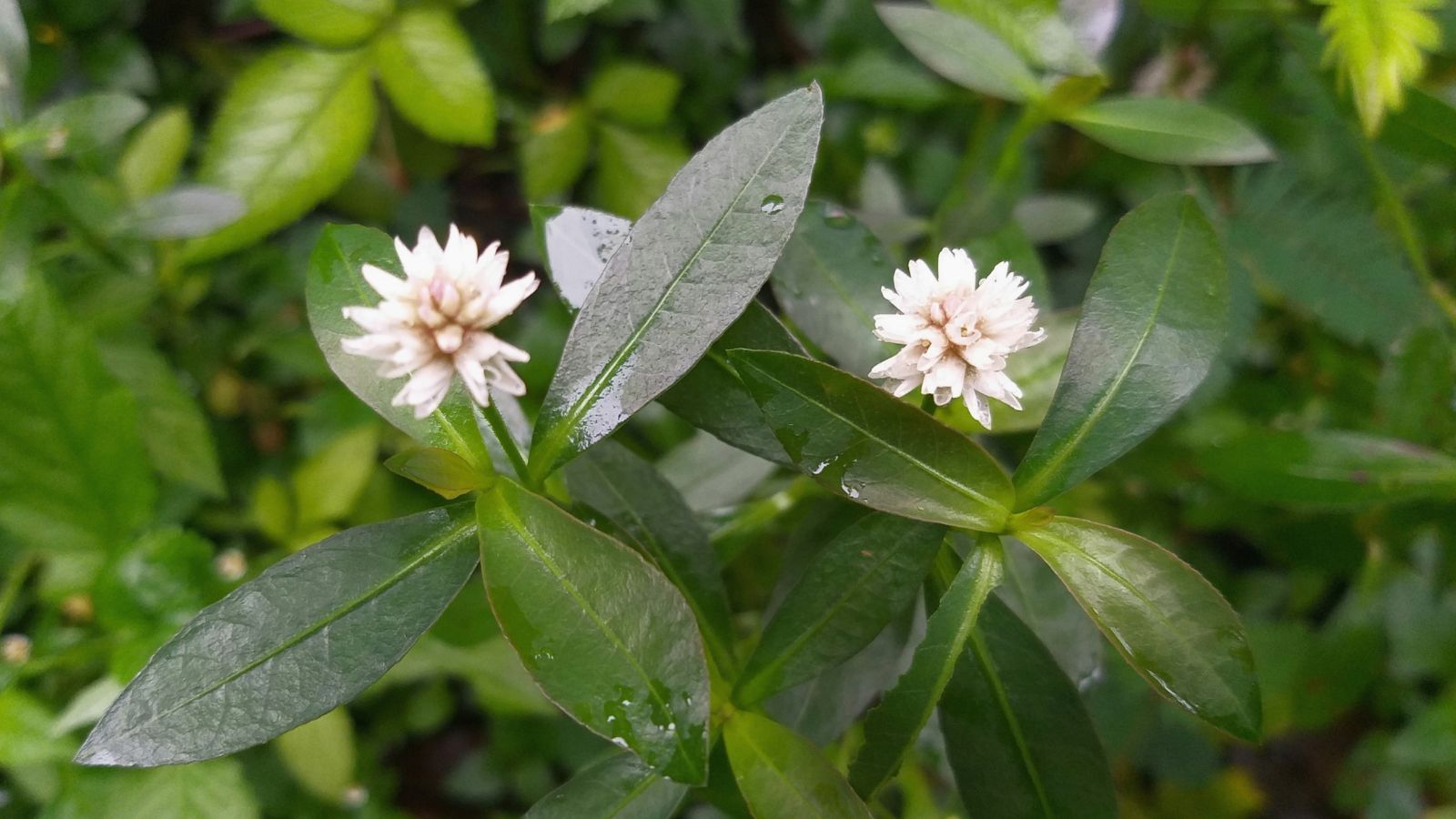
Alligatorweed, also known as pig weed, is a pernicious invasive plant that was first discovered in Alabama way back in 1897. It’s native to South America, but was transported to North America through ballast water. It forms dense, pervasive mats that make it hard for native species to thrive. It can also impact boating, fishing, and swimming.
Ammophila arenaria
|
|
common name European Beachgrass |
|---|
- Impact Score – A
- Invasiveness Score – B
- Distribution Score – B
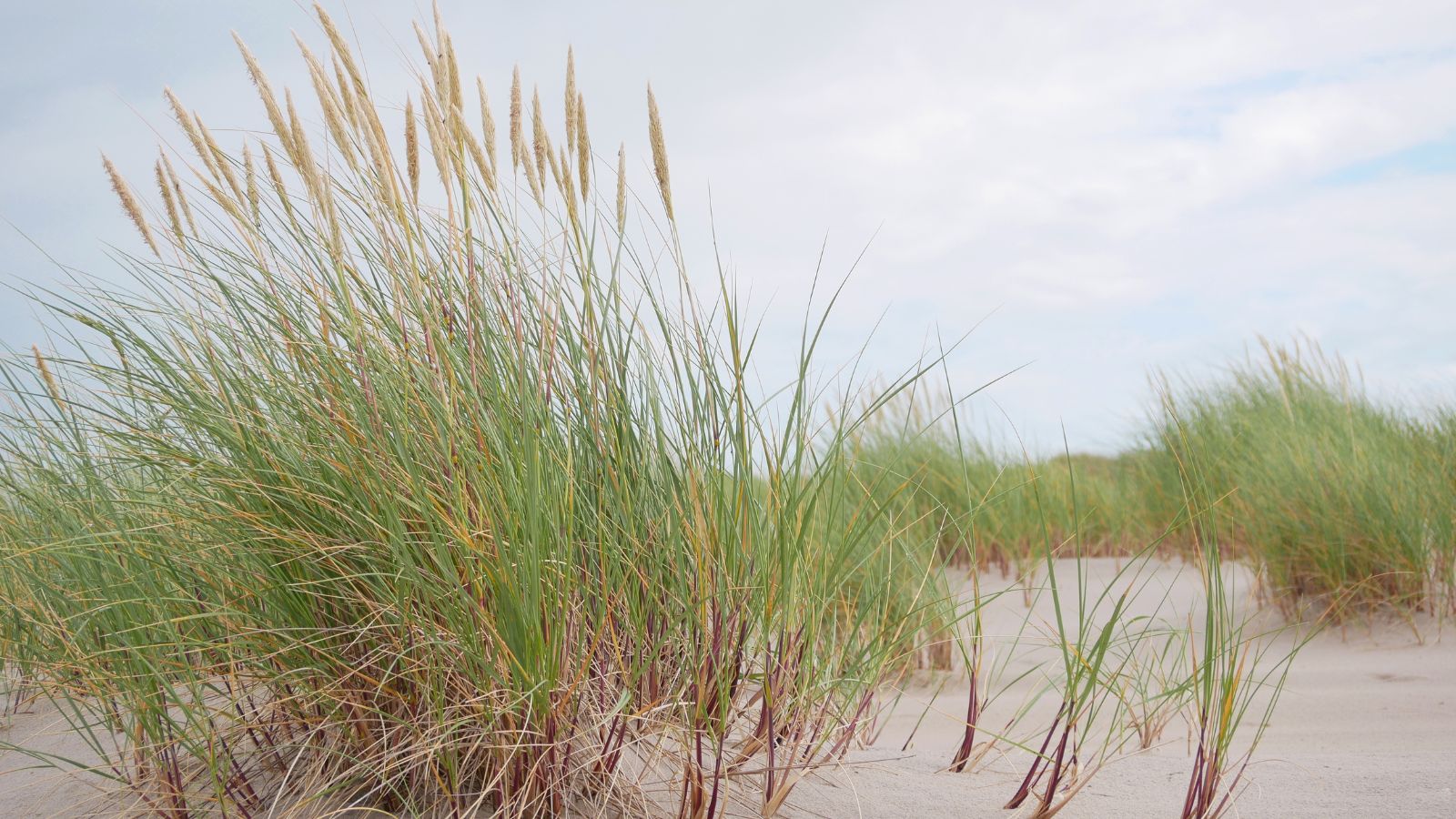
European beachgrass, if you couldn’t guess, is a European weed that adapted quite well to California, much to the chagrin of many plant biologists. It’s one of the most invasive plants in California as it grows denser than the native dunegrass in America. This means that sand can’t blow past patches of beachgrass to interior dunes, changing the landscape and ecology of the dunes.
Arundo donax
|
|
common name Giant Reed |
|---|
- Impact Score – A
- Invasiveness Score – B
- Distribution Score – A
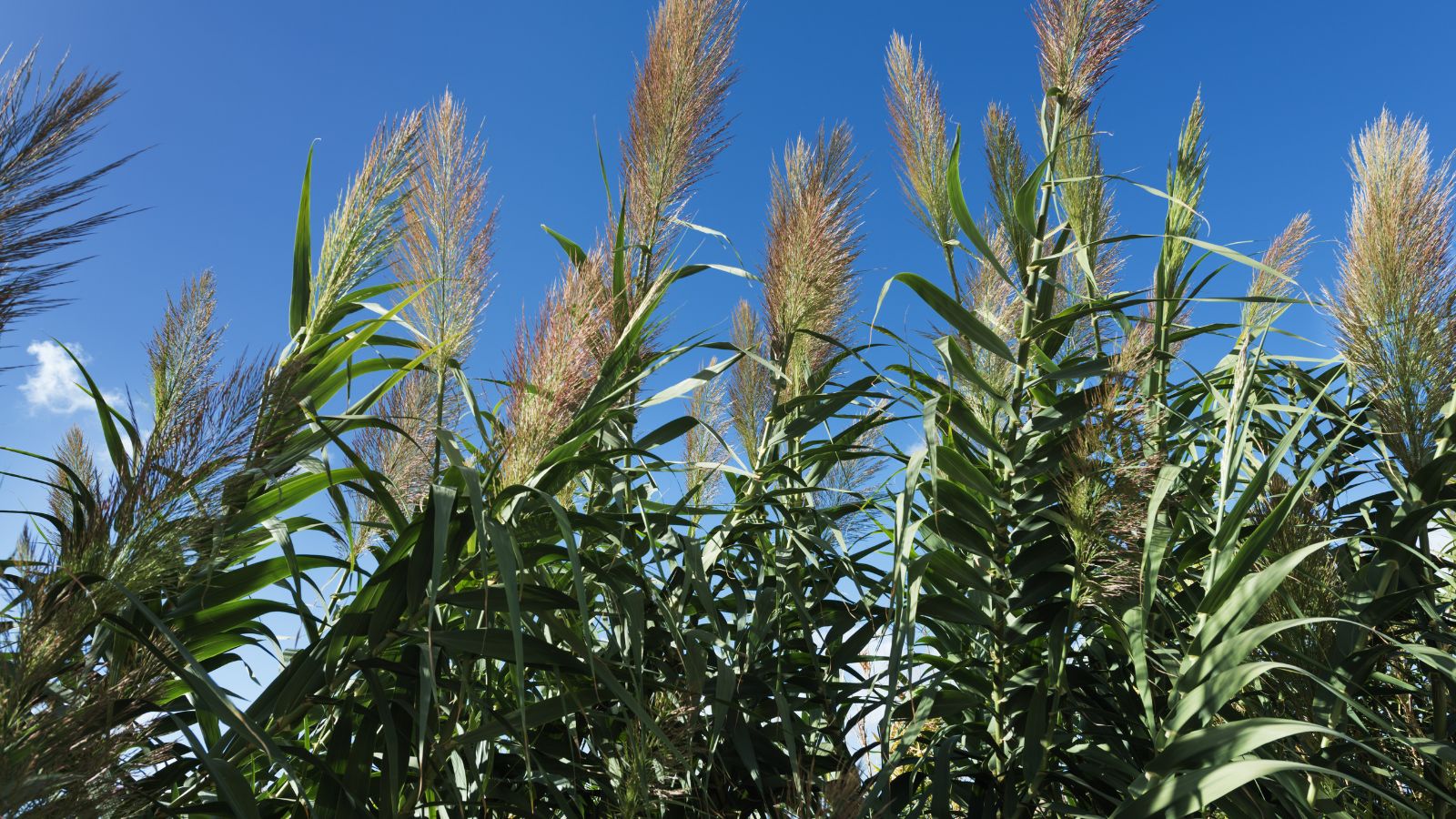
Thought to be native to eastern Asia, the Giant Reed was introduced to the US way back in the early 1800’s. It was initially brought in for erosion control, but ended up crowding out plants native to California and even increases the frequencies of fires (as if we need more of that). It shows up mostly in the river valleys of central California, but is moving into the northern coast as well.
Brassica tournefortii
|
|
common name Sahara Mustard, Morrocan Mustard, Asian Mustard |
|---|
- Impact Score – A
- Invasiveness Score – A
- Distribution Score – B
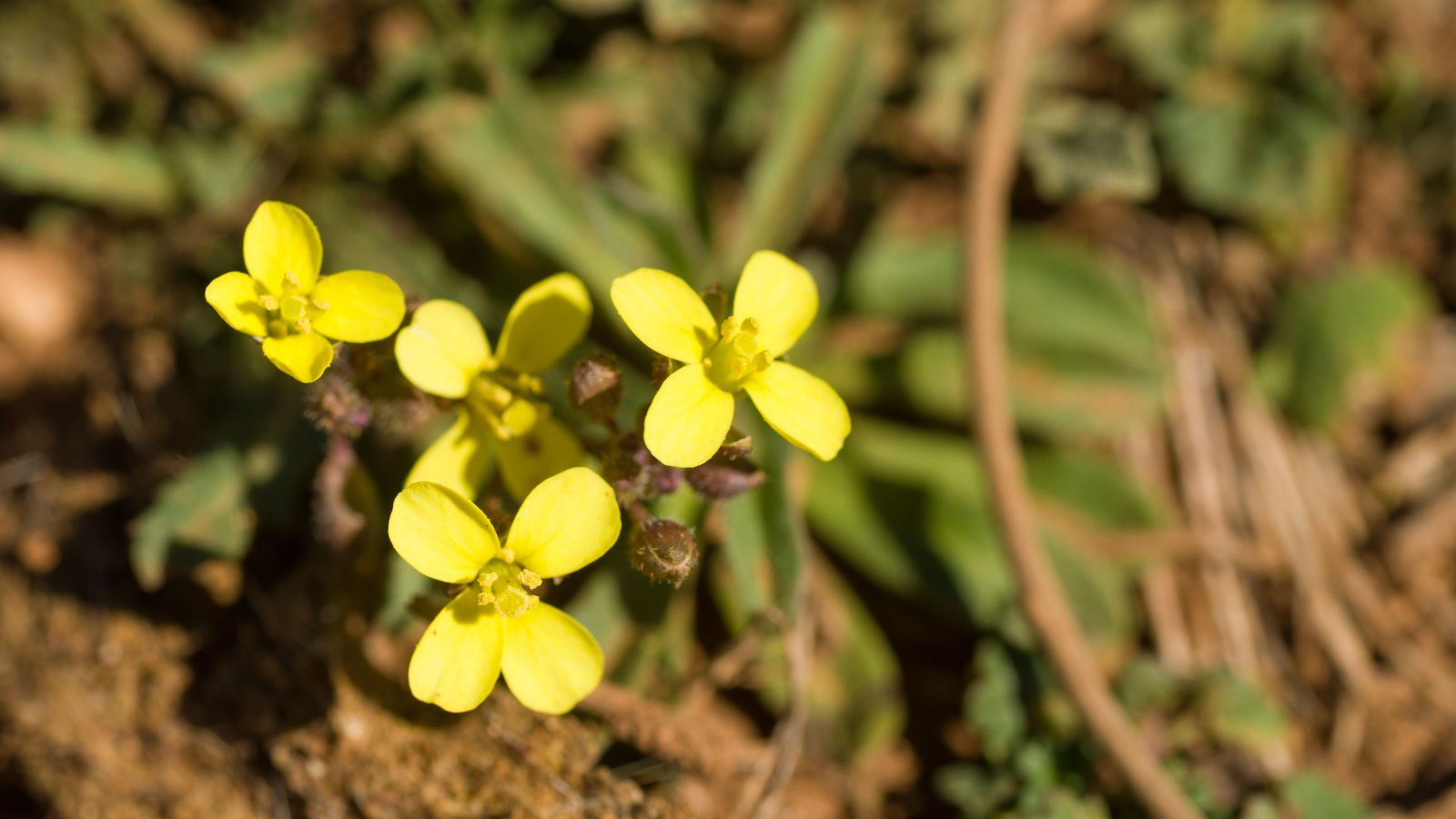
The Saharan Mustard plant shows up all over the San Joaquin valley and other desert regions in California. As its name implies, it originates from Northern Africa and the Middle East, but made its way to the Americas and quickly invaded many native regions of California. Like the Giant Reed, it contributes to fires as has high biomass and it invades recently burned areas very quickly.
Bromus madritensis ssp. rubens
|
|
common name Red Brome, Foxtail Chess |
|---|
- Impact Score – A
- Invasiveness Score – B
- Distribution Score – A
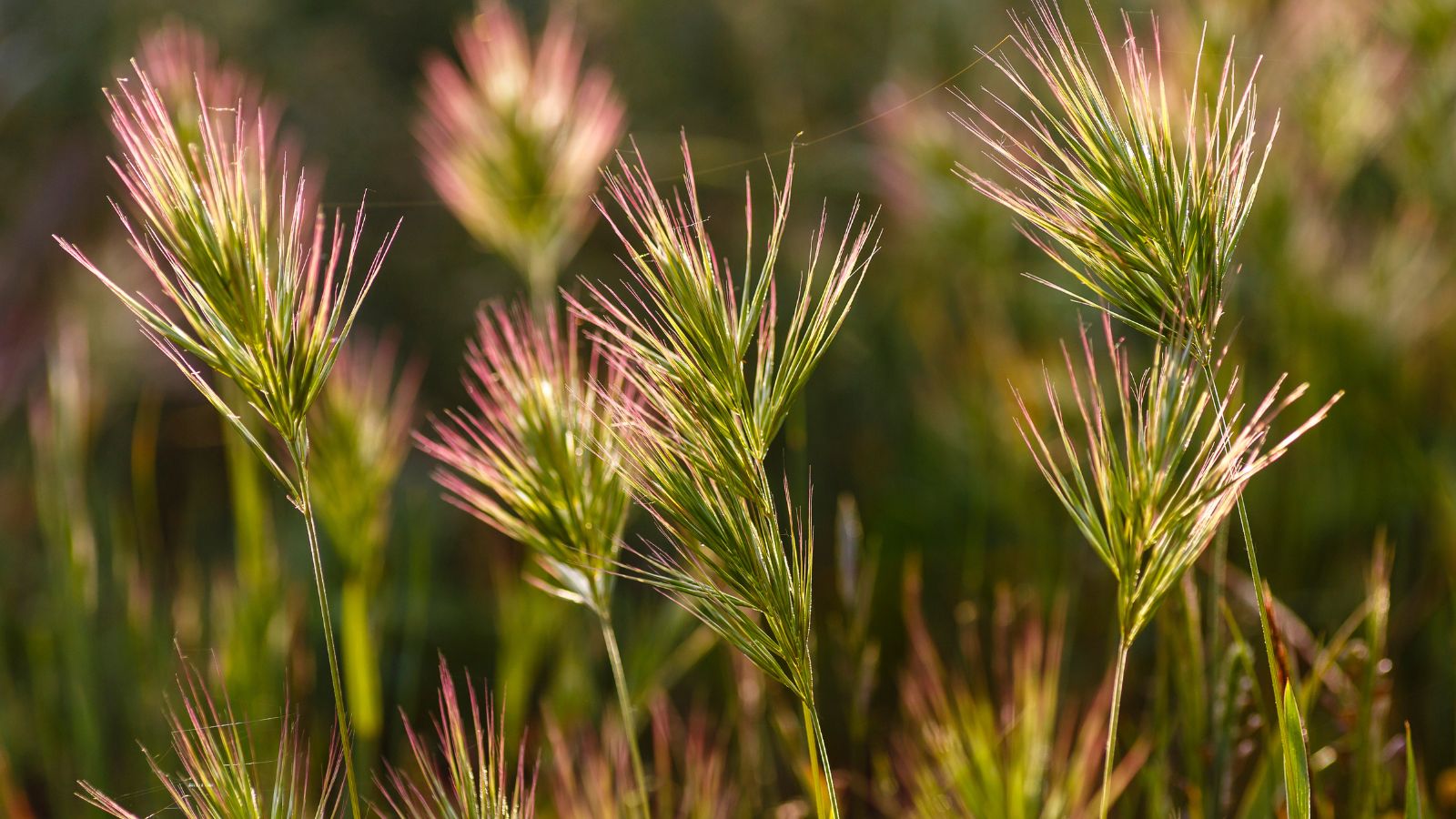
Red Brome is mostly found in Southern California, although pockets of it show up throughout the rest of the state. It shows up in areas where native grasses have died out, growing into roadsides, fields, or rangelands. It has the nasty tendency to convert natural habitats to annual grasslands, especially coastal areas.
Bromus tectorum
|
|
common name Cheatgrass, Downy Brome |
|---|
- Impact Score – A
- Invasiveness Score – B
- Distribution Score – A
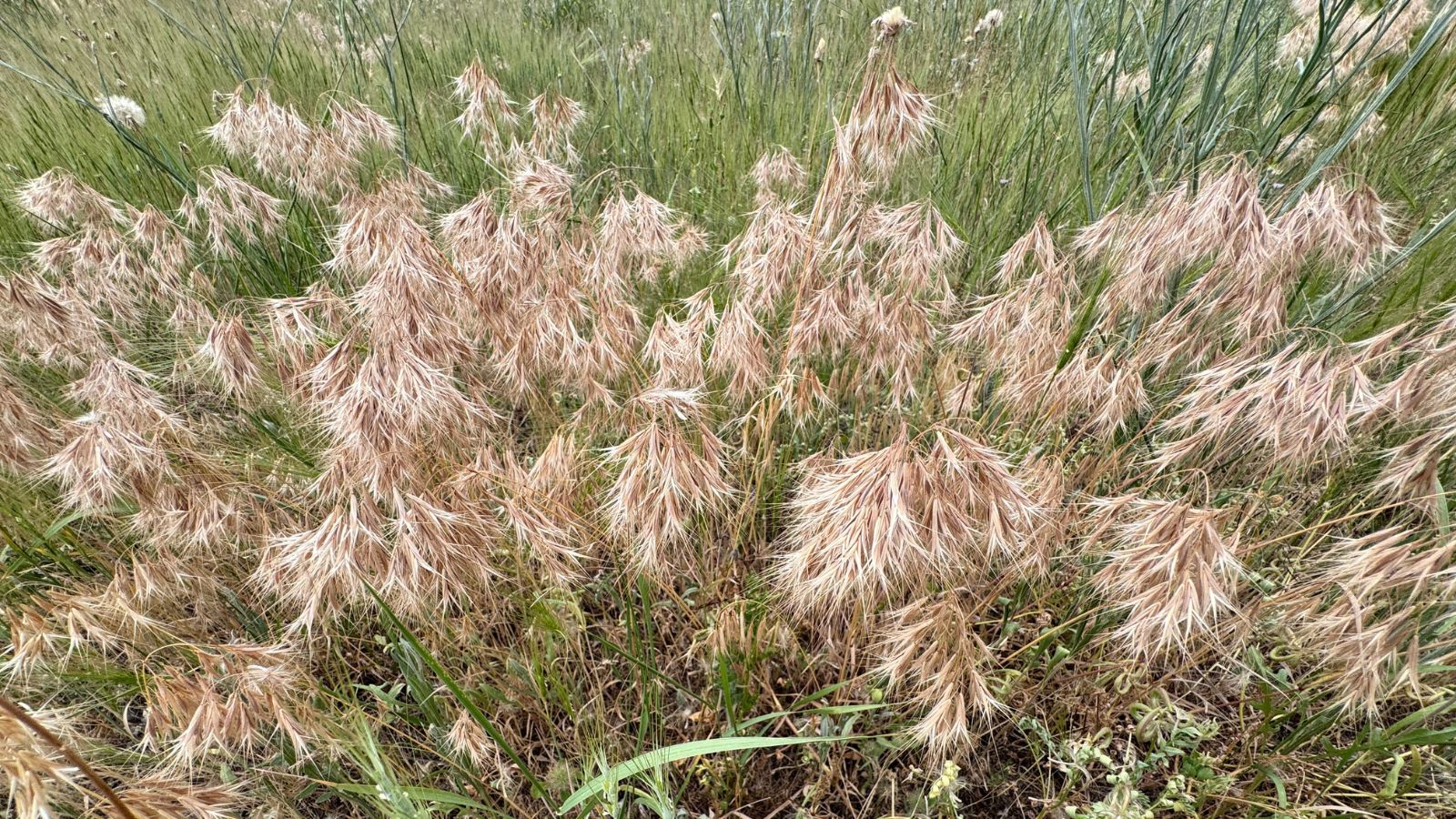
Cheatgrass is known as “The Invader that Won the West.” It originated in Asia, but came over in the late 1800’s in bushels of contaminated grain. It, like many other noxious weeds, crowds out the native grasses and tends to increase both the amount of forest fires and their size.
Carpobrotus edulis

|
|
common name Highway Iceplant |
|---|
- Impact Score – A
- Invasiveness Score – B
- Distribution Score – A
The Highway Iceplant is also known as the Hottentot-fig, which I think is a much better name for this nasty weed. It was originally used as an ornamental due to its beautiful flower, but quickly spread around California in almost all of the biomes in the state. Like some of the aquatic weeds we’ve covered, it forms mats that build nutrients in the soil and allow other noxious weeds to invade the region. It’s very hard to control, as it can spread via seed or vegetation.
Carthamus lanatus
|
|
common name Woolly Distaff Thistle |
|---|
- Impact Score – A
- Invasiveness Score – B
- Distribution Score – C
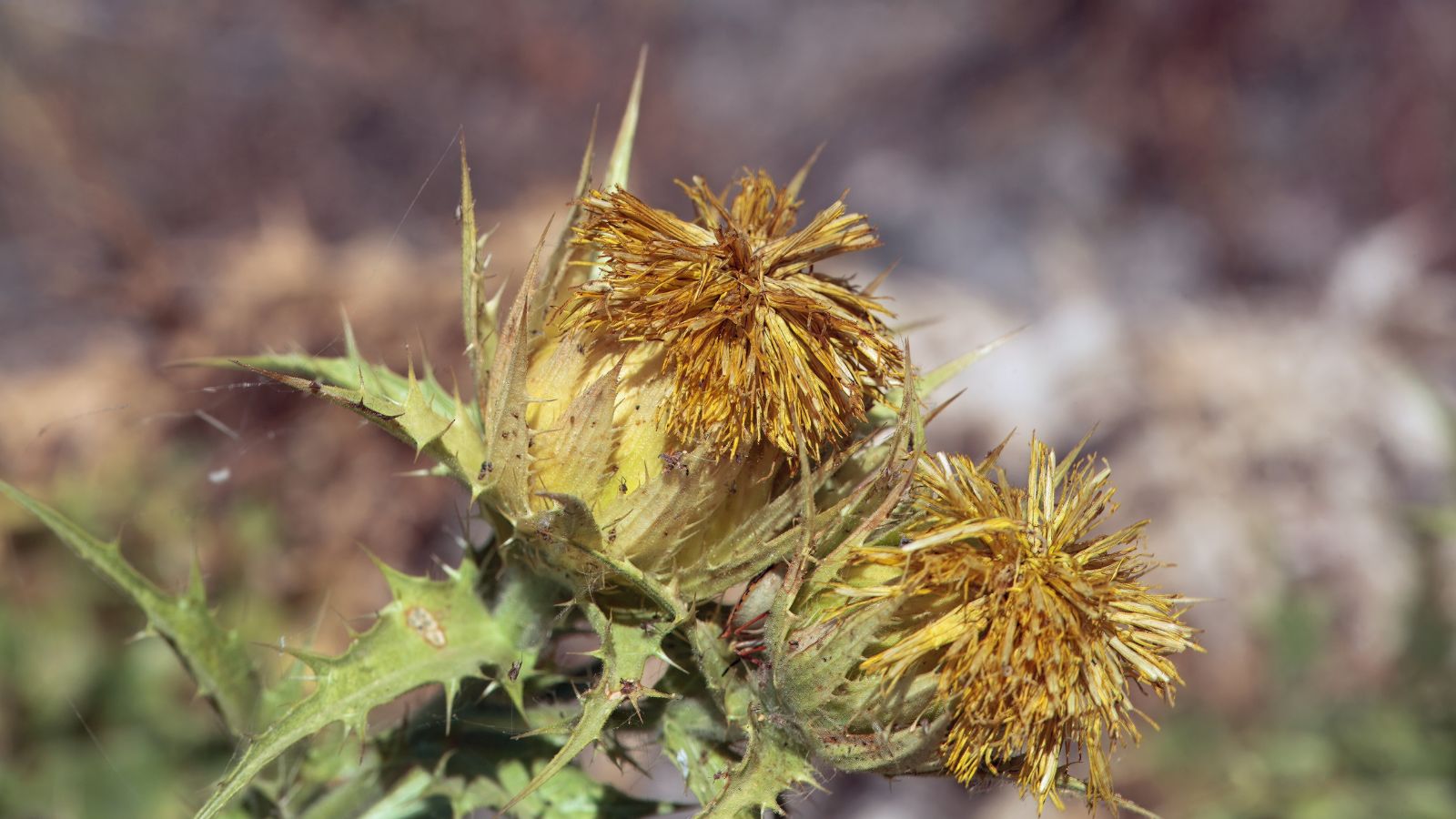
This thistle is another one of those plants that crops up in disturbed areas, like roadsides, pastures, and waste sites. It has a lovely yellow flower, and spiky, spiny grey green foliage, which tends to be distributed on California coast lines. The plant can disrupt the flow of water in a site, causing erosion.
Its spines also injure livestock if they attempt to eat it. Each flower head can hold over 500 viable seeds. To rid an area of these plants, you can hoe immature rosettes before they flower, or remove the entire taproot.
Centaurea solstitialis
|
|
common name Yellow Starthistle |
|---|
- Impact Score – A
- Invasiveness Score – B
- Distribution Score – A
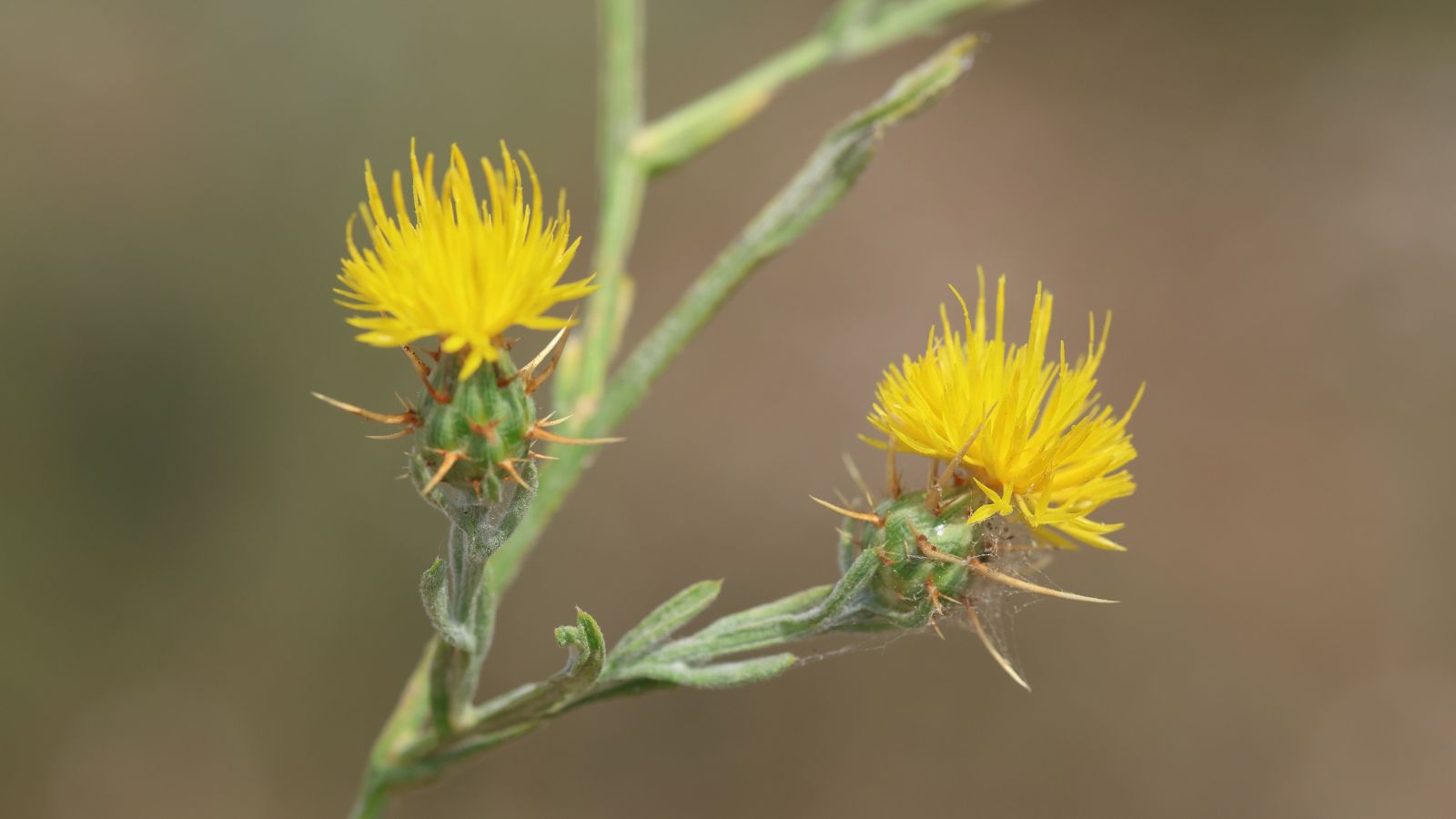
The Yellow Starthistle is worse than our pink friend above, the Spotted Knapweed. A single plant can spread over 75,000 seeds! It shows up in many biomes, but the rangelands are hardest-hit. In fact, it’s the most serious rangeland weeds in the entire state of California. Interestingly, this weed is fought with insects that were imported from Europe: weevils and flies. They only attack the Yellow Starthistle, so are quite effective.
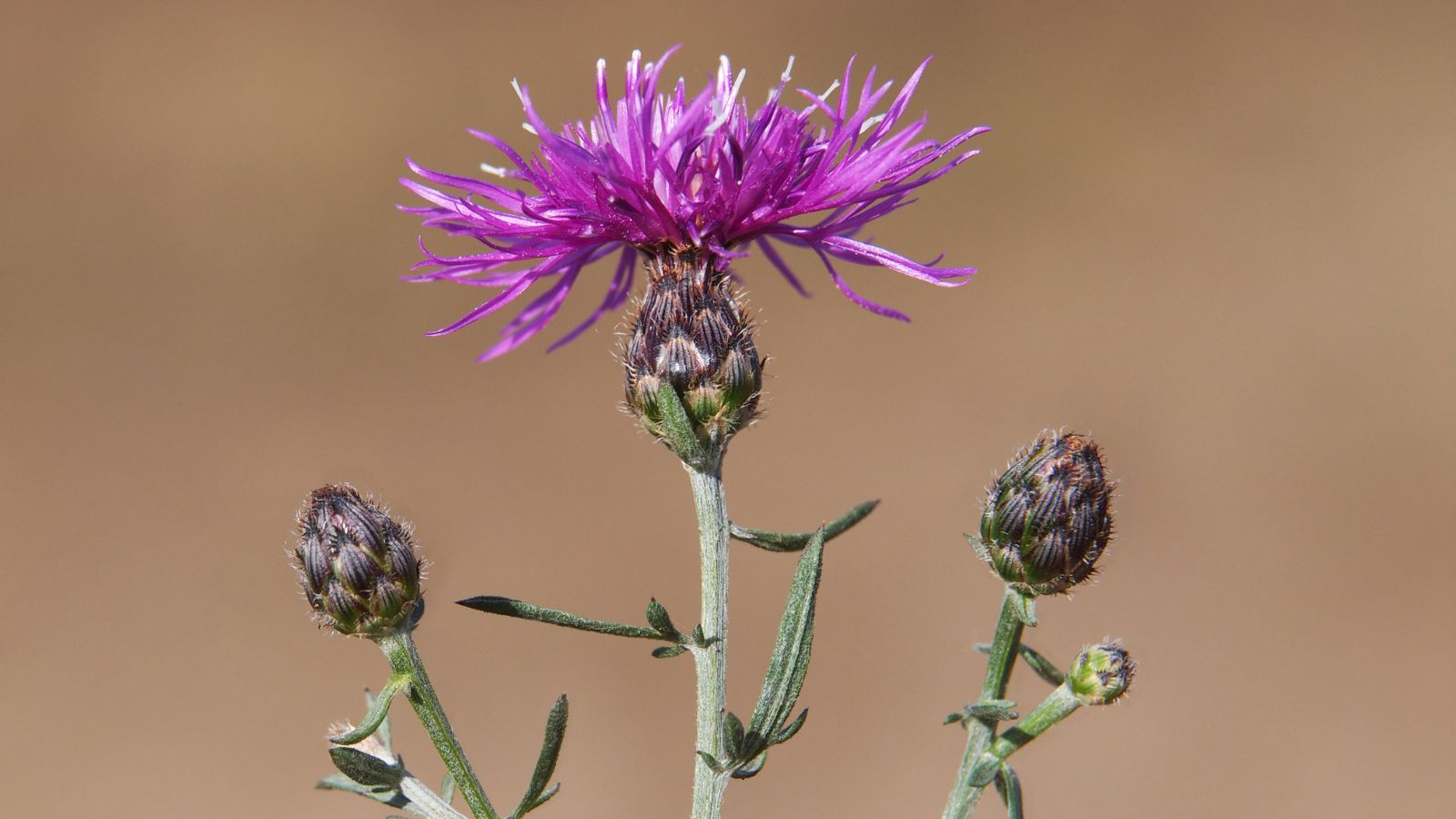
Centaurea stoebe ssp. micranthos
|
|
common name Spotted Knapweed |
|---|
- Impact Score – A
- Invasiveness Score – B
- Distribution Score – B
Another weed with a beautiful flower, the Spotted Knapweed came to California in the late 1800’s, most likely via contaminated seed. On top of crowding out the native plant species in the grasslands and rangelands it inhabits, it also decreases the amount of forage material for livestock. Very hard to control due to a single plant producing over 40,000 seeds.
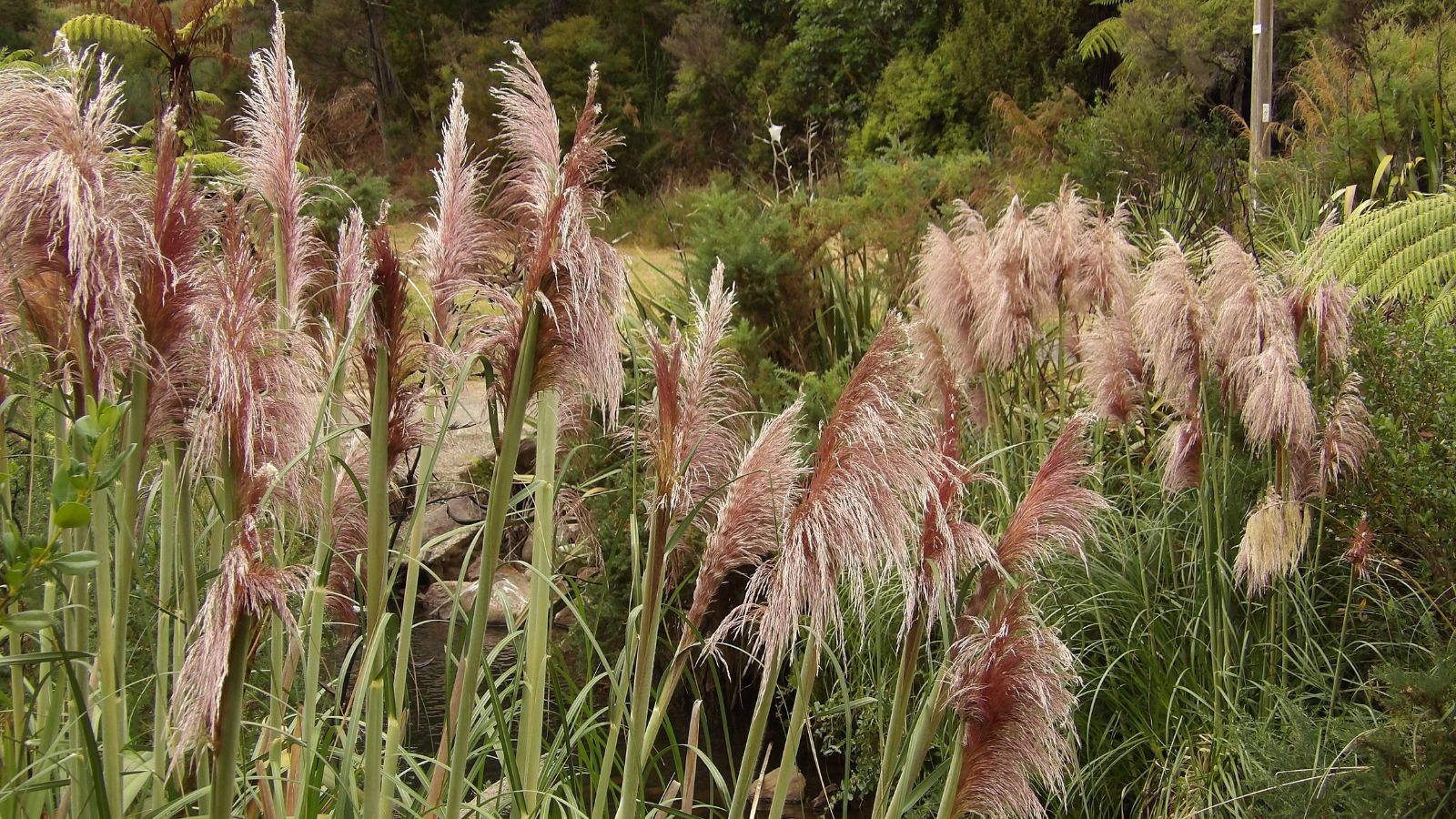
Cortaderia jubata
|
|
common name Jubatagrass, Pampasgrass, Pink Pampasgrass |
|---|
Common Name:
- Impact Score – A
- Invasiveness Score – A
- Distribution Score – A
The cool-named Jubatagrass is a huge grass that shows up in coastal regions of California. It likes to invade dunes and disturbed areas. Funnily enough, we introduced this plant to California for ornamental regions before it took over many areas of the state. The fluffy plumes at the top will produce 100,000 seeds (or more) that blow away in the wind, making it nearly impossible to control.
Cortaderia selloana

|
|
common name Pampasgrass |
|---|
- Impact Score – A
- Invasiveness Score – A
- Distribution Score – B
Another species of pampas grass, this plant has similar invasive tendencies when compared to Cortaderia Jubata. It too tends to crop up in sandy coastal areas, dunes, and even shrublands and marshes.
Removing these plants is difficult due to their sharp blades. Due to their propensity to catch wild fire, it’s necessary! We have an excellent section on this in the Growing Problems section of our pampas grass piece. You can use these control methods for any Cortaderia species.
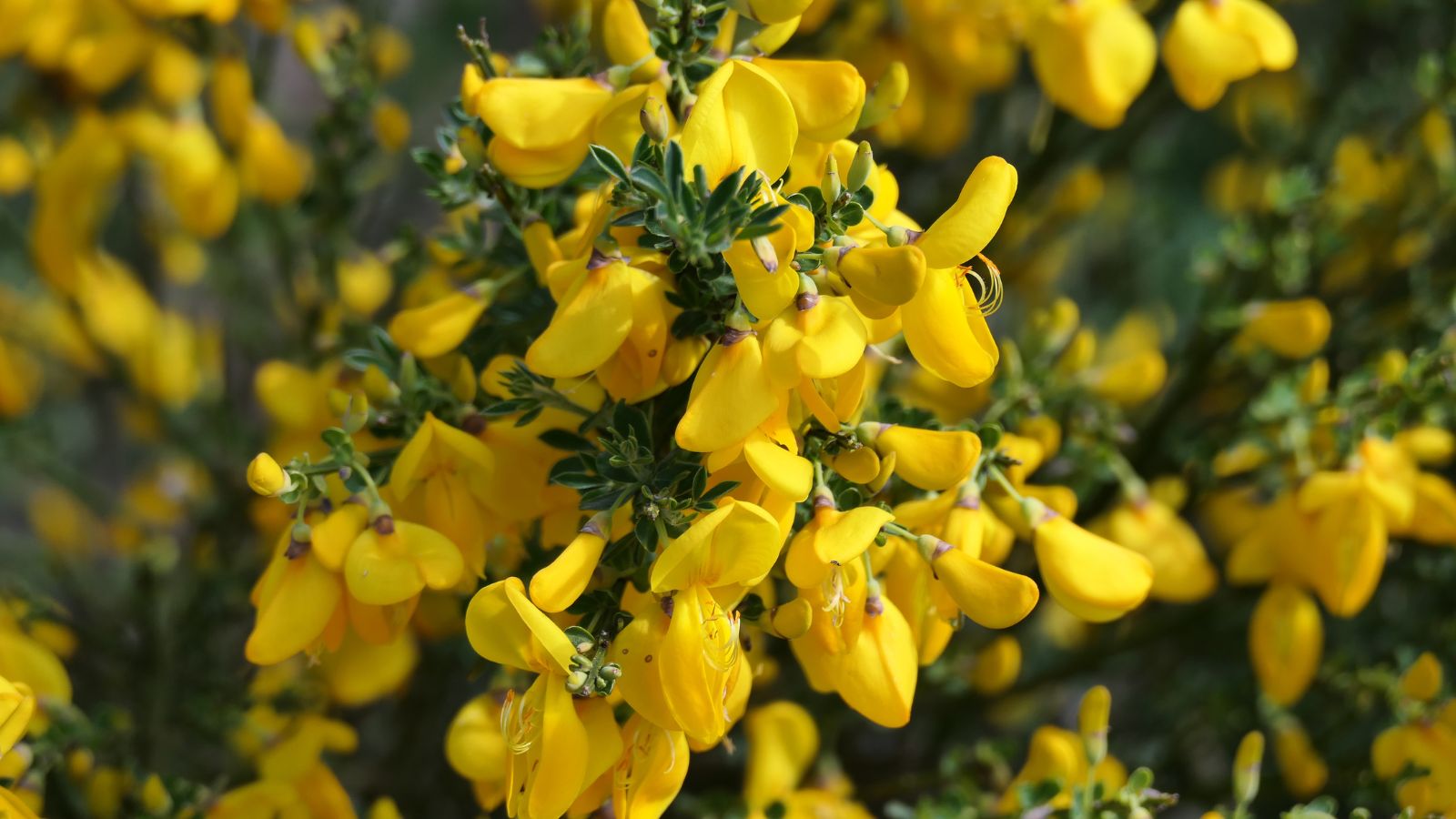
Cytisus scoparius
|
|
common name Scotch Broom, English Broom, Common Broom |
|---|
- Impact Score – A
- Invasiveness Score – B
- Distribution Score – A
While the Scotch Broom is a pretty shrub, it’s a nasty invader of forest borders, roadsides, and pastures. Its seeds can remain viable for up to 80 years! That alone makes it an tough weed to manage.
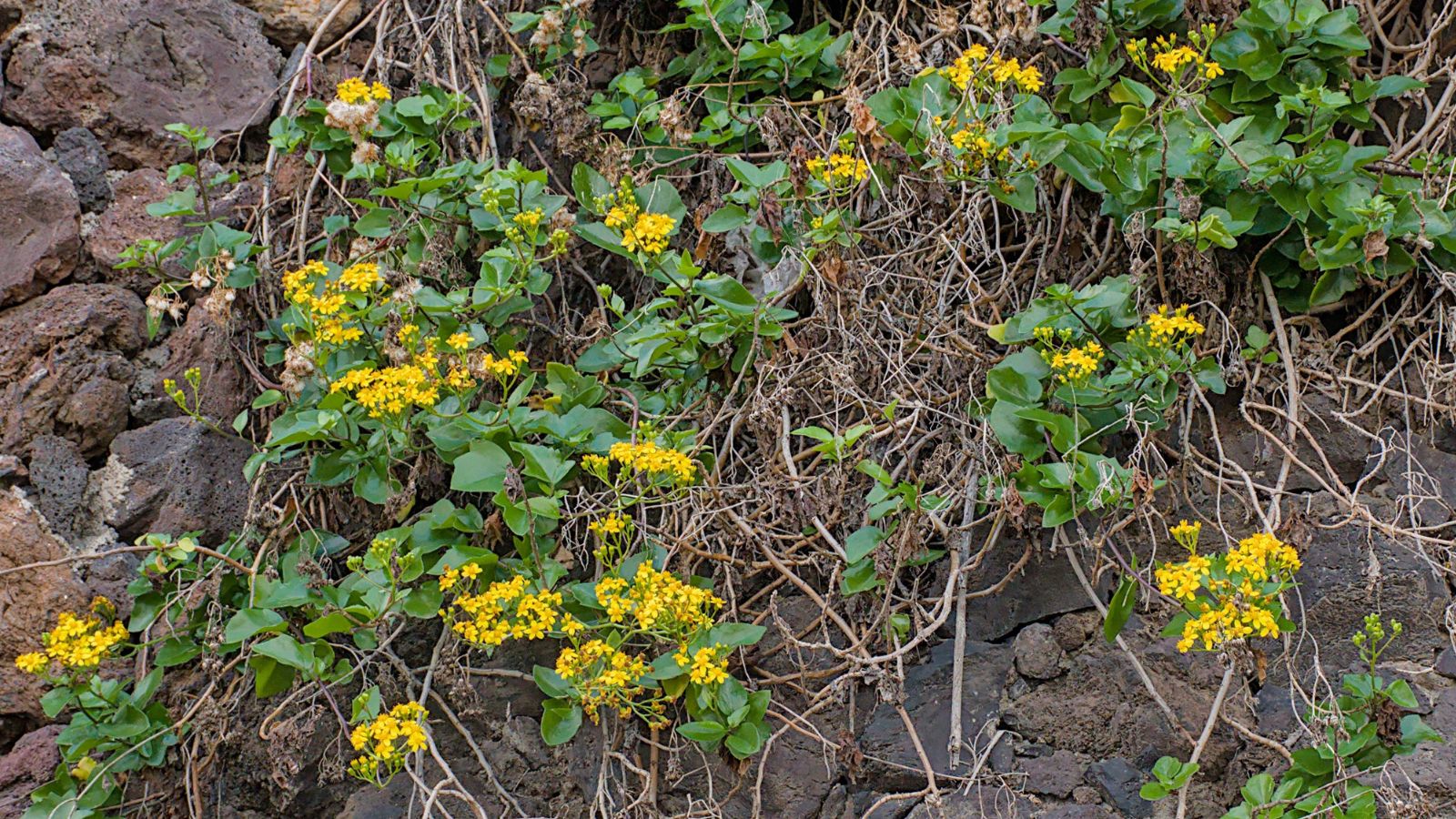
Delairea odorata
|
|
common name Cape-Ivy, German Ivy, Italian Ivy, Ivy Groundsel, Parlor Ivy, Water Ivy |
|---|
- Impact Score – A
- Invasiveness Score – A
- Distribution Score – B
This vine is an invader of the California coast. It thrives wherever there is moisture in the air, allowing it to grow over native vegetation, blocking their exposure to the sun and killing them. If that wasn’t enough, it will also kill animals and fish if they’re exposed. It will also grow back from almost any part of the plant if not fully removed.
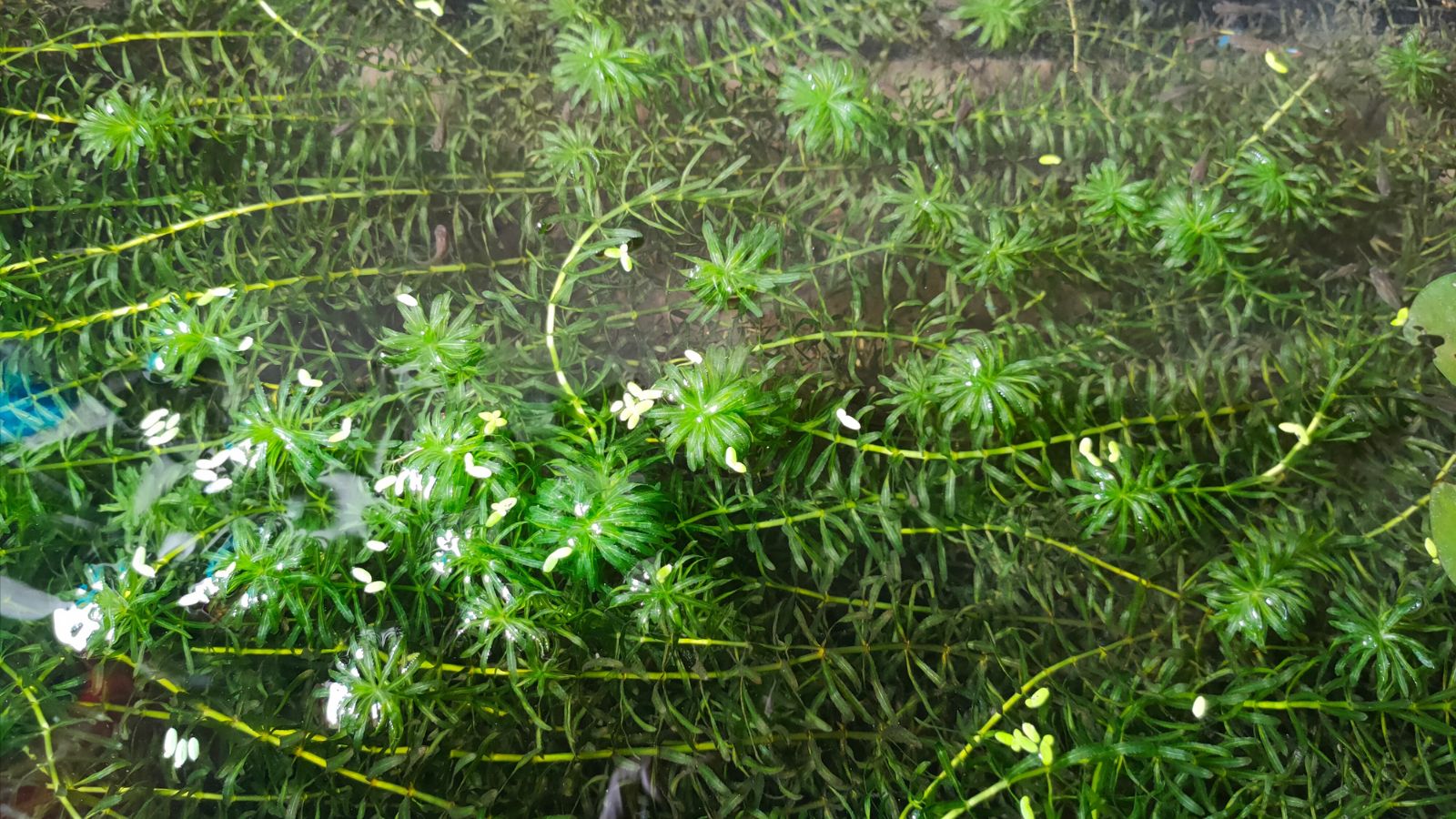
Elodea densa
|
|
common name Brazilian Egeria, Egeria |
|---|
- Impact Score – A
- Invasiveness Score – A
- Distribution Score – B
Native to South America (especially Brazil and Argentina), this aquatic weed invades freshwater areas of California. The rapid, dense underwater growth reduces water flow, causing stagnation. As usual, it was introduced to California via the aquarium trade.
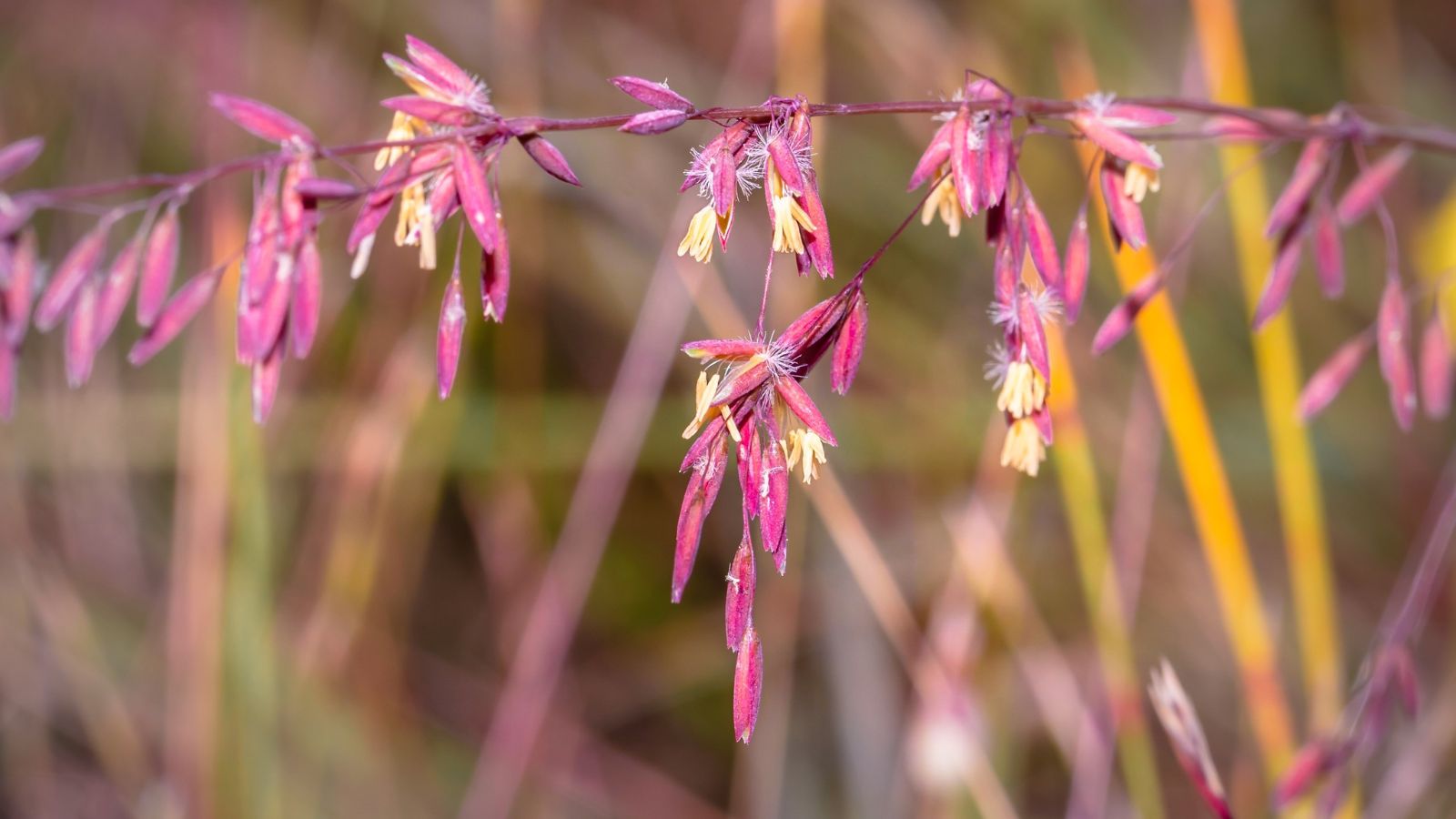
Ehrharta calycina
|
|
common name Purple Veldtgrass, African Veldtgrass, Perennial Veldt Grass |
|---|
- Impact Score – A
- Invasiveness Score – A
- Distribution Score – B
Purple veldtgrass, despite its interesting name, is a fast-spreading weed that covers many areas of the central coast. It thrives in shrublands and dunes and was originally brought to California for pasturing. It will even survive fires, resprouting and taking advantage of newly-cleared area to propagate.
Pontederia crassipes

|
|
common name Water Hyacinth |
|---|
- Impact Score – A
- Invasiveness Score – A
- Distribution Score – C
The water hyacinth is known among botanists as one of the worst aquatic plants in the world. While it’s native to South America, it has infested freshwater regions of California. It’s sold in big box and garden stores because of its beautiful flowers, but tends to grow and reproduce at astonishing rates, leading to millions of dollars per year in plant management fees.
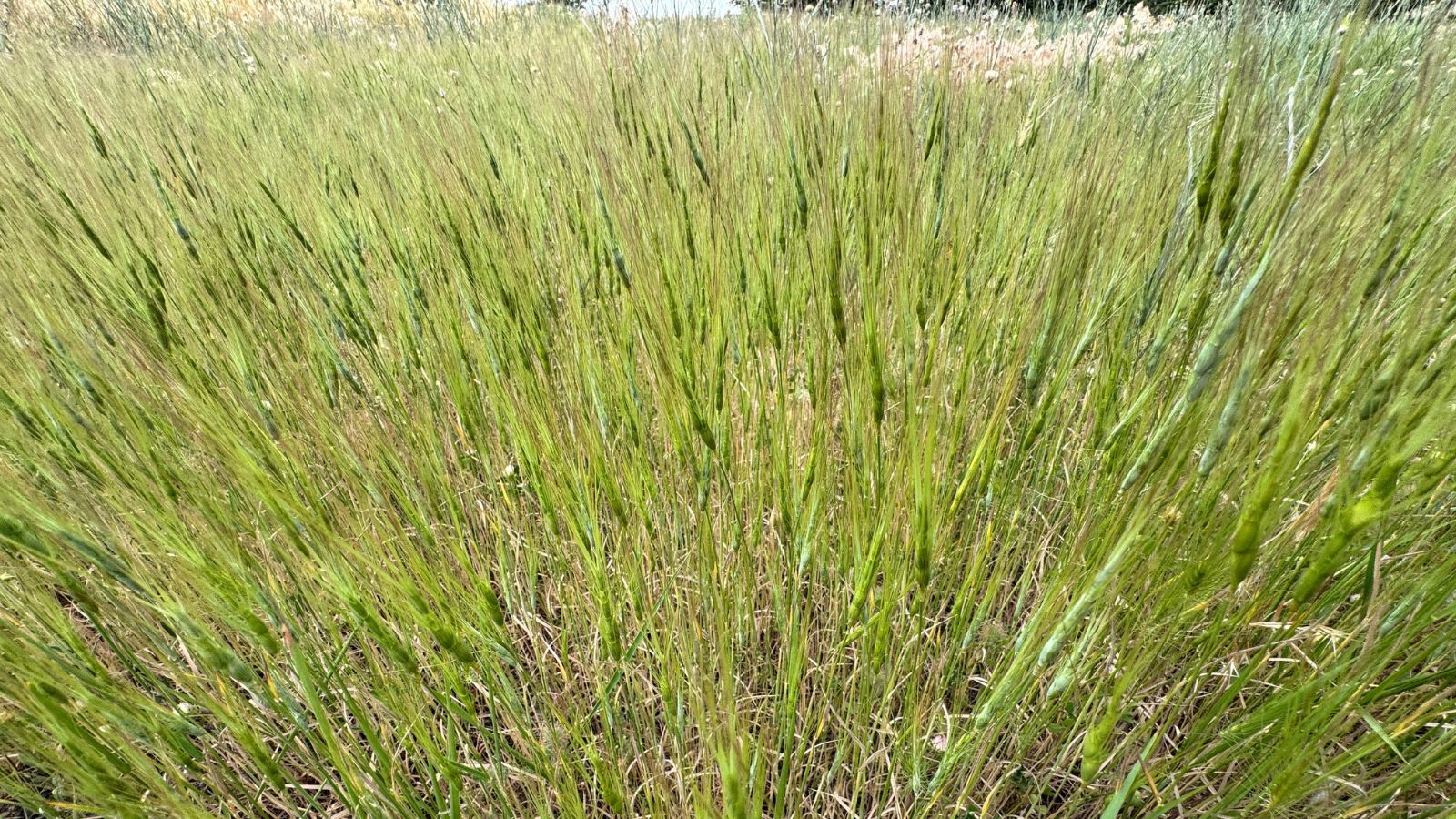
Elymus caput-medusae
|
|
common name Medusahead |
|---|
- Impact Score – A
- Invasiveness Score – A
- Distribution Score – A
Medusahead was discovered in America in 1887 and likely came from contaminated seed from the Mediterranean area. It thrives in disturbed areas and grasslands in northwestern California. Once they take hold in an area, they prevent other species’ seed from germinating due to their thin, dense strands. They’re also a fire hazard.
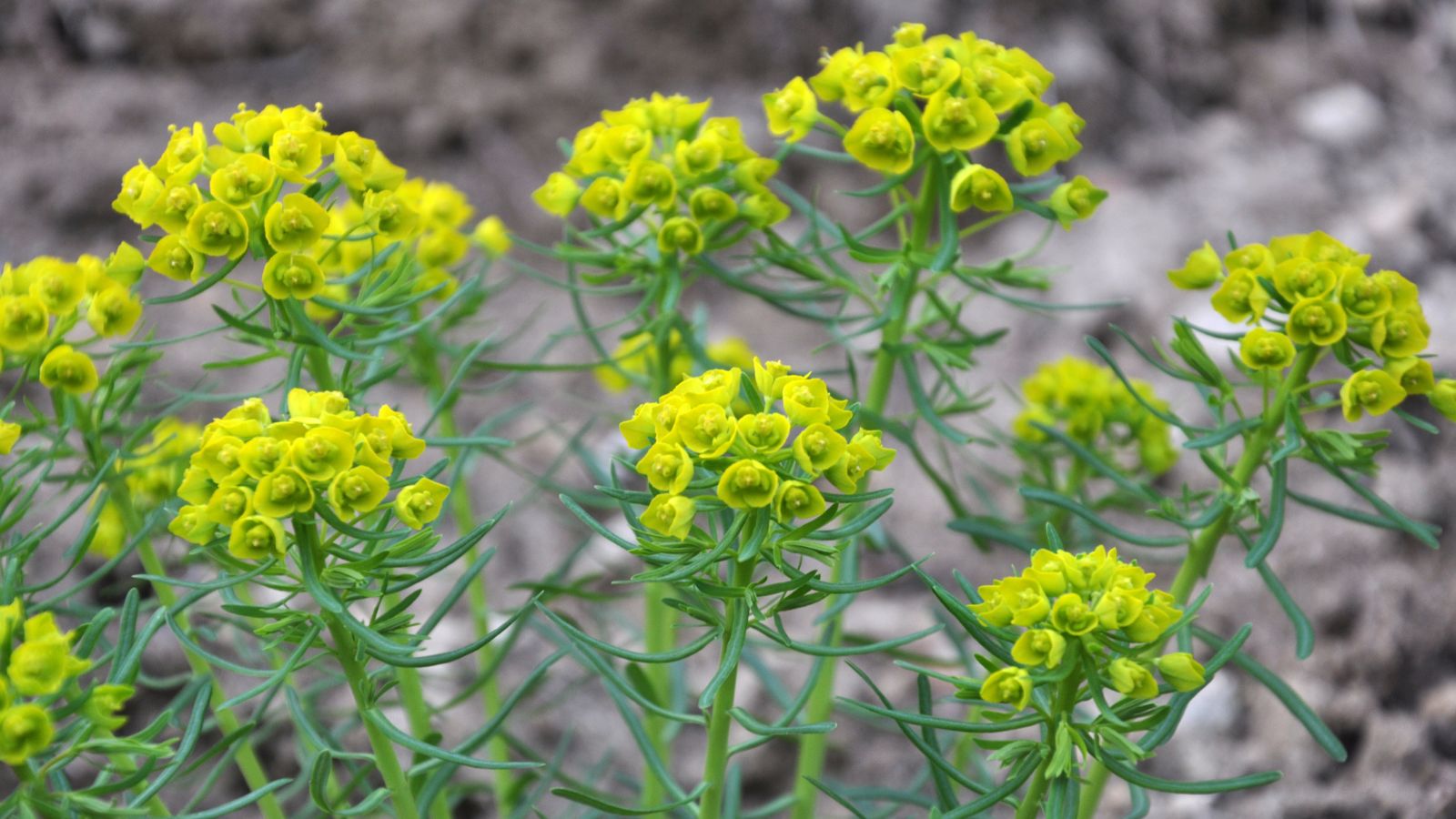
Euphorbia virgata
|
|
common name Leafy Spurge, Faitours-Grass, Wolf’s Milk |
|---|
- Impact Score – A
- Invasiveness Score – A
- Distribution Score – –
This spurge can be found in the prairies, pine savannahs, and grasslands of California. Its rhizomatic roots help it spread along these areas, and so do its seeds. The plant causes erosion and renders land unusable when it invades. Wildlife avoid the plant due to its irritating sap (typical of Euphorbia species). You can remove it wearing protective gear, and till the earth incorporating native tree leaves. This has shown some effectiveness.
Foeniculum vulgare

|
|
common name Fennel, Sweet Fennel, Sweet Anise |
|---|
- Impact Score – A
- Invasiveness Score – B
- Distribution Score – A
Although fennel is best known as a culinary and medicinal herb, some varieties that aren’t used for culinary purposes are considered highly invasive plants in many areas of California. From the San Francisco Bay, all the way to Camp Pendleton, this beloved herb can dramatically alter the ecosystem of many areas of our state.
Remember that sweet anise is the preferred food of the Anise Swallowtail butterfly, as noted in the work of Dr. Arthur M. Shapiro, Professor Emeritus of Evolution and Ecology at the University of California, Davis. These butterflies may have only one generation per year eating other plants, or they may not emerge at all. If we are overzealous in removing naturalized plants that native fauna eat, we are doing harm, so be careful when removing this plant!
Genista monspessulana
|
|
common name French Broom, Soft Broom, Canary Broom, Montepellier Broom |
|---|
- Impact Score – A
- Invasiveness Score – A
- Distribution Score – B
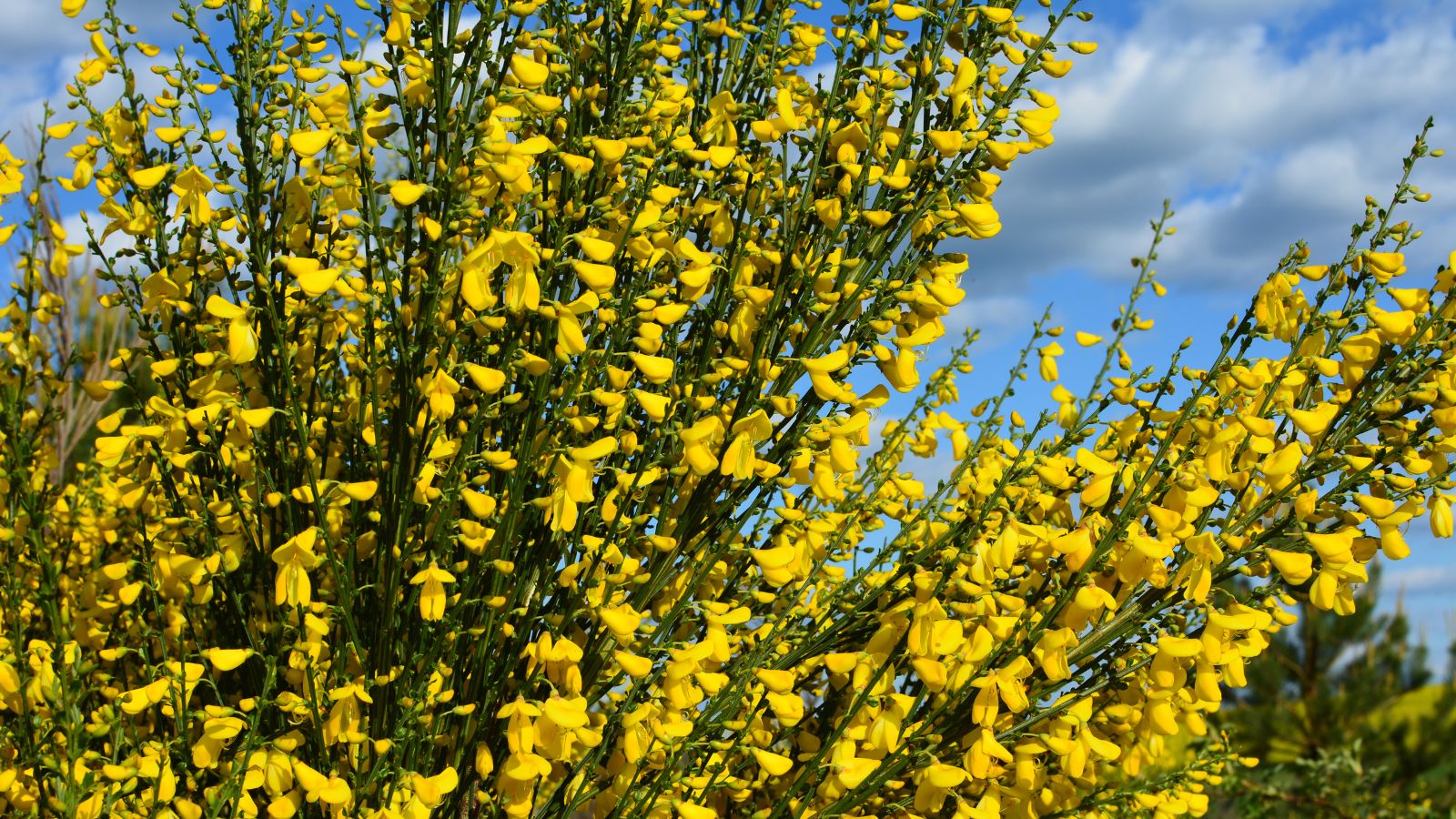
The French broom is another plant that looks beautiful, but ends up being invasive in every area it’s introduced except its native region, the Mediterranean. Because California has a Mediterranean climate, it does quite well in the state and covers over 40,000 hectares! It outperforms native plant species, starving them of the resources they need to survive. On top of that, the only livestock that can eat it are goats.
Hedera canariensis
|
|
common name Algerian Ivy |
|---|
- Impact Score – A
- Invasiveness Score – A
- Distribution Score – A
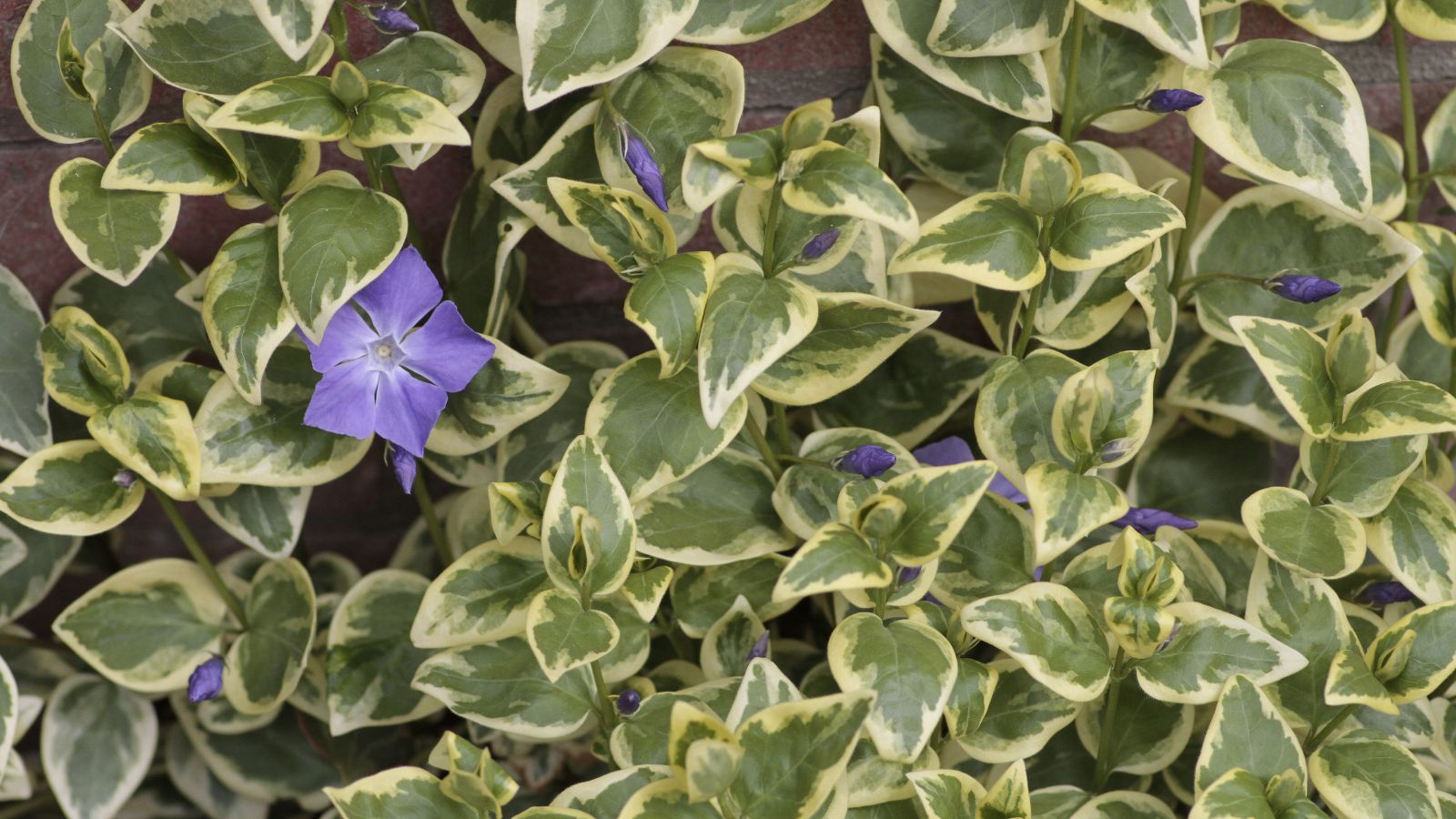
Much like English Ivy, which is next on the list, the woody vine that is Algerian Ivy is often found on California coasts. It is especially pervasive in wooded areas where the vines are shaded from full sun. This ecosystem mimics its native habitat. Because it inhibits the growth of native understory plants and kills trees, removing it as soon as possible is important. There are other types of ivy you can plant that won’t harm the ecosystem.
Hedera helix

|
|
common name English Ivy, Algerian Ivy |
|---|
- Impact Score – A
- Invasiveness Score – A
- Distribution Score – A
This European and western Asian ivy shows up on the Californian coasts and outcompetes almost everything in Californian forests as well. This means that understory plants can’t regenerate as well, destroying forest ecosystems in the state. If you have a stand of English Ivy in California, try to remove it!
Hydrilla verticillata

|
|
common name Hydrilla, Water Thyme, Florida Elodea |
|---|
- Impact Score – A
- Invasiveness Score – B
- Distribution Score – C
Another invasive aquatic plant, hydrilla probably originated in Asia before making its way to California around the 1950s. It came through the aquarium trade, escaping into local freshwater areas. It’s found in deserts, the San Francisco Bay Area, and even in more remote areas like Shasta. Typically, it forms mats like the water hyacinth above, blocking water flow and causing millions of dollars of damages.
Lepidium latifolium
|
|
common name Perennial Pepperweed, Tall Whitetop, Broadleaved Pepperweed |
|---|
- Impact Score – A
- Invasiveness Score – A
- Distribution Score – A
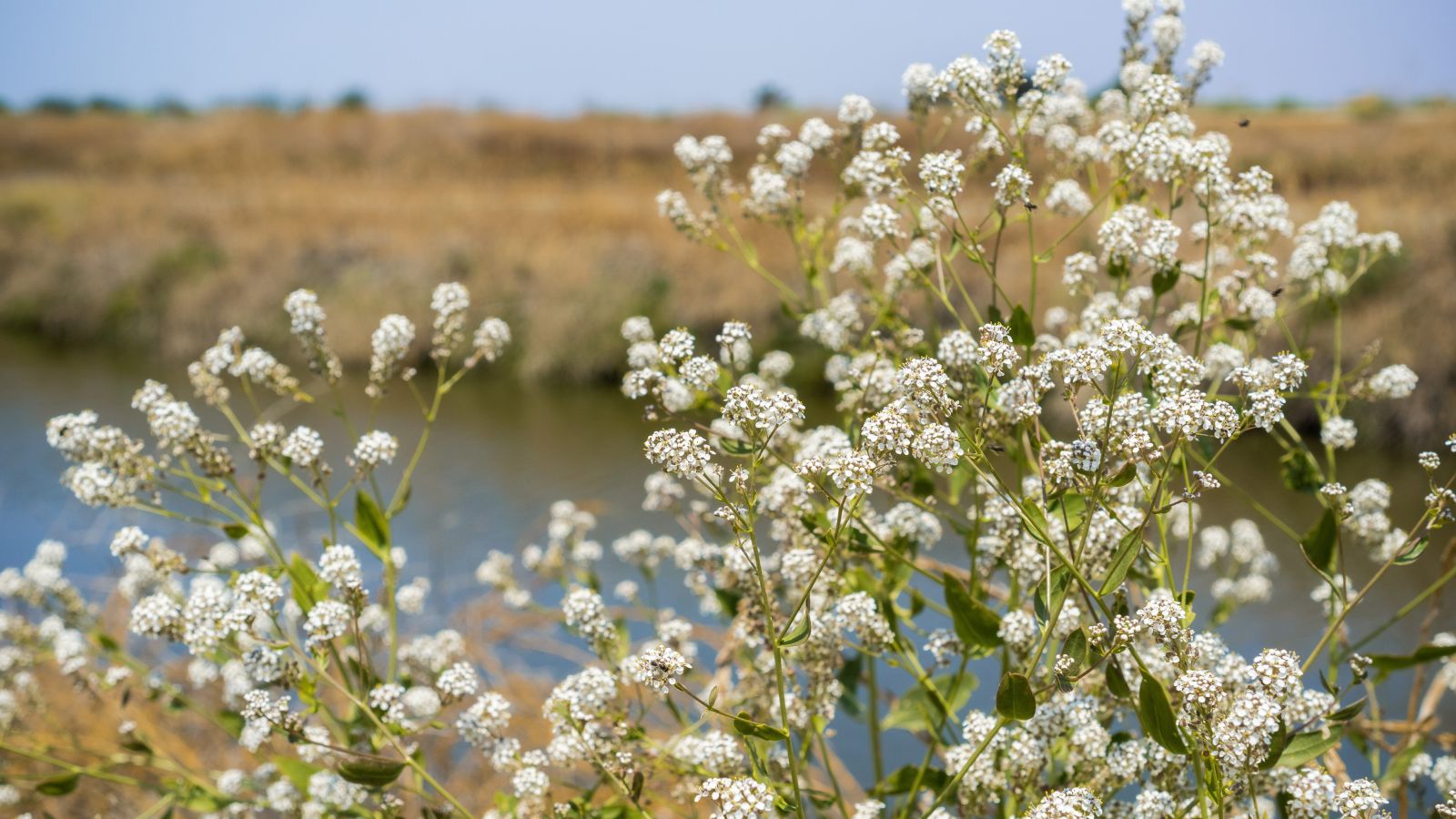
Perennial Pepperweed is a member of the mustard family and has 2-4 foot stems that pop up all over moist or wet areas in California. It has similar qualities to many invasive plants, crowding out native species and reproducing both vegetatively and by seed. To make matters worse, its seeds are sticky and are spread by wildlife and humans.
Limnobium spongia
|
|
common name South American Spongeplant |
|---|
- Impact Score – A
- Invasiveness Score – A
- Distribution Score – C
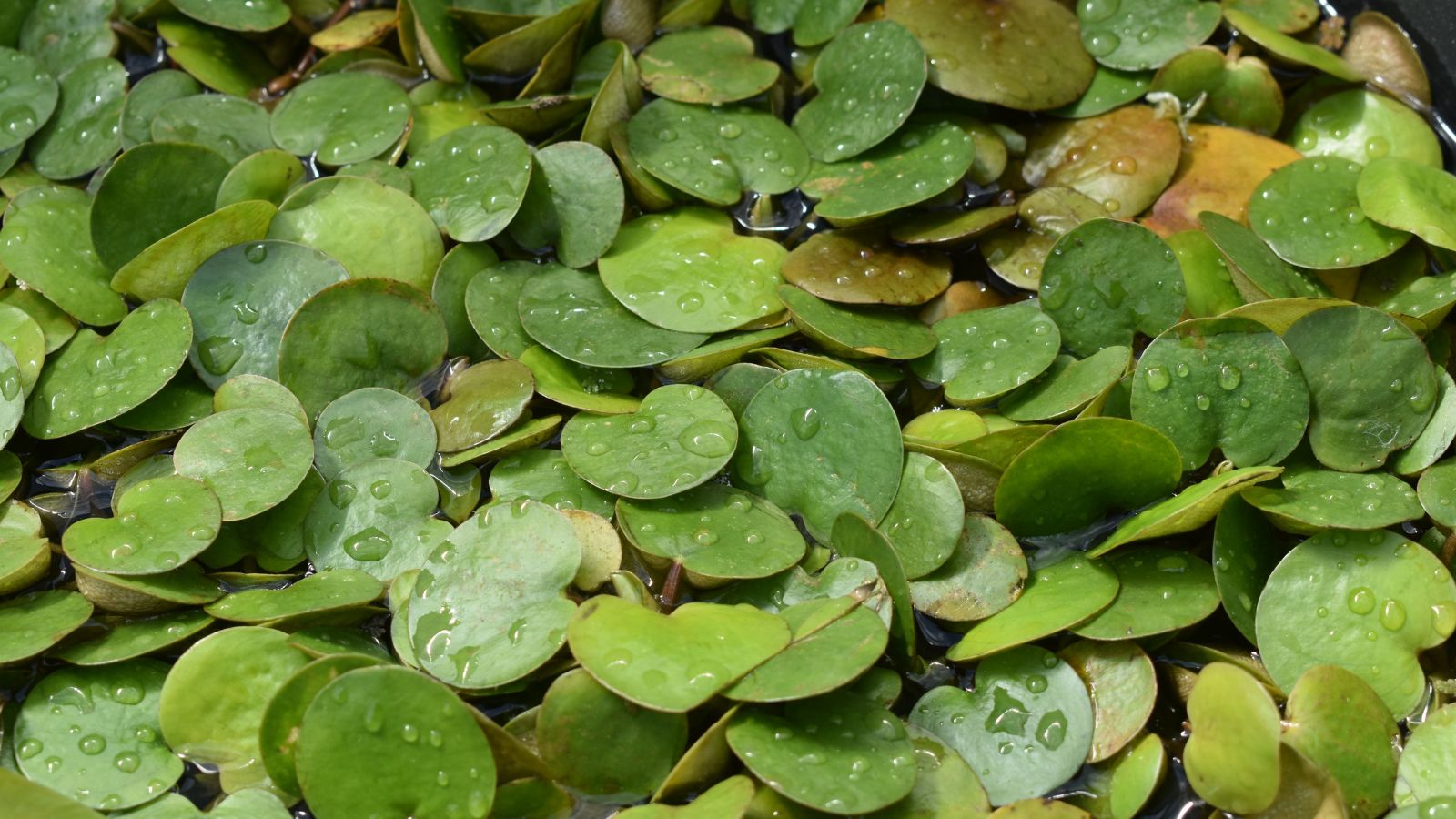
Many of the aquatic invasive plants in California were introduced via the aquarium trade, and the South American spongeplant is no exception. Like other aquatic plants, it forms mats that cause serious issues for both native fish and humans. On top of that, it spreads rapidly and its floating seeds are tiny, meaning they spread out like crazy once they are produced.
Ludwigia hexapetala
|
|
common name Creeping Waterprimrose, Uruguay Waterprimrose |
|---|
- Impact Score – A
- Invasiveness Score – B
- Distribution Score – C
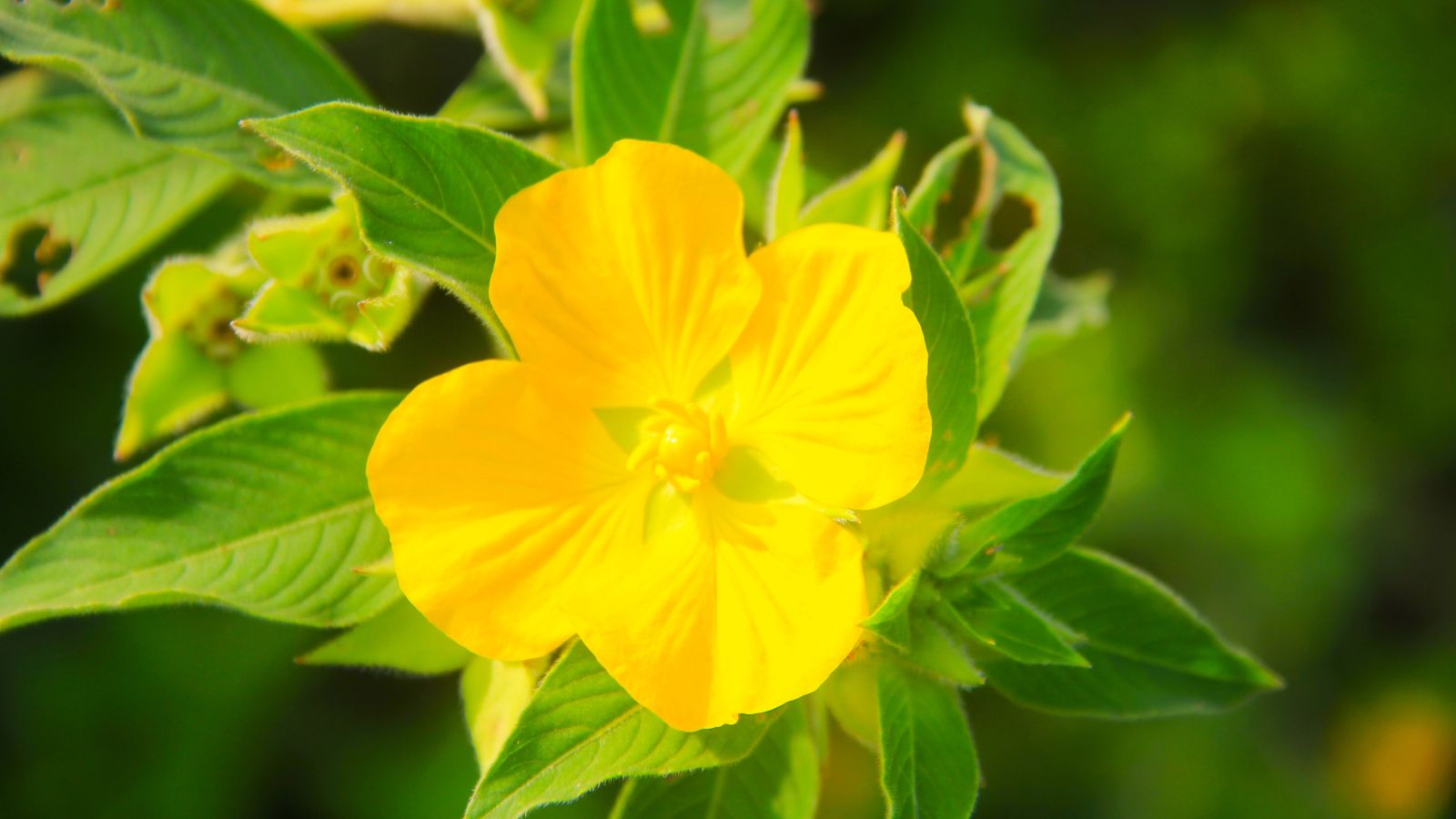
The Uruguay water-primrose is a noxious weed that invades the water ecosystems in California and many other areas of the western United States. Again, it is a mat-forming plant that has bright yellow-orange flowers. It’s been in California for over two decades, but is growing at an alarming rate, making it a growing concern for plant biologists and conservationists.
Ludwigia peploides
|
|
common name Creeping Waterprimrose, California Waterprimrose |
|---|
- Impact Score – A
- Invasiveness Score – B
- Distribution Score – B
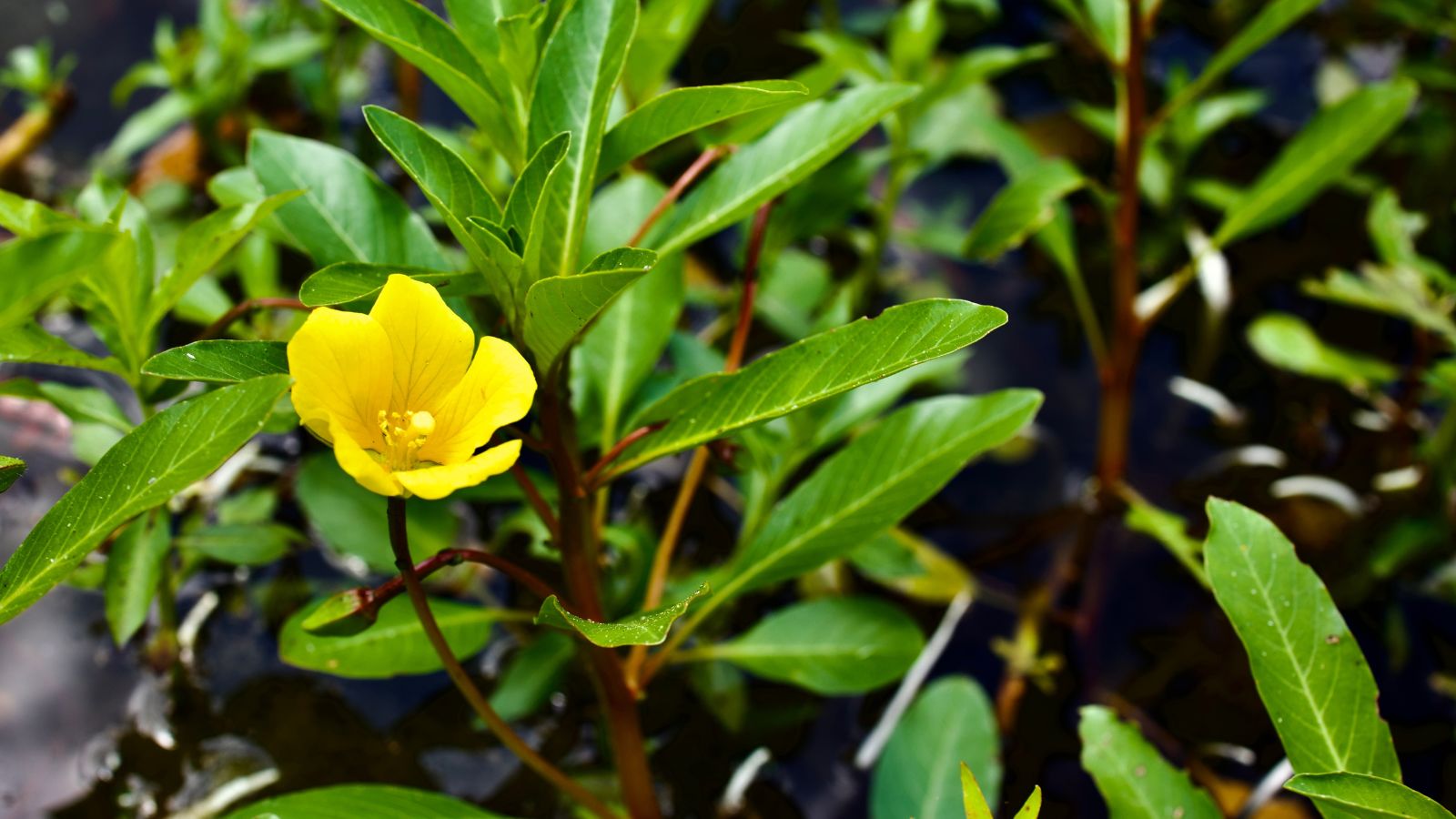
The eerily-named Creeping Water Primrose is another aquatic plant brought to the US for its ornamental value. The yellow flower is quite beautiful…until the plant forms impenetrable mats that make it hard for fish to survive (and for people to catch fish)! While some species are native to California and may not be invasive, there is at least one species considered non-native and quite invasive.
Lythrum salicaria
|
|
common name Purple Loosestrife |
|---|
- Impact Score – A
- Invasiveness Score – A
- Distribution Score – B
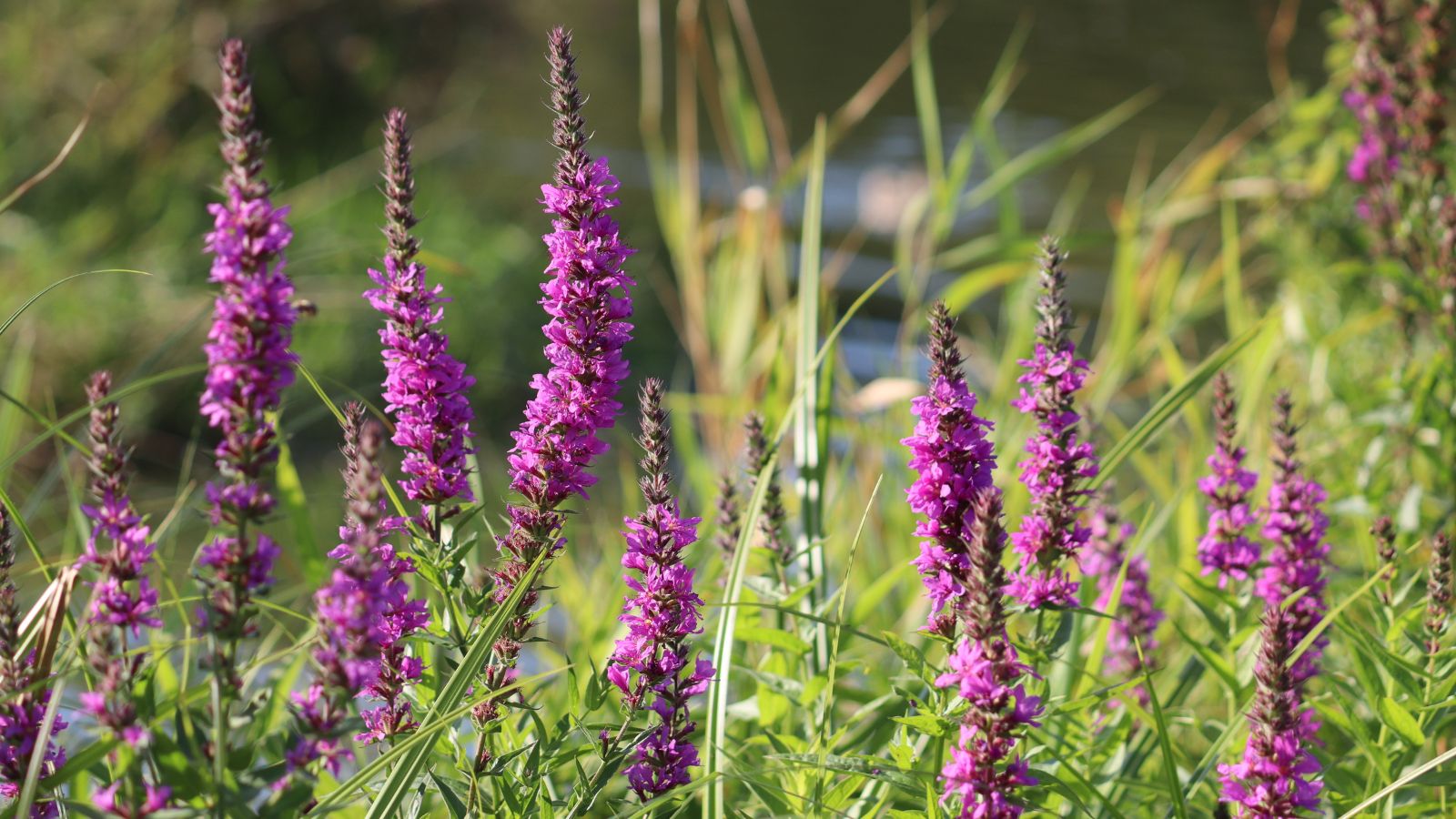
Purple Loosestrife, another weed with an awesome name, shows up in wetland areas of California. It survives in freshwater, not saltwater, replacing native plants like cattails and other wetland plants. This reduces the biodiversity of the area and diminishes wildlife in the area.
Myriophyllum aquaticum
|
|
common name Parrotfeather, Brazilian Watermilfoil, Parrotfeather Watermilfoil, Thread-Of-Life |
|---|
- Impact Score – A
- Invasiveness Score – B
- Distribution Score – C
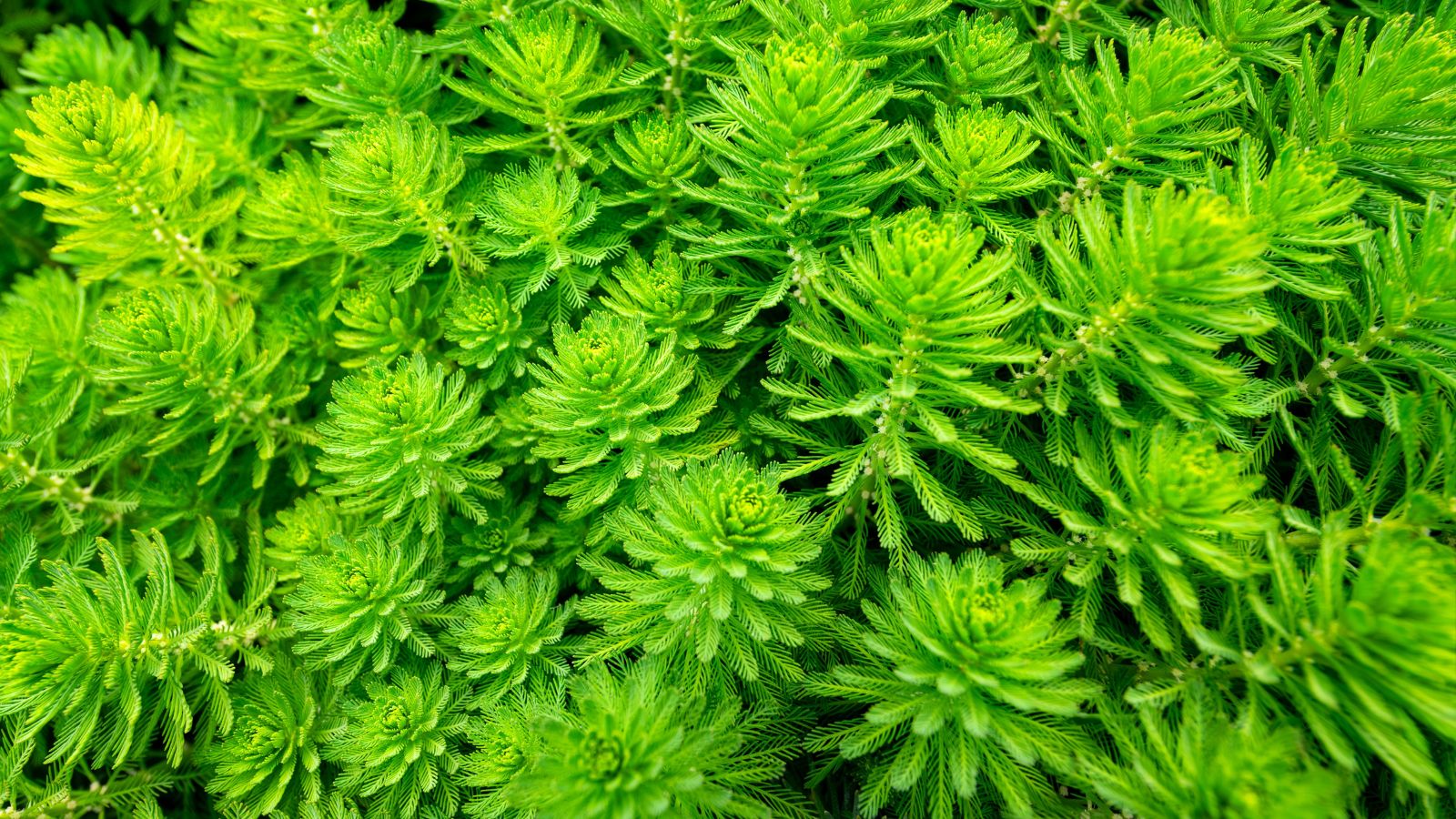
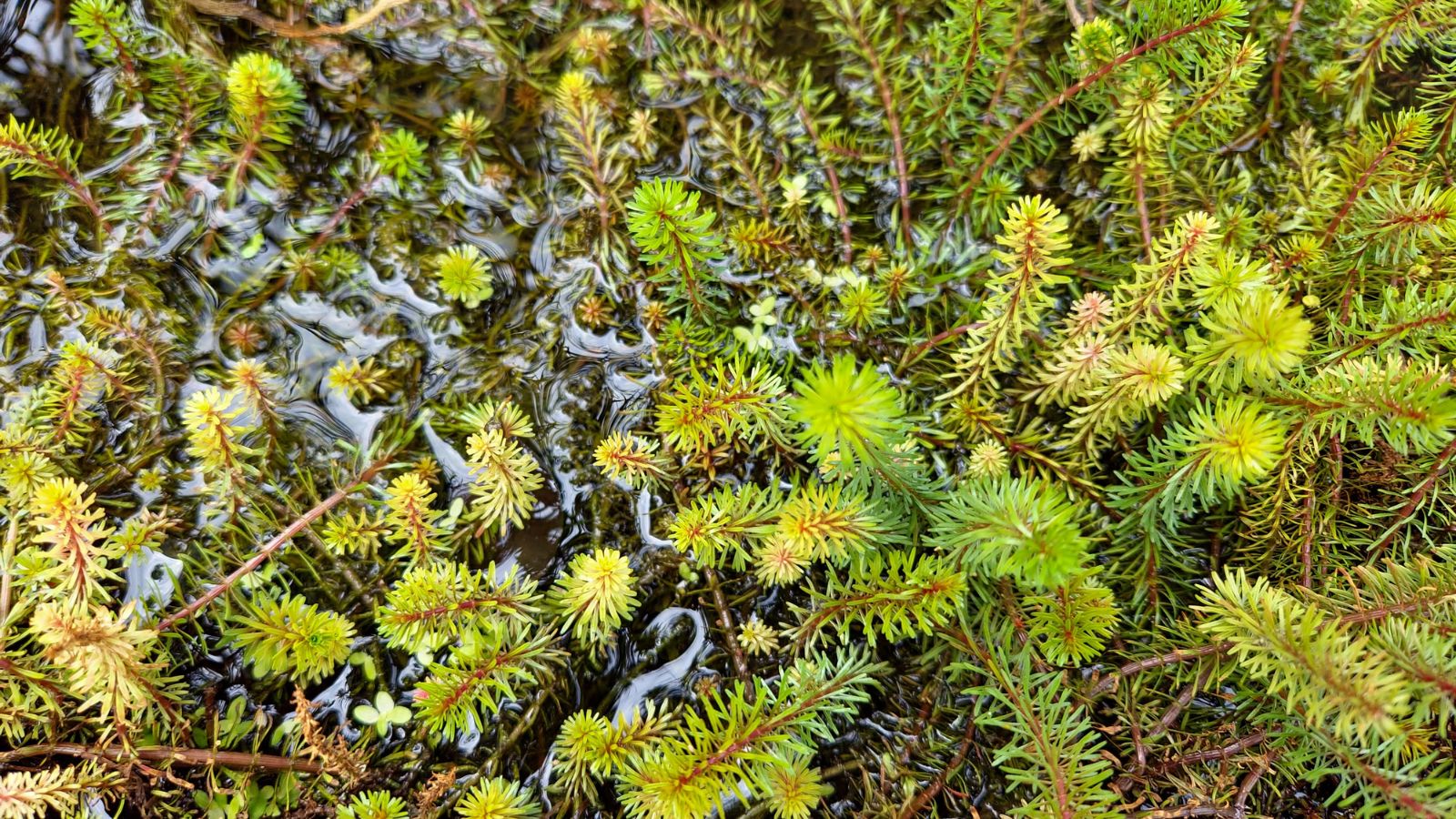
Parrotfeather is another aquatic plant, but it looks quite a bit different from some of the other invasive aquatic plants we’ve covered so far. It has feather-like leaves that form in circles around its stems. The leaves are both under and above the water, causing the stems to get tangled and form mats. On the plus side, almost all Parrotfeather plants are female, so it doesn’t produce seeds. It spreads mostly by vegetative methods.
Myriophyllum spicatum
|
|
common name Spike Watermilfoil |
|---|
- Impact Score – A
- Invasiveness Score – A
- Distribution Score – B
Whoever named this plant was probably on something. The Spiked Watermilfoil Is native to practically every continent BUT the Americas, growing submerged in slow-moving water. Because of its aquatic nature, it grows extremely fast and crowds out other aquatic plants.
Oncosiphon pilulifer
|
|
common name Stinknet |
|---|
- Impact Score – A
- Invasiveness Score – A
- Distribution Score – C
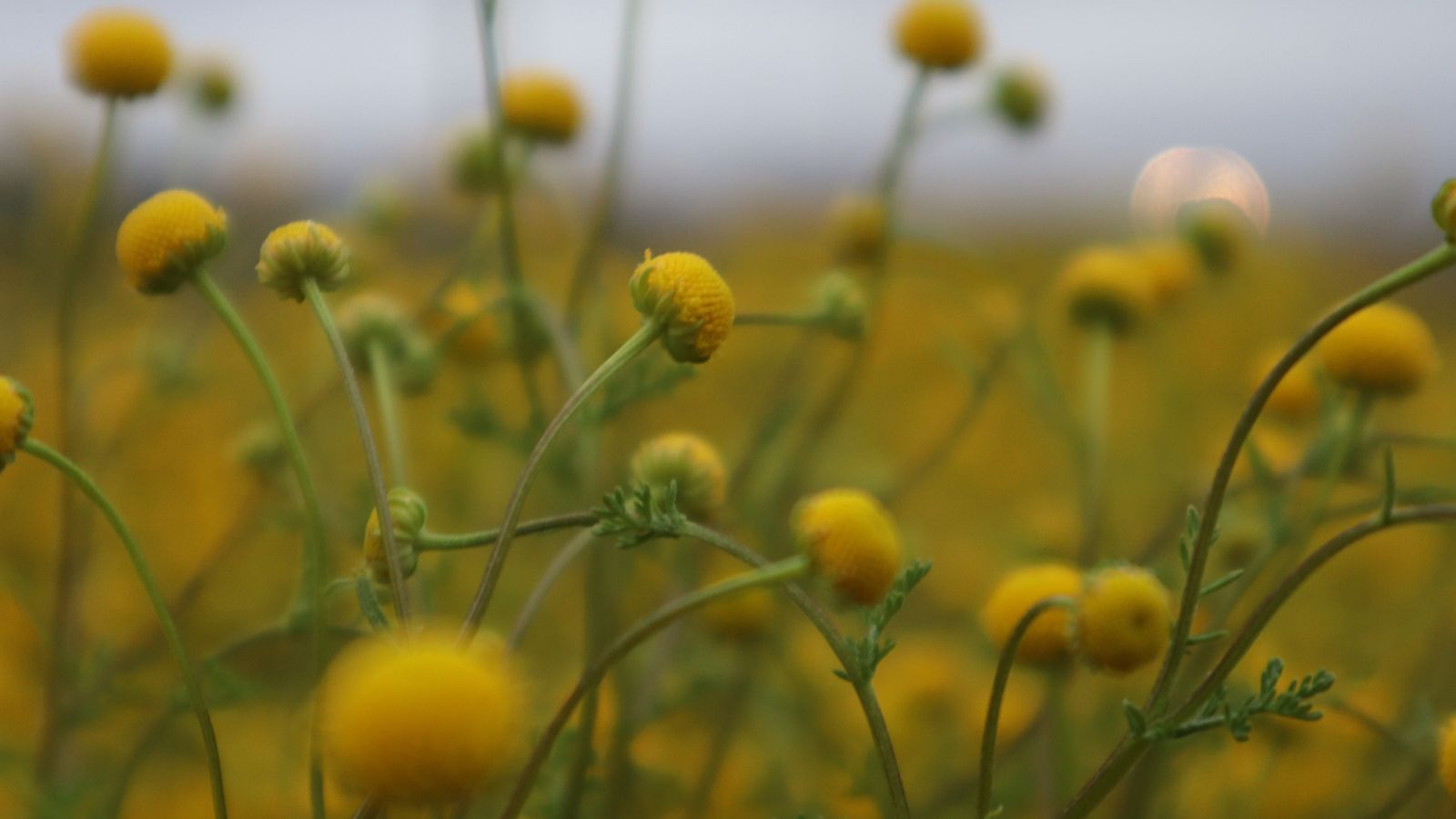
This annual herb in the Aster family tends to spread its viable seeds across coasts and deserts of California, mostly on dunes and in chapparals. It’s a native of South Africa, and probably made its way to the state via industrial avenues. It’s called stinknet due to its strong, unpleasant scent.
Because it tends to catch fire, causing chaos in areas that aren’t naturally prone to wildfire, removal is of great concern. It also reduces nutrient cycling in soils. The plant will effectively take over and cannot be eliminated if it has been allowed to grow for 2 years. Most removal recommendations include the use of targeted herbicides.
Onopordum acanthium
|
|
common name Scotch Thistle, Cotton Thistle, Woolly Thistle, Winged Thistle, Jackass Thistle, Heraldic Thistle |
|---|
- Impact Score – A
- Invasiveness Score – B
- Distribution Score – B
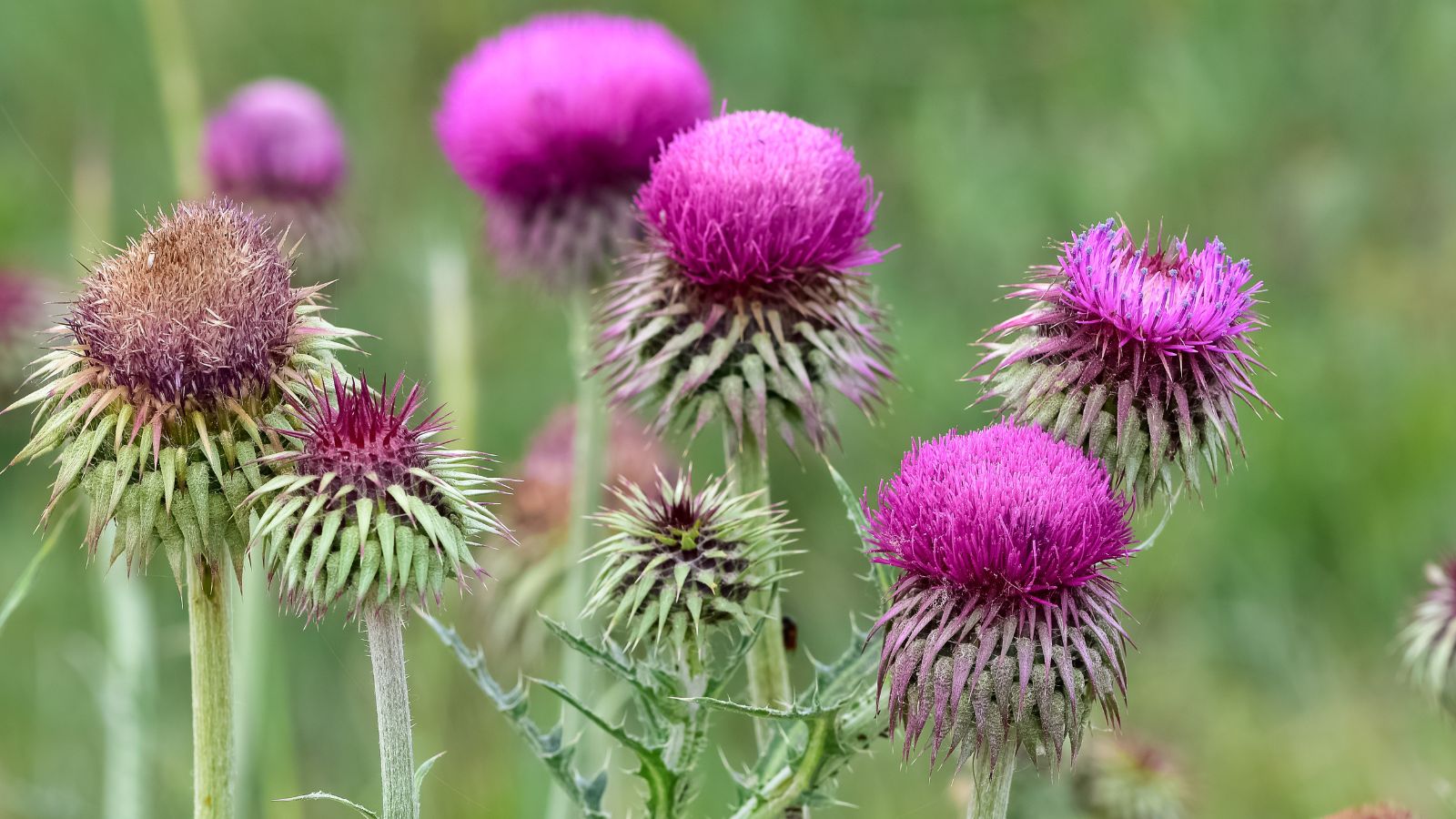
Although this plant is short-lived (it’s a biennial), it can still infest the northeast areas of California. If the soil is fertile it will grow into stands that are nearly impossible to penetrate. However, it reproduces only by seed and not vegetatively, unlike many of the nastier weeds on this list. It’s drought resistant, making it perform well in California’s current water crisis.
Rubus armeniacus
|
|
common name Himalayan Blackberry |
|---|
- Impact Score – A
- Invasiveness Score – A
- Distribution Score – A
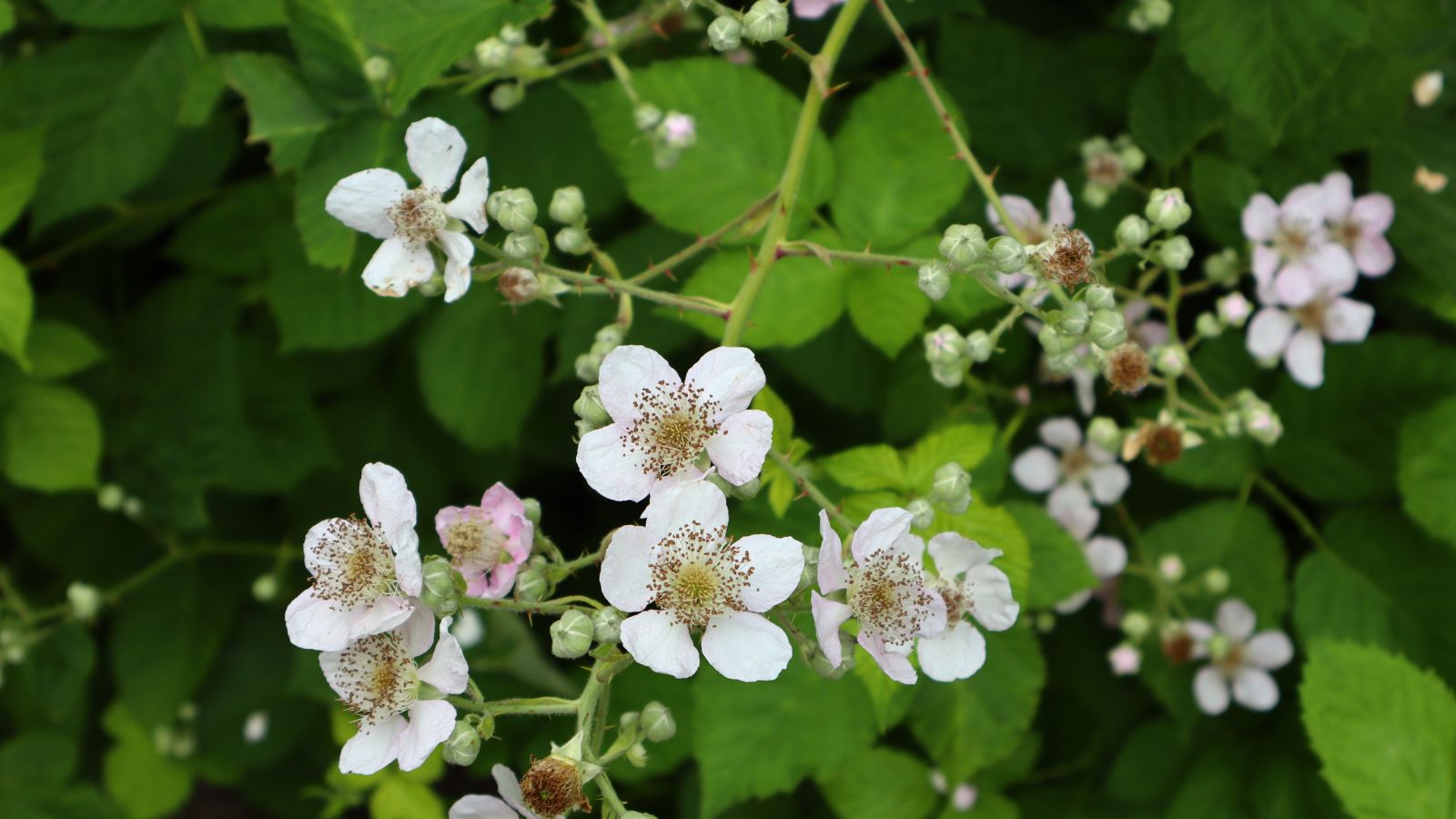
The Himalayan Blackberrry is a robust, thick shrub that competes well with native species. It dominates coastal ranges and the central valley of California. The thickets it creates produce a canopy that limits light to plants growing beneath, killing them off.
Salvinia molesta
|
|
common name Giant Salvinia, Karibaweed, Water Velvet, African Pyle, Aquarium Watermoss, Water Fern, Koi Kandy |
|---|
- Impact Score – A
- Invasiveness Score – A
- Distribution Score – C
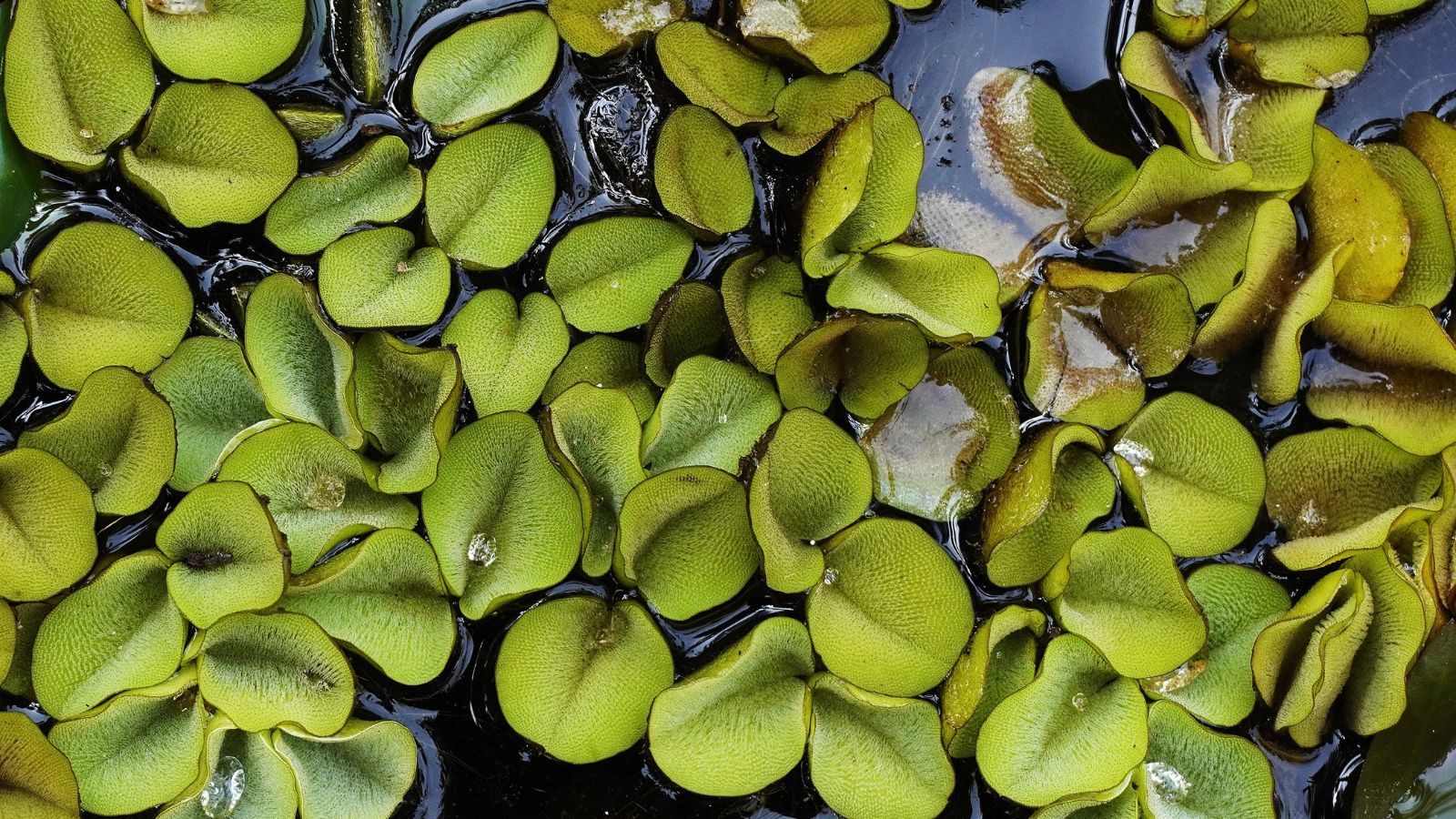
Giant Salvinia looks kind of like floating mushrooms or heads of lettuce. It’s yet another plant that made its way to California from South America via the aquarium trade. As a serious threat to lakes, ponds, and rivers, it will completely cover water surfaces and create stagnant waters in once-moving streams. On top of that, these thick mats will often become havens for mosquitoes.
Sesbania punicea
|
|
common name Scarlet Wisteria, Red Sesbania, Rattlebox, Chinese Wisteria |
|---|
- Impact Score – A
- Invasiveness Score – B
- Distribution Score – C
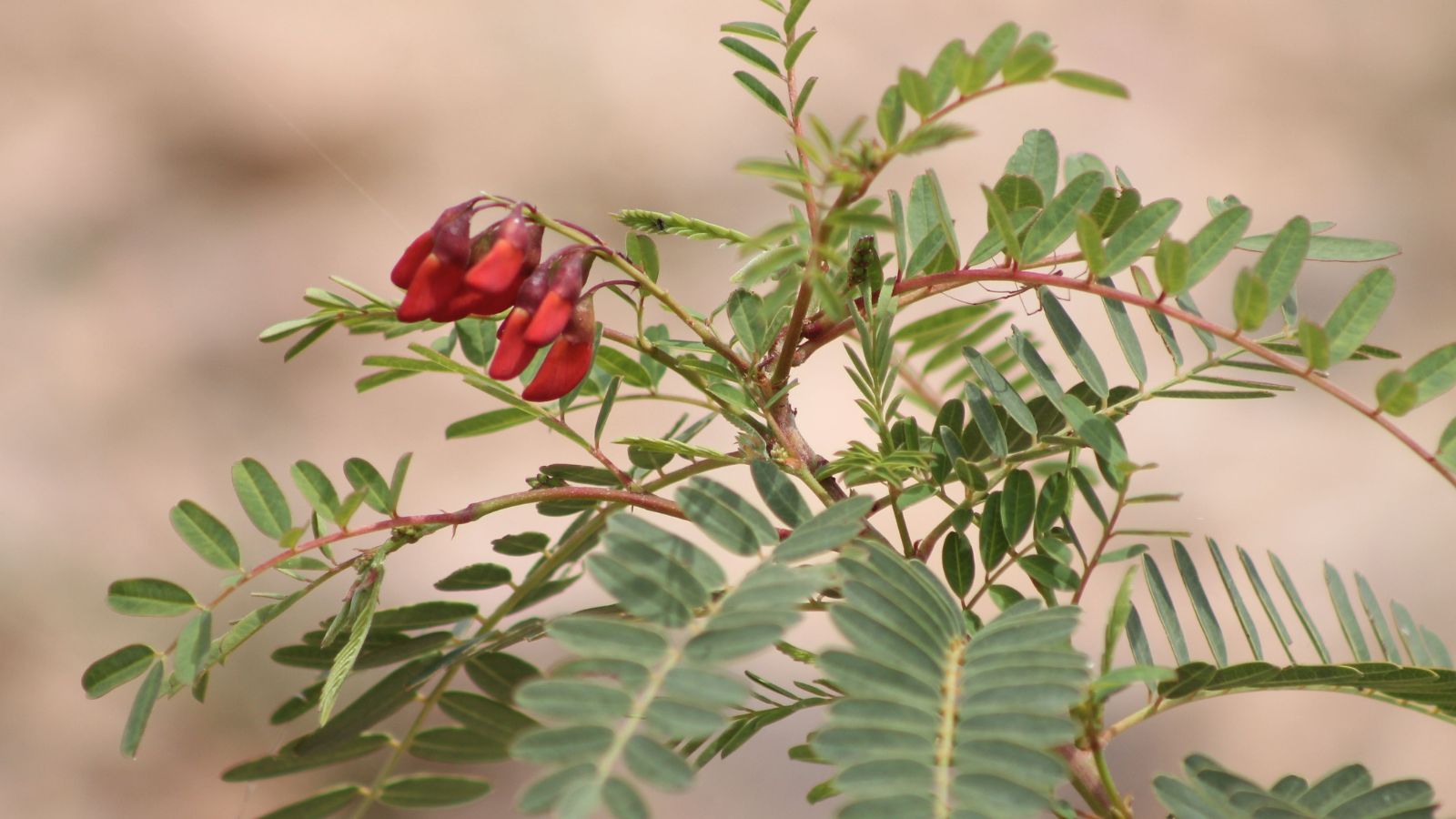
Scarlet Wisteria kicks off the first non-aquatic plant on our list. It’s a tree / shrub that can end up being around 13 feet tall. Most of the time, it’s found in the Central Valley of California. It grows into dense thickets that will prevent access to the river and also contributes to the erosion of the riverbank. On top of that, it’s poisonous.
Spartina alterniflora x S. foliosa
|
|
common name Smooth Cordgrass and Hybrids |
|---|
- Impact Score – A
- Invasiveness Score – A
- Distribution Score – C
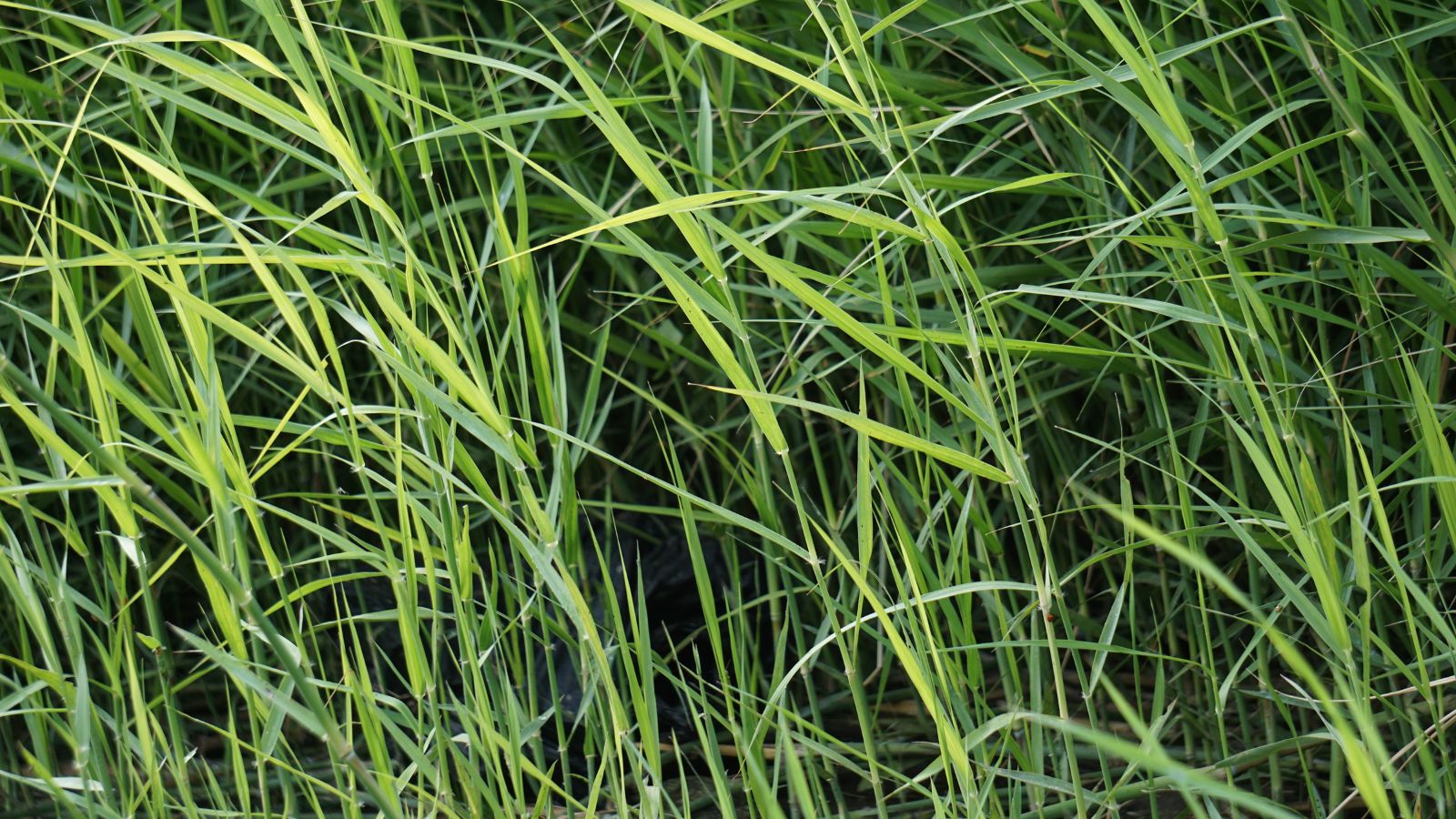
Smooth Cordgrass is an interesting invasive plant that grows in salt marshes, bays, and creeks. It can grow up to seven feet tall in smooth grassy talks. There are four species of this plant that have begun to take over the San Francisco bay after being introduced in 1973. It also has the ability to hybridize with Spartina foliosa to produce an even more invasive plant.
Spartium junceum
|
|
common name Spanish Broom |
|---|
- Impact Score – A
- Invasiveness Score – B
- Distribution Score – B
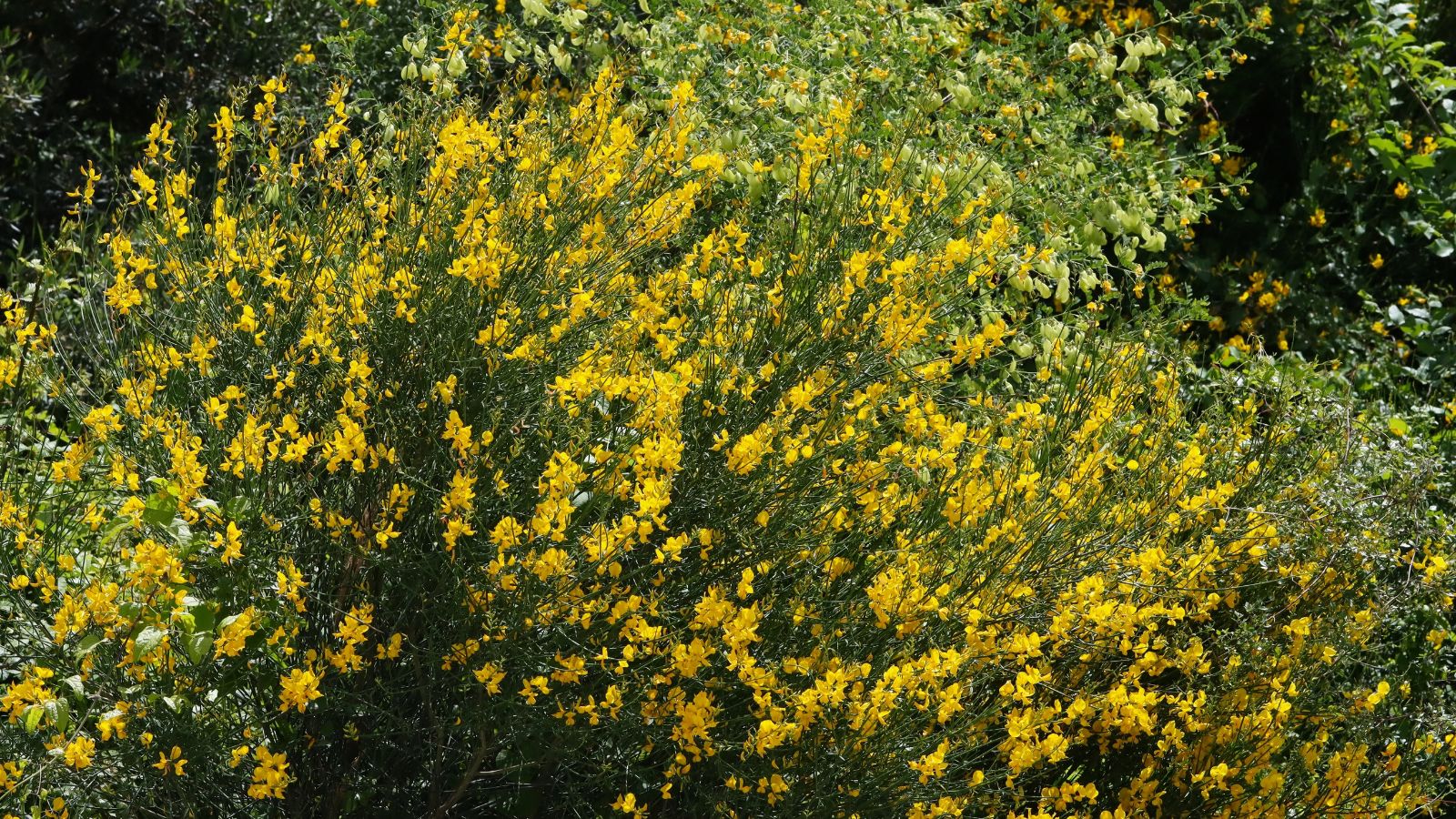
The Spanish Broom is a close relative to the Scotch Broom, which we covered already. It was introduced in landscaping for ornamental reasons. On top of that, it was planted next to highways for erosion control. However, it quickly spread to rangelands where it is inedible to all livestock except goats (it seems there is nothing they can’t eat).
Tamarix chinensis
|
|
common name Saltcedar, Tamarisk, French Tamarisk, Chinese Tamarisk |
|---|
- Impact Score – A
- Invasiveness Score – A
- Distribution Score – A
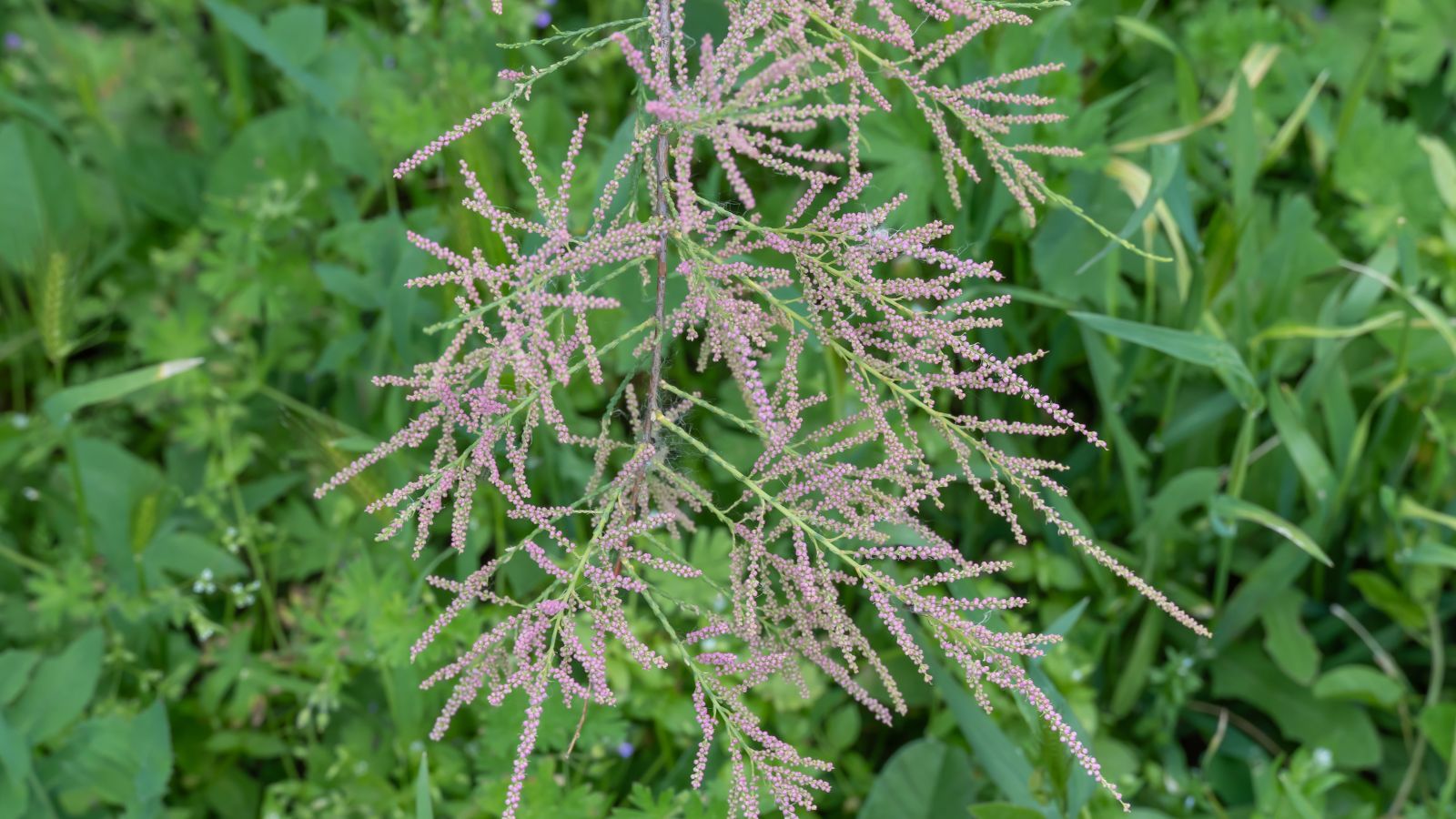
The picture above is Tamarix chinensis, but the true invasive species is Tamarix ramosissima or saltcedar. It will hybridize with chinensis or gallica, making controlling it even more annoying than other invasive species.
Tamarix parviflora
|
|
common name Smallflower Tamarisk |
|---|
- Impact Score – A
- Invasiveness Score – A
- Distribution Score – B
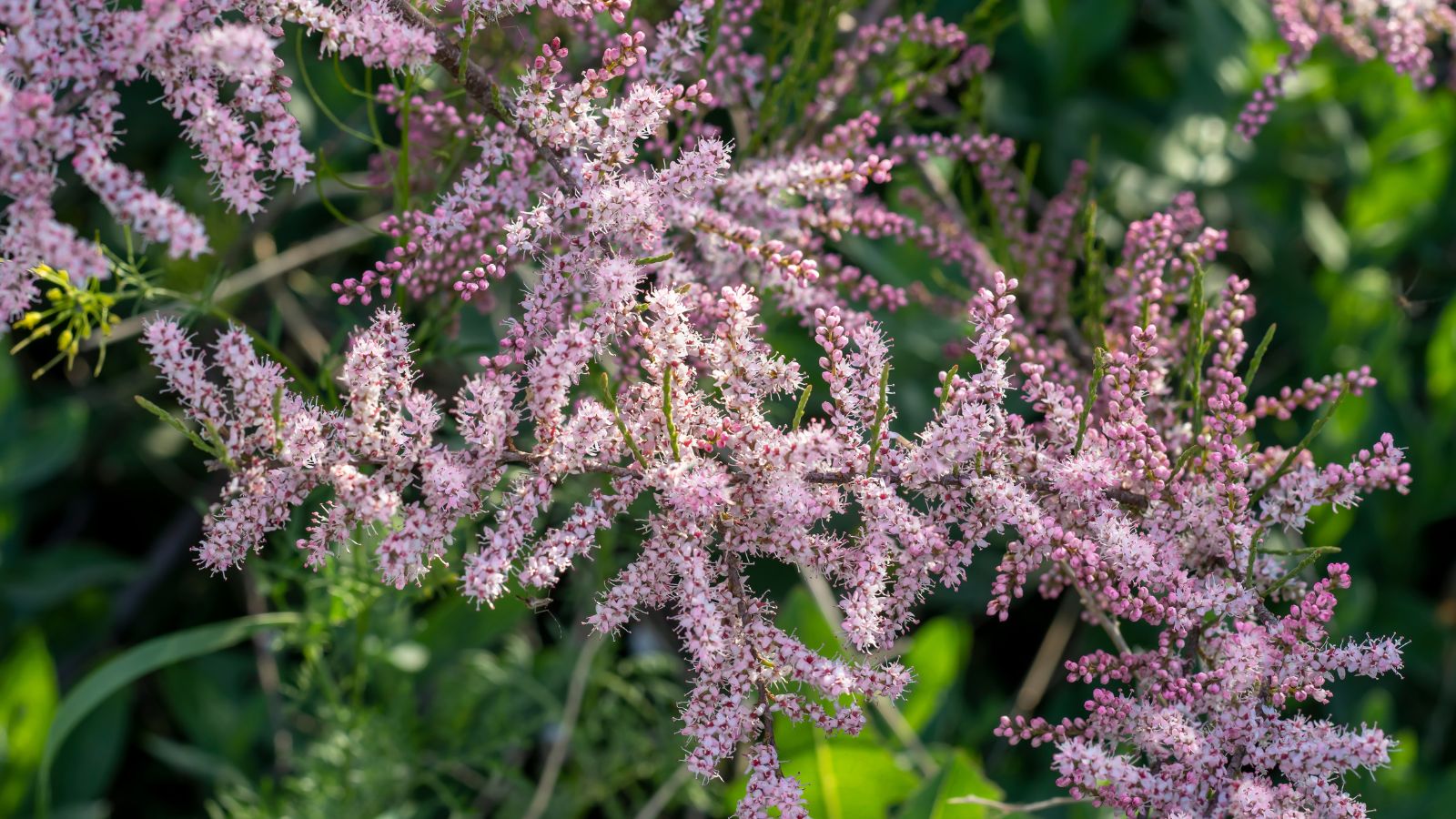
Smallflower Tamarisk is a shrub that loves to invade the shores of lakes and streams. It came from Europe but may be more well-known in California as an extremely annoying weed to deal with. Basically anything bad a weed can do, this weed does, from decreasing groundwater availability to destroying wildlife diversity.
Tamarix ramosissima
|
|
common name Saltcedar, Tamarisk |
|---|
- Impact Score – A
- Invasiveness Score – A
- Distribution Score – A
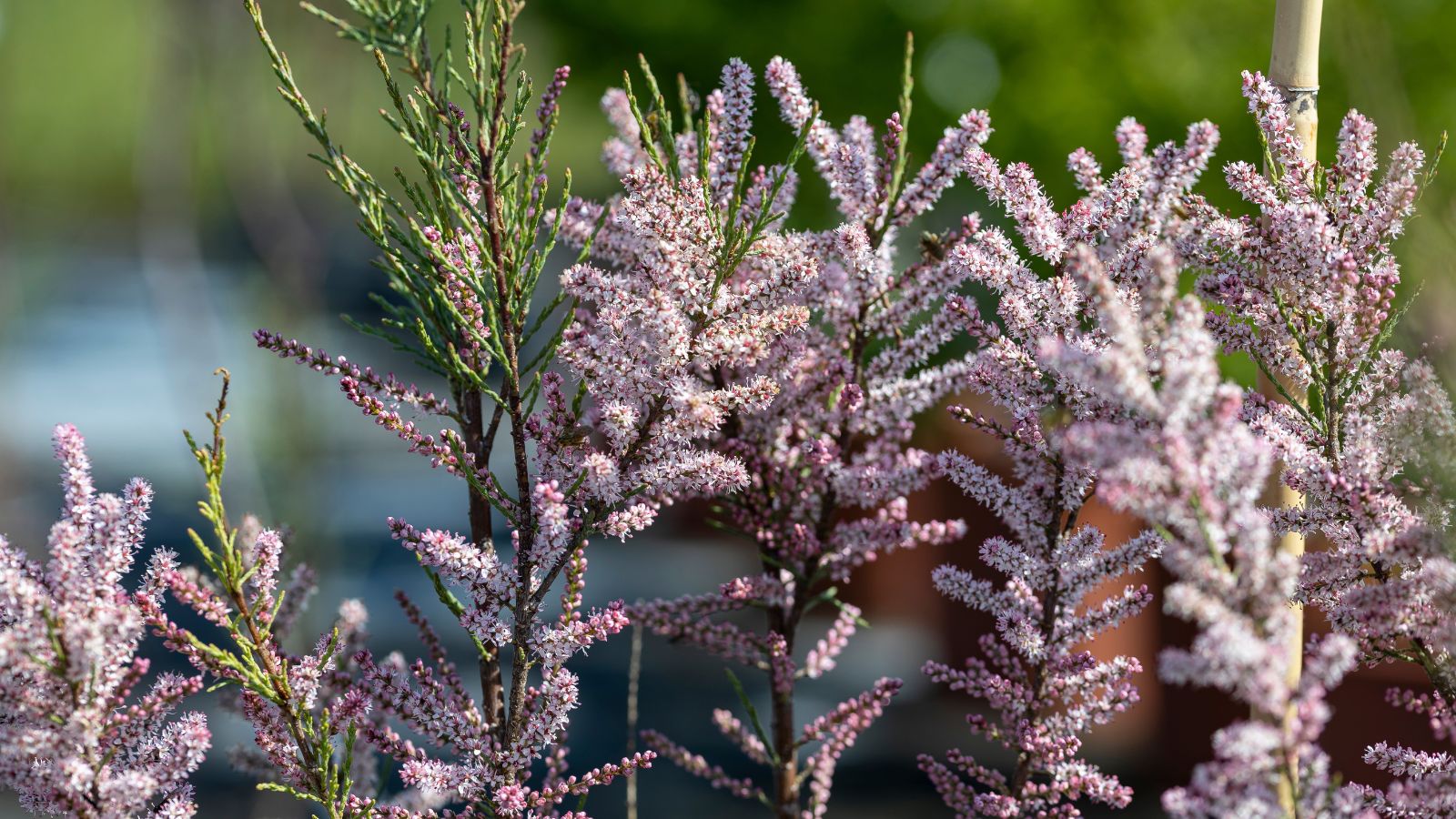
Yet another invasive cedar to California is T. ramosissima. It tends to proliferate along streams and lake shores, dramatically altering the soil composition and causing problems with local water tables. As a hardwood with high sap content, it’s also a fire risk.
Removal is very difficult, but important, and may require the use of targetted herbicides.
Ulex europaeus
|
|
common name Gorse, Common Gorse, Furze, Prickly Broom |
|---|
- Impact Score – A
- Invasiveness Score – B
- Distribution Score – B
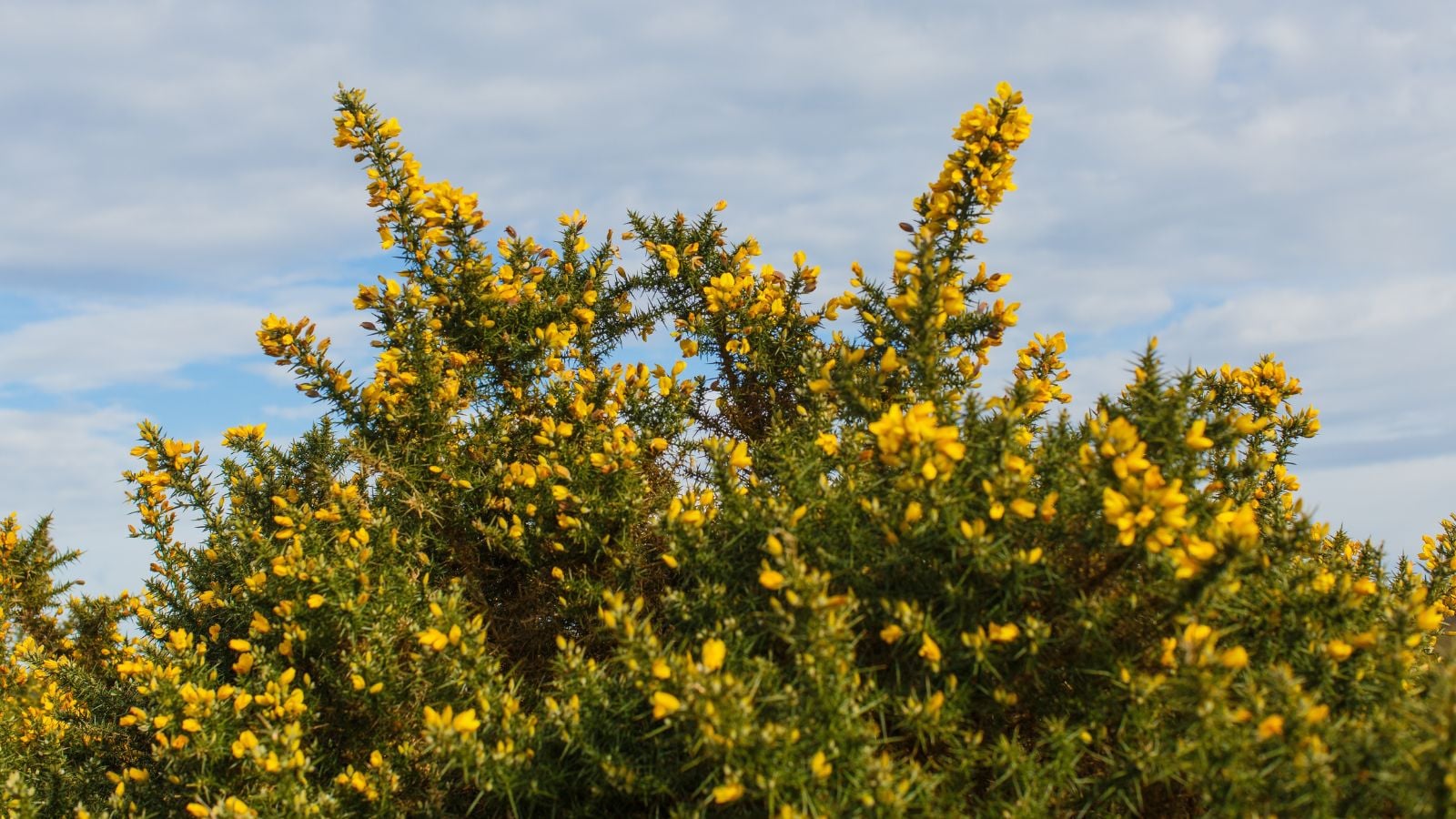
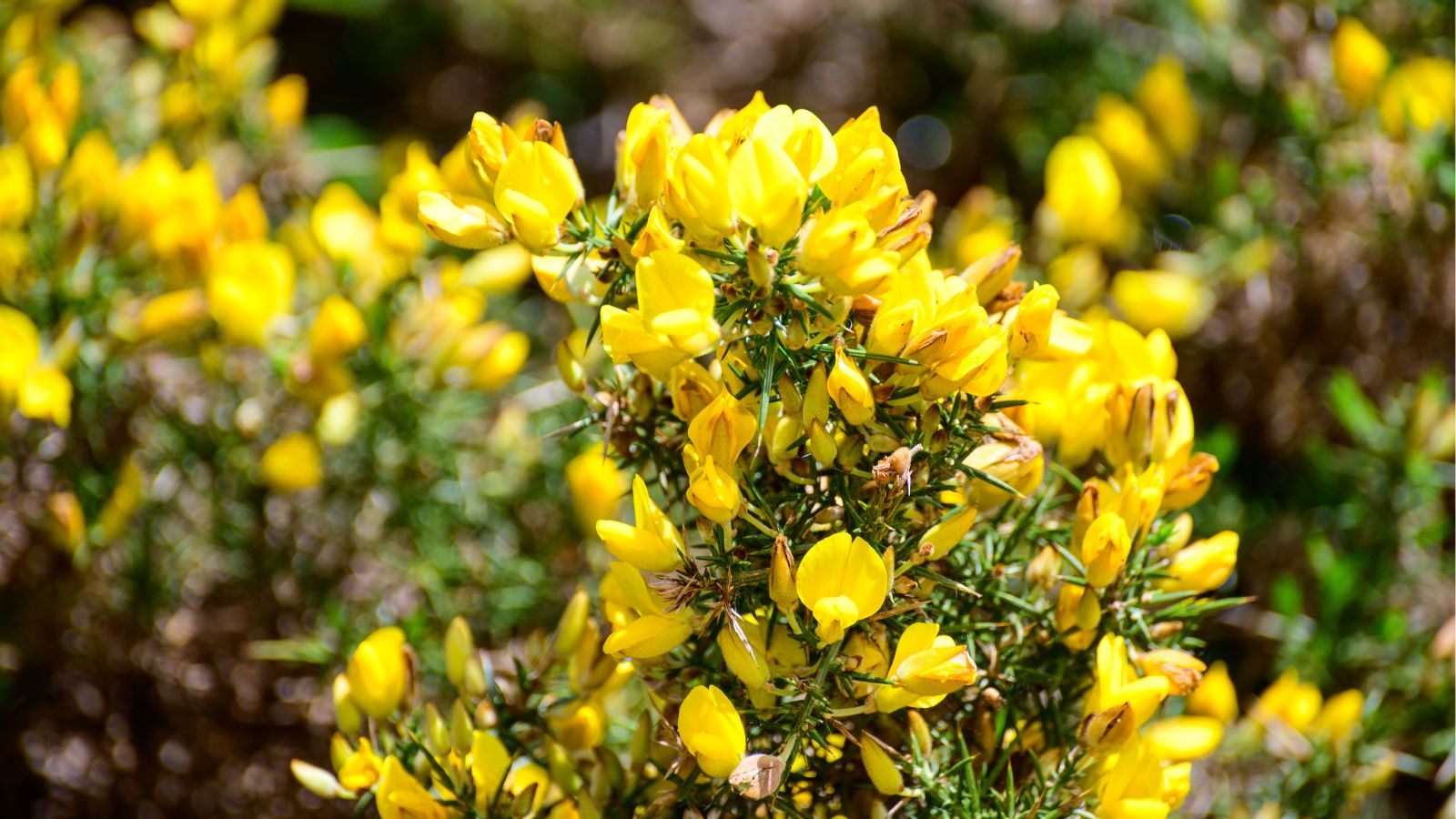
Gorse grows almost anywhere. If native plants struggle to grow in the area, gorse will take over, showing up in places as desolate as gravel bars and fence rows. The reason it can do this is because it’s a nitrogen-fixer, improving the soil quality of the areas it invades, then forming dense mats that prevent other native species from taking advantage.
Frequently Asked Questions
What is the most invasive plant in California?
Centaurea Solstitialis. In fact, it’s the most serious rangeland weeds in the entire state of California.
What plants are considered invasive in California?
There are lots of invasive plants. This list pinpoints those considered high and moderate risk, though most here are classed high risk.
How many invasive plants are in California?
Just under 200 species are on the California Invasive Plants Council list.
What is the most common invasive plant?
If we’re talking about invasive plants across the entire US, English Ivy is highly common, and it’s on this list too.
What is the illegal flower in California?
While many of these species aren’t illegal to grow, there are several highly invasive flowering plants and trees on this list that require a lot of effort to prevent takeover of ecosystems.
Why does California have so many invasive species?
These plant species are often introduced through Pacific trade routes, and have traveled over in bags of grain and on ships. The ecology of certain areas of California tends to support the proliferation of these plants.
Which US state has the most invasive species?
Florida has the most invasive species of all states in the US. Mostly, this has to do with the temperate climate and fertile soil that is widespread there.
What is the most destructive invasive plant?
English Ivy has kudzu-like abilities to cause structural damage and crowd out native species.