
Contents
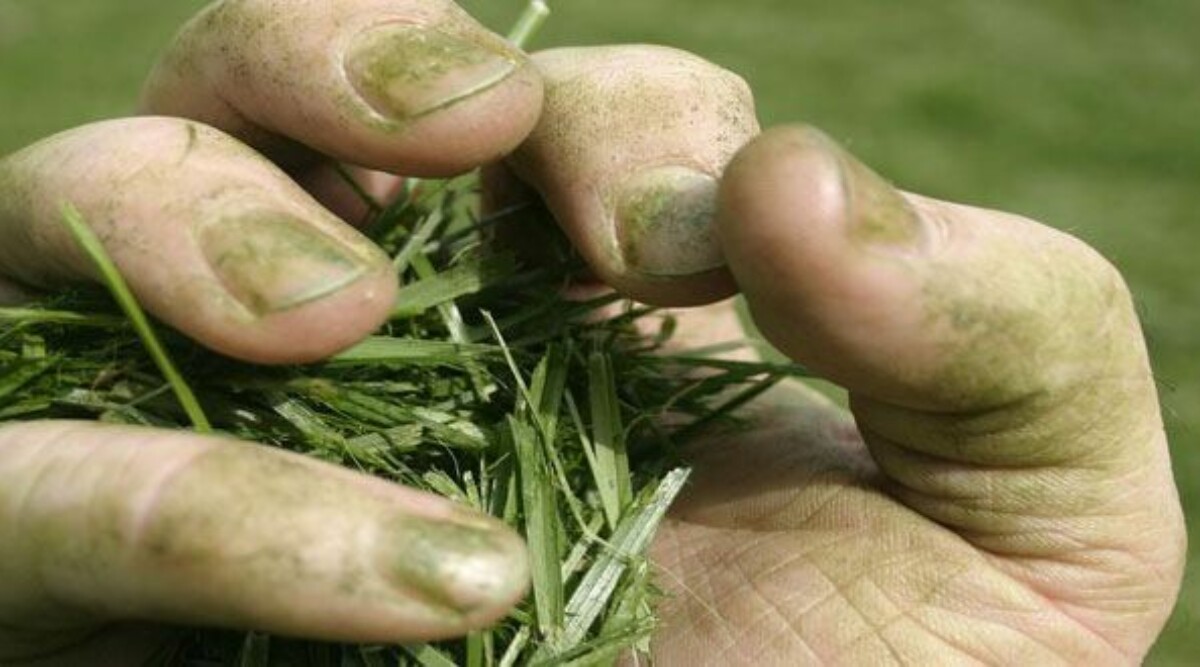
When people step into my backyard, they see hydroponic setups, soil gardens, and plants everywhere. It’s often a little overwhelming and sometimes makes me look like some kind of mad plant doctor. People get a little surprised at how much is going on and say, “You must have a green thumb! I don’t have a green thumb…everything I try to grow DIES!”
I smile and tell them, “Hell no!” When I started, I had NO CLUE how to grow anything!” and they start to feel a little bit better.
This mentality that you either have a “green thumb” or you don’t is pure BS. Gardening is not magic, it’s not casting spells on plants and mixing special additives into the soil to produce gigantic heads of lettuce or bulging tomatoes. Gardening is a science and there are steps and methods that will work for almost any common plant you’d want to grow in almost any condition.
Gardening Isn’t Hard…You Just Have To Understand How Plants Grow
This is the chief reason that people tend to fail at gardening….they don’t really understand how a plant grows and what inputs make it grow. It’s not enough to toss a seed in the dirt, water it, and then hope for the best. Different plants require different nutrients at different times.
Sound complex? It’s not.
The cool thing about urban farming is that agriculture has been around for at least 10,000 years. As a species, we’ve had MORE than enough time to figure out how to grow almost any plant that you’ll ever want to grow in your own backyard…so tap into that knowledge!
Where to Start
There are a TON of free resources out there for learning how to become a better gardener. Trust me, if you put in extra effort in understanding the fundamentals at the start, you’ll have MASSIVE amounts of success vs. seeing all of your plants wilt and die before your eyes. Here are some top resources for you:
USDA Plant Hardiness Zone Map – When to plant and how to grow depends on where you live. Use this to figure out your plant hardiness zone!
Country Agricultural Extension Locator – Your tax dollars pay for people to sit around and talk gardening and agriculture all day. Take advantage of it
National Gardening Association – Doesn’t get much better than the NGA.



