How To Harvest Spinach Without Killing It
If you don't know how to harvest spinach, you risk causing damage to your plant. We explain the best practices for harvesting spinach!

Contents
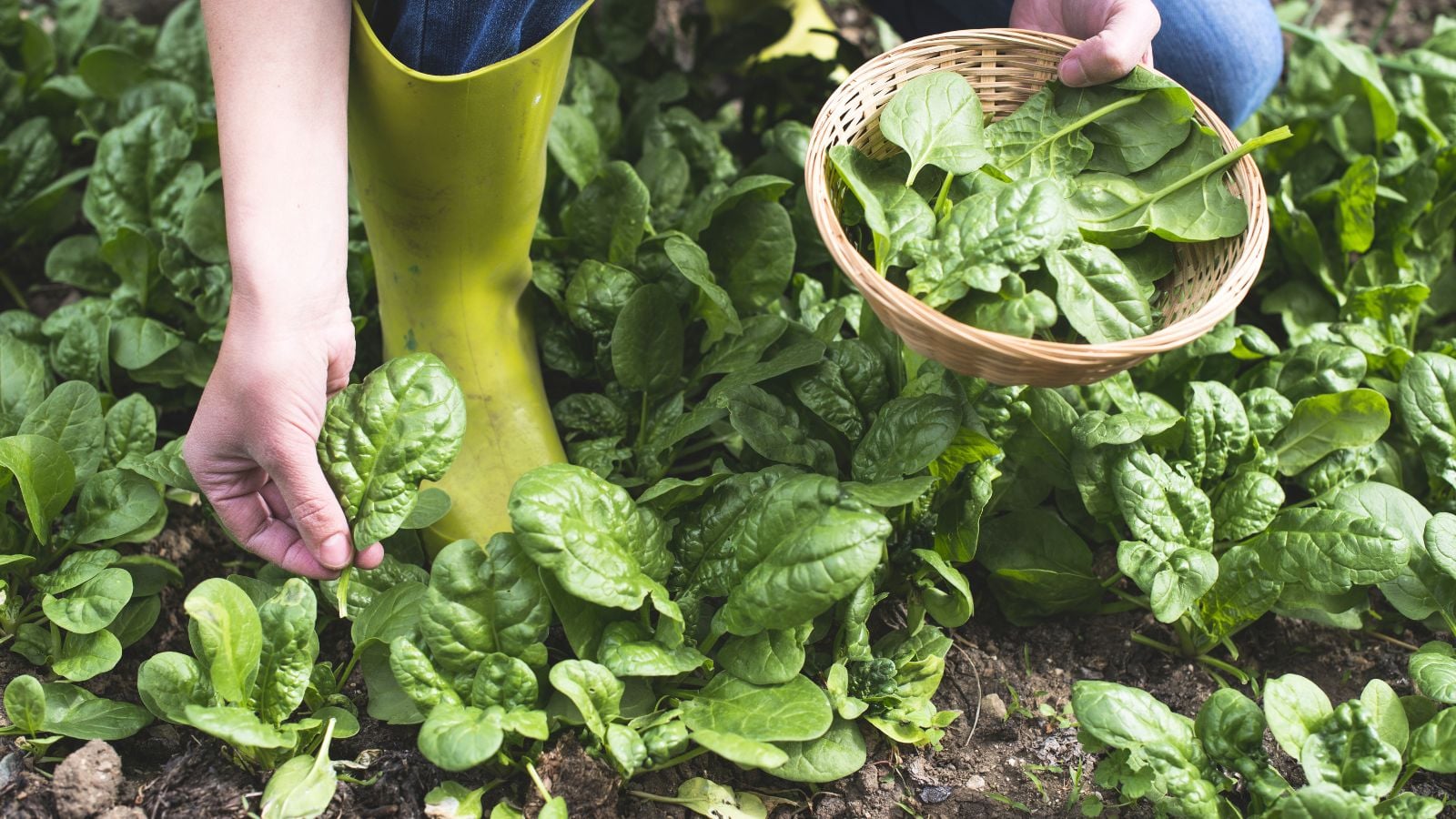
One of the biggest advantages of growing spinach is its versatility at harvest. You can harvest it as microgreens, baby leaves, or mature leaves, all of which taste excellent when eaten raw.
Each stage offers different textures and flavors, and planting at intervals lets you enjoy continuous harvests throughout the season. When harvesting baby or mature spinach, growers usually pick the outer leaves first, a method explained in more detail later.
For a complete guide to growing spinach for healthy plants and high yields, refer to our in-depth growing guide. For now, the focus is on harvesting spinach and exploring both short-term and long-term storage methods so you can enjoy your harvest year-round.


When to Harvest Spinach

Harvest spinach throughout the growing season, from early spring through fall. As a cool-season crop, it performs best in spring and again in early fall, with optimal soil temperatures between 45 to 68°F (7 to 20°C).
Harvest both baby and mature leaves. Baby leaves from young plants have a tender texture and mild, sweet flavor, while mature leaves are heartier with a more neutral taste, similar to Swiss chard. To prevent bitterness and toughness, harvest spinach before it bolts and begins setting seed.
Harvest baby spinach once plants reach at least six inches tall, when leaves measure about two to three inches long. Pick mature outer leaves when they reach three to six inches long. Some leaves may grow larger, and as long as the plant has not bolted, they remain good to eat.
Spinach is close to bolting when temperatures reach around 75°F (24°C) or when a central stem begins rising from the foliage. At this stage, harvest the entire plant. Seed formation redirects energy away from leaf production and causes older leaves to turn bitter.
How To Harvest Spinach
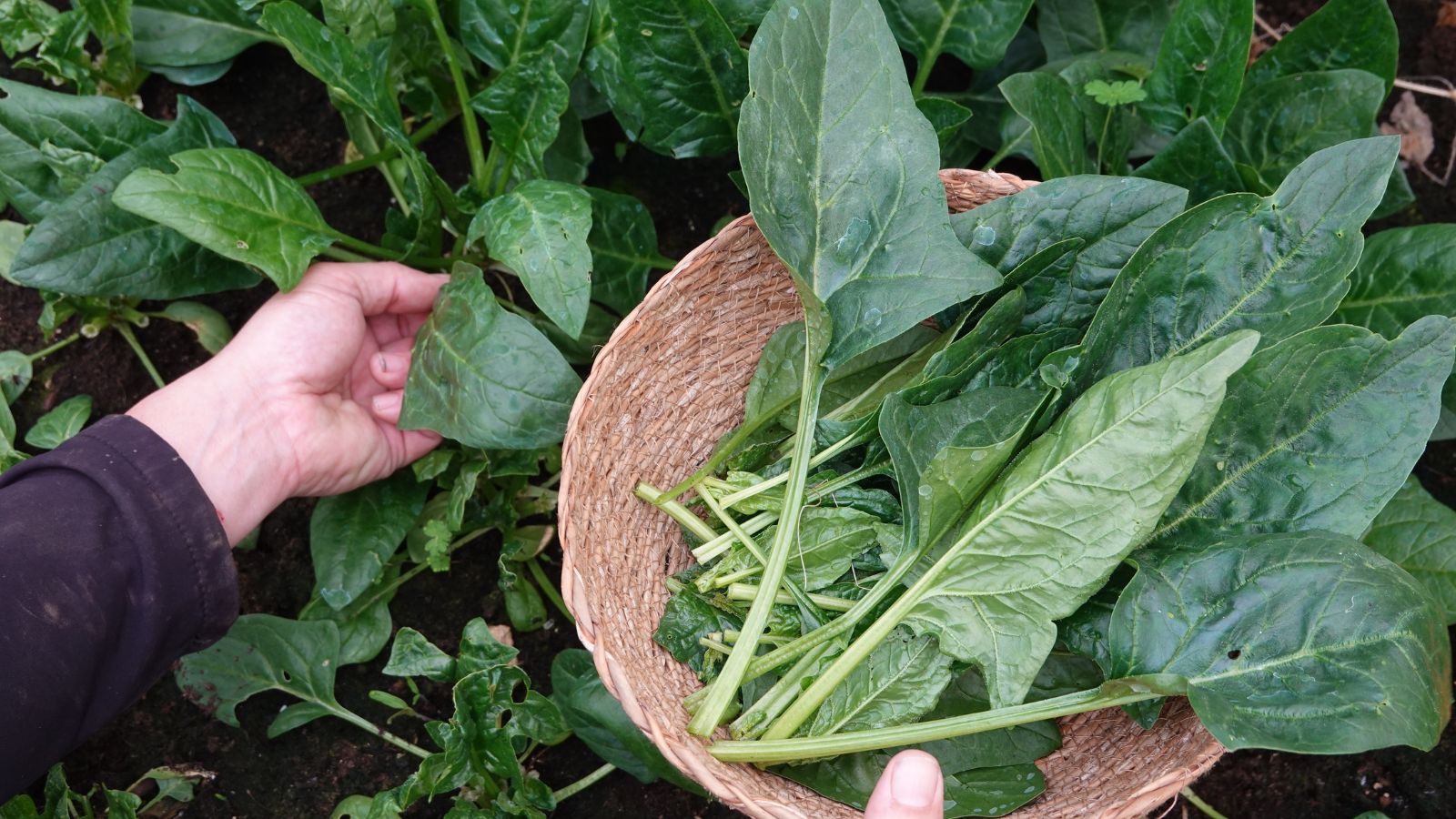
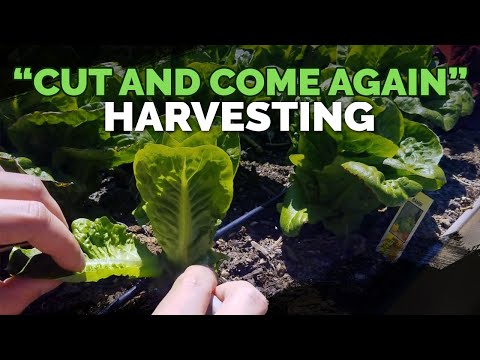
Harvesting spinach is an easy process, but there are different methods depending on the maturity of the plant. The first method is to cut individual leaves from the spinach plant. This allows you to harvest only what you need at the time and encourages new growth across the entire plant. Spinach is especially versatile because it grows quickly and can tolerate multiple harvests.
When harvesting leaves, whether baby or mature, take only the outer, larger leaves and no more than one-quarter of the whole plant at a time. Removing a small amount ensures the plant continues to grow and stay productive. Use a sharp pair of kitchen or utility scissors and leave about half an inch of stem on the plant. This keeps the leaf node intact and encourages thicker growth. If the stems are very tender, you can also pinch the leaves off by hand.
Another method is clear-cutting by the bunch. This approach works well when you need a large harvest at once, such as for freezing or drying. Use a sharp serrated knife, gather all the leaves from one plant into a bunch, and cut the stems about half an inch above the crown. The crown sits just above the soil surface where all the stems meet. With this method, you can often get a second harvest in around ten to fourteen days.
The final method is harvesting the entire plant by removing the full root system. This is ideal at the end of the season when you are ready to clear the bed and do not want regrowth. Use a serrated knife to cut just below the crown so the whole plant lifts out of the soil. The remaining roots will break down naturally and return nutrients to the soil.
How To Store Fresh Spinach

After harvesting your spinach, the next step is storing those fresh leaves properly so they last as long as possible. There are two reliable options to choose from: dry cold storage and freezer storage. No matter which method you use, start by sorting through your harvest and removing any wilted, slimy, or discolored leaves, as these can cause the rest to spoil more quickly.
To clean the spinach, rinse the leaves thoroughly in cold water to remove any dirt or debris. Use a salad spinner to shake off excess moisture, then spread the leaves out on a paper towel and gently pat them dry. Once the leaves are clean and dry, they are ready for the next steps in either storage method.
Dry Cold Storage
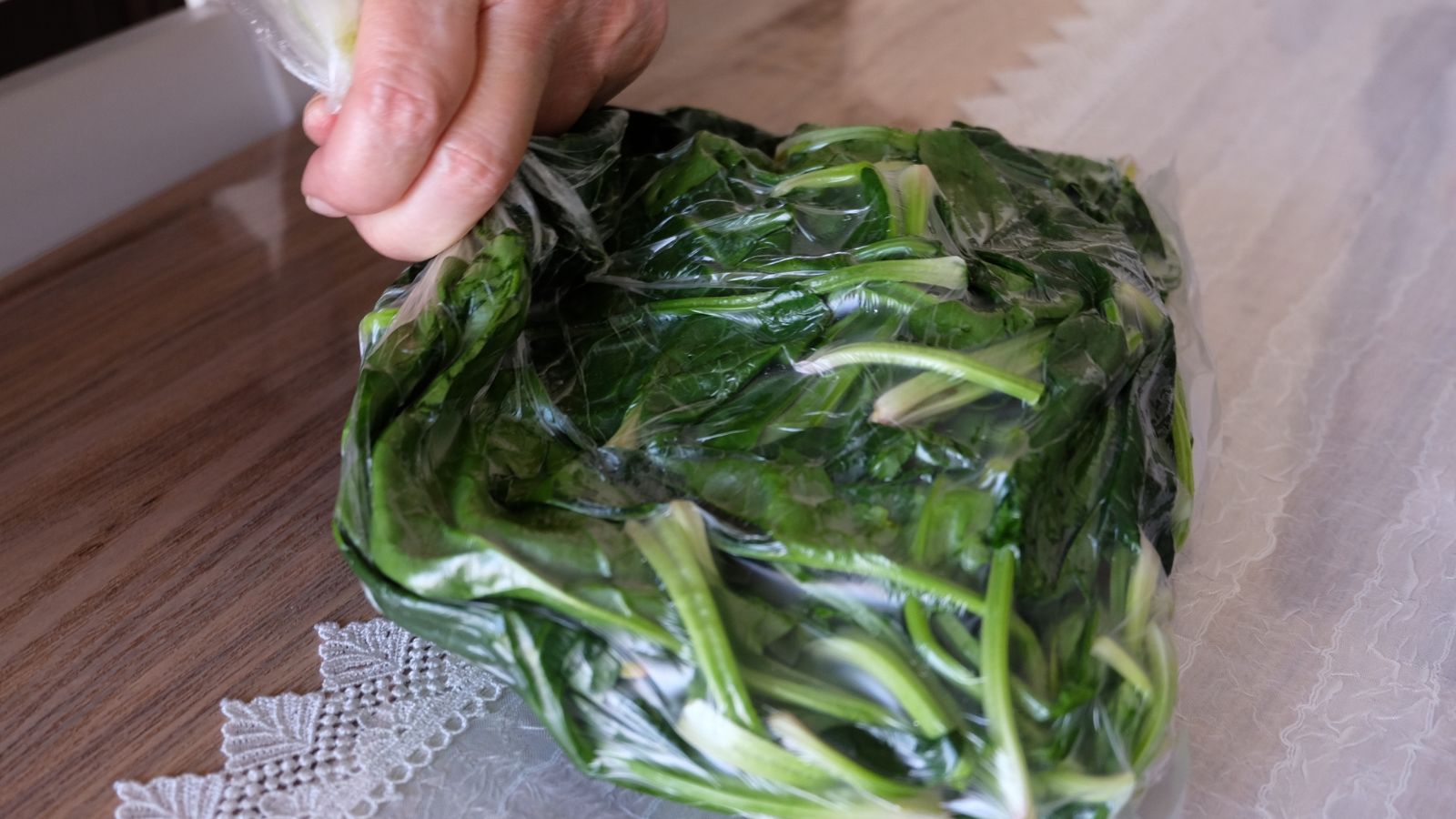
Dry cold storage is the most popular method because it’s simple and keeps fresh spinach within easy reach. The key is making sure the leaves are completely dry before storing them, as excess moisture will quickly lead to slimy, spoiled greens.
Wrap the spinach loosely in a dry paper towel, then place it inside a plastic bag. Gently press out as much excess air as possible before sealing and storing the bag in the refrigerator. Using this method, spinach will stay fresh for up to ten days.
To further reduce the risk of moisture damage, you can wait to wash the spinach until just before using it. Another option is to place the paper towel-wrapped leaves into a plastic container instead of a bag. This added protection can extend storage life to around twelve to fourteen days.
Freezing
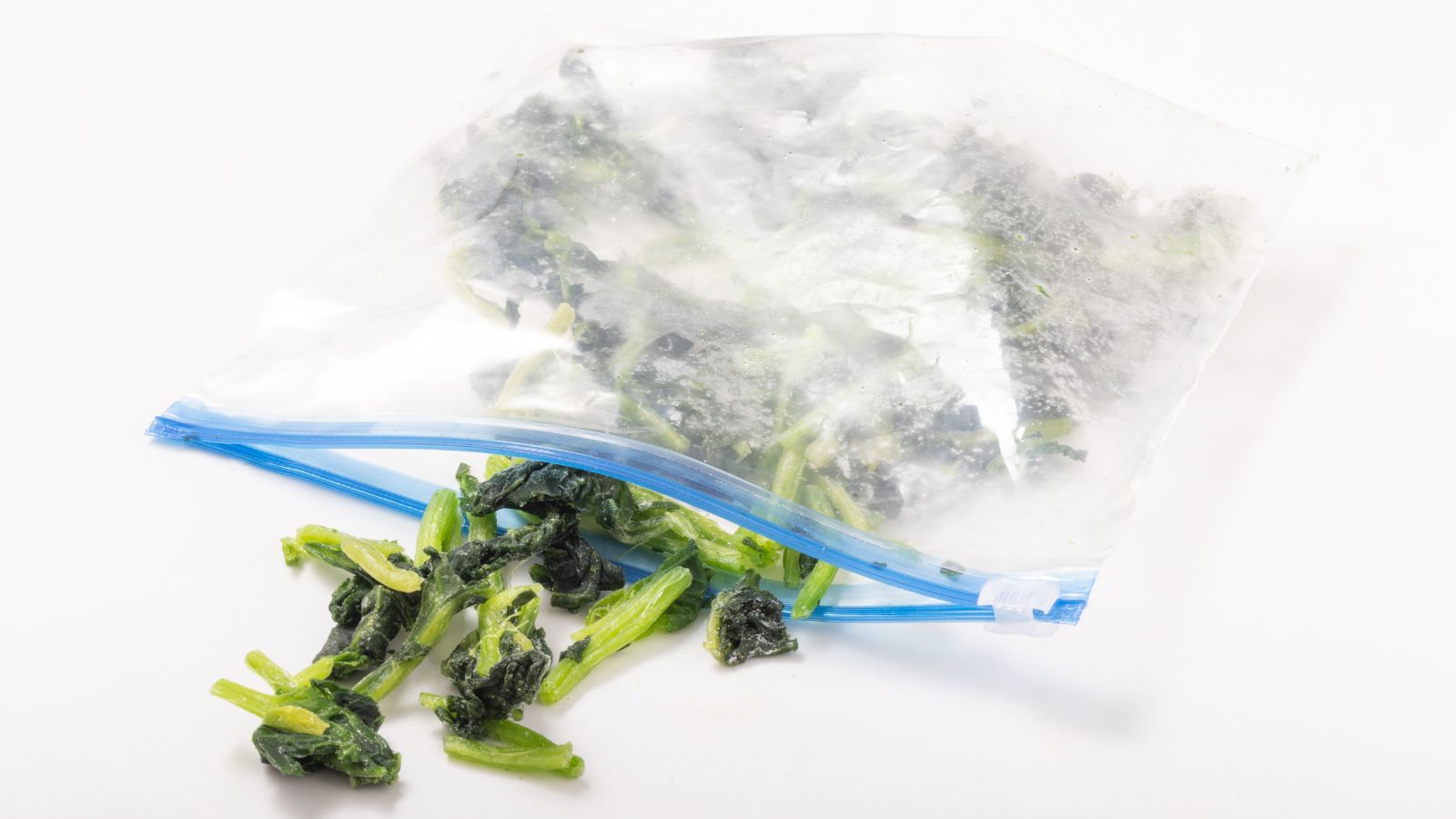
To store spinach in the freezer, start with a quick rinse to remove any dirt or insects. There’s no need to fully dry the leaves at this stage, as spinach must be blanched before freezing. Blanch the leaves in boiling water or steam them for about two minutes, then immediately transfer them to a bowl of ice water for another two minutes to stop the cooking process.
Once cooled, use a salad spinner to remove excess water and pat the leaves dry with a towel. Portion the spinach into freezer bags, pressing out as much air as possible before sealing. Properly stored, frozen spinach will keep well in the freezer for up to one year.
How To Dry Spinach
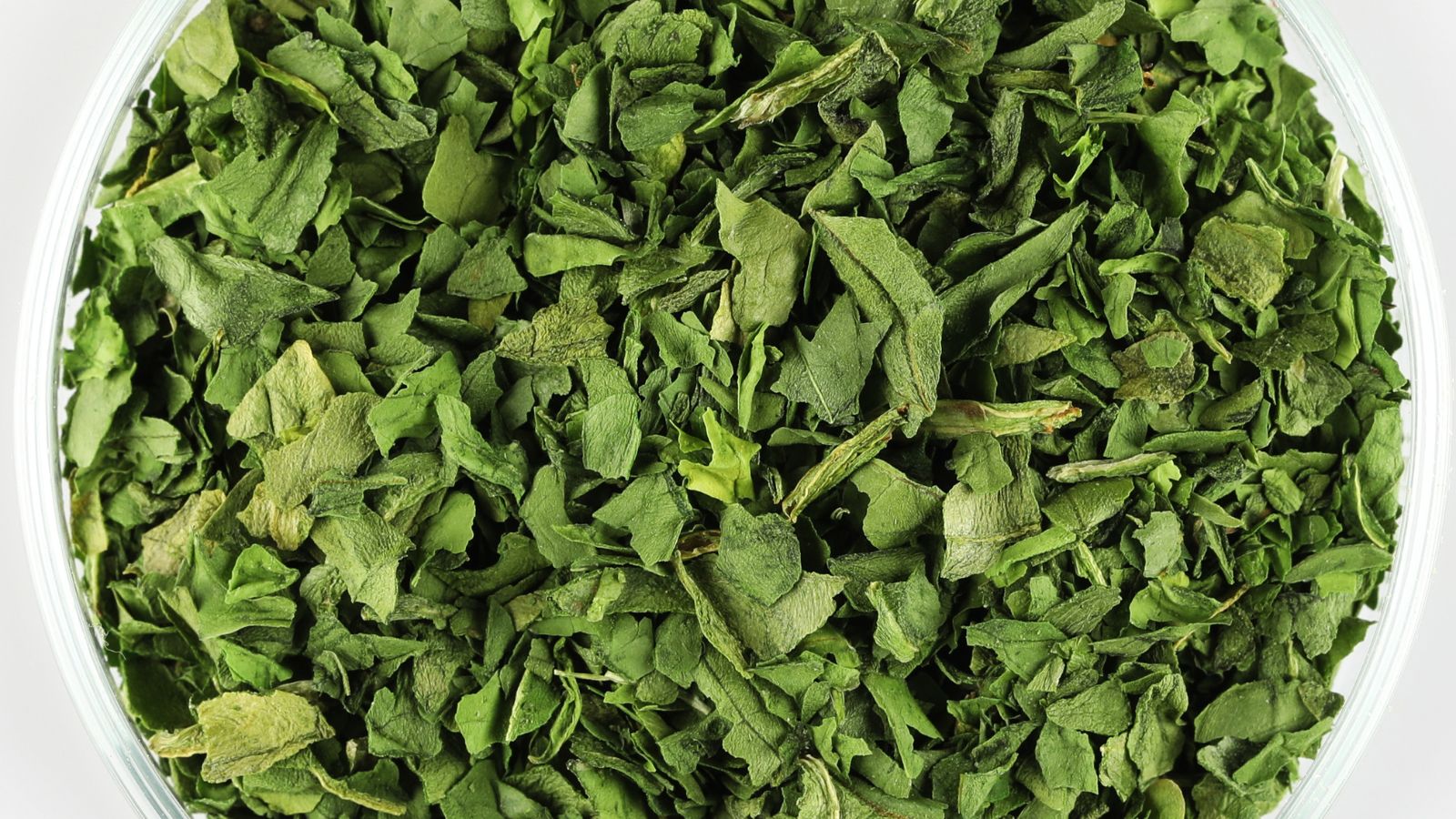
The next option is to dehydrate your spinach. For all three drying methods, place the spinach leaves in a single layer with space between them to allow for adequate airflow. Once they are clean and dry (follow the same steps discussed earlier), place the spinach in your dehydrator at 125°F (52°C) for four to eight hours, or until the leaves are crispy and brittle.
You can also use an oven to dehydrate spinach. Preheat the oven to 125°F (52°C), place the leaves on a baking sheet, and dry them for two to three hours.
Air-drying is another option if you have plenty of space and extra time. Place clean, dry spinach leaves on a drying rack in a warm spot with good airflow. This method can take up to two to three weeks for the spinach to dry completely.
Store dehydrated spinach in an airtight container, such as glass mason jars or plastic containers, in a dark location for up to one year. If you really want to save space and reduce long-term storage concerns, consider freeze-drying your spinach. Freeze-dried spinach can keep for up to twenty-five years.
Frequently Asked Questions
Will spinach grow back after cutting?
Yes, as long as you don’t cut the crown (aka growing point) too low or remove it. The crown is where the growing spinach develops, and you need to keep at least ½ inch to 2 inches of the crown after you’ve harvested a bunch of leaves.
How do you know spinach is ready to pick?
When the spinach plants are shaped like a rosette and have at least 6 leaves, you can begin harvesting. However, it’s best to wait until the plants mature a little longer, allowing the leaves to get 3 to 6 inches long.
How many times can spinach be harvested?
Since it is a cool-weather vegetable, you will only be able to get 3 to 4 cuttings from your spinach plants before the temperature reaches 75°F (24°C) and it goes to seed. But don’t be afraid to plant spinach again in the early fall so you can continue harvesting until winter sets in.





