How to Harvest, Store, and Preserve Cilantro
Learning how to harvest cilantro properly is the key to success. Once harvested, you also need to know how to store it to make it last as long as possible. In this piece, horticultural expert Lorin Nielsen will tell you everything about harvesting and storing it!

Contents
Also known as Chinese parsley or Coriandrum sativum, cilantro is one of the most widely used herbs in the world. Fresh and zesty, cilantro can add a punch of flavor to your recipes, and it is used abundantly in Mexican, Middle Eastern, Indian, Mediterranean, Chinese, African, and even Scandinavian cuisines. It is even grown as cilantro microgreens.
Most people prefer using fresh cilantro, as the herb does not have a very long shelf life and it loses flavor and aroma when dried. For this reason, it is always a good idea to grow a few cilantro plants in the garden so you can have fresh cilantro on hand when you need it.
Even if you do not use cilantro leaves in your recipes, you can still harvest the plant for its flavorful seeds, which are better known as coriander. Because cilantro grows easily in the garden, you will be able to enjoy the plants’ leaves through spring and summer, and then allow them to go to seed later in the season.
To ensure a continuous supply of cilantro, you need to learn how to harvest your plants properly, which is exactly what this guide covers. Read on to learn everything you need to know about harvesting cilantro.
Long Standing Santo Cilantro/ Coriander

Long Standing Santo Cilantro/Coriander Seeds


When to Harvest Cilantro

Harvesting regularly and properly can extend the lifespan of your cilantro plants, but it is important to let them become established before you begin harvesting.
As the plant grows, it produces many long, slender stems. When the leaves become lacy in appearance and the stems are long, the plant is ready to be harvested. At this stage, cilantro plants are typically ten to twelve inches tall. You can harvest cilantro throughout spring and into the early summer growing season, although plants grown in full sun may bolt to seed once summer temperatures become too hot.
The ideal time to harvest cilantro is in the morning, when the leaves are freshest. You can harvest once a week or pick individual leaves as needed. It generally takes around two to three weeks for the plant to grow back, so plan your harvests accordingly. Regular cut-and-come-again harvesting works best, as it encourages the plant to keep producing new foliage.
How to Harvest Cilantro

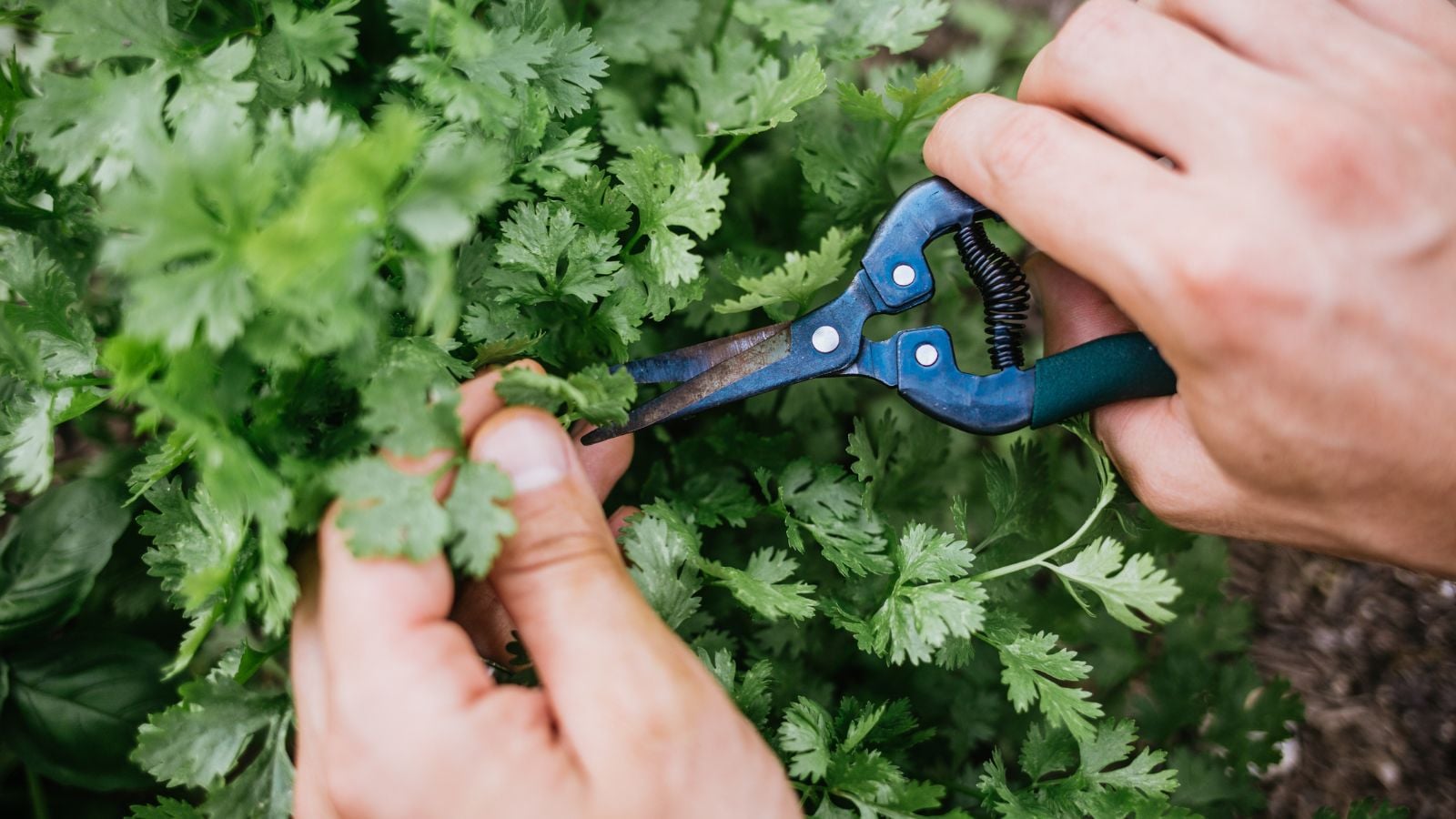
Harvesting is easily the most exciting part of growing plants. Harvest cilantro leaves individually if you only need a few. When harvesting cilantro in larger quantities, it is best to leave a minimum of one to two inches of stem above the soil surface, ideally with a few lower leaves still in place to support the plant as it grows back. Use sharp, sterilized garden shears or snips to cut the stems cleanly.
When growing cilantro in limited quantities, it is best to harvest only a small section of the plant at a time so the herbs can recover properly. Cilantro can also take on a bitter taste once the plant flowers and goes to seed. At that stage, the leaves become less desirable, so it is best to harvest before the plant bolts.
How to Store Fresh Cilantro
Before harvesting, it is best to decide how much cilantro you plan to take from the garden. If you do not intend to use the leaves immediately, you will need to know how to store cilantro properly so it lasts longer. There are a couple of different methods you can try.
Storing in Water

Once harvested, wait to wash your cilantro so the leaves remain dry. Place the stem ends into a glass or jar with one to one and a half inches of water, then store it in the refrigerator for up to a few days. Change the water at least once a day. To help maintain humidity around the herbs, loosely cover the top with a plastic bag.
Storing in the Freezer
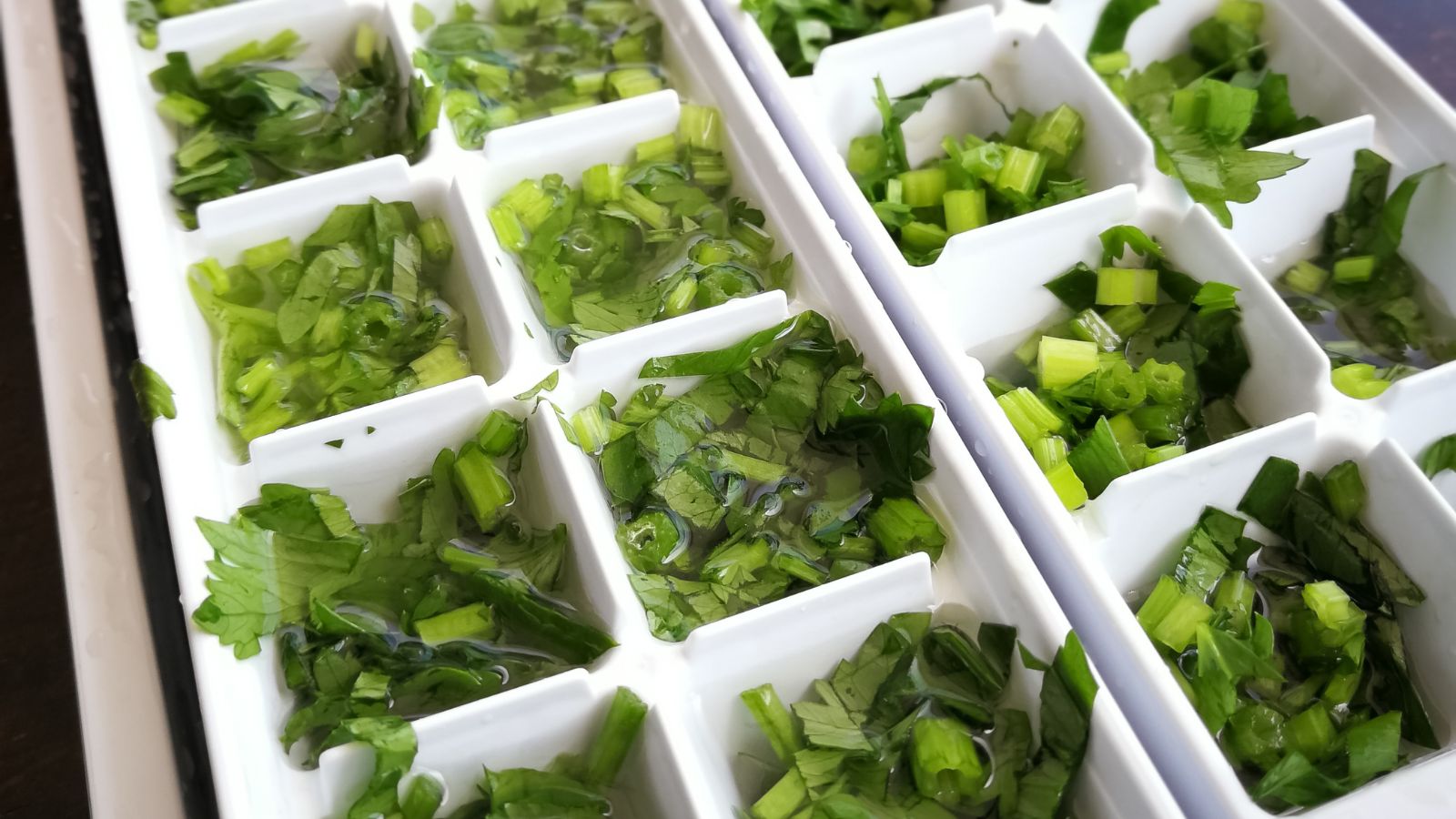
Another low-maintenance method of storing cilantro is freezing it. Rinse the leaves to remove any garden soil, then shake off excess moisture. Chop the leaves into small pieces and pack them into ice cube trays, adding just enough water to cover the herbs.
If desired, you can pre-measure the portions so you know exactly how much cilantro is in each cube for future recipes. Once fully frozen, transfer the cubes to a freezer bag. Use as needed in soups, sauces, smoothies, marinades, and more. Frozen cilantro can last up to six to eight months.
How to Dry Cilantro

There are a couple of ways to dry cilantro. It is possible to dry cilantro in the oven, but if you want to enjoy flavor-packed dried herbs, it is best to avoid using heat, as hot air can significantly impact the flavor of the finished product.
A better approach is air drying, also known as hang-drying. Gather the herb stems into a small bunch and tie them together with string. Hang the bunch upside down in a well-ventilated, dark location. To keep dust from settling on the leaves, you can loosely tie a brown paper bag around the bunch.
After the bunch has been hanging for about a week, begin checking it every day or two. When the leaves crumble easily on contact, the cilantro is ready to be crushed or powdered and stored for later use.
Before long-term storage, cure the dried cilantro to reduce the risk of mold. To do this, place the dried leaves in a glass mason jar. Open the jar daily and shake it thoroughly to mix the contents and allow fresh air inside. This process helps equalize moisture levels. If desired, you can also add a moisture-absorbing packet.
How to Harvest Coriander Seeds

Even if you are not a big fan of cilantro leaves, or you find they taste soapy, you can still harvest the plant for coriander seeds. Temperatures must be consistently over 75°F (24°C) for the plant to flower, and at that stage it can reach heights of up to 20 inches tall.
Once flowering begins, seed pods form as the blooms fade. These pods should be green to brown in color before harvest. When the coriander seeds are fully mature, the pods naturally release the seeds.
To harvest coriander seeds, tie the stems with their attached seed pods into a small bundle and hang it upside down inside a paper bag in a cool, dry location. Over time, the seeds will drop from the pods and collect in the bag below.
Store harvested seeds in an airtight jar kept in a cool, dry place. Whole, dried coriander seeds that have not been ground can be stored for three to four years. For the best flavor, grind the seeds just before using them in your recipes.





