How to Plant, Grow, and Care for Sugar Cane
Ever wondered how to grow sugar cane? Our guide reveals everything you'd ever want to know about getting this sweet sugar resource at home!

Contents
We love candy, chocolate, and cake, but often take the source of sweetness for granted. Today, we are learning about sugar cane, the number one commercially harvested plant in the world. This grass-type plant plays a central role in food production, cultural history, and the dessert table. You can also learn how to grow sugar cane at home, which is about as close as most gardeners will get to cultivating their own sugar.
Around the world, sugar cane is grown for one main reason: sugar. This sweet plant accounts for more than 70 percent of the global sugar supply, with the remainder coming largely from sugar beets. In 2017 alone, 1.8 billion tons of sugar cane were produced commercially, with about 40 percent grown in Brazil. The most widely cultivated species is Saccharum officinarum.
Beyond food production, sugar cane is also used to produce ethanol. While ethanol is often made from corn, sugar cane has proven to be roughly twice as efficient. After the sugar is extracted, the remaining plant material is used for paper products or animal feed. Sugar cane has many potential applications and is increasingly being explored for use in biodiesel production as well.
Outside of mass production and alcohol, sugar cane can also be a striking and rewarding addition to the home garden. Growing your own is relatively easy and surprisingly fun, and its tall, grassy form blends beautifully into ornamental landscaping while offering a truly unique edible crop.


Quick Care Guide

|
Scientific Name
Saccharum officinarum, Saccharum sinense, Saccharum barberi
Days to Harvest
1 year
Light
Full sun
Water
Consistently moist, 1-2″ per week
|
Soil
Well-draining, fertile
Fertilizer
High nitrogen and phosphorus
Pests
Sugarcane grubs, borers, aphids, mealybugs, spider mites, termites
Diseases
Sugarcane smut, mosaic virus, eyespot
|
All About Sugar Cane
It is hard to trace the origin of sugar cane because it is such an ancient crop. Popular belief suggests that the common variety, Saccharum officinarum, was domesticated around 4000 BC in New Guinea. Other common species, such as Saccharum sinense and Saccharum barberi, are thought to have originated in southern Asia and India, respectively.
Since then, sugar cane cultivation has slowly spread around the globe. It reached the Mediterranean around 700 AD and arrived in the Caribbean in the 1400s. Today, sugar cane is a major export for many Caribbean islands and much of South America. In the United States, it is produced primarily in Florida, Louisiana, Texas, and Hawaii.
Characteristics
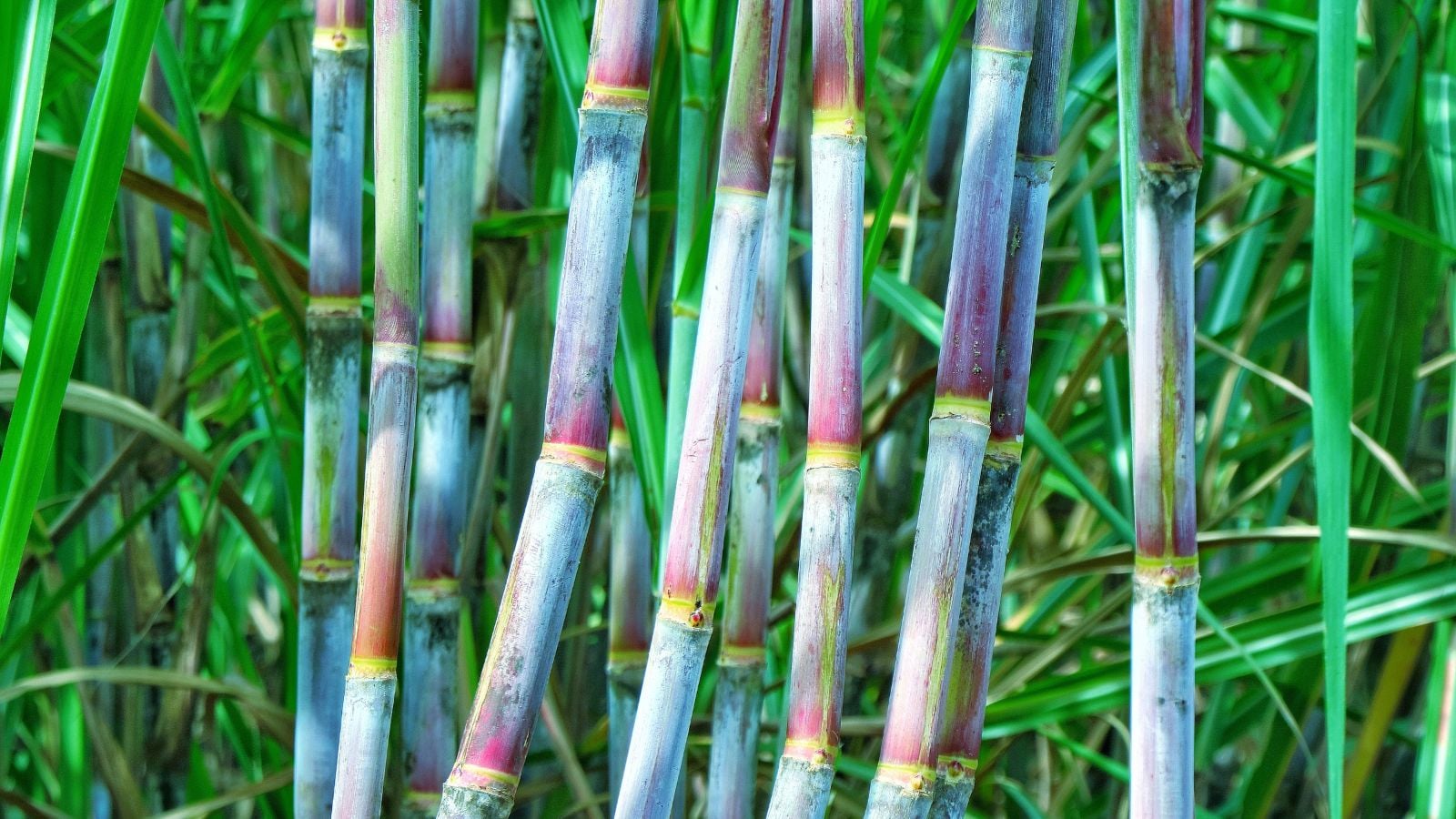
So what is sugarcane, and what does it look like? While sugarcane is prized for its sweetness, its appearance is fairly simple. That said, some hybrids have been developed for ornamental use and feature striking red, purple, or white striped stalks.
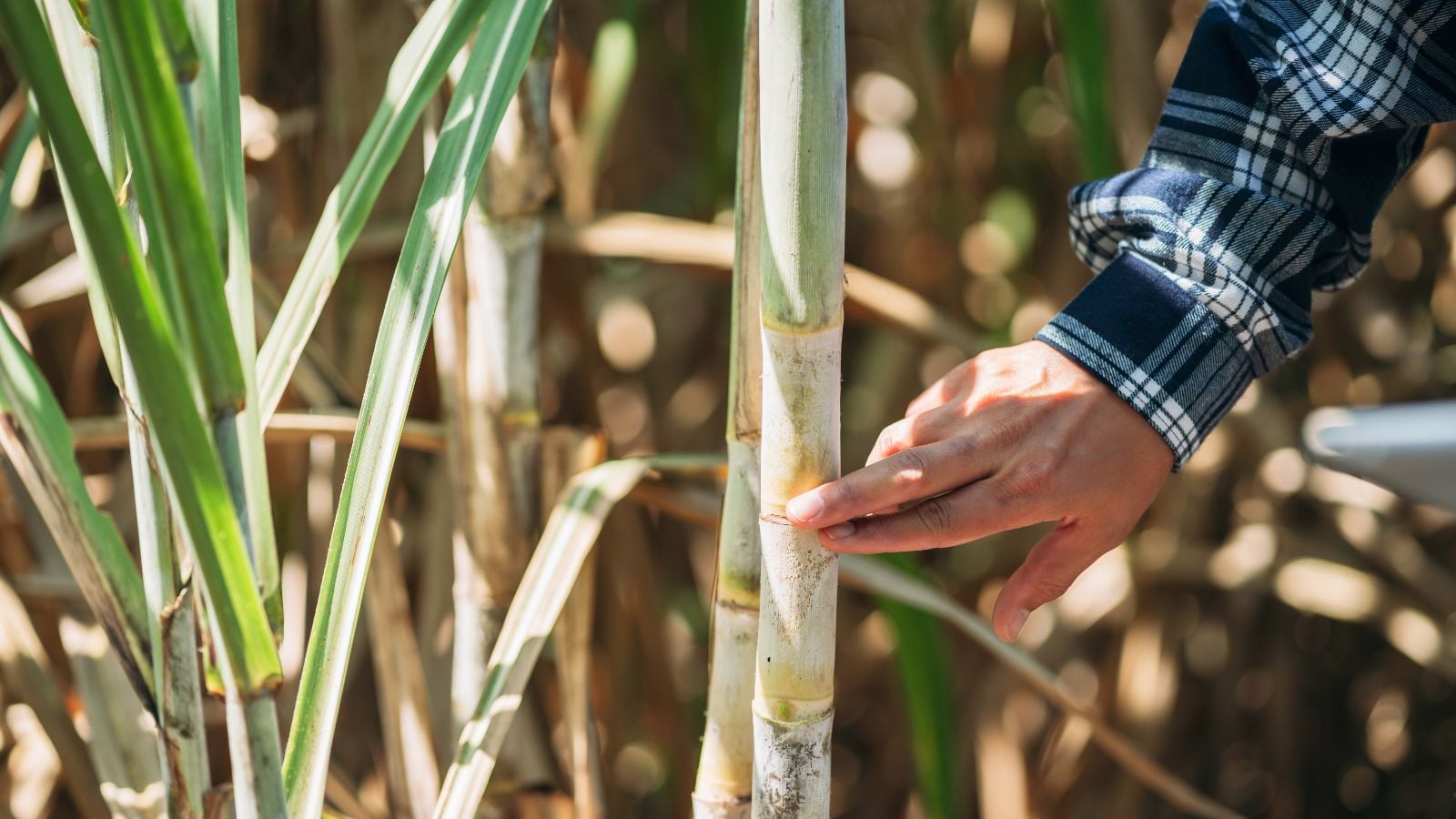
The thick stems resemble bamboo, with horizontal joints spaced up to 10 inches apart. Each joint, or node, produces a leaf blade and a bud, both protected by a sheath that wraps around the stem. This structure is common among cane plants, including dumbcane.
The stems can grow up to two inches in diameter and rise straight upward. In its native tropical climate, sugar cane can reach heights of up to 20 feet. In the United States, plants are typically smaller, usually growing five to eight feet tall and wide. Because it grows from rhizomes, each plant produces multiple shoots that form plumes of long, narrow, and often sharply edged leaves.
As a tropical plant, sugar cane grows year-round in USDA zones 9 and 10. In colder regions, it can be grown as an annual, although it may need to be started indoors. In the United States, sugar cane is usually planted in late summer, overwinters, and then grows for seven to eight months from spring through early fall. Although it takes a long time to mature, sugar cane grows quickly, especially in hot weather.
The reason homegrown sugar cane is smaller than tropical crops is that sugar cane does not stop growing until it is harvested. In climates without winter dormancy, it can continue growing for several years before harvest. This extended growth period allows for larger plants and a significantly higher sugar yield.
Planting
If you are lucky enough to live in zones 9 and 10, you can plant outdoors in late summer to early fall. The plants will root over winter and begin active growth in spring. With this timing, you can expect to harvest about one year after planting. If you live in a colder region, sugar cane can still be cultivated, but it will need to be kept indoors during winter, as it is not frost-hardy.
When growing outdoors, choose a site that receives plenty of sun and has fertile soil. Because sugar cane grows tall and bushy, it makes an effective windbreak for vegetable gardens. Keep in mind that the leaves are sharp and can obstruct walkways, so this plant is best placed in a low-traffic area of the garden.
Sugar cane is almost always grown from stem cuttings rather than seed. You can order cuttings online, purchase starts, or take a cutting from an established plant. The process for taking cuttings is covered in the propagation section below.
Plant cuttings six feet apart in six-inch deep furrows. Lay the cuttings on the soil surface or lightly bury them just beneath it. If planting indoors, place each cutting in a large container with good drainage to support healthy root development.
How to Grow
Sugarcane is a moderately picky plant. You will need to follow some care rules closely, while others can be treated more as guidelines. Once you get the hang of growing it, you will enjoy watching it thrive and put on rapid growth.
Light
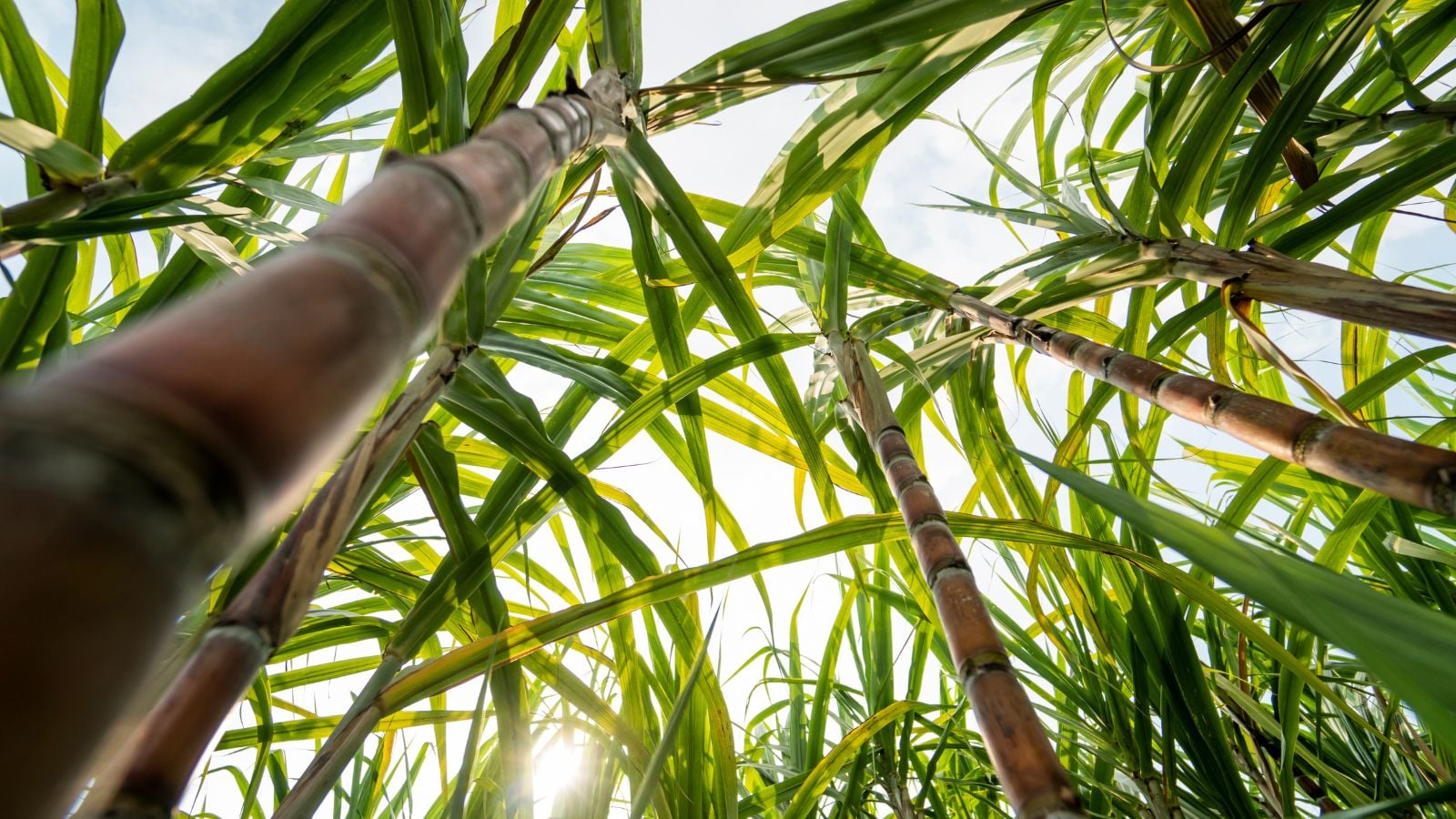
Like many crops, sugar cane performs best in full sun. Aim for a spot with at least six hours of sunlight per day, preferably more.
Water

Adequate watering is vital to healthy sugarcane. You need to keep the soil consistently moist without drowning the roots.
On average, these plants require one to two inches of water per week, depending on temperature. Setting up a soaker hose system on a water timer that provides water twice a day can help keep the soil consistently hydrated to meet the growing cane’s needs.
Soil

Sugar cane will be happy in a variety of soil textures, as long as they hold moisture correctly. The soil needs to drain well enough that water does not pool around the roots, but it also needs to be porous enough that you do not have to water it twenty times a day.
Mulch is an excellent option for plume grass, as it helps retain moisture while keeping weeds under control. Sugar cane will tolerate a wide range of soil pH levels, but a range of 6.0 to 6.5 is ideal.
Temperature and Humidity

Sugar cane is well-suited to its native tropical climate and grows best in zones 9 and 10. It thrives in temperatures between 90°F and 100°F (32°C to 38°C) and full sun conditions. As harvest time approaches, the ideal temperature drops to around 55°F (13°C). These temperature ranges can vary, but sugar yield will fluctuate along with them.
Keep in mind that sugarcane is not frost-tolerant, so gardeners in colder climates will need space to move plants indoors over winter unless sugarcane is being grown as an annual. Sugar cane also prefers some humidity, although it will tolerate drier conditions if watering is kept consistent.
Fertilizing
Sugar cane relies heavily on nitrogen and phosphorus. How much of these nutrients you give your plants depends on what is already present in the soil. In general, applying a balanced fertilizer when the stem first sprouts works well. As plume grass continues to grow, gradually increase the nitrogen content in the fertilizer and apply it every one to two months.
Always water in fertilizer after application so nutrients can reach the roots quickly. Sugar cane is sensitive to excess fertilizer and can be burned easily, so take care not to overapply.
Pruning

If you are growing sugarcane for sucrose, pruning is not necessary. However, if you are using this sweet plant as a tall ornamental grass, occasional pruning can be helpful. As a grass, sugarcane can become quite unruly and spiky over time.
Prune ornamental sugarcane back in spring or summer to control its size and shape. You can also cut it back hard in fall so it regrows at a smaller size the following spring.
Propagation
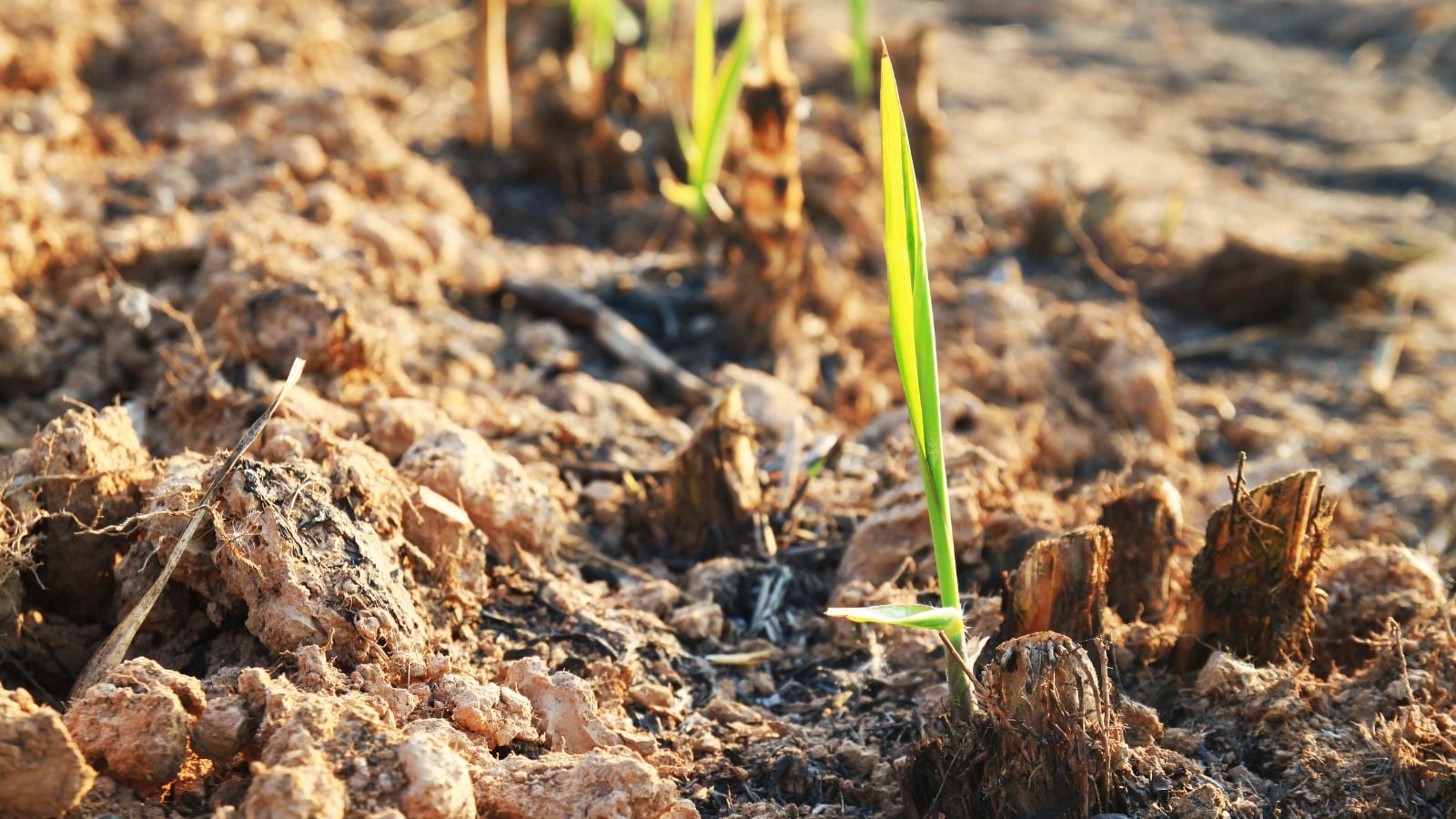
As mentioned, sugar cane is almost exclusively propagated by stem cuttings. Because it blooms so infrequently, seed propagation is usually reserved for laboratory settings when developing new hybrids. Below is a simple walkthrough of how to make and plant stem cuttings.
As a quick recap, the sugar cane stem is made up of stacked nodes. Each node contains a sheath, a leaf blade, and a bud. When propagating from stem cuttings, those buds are what produce a new plant. Even if a cutting has two or more nodes, it will typically form a new rhizome from only one.
To take a stem cutting, select a healthy, mature stem. Using a clean knife, cut a section that is two to three nodes long. Remove any attached leaves, but make sure each node still has an intact bud. While the bud is developing, it feeds on the stored sugars within the cutting rather than relying on photosynthesis. Because of this, light levels are not important until new leaves begin to form.
Lay the cutting horizontally on the soil surface and keep it consistently moist, just as you would with other plant cuttings. Roots will emerge first, followed by a new stem growing from one of the buds. In about one year, the cutting can develop into a mature sugarcane plant.
Sugar cane cuttings can also be rooted in water. Place the cutting upright in a tall glass, making sure at least one node is submerged. Once roots and a new stem appear, transfer the cutting to soil so it can access nutrients and continue growing.
Harvesting
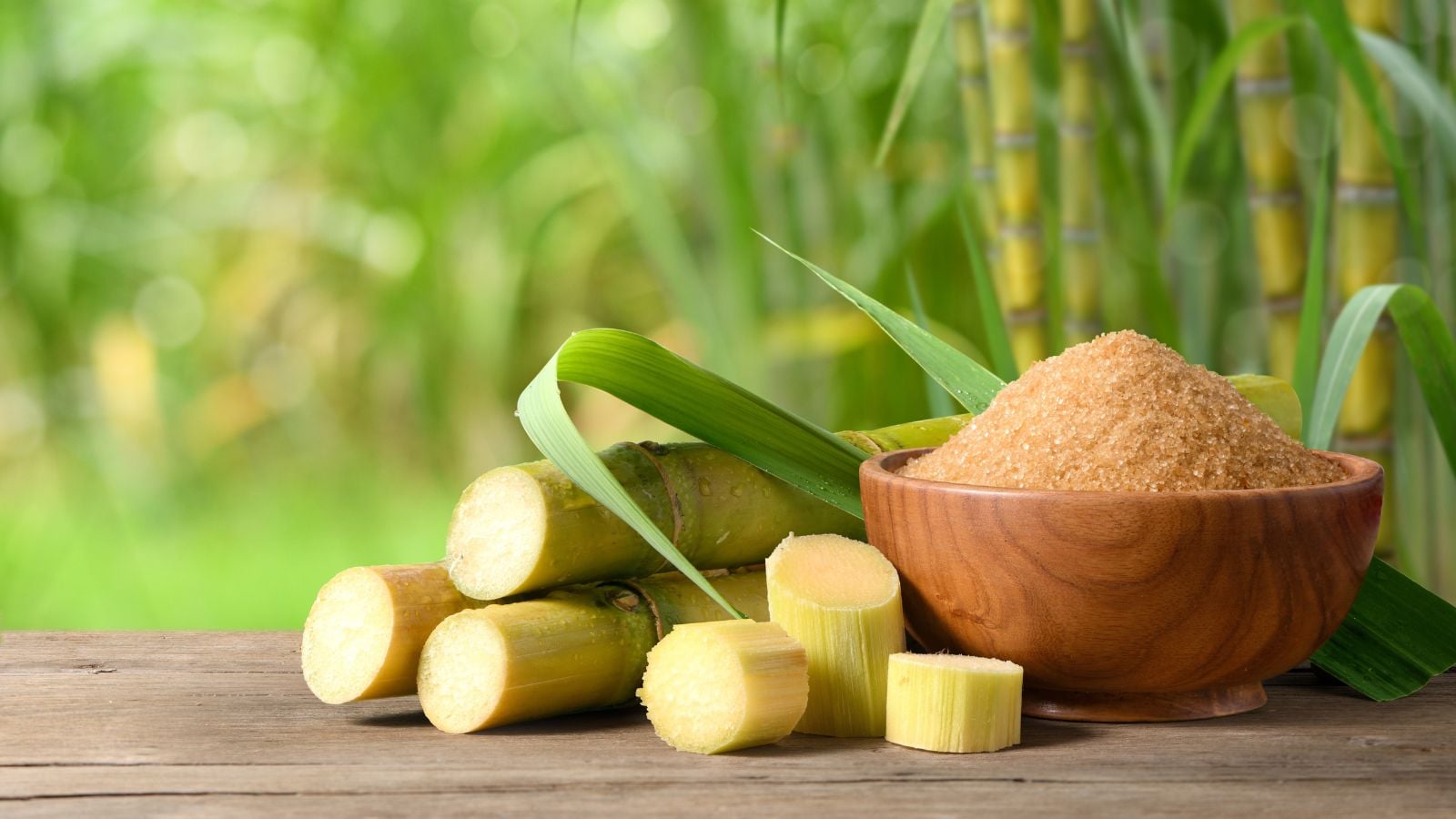
For the best yield, allow your sugar cane plant to grow for as long as possible before harvesting. Plan to harvest just before the first frost each year, especially if you intend to make cane syrup.
To cut the stems, you will need a very sturdy tool such as a machete or a saw. Cut each stem just above ground level, leaving the roots intact. In tropical climates, the plant should regrow the following year. After cutting, put on gloves and strip the leaves from the stems. The leaves make excellent mulch, but handle them carefully, as the tips are sharp.
In tropical regions, sugarcane may produce multiple harvests. After the first cut, the remaining stump often sends up ratoons, which are new sugarcane shoots. These subsequent harvests are usually smaller and less productive than the initial yield.
Extracting Sugar From Sugar Cane
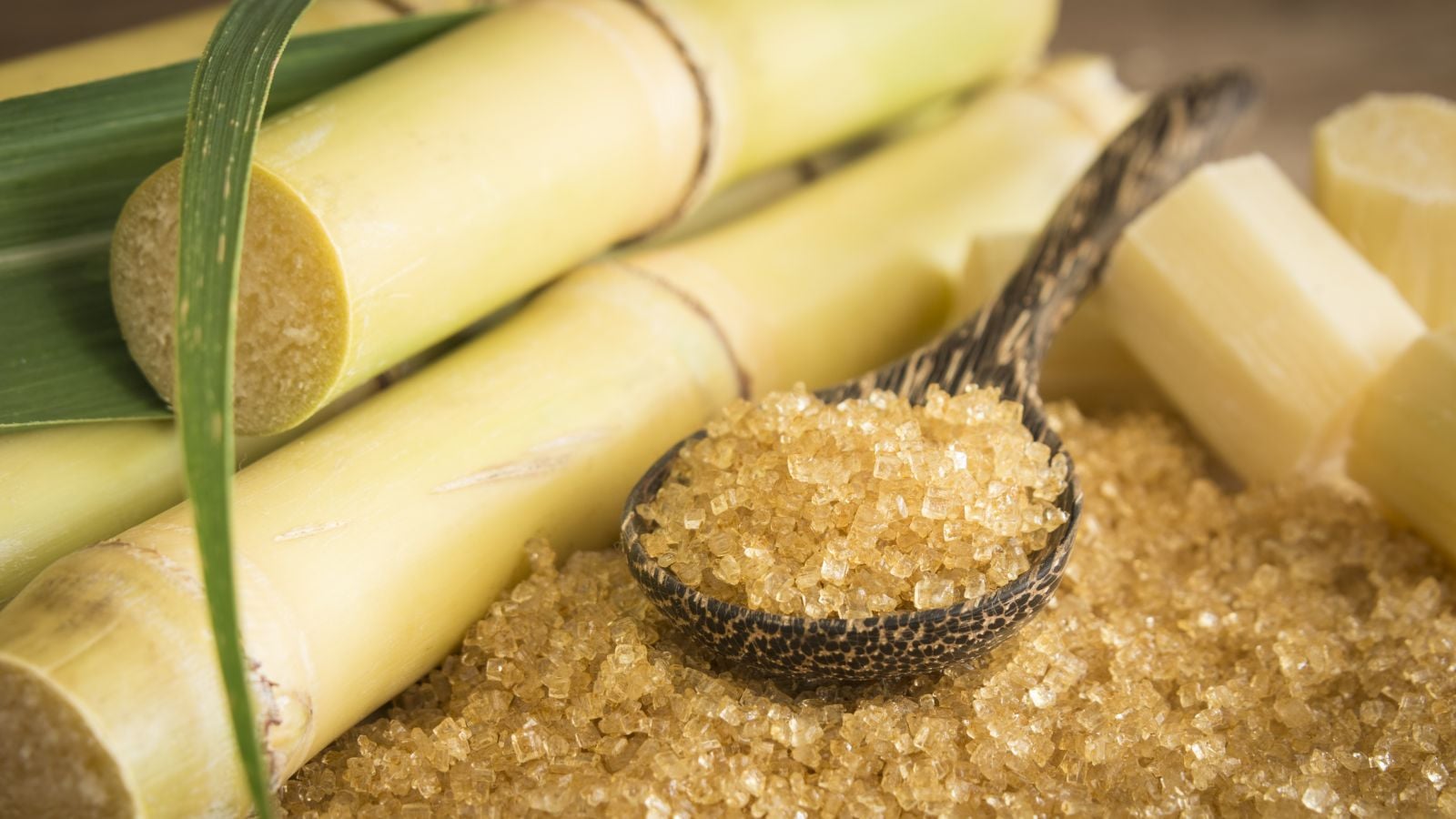
Sugar consistency depends on the variety. Syrup canes produce a more liquid sugar, while crystal canes crystallize more easily. There are also chewing canes, which are best enjoyed by chewing on the fibrous stalks to release the sugar.
Commercially, sucrose is extracted from the stems using large, specialized machinery. Unless you have access to this equipment, a simpler home-based method works well.
Start by stripping the outer layer from the stems and scrubbing them thoroughly to remove dirt. Cut the sugarcane into small segments that will fit inside your largest cooking pot. To extract the sugar, fill the pot with water, fully submerge the cane pieces, and boil them for a few hours. Once the sugar has been released, the stems will turn brown and the water will take on a sweet flavor.
When ready, discard the spent stems and strain the liquid carefully to remove debris. Return the sugar water to the pot and bring it back to a boil, stirring occasionally. Allow it to boil for a couple of hours until the syrup reaches your desired consistency.
Storing
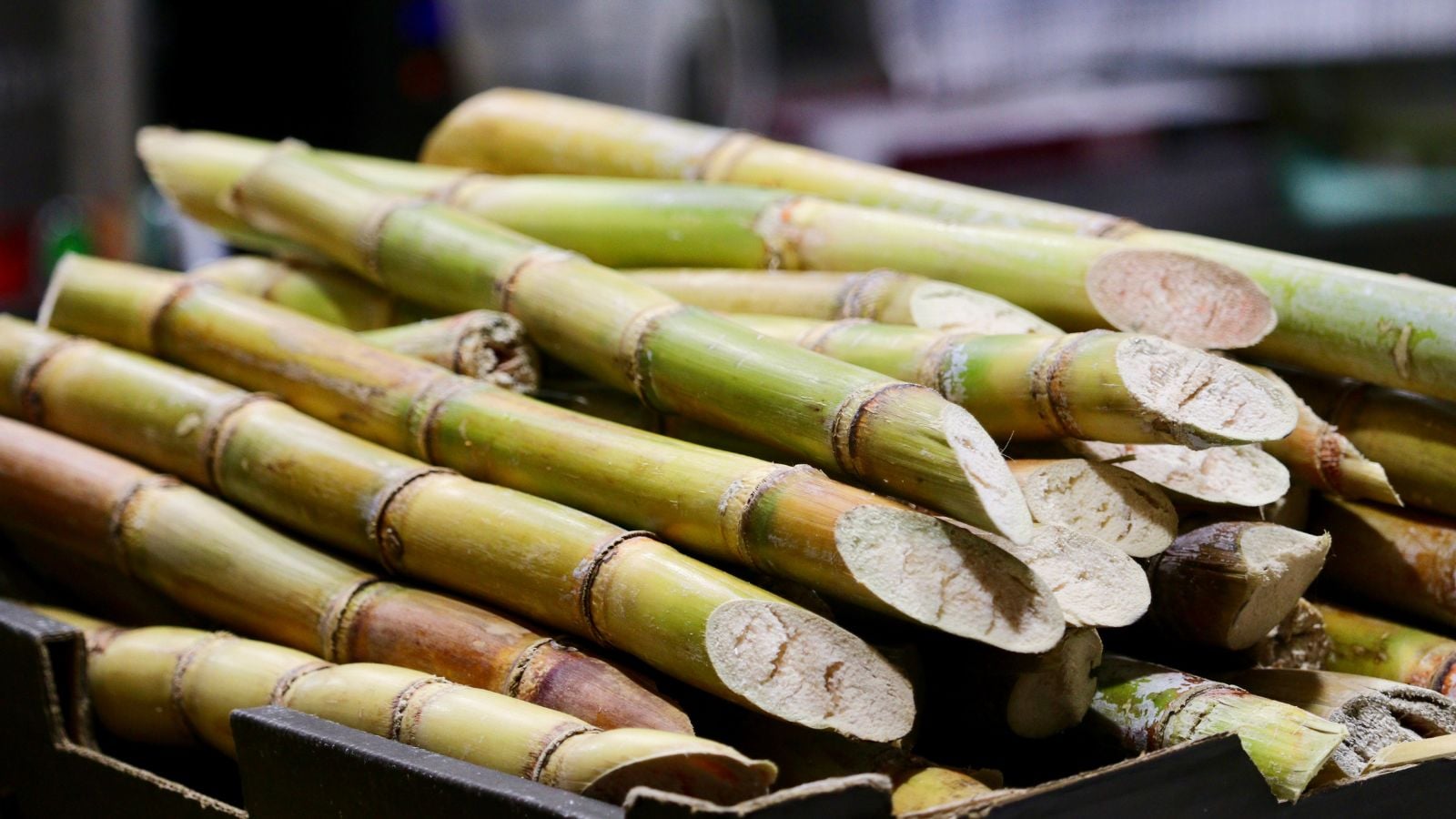
You can store freshly cut sugarcane for about two weeks in the refrigerator. Wrap the cut ends in plastic wrap and place them in the crisper drawer. As with most produce, sugarcane is best used as soon as possible for the best flavor and quality.
Store freshly boiled syrup in sterilized glass canning jars. Allow the syrup to cool completely, then transfer the jars to the refrigerator. This helps reduce the risk of fermentation, although it does not eliminate it entirely. Use the syrup within two to three weeks, or sooner if it begins to smell fermented.
For longer-term storage, the syrup can be cooked down into a thick paste. Spread the paste onto dehydrator sheets designed for fruit roll-ups and dehydrate until most of the moisture has been removed. Immediately after removing it from the dehydrator, roll the warm sugar into a tube or cone shape. Once cooled, it can be used similarly to Mexican cone sugar. Store homemade cone sugar in an airtight container in the freezer until needed.
Troubleshooting
The best thing you can do to keep your sugar canes healthy is to choose resistant varieties and take good care of them. Regardless, here are some specifics of the problems you should be aware of.
Growing Problems
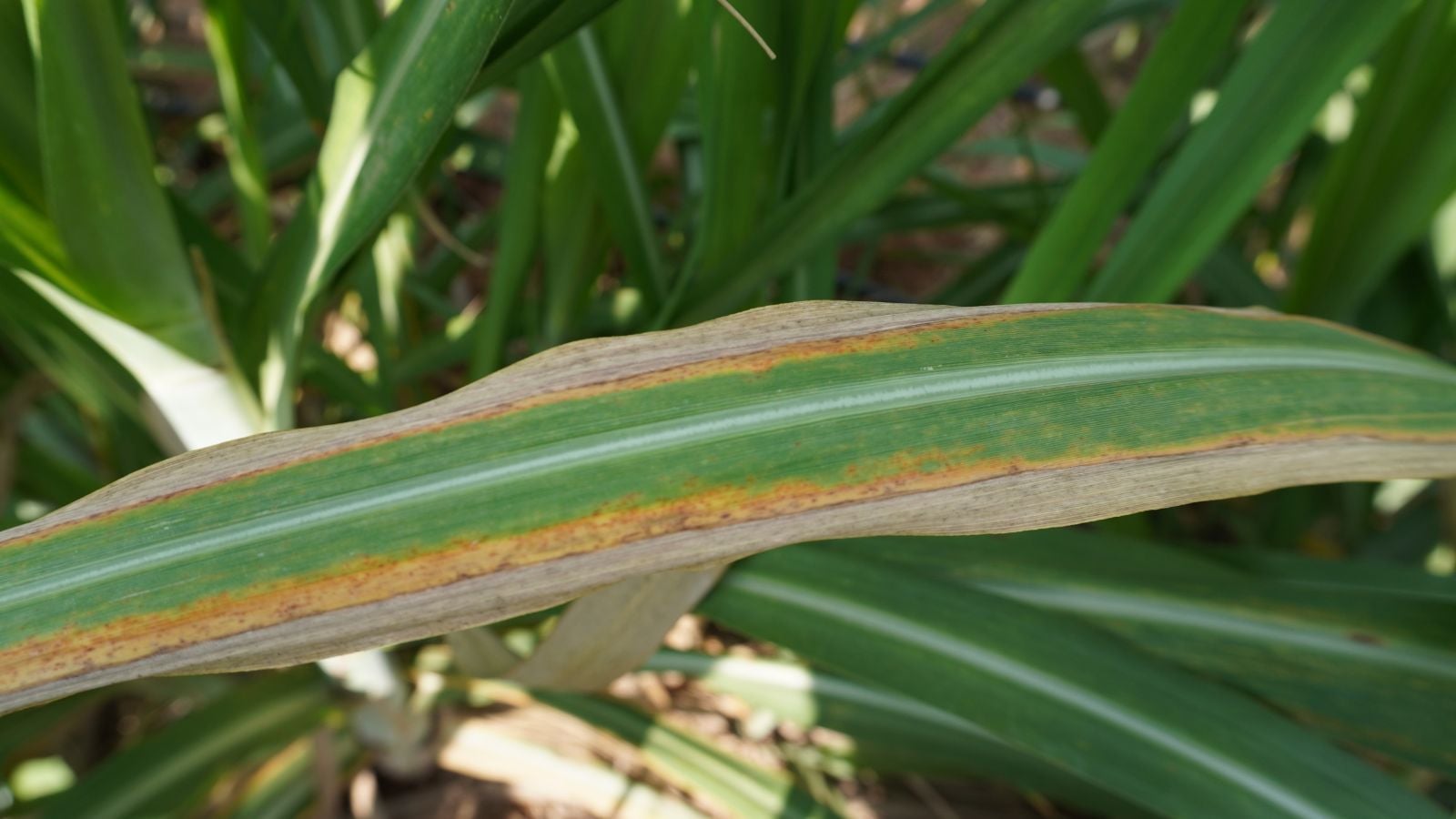
Leaves yellowing and falling off can be completely normal or a sign of a problem. If only the lower, older leaves are affected, there is usually no cause for concern. Most plants shed older foliage so they can redirect energy toward new growth. If the upper, newer leaves begin to yellow, however, this may indicate underwatering or a potential pest or disease issue.
In sugar cane, low yields or stunted growth are often signs of plant stress. This is commonly caused by extended periods of cold temperatures, poor soil fertility or improper pH, or inconsistent watering. In most cases, these issues can be prevented or corrected by providing steady care and meeting the plant’s basic growing needs. If growth does not improve, a pest or disease problem may be the underlying cause.
Pests
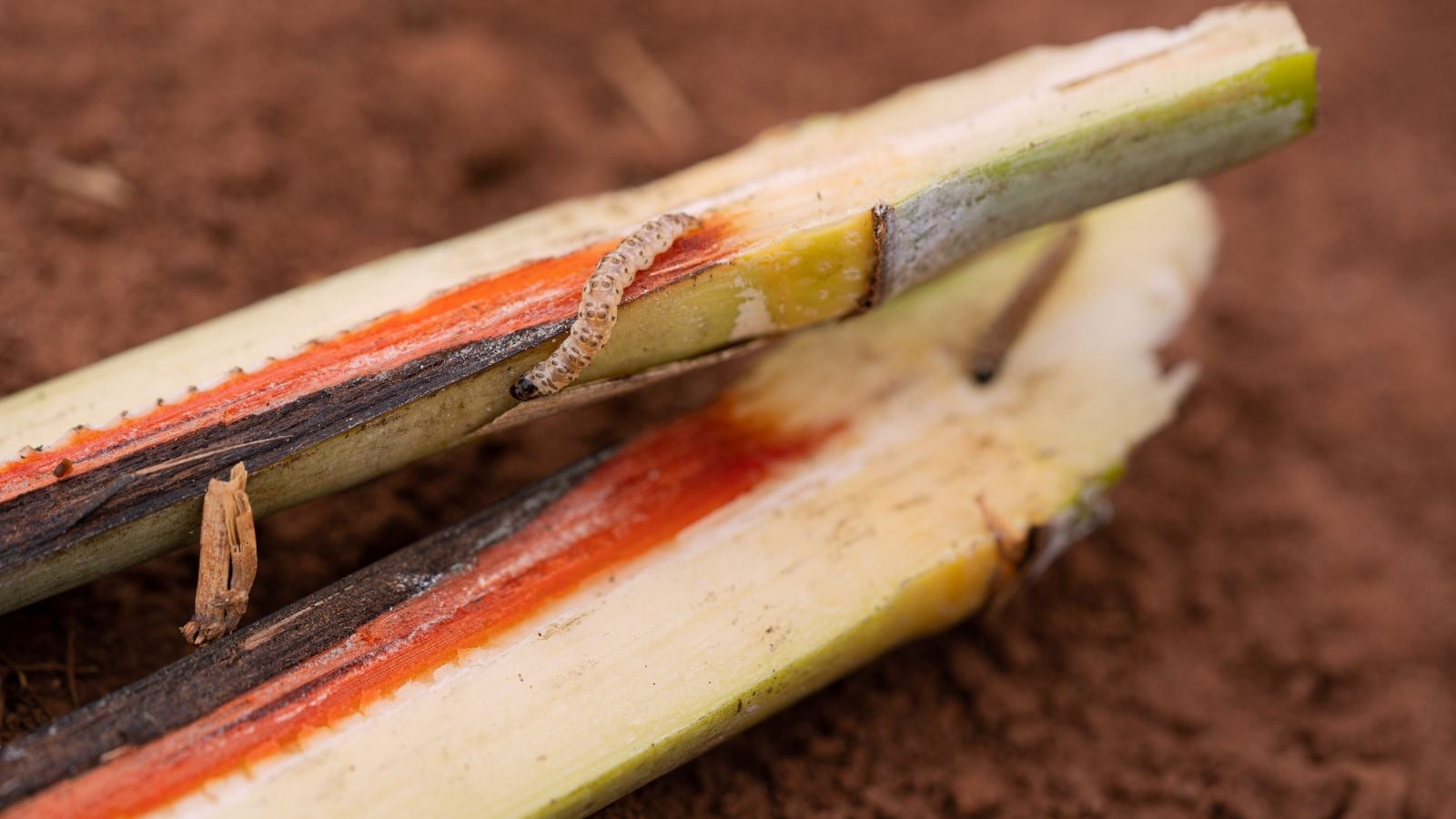
The sugarcane white grub is aptly named because it feeds on sugarcane roots. This destructive larva begins its life in the soil, where it drains the plant of water and nutrients. As a result, sugarcane may yellow, wilt, and begin to decline. If left untreated, the grubs can consume much of the root system and may even tunnel into the stem.
Prevent white grubs by maintaining healthy soil. Add plenty of organic matter and keep the area free of plant debris. Rotate sugarcane with other crops, such as legumes, each year, or till the soil and leave it fallow for about a month after harvesting.
Sugar cane borers are another serious pest that attacks this plant. These insects tunnel into the stem and feed on vascular tissue, eventually weakening or destroying the stem structure. This damage also creates entry points for additional pests and diseases.
Signs of a borer infestation include stunted growth, yellowing leaves, and visible holes in the plant. The most effective control is targeting the larvae as soon as they emerge in spring. Neem oil or organic insecticides formulated for borers can be applied to kill larvae before they cause extensive damage. Planting sugarcane early, when possible, can also help, as more mature plants are better able to withstand pest pressure.
Sugarcane may also be affected by common garden pests such as aphids, mealybugs, spider mites, and termites. These pests can usually be managed with neem oil applications or by encouraging beneficial insects like ladybugs. Diatomaceous earth is another useful option, although it is less effective against mealybugs and spider mites.
Diseases

Sugar cane smut is a fungal disease that can stunt and distort plant growth. One of the most recognizable symptoms is the appearance of black, whip-like structures emerging from among the leaves. These structures release spores that are easily spread by wind to nearby plants. The most effective defense against sugarcane smut is planting smut-resistant varieties.
Sugar cane mosaic virus is most commonly spread by insect pests, so protecting plants from insect damage is the first line of defense. If the virus becomes established, you will notice a distinctive mosaic pattern on the leaves, with irregular patches of green and red coloring. As with smut, choosing resistant varieties is the most reliable way to manage this disease.
Eyespot appears as discolored, eye-shaped lesions that run vertically along the leaves. While this disease rarely affects overall yield, it can significantly reduce the ornamental appeal of sugarcane plants. Fungicides may help limit its spread, but resistant varieties remain the most proven and effective control method.
Frequently Asked Questions
How long does it take for a sugar cane to grow?
It takes at least one year to mature. However, it’s only actively growing for 7-8 months.
What happens if we drink sugarcane juice daily?
The juice is actually full of antioxidants, so a small amount each day can be beneficial. However, it still has a high amount of sugar so it isn’t recommended for use for those with diabetes.
Can I blend sugar cane?
Yes, you can use blended sugar canes to make juice. Just cut the stripped cane into small pieces, blend it with water, and strain.





