How To Plant, Grow, and Care for Soybeans
Edamame, or cooked soybean pods, are a popular Japanese snack food. The plants that produce these pods are not difficult to grow with the right conditions. Learn how to grow soybeans at home and you can keep yourself stocked up!

Contents
When you think of soybeans, you might picture large agricultural fields filled with bushy plants, or foods like soy milk and tofu. If you have not considered growing soybeans at home, learning how to grow soybeans may inspire you to add this productive crop to your garden.
Some sources describe soybeans as one of the oldest cultivated food crops in the world, which makes sense given their wide range of uses. Soybeans provide oil, protein, and fresh eating options such as edamame, the immature green soybeans popular in many Asian cuisines. If you have never tried edamame, it makes a flavorful snack or meal, and growing your own allows you to enjoy it at peak freshness.
Soybeans are easy to grow and require minimal maintenance. They share similarities with other garden beans, although they grow and mature a bit differently. This guide covers everything you need to know, from sowing to harvest, so you can enjoy homegrown edamame by the end of the growing season.


Quick Care Guide

|
Scientific Name
Glycine max
Days to Harvest
45-65 days for fresh harvest
Light
Full sun
Water
1 inch per week
|
Soil
Well-drained
Fertilizer
Aged compost midsummer
Pests
Aphids, Mexican bean beetle
Diseases
Fungal and bacterial blight
|
All About Soybeans

Soybean plants originated in Southeast Asia, where Chinese farmers cultivated them around 1100 BC. Colonists introduced the first soybean seed to America in 1765. Common names include soybean, edamame, and soya bean. The botanical name is Glycine max, derived from the Latin word glykys, meaning sweet.
Soybeans provide a high source of natural fiber and protein. The edible portion is the bean, which is typically cooked or steamed before eating. Beyond food uses, soybeans are processed into candles, cleaning products, plastics, and hair care products, among many others. Soybean plants also work well as a cover crop, helping suppress weeds and add organic matter to the soil.
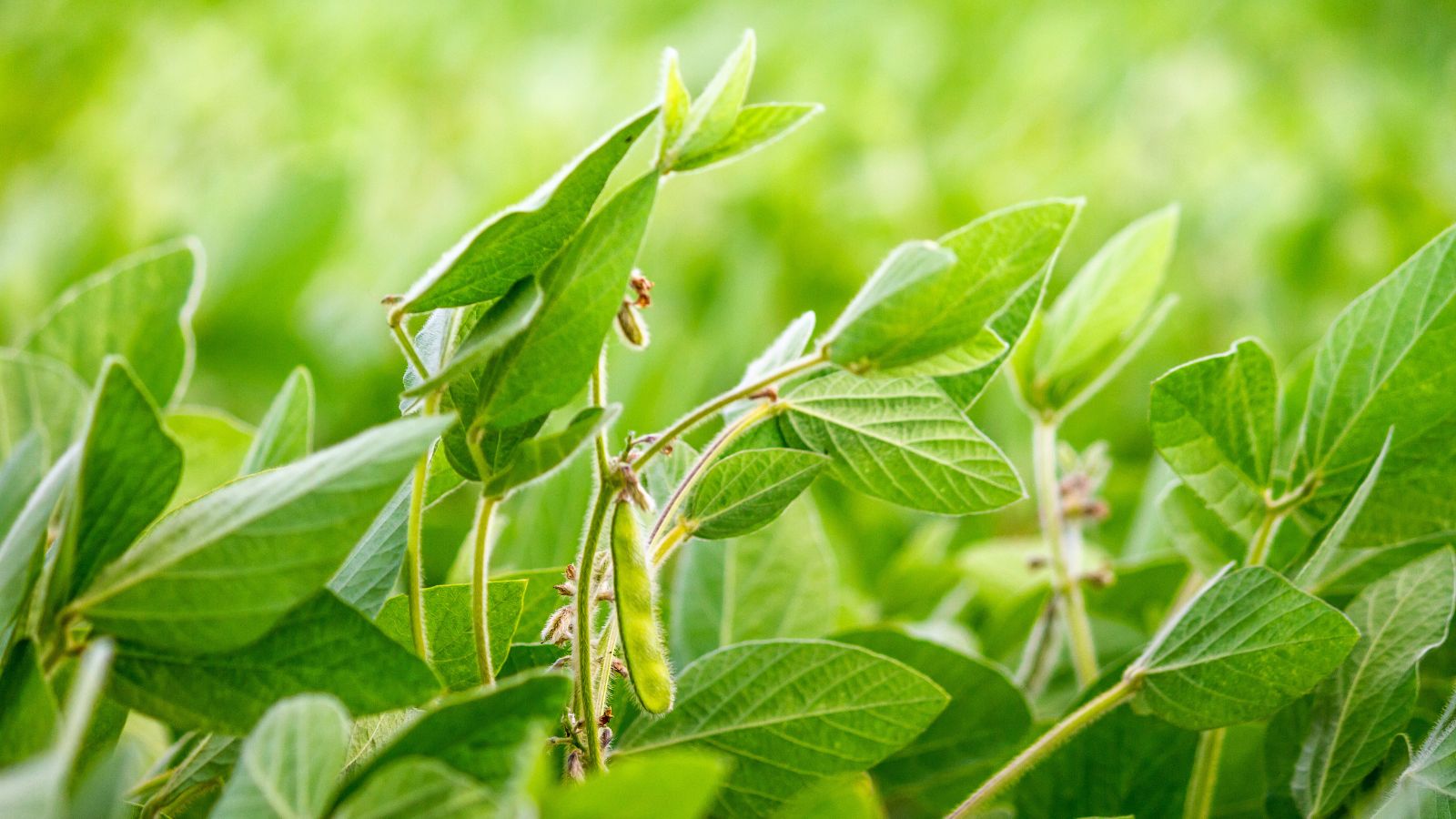
Soybeans grow as herbaceous annuals with an upright, bushy habit. Plants can reach up to five feet tall, although most grow between two and three feet. Each plant can produce more than 100 pods, with pods measuring about 1.5 to three inches long.
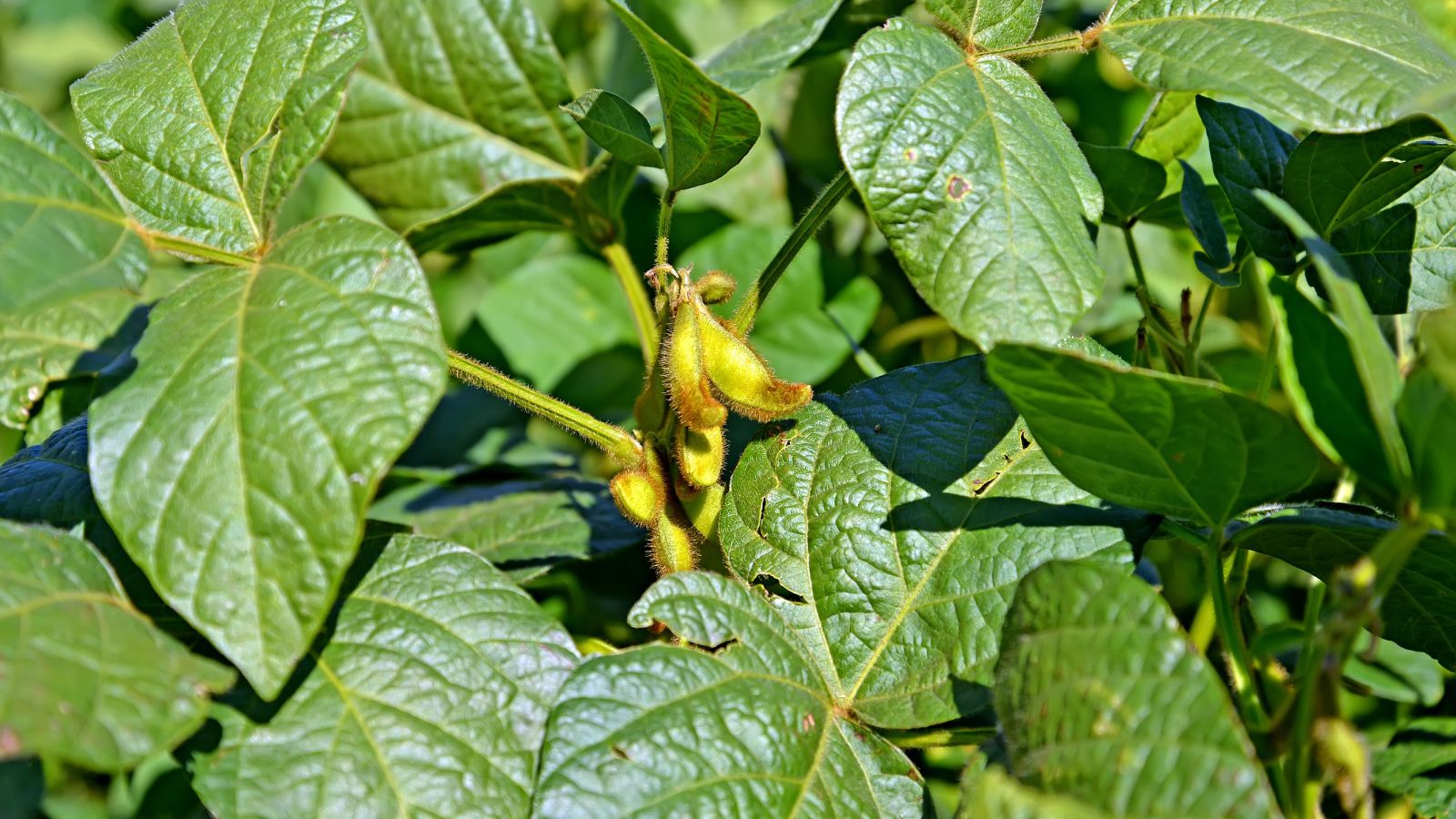
Pods develop from self-fertilizing white or purple flowers that emerge from stem nodes. Each stem ends in three oval-shaped leaflets. Pods form in clusters of two or three, and each hairy pod contains one to four seeds. Seed color ranges from green to brown to yellow.
The soybean life cycle includes eight stages, depending on harvest timing. These stages include seed, germination, seedling, vegetative growth, flowering, small pod, large pod, and mature pod. The following sections explain how to grow, care for, harvest, and store soybeans successfully.
Planting

Soybean seeds grow best when planted directly into the garden bed in early spring, once soil temperatures reach 60°F (16°C). These beans are not frost-tolerant, although gardeners in warmer regions can plant soybeans in late winter, as planting times vary by climate. Sow seeds one to one and a half inches deep, spacing them about four inches apart. Space rows two feet apart to give the bushy plants room to develop.
Soybeans grow well in raised beds or in-ground garden beds as long as they receive ample sunlight, warmth, and space. Take care not to overwater during germination, as soybean seeds rot easily in soggy soil.
In colder climates with short growing seasons, start soybeans indoors six to eight weeks before the last frost date. Transplant seedlings outdoors once the soil warms, spacing plants four to six inches apart. Planting soybeans too late in the season, even in early summer, can reduce plant size and overall yield. To offset this, choose early-maturing soybean varieties.
If garden space is limited, grow soybeans in containers at least twelve inches deep to allow room for strong root development. Check container soil moisture regularly, as pots dry out faster than garden beds.
How to Grow
This section explores specific care tips for growing soybeans so plants thrive from sowing seed through harvest. Soybean plants grow reliably and vigorously once basic growing conditions are met.
Light

Plant soybeans in full sun (eight hours of sunlight per day). Partial shade areas will prevent your soybean crops from maturing and adversely affect soybean yield.
Water and Humidity

Keep the soil moist after planting and until seeds germinate, but avoid overwatering. Soybeans tolerate some humidity as long as temperatures stay below 95°F (35°C). Once plants reach the vegetative growth stage, water at a rate of one inch per week.
Water in the morning at the base of the plant to keep foliage and flowers dry. As flowers develop, increase watering to 1.5 inches per week. When small pods begin to form, increase water again to about 1.75 inches per week. Soaker hoses or drip irrigation work especially well for soybeans.
These plants are not drought-tolerant, so plan consistent irrigation throughout the growing season. Stop watering once pods have filled out and you begin to see some leaves and pods turn yellow.
Soil

Soybeans grow best in neutral to slightly acidic soil with a pH range of 6 to 6.8. While they tolerate poorer soils, the best results come from planting in well-draining loamy soil. Adding an organic mulch helps suppress weeds and prevents the soil from drying out too quickly.
Loamy soil contains a balanced mix of clay, silt, and sand, allowing it to drain well while still retaining adequate moisture for healthy soybean growth.
Temperature

As annuals, soybeans grow in USDA growing zones 2 through 11. The best growth is seen with temperatures between 70 and 95°F (21 and 35°C). When the weather is too hot or too cold, these legumes will not thrive. They are not frost-hardy, and damage occurs when temperatures drop below freezing.
Fertilizing

There is no need to add nitrogen fertilizer while soybeans mature. As legumes, soybeans perform nitrogen fixation by forming a symbiotic relationship with nitrogen-fixing bacteria in the soil. These bacteria convert atmospheric nitrogen into a form the plant can use, while the plant supplies carbon in return.
Soybeans are not heavy feeders, so applying aged compost in mid-summer provides sufficient nutrients through harvest.
Pruning

The variety of soybean you grow in the garden will determine how tall and bushy the plant becomes. Most soybeans grown in home gardens reach two feet tall and don’t require any type of pruning. If the plant becomes overgrown and takes space from other plants in your garden, you can prune back.
Propagation
As mentioned earlier in the planting section, the best way to propagate soybeans is to sow them. Sow soybean seeds one to 1.5 inches deep directly into the garden once soil temperatures reach 60°F (16°C), which is usually in late spring when air temperatures are at least 70°F (21°C). Do not soak the seeds before planting, and avoid overwatering before germination occurs.
Harvesting
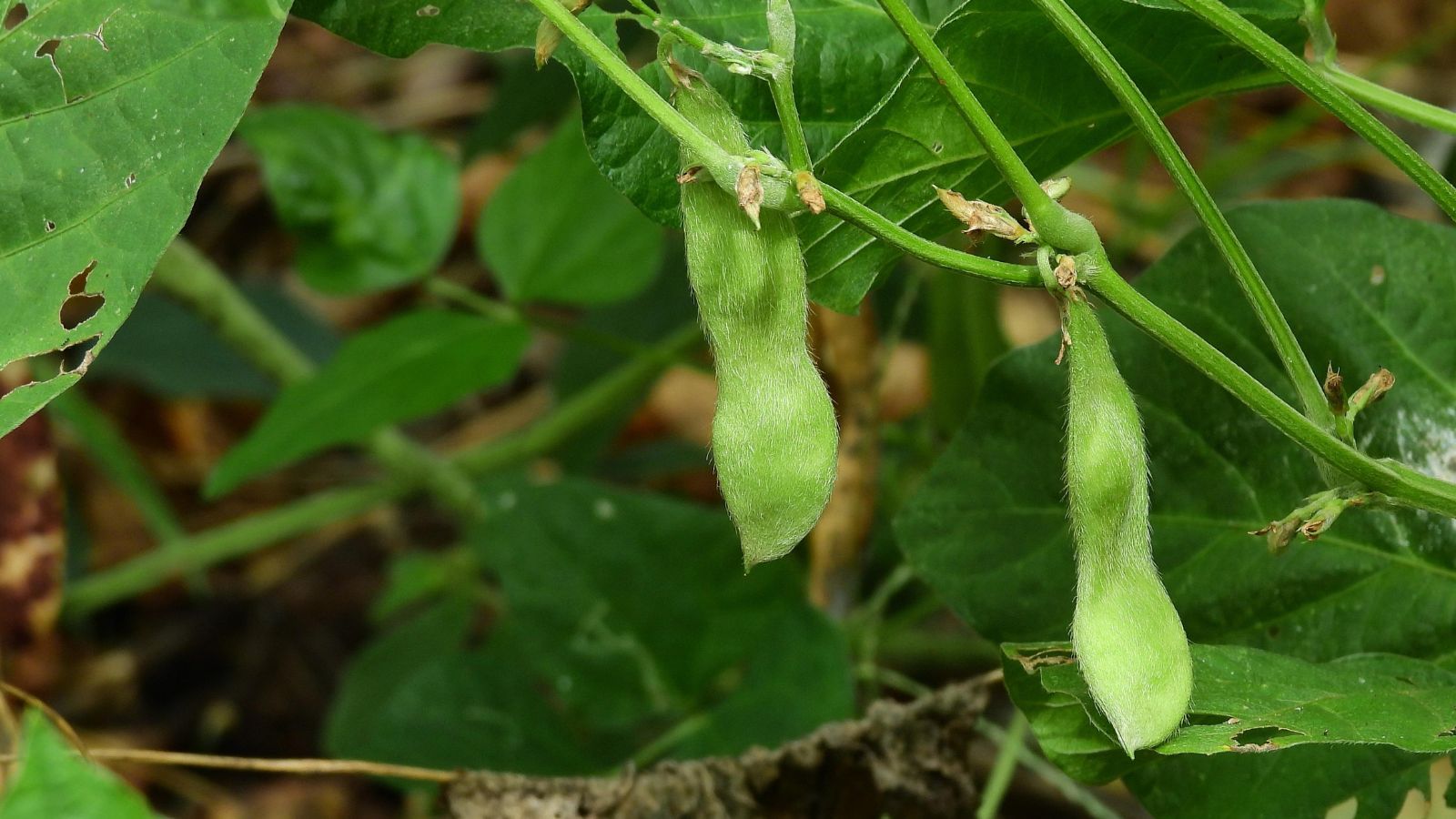
Harvest timing depends on whether you want edamame or dried soybeans. Pods usually mature at the same time, allowing you to harvest the plant in one pass. Edamame, the immature green soybean, is ready when pods reach two to three inches long, appear bright in color, and feel plump. For this harvest, pick the pods directly from the plant.
For dried soybeans, leave the pods on the plant for another two to three months, bringing total growing time to more than 100 days. As the plants mature, the leaves turn yellow and the pods dry to a brown color, signaling harvest time.
Pull up the entire plant and hang it upside down in a dry, well-ventilated area so the beans can finish drying. Once fully dry, remove the pods and shell the beans. After harvesting, add the remaining plant material to the compost.
Storing
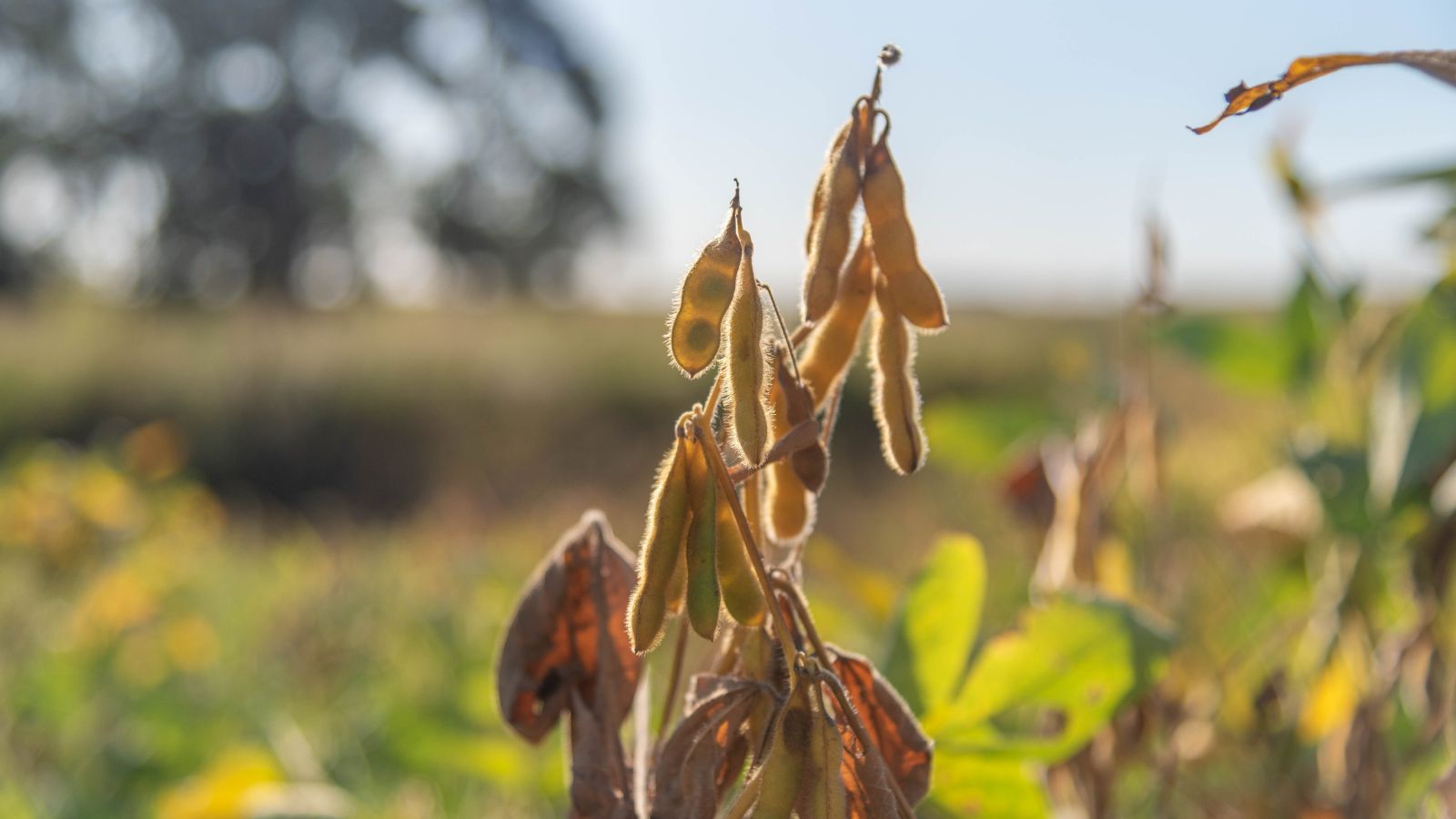
Fresh soybeans keep well in the refrigerator for about seven to 10 days. Store shelled or unshelled soybeans in a tightly sealed container. Do not eat raw soybeans, as they are difficult to digest. Cooking makes them safe and suitable for consumption.
You can freeze immature soybeans, or edamame, either in the pods or shelled. Bring a pot of water to a boil, add a pinch of salt, and boil the edamame for three minutes. Immediately transfer them to ice water to stop the cooking process, then drain and pat dry with a towel. Place them in a freezer bag and freeze right away. Frozen edamame will keep for up to one year.
Another option is to dry immature soybeans for a crunchy snack. Cook the shelled beans in water for seven minutes. After cooling, coat them lightly with olive oil and salt. Spread them on a baking sheet and bake at 200°F (93°C) for six hours. You can also dry plain edamame in a dehydrator. Store dried edamame in an airtight container for two to three months.
Shell fully dried mature soybeans and store them in an airtight container. Keep them in a cool, dry place for one to two years. For best storage life, maintain a consistent temperature of 50 to 60°F (10 to 16°C).
Troubleshooting
When growing soybeans on a small scale in the home garden, pest and disease pressure is usually much lower than in commercial fields. Even so, a few common issues are worth being aware of so you can address them early if they appear.
Growing Problems
The biggest growing concern is germination. Many gardeners overwater soybean seeds, which causes them to rot from excess moisture. Water just enough to moisten the soil, and avoid saturating it after planting.
Another common issue is pods dropping from the plant, which signals stress. Losing a few pods is normal, but widespread drop requires attention. The cause is usually inconsistent watering, either too much or too little, or temperature stress from excessive heat or insufficient warmth.
Soybeans perform well in sunny garden locations when temperatures stay moderate. In regions with extreme heat, plants often grow better and experience less stress when given partial shade.
Pests

Mexican bean beetles are a common pest of the legume family. Although related to ladybugs, they are larger and pale yellow in color. If left unchecked, they feed on leaves, pods, and stems.
Hand-pick beetles from plants and remove yellow egg clusters from the undersides of leaves. Spreading diatomaceous earth around the base of soybean plants may help reduce infestations.
Aphids are another common pest that attacks many vegetable crops. These small, oval-shaped insects may be bright green, tan, yellow, or dark brown. Aphid damage can stunt growth and cause mottled or curled leaves, and severe infestations can kill plants.
Remove aphids by spraying plants with a strong stream of water or applying an organic insecticidal soap. Encouraging lady beetles in the garden also helps keep aphid populations under control.
Diseases

Soybeans are prone to several fungal diseases, including root rot, powdery mildew, and Cercospora leaf blight. One form of root rot can cause Sudden Death Syndrome, which has become a major issue in commercial soybean production. Prevention is the most effective way to reduce the risk of these diseases. Soybean plants need adequate spacing to allow good airflow. Always water at ground level and make sure your garden soil drains well.
Another concern is bacterial blight, a disease spread by wind and water that enters the plant through wounds. Infected plants develop yellow and brown leaves, which interfere with their ability to absorb water and nutrients. Once established, blight can spread quickly through a crop. Again, prevention is key.
Practice crop rotation and minimize pest damage to reduce entry points for disease. In the early stages, remove affected leaves and stems using clean, sanitized tools and apply a fungicide to slow further spread. If the infection is severe, remove the entire plant to protect nearby plants. Organic fungicides are most effective as preventative measures rather than cures.
Frequently Asked Questions
How long does it take to grow a soybean?
If growing soybeans for their fresh pods they will need 45 to 65 days to mature. However, if you want dry beans they will need at least 100 days.
Is it easy to grow soybeans?
Yes, they are easy to grow as long as you have at least 45 days of temperatures over 70°F (21°C). After planting they need warmth, sun, and moderate moisture. They don’t require a high amount of nutrients as they are nitrogen fixers.