How to Plant, Grow, and Care for Napa Cabbage
If you know how to grow Napa cabbage, you're in for a treat. This mild and unassuming brassica is a tasty addition to meals. We'll share how to grow and harvest your own at home this season!

Contents
Napa cabbage is an excellent spring vegetable for gardeners because it is easy to grow and produces a generous harvest of full-sized heads. It grows similarly to other members of the brassica family and will feel familiar to gardeners who have grown bok choy before. If you are interested in learning how to grow Napa cabbage in your garden this spring, this guide can help.
This type of cabbage is commonly used in Asian cuisine, especially in dishes like kimchi and stir-fry. It is a great vegetable to grow in either spring or fall since it prefers cooler weather. If you have not grown this cabbage variety before, it is well worth adding to your garden plan this year for both its versatility and productivity.
One Kilo Slow Bolt Napa Cabbage Seeds

Also called napa cabbage, ‘One Kilo Slow Bolt’ has a delicate flavor, a soft texture in between that of lettuce and regular cabbage, and tight heads have a creamy yellow interior.
Buy at Epic Gardening Shop
Quick Care Guide

|
Scientific Name
Brassica rapa subsp. pekinensis
Days to Harvest
50-90 days, depending on the variety
Light
Full sun to part shade, about 5 hours of sunlight each day
Water
1 inch per week
|
Soil
Rich loamy soil, well-draining, with pH between 6.5 to 7
Fertilizer
Compost or composted manure and high-nitrogen organic fertilizers
Pests
Cabbage loopers, cabbage worms, flea beetles, root maggots
Diseases
Leaf spot, downy mildew, powdery mildew, black rot, clubroot
|
All About Napa Cabbage

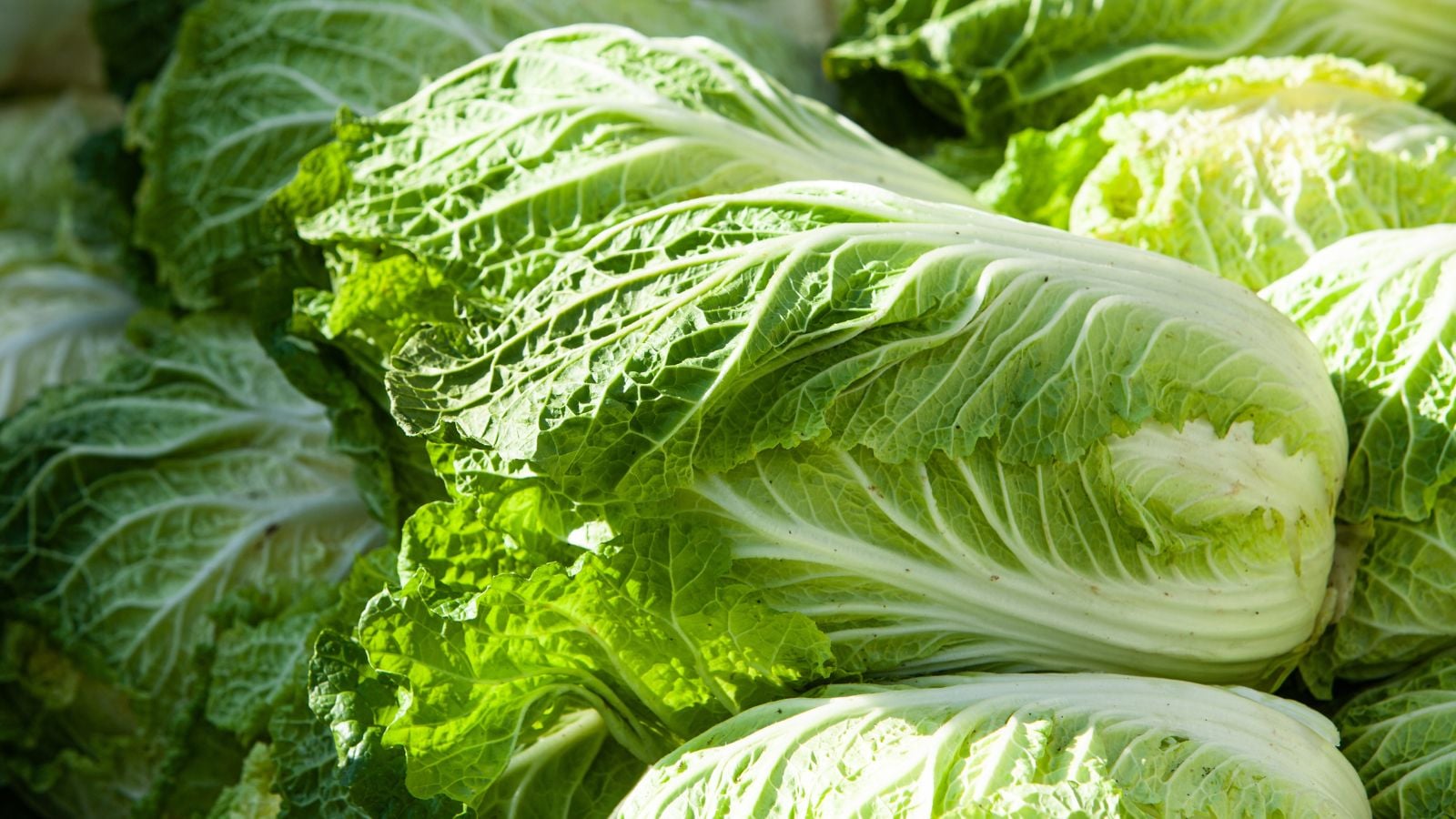
Napa cabbage, or Brassica rapa subsp. pekinensis, is a member of the Brassica family grown for its green leaves. It has an oblong body with a densely bunched head. The flowers are yellow but will not appear unless the plant is allowed to bolt and go to seed.
Napa cabbage grows best either before temperatures warm up in early summer or as they cool off in fall. It tastes similar to romaine lettuce and differs from other types of cabbage because the head is tender and wilts quickly. Napa cabbage has a sweeter flavor than traditional green cabbages, including bok choy. If used in salads, it should be served immediately. However, its most popular uses are in stir-fry, kimchi, and dumplings.
Napa cabbage originated in Beijing, China, and later spread to Japan and Korea, where it remains popular. The name napa comes from the Japanese word “nappa,” which refers to the leaves of a vegetable used for food. Napa cabbage is also known as chinese cabbage or celery cabbage in some parts of the world.
Planting

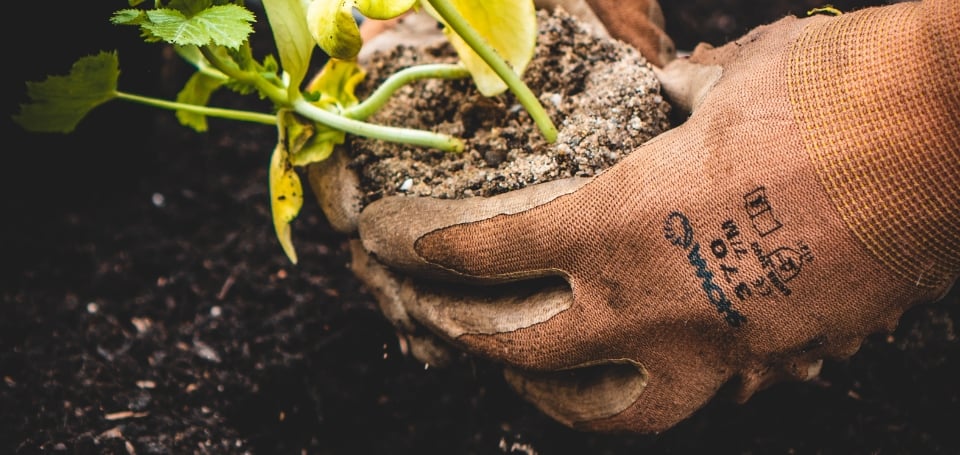
Start seeds indoors four to six weeks before the last frost date in either spring or fall, planting seeds one-quarter to one-half inch deep. When transplanting seedlings outdoors, take care not to disturb the roots. Space plants 12 to 18 inches apart, with rows at least 18 inches apart.
You can also sow seeds directly into the ground in spring, planting them as close as six inches apart and thinning them as they grow. Napa cabbage can also be grown successfully in a large container.
How to Grow
Part of learning how to grow Chinese cabbage is understanding the day-to-day care the plant needs throughout its annual life cycle. Let’s take a closer look at how to care for Chinese cabbage in your garden.
Light

Chinese cabbage prefers full sun or partial shade with four to five hours of sunlight each day. It grows best in zones 4 through 7 but can also be grown during the cool spring and fall seasons in zones 8 and 9.
Water

It is best to water your plants early in the morning, but if that is not possible, evening is the next best time. Chinese cabbage needs one inch of water per week, and consistent watering helps prevent the plant from going to seed during dry conditions.
Watering can be done in a variety of ways, from soaker hoses to clay olla pots. You can also hand water as needed. Always keep plants evenly watered to encourage steady growth. Because napa cabbage requires consistent moisture, drip irrigation on a timer is often a practical option.
Soil

Chinese cabbage prefers rich, loamy soil that drains well so the roots are not left sitting in water. Napa cabbage does not perform well in hard-packed clay or sandy soils. When planting, incorporate compost or composted manure to improve soil structure and fertility.
If possible, amend the soil a few weeks before planting and again at planting or transplanting time to ensure it is nutrient-dense. The ideal soil pH range for healthy growth is between 6.0 and 7.0.
Temperature

The heads form in cool temperatures above 45°F (7°C) and below 75°F (24°C), responding to decreasing day length and cooler conditions in fall. If seeds are started well before the last frost date, seedlings can also be successfully transplanted in the weeks leading up to summer.
Chinese cabbage will bolt and go to seed if it is consistently exposed to temperatures above 75°F (24°C). To prevent bolting, focus on cool-season growing. If planting outdoors before the last frost date has passed, use a floating row cover over young seedlings to protect them from temperatures below 45°F (7°C).
Fertilizing
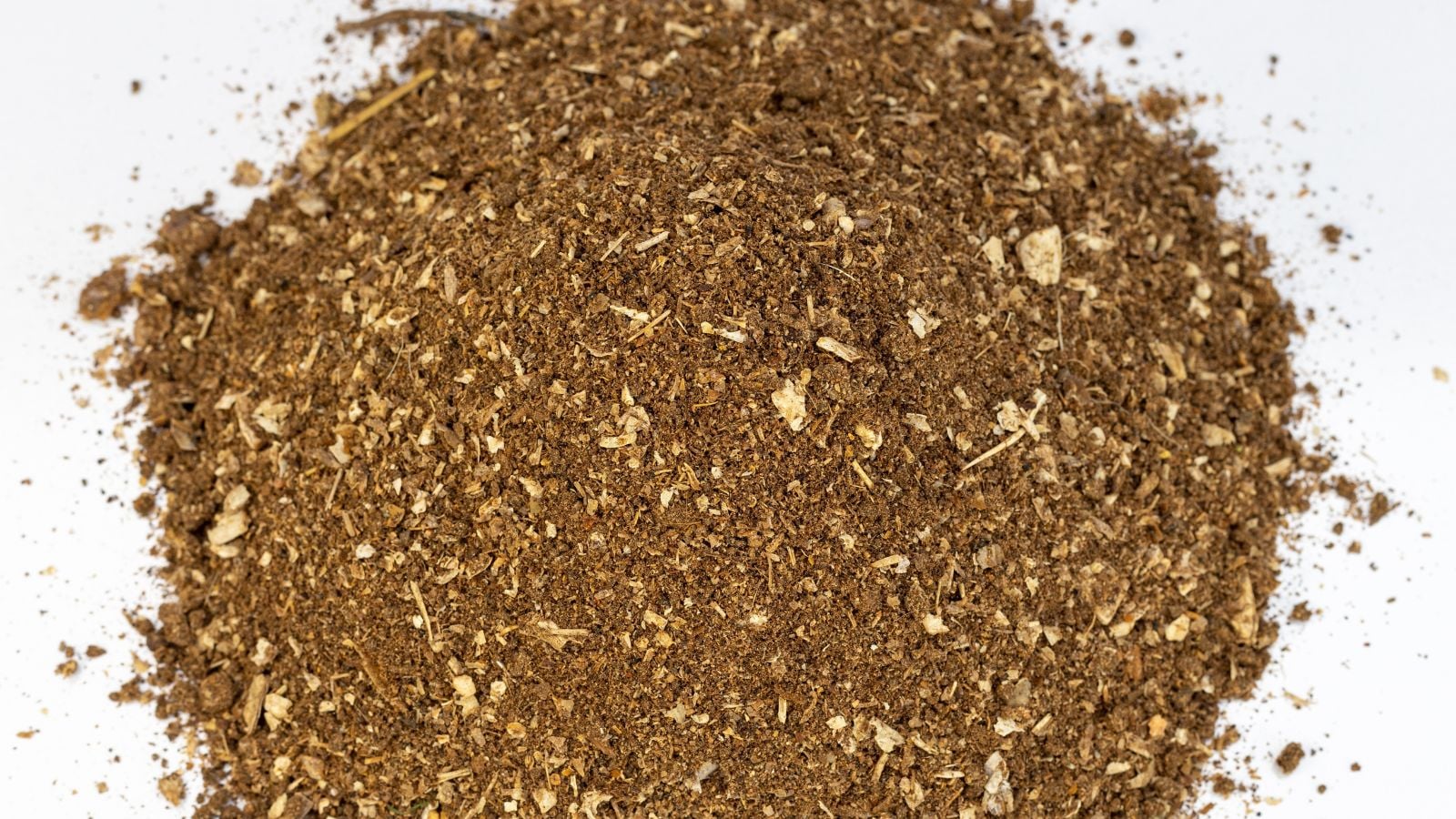
When growing Chinese cabbage, fertilize regularly to support steady growth. Plan to amend the soil before planting and again at planting time. Continue to apply fertilizer or rich organic matter mid-season. Top-dressing plants with compost or composted manure helps promote continuous, healthy growth.
For liquid fertilizers, napa cabbage responds well to fish emulsion since it is a nitrogen-hungry plant. It also benefits from dry nitrogen sources such as alfalfa meal, fish meal, chicken manure, or blood meal. Do not exclude phosphorus or potassium entirely, as phosphorus supports strong root development and potassium contributes to overall plant health.
An organic slow-release granular fertilizer can work well, provided extra nitrogen is supplied through one of these additional methods.
Pruning

You will not need to prune napa cabbage while it is growing, but you may want to peel away the tougher outer leaves at harvest time. Do not allow the plant to flower, as this signals that it is bolting to seed. Once this happens, the plant’s energy shifts into the flower stalk, causing the leaves to become tough and bitter.
Propagation

Propagation for napa cabbage is primarily done from seed. This is generally the recommended method, as it produces a healthier and more reliable plant.
That said, some gardeners have had success encouraging the root end of a napa cabbage to regrow after harvest. Leave a small amount of leaf material attached to the root base and place it in a shallow bowl of water. Change the water daily. Within a few days, new roots should begin to form, and you may even see a few new cabbage leaves emerging from the base of the plant.
Harvesting
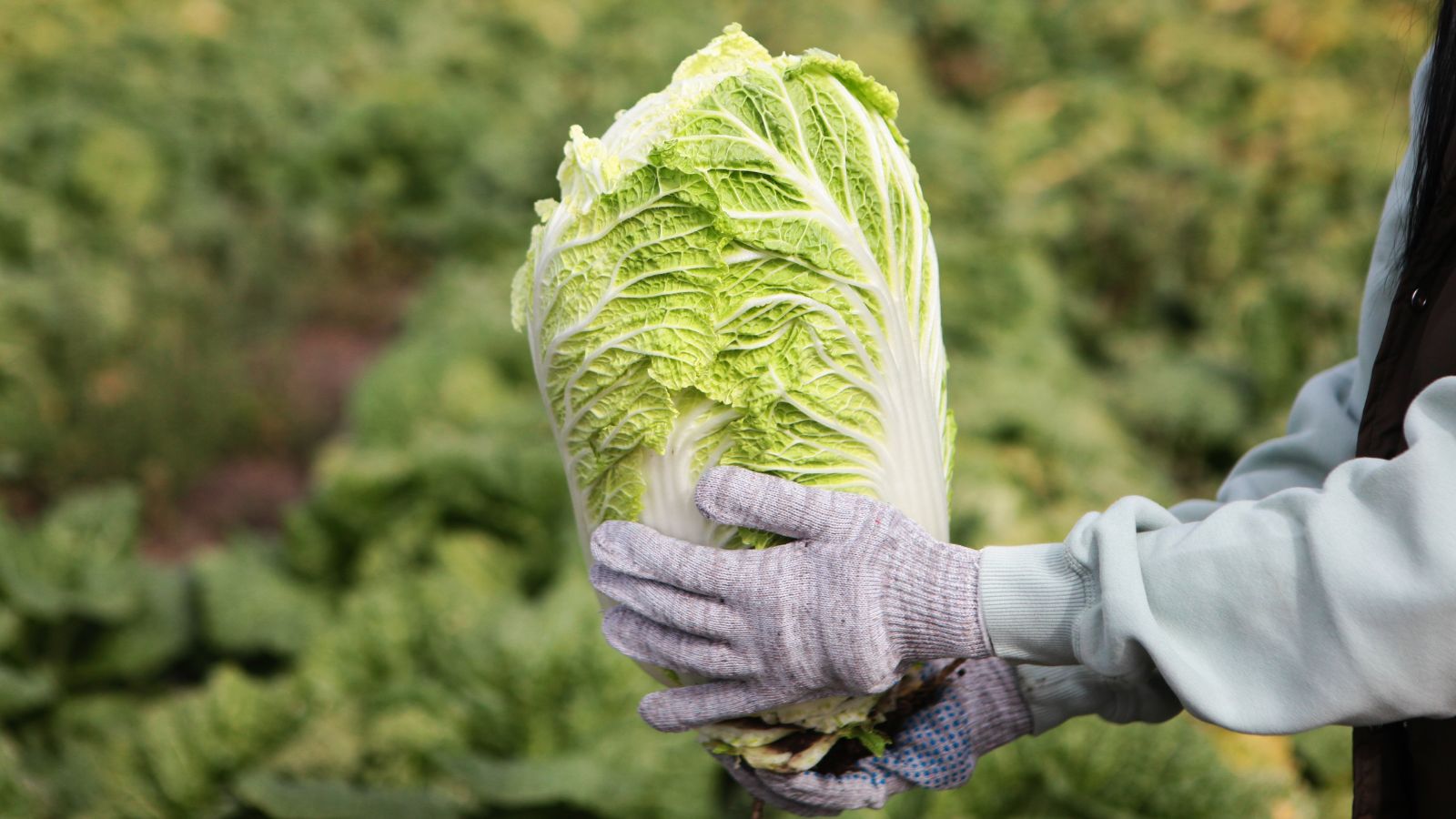
Napa cabbage is ready to harvest when the head is firm to the touch and approximately 12 inches tall. Some varieties are as short as six inches, while others can grow as large as 20 inches tall. When gently squeezed, the heads should feel firm. Harvest each head by cutting it at soil level, leaving the roots in the ground. You may also want to peel away several outer green leaves to reveal the prized white and pale yellow leaves underneath.
If grown for seed collection, place a small paper bag over the seed pods in late summer. Secure it to the stem with twine and allow the flower stalk to dry fully before cutting. Once the seed pods are completely dry, break them open to release the tiny seeds inside.
Storing
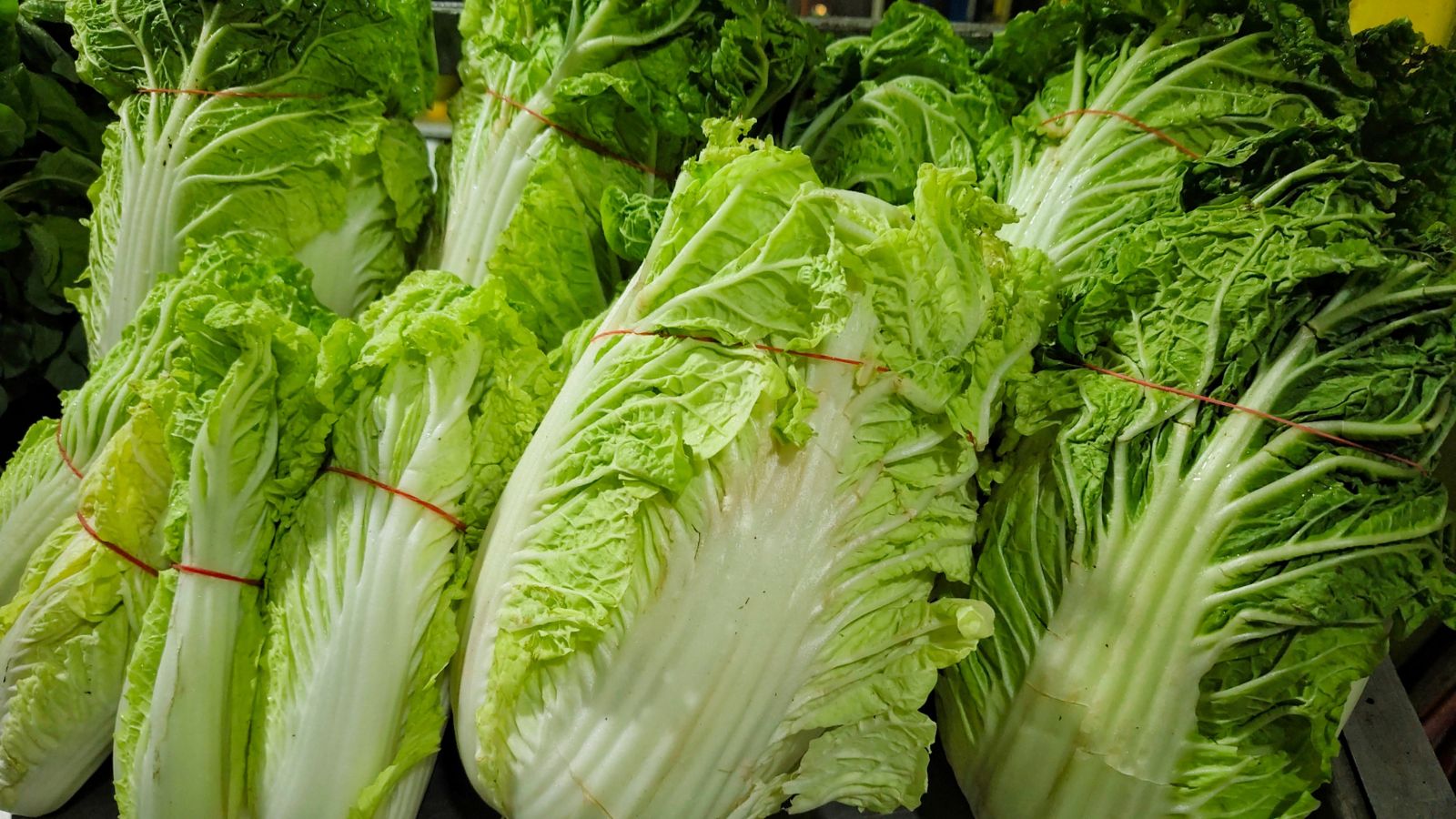
You can store napa cabbage heads in the refrigerator for about four weeks. Heads can also be blanched and frozen for up to four months. When storing Chinese cabbage in the refrigerator, do not wash the heads before placing them in storage.
Napa cabbage can also be dehydrated or freeze-dried, though it is less palatable once rehydrated. If you choose to dry it, use it in soups or stews where the change in texture is less noticeable.
Troubleshooting
Now, let’s explore some of the problems you might have when growing napa cabbage.
Growing Problems

If your seeds do not sprout, make sure they are planted less than one-half inch deep. A good rule of thumb is to sow seeds at about twice the depth of the seed’s width. Since cabbage seeds are thin and small, one-quarter inch is often a better planting depth and can help speed up germination.
In hot and dry weather, napa cabbage will bolt and go to seed quickly. When this happens, the plant shifts its energy into seed production, causing the leaves to become bitter and unpleasant to eat. To prevent bolting, keep plants consistently watered and start them at the appropriate time in spring for your region to avoid hot weather. Alternatively, plan your planting so you can harvest before the first frost. Chinese cabbage performs best in cool, mild conditions.
If your cabbage struggles to form heads, the issue is often a lack of water. Water plants regularly and consistently to encourage proper head development. It is also important to grow cabbage in rich soil that has been amended with organic matter, which supports steady growth throughout the season and results in larger, firmer heads. Applying a nitrogen-rich fertilizer can further support healthy foliage growth.

Pests

Napa cabbage experiences the same pest pressure as other members of the cabbage family.
Flea beetles chew small holes in leaves, particularly on young seedlings. Use floating row covers to protect plants early on. Diatomaceous earth or neem oil can provide some control. If these methods are not effective, stronger organic options such as spinosad or pyrethrin may be necessary.
Cabbage worms and cabbage loopers begin life as small caterpillars that feed on leaves. Start treatment with milder organic methods, such as scraping off eggs or removing caterpillars by hand. If green moth larvae are still present on your plants, apply a Bacillus thuringiensis spray for control.
Cabbage root maggots can be prevented by keeping the garden clean and free of debris, which removes potential habitat. Protect young plants with floating row covers and mulch around the base of more mature plants to discourage flies from laying eggs in the soil. In cases of severe infestation, a pyrethrin soil drench can help reduce the population.
Diseases

Chinese cabbage can be susceptible to leaf spot, clubroot, and black rot. Leaf spot is usually treatable with organic options such as liquid copper fungicide or biofungicides.
When dealing with clubroot or black rot, both fungal diseases, make sure plants are not being overwatered and that excess moisture drains freely from the soil. Plants affected by clubroot or black rot should have the entire root system removed and disposed of after harvest. Practice good crop rotation by avoiding planting napa cabbage in the same location where other brassicas were recently grown.
To manage powdery mildew, water early in the morning so the sun can dry the leaves during the day. Late evening or nighttime watering can encourage mildew development, as cooler temperatures allow foliage to remain wet for longer periods. Watering at the base of the plant with a soaker hose is a better option, as it keeps the leaves dry.
Downy mildew is another common issue, but can be prevented with regular applications of neem oil, as can powdery mildew. If a severe outbreak of either disease occurs, treat plants with a liquid copper fungicide.
Frequently Asked Questions
Can you regrow Napa cabbage?
Yes! If you place the base of your cabbage into a shallow bowl of water. You may be able to regrow some of the leaves, but it’s more likely you’ll grow new roots.
How long does it take to grow Chinese cabbage?
It takes about 50 to 80 days.
Does Chinese cabbage regrow after cutting?
No. Once you cut the head off at soil level, the plant will not grow back.