How To Plant, Grow, and Care for Green Onions or Scallions
Scallions, also called "green onions", are incredibly easy to grow at home. You can even grow them indoors if you provide the right growing conditions. This in-depth guide shares our tips for great green onion growth!


Contents
The name green onion refers to many different types of onions. Learning how to grow green onions ensures you’ll always have access to the freshest, most flavorful alliums you can find!
The true green onion is Allium fistulosum, also known as scallions, bunching onions, or just plain old green onions. These are the ones we’ll focus most of our attention on today.
Traditional onions, Allium cepa, have a red or white bulb, but they can be harvested before the bulbs form, and the young stalks can be used like green onions. Finally, there is Allium proliferum, called tree onions or Egyptian onions. These onions are harvested specifically for their long green leaves. They develop in tight knots of multiple bulbs and stems attached together, and tend to spread over time.
If you’re wondering how to get all of these delicious varieties of green onions, we have tons of information to share! We will go over how to start green onions from seeds, starts, or other methods. Let’s jump into how to plant green onion seedlings in your garden.
Tokyo Long White Bunching/ Scallion Onion
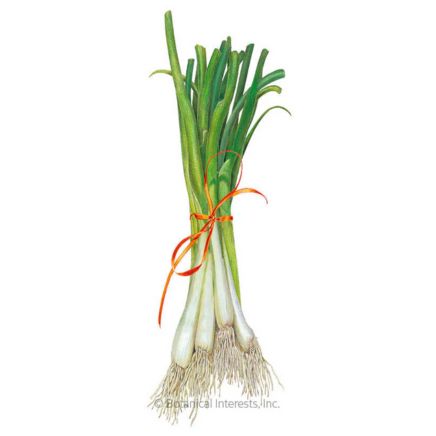
Tokyo Long White Bunching/ Scallion Onion Seeds
Italian Red of Florence Bunching/ Scallion Onion

Italian Red of Florence Bunching/Scallion Onion Seeds
White Lisbon Bunching/ Scallion Onion
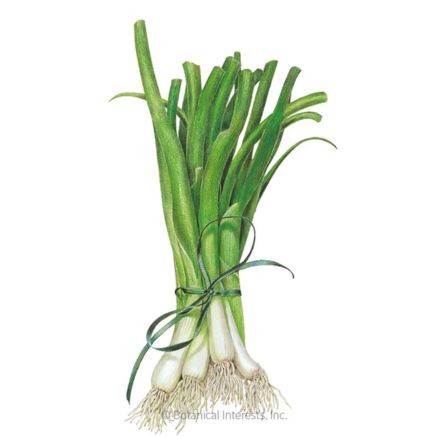
White Lisbon Bunching/Scallion Onion Seeds

Quick Care Guide

|
Scientific Name
Allium fistulosum
Days to Harvest
60-95 days
Light
Full sun, around 8 hours
Water
1 inch per week
|
Soil
Fluffy and neutral, pH between 6.0 and 7.0
Fertilizer
Balanced, can amend with organic matter
Pests
Aphids, onion maggots, slugs, snails, thrips
Diseases
White rot, onion downy mildew, leaf blight
|
All About Scallions

Allium fistulosum, or green onions, are also commonly called bunching onions, scallions, Welsh onions, or Japanese bunching onions. Gardeners likely foraged them in the wild before they became popular in China and Egypt. Popular cultivars include ‘Tokyo Long White’, ‘Evergreen’, and ‘Heshiko’.
Green onions look similar to the traditional onion, Allium cepa. They have tall green stalks and typically grow one to two feet tall. Slender white bulbs form at the base, but they never enlarge enough to develop into a true onion. In hot temperatures, scallions bolt to seed and produce globe-shaped clusters of tiny white flowers.
Green onions are perennial, and gardeners can harvest the scallion leaves for several years in mild climates. All parts of scallions are edible, including the flowers. Thinner scallions offer a milder flavor, while thicker ones have a stronger taste and hold up better to cooking.
You can identify the species by looking at a cross-section of the leaves where they turn white. If the shape is D-shaped or flat, the plant is Allium cepa. If the shape is O-shaped, it is Allium fistulosum.
Planting

Begin to sow seed indoors 8 to 10 weeks before the last frost. Keep the seeds moist, and they should emerge in 7 to 14 days. If direct sowing seed, sow each seed ¼ inch deep when temperatures are at least 50°F (10°C).
A seedling heating mat can help with germination. Thin seedlings so they are two inches apart, or leave them to separate later.
When the seedlings are ready to transplant, separate the seedlings. Begin to transplant two to four weeks before your last frost date in the spring, but if desired, you can keep planting throughout the spring and summer season and into the fall.
Space seedlings one to two inches apart, with rows spaced 6 inches apart. Consider interplanting with your other crops, as green onions may help to repel pests from your garden. Be sure to irrigate regularly, as onion plants have shallow roots.
Plant traditional onion sets two to four weeks before the last frost date. Care for them like you would a transplanted green onion, but plant at least two inches apart to allow space for bulb growth. Remember, the green leaves can be used just like green onions are, but an Allium cepa will eventually form a larger onion bulb.
Grow green onions in a garden bed, or in containers, like the tiered GreenStalk planters we stock in our online store!
How to Grow
Now that you know more about the types of green onions, let’s learn how to take care of them so they can mature! Let’s go over more of the specifics on how to care for scallions.
Light

Plant in a sunny location that gets at least six hours of full sun. In zones warmer than 9, you might want to plant your green onions somewhere in the garden where they will receive afternoon shade. Since onions like full sun, it is definitely possible to raise scallions in hot climates!
Growing green onions indoors is also an option, particularly for those who have cold winters. Make sure they have plenty of light and warmth during the cold season, and you’ll have scallion harvests through the winter and well into the spring.
Water

Morning is the best time to water to reduce soil moisture evaporation. This also allows foliage to dry out during the day, so they’re less prone to disease.
Scallions are sensitive to drought. Aim for one inch of water per week. Use soaker hoses or drip irrigation. Ditch or “furrow” irrigation is another viable method. Dig a long trench in the soil an inch or two from your plants and flood the furrow, allowing the bulbs to absorb moisture.
If you have sandy soil, you will need to irrigate more frequently. In a cooler season or mild climate conditions, plants develop more slowly, so less watering is required.
Soil

Scallions prefer fluffy, well-balanced, and loamy soil. If you have poor soil, amend it with organic matter like compost at least six inches deep. While onion bulbs are able to develop in clay soil, they have a hard time if it dries out, and the soil may hold a little too much moisture for their liking. It’s best to amend to allow for good drainage while still keeping the soil moist.
To grow scallions, the optimal soil pH range is between 6.0 and 7.0. These bulbs can tolerate soil pH a little lower than 6.0, so if you’re planting them near tomatoes or other solanaceous plants, they’ll manage. If soil is too alkaline, these may struggle to get off to a good start.
Temperature

Scallions form best in zones 6 through 9 and thrive in temperatures between 60 to 75°F (18-24°C). If you plan to grow scallions through the winter, mulch around your planted bulbs in the fall with straw or other organic matter to protect them from cold temperatures and prevent weeds.
Fertilizing

Since green onions are leafy greens, fertilize them regularly with a nitrogen-rich amendment. Liquid fertilizers, such as fish fertilizer or comfrey tea, deliver nutrients immediately, making them ideal during the growing season when plants need a quick boost. Water with a liquid fertilizer as needed to support steady growth.
For longer-term nutrition, use a granular fertilizer that releases nutrients slowly into the soil. Choose a product high in nitrogen, represented by the “N” in N-P-K. You can also top-dress the soil with rich compost to improve fertility and support healthy green onion growth.
Pruning

Most of the time, pruning is only done for harvesting purposes. Plants can be trimmed for cosmetic purposes, such as removal of wilted leaves, but otherwise should be left until it’s time to pick them.
If your green onions bolt to seed and you want to prevent seed drop, trim off the flower stalk. Often, you may experience leaf wilt during flowering as well. Early trimming of the bud and stalk (referred to as an onion scape) will redirect your plant’s energy towards leaf development.
If you’d like to collect seed, let the flowers fully open. Onion flowers are pretty impressive. They create a large, almost ball-shaped umbel. As the flowers start to fade, tie a paper bag over the top and tightly secure it to the stalk.
The seeds are very tiny. Cut the stalk once it begins to droop, and set it somewhere so the head can dry out and the seeds can drop out of the flower.
Propagation

One method of propagation is bulbs or “sets”. The best way to use sets is by planting them in late fall and overwintering them in the garden. In the spring, they’ll start pushing up new growth.
You can also use nursery starts of Allium cepa, and plant them to achieve the green onion stalks. Keep in mind that only Allium fistulosum will produce green onions with no onion bulb. True scallions have a milder flavor than A. cepa, which has a stronger onion flavor.
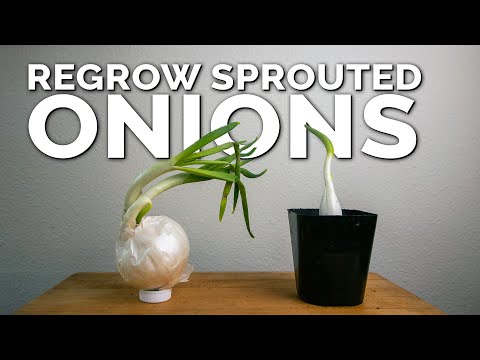
If you save rooted bulbs from store-bought green onion plants, you can easily regrow green onions. They’ll happily produce tall, green leaves every couple of weeks and give you a bonus crop. This works both indoors and outdoors, so if you’d like to save your young green onion bases from the supermarket and pop them into moist soil under a T5 light, you’ll see new growth rapidly emerge!
And, of course, starting from seeds is definitely an option. There’s a wide variety of seeds available for many different species of scallion or bunching onion types. Follow the directions in the “planting” section above for how to sow seed.
Harvesting

Start to pick your green onions as soon as they reach a usable size. The best time to harvest is when the bulbs are white and have a diameter about the size of a pencil, but even smaller seedlings can be harvested. In fact, it’s possible to sow onion seeds and harvest onions as microgreens if you so choose!
Either dig up the whole plant if you plan to eat the mild white bulb, or snip the stem off just above soil level and allow it to continue growing. A clean pair of kitchen scissors or garden snips work well for this.
Cut-and-come-again harvests like the latter method mean you can enjoy a continual harvest by leaving the roots and base of the plant in the ground and cutting the stalks off an inch or two above the soil line. The plant will quickly send up more edible shoots!
When growing traditional bulb onions as green onions, harvest the green leaves early and use them like scallions. Egyptian onions should be harvested from the second season onward.
If your plant is bolting, the stalk and unopened bud are referred to as an onion scape. Onion scapes are just as delicious as the leaves are, and can make an incredible addition to a stir-fry or other meal.
Storing

Store green onions in a partially filled jar in the refrigerator, using just enough water to reach partway up the bulbs. If you harvest stalks without bulbs, wrap them in a paper towel and place them in a plastic storage bag. You can also slice green onions and refrigerate them cut, stored in a plastic bag. Excess moisture shortens storage life, so the paper towel plays an important role in keeping both bulbs and leaves dry.
To freeze green onions, rinse them thoroughly and pat or air dry them completely before freezing. The texture may turn slightly mushy after thawing, making frozen green onions best suited for cooked dishes rather than fresh garnishes.
If you have a dehydrator, dehydrating the stalks and grinding them into a powder offers an excellent option for long-term storage.
Troubleshooting
Now, let’s discuss some problems you might encounter while growing scallions. Since scallions are in the Allium family, they tend to repel many pests with their odor, although they are susceptible to a few pests and diseases that are easily treatable.
Growing Problems

Too much moisture can cause your growing scallions to develop some forms of root rot. Be careful to provide just enough moisture for them to thrive. Use a drip hose or other irrigation system to keep the soil damp. On the flip side of that, too little moisture causes leaf wilt or yellowing, so make sure they aren’t thirsty.
If it is too hot, your onions will bolt to flower. Be careful to plant them at the right time for your growing zone.
Competition from weeds can cause scallions to be small and weak or even die. Check your plants regularly and pull any weeds out from around them, especially those in their root zone. Mulching can reduce weeds as well.
Pests

Thrips and aphids are common pests in onion crops and can be blasted off with a strong stream of water from a hose. If they persist, use insecticidal soap or neem oil. Severe infestations can be treated with pyrethrin.
Prevent onion maggots by practicing crop rotation in the garden. Floating row covers also work well as a physical barrier against the flies that lay onion maggot eggs. Beneficial nematodes act as natural predators and help reduce maggot populations in the soil. Pyrethrin-based insecticides labeled for thrips control can also help manage onion maggots when used according to package directions.
Slugs and snails can also cause damage, but they are easy to control. Place a beer trap among your crops to attract and capture these pests. Use a shallow container, about as deep as a pie pan, so slugs and snails can crawl in and drown. If you prefer not to use beer traps, apply an organic slug and snail bait to lure pests away from your greens.
Diseases

White rot can cause mold or rot at the base of the plant and yellowed, wilted leaves. If you notice diseased plants, remove and dispose of them. Avoid planting alliums in that location for a couple of years. Good crop rotation is essential for your allium’s health.
Onion downy mildew (Peronospora destructor) can cause irregular spotting and decreased size. Copper fungicides can be used to treat, but use a three-year crop rotation between allium crops in that bed.
Botrytis leaf blight causes white spots on leaves, and the plant may wilt and die. This is most common when plants are wet for 20 hours or more during cool temperature conditions. Provide proper airflow to allow plants to dry out. Treat with alternating copper and sulfur fungicides until the blight is eliminated, or remove infected plants and destroy them. Do not compost blighted material.
Frequently Asked Questions
Do green onions grow better in water or soil?
Although you can temporarily regrow green onions in water, the roots won’t have any nutrients or oxygen to survive long-term. Soil will provide the nutrients they need.
Do green onions grow back every year?
Green onions are biennial and can live for several seasons. They will come back after being cut down, but they won’t regrow if the bulbs die or are frozen.
Do green onions die in the winter?
Some varieties can tolerate frost, although they won’t survive sustained periods below freezing.
Do green onions tolerate heat?
Yes! They do well in warm climates with humidity, although they will eventually bolt and go to seed.





