How To Plant, Grow, and Care for Chickpeas
Once you know how to grow chickpeas, you can supply your own legumes for soups, stews, or even homemade hummus! It's not difficult to do once you know what these plants need. Sarah Jay shares how to do it.


Contents
There is one thing that holds true about making hummus from scratch: you need to know how to grow chickpeas. Fresh chickpeas add unmatched flavor to your kitchen and help fix nitrogen in your garden soil. Growing chickpeas is also deeply rewarding, both in the kitchen and in the garden.
There are many chickpea varieties to choose from when planting. Sow seeds, add a small amount of aged compost, and you are well on your way. This legume has been cultivated for thousands of years, and its longevity is no accident. Today, chickpeas remain a staple crop across the globe.
Chickpeas, Cicer arietinum, originated in the Middle East and spread to Europe and India through trade routes and military movement. Their widespread adoption makes sense, as chickpeas are highly nutritious and often valued for their medicinal qualities. Before selecting chickpea seeds, it helps to understand how to properly care for chickpea plants to ensure a successful harvest.


Quick Care Guide

|
Scientific Name
Cicer arietinum
Days to Harvest
100 days from transplant
Light
Full sun
Water
1 inch per week
|
Soil
Rich, well-draining
Fertilizer
High phosphorus and potassium powder upon planting
Pests
Beet armyworm, chickpea leafminer, bean beetles, cutworms, pod borers
Diseases
Blight, fusarium wilt, bean mosaic virus
|
All About Chickpeas

Chickpeas, scientifically known as Cicer arietinum, are commonly called garbanzo beans or chana. The earliest records of domesticated garbanzo beans date back to the pre-pottery Neolithic era in what is now Turkey. From there, garbanzo bean seeds spread to the Mediterranean around 6000 BCE and later reached India by 3000 BCE.
Characteristics
The chickpea plant is an herbaceous annual legume that reaches maturity in about 100 days from transplanting. It grows eight to 20 inches tall and develops a shallow root system. Chickpea plants form a bushy, spreading habit with soft, glandular hairs covering the branches. Each branch carries three to eight pairs of alternately arranged, hairy leaflets.
As the plant matures, white flowers marked with blue, purple, or pink veins bloom singly or in pairs at the tips of the branches. Garbanzo bean flowers are self-pollinating and may volunteer if seeds are not harvested. After flowering, flat green pods form, each containing one to two seeds. Before harvest, plants can dry until about 90% of the pods turn brown. You can also harvest chickpeas a few weeks earlier for use as fresh, green peas.
Uses
The pea-like seeds are the main reason most gardeners grow garbanzo beans. Chickpeas can be eaten raw, dried, ground, or roasted. They are widely used in hummus, where they combine with tahini, olive oil, garlic, and fresh herbs to create a versatile dip or spread. Chickpea leaves are also commonly used in Indian cuisine.
Garbanzo beans offer benefits beyond the kitchen. Growers often plant chickpeas in large quantities to help break disease cycles associated with cereal crops such as wheat or barley. They are frequently used as green manure to improve soil health and fertility. Historically, garbanzo beans even served as a coffee substitute during the eighteenth century and again in Germany during World War I. Nearly every culture around the world has found a practical or culinary use for chickpeas.

Planting

Plant chickpea seeds early, at least two to three weeks before the last spring frost. Avoid starting chickpeas in standard starter pots, as they are highly prone to transplant shock. Instead, sow seeds directly into the garden bed. If you need to start them indoors, use biodegradable pots so you can plant the entire pot into the soil without disturbing the roots.
Choose a well draining site enriched with organic matter and full sun exposure. If your soil or climate is not ideal, grow chickpeas in plastic or ceramic containers with good drainage that are at least eight inches deep. Use multiple containers for a worthwhile harvest, as a single pot will not produce much.
When sowing chickpeas, plant seeds one and a half to two inches deep and space them three to six inches apart in rows spaced 18 to 24 inches apart. Once seedlings emerge, thin the strongest plants to six inches apart within each row. After plants become established, apply a light layer of mulch to help retain soil moisture.
How to Grow
Once your chickpea seedlings sprout, you’re well on your way to a chickpea harvest. Let’s talk about the bare necessities of garbanzo bean care.
Light

Garbanzo beans need full sun with at least six to eight hours of direct light per day. Increase watering during hot weather and use a shade cloth to protect plants during a heatwave. In a sudden freeze, cover plants with frost cloth. If you are growing chickpeas in containers, move them indoors to protect them from cold damage.
Water

Water chickpea plants regularly in the morning to keep the soil evenly moist. They need at least one inch of water per week. Use drip irrigation or soaker hoses to deliver water directly to the root system and avoid overhead watering, which can encourage disease.
During the seed production phase, increase watering slightly to support a strong yield. If heavy rain occurs during cool seasons, avoid additional irrigation and allow the soil to dry somewhat before watering again. Chickpea plants are not drought-tolerant, and insufficient soil moisture leads to reduced yields.
Soil
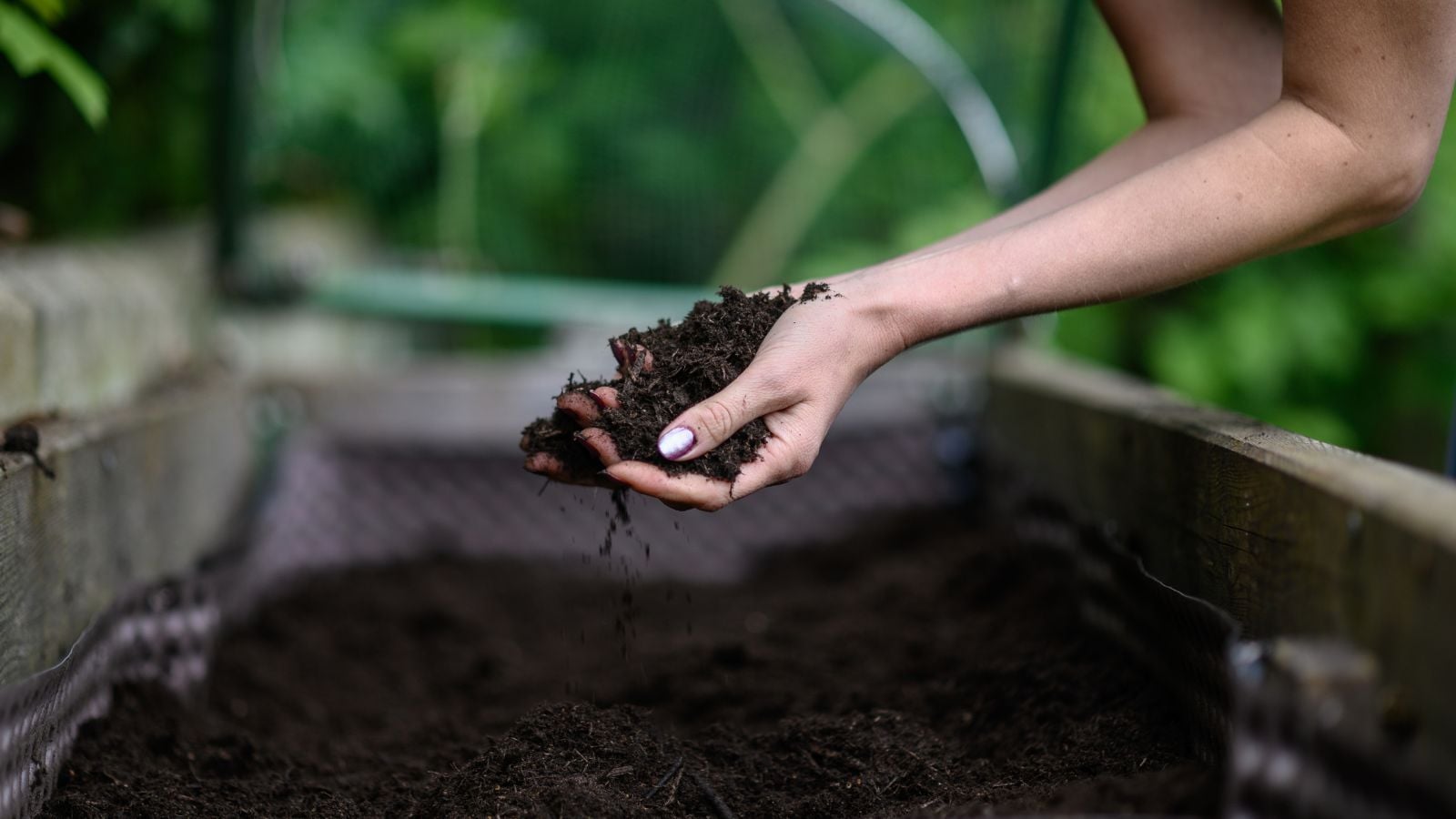
Fill the planting bed or container with rich soil that also drains well. Good soil structure alone can support drainage if you do not have agricultural sand or other amendments available. Slightly sloping the growing area helps improve nutrient uptake in the shallow root systems of chickpea plants.
Although chickpeas can grow in poor soil, adding a thin layer of aged compost significantly improves growth and yield. Chickpeas prefer slightly acidic to neutral soil. Aim for a pH range between 6.0 and 7.0 for best results.
Temperature

USDA zones 2 through 10b suit spring chickpea planting well. Fall planting also works in zones 10b through 11, although pest pressure increases during this season. In the chickpea plant’s native range, daytime temperatures typically fall between 70 to 80°F (21 to 27°C). Nighttime temperatures can drop to 64°F (17°C) without harming plant performance.
Garbanzo beans need at least 90 days of cool weather to produce a crop and tolerate light frost. Cold temperatures during the flowering stage can cause blossoms to drop. During the vegetative stage, cold conditions reduce the plant’s ability to absorb water and nutrients, which can stunt growth. Excessive heat above 85°F (29°C) creates similar stress and can reduce overall productivity.
Fertilizing

Avoid planting chickpeas with nitrogen rich fertilizers. Chickpea plants already fix nitrogen in the soil, and excess nitrogen pushes growth toward leafy foliage instead of healthy pod and seed development. This is also why chickpeas should not be planted alongside other legumes.
At planting time, apply a balanced powder fertilizer with a 5-10-10 NPK ratio. Use one cup per 50 feet of row to support strong growth and a reliable chickpea harvest.
Pruning/Training

Like snap beans, chickpea plants benefit from light training on a trellis to support drying pods during the reproductive stage. As the plants grow, stake, trellis, or cage them and gently guide the stems onto the chosen support.
If desired, prune the tips of chickpea plants at maturity before flowering to encourage branching and increase dry chickpea production.
Propagation

Chickpeas propagate best from seed. Use the planting guidelines above for best results. If you start plants indoors, use biodegradable seedling pots, as chickpeas develop a sensitive, shallow taproot that does not tolerate disturbance.
Harvesting

To enjoy chickpeas fresh, harvest them about 100 days after planting. Snap off the pods and eat them like snap peas. For dried chickpeas, allow the entire plant to wither and turn brown, then pull it up by the roots. Lay each plant on its side on a flat, warm surface and wait for the pods to crack open, exposing the dried chickpeas inside.
Test readiness by gently biting one chickpea. If it barely dents, it is ready for storage. After drying, collect the chickpeas and separate the shelled seeds from the remaining plant material.
Storing

Fresh, unshelled chickpeas keep for three to five days in the refrigerator when stored in a plastic bag. Fresh peas do not freeze well. Dried chickpeas store for two to three years in an airtight container.
Cooked chickpeas keep in the refrigerator for three to four days. To freeze cooked chickpeas, spread them in a single layer on a baking sheet and freeze for at least one hour. Transfer them to a freezer bag and store for up to three months. You can also roast or dehydrate cooked chickpeas to create a crunchy snack that keeps for a couple of weeks.
Troubleshooting
There are things to look out for when you are growing these lovely plants. Here’s a quick run-down.
Growing Problems

If you grow garbanzos in partial shade, expect a smaller yield than you would get from plants grown in full sun.
Overhead watering weakens chickpea plants and creates conditions that encourage disease. Water at the roots whenever possible. If overhead watering is unavoidable, do it very early in the day so sunlight can dry the foliage. If fungal disease develops after overhead watering, remove damaged plant parts as needed and switch to watering at the base of the plant.
When soil temperatures become too hot or too cold, chickpea blossoms and seed pods may drop, which reduces yield. Mulch helps regulate soil temperature during snap freezes and heatwaves. When used alongside frost cloth or shade cloth where needed, mulch helps keep plants healthy through temperature extremes.
Planting chickpeas alongside other legumes can lead to excess nitrogen in the soil, which negatively affects pod and seed production.
Pests

Beet armyworms are dark green, banded caterpillars and the larvae of the mottled willow moth. They feed on chickpea leaves and can quickly skeletonize plants during heavy infestations. Control beet armyworms with spray applications of Bacillus thuringiensis (Bt). Space treatments seven to 10 days apart. Introducing parasitic wasps also helps manage armyworm populations.
Chickpea leafminer, scientifically known as Liriomyza cicerina, feeds between leaf cell layers, leaving narrow, discolored trails as it moves through the tissue. Early planting helps prevent infestations, as cooler temperatures discourage leafminer activity. If early sowing is not an option, apply diluted neem oil according to the manufacturer’s instructions. Neem oil penetrates leaf tissue and reduces leafminer damage over time. Remove and destroy leaves showing active miner trails to help limit spread.
Bean beetles, Epilachna varivestis, are yellow to red beetles with black spots. Despite their appearance, they cause rapid damage by consuming large amounts of leaf tissue. Early planting reduces the likelihood of infestation. Hand-pick beetles as they appear and drop them into soapy water. Lacewings feed on bean beetles, and applications of diluted neem oil or insecticidal soap help control light infestations. For severe outbreaks, pyrethrin provides effective control.
Cutworms sever chickpea stems at the soil line, preventing plants from producing a yield. Avoid planting chickpeas after other legumes to reduce cutworm pressure. Protective collars made from foil, plastic, or cardboard tubes placed around the bottom three inches of the stem help block access. Hand-pick and destroy larvae when visible, though they often remain hidden in the soil. Bacillus thuringiensis can control larvae, but prevention remains the most reliable approach.
Pod borers refer to two caterpillar species in the Helicoverpa genus. These pests feed on leaves before moving into seed pods, leaving frass behind on affected plants. Hand-pick caterpillars when spotted and apply Bt to infested plants to limit damage.
Keep in mind that liquid pesticides can harm beneficial insects while still wet. Apply sprays late in the day after bees and other beneficial insects have returned to shelter. This timing allows treatments to dry overnight and reduces the risk to pollinators and other helpful garden insects.
Diseases

Ascochyta blight, caused by Ascochyta rabiei, appears as circular, light brown lesions on chickpea plants. Over time, these lesions develop black, raised spots called pycnidia, which spread fungal spores. If left unmanaged, the disease can cause stem lesions that lead to breakage and reduced yields as spores continue to proliferate.
One of the most effective control methods is planting disease-resistant garbanzo varieties. You can also apply a preventative copper fungicide spray four to six weeks after transplanting, followed by another application as bean pods begin to form.
Fusarium wilt, caused by Fusarium oxysporum, leads to widespread wilting as leaves turn pale yellow and stems split open. Reduce disease pressure by plowing under crop debris, planting resistant varieties, and rotating crops every three years. Fungicides are not recommended for fusarium wilt, as the pathogen can develop resistance. Some mycorrhizal soil additives show promise in reducing the spread of this disease.
Bean mosaic virus causes irregular yellow mottling on the leaves of legume plants. Infected foliage may roll, pucker, or warp, and plants often show stunted growth or die prematurely. Prevention relies on sowing disease-free, resistant seed and controlling pests that act as vectors. There is no treatment for bean mosaic virus. Remove infected plants immediately and dispose of them in the trash rather than composting.
Frequently Asked Questions
Are chickpeas easy to grow?
As long as you give them what they need, and keep ahead of disease and pests, they are easy to grow.
Can you grow chickpeas from dried chickpeas?
Yes! This is actually where the chickpea plant comes from. See the planting section to learn how to sow chickpea seeds.
Where do chickpeas grow best?
They love full sun, and rich, well-draining soil. This could be in the ground, a raised bed, or a container or planter.