How To Plant and Grow Pineapples: 3 Methods To Try
Learning how to grow a pineapple is easy, but you'll need to be patient. They take a long time to produce the fruit they are well-known for. Our guide reveals the long, slow process of growing this bromeliad!

Contents
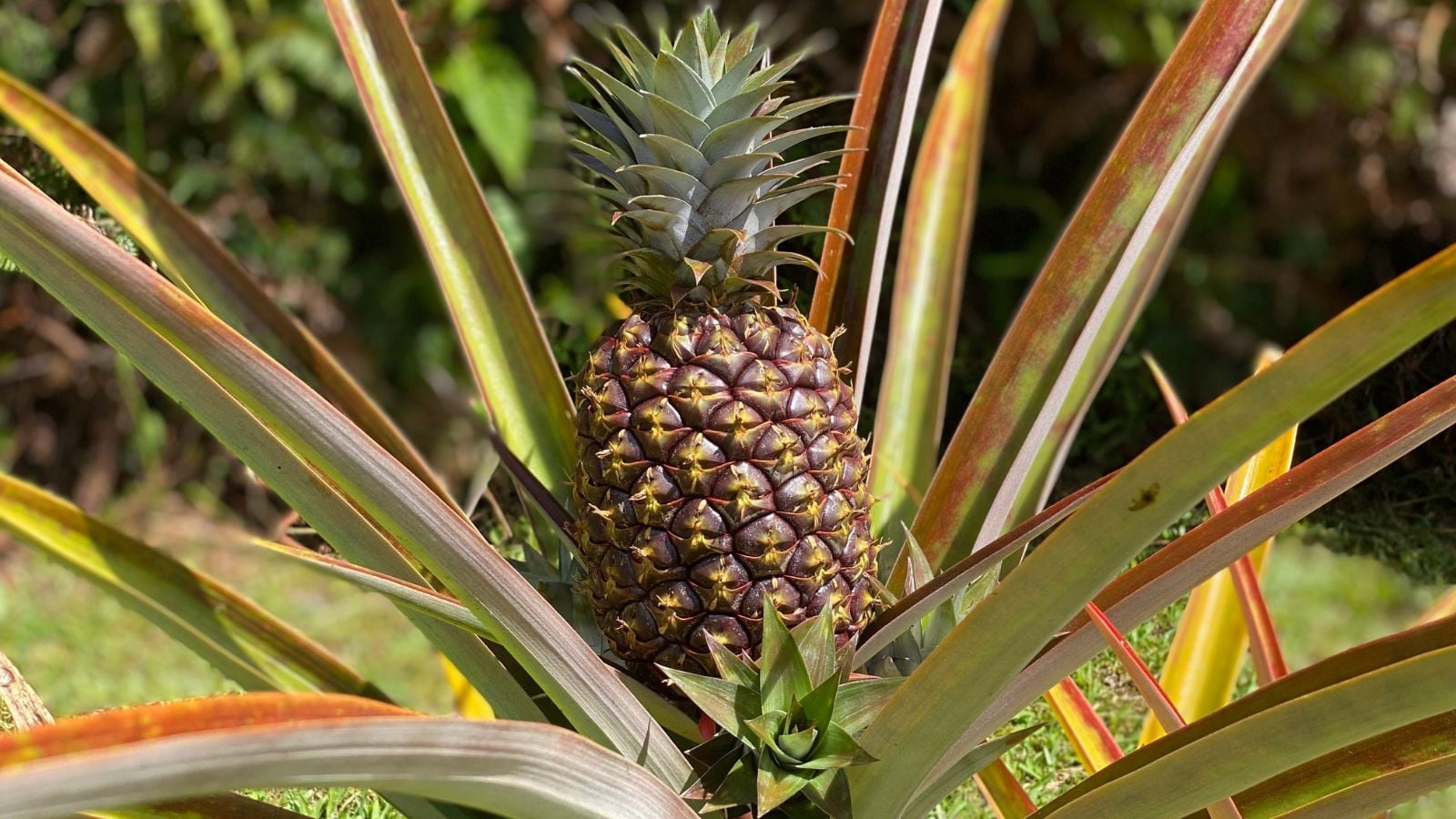
Pineapple plants grow in sunny regions of Central and South America, Hawaii, and the Philippines. But did you know you can plant the crown of a store-boughtbro pineapple and grow a new pineapple plant? If you would like to learn how to grow a pineapple, keep reading as we cover the ins and outs of starting from a single pineapple crown.
Pineapple, a type of bromeliad, is a lovely tropical addition to your garden. They can be started indoors on a sunny windowsill as a houseplant before growing large enough to take up almost five feet of space. Care for this unusual species long enough and you may be rewarded with a mature pineapple that adds sweet, bright flavor to your meals.
Growing pineapple is a fun way to spend time focusing on production. Pineapple fruit is packed with nutrition and is an excellent choice for anyone aiming to eat more healthfully. With patience and persistence, you will have a vibrant yellow pineapple growing, and its future top can be used to grow yet another pineapple plant.
Large Modular Metal Raised Garden Bed Kit

Large Modular Metal Raised Garden Bed Kit – 29” Extra Tall
Round Metal Raised Garden Bed Kit

Round Metal Raised Garden Bed Kit – 15” Tall
Small Modular Metal Raised Garden Bed Kit

Small Modular Metal Raised Garden Bed Kit – 15” Tall
Quick Care Guide

|
Scientific Name
Ananas comosus
Days to Harvest
970 to 1400 days or 32 to 46 weeks
Light
Full sun
Water
1 inch per week
|
Soil
Well-drained sandy loam
Fertilizer
Balanced dry fertilizers applied every two months
Pests
Mealybugs, scale, nematodes
Diseases
Rots, leaf spots, marbling, root rot
|
All About Pineapples

The pineapple we know was once divided into five separate species. Today, these are recognized as five varieties within a single species:
- Ananas comosus var. parguazensis
- Ananas comosus var. ananassoides
- Ananas comosus var. bracteatus
- Ananas comosus var. erectifolius
- Ananas comosus var. comosus (the variety commonly sold in stores)
Pineapple originates from river drainages between the Paraná and Paraguay rivers. Indigenous peoples in parts of South America cultivated this wild plant, and pineapple consumption later spread north into Central America. Christopher Columbus brought pineapples back to Portugal, where early attempts were made to grow them in Europe.
Pineapple plants were not successfully cultivated there until effective greenhouse growing methods were developed. The plant was later introduced to Hawaii and the Philippines by colonists in the 1800s. Today, Hawaiian farms produce pineapple fruit for people around the world.
Characteristics
Pineapple plants grow in a bush-like rosette formation, with spiny leaves branching from a thick central trunk. These leaf blades emerge directly from the base of a transplanted pineapple crown. The flowers resemble segmented fruit and grow from a stem that emerges from the center of the rosette. As flowering progresses, the individual flowers merge to form a single fruit.
Although pineapples produce 100 to 200 flowers, only one fruit develops on each plant. It takes almost three years for the fruit to mature. Pineapple plants can grow three to six feet tall and wide.
The pineapple fruit is the only edible part of the plant. The leaves, core, and trunk are too tough for consumption without heavy processing. Recently, with the rise of high-powered home juicers and blenders, consuming the pineapple rind for its nutritional content has become more common. The fruit’s skin can also be used to flavor dishes and removed before serving.
Planting
Plant pineapple in spring once the last frost has passed. There are three ways to plant pineapples: using the pineapple crown, a slip, or a sucker.
Choose a garden location with full to partial sun and slightly acidic soil. Loamy or sandy, well-draining soil works best for pineapple plants. If you start plants in a container, make sure the pot is large enough to support a mature plant, or opt for in-ground growing instead.
Because pineapple leaves are sharp and spiny, avoid planting near walkways where ankles and legs could be accidentally cut. Also keep in mind that the plant will need to be moved to a warm location before the first frost. This factor often determines whether pineapples are best grown in the ground or in pots.
Planting a Pineapple Top
While some sources suggest that a pineapple crown must be rooted in water before planting in soil, water is not necessary.
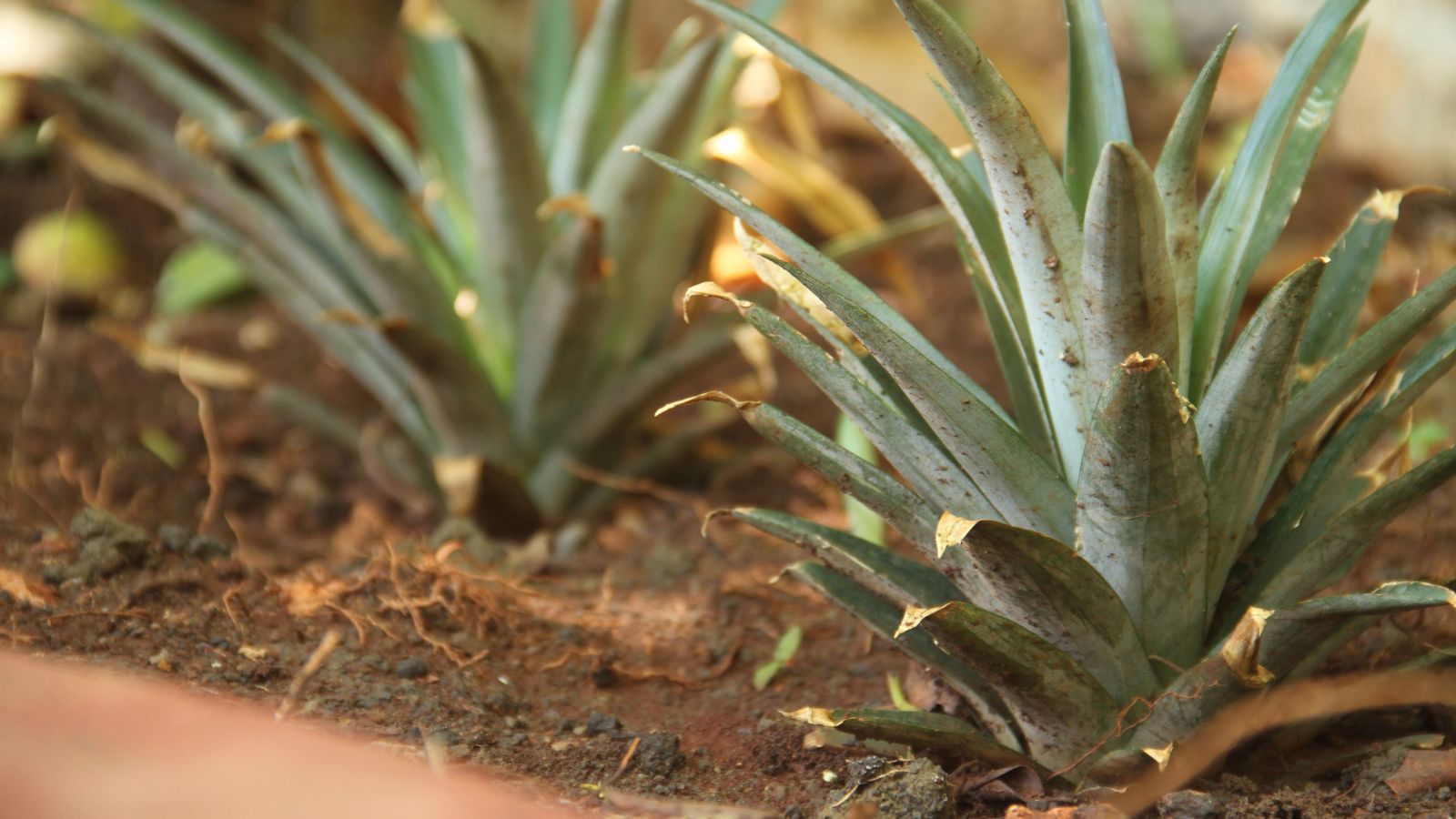
Instead, cut the top from the pineapple you want to propagate. Remove all remaining fruit, lower leaves, and any suckers attached to the crown. Removing the fruit is essential, as it can rot and cause growing issues such as stem rot. Plant the crown in a small hole in a pot or directly in the garden. Root formation typically takes about six to eight weeks.
Another option is to twist off the pineapple top. Hold the base of the pineapple foliage with one hand and the fruit with the other, then twist firmly until the leafy top comes away. Peel off the lower leaves to expose the brown base of the pineapple top where roots will form. Trim away any excess fruit below this brown section, then plant the top.
Planting a Pineapple Slip
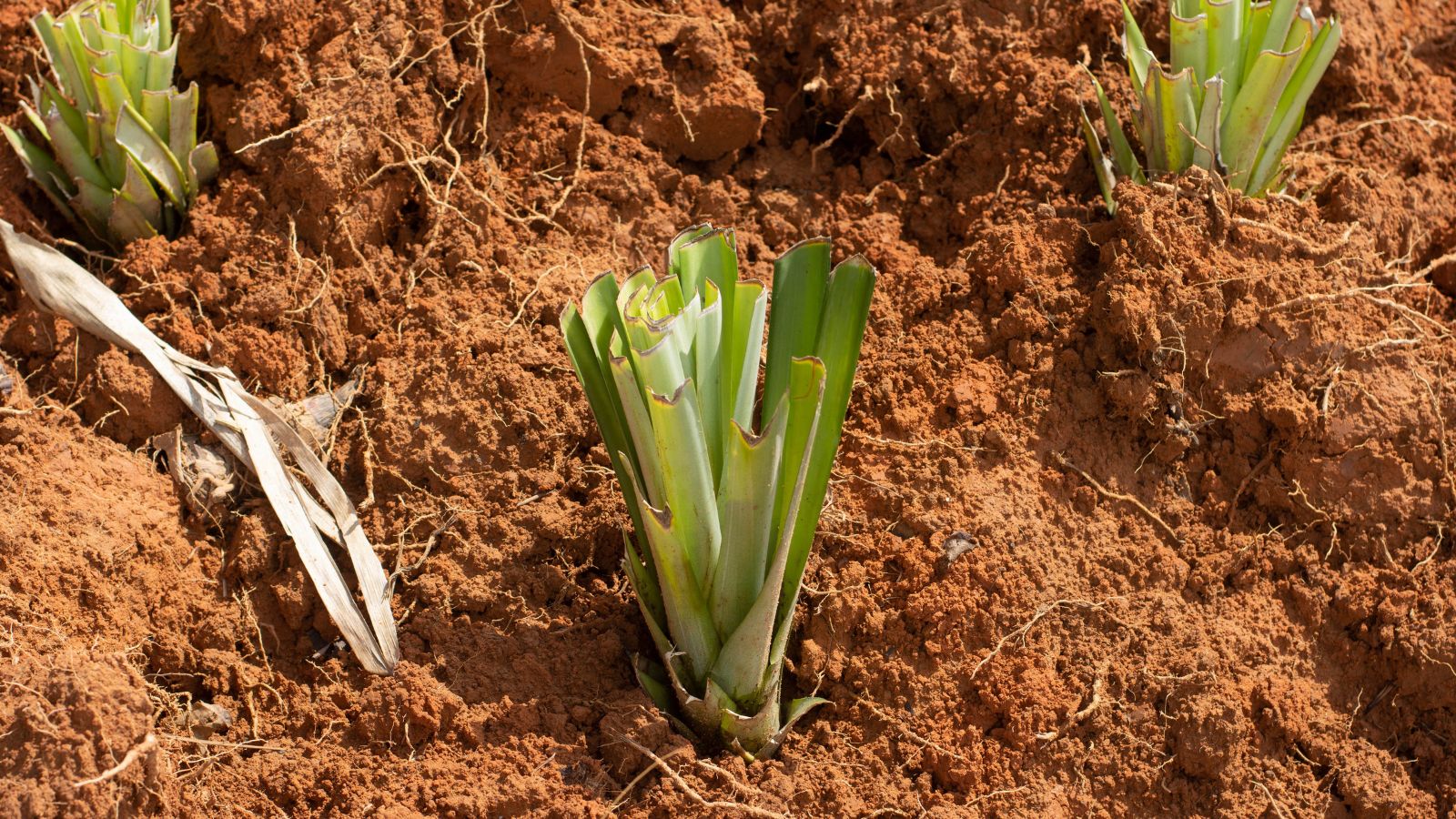
Slips sometimes form below the fruit and produce sharp leaves that emerge from beneath the fruiting area. Remove the slip by twisting it off the plant. To propagate a pineapple plant from a slip, remove any fruit beginning to form at the top. Next, strip away the lower leaves and plant the slip in the same way you would a crown once the remaining fruit tissue has been removed.
Planting a Pineapple Sucker
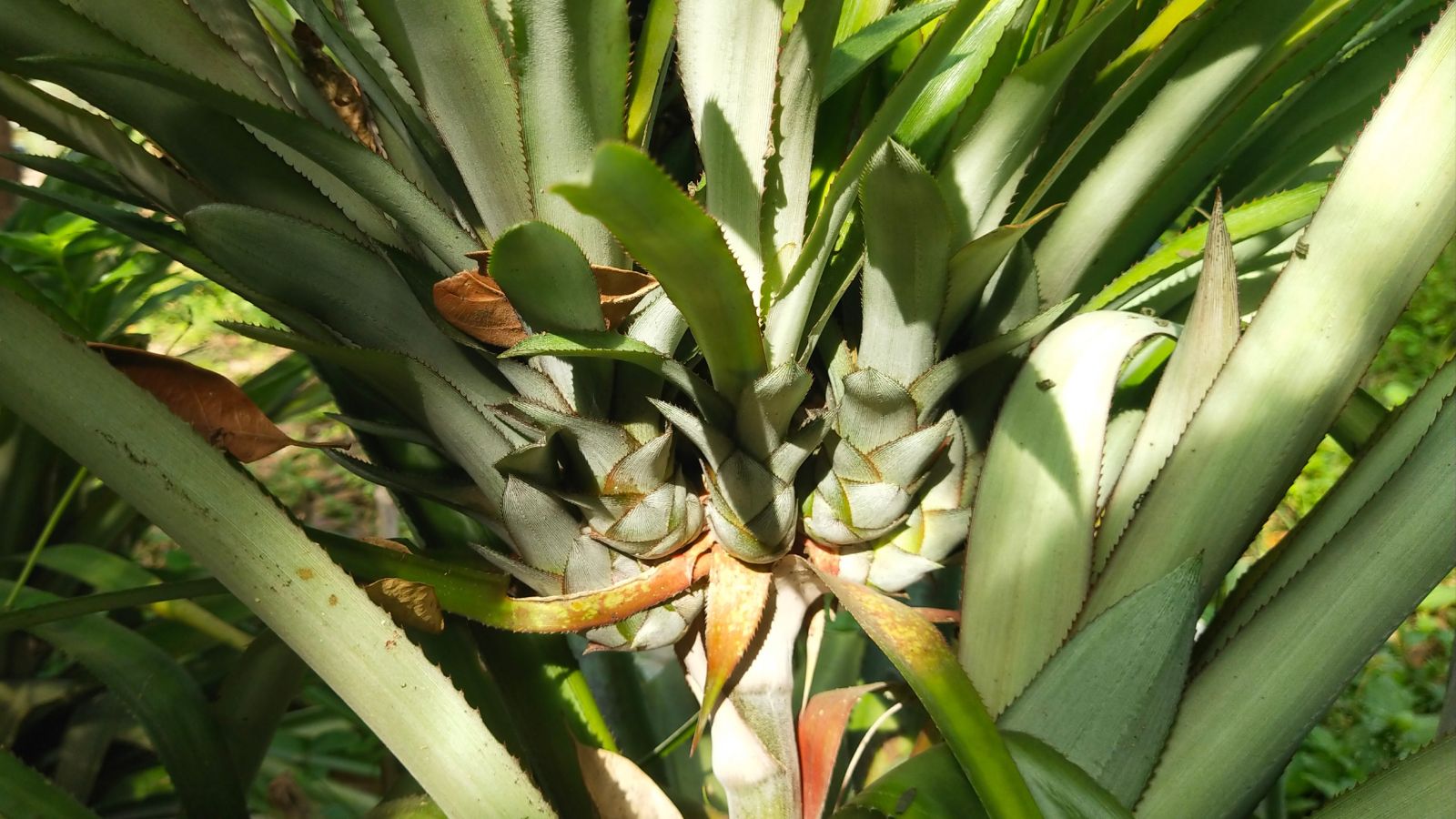
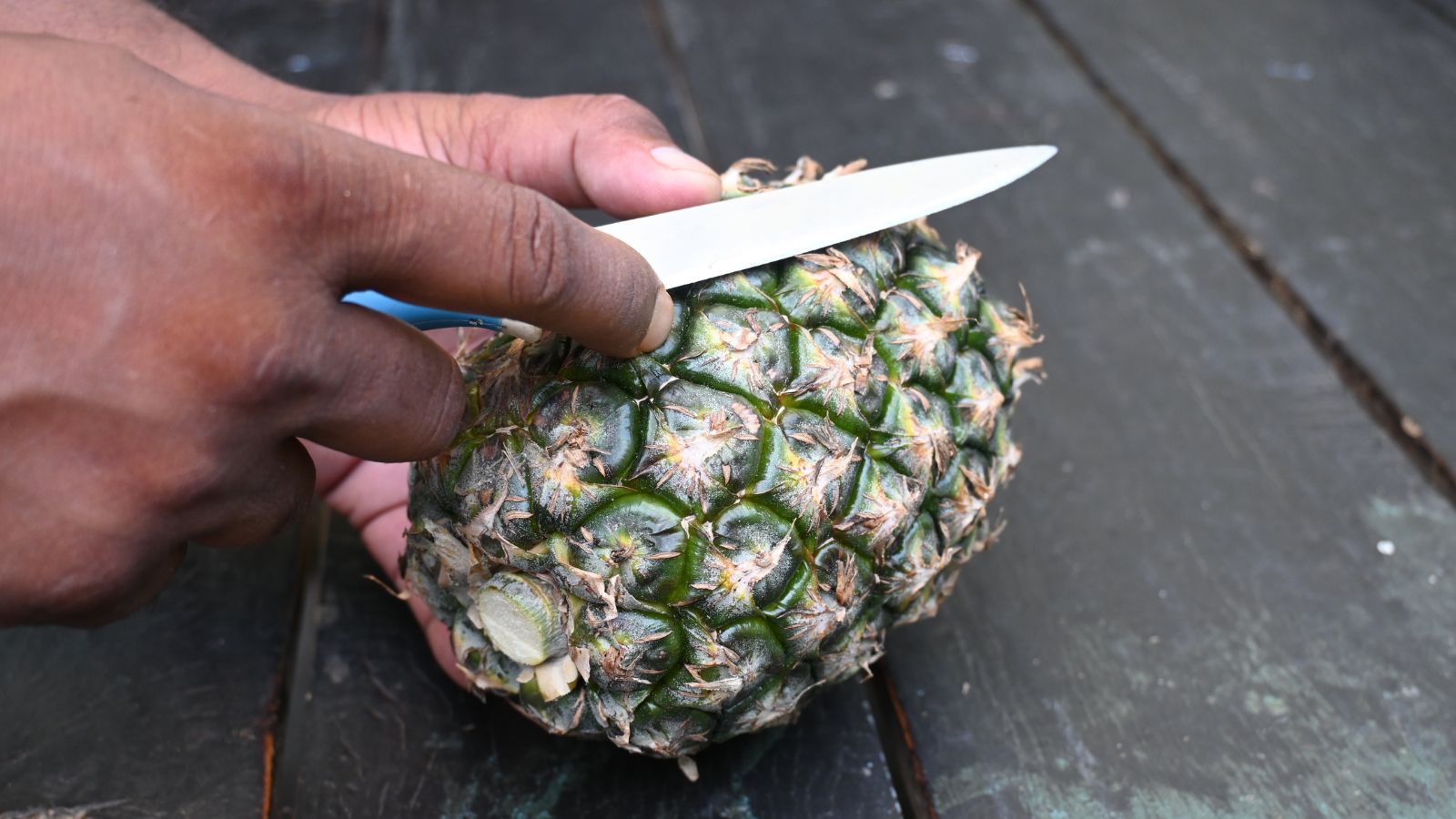
Suckers are extra plants that grow from between pineapple leaves. To remove them, use a sharp knife and cut at the base of the sucker, leaving a small portion of the base behind. This helps prevent damage to the surrounding leaves.
Plant the sucker in the same way you would a crown or slip. Always remove the lower leaves to expose any developing roots before planting.
How to Grow
Once established, a pineapple plant is easy to care for. Because growing pineapple fruit requires patience, you will be rewarded with an attractive plant that produces striking green leaves year-round when given proper care.
Light

Pineapple plants require plenty of light for healthy growth. Full sun is ideal, although partial shade can still support strong leaf production. Make sure your pineapple plant receives at least six hours of sunlight each day.
Water

Water pineapples thoroughly when they are newly planted to encourage strong root development. Begin with a deep soak of six to eight inches. Once roots are established, water your pineapple plant in the morning every few days. Allow the soil to dry out between watering, but aim to provide at least one inch of water per week.
Although overhead watering is possible, soaker hoses or drip irrigation are better options in areas where water trapped in leaf crevices does not dry quickly. During rainy periods, skip watering altogether. In cooler conditions, water about once a week. Avoid overwatering whenever possible, as excess moisture can lead to root and stem issues.
Soil

Prepare a garden bed or container with loamy or sandy soil that is slightly acidic and drains well. Pineapple roots are shallow and do not require a growing medium that retains large amounts of moisture.
While some gardens naturally have acidic soil, it helps to prepare in advance using a mix of one part sand, two parts soil, and two parts humus. As long as the growing medium is not alkaline, contains sand, and has a pH between 4.5 and 5.6, pineapple plants are generally easy to grow successfully.
Temperature

Pineapples grow best in zones 11 to 12, where they can be grown easily in the ground. Ideal growth occurs in temperatures ranging from 65 to 85°F (18 to 29°C). Pineapple plant growth begins to slow at 60°F (16°C).
Freezing weather damages leaf tissue, so avoid planting pineapple in the ground in areas that experience hard winter freezes. In colder climates, it is often easiest to grow pineapple in containers and move the plant indoors during winter.
Because pineapple thrives in tropical conditions, summer heat is rarely an issue. However, plant growth may slow when temperatures reach 90°F (32°C) or higher.
Fertilizing

Your plant needs fertilizer early on, when the crown has just been planted. Dry fertilizers work best for pineapple, as high concentrations of foliar feeds can burn the leaves. Apply fertilizer every six to eight weeks for the first 14 to 16 months of growth.
Early applications should be high in nitrogen to encourage leaf production. After 16 months, reduce nitrogen levels. A suitable NPK ratio for the initial fertilizing stage ranges from 6-6-6 to 10-10-10.
Bromeliad or fish emulsion fertilizers also work well for pineapple, provided they are heavily diluted. Micronutrient fertilizers are beneficial too, particularly those containing iron and magnesium, which pineapple plants prefer.
Pruning
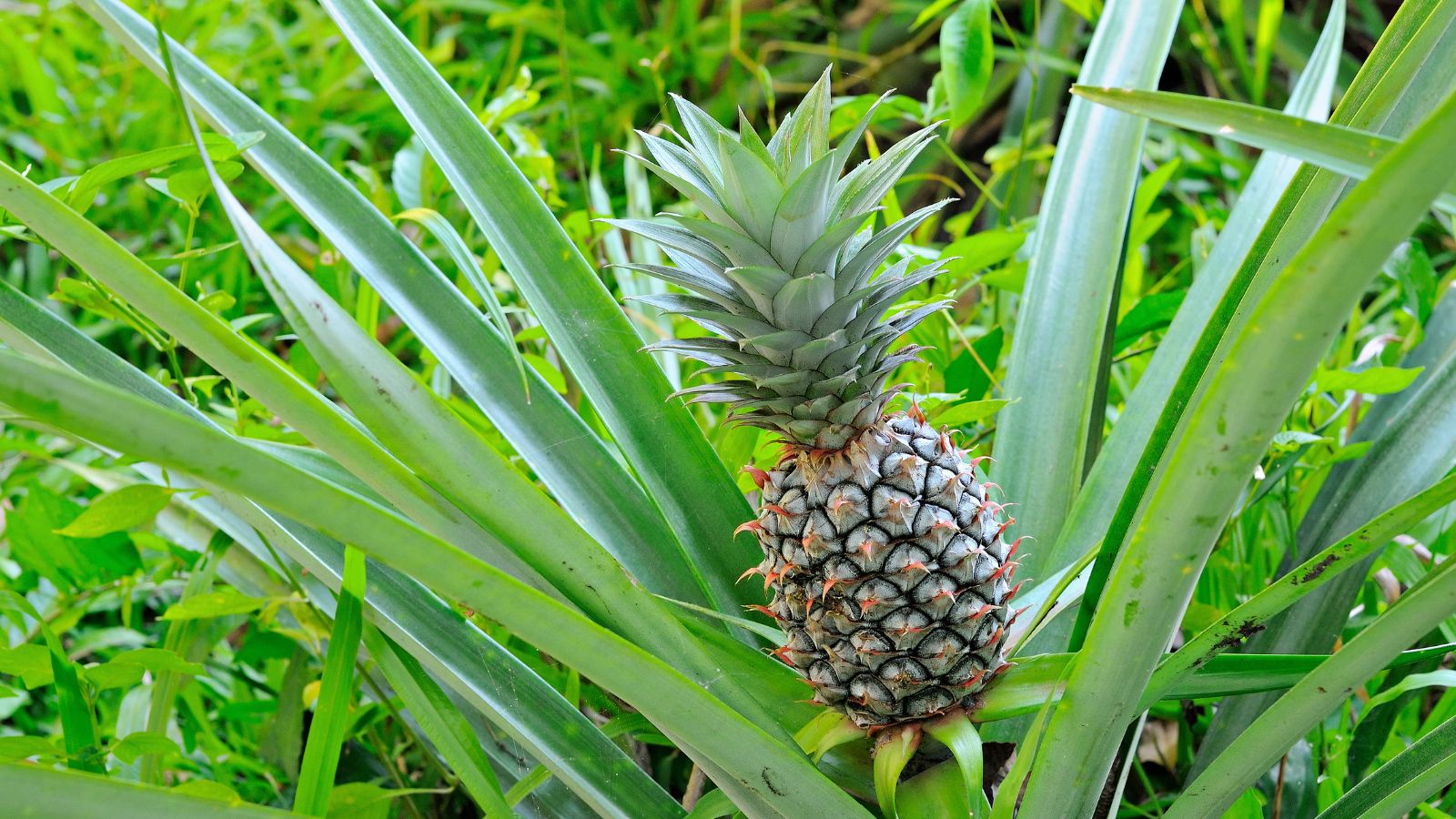
Pineapple leaves may show minor damage from insects or bruising caused by brushing against them. Because leaf production is closely tied to flower and fruit development, avoid removing healthy leaves whenever possible. You can trim dead or brown leaves using a sharp knife or pruning shears, taking care not to pierce the central stalk.
When suckers and slips appear, remove them to redirect energy back into fruit production. If you wait to remove suckers and slips until after harvesting ripe fruit, the plant is more likely to produce larger, more flavorful pineapple.
Propagation
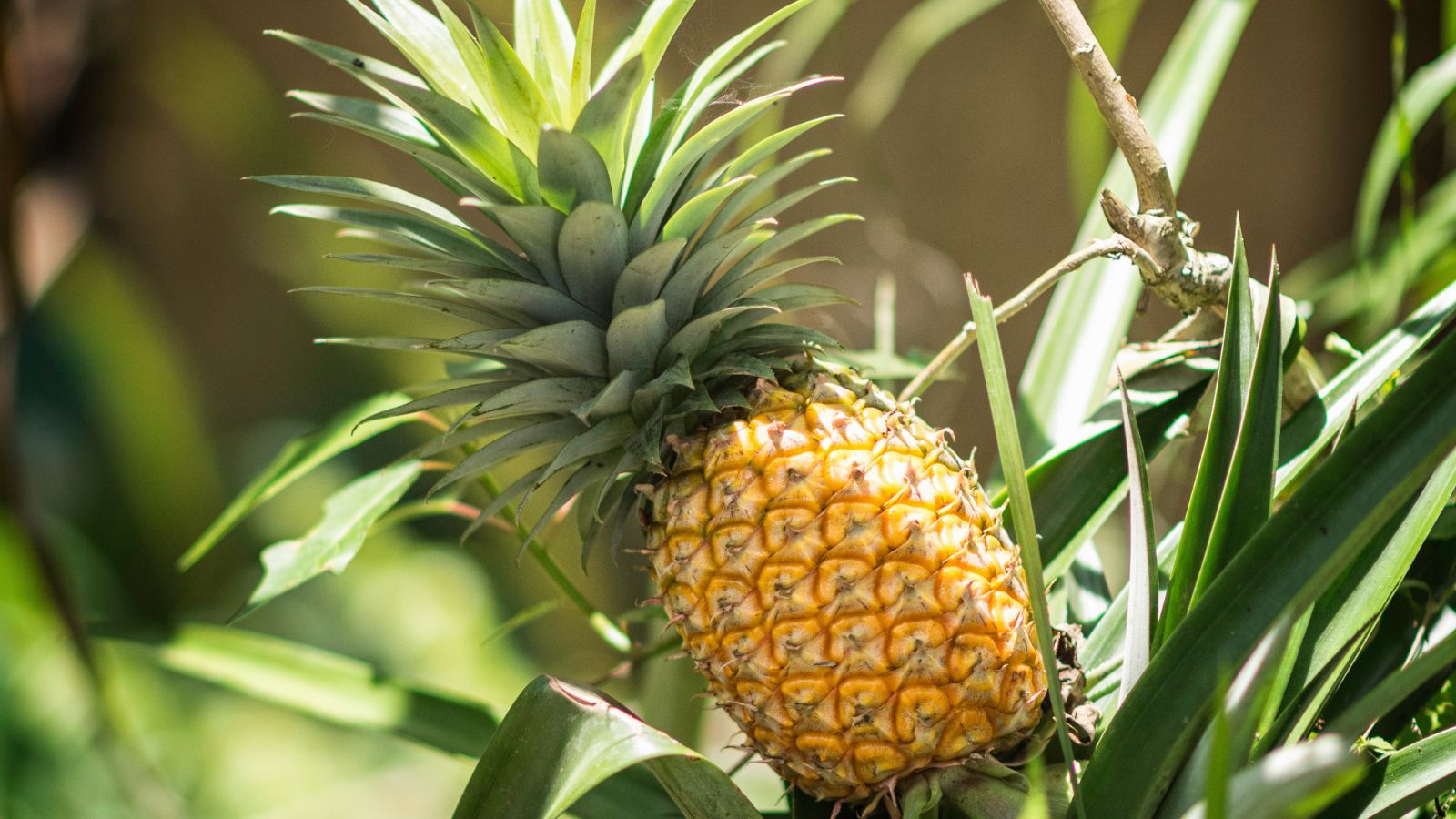
To propagate your plant, refer to the planting section of this article. Always remove all fruit from a pineapple top before planting. Slips are best removed with a firm twist, while suckers should be removed using a sharp knife.
Harvesting
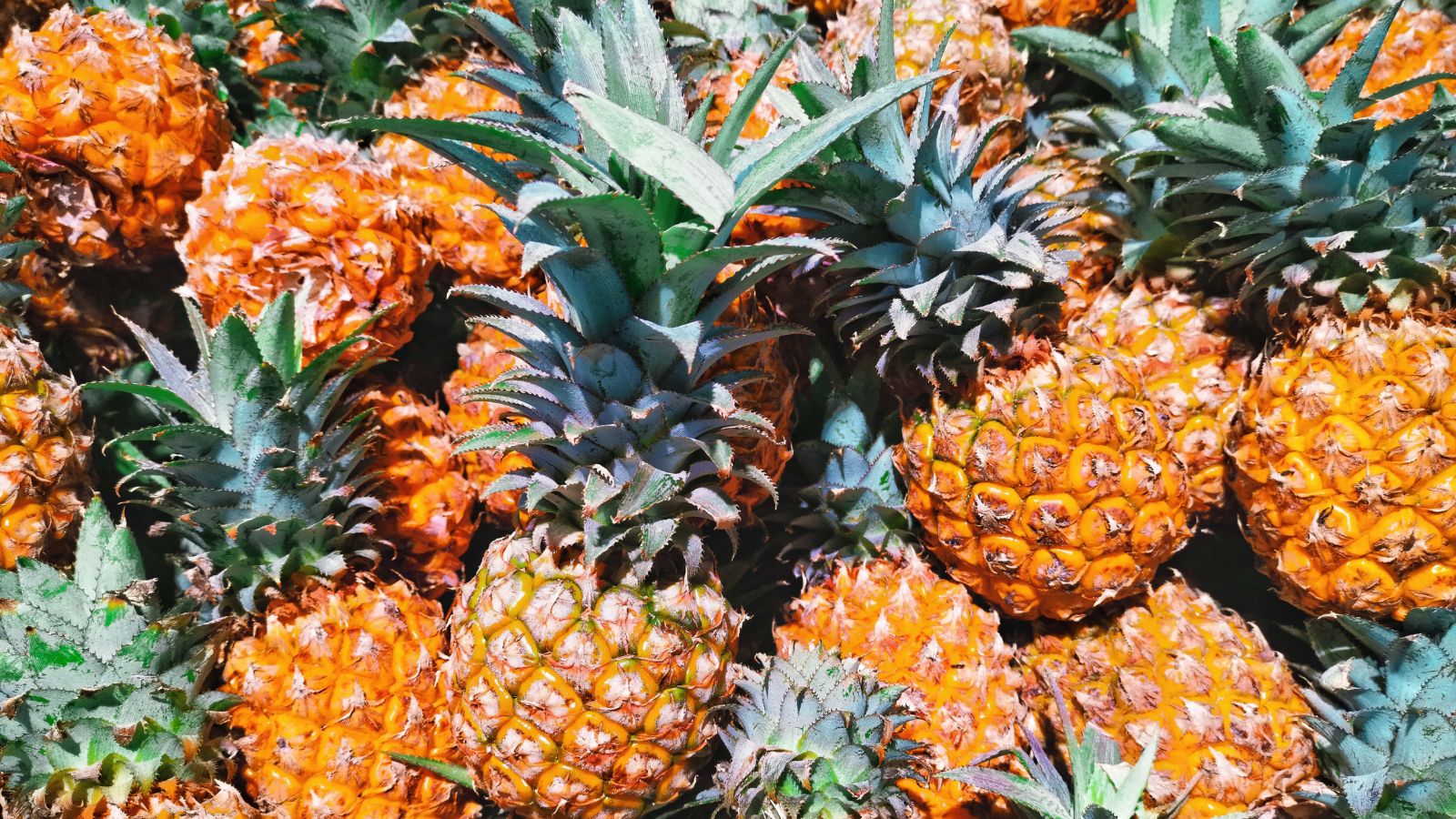
Pineapples are easy to harvest and store, and the crown can be replanted to flower again or kept in a pot as a houseplant. Enjoy ripe pineapple fresh, add it to your favorite dishes, or freeze it in a plastic bag or container for later use.
A ripe piña is typically about one-third yellow and sounds solid when gently knocked. The remaining skin will be bright brown. Ripe pineapples also have a fresh, sweet aroma. To harvest, cut the fruit at the base where it meets the stem. Because the stem is tough, always cut away from your body for safety.
Pineapple does not ripen after harvest, so it should be left to fully mature on the plant. Green fruit will remain green and have an underdeveloped flavor.
Storing
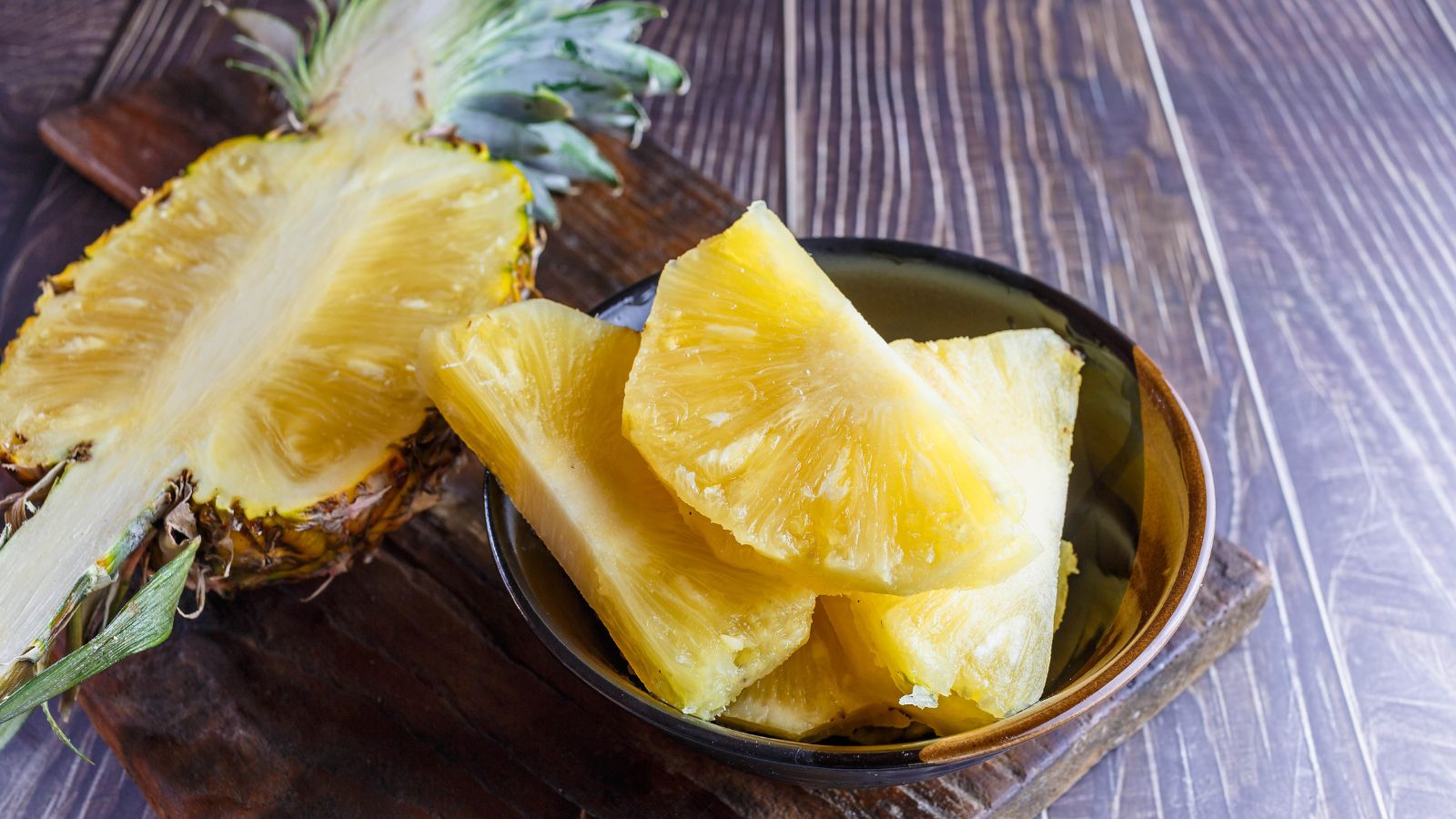
If you would like to enjoy fruit right away, simply cut it up and add it to your meal. Few things compare to the flavor of a sweet, locally grown fruit harvested from your own backyard.
Pineapples can also be dehydrated and stored in an airtight container for two to four weeks. Fresh pineapple will keep in the refrigerator for five to seven days when stored in a perforated plastic bag. In the freezer, pineapple can be stored for 10 to 12 months. For each of these storage methods, cut the pineapple into strips or chunks before storing.
Troubleshooting
Pineapples are tall, summer-loving, and don’t need much fussing to survive. But there are a few things to keep in mind when growing them.
Growing Problems
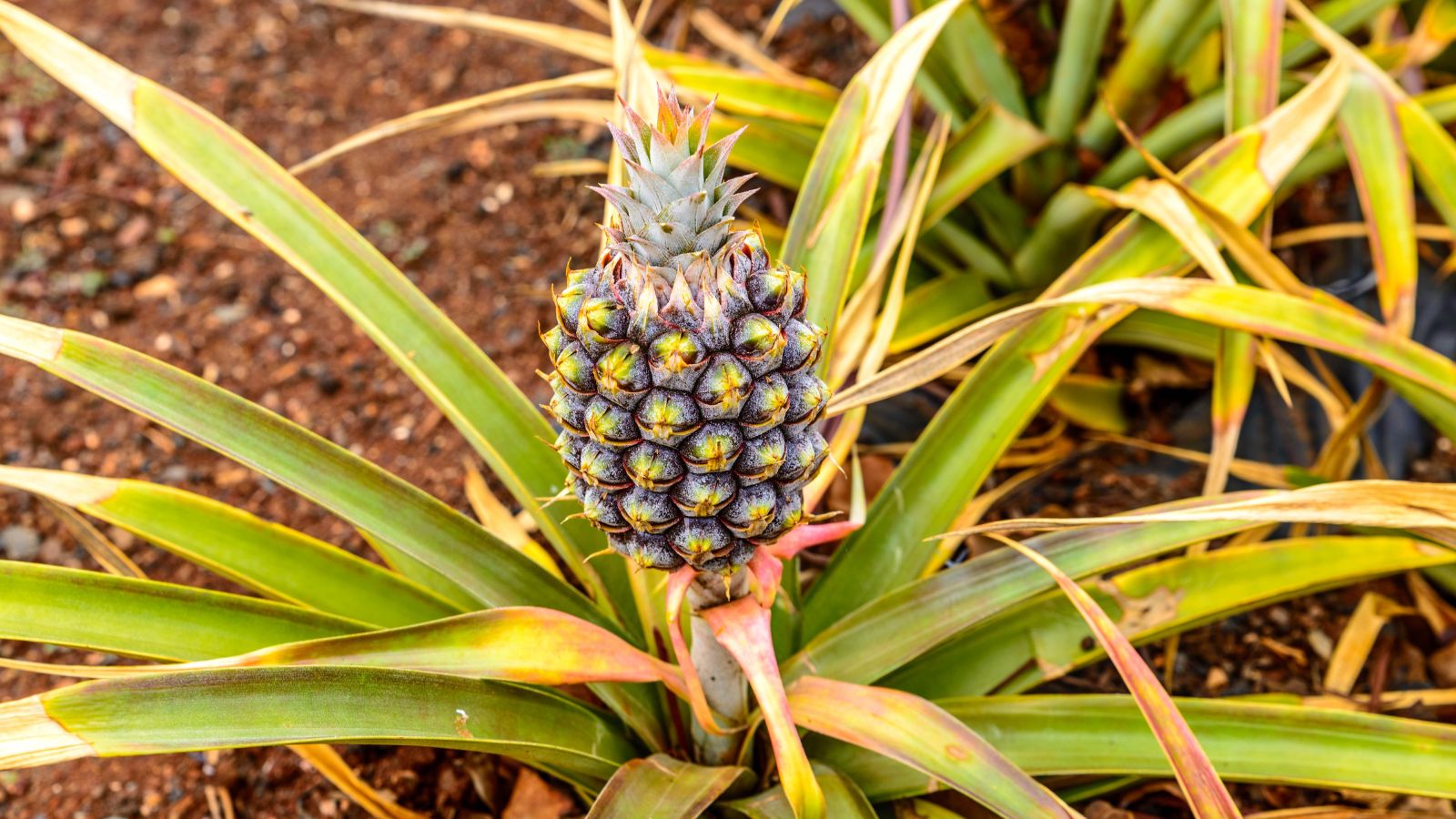
When pineapples experience temperatures that are too cold or too hot, growth slows and flowering stops. Because fruit formation can take several years, monitoring temperature closely becomes especially important when the plant shows signs of blooming. If needed, protect the plant from extreme conditions to support proper flower development.
Established pineapple plants will rot if they stay too wet, while newly planted crowns or offsets need consistent moisture to develop roots. Without enough moisture, unestablished plants fail to root, turn brown, and decay. Pineapples that receive too little water will dry out. Managing moisture takes care and attention, especially in the early stages.
If you leave slips and suckers attached, flower and fruit production slows. Remove them as soon as they appear and propagate them in pots. During winter, keep them on a sunny windowsill while they root. These young pineapple plants also make thoughtful gifts during the holidays.
Pests

The pineapple mealybug, Dysmicoccus brevipes, is a sap-sucking insect that feeds on the green parts of the plant. These pests damage leaves and roots and spread diseases such as pineapple wilt virus. Use a cotton swab dipped in rubbing alcohol to dislodge mealybugs from the leaves. If you notice a heavy infestation, apply insecticidal soap or mycoinsecticides to help reduce populations. Neem oil and horticultural oils also work well as preventative treatments.
Another scale insect, Diaspis bromeliae, feeds by extracting juices from the foliage. These pests resemble tiny oysters or mussels and attach themselves to plant surfaces, where they cause brown lesions on the leaves. Treat scale insects with horticultural oil, neem oil, or by thoroughly wetting the plant and rubbing the foliage by hand to remove them. For persistent infestations that do not respond to these methods, apply insecticidal soap 24 hours beforehand, then repeat the wetting and rubbing process. As with mealybugs, regular oil applications help limit population growth.
Root knot nematodes are microscopic roundworms that attack the roots of pineapples grown in the ground and cause stunted growth during their second life stage. As they feed, they form small nodules on the roots, which block proper nutrient uptake. To manage root knot nematodes, introduce beneficial nematodes that prey on them. You can also eliminate nematodes by solarizing the soil, though this method destroys both beneficial and harmful organisms.
Diseases

Black rot develops on fruit after damage occurs during harvesting. This fungal disease is caused by Ceratocystis paradoxa, which enters damaged fruit when it is stored in humid conditions. Symptoms appear as black, rotted patches on the pineapple skin during storage. To prevent black rot, submerge harvested pineapples in a 122°F (50°C) water bath for at least one minute, keeping the fruit fully submerged.
Several leaf spot diseases are also fungal and begin as small brown spots that expand into large gray lesions. These fungi spread readily in humid or rainy regions, such as Hawaii. Treat infections with sprays of Bacillus subtilis, a bacterium that feeds on fungal spores. For more severe outbreaks, liquid copper fungicides provide effective control. Always use clean tools when propagating pineapples to reduce the spread of fungal spores.
Marbling is a disease caused by two bacteria, Pantoea ananatis and Acetobacter spp., which cause inner fruit tissue to become woody and speckled during the final month of development. These bacteria thrive in warm, wet conditions. To reduce the risk, plant resistant varieties when available. Marbling typically occurs only in tropical lowland regions.
Pythium and Phytophthora are fungi that cause root rot and can also affect fruit or stems. Prevent these diseases by planting pineapples in well draining soil at the appropriate time of year. Because few organic fungicides effectively control root rot, proper drainage remains the most reliable defense. Sandy soil types work especially well. Applying beneficial mycorrhizae or beneficial bacteria may help limit fungal spread, and copper fungicides can reduce spores on affected foliage.
Frequently Asked Questions
How long does it take to grow a pineapple from the crown?
It takes between 32 to 46 weeks.
Are pineapples hard to grow?
Not at all! But they take a lot of patience due to their slow fruiting phase.
Are coffee grounds good for pineapple plants?
Pineapples like coffee grounds during the vegetative stage of their life when leaf production is key, as coffee grounds release nitrogen during decomposition. After flowers form, do not apply nitrogen fertilizers as they may slow flowering.