
Contents
Getting a landscape gardener to build your free-form pond can be expensive, so follow the steps below and get the satisfaction of doing it yourself.

Choose Your Location

Site your pond where it will get plenty of light, with some direct sunlight to help plants grow. Avoid placing it near deciduous trees, otherwise you’ll spend a lot of time removing dead leaves from the water.
Dig the Hole
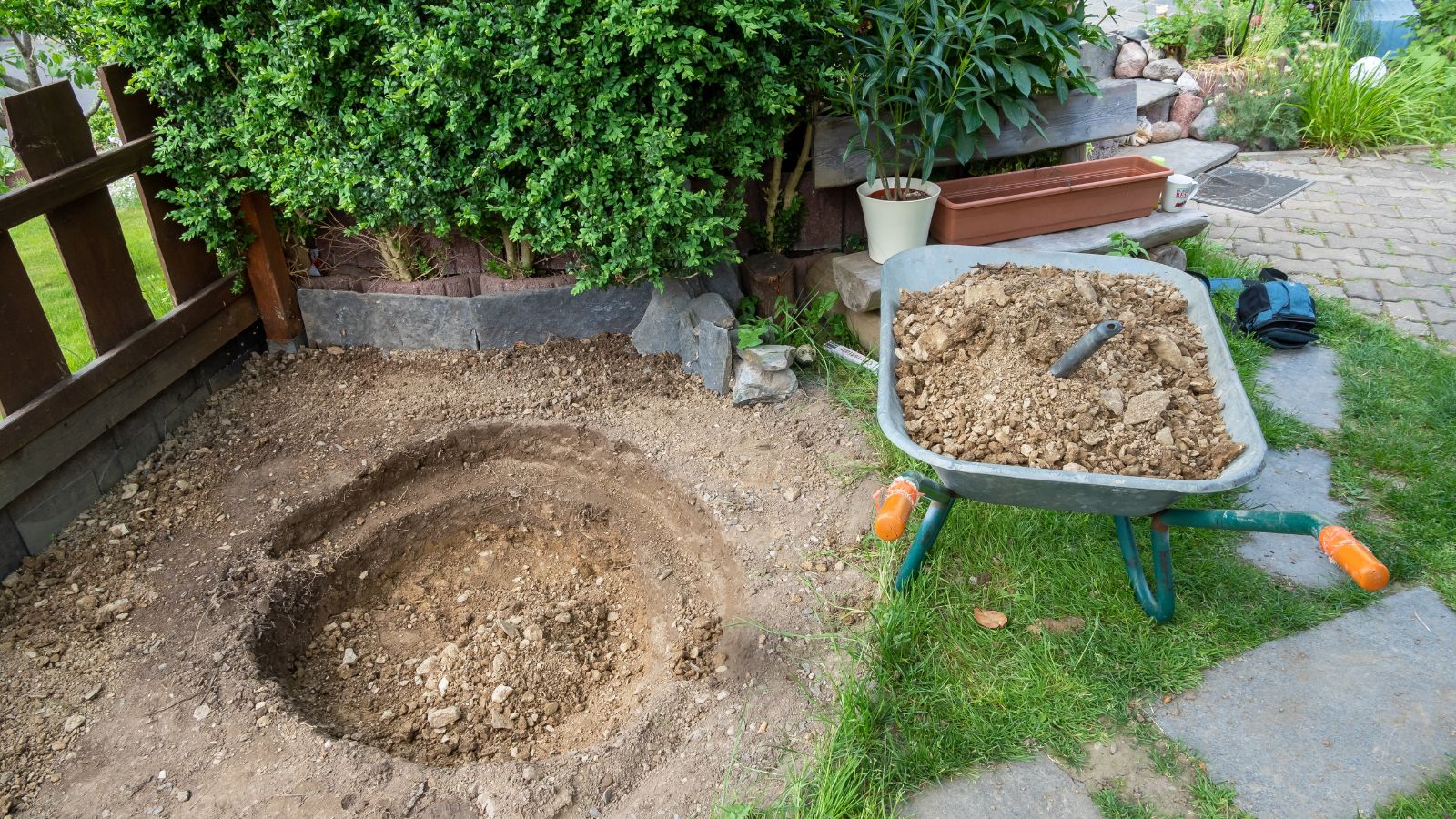
Mark out the shape of the pond with pegs & string, or chalk. It will need to be 90cm deep in the centre, if you’re keeping fish. It will also need a shelf for marginal plants, and to allow frogs and other creatures to get out. Using a spade, dig out to shelf level (15cm). Next, starting 15cm in from the sides, dig out the rest. Check the sides and bottom for large stones or sharp objects which could rip your liner.
Line the Pond
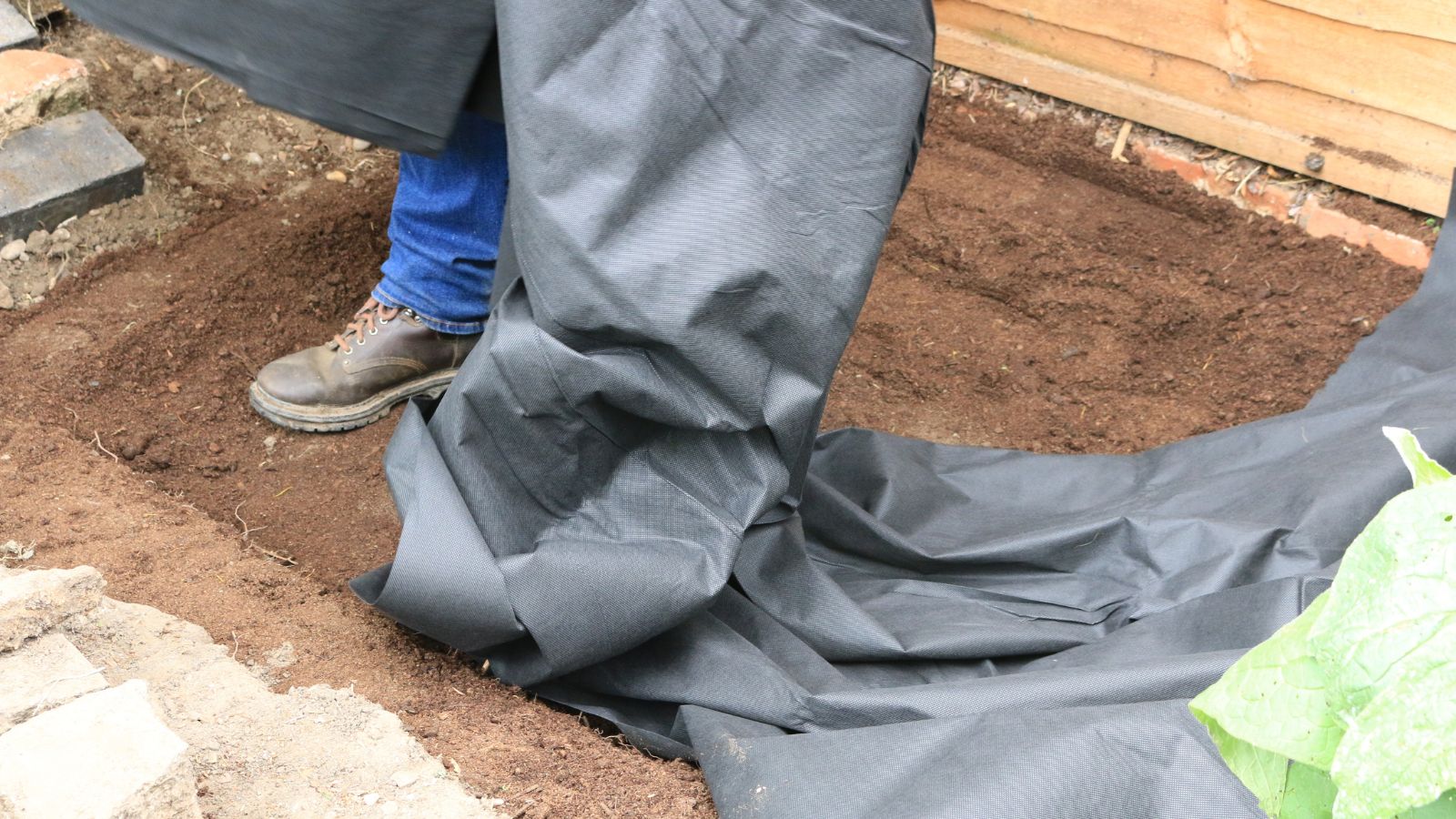
Put a 2-3cm layer of sand on the bottom, then line the entire pond with thick blankets, carpet underlay or proprietary under-liner, so that it comes over the top slightly. The under-liner should be 2-3cm thick. This can be trimmed later, if necessary.
Insert the Liner
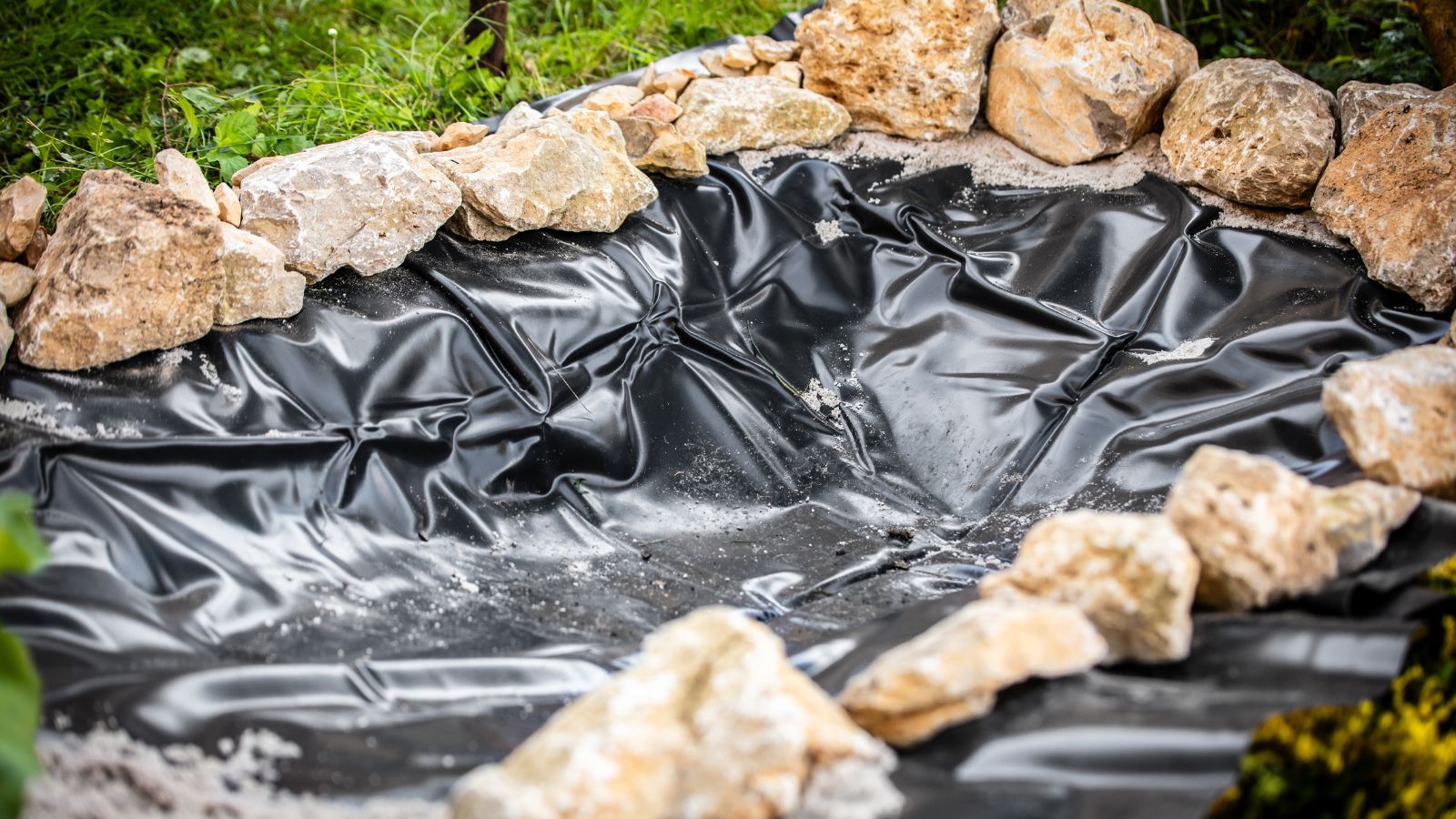
For a pond that is 90cm deep x 180cm x 120cm, you would need a liner measuring at least 4.5m x 4m. Lay the liner on top of the pond and gently push down. It’s easiest if you get into the pond but take your shoes off. Now position the liner so that it reaches into every part nook and cranny, paying particular attention to the shelf. Leave some pleats, as the liner will expand when filled with water. Ensure there is a minimum of 30cm overhang, which can be trimmed and hidden, once the water goes in.
Border
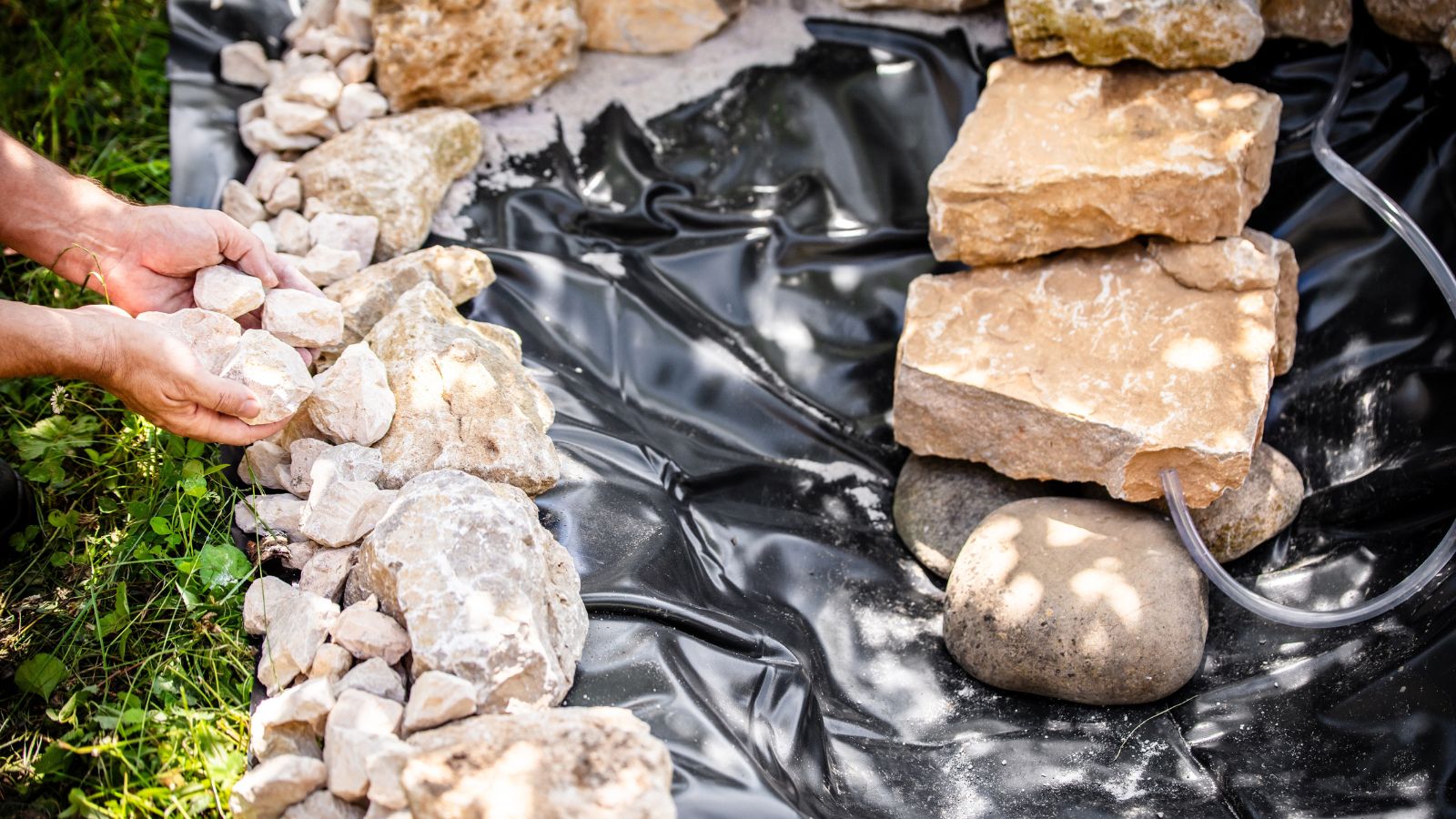
Once the pond is full, you will need a border to hide the liner and make the pond more attractive. You can use bricks, slate, cobbles or stone slabs. If you’re using slabs, you will need a grinder to cut to size, such as those sold by Anglia Tool Centre. Ensure you wear goggles and a mask. Once your border is positioned, preferably with a slight overhang, trim off any excess liner and secure the stones with mortar. Even heavy stones can end up in the pond, tearing a hole in the liner, so make sure they’re solidly embedded.
Wait at least two weeks before adding any plants or fish to the pond, to allow for the chlorine to dissipate. You can also buy additives to speed up the process.
Share This Post

7 Invasive Weeds to Remove From Your Pond Now
Prevent your backyard pond from getting overgrown with invasive aquatic weeds through early detection and quick removal. These aggressive pond weeds can easily take over, harming water quality, fish, and aesthetics. Here are the 7 most common species to look out for.




DIY Hummingbird Feeder: 4 Easy Designs
Hummingbirds are great pollinators, and you should encourage them to visit. A DIY hummingbird feeder is effective and a fun weekend gardening project. Find four easyways to make your own hummingbird feeder in this guide.

How to Build A DIY Pallet Garden in 6 Easy Steps
There are many uses for a used pallet, but one of the best is building a garden. Learn the six steps to creating a stunning flower and herb pallet garden on a budget from gardening expert Wendy Moulton.

15 Easy Ways to DIY Your Garden Paths
Pathways add charm to the yard! They’re essential parts of a cohesive garden design. Depending on how you want the garden to look, use a natural, wild style or a formal, geometric one. You can do it yourself! Start with one of these 15 easy methods to create your garden paths, from former landscaper Jerad Bryant.

Air Plant Display: How to Mount Tillandsias
An air plant display can be much more than a piece of wire or a seashell. These epiphytes can become indoor gardening features with a couple of mounting steps. We'll show you how to mount air plants on wood as a wall display!