How Long Do Seeds Last? 3 Ways to Test Viability
From year to year, it’s hard to determine how long seeds last without testing them. But there are ways to know the viability of your seeds even before you plant them. Follow along with experienced gardener, Sarah Jay, as she covers three ways to test your seeds.


Contents
The first time I tried to sow 12-year-old seeds, I was surprised to find they didn’t germinate. This was early on in my time gardening, and someone offered them to me. If I had known how long seeds last, I probably wouldn’t have wasted the space.
Now that I know about germination rates and how they relate to viability – essentially the shelf life of seeds – I know to plant more of one kind if it’s older than a couple of years. I’ve learned to test my seeds when I’m unsure about their age or how well they will grow.
If you know you’re dealing with old seeds, that isn’t always a problem. There are ways to determine what the general germination rate is, and other ways to test them. We’ll discuss both here and cover three ways you can check how reliably yours will germinate.


The Container Collection Seed Bundle

The Container Collection Seed Bundle
How Long Do Seeds Last?
Most seeds have at least a few years of viability. Many are just as viable after their second year of storage, unless you’re dealing with wildflowers or seeds that require a specific ecological niche to thrive. Expect most to remain viable for at least three years, as for the most part, this is how long seeds last.
Seed Viability

The best way to check shelf-life is to determine their germination rate, or do a test to see how easily they sprout. Seeds for the food garden are often kept in a manner that preserves their viability for much longer than wild plants. However, this changes between varieties.
Many seeds with short shelf lives require specific conditions for thriving and germination. Wild plants, particularly those that are harder to grow, tend to require a particular environment for sprouting. This is also the case for several tropical fruits.
This list of tests is more relevant to your average vegetable than it is to wildflowers and more hard-to-germinate seeds. These are usually fully to almost fully viable for a few years, but you can always test them to ensure you know exactly how many will sprout.
Determining Germination Rates
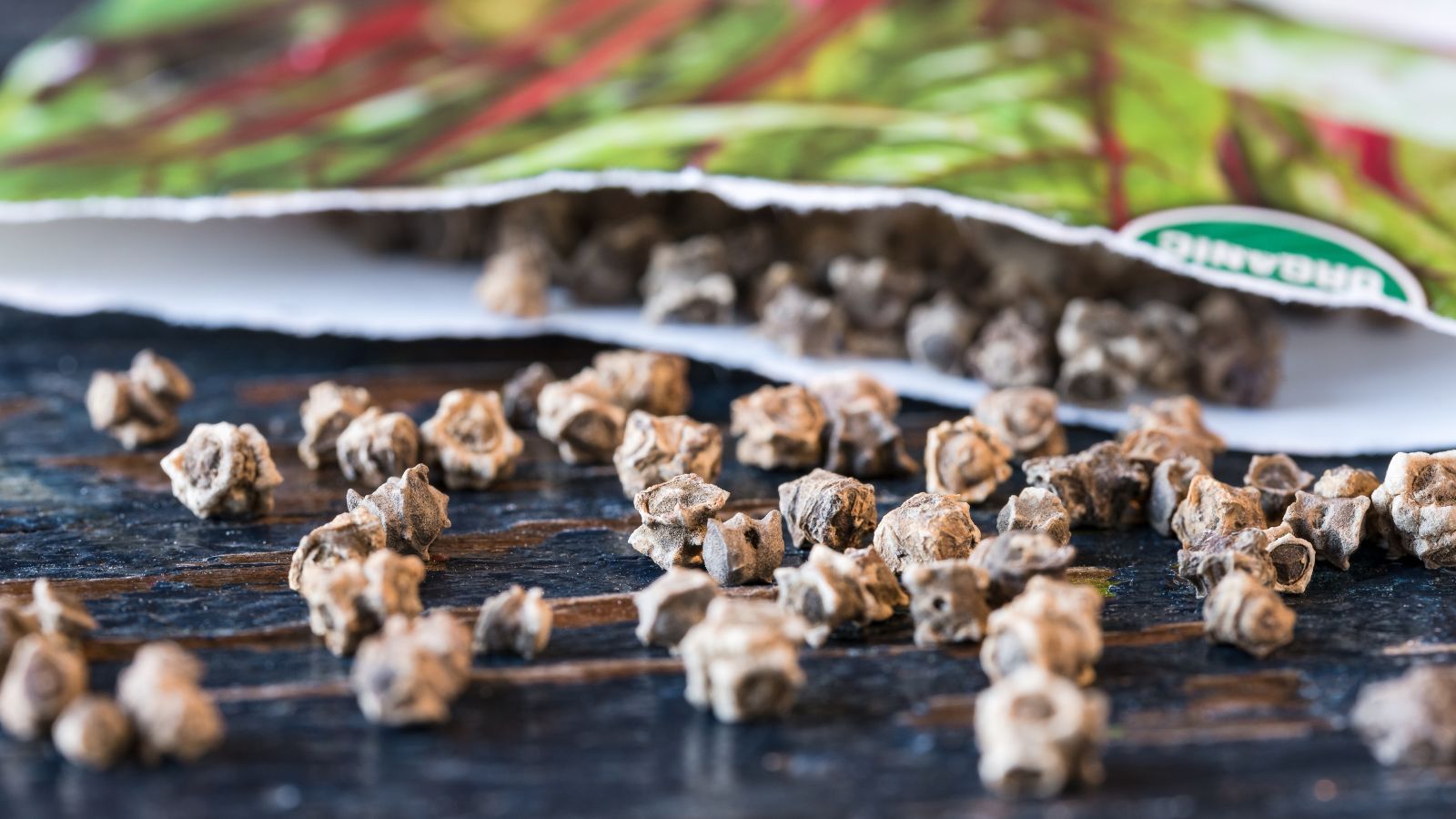
If you have enough, a germination rate test is a good way to determine the optimal planting method. It’s simple! Take ten seeds and place them in a folded, moistened paper towel. Then place the towel in a resealable plastic baggie. Label the baggie with the type and date sown.
Once you surpass the days to emergence (which is usually present on the seed packet), check to see how many have sprouted. If you don’t have information on your packet about how long it takes for seeds to germinate, do a quick search online. Then start checking around that day.
Out of your ten seeds, count how many sprouted. If all ten sprouted, congratulations! You have a 100% germination rate. If nine sprout, it’s 90%. If five sprout, it’s 50%, and so on. The basic formula for germination rates is as follows. It does not require that you test ten, but doing so makes your calculations easier:
Germination Rate = seeds germinated/total seeds tested x 100
This test is best used for seeds that don’t require cold stratification, unless they have been cold stratified for the required period first. If you have a lower than 100% rate, sow more. At 50%, you’ll need double the amount to yield the same results. For 30%, triple the amount. At 0%, it’s probably better to save space for more viable seeds.
A good rule of thumb is to sow two to three seeds per hole, even with new ones. Then thin your seedlings to the strongest ones as they grow.
Check Your Seed Packet

While a germination rate test is a good preliminary to find out how long seeds last, your packet holds another way people like to test viability. There are some caveats here, though, including how you store your seeds. Keep them in a cool, dark place for best results.
At our sister company, Botanical Interests, packets are clearly marked with the date they’re packed and the germination rate. Some are more likely to germinate than others, but you don’t have to guess if your seed packet supplies this information.
Use the same logic you would after determining your germination rate from the test above, but consider the age of the seeds. There are lists of veggies to peruse to find out how long seeds last.
Pre-Sprouting

Much like your germination test, you can simply take your entire seed bank and pre-sprout them to determine which ones will grow. There’s no math involved here, but you’ll use the same process that you do with the germination rate test.
Take the seeds, place them in a damp paper towel, transfer them to a plastic baggie, and wait to see which ones grow. Then transplant the sprouted seedlings gently into your starter pots or directly in the garden.
As you transplant, take care to keep the entire seed with its sprouted cotyledon intact. Any that are damaged in the process should be tossed out. And any baggies that take on mold in the process should also be disposed of.
Grow Them!

If you have room in your starting setup, or you have a few empty flats or containers, throw your seeds in! I usually have one or two packets every year that I know are really old. Instead of throwing them away, I just sprinkle them in soil, press them in or cover them, and let the experimentation happen.
This is the least controlled way to test viability, but I personally find it the most rewarding. One of the best things about gardening is how surprising plants can be. One minute, you think they’re dead, but they prove you wrong. That’s the beauty of this test.
This is a kind of chaos gardening you can do in your growing ventures.