How Long Do Succulents Live? How To Keep Them Alive
Have you ever wondered how long succulents live? Or how to make sure they live as long as possible? In this guide, Rachel Garcia explores succulent lifespans and tips you can use to keep yours alive for years to come!


Contents
I haven’t met a gardener yet who doesn’t love succulents. With their chunky leaves and impressive water-storing abilities, they have become an urban gardening staple. Still, these charming plants often meet an early end when their basic needs aren’t met.
Have you ever wondered how long succulents live? This guide explains how to keep succulents alive both indoors and outdoors so you can understand exactly what they require to thrive for as long as possible. Losing plants never feels great, and a few simple adjustments can make all the difference.
Epic 5” Cube Pot

Once your seedlings outgrow their starter trays, it’s time to size up. The Epic 5” Cube Pot gives your seedlings the extra space they need to keep growing indoors until it’s warm enough to move them outside. They’re also a great way to extend your indoor grow time even longer, especially if you started a bit too early and your seedlings have outgrown the 3” pot.
Buy at Epic Gardening Shop
What’s The Average Succulent Lifespan?

Succulents are so diverse that it’s difficult to give a single answer to how long they live. There are thousands of varieties, each with its own habits and needs. As a gardener, it helps to get familiar with the specific plants you are growing. Look into their life span, growth rate, and requirements for sun, water, pots, soil, and more.
You can sometimes find average succulent lifespans online or at a garden center, but many species still have unknown ages because they have not been observed in nature long enough. Here are a few succulents with known life spans:
| Jade Plant | 70-100 years |
| Hens and Chicks | 3+ years |
| Aloe Vera | 5-25 years |
| Barrel Cactus | Centuries! |
| Living Stones | 40-50 years |
| Christmas Cactus | 30+ years |
Some succulents have traits that significantly influence how long they live. Many hybrids, such as Echeveria ‘Perle von Nurnberg’, naturally have shorter life spans.
Some succulents do not live long but produce offsets that replace the main plant. A good example is hens and chicks. The main plant typically lives three to four years but sends out many offsets during that time. You may not even notice when the original plant dies because the new growth fills in so quickly.
Monocarpic plants, like Aeonium ‘Kiwi’, die after flowering. Depending on how long the plant takes to mature, it may live for many years before it blooms. If your succulent begins to flower and you want to preserve it, take cuttings for propagation. It is essentially one generation fading while the next one takes over.
Understanding Succulent Growth

Succulents are generally slow growers, but their growth patterns vary. Most of them move through a yearly cycle of dormancy followed by a growing season.
Dormancy is similar to hibernation in animals. During certain seasons, succulents go into survival mode to cope with extreme weather. They slow or stop growth to conserve energy, which means they usually need less water and sunlight while dormant.
Indoor succulents may not go dormant if temperatures stay consistent. They will still be healthy, but they will not follow their natural rhythm, and many will not flower unless they experience a dormant period.
The growing season is when succulents become active. This is when they produce new leaves, send out offsets, and bloom. During this period, they benefit from additional water, more sunlight, and occasional fertilizer.
Succulents native to the Northern Hemisphere typically go dormant in winter and grow in spring and summer. Those native to the Southern Hemisphere often shut down during the hottest part of summer.
Keeping Succulents Alive
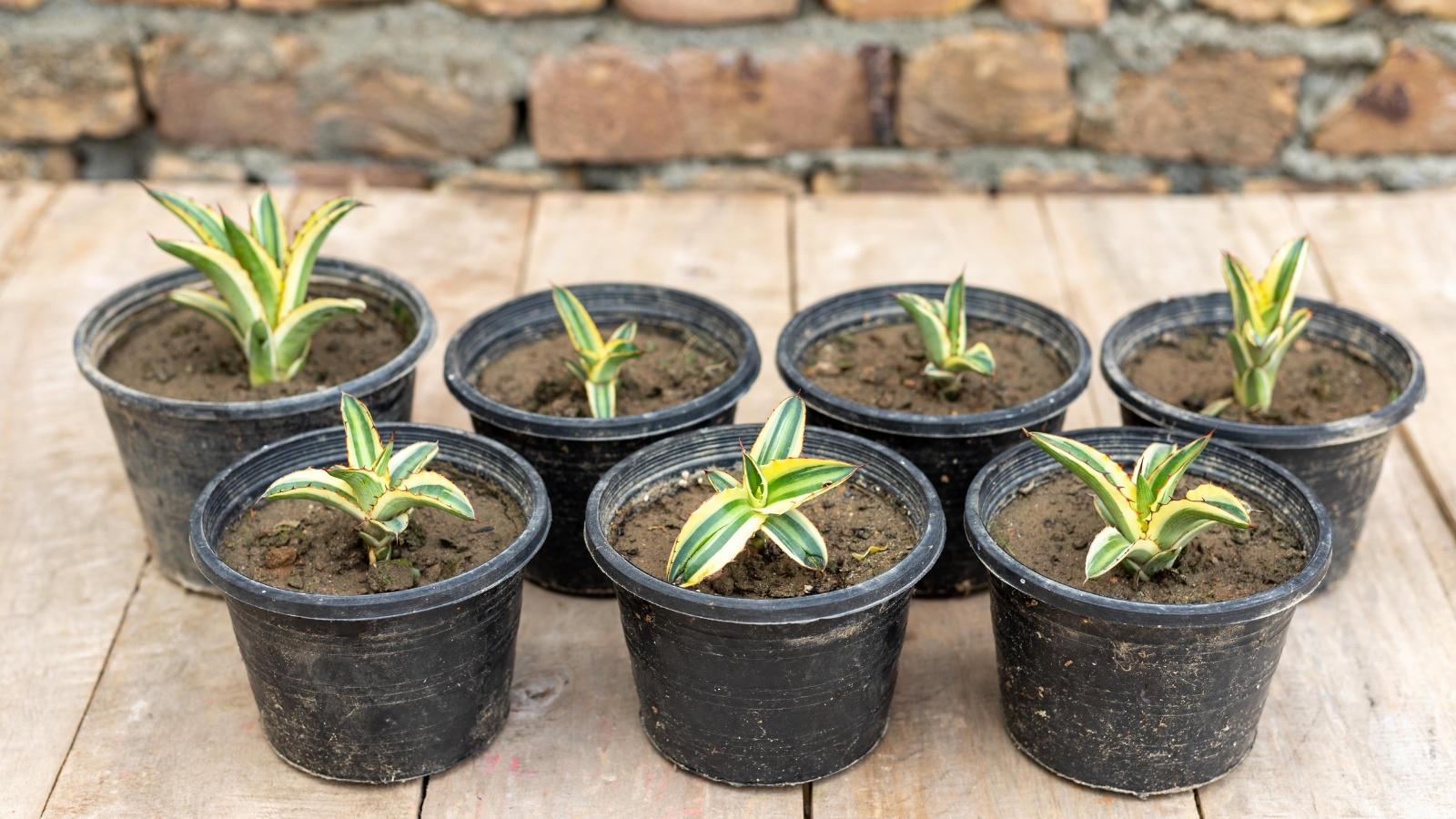
Now that you know how long your succulent can live, we can focus on helping it reach its full potential. The key is to keep its conditions as close as possible to its natural habitat. That care usually follows these general guidelines.
Water your succulent only when the soil is completely dry. Give it a deep drink until water runs out of the drainage hole. This is known as the soak and dry technique. Succulents can usually recover from underwatering, but overwatering is often fatal. Always make sure the soil has fully dried before watering again.
Give your succulent plenty of sunlight, but keep in mind that most species cannot tolerate harsh direct sun. Bright, indirect light or filtered light is usually best. Without enough sunlight, the plant may stretch out, a process known as etiolation.
Use very well-draining soil. Specialty succulent and cactus mixes work perfectly. You can also make your own by mixing one part potting soil with one part perlite. If the mix holds too much moisture, the roots will start to rot.
Keep pests and diseases under control. Learn the signs of common succulent pests such as mealybugs, aphids, and scale. Diseases are uncommon, but most succulents are vulnerable to root rot. Prevent this by watering correctly and keeping the stem and leaves dry.
These care tips are general and vary from plant to plant. For the best results, look into the specific needs of your particular succulent.
Helping Your Succulents Live Longer
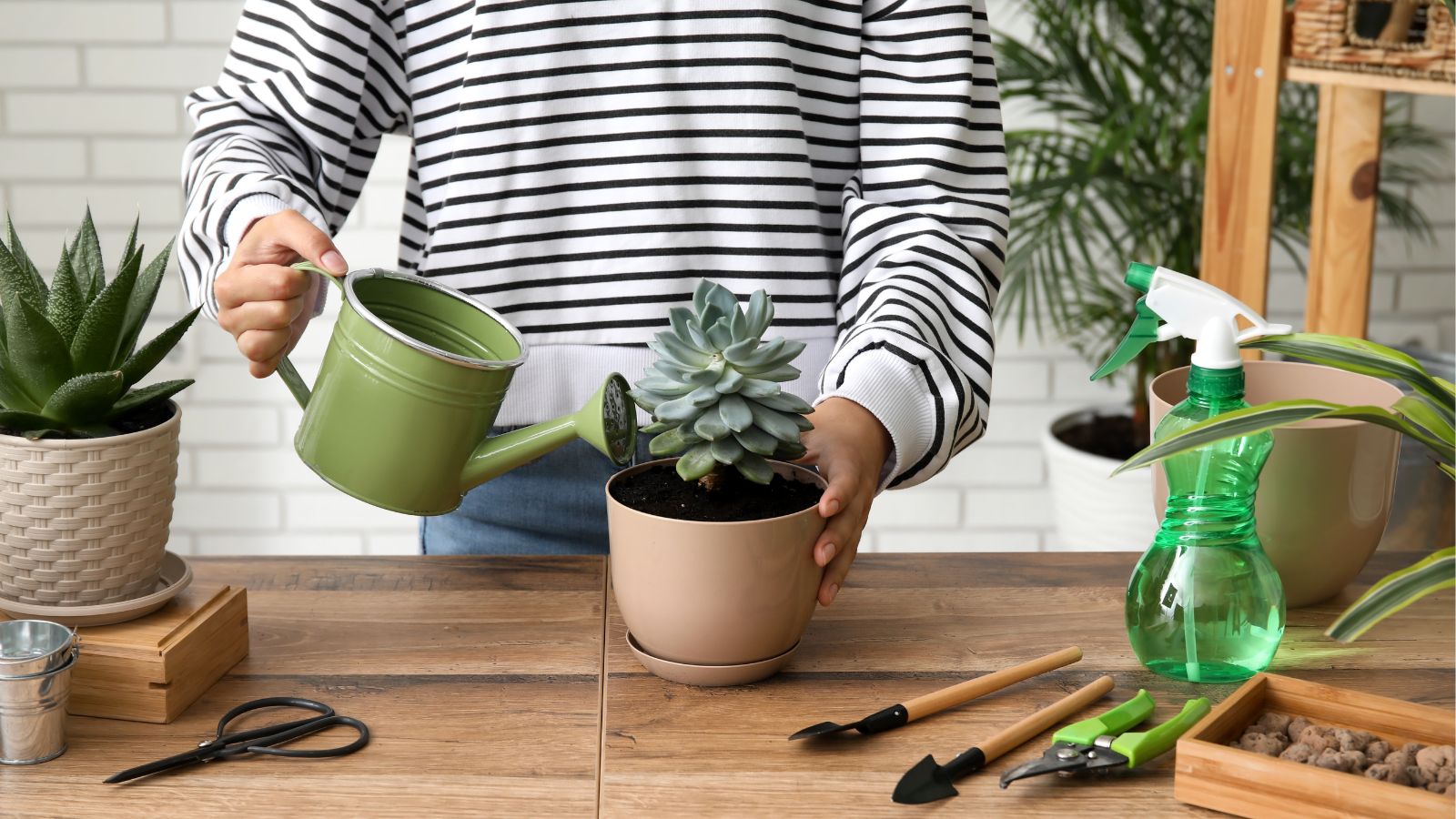
Proper care will definitely benefit your succulent. To really extend their life span, though, do the following:
- Keep a consistent watering schedule
- Use good-quality soil, repotting into new pots as needed
- Let your succulent acclimate when moving it to a new location
- Take good care of the roots
- Propagate so your plant can live on through its descendants
Remember that you’re in charge of your plant’s longevity. When you get a new succulent, taking the time to research its care can make a huge difference. So learn about your plants, track their progress, and take notes!





