How to Make Sure Your Houseplants are Bug Free
Dealing with houseplant pests is frustrating, but prevention is far easier than treatment. Gardening expert Madison Moulton shares nine strategies to keep your houseplants bug-free, from quarantine protocols to natural pest deterrents.


Contents
There’s nothing quite as disappointing as discovering your thriving houseplant has suddenly become infested with bugs. This is especially disappointing if you have a strong aversion to bugs, considering your houseplants live inside with you.
Sadly, houseplant pests are common. You may think your four walls protect plants from outside problems, but bugs can easily make their way indoors. They can hitchhike home on new plants from the nursery, blow in through open windows, or even emerge from contaminated potting soil. Some pests, like fungus gnats, seem to appear out of nowhere (even when you’ve been careful).
While you can’t ensure your houseplants remain entirely bug free forever, you can make your home far less hospitable to common houseplant pests. Most infestations happen because conditions favor the bugs. Address these underlying issues and you’ll prevent most problems before they start.
Quarantine New Plants

The single most effective way to avoid introducing pests into your collection and keep existing houseplants bug free is quarantining every new plant before it joins your home. I know it’s tempting to immediately find the perfect spot for that gorgeous new palm, but two to three weeks of isolation can save you months of pest management headaches.
Set up your quarantine area away from other plants. A separate room is ideal, though a distant corner works if space is limited. This period lets you observe the new plant for signs of pests that might not have been obvious at the store. Many insects hide in soil or under leaves, and eggs can take time to hatch, so problems don’t always show up immediately.
During quarantine, inspect the plant thoroughly every few days. Check both sides of leaves, examine stems, and look at the soil surface for any signs of movement. Common hitchhikers include spider mites (tiny dots that leave fine webbing), mealybugs (white cottony masses), scale insects (brown bumps on stems), and fungus gnats (small flying insects around soil).
If you spot pests during quarantine, treat the plant before moving it near your collection. This might mean another few weeks of isolation, but it’s infinitely better than treating every plant you own because one newcomer spread a problem throughout your home.
Check Leaves Regularly

Early detection is your best friend when it comes to pest management. By the time an infestation is obvious, you’re dealing with a much bigger problem than if you’d caught it early, making it much harder to keep your houseplants bug free.
Make plant checks part of your watering routine. While you’re already examining each plant to assess moisture needs, take an extra moment to flip over a few leaves and look at stems. Pay special attention to new growth and the undersides of leaves since many pests prefer these areas.
Sometimes the first sign of pests isn’t the insects themselves but the damage they cause. Yellowing leaves, stippled or spotted foliage, distorted new growth, or a sticky substance on leaves or nearby surfaces all suggest pest activity, even if you haven’t spotted the culprits yet. Investigate immediately rather than waiting to see if the problem resolves itself (hint: it usually won’t) to keep your houseplants bug free.
Prune as Needed

Dead or dying foliage creates hiding spots for pests and can harbor eggs or dormant insects waiting for conditions to improve. Keeping plants pruned and tidy removes these problem areas before pests can establish.
Remove any dead leaves promptly rather than letting them hang on the plant or fall into the pot. Brown, crispy foliage provides a home for insects. The same goes for yellowing leaves that are on their way out.
Prune back overcrowded areas where leaves touch or overlap heavily. Dense foliage with poor air circulation creates conditions that pests love, particularly spider mites and mealybugs. Thinning the plant improves airflow and makes it easier to spot problems during your regular inspections.
When pruning, always use clean tools to avoid introducing disease along with your efforts to prevent pests. A quick wipe with rubbing alcohol between plants is good practice, especially if you’re removing pest-damaged foliage from one plant before moving to the next.
Don’t Overwater

Excess moisture is the root cause of more pest problems than most people realize. While overwatering is notorious for causing root rot, it also creates ideal conditions for fungus gnats, one of the most common and annoying houseplant pests.
Fungus gnats lay their eggs in damp soil where their larvae feed on organic matter. Let the top inch or two dry out between waterings and suddenly the environment becomes far less suitable for these pests.
Water your plants properly for their specific needs rather than following a rigid schedule. Check soil moisture before watering and only water when plants actually need it. Use pots with drainage holes so excess water escapes rather than pooling at the bottom where roots sit in moisture.
Spray Bugs Off

When you do spot pests, sometimes the simplest solution is the most effective to make your houseplants bug free. A strong spray of water knocks many insects off plants and can significantly reduce populations without chemicals.
This works particularly well for soft-bodied pests like aphids. Take the affected plant to your sink or shower and spray leaves thoroughly, paying special attention to undersides and new growth where pests congregate. The force of water dislodges insects and washes them down the drain.
Spider mites also respond well to this treatment. They hate moisture, and a good spray disrupts their webbing while physically removing many of the mites. For severe spider mite infestations, daily spraying for a week or two can bring populations under control without any other intervention.
The downside is that spraying doesn’t eliminate eggs, so you’ll need to repeat the treatment every few days for a couple of weeks to catch newly hatched insects before they mature and reproduce. It’s also not effective for pests like scale insects that attach firmly to plants, or for fungus gnats, which live in soil rather than on foliage.
Leave the Spiders

If you spot a spider on or near your houseplants, resist the urge to remove it, even if you hate spiders. These are predators that feed on the exact insects you’re trying to avoid.
I’ll admit spiders aren’t everyone’s favorite houseguests. But a spider setting up shop near your plants is actually providing free, ongoing pest control. They’re not interested in your plants or in you. They’re there for the insects, and as long as there’s food available, they’ll stick around doing their job.
Most spiders you’ll find indoors are harmless and far more beneficial than problematic. They don’t damage plants, they don’t breed rapidly and create infestations, and they actively hunt the pests that do cause problems. That’s a pretty good deal if you can get past the initial discomfort of sharing space with them.
If you absolutely can’t tolerate indoor spiders, at least relocate them outside rather than killing them. But consider leaving them where they are if they’re near plants. They chose that location specifically because there’s prey available, which means you have pests whether you see them yet or not.
Apply Neem Oil
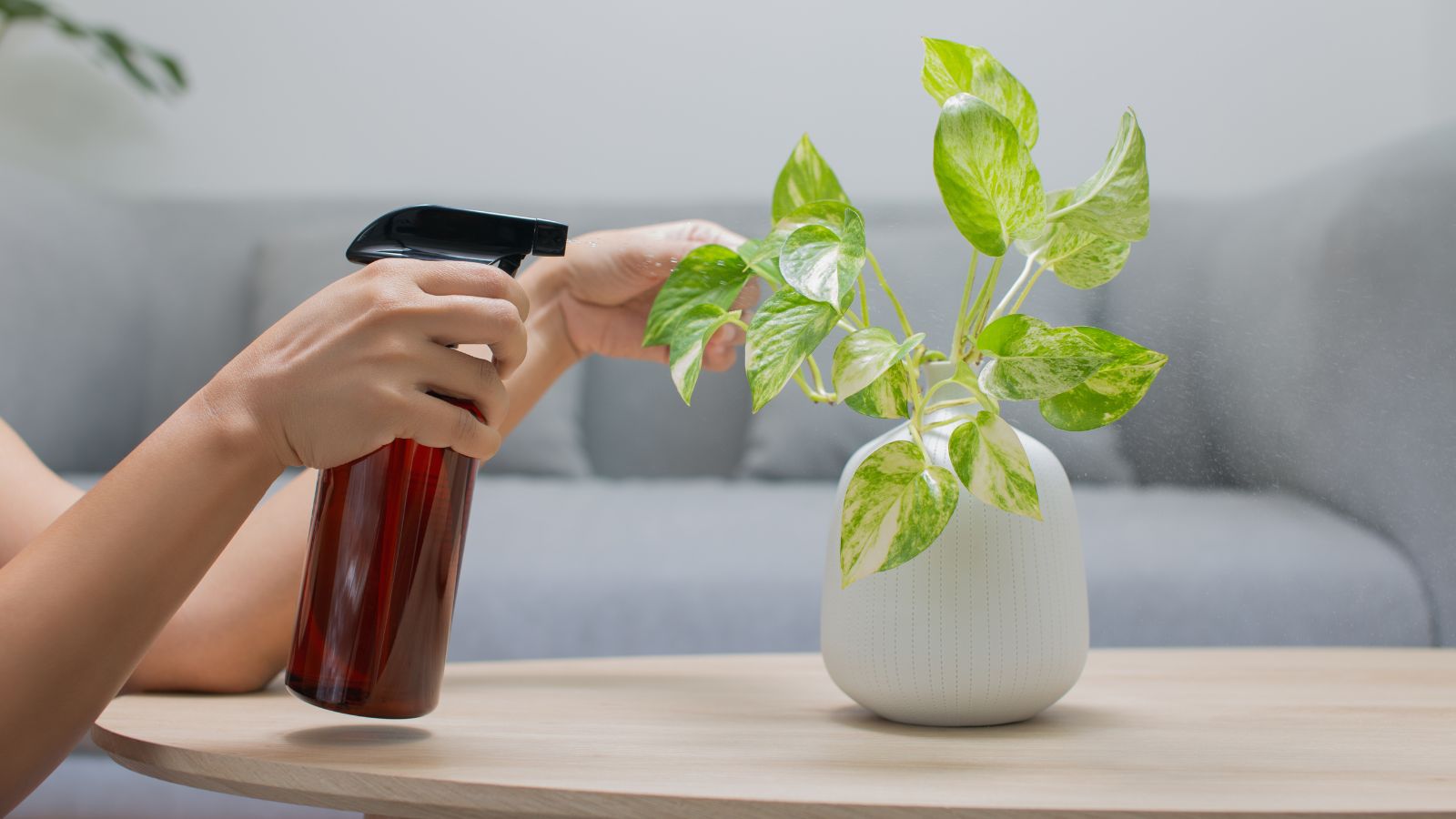
For persistent pest problems or as a preventive measure, neem oil is one of the most effective organic options available. It works against a wide range of common houseplant pests and has the added benefit of being relatively safe when used correctly.
Neem oil disrupts insect life cycles, preventing reproduction and interfering with feeding. It also coats leaves and suffocates soft-bodied insects on contact. This dual action makes it effective against existing pest populations while preventing new generations from establishing.
Spray all plant surfaces thoroughly, making sure to coat both sides of leaves and the stems. Apply in the evening or early morning when plants aren’t in direct sun, as the oil can cause leaf burn if applied in bright light. Repeat applications for a few weeks to catch hatching eggs and break the pest reproductive cycle.
Avoid Stress
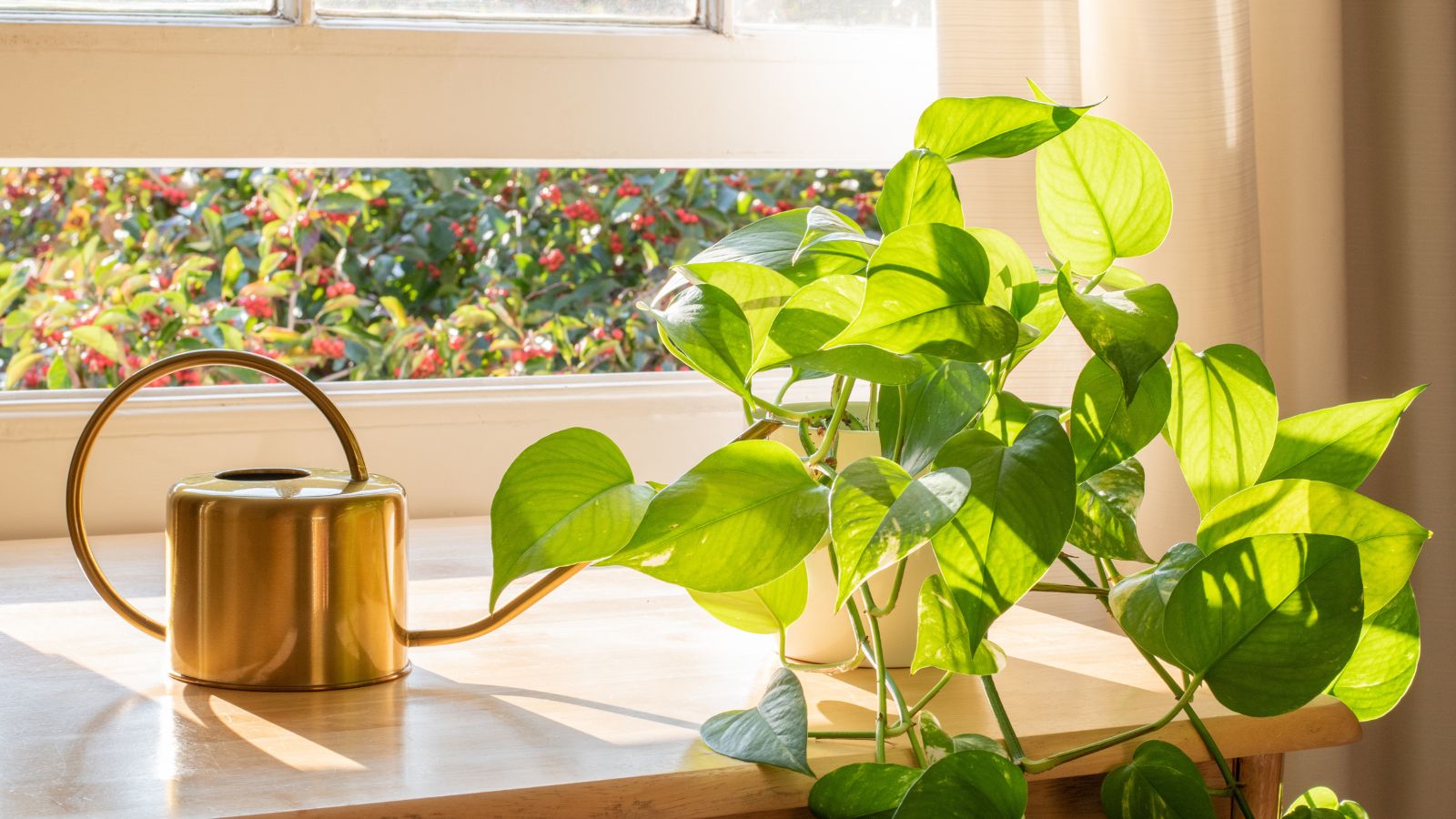
Healthy, vigorous plants have better natural defences against pests than stressed, struggling ones. Insects often target weak plants first, which is a problem when you want to keep your houseplants bug free.
The basics of good plant care (appropriate light, proper watering, suitable humidity, and occasional fertilizing) keep plants strong enough to resist pest pressure. A plant growing in ideal conditions can often tolerate minor pest presence without showing damage, while the same pest load on a stressed plant causes serious problems.
Pay attention to each plant’s specific needs rather than treating all your houseplants identically. A cactus and a fern need completely different conditions, and trying to grow both in the same environment inevitably stresses at least one of them. Stressed plants become pest magnets.
Temperature fluctuations, inconsistent watering, and dramatic changes in light levels all stress plants and make them more vulnerable. Try to maintain stable conditions as much as possible, adjusting only gradually when changes are necessary. Moving plants frequently or constantly fiddling with their care creates stress even when you’re trying to help.
Don’t Move Them Outdoors

Taking houseplants outside for the summer gives them more light, natural rain, and fresh air. But this practice significantly increases your pest risk since you’re exposing plants to every outdoor insect that might find them appetizing.
Aphids, spider mites, whiteflies, and countless other pests live happily outdoors and will quickly colonize houseplants given the opportunity. When you bring plants back inside at summer’s end, you’re also bringing in any pests that hitched a ride, along with their eggs laid in soil or tucked into crevices.
The safer approach is simply keeping houseplants indoors year-round, where you control conditions and limit pest exposure. If plants aren’t getting enough light, invest in grow lights rather than moving them outside.





