5 Slow-Growing Herbs to Start in January
Some herbs need months to reach transplant size, making January the ideal time to start them indoors. Gardening expert Madison Moulton shares five slow-growing herbs worth starting now for a productive herb garden by summer.


Contents
We normally think about sowing herbs a little closer to spring, but if you love woody herbs like rosemary, you need to think slightly further ahead. The slowest-growing herbs need several months of indoor growth before they’re ready to transplant outside, and starting them in January gives them the head start they need to become productive plants by the time summer arrives.
The herbs on this list take anywhere from two to four months to reach transplant size, and some won’t produce harvestable growth until well into their first season. If you wait until March or April to start them, you’ll be dealing with tiny seedlings all summer instead of established plants ready to harvest.
These are the herbs you should start in January if you want that head start. Because it’s still early, a grow light and heat mat are recommended to make the process a little easier.


Rosemary

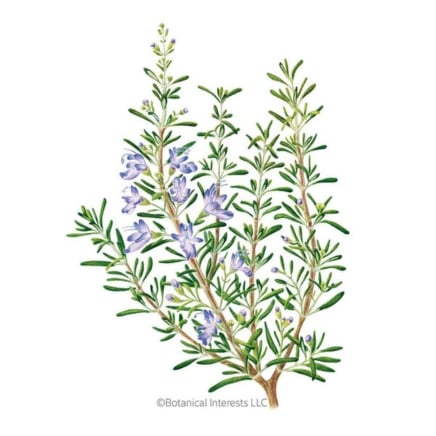
Rosemary is notoriously slow to grow from seed. Germination alone takes 14 to 21 days, and that’s assuming you keep the soil consistently warm. Luckily, a heat mat makes a noticeable difference if your seed-starting area isn’t warm enough indoors.
Even after the seedlings finally emerge, growth continues incredibly slowly. Rosemary develops its woody stems gradually, putting on maybe an inch of growth over several weeks. I’ll admit it’s frustrating to watch, but that slow development is just how rosemary works.
The biggest challenge with rosemary seedlings is watering. They hate staying wet, but they’re also too small to tolerate complete dryness. Let the top of the soil dry out between waterings, checking daily until you get a feel for what they need.
Position grow lights close to the seedlings and run them for 14 to 16 hours daily. Rosemary stretches badly in low light, developing weak stems that never quite recover. If you start these herbs in January, you’ll have plants four to six inches tall by late spring.
Lavender

Although similar, lavender presents different headaches than rosemary, starting with germination. Some varieties benefit from light cold stratification (although it’s not 100% necessary). Without that cold treatment, lavender seeds can sit in the soil for a month doing nothing before they decide to sprout.
Once lavender seedlings emerge, they need plenty of drainage. These plants evolved in Mediterranean climates with rocky, well-draining soil, and the seedlings are just as intolerant of wet feet. Use a seed-starting mix that drains freely and resist the urge to keep the soil moist all the time.
The other critical factor is light intensity. Lavender needs bright conditions to develop compact, sturdy growth. A windowsill sadly won’t cut it when you start these herbs in January, even a south-facing one. Grow lights positioned a few inches above the seedlings give you the control needed to prevent stretching.
Expect to wait three to four months for the plants to develop strong root systems before facing outdoor conditions (and don’t expect flowers the first year). Most lavender varieties take two seasons to bloom reliably from seed.
Sage

Sage falls somewhere between the extremely slow herbs and the faster annuals. Germination happens in 10 to 21 days at moderate temperatures between 65 and 70°F (18 to 21°C), which is faster than rosemary but still requires patience compared to something like basil sprouting in five days.
The seedlings develop those characteristic fuzzy, textured leaves right from the start, but need plenty of time to fill out before you can consider harvesting. Fresh seeds make a noticeable difference in germination rates, so check the date on your seed packet before sowing.
Under grow lights, sage develops sturdy stems and good leaf growth. The plants won’t be massive by transplant time, but they’ll be established enough to start producing harvestable leaves by midsummer. If you start these herbs in January vs March, you won’t have to wait until the following year for meaningful production.
Thyme

Thyme seeds are almost comically small. Sowing feels like working with dust, and it’s easy to end up with clusters of seedlings in some spots and bare patches in others. Press the seeds lightly onto the soil surface rather than covering them, as they need light exposure to germinate.
What emerges 14 to 28 days later also looks impossibly tiny. For the first month, they grow so slowly you’ll question whether they’re growing at all, sometimes reaching only half an inch tall after several weeks.
Bottom watering works better than trying to water from above, as the tiny seedlings are easily disturbed or even washed away by water falling from overhead. Keep the soil surface lightly moist using a spray bottle if you prefer top watering, misting gently to avoid displacing seeds or seedlings.
Once these slow-growing herbs are ready to move, they’ll still be small compared to other herbs at planting time. But they’ll establish much faster once outdoors than seedlings started later.
Parsley

Parsley’s slow germination reputation is well-earned. The seeds can take two weeks to sprout under good conditions, three to four weeks under less ideal circumstances, and occasionally decide to take their time for no apparent reason at all. You’ll have some seeds sprout in 10 days and others from the same packet taking 25 days, with no clear pattern explaining the difference.
Once seedlings appear, growth picks up compared to the woody herbs. Parsley grows at a moderate pace, faster than something like rosemary but nowhere near basil speed. The plants need consistent moisture throughout the seedling stage, unlike the Mediterranean herbs that prefer drying out between waterings.
Start these herbs in January to manage the slow germination problem, giving them more time to settle in before temperatures warm. Transplanting established seedlings in early spring gives you harvestable parsley weeks earlier than waiting for seeds to sprout outdoors.