Haworthia Attenuata Care: How to Grow the Zebra Plant
Haworthia attenuata, or zebra cactus, is a slow-growing indoor or outdoor plant that's dead-simple to care for.

Contents
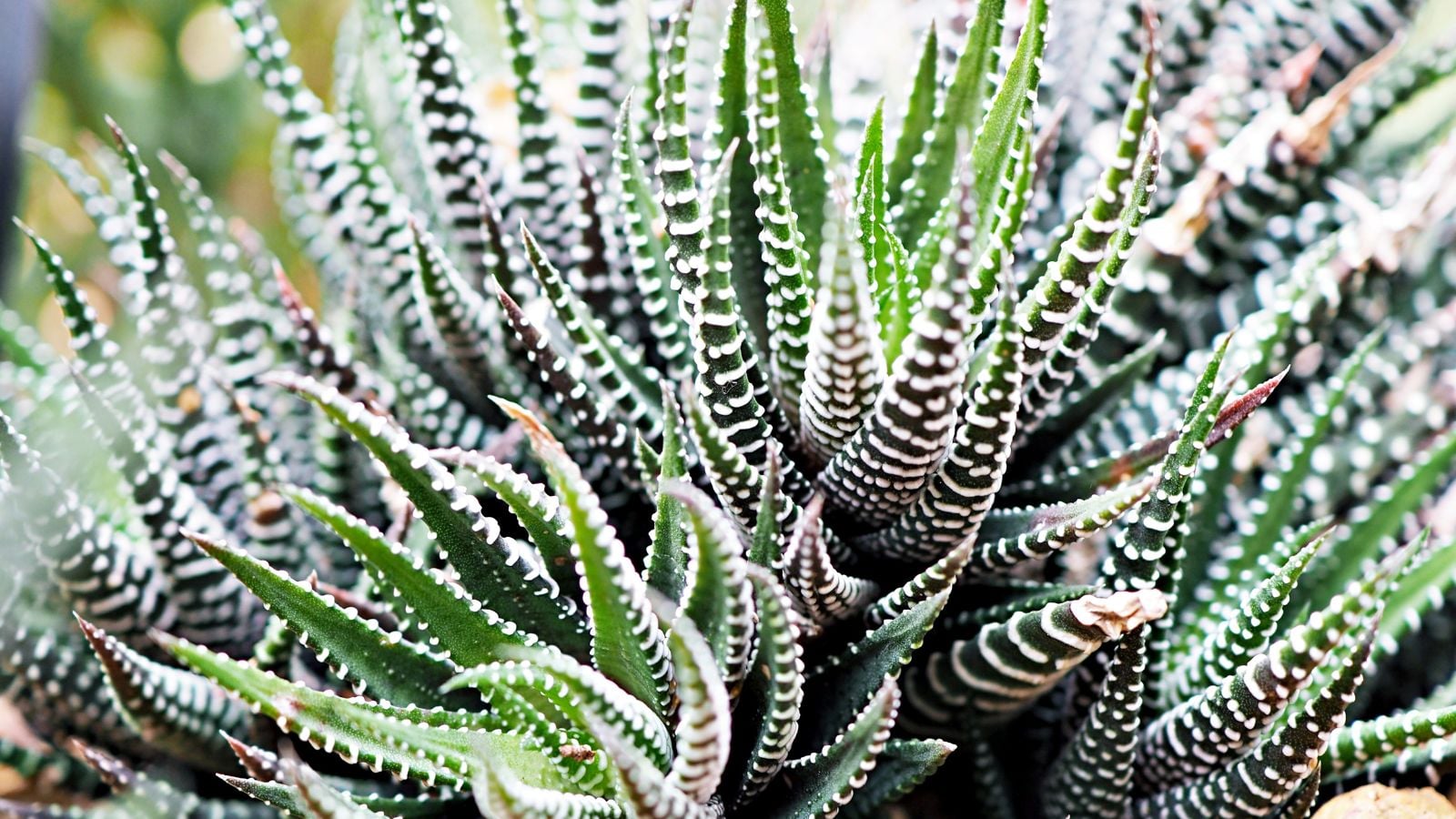
Among all the Haworthia succulent types Haworthiopsis attenuata (formerly known asHaworthia attenuata), or the zebra plant is potentially the easiest to grow. It can thrive in pots, in the ground, and even indoors in a decorative arrangement so long as you care for it well.
The striking, green and white appearance is why they’re so popular. It’s how they got on my radar — I saw one at the nursery and instantly bought it! Zebra cactus is often wrongly deemed as an aloe plant. It belongs to the same subfamily and is confused with an actual cactus because of the similarity in the appearance.
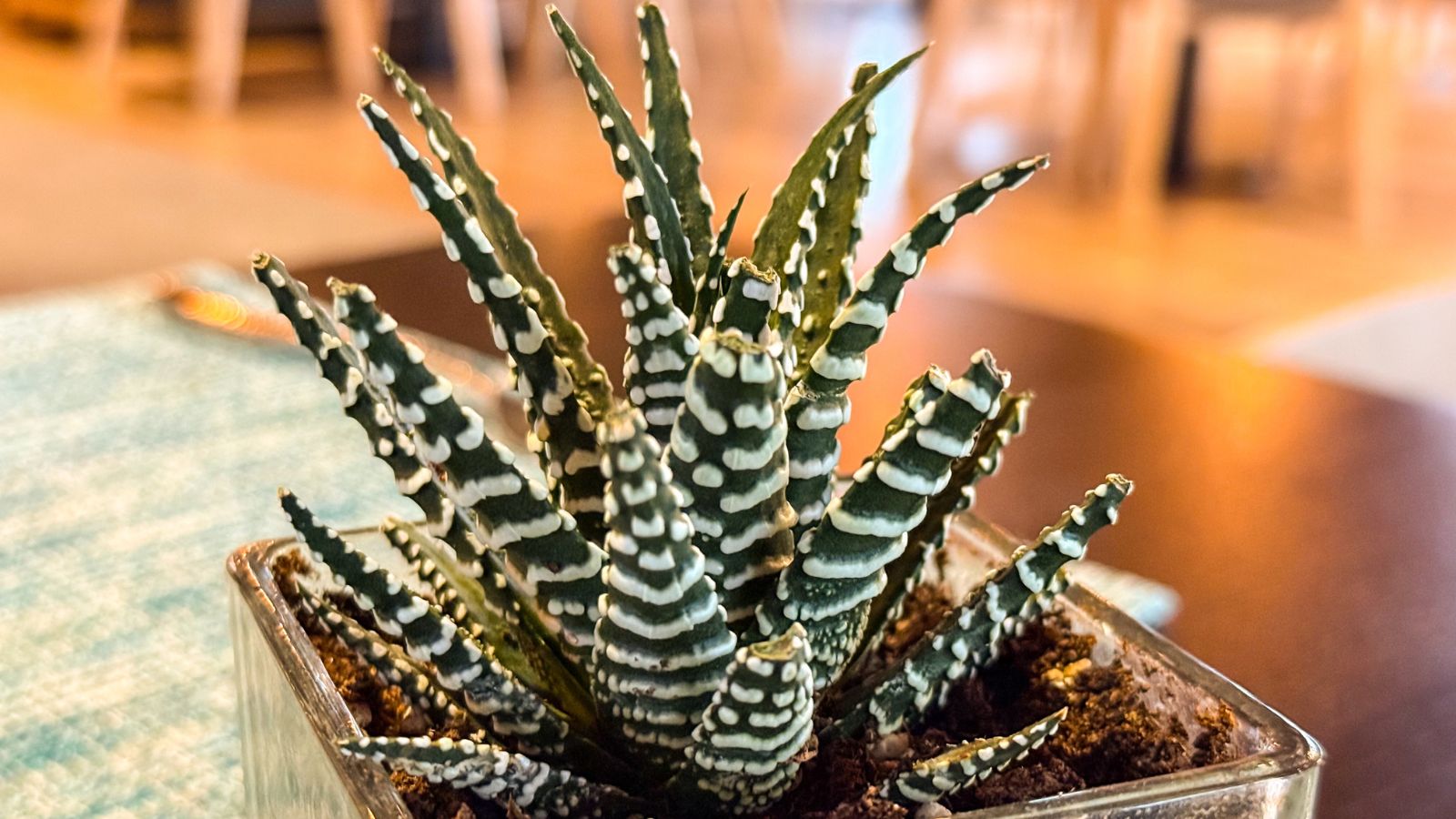
With deep green foliage with bright, white spots, the Zebra plant is a succulent perennial which can grow quite well in any place with plenty of sun or bright light.
Quick Care Guide

|
Scientific Name
Haworthia attenuata, Haworthiopsis attenuata
Family
Asphodelaceae
Origin
South Africa
Height & Spread
4-12″ tall and 6-26″ wide
|
Sun
Part shade
Soil
Slightly acidic, well-draining
Water
Moderate to low, neglect tolerant
Pests & Diseases
Root rot, scale, mealy bugs
|
All About Haworthiopsis attenuata
The Haworthiopsis attenuata succulent is a slow grower that looks like an aloe plant, and can live up to 50 years! It belongs to the Asphodelaceae family of succulent plants, and is native to the Eastern Cape province of South Africa.
Zebra cactus is often confused with its relative, Haworthiopsis fasciata because of its similar appearance. The attribute that distinguishes the two is that fasciata has white, wart-like tubercles on the undersides of the leaves while H. attenuata has it on both the top and the bottom of the leaves.
The white tubercles on both sides of the leaves of H. attenuata are long, thin and are a bit spread out. The leaves aren’t fibrous, but you can feel bumps or ridges if you touch the white stripes.
Types of Zebra Plant

There are a couple of varieties and subspecies that you will find for the Zebra plant. Some of the common H. attenuata types are discussed underneath.
Haworthiopsis attenuata var. radula
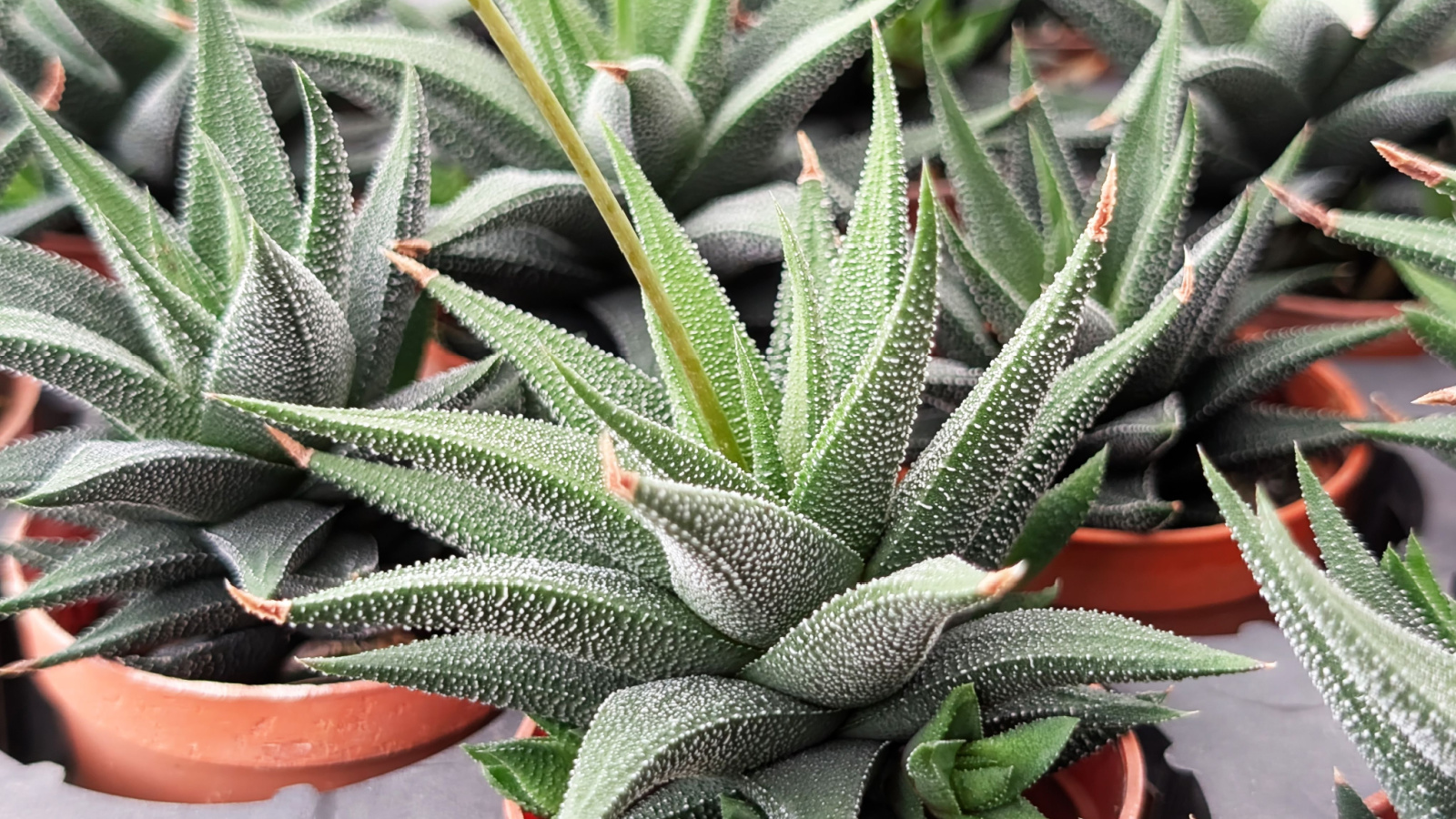
Commonly known as Hankey Dwarf Aloe, the leaves of this H. attenuata are brownish-green and has many more white tubercles than the normal variety. The leaves are longer and grows a bit more compact.
Haworthiopsis attenuata f. variegata
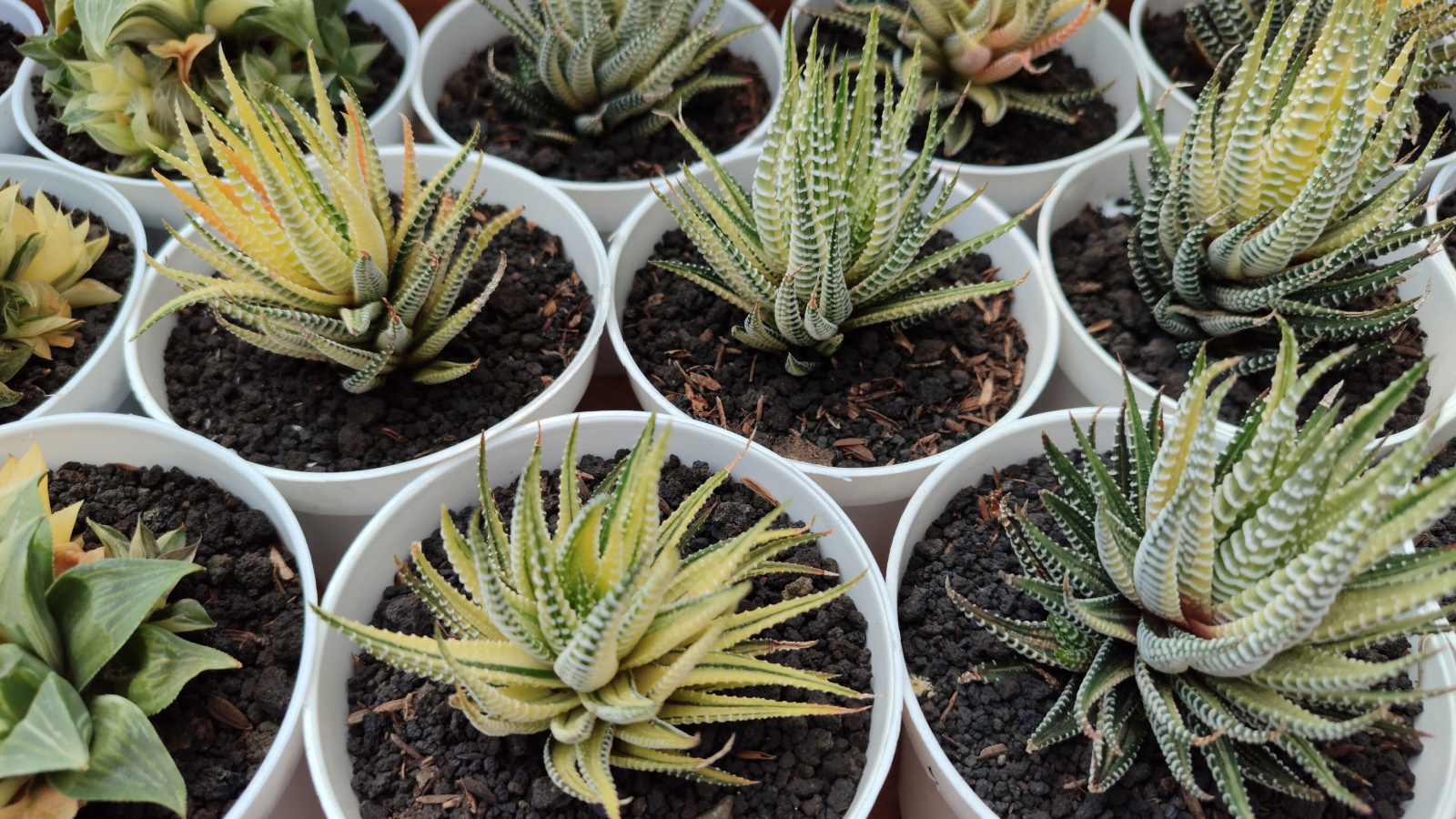
This H. attenuata type is commonly known as Variegated Zebra plant. It grows up to six inches in height and diameter. The leaves are dark green and are pointed, but have yellow or cream-colored spots and bands, which gives it the classic variegated look.
Haworthiopsis attenuata var. clariperla
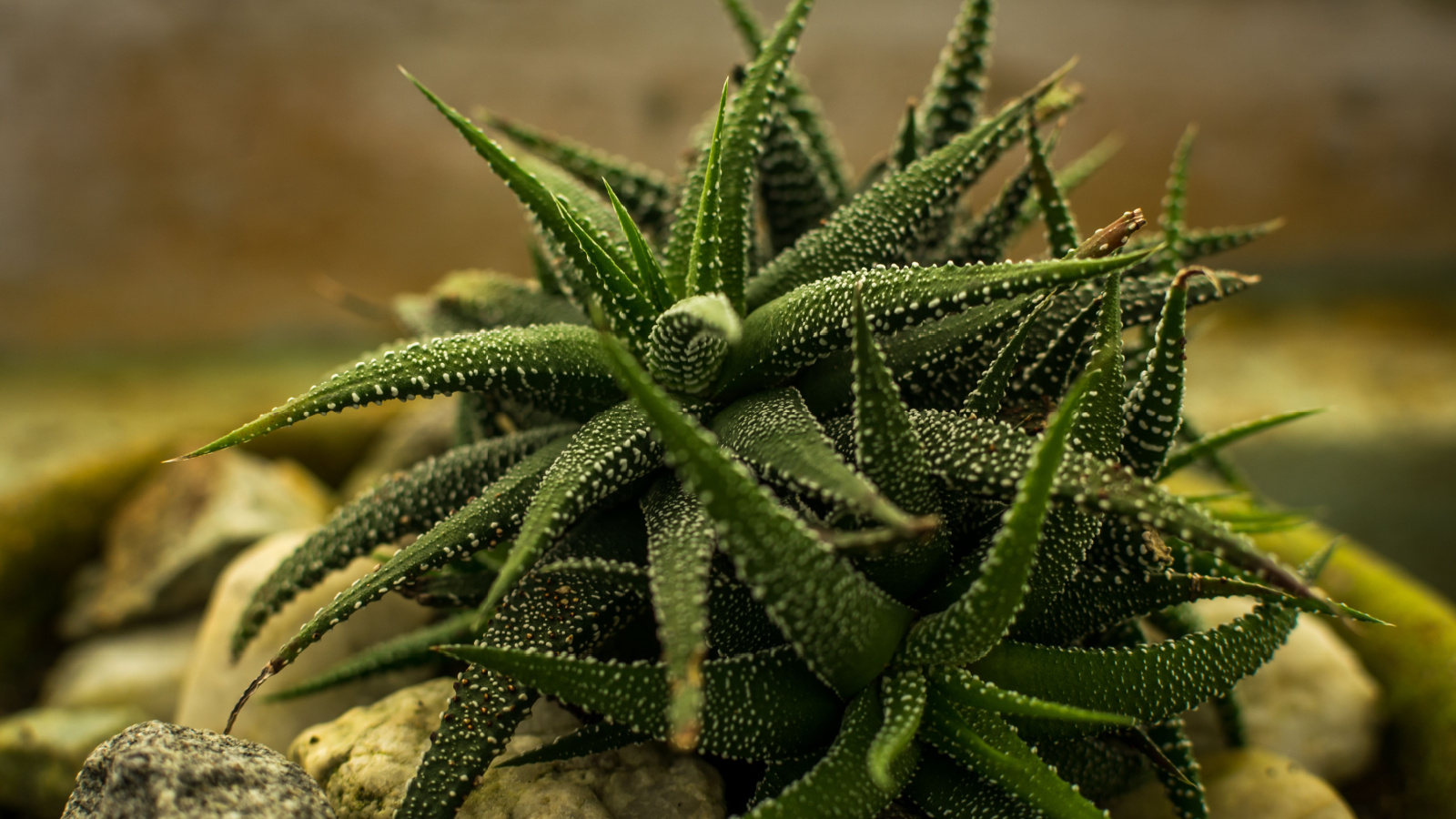
This H. attenuata variety is distinguished from other fellow plants by its leaves that are evenly covered with white tubercles.
Haworthiopsis Attenuata Care
It’s pretty easy to care for a zebra plant. Let’s discuss its basic needs so you can grow H. attenuata at home.
Light & Temperature
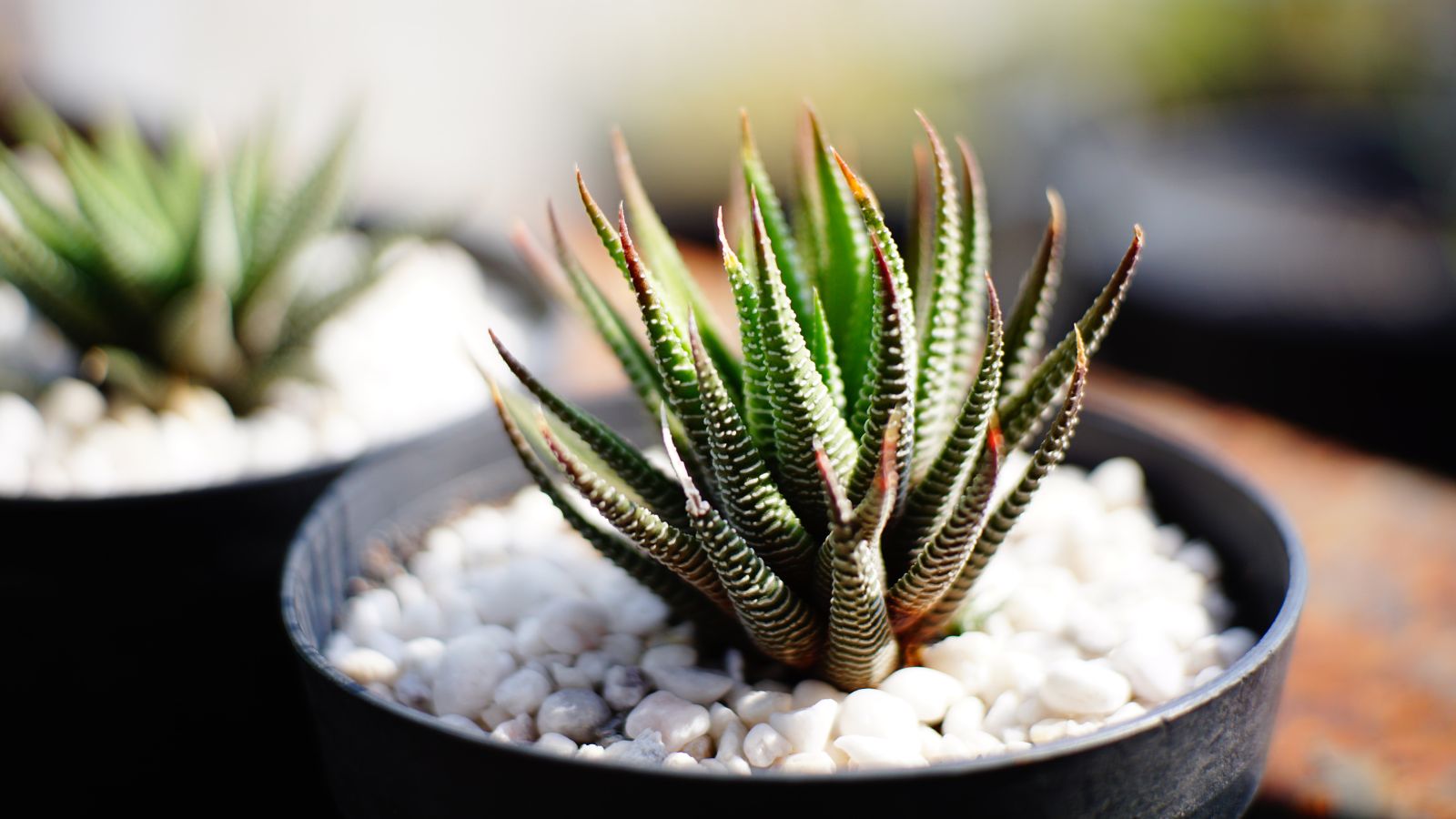
When it comes to lighting conditions, Haworthiopsis attenuata zebra plant succulent would prefer bright light, but it can handle part shade as its quite tolerant to varying lighting conditions. This makes them a wonderful terrarium or indoor grower, due to the lower amount of light available indoors.
If you want excellent growth, give your H. attenuata at least 6 hours of bright light daily, meaning you should place them in south-facing windowsills if growing indoors, or outdoors in full sun if working into a landscape design.
If you’re growing indoors and don’t have a lot of light, you can always take your Haworthiopsis attenuata “for a walk” outside and give it access to full sun for a day or two, then move it back inside.
Temperature wise, all species of Haworthia tend to prefer warm summers and cool winters, but while they can tolerate mild frost, they don’t like any temps below about 45°F (7°C) as they can start to get frost damage.

Water and Humidity
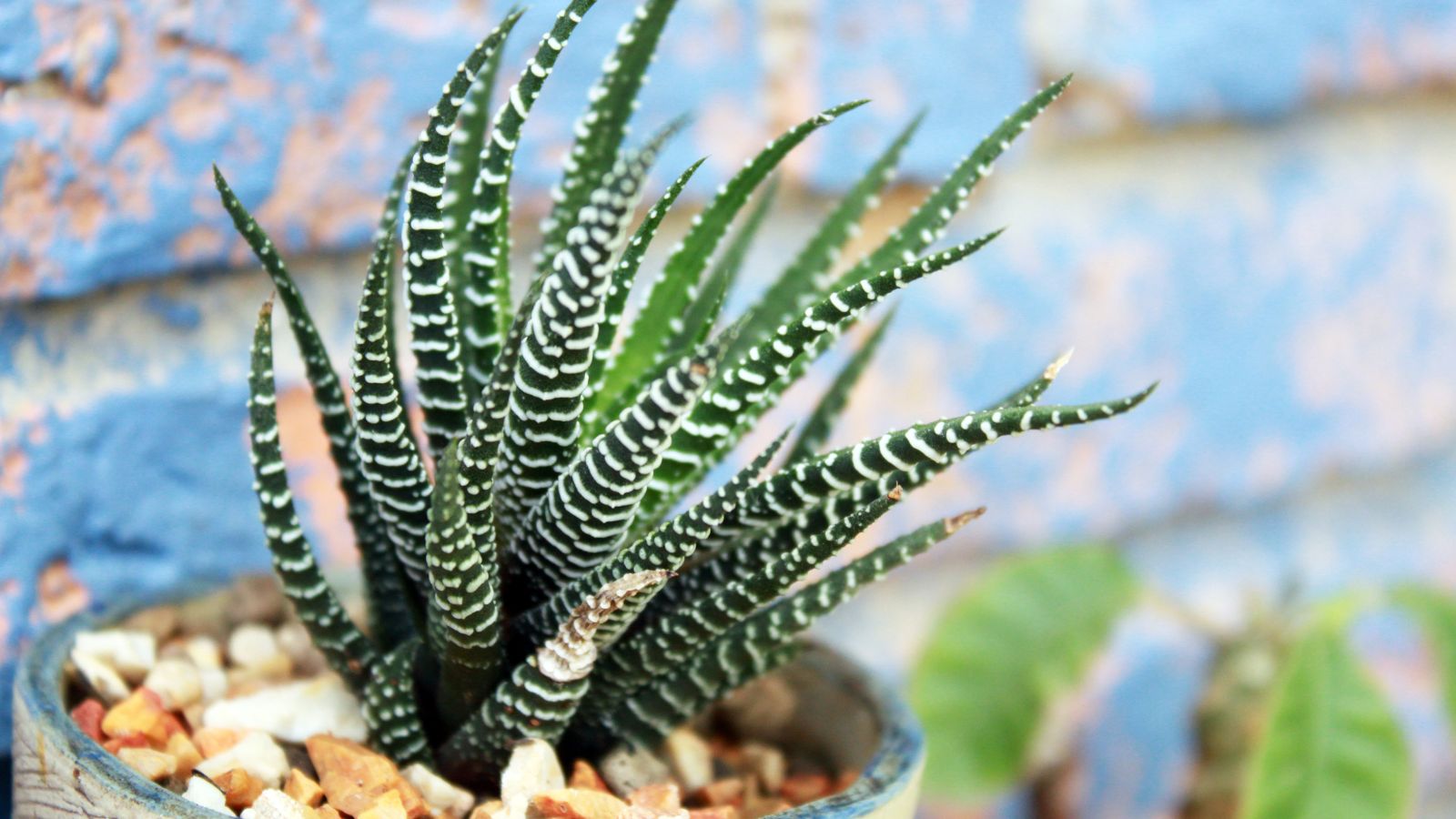
Watering Haworthiopsis attenuata is simple: it doesn’t need much, and overwatering is the surest way to kill it. If you’re growing indoors, simply water when the soil is completely dry. Outdoors, make sure the soil is evenly moist to slightly dry, as this striped succulent holds quite a bit of water in its leaves.
Soil

As you might imagine, the zebra cactus prefers a well-draining, sandy soil. Any standard cactus soil and succulent mix should do quite well. You can use soil that’s slightly acidic as well as it prefers a pH range of 6.6 in a perfect world. If you’re modifying an indoor potting mix, just add more sand and perlite to get the soil where it needs to be.
Fertilizer

You don’t need to fertilize H. attenuata often, but if you want to boost growth of your zebra succulent you can give it a diluted cactus fertilizer during spring and summer, as the plant is growing at its maximum rate then. Do not fertilize Haworthiopsis attenuata in fall and winter, while the plant is dormant.
Propagation
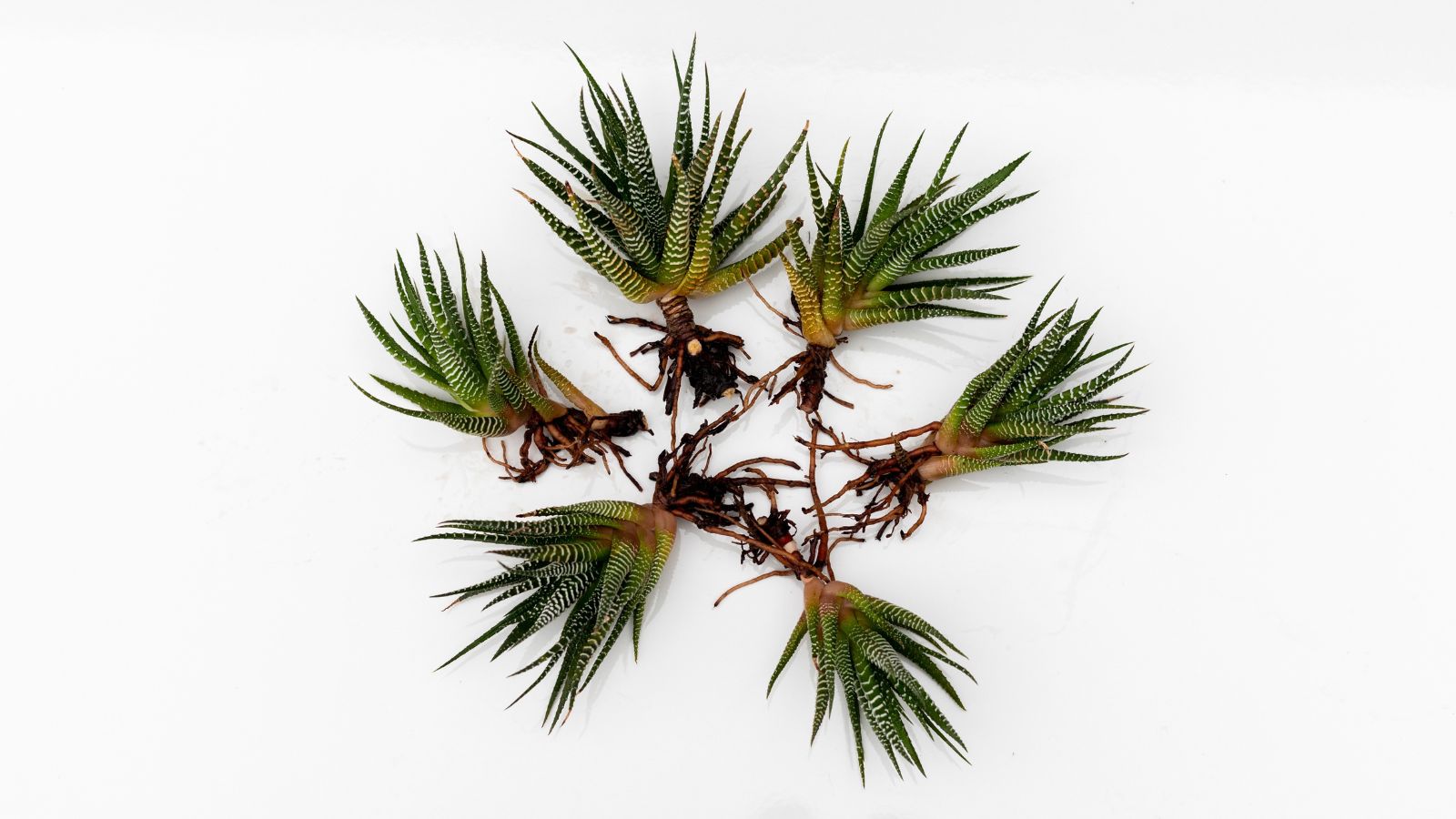
The easiest way to propagate Haworthiopsis attenuata is from offsets or leaf cuttings. Offsets are the easiest, as all you need to do is use a sharp knife and cut the offset off of the mother plant, taking care to not damage the mother plant or the roots of the offset. Then, plant the offset in a new pot.
If you’re propagating H. attenuata from a leaf cutting, you would twist a leaf off right at the base, allow it to dry, and then stick the cut end into a fresh mix of potting soil. I should take root in a couple of weeks.
Repotting Your Zebra Plant
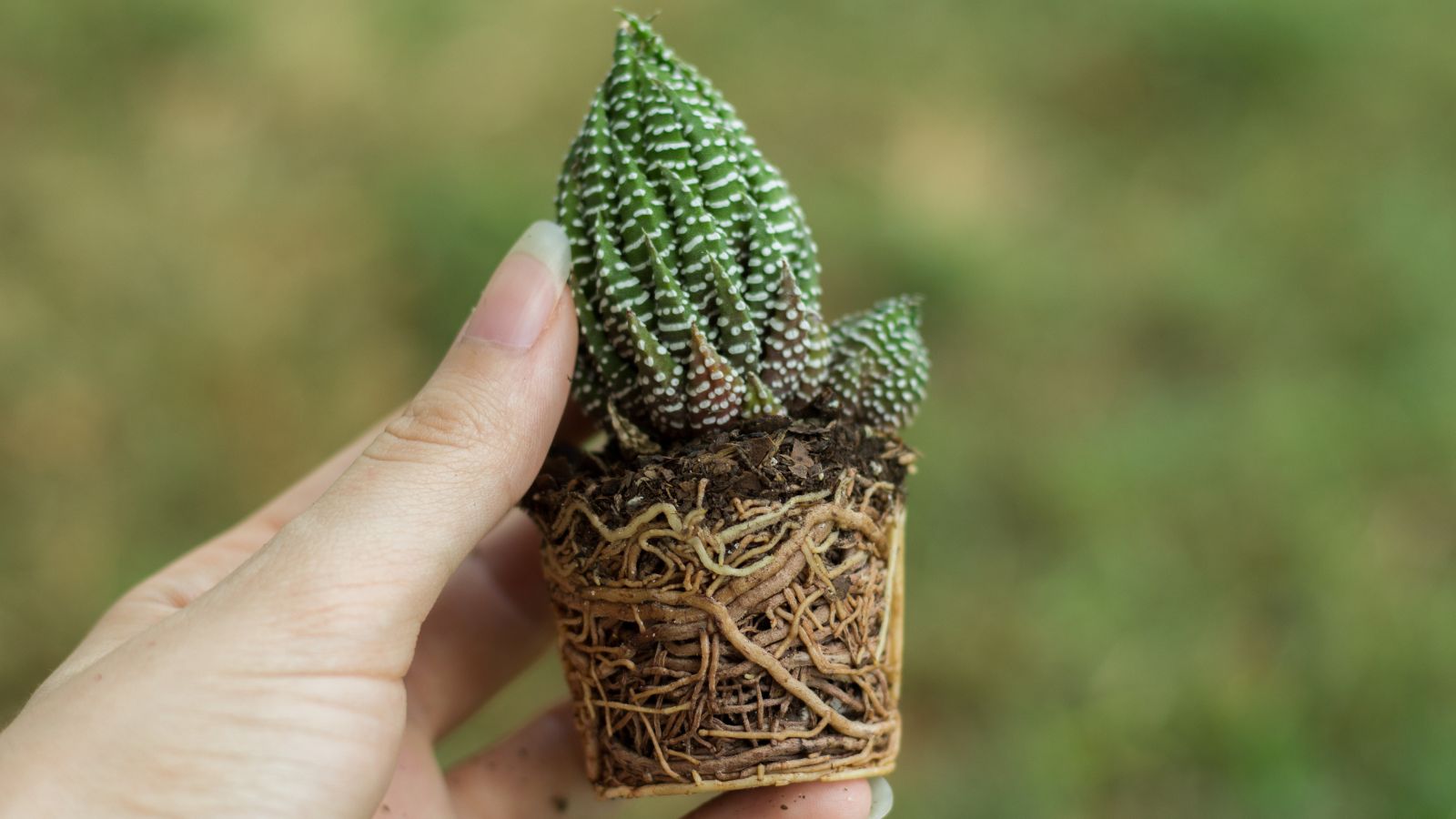
It’s best to put H. attenuata into wider, shallow pots instead of tall, thin pots due to their clumpy growing habit. As the plant grows, it will produce offsets or plantlets that will bulk up the overall container. Once it’s pushing to the edges of the pot, you can size a pot up about 1-2″, or simply take offsets out and create new clusters of haworthia. Plant these in your preferred cactus potting mix.
Troubleshooting
You can face problems and mealybug attacks while growing zebra H. attenuata plant. These problems are discussed below.
Growing Problems
If you notice browning leaves at the tips of your Haworthiopsis attenuata, that’s likely an underwatering or sunburn issue. Oftentimes these two problems coincide, as underwatering makes the plant more prone to drying out at the tips in intense heat. Fix by giving your plant a good soak and potentially relocated to an area with some protection from the hottest parts of the day.
Pests

You’re not likely to find many pest issues with the Haworthiopsis attenuata plant, but mealybugs and other types of scale insects can crop up. You can use pesticides and insecticidal soaps to get rid of them, or wipe your leaves with rubbing alcohol-soaked cotton swabs. Use 70% concentrations or lower.
Diseases

You won’t see many diseases with zebra Haworthiopsis attenuata — just the ones caused by overwatering. If you see mushy, drooping leaves and stunted growth, it’s likely you’ve overwatered the plant and it has root rot. Either your watering habits or the soil mix is the issue here.
Stop watering H. attenuata for a time and remove the damaged parts of the plant. If brown and mushy parts are still produced after this, repot your zebra plant in fresh potting soil that has more drainage than the last mix did. Water lightly for a while. New growth indicates your treatment worked.
Frequently Asked Questions
How often do haworthias need to be watered?
In general, you should wait until your zebra haworthia soil is completely dry, then water deeply. This ends up working out to about once every 3 weeks in summer, and once every month or two in winter.
My haworthia is turning red…why?
This is a typical response by the plant to being exposed to a lot of light. It’s not a bad thing, just a different appearance that some growers prefer!
Will my haworthia bloom?
Haworthia does bloom, but as it’s a slow grower it can take a bit of time to show up, and won’t happen unless growing conditions are right – so follow this guide!
How big does Haworthia attenuata get?
It grows up to six inches in height and diameter.
Is Haworthia a good indoor plant?
Yes. Because the zebra plant is adaptable to high and low light conditions, it’s a great house plant.
Should I remove Haworthia pups?
Yes! In spring, remove the pups from the mother plant and pot them up for more zebra plants.
Do Haworthia like small pots?
Generally, yes. They prefer wider pots rather than deeper ones, but a small pot that accommodates the plant and its root system is good.
Do Haworthia like to be crowded?
Yes! Another reason this plant is perfect for the home is its leniency with a slightly crowded pot.





