How to Plant, Grow, and Care for Hass Avocado Trees
The Hass avocado tree is a prolific producer, and you can easily grow them at home! Horticultural expert Lorin Nielsen shares everything you need to know about growing these trees, from planting to harvest.

Contents
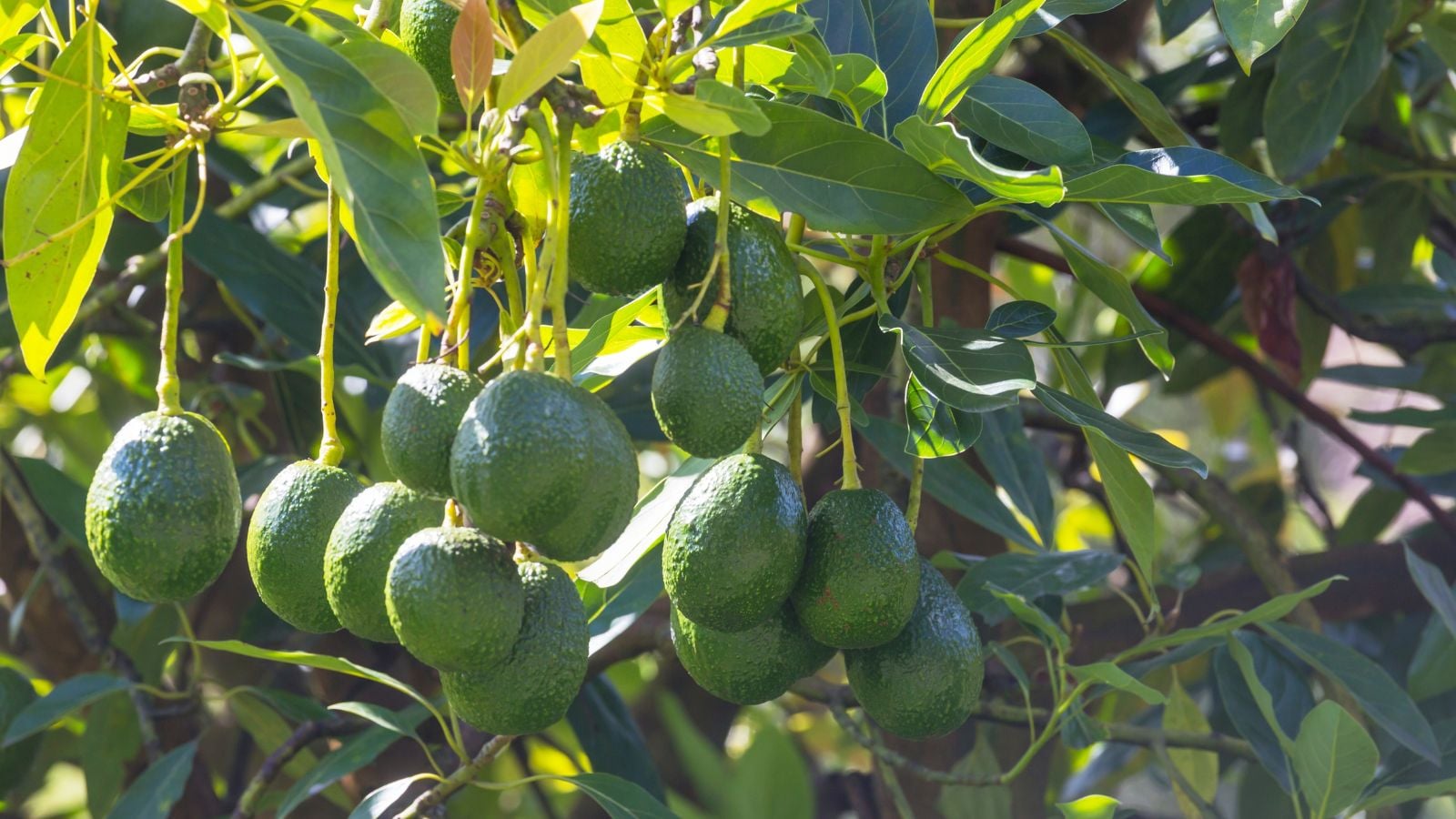
A Southern California staple, the Hass avocado tree is known far and wide for its fruit. And why wouldn’t it be? Flavorful and rich, these trees produce fruit packed with healthy oils. It is sliced atop toast, rolled into sushi, and mashed into guacamole for all kinds of Mexican dishes.
But how did postman Rudolph Hass stumble across this gloriously creamy, rich, and decadent variety? Completely by accident, as it turns out. The resulting fruit has taken the world by storm, accounting for nearly 95% of US sales and about 80% of sales worldwide.
Best of all, you can grow this tree yourself. As a quick-bearing variety, it often produces fruit by its second or third year. Let’s talk guac, or at least how to grow your own Hass avocado tree.
Espoma Bio-tone Starter Plus Organic Plant Food (4 lbs.)

The Ultimate Starter Fertilizer with both Endo & Ecto Mycorrhizae
- Grows larger root mass to help plants establish fast
- Reduces transplant loss
- Promotes bigger blooms
- Microbe enhanced all natural organic fertilizer with no sludges or fillers
For use on everything you plant. Use when planting all flowers, vegetables, trees and shrubs.
Buy at Epic Gardening ShopQuick Care Guide

|
Common Name(s)
Hass avocado tree
Scientific Name
Persea americana ‘Hass’
Family
Lauraceae
Height & Spread
Up to 7′ tall in container. Up to 20-30′ tall in ground at max height.
|
Light
Full sun
Soil
Extremely well-draining, loose, pH 6.5 or below
Water
Watering varies widely by season and size
Pests & Diseases
Various mites, thrips, mealybugs, ants, avocado worms. Also very susceptible to phytophthora rots, avocado black streak, some cankers.
|
About Hass Avocado Trees

Alligator pear, aguacate, and ahuacatl are all names for the fruit known as the avocado. Botanically, it is called Persea americana.
Before the Hass cultivar took over the market, the most popular variety was Fuerte. This larger, milder avocado descended from early types grown in Central America and Mexico. As all delicious foods do, it spread beyond its original region. By the early 1900s, avocados were quite popular in the United States.
Enter Rudolph Hass. A postal worker with a home garden, he fell in love with avocados but found them expensive. He hunted for seeds wherever he could. The seed that produced the avocado tree eventually bearing his name came from a man named A. R. Rideout. Hass planted it in his yard in the late 1920s with plans to graft Fuerte branches onto it.
Every graft failed. The young tree had not yet produced fruit, and Hass considered cutting it down to replace it. His children convinced him to wait and see what it would do on its own.
When it finally fruited, the avocados were bumpy and dark, unlike the smooth skinned Fuerte. The thick, pebbled skin was tougher than Fuerte’s as well. One of his children tasted the creamy, oily flesh and rushed inside to insist he try it.
Reluctantly, Hass admitted it tasted far better than the Fuerte he intended to grow. The thicker skin also protected the soft flesh, making the fruit easier to ship and sell commercially.
Hass began selling his fruit at the post office to coworkers. He later supplied a supermarket in Pasadena, California, and local restaurants eagerly bought the produce at full retail price.
Hass decided to patent his new variety and worked with a nursery to sell Fuerte rootstock with grafted Hass branches. He earned only $5000 from the patent during his lifetime, since many growers bought a single tree and grafted it onto others.
Hass passed away in 1952, but the original mother tree survived until 2002 in front of his former home in La Habra Heights. It eventually succumbed to phytophthora root rot. A marker now stands where the tree once grew, and La Habra Heights still celebrates this homegrown avocado during an annual festival.
How to Grow
Avocados are not difficult to grow in warm regions. They can be a bit particular about soil and moisture, but once established, they tend to cling to life with surprising determination. Here is what they need for ideal planting and care.
Light

As with most tree species, full sun is essential for healthy growth. The more light that reaches the canopy, the better the tree will perform. A mature avocado tree should receive ample sunlight across its entire leaf surface.
Water

Avocados are thirsty trees. When first planted, your young tree may need water two to three times per week, but always check the soil before watering. A helpful test is to scoop up a handful of soil and squeeze it. If it holds the impression of your fingers, it has enough moisture. Aim to keep the top two to four inches evenly moist since the feeder roots sit close to the surface.
Fully grown trees require even more water. A mature, fruiting tree can use up to 20 gallons per day. These trees are not drought-tolerant, so expect to use a significant amount of water to keep them healthy.
Keep a close eye on soil moisture and develop a watering schedule that matches your climate. This will shift throughout the year, and while it may feel tricky at first, you will settle into a rhythm with time.
Despite their high water needs, Hass avocado trees dislike waterlogged soil. Muddy or oversaturated conditions can lead to root rot, and they are very susceptible to it. Slow drip irrigation is far better than heavy, infrequent soaking.
Soil
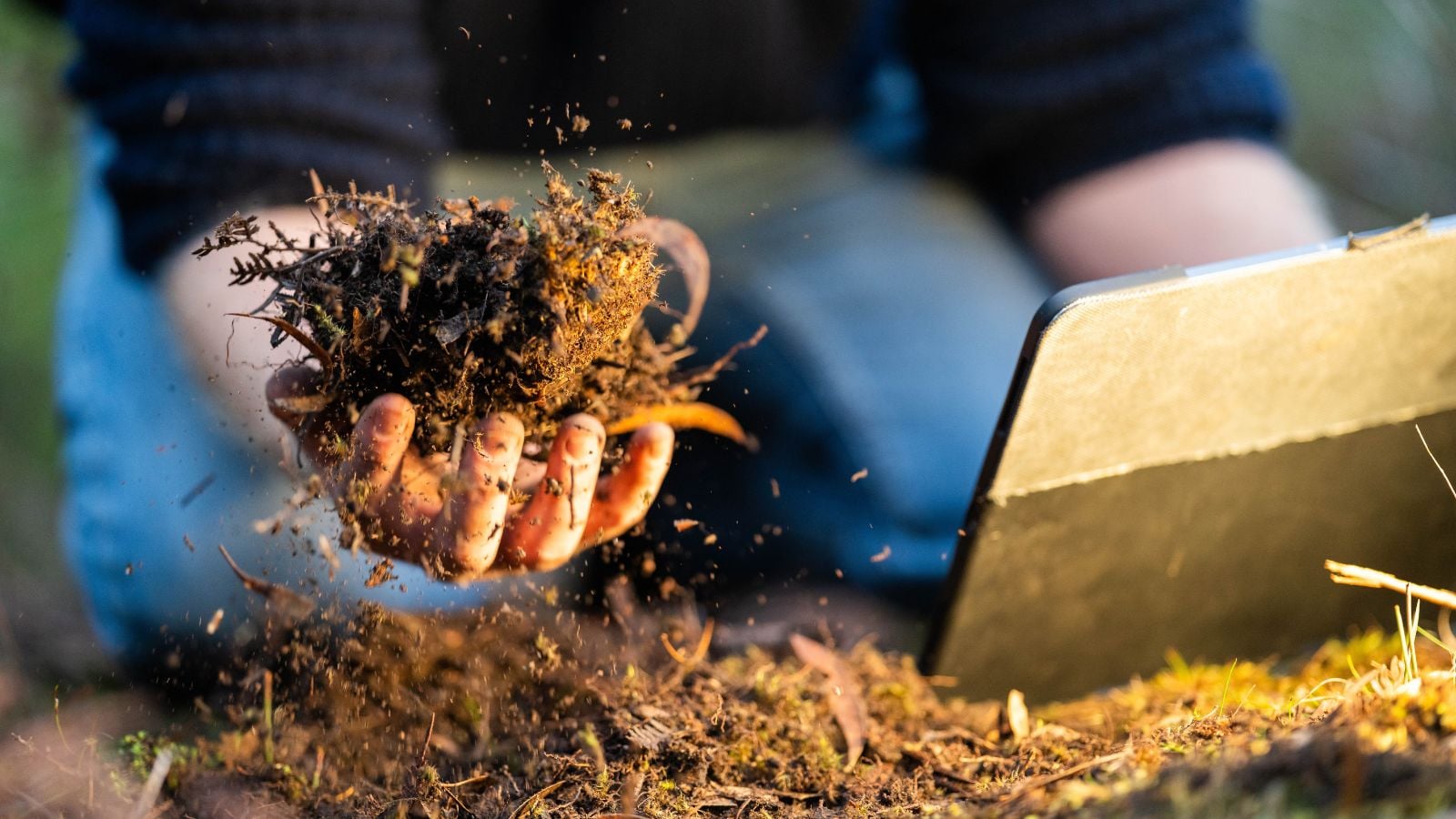
Did I mention that this tree does not like wet feet? Soil plays a major role in that. Soil enriched with compost and organic matter holds moisture easily, so if yours is already high quality, you may not need to water as frequently. Avocados are also sensitive to pH levels above 7, so keep the pH at 6.5 or lower.
The soil should be loose and friable, ideally in the sandy to loamy range. Avocados struggle in hard clay because it does not drain well and is too dense for the tender feeder roots to penetrate. These feeder roots usually sit in the upper six inches of soil around the tree.
Commercial growers often amend an area one foot deep and three to five feet across to create the right conditions. They mound two feet of soil over this amended space and plant in the center, which gives excellent drainage and the ideal soil structure.
Mulch around your tree with a six-inch layer of wood chips, keeping the mulch at least six inches away from the trunk. This reduces moisture loss while limiting weed growth.
Temperature

The reason California is such a popular place to grow these trees is its mild weather. Avocados are not freeze-hardy. A fully grown adult tree can tolerate temperatures as low as 28 to 32°F (-2 to 0°C), but younger plants are far less tolerant of cold.
On the other end of the spectrum, temperatures above 100°F (38°C) reduce fruiting and increase the risk of sunburn. If you are growing trees outside the subtropics, consider using containers so you can move them when conditions are extreme.
Optimal conditions for Hass avocado trees include full sun and temperatures that stay mostly between 60 and 80°F (16 to 27°C). Keep seedlings protected from strong winds to prevent damage.
Fertilizing

There is a list of essential nutrients that avocados require for the best growth. These should always be included in your fertilizer regimen:
- Nitrogen: helps with growth and development
- Potassium: helps with growth and fruit-bearing
- Boron: helps with growth
- Zinc: needed for fruiting
In addition to these, the following list is recommended but not as essential as the above:
- Phosphorus: helps tree metabolism
- Calcium: promotes good structure and healthy roots
- Magnesium: required for photosynthesis
- Iron: overall tree health
- Manganese: overall tree health
- Sulfur: lowers soil pH to maintain tree health
Fertilize in small doses throughout the growing season. The shallow roots absorb small applications more efficiently.
Newly planted trees do not need much fertilizer, but during the first year, applying about 1 oz of nitrogen monthly from spring through fall works well. Do not fertilize from November through February. In the years that follow, base your feeding schedule on trunk diameter. A total of half a pound of nitrogen per inch of trunk diameter per year supports healthy growth.
A professional soil test is recommended to determine the correct annual amounts of other nutrients. Most home tests measure only NPK. As a general guideline, the first four macronutrients typically need to be applied each year. The remaining nutrients should be tested before application.

Pruning Avocado Trees

Any new growth that appears below the graft joint should be removed as soon as you notice it, including small branches or leaves. Growth below the graft comes from the rootstock cultivar and will not produce Hass fruit.
Pruning is usually done for three purposes: maintaining height, shaping the tree, or removing dead or diseased wood. Other pruning is unnecessary.
For height control, trim back only the tallest branch tips at a time. This encourages the tree to grow wider rather than taller.
Most pruning should be done while the tree is dormant in winter. Although avocados are evergreen, they still slow their growth during the cold season. In warm climates such as California, the earliest acceptable time to prune is November, but late December through mid-January is ideal. Avoid pruning after mid-February, as the tree begins coming out of dormancy at that point.
Propagation

Hass avocados are propagated only through grafting and will not grow true from seed. If you are not experienced with grafting, it is best to purchase a grafted seedling from a reliable source. This ensures you start with a healthy young tree.
All avocados fall into one of two flowering types: type A and type B.
Hass trees are type A. They flower from February through May. When the flowers open for the first time, they function as female flowers until they close later that afternoon. When they reopen the following afternoon, they function as pollen-producing male flowers. This makes them somewhat self-pollinating.
Having a type B avocado nearby can significantly increase pollination and improve fruit production. Type B flowers are female in the afternoon and male the following morning, creating ideal timing for cross-pollination between both types.
Troubleshooting
There are a few things to watch for. Let’s go over a quick list of the most common problems you’ll face.
Growing Problems

New growers often notice that flowers fall off the tree without producing fruit. This is common and not a sign of trouble.
Watch for yellow-veined or pale leaves and slow growth, which can indicate a nitrogen deficiency. Zinc deficiencies appear as yellow patches between the veins, and the resulting avocados may form as round, ball-like fruit.
Sunburn can cause bark to peel from the trunk and may blacken branches. Applying a whitewash to the trunk helps reflect heat. If you do not have whitewash or flat white latex paint, you can wrap the trunk with white cardboard instead.
Pests

Many different mites can attack Hass avocado trees. The most common are the avocado mite, the persea mite, and the avocado brown mite. All respond well to neem oil treatments.
A particular type of thrips, avocado thrips, has become a newer challenge for California growers. The University of California currently recommends environmental controls, such as releasing beneficial insects, to manage them. They typically cause cosmetic damage to the fruit rather than lasting harm to the tree.
Mealybugs and ants often appear together and make a troublesome duo for avocado growers. Controlling both at the same time is wise. A wide band of sticky material around the trunk prevents ants from climbing the tree, and once the ants are gone, ladybugs can take care of the mealybugs while keeping the plant free of thrips.
Three types of avocado worm exist, all forms of leafrollers that feed on both the foliage and the fruit. Bacillus thuringiensis is effective against them and will not harm beneficial insects.
Diseases

The most damaging fungus affecting avocado trees is Phytophthora. In its various forms, it can cause root rot, collar rot on the trunk, and fruit rot. All forms spread through water. Keep the tree and its foliage as dry as possible, and ensure the soil drains extremely well without becoming muddy. Prevention is essential because there is no cure for Phytophthora once it becomes established.
Avocado black streak is another canker-forming disease, although its cause remains unknown. It creates dark lesions on the trunk or branches that may crack and ooze sap. It often appears after drought stress or exposure to excess salts and can be fatal. Use high-quality water and maintain consistent irrigation to reduce the risk.
Dothiorella canker is also common in Hass avocado trees. These cankers are not black, but they do crack, and the sap they release dries into a white powder. Carefully scraping the outer bark from the canker can help the affected area dry and heal. The tree may look stressed, but the trunk usually survives.
Frequently Asked Questions
How tall do Hass avocado trees grow?
Container-grown Hass avocado trees reach 5-7 feet. Those planted directly in the ground can reach 25-30 feet at max height. Many people opt to maintain their trees at about 15 feet tall.
Are Hass avocado trees self-pollinating?
Generally, yes. But as mentioned above, Hass avocado trees cross-pollinate extremely well with a type B avocado. You don’t have to plant a second tree, but it will greatly increase your potential harvest.
How long does it take a Hass avocado tree to bear fruit?
It takes roughly 3 to 5 years for Hass avocado trees to produce fruit.
Do Hass avocado trees need full sun?
Generally, yes. Give these avocado trees at least 6 hours of full sun per day. Some shade in the afternoon is ok, but as much sun as possible is best.
Do avocado trees need a lot of water?
These avocado trees do, compared to other plants. Give them at least 2 inches of water per week during their peak growing seasons.
What temperature is too cold for Hass avocado trees?
Optimal growing conditions for these avocado trees occur between temperatures of 60°F and 80°F (16°C to 27°C). While they can withstand temperatures down to 28°F (-2°C), they aren’t happy outside their optimal range
Can Hass avocado be grown in pots?
They can! In containers these avocado trees will grow up to 10 feet tall.
Will a potted avocado tree bear fruit?
Yes, but these avocado trees should reach significant maturity before they fruit, at 6 to 8 feet tall with a trunk that is at least 1.5 inches in diameter.-