How to Plant, Grow, and Care for Swiss Chard
Want a riot of fall or winter color? Growing Swiss chard can provide vibrant, colorful stems. Better yet, it's tasty. This guide by horticultural expert Lorin Nielsen explains how!

Contents
Growing Swiss chard is a delicious and healthy way to cultivate a member of the Amaranthaceae family. It is known as a nutritional powerhouse and is loaded with nutrients and vitamins, especially vitamins A, C, K, and the B group. Even better, this leafy vegetable has an extremely low calorie count. One cup of chopped Swiss chard contains only 35 calories. Growing Swiss chard can be a real boost for your health.
The word “chard” descends from the French word cadre, meaning artichoke thistle. The origin of the word “Swiss” is less clear, particularly since the vegetable is not native to Switzerland. That said, it is used extensively in traditional Swiss cuisine. Swiss chard was first described by a Swiss botanist, which may explain how “Swiss” became part of its common name.
Swiss chard is a leafy green vegetable closely related to beets, botanically classified as Beta vulgaris subsp. cicla. While beets are grown for their roots, chard is cultivated for its leaves, which taste similar to beet greens. When it comes to Swiss chard, growing it successfully is relatively straightforward, and the health benefits of this versatile vegetable are well worth the effort.



Quick Care Guide

|
Common Name(s)
Silverbeet, perpetual spinach, seakale beet, leaf beet, and beet spinach
Scientific Name
Beta vulgaris subsp. vulgaris
Days to Harvest
55 to 60
|
Light
Partial to full sun
Water
Moderate, about 1″ to 1.5″ weekly
Soil
Loamy, well-drained
|
Fertilizer
Nitrogen-rich slow-release fertilizer
Pests
Aphids, darkling beetles, flea beetles, beet leafhopper
Diseases
Beet curly top virus, fungal root rot, damping off
|
All About Chard

Swiss chard was first named Beta vulgaris by a Swedish botanist, Carl Linnaeus. Over the years, it came to be viewed as a subspecies. Today, it goes by the botanical name Beta vulgaris subsp. vulgaris. It is also known by several common names, although silverbeet, chard, Swiss chard, and leaf beet are among the best known.
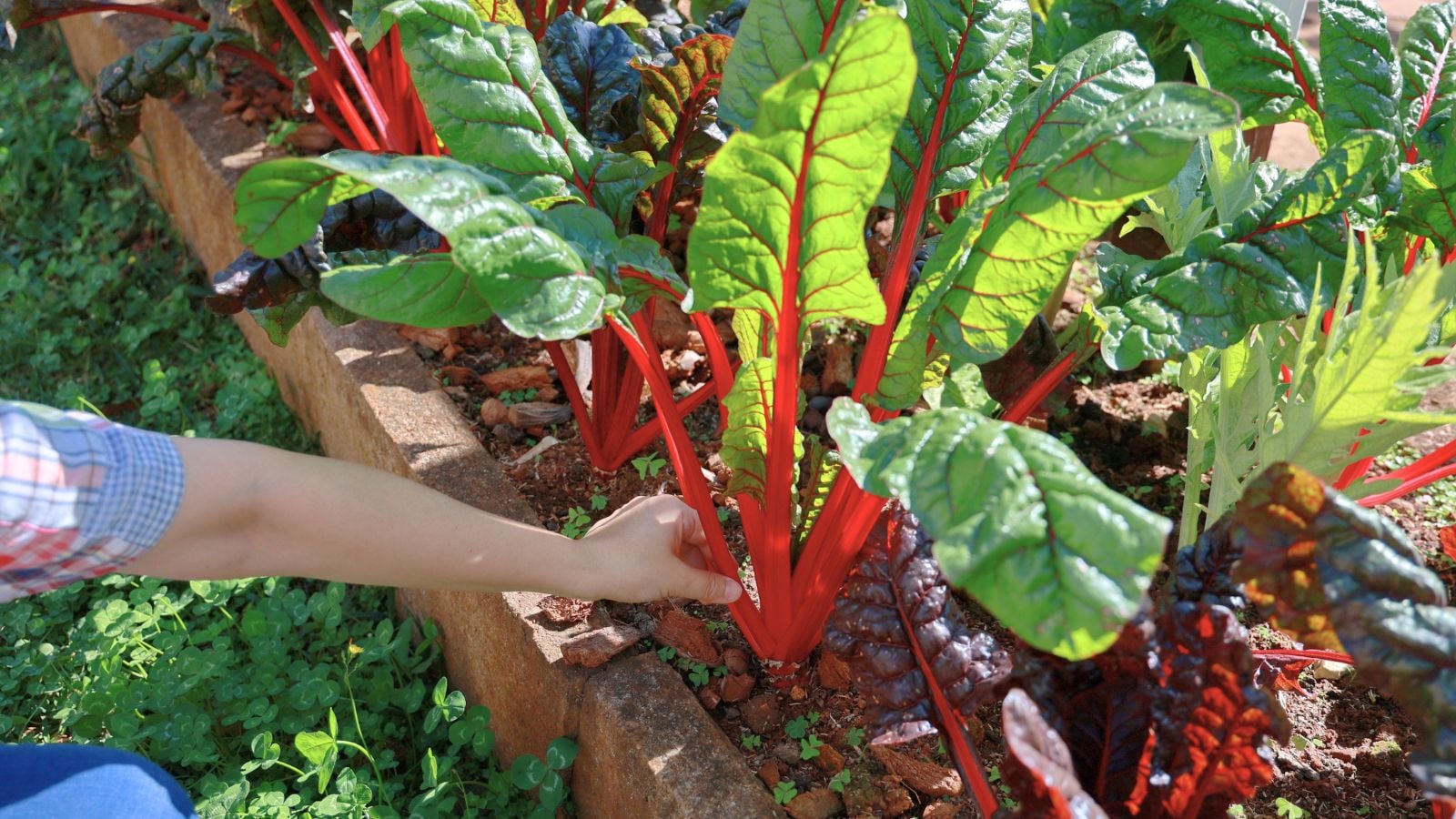
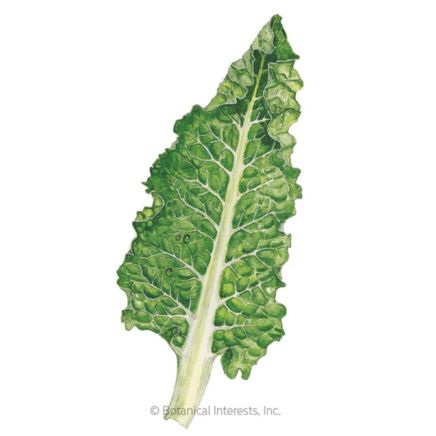
These plants average 18 to 24 inches tall. They have large, dark green leaves with pronounced ribbing. The stalks can be white, yellow, or red, depending on the cultivar, and sometimes feature a mix of colors. During the second year of growth, the plant produces small green flowers on tall flowering stalks.
With its bold, dark green foliage, Swiss chard is both beautiful and productive, making it an excellent garden crop or even an attractive addition to a flower garden. It is propagated from seed, which is typically sown between April and August in the Northern Hemisphere. The plant takes around 50 to 60 days to mature.
Chard, whether Swiss or otherwise, is believed to have originated from a wild beet native to the Mediterranean region. The original variety has been traced back to Sicily. It has since been naturalized throughout Europe and the Americas, although this vegetable is still rarely consumed outside of Europe.
If you want to grow Swiss chard, popular varieties include ‘Bright Lights’, ‘Fordhook Giant’, ‘Ruby Chard’, and ‘Lucullus’. I’ve been growing ‘Bright Lights’ Swiss chard for years, and it’s always a delight to see. Growing rainbow chard can really liven up the garden with plenty of bright color.
Planting

Whether you plan on harvesting the leaves or growing it for its beautiful garden aesthetic, there are plenty of tips to help you grow Swiss chard like a pro.
If when to plant Swiss chard is your question, it is typically grown as a cool-season crop. It thrives in cooler temperatures in fall and spring, and Swiss chard growth often slows as temperatures rise.
The best time to plant Swiss chard seeds is two to three weeks before the last spring frost date. For a fall crop, plant seeds about 40 to 50 days before the first fall frost date. Sow seeds no deeper than ½ inch to ensure good germination. The optimal germination temperature for Swiss chard is 85°F (29°C), but the plant itself performs best between 40 to 95°F (4 to 35°C).
For transplants, establish them while the weather is still warm to encourage strong growth. Space your chard 12 to 18 inches apart, although they can be planted as close as 10 inches apart in a well-fertilized raised bed. The leaves may appear limp shortly after transplanting, but they will bounce back quickly.
Growing chard from seed is easy, and a short pre-soak can help speed up germination. Sow seeds ½ inch deep at least two inches apart in a row. Thin seedlings to 12 inches apart once they develop their first true leaves. Rows should be spaced 18 to 24 inches apart. For square foot gardeners, aim for four plants per square foot.
How to Grow
Swiss chard is easy to grow, but it still requires proper care to truly thrive. Let’s take a closer look at how to grow chard successfully in your garden.
Light

Swiss chard enjoys sunlight and grows well in full to partial sun. Ideally, these plants should receive six to eight hours of sunlight each day. They are slightly frost hardy but do not tolerate extended periods of subfreezing temperatures well.
Water

Like most vegetables, Swiss chard requires a steady, even supply of water, about one to one and a half inches of water per week. The goal is to keep the soil evenly moist.
Insufficient water slows the growth of leaves and stems. You may need to water your Swiss chard plants more frequently during hot weather than in cooler months. Mulching around the base of the plants helps conserve soil moisture, and a soaker hose works well for irrigation.
Soil

Chard plants grow best in rich, organic loamy soil. They can tolerate poorer soils, but growth will be less vigorous. Add compost to the soil before planting, especially if it is clay-dense. Sandier soils provide good drainage but also benefit from added compost to improve moisture retention. Aim for a soil pH between 6.0 and 6.8.
Temperature

The ideal temperature range to grow Swiss chard is 32 to 75°F (0 to 24°C). If you experience very cold winters, it’s best to use a cold frame to keep your plants warm, or alternatively, you can move your plants indoors. Swiss chard grows well in USDA zones 2 through 11.
Fertilizing

Since you’ll likely be growing Swiss chard for its leaves and stalks rather than the root, it’s important to fertilize your plants so they can grow vigorously. A nitrogen-rich, slow-release fertilizer is ideal for leaf production, as it provides steady nutrition to support the development of large, healthy Swiss chard leaves.
Pruning

The only time you should need to prune your Swiss chard is if it starts to bolt to seed. When this happens, leave only a few stalks and cut the rest of the plant back to one inch above soil level. The remaining green leaves allow the plant to continue photosynthesizing as it redirects energy toward producing new leaves. This does not always prevent bolting, but it can slow the process and help extend the plant’s lifespan.
Otherwise, most pruning happens during harvesting or when removing damaged leaves. Outer leaves and stalks are typically harvested first, while the inner stalks are left in place to continue photosynthesis.
Propagation
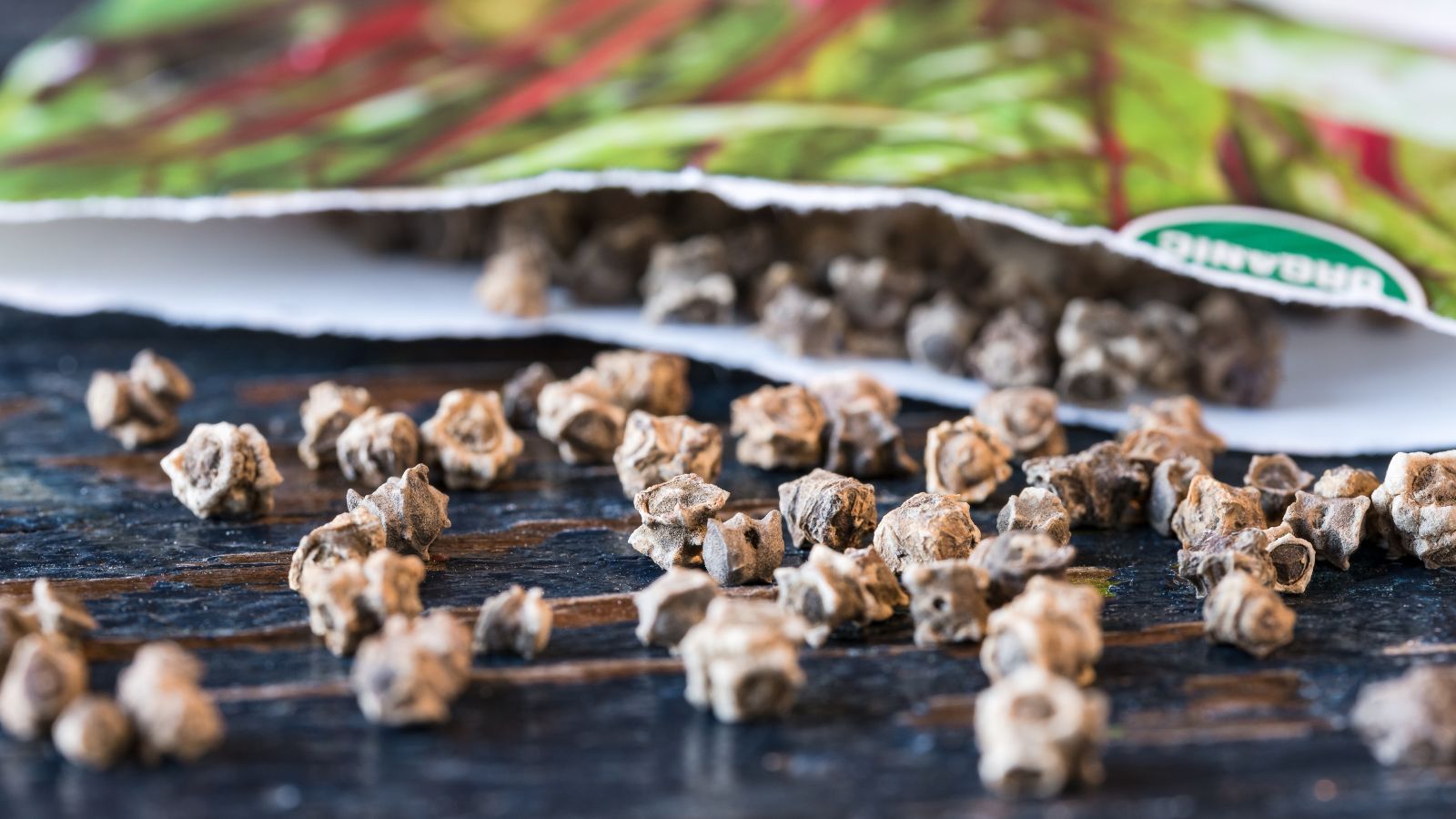
Swiss chard propagates from seed, and other methods are unlikely to be successful. You can start seeds indoors or sow them directly into garden beds. Always choose high-quality seeds from a reliable source.
Seedlings typically emerge within one to two weeks and can be moved outdoors once the last frost date has passed. It’s best to harden off seedlings by gradually acclimating them to outdoor conditions for a couple of hours each day before transplanting them into the ground or containers.
Harvesting
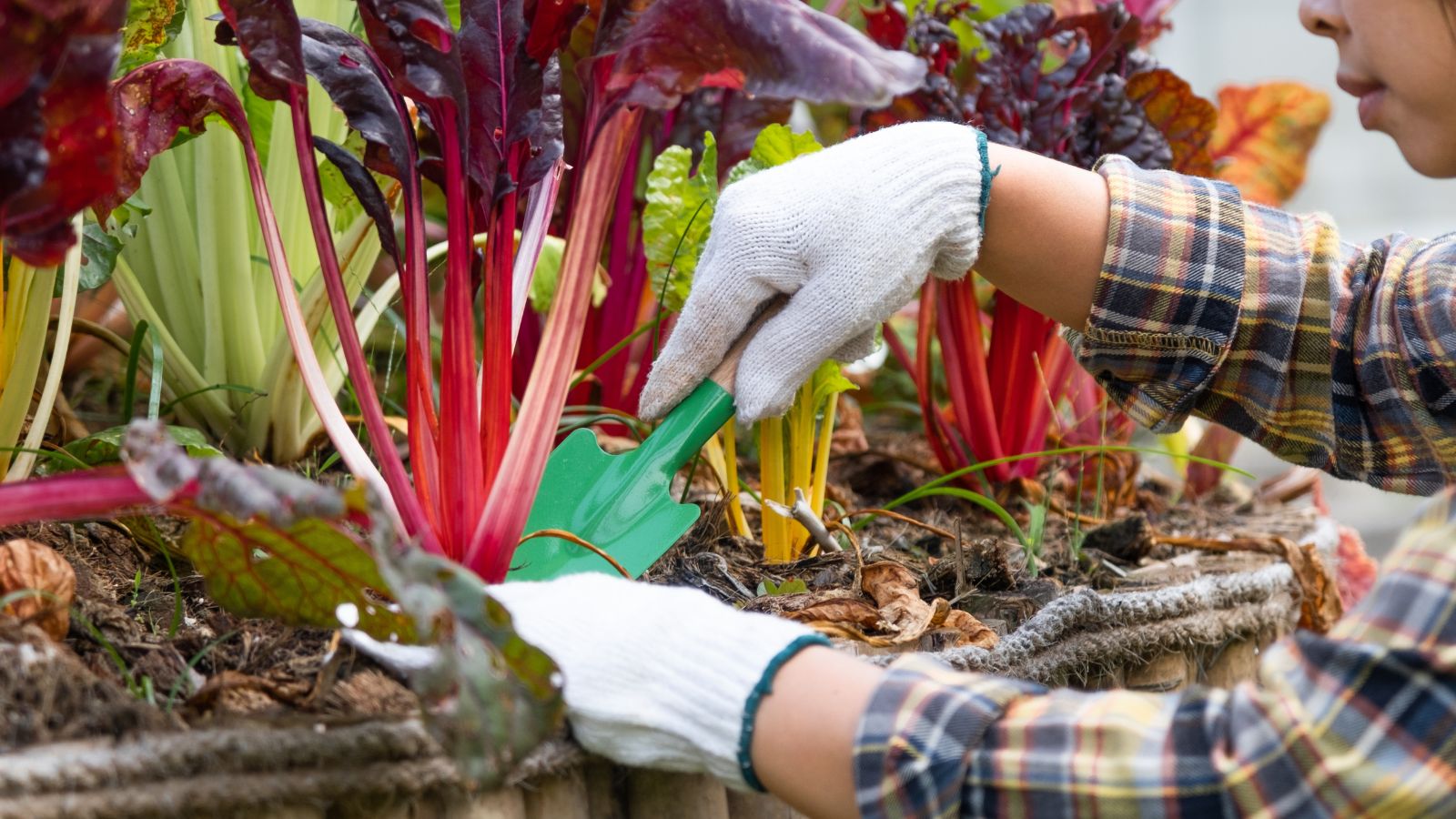
You can harvest the dark green leaves and stalks of Swiss chard. It grows back quickly, allowing you to harvest multiple times throughout the growing season.
Whether you’re harvesting young or mature leaves, always take the outer leaves first and leave the inner leaves to continue growing. Use a pair of sterile pruning snips to make clean cuts about one inch above soil level.
Storing
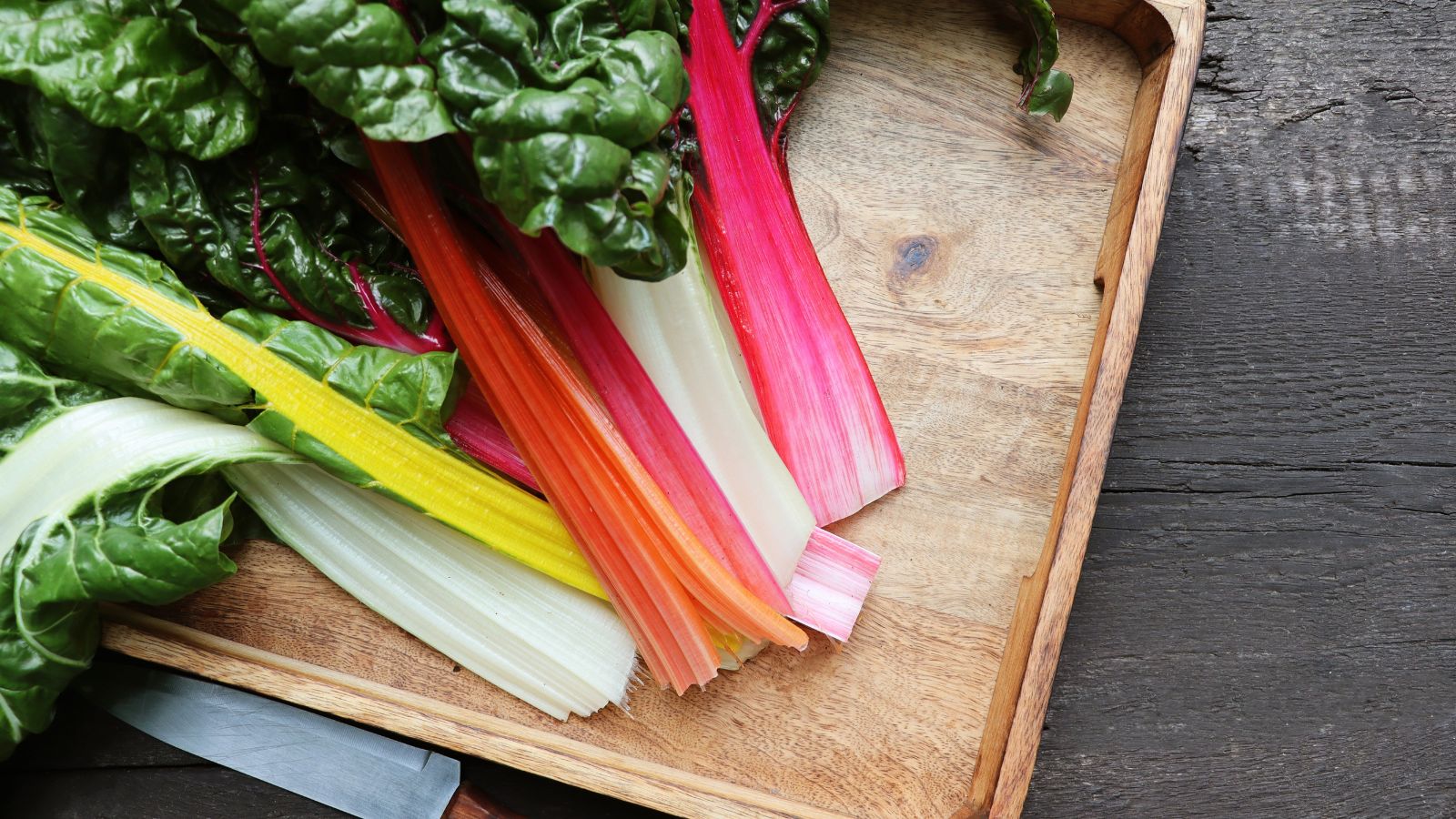
For short-term storage, place the cut ends of the stems in a small amount of water and loosely cover the leaves with a plastic bag. This helps the stems retain moisture, although the leaves will begin to wilt within 24 hours. This method works best if you harvest in the morning and plan to cook the stalks that evening.
For slightly longer storage, wrap Swiss chard stalks and leaves in paper towels and place them in a plastic bag, pressing out as much air as possible. Store the bag in the crisper drawer, where the chard should last three to four days.
Avoid washing your harvest until just before use. Prolonged exposure to moisture can cause the leaves to decay quickly and the stalks to become mushy.
For long-term storage, freeze your Swiss chard. Wash and thoroughly dry the chard, then separate the leaves from the stems. Blanch the dark green leaves in boiling water for one minute, then transfer them immediately to an ice bath to stop the cooking process. Blanch the stems for two minutes before moving them to an ice bath. This step helps the leaves retain their color.
Once blanched, dry the produce completely and spread it out on a parchment-lined baking sheet. Freeze until solid, then transfer to a freezer-safe storage bag for later use.
Troubleshooting
There are a few common problems to be aware of when growing Swiss chard, particularly when it comes to disease. Let’s take a closer look at the most common issues.
Growing Problems

These plants are slightly frost-hardy but may not survive very cold winters. Provide a cold frame or grow in containers you can bring indoors if the weather gets cold.
Pests

Aphids are tiny, sap-sucking insects that often infest vegetable plants. You can control them by spraying plants with neem oil, horticultural oils, or insecticidal soap. Environmental controls include beneficial insects such as ladybugs and lacewings.
The darkling beetle can be useful if you raise mealworms to feed chickens, but it is a serious garden pest. Both adults and their mealworm larvae feed on plant leaves. Unfortunately, insecticides are not very effective against them, although pyrethrin may slightly reduce their numbers. Keep the area around your plants free of debris and hand-pick adult beetles when you spot them.
Flea beetles chew a shot hole pattern through leaves, which disfigures foliage and reduces yields. These pests respond well to spinosad or pyrethrin-based control methods.
Finally, while beet leafhoppers cause only minor feeding damage to leaves, they are a dangerous vector for plant diseases. They can be difficult to eliminate, but a combination of insecticidal soap and pyrethrin is usually effective at controlling larvae.
Diseases
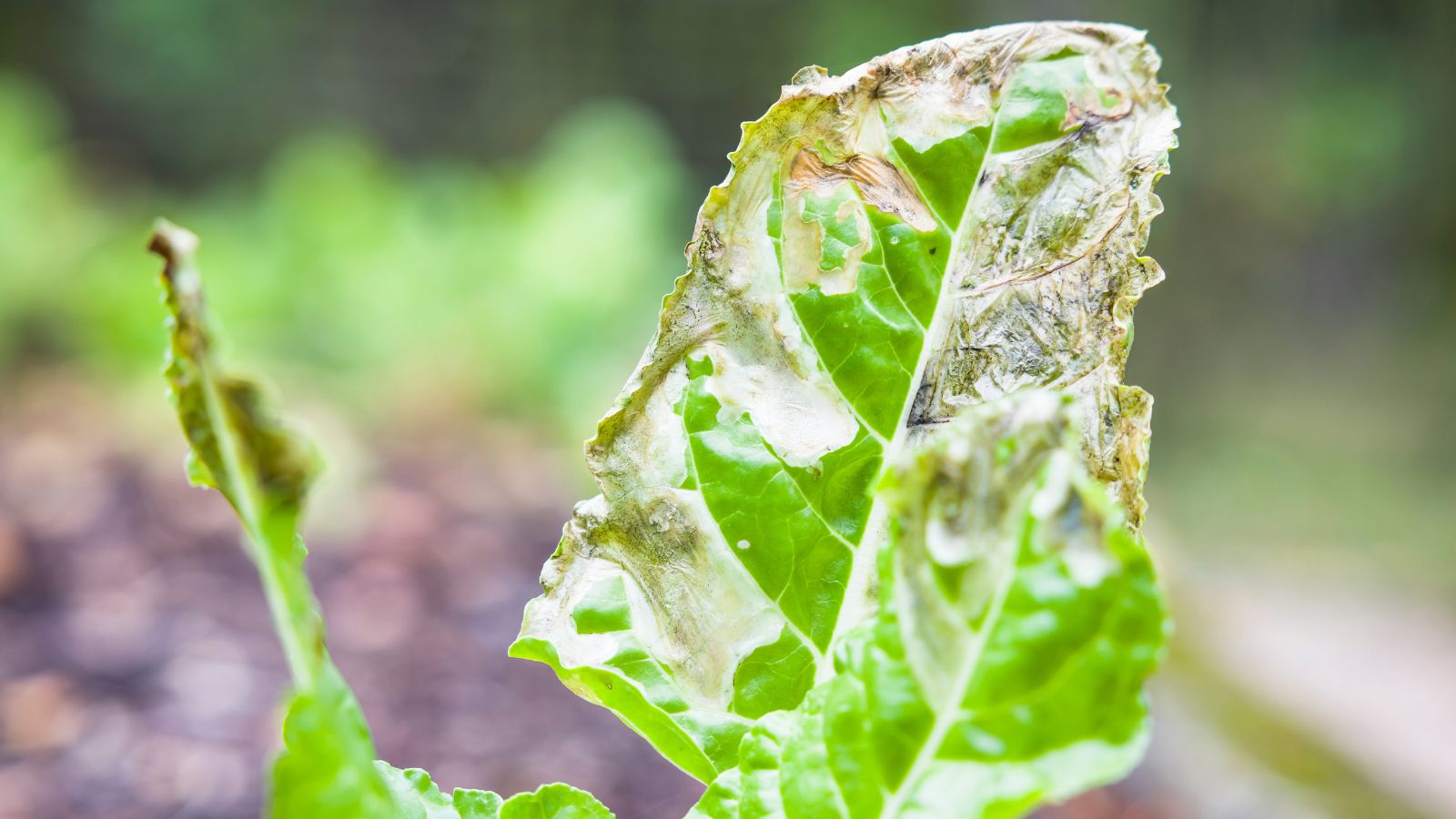
Beet curly top virus is a viral infection characterized by small, yellow, curling leaves with swollen veins. It is spread to chard by beet leafhoppers, and there are no treatments for this disease, making prevention essential.
Poorly draining soil can lead to fungal root rot. Use well-draining soil and avoid overwatering. When growing in containers, make sure pots have large drainage holes to prevent water retention and encourage proper drainage.
Damping off is caused by several soilborne fungi. Some products, such as MycoStop, can help control certain pathogens like Fusarium, while others, including Pythium, are much more difficult to manage. These same soilborne fungi can also cause root rot in soils that retain excess moisture. There is no cure for damping off, so prevention is the only effective approach.
Frequently Asked Questions
How long does it take Swiss chard to grow?
It takes 7 to 14 days to germinate Swiss chard from seeds. It is ready for harvest of the full plant in 55 to 60 days from sowing. If you opt to harvest in a cut-and-come-again method, you’ll be able to harvest leaves and stalks consistently as you grow Swiss chard.
Does Swiss chard grow back every year?
Chard is usually cultivated as an annual plant in vegetable gardens. However, it can be a biennial in the right climate. Once flowers appear in its second year, the leaves usually turn bitter.
Should I let Swiss chard flower?
Only if you want to allow the plant to produce seeds, and only if you’re okay with not harvesting from that plant anymore should you allow it to flower. Otherwise, pinch off the buds as they appear.
How long does a Swiss chard plant live?
In areas where it’s perennial, it can survive for several years, making it a great plant for perennial gardeners.
Do you eat the stems of Swiss chard or just the leaves?
You can eat all the above-ground parts of the plant. While the stems are somewhat more bitter than the leaves, when cooked and seasoned correctly, they’re delicious.





