How to Grow Succulents From Seed
Growing succulents from seed can be tricky to do. However, it's also an exciting gardening challenge, especially for succulent lovers. Gardening expert Rachel Garcia reveals the pros and cons of this method and how to do it in this guide!

Contents
Growing succulents from seed is an inexpensive way to expand your collection, but it is a slow process. Succulents are naturally slow growers, and raising them from seed takes far longer than propagating from cuttings. Some species may even take a year or more just to germinate.
Succulent seeds are also very particular about their growing conditions. Before you begin, be prepared to provide consistent care and close attention. For most gardeners, propagating through cuttings or offsets is far more efficient than starting from seed.
Still, many growers enjoy the challenge. With that in mind, here is how to grow succulents and cacti from seed all the way to full-sized plants.

How to Prepare Your Succulent Seeds
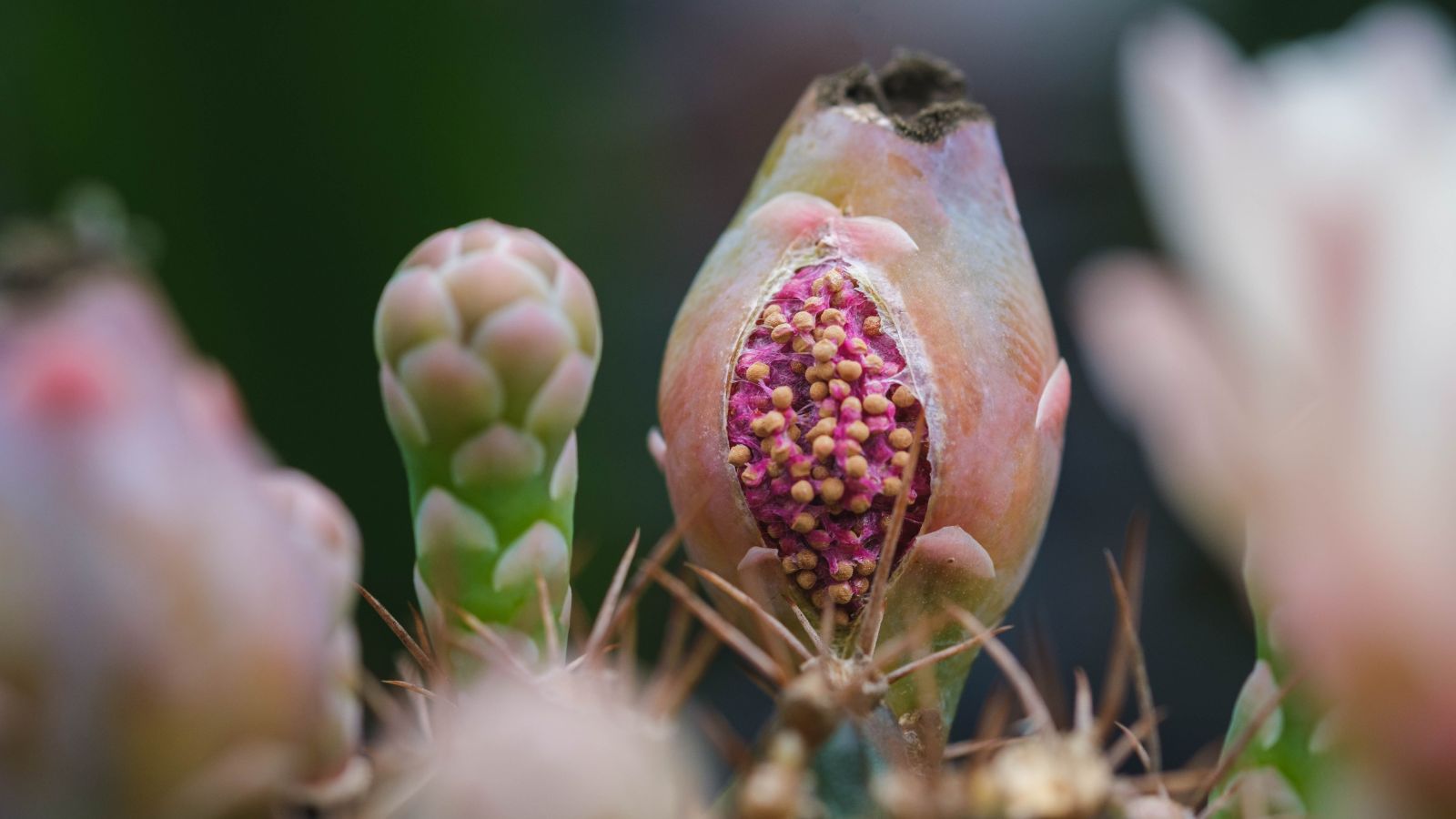
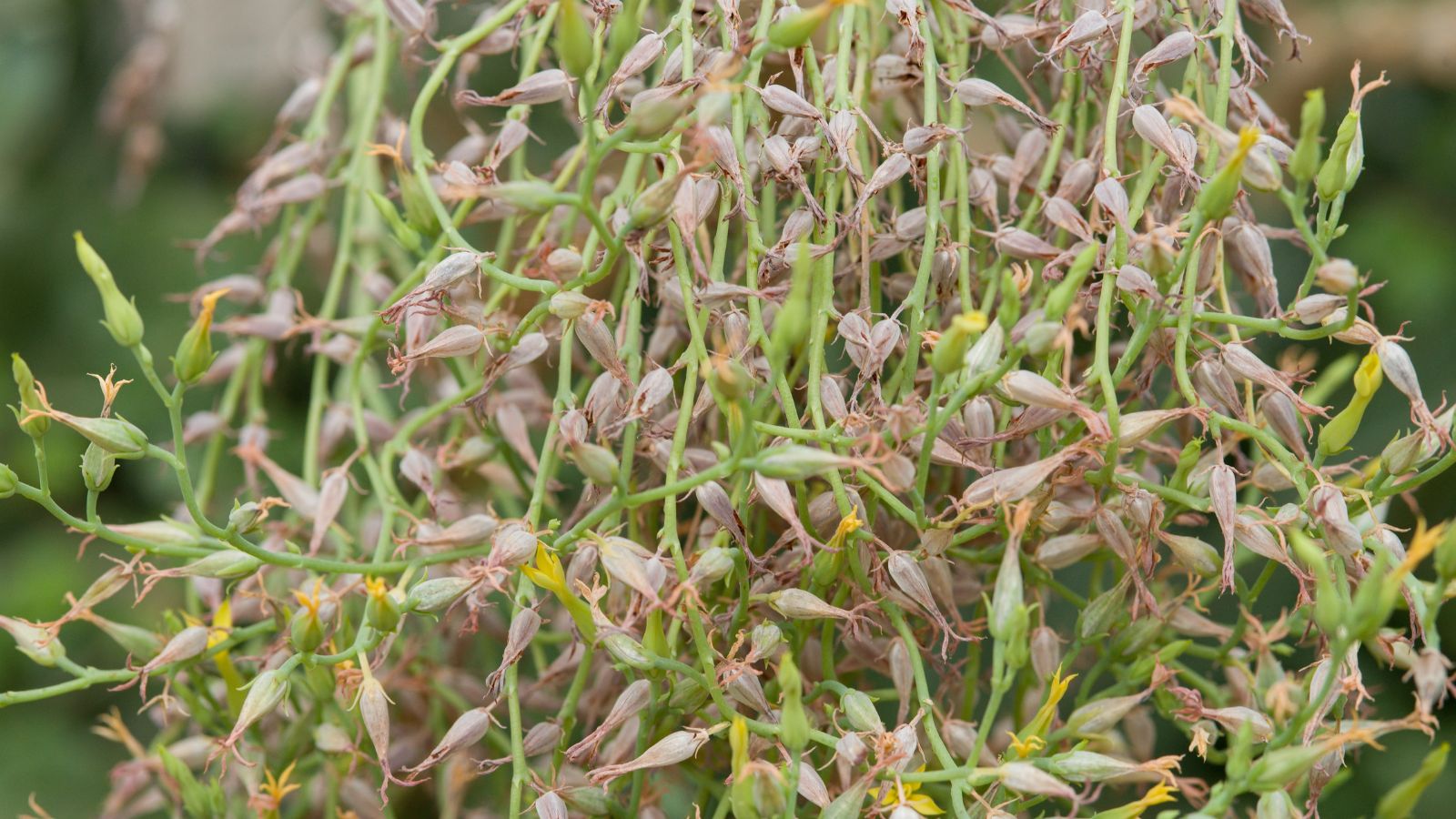
You can usually find a wide range of succulent and cactus seeds through reputable seed companies. There are plenty of good sources, but make sure you know and trust the vendor before ordering. Unfortunately, unreliable sellers are common, so it is better to choose a company with a proven track record.
When selecting seeds, compare your schedule to the expected germination time. Some species sprout in a few days, while others take months. During that period, seeds need small amounts of daily attention, so check the germination window listed on the packet or product description.
If you plan to grow more than one variety, plant each type in its own tray. You do not want full-sized rosettes growing beside seeds that are still trying to germinate.
Consider the long-term care requirements of the succulent you choose, too. Research its preferred conditions and make sure it fits your climate and indoor or outdoor setup.
Keep in mind that succulents grown from seed may not look exactly like the parent plant. This is especially common in hybrids or cross-pollinated varieties due to genetic variation. The only reliable way to clone a succulent is through cuttings.
Necessary Materials

Seed tray: This needs to be a few inches deep. It can have sections or just be a flat pan. However, it must have drainage holes. You can buy a seed tray online, or you can make your own from a disposable food container (like the ones rotisserie chickens come in).
Well-draining soil medium: This can be a half-and-half mix of potting soil and something coarse like pumice or sand. You can also use a pre-made succulent mix.
Succulent Seeds: Be sure these are from reliable sources! This gives you the best chance you’ll have at getting viable seeds.
Misting Bottle (optional): This is a great way to keep your soil moist without overwatering.
How to Grow Succulents from Seeds
Before you start growing succulents from seed, prepare the soil medium. Baby succulents are very vulnerable to bacteria, so use fresh, store-bought potting soil. If that is not an option, sterilize your soil by spreading it in an oven-safe pan and baking it for at least thirty minutes at 300°F. It may sound unusual, but the heat eliminates harmful bacteria.
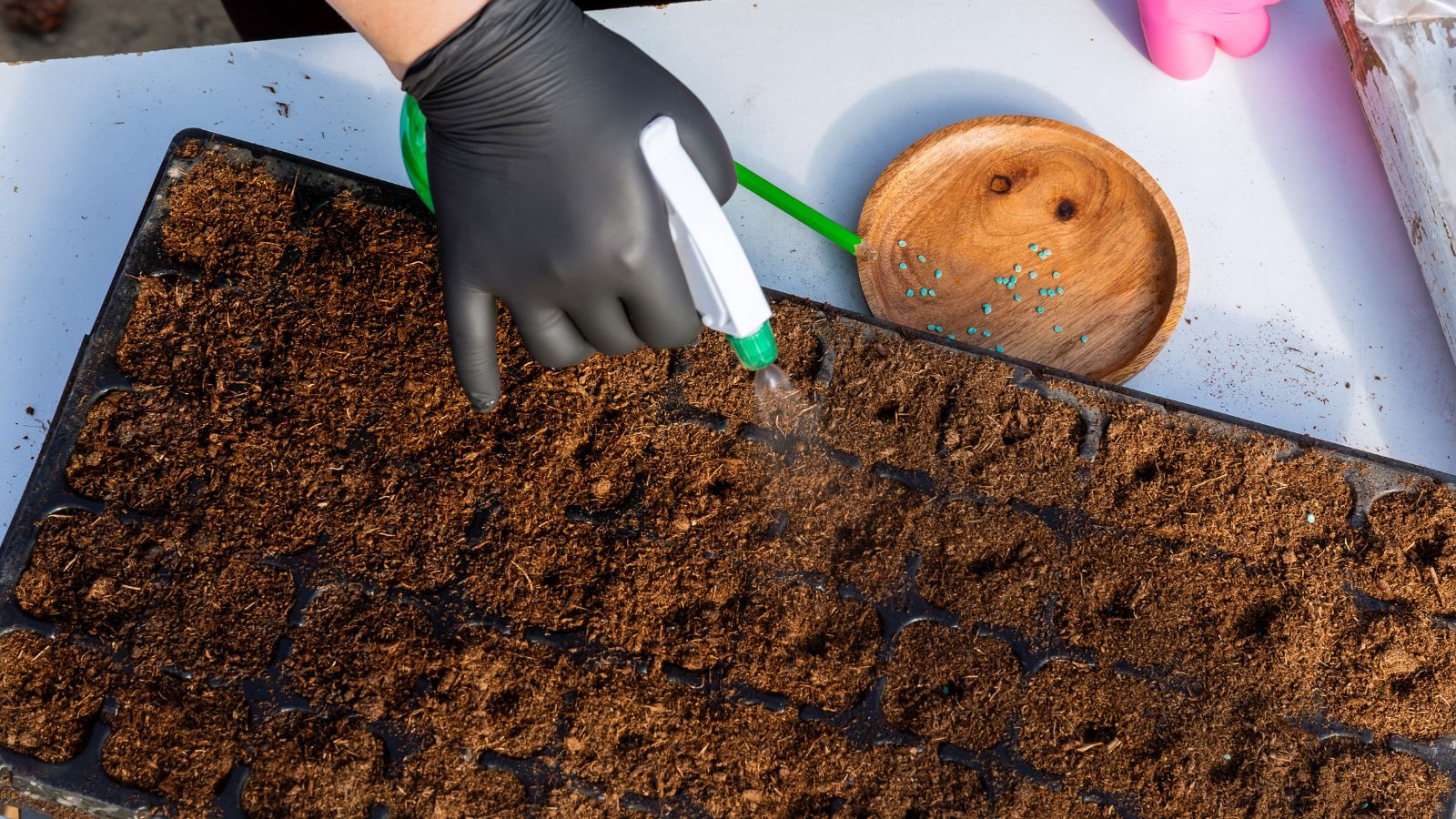
Moisten the soil and fill your seed tray. Succulent seeds can be extremely tiny, so keep your workspace clean and your hands free of debris so you do not lose any of them.
Handling very small seeds can be tricky. You can gather them on your fingertip and gently tap them over the soil, or use a cotton swab or popsicle stick to transfer them. Larger seeds are much easier to manage.
Space the seeds far enough apart so the rosettes will not grow into each other as they develop. Do not bury them. Simply scatter the seeds across the soil surface and press them down lightly so they make contact with the medium.
Seed Care
Once your seeds are planted, they need the right environment to germinate. As they absorb moisture, their dehydrated cells expand and the embryo inside begins to grow. With proper light and water, the embryo will eventually produce roots and early stem growth.
Provide steady moisture by watering from below. Set the seed tray inside a slightly larger tray filled with water. The soil will wick moisture upward through the drainage holes, keeping it consistently damp without disturbing or washing away the tiny seeds. If bottom watering is not an option, lightly mist the surface with a spray bottle instead.
To boost humidity and slow evaporation, cover the tray with a clear dome. Add a few ventilation holes if possible to promote airflow. Use the dome only during the germination stage.
Succulent seeds need bright, indirect light. Direct sun can scorch delicate baby leaves, so place the tray near a bright window. Keep the temperature warm and stable, and avoid moving the tray around.
If the growing area is on the cool side, a heating mat can help maintain the warmth seeds need. Place it under the tray and keep it running while the seeds are sprouting.
After Germination

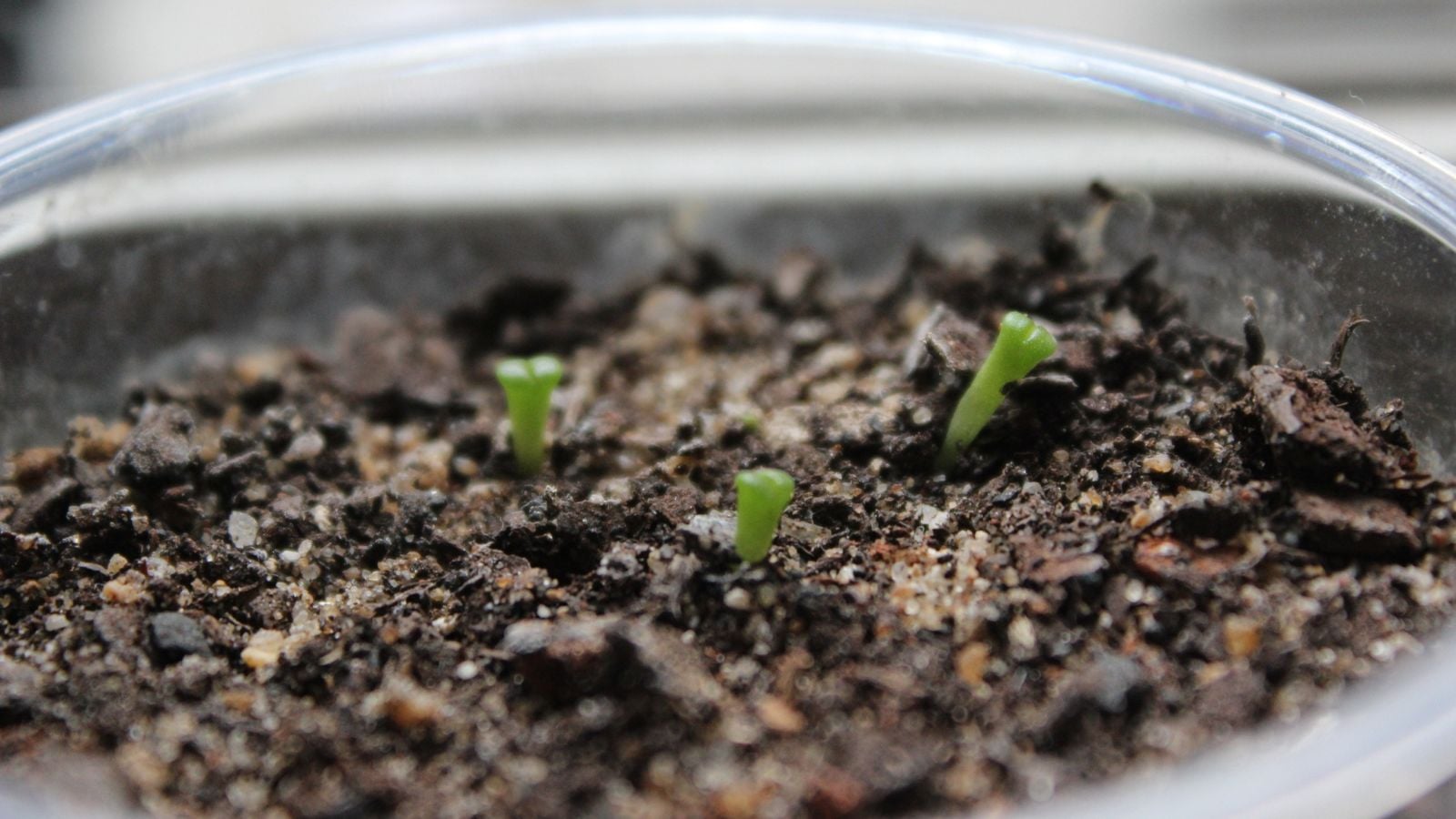
In time, you will see tiny rosettes or stems emerging from the soil. Keep the same light and moisture conditions, but remove the humidity dome and turn off the heating mat.
Once the seedlings develop a solid root system, you can slowly start reducing how often you water. Gradually transition to the care routine you would follow for a mature plant.
It might be tempting to move your new succulents into the garden right away, but wait until they are fully mature or have completely outgrown the seed tray. Older seedlings with well-developed roots have a much better chance of surviving transplant shock.
After planting your young succulents in their permanent containers or garden spots, monitor them closely. Each type of succulent has its own preferences, so be sure to look up the specific care needs of the varieties you have grown.





