How to Plant, Grow, and Care for Parsnips
Growing parsnips through the cool season enables you to have consistent vegetables year-round. This often overlooked vegetable is worth a spot in your garden. Our growing guide shares our top tips on how to grow parsnips successfully.

Contents
Bring comfort to winter meals by growing parsnips. Simply roasted on a tray, mashed into a purée, blended into soups, or even pickled, parsnips offer a nutty yet sweet flavor that adds depth to the holiday table. This long-lasting root vegetable provides a reliable source of fresh produce during the colder months.
Before sugar cane became widely available, people used parsnips as a sweetener. More unusual uses include the UK tradition of making parsnip wine and using parsnips as a substitute for pancetta. Parsnips pair well with flavors like nutmeg or citrus and work as a replacement for carrots or potatoes in many dishes.
Grow parsnips in your vegetable garden for winter harvests. Frosts enhance their natural sweetness, and the roots store exceptionally well through winter, even when left in the ground. Let’s take a closer look at how to grow and harvest this much loved cold weather crop.
All American Parsnip Seeds

All-American’ parsnip thickens early, in as little as 95 days! Parsnips have a long culinary history, are versatile and nutritious and are being added to the menus of many upscale and specialty restaurants. Their tender, white, carrot-like roots have a sweet and distinctive flavor that’s delicious in soups and stews, mashed, stir-fried or roasted.
Buy at Epic Gardening ShopQuick Care Guide

|
Scientific Name
Pastinaca sativa
Days to Harvest
100-120 days
Light
Full sun to partial shade
Water
Keep the soil consistently moist
|
Soil
Light, fine soil, no compacted clay, well-draining
Fertilizer
One mid-season application of low-nitrogen fertilizer
Pests
Carrot flies, aphids, root-knot nematodes
Diseases
Parsnip canker, alternaria leaf blight
|
All About Parsnips

Pastinaca sativa, commonly known as parsnip, originated in the Mediterranean region. Parsnips grow wild across Europe and the United States, where wild plants can cause skin burns. Even in cultivated varieties, the parsley-like green foliage is inedible. For some people, contact with parsnip leaves followed by sun exposure can cause rashes due to toxic sap in the greens.
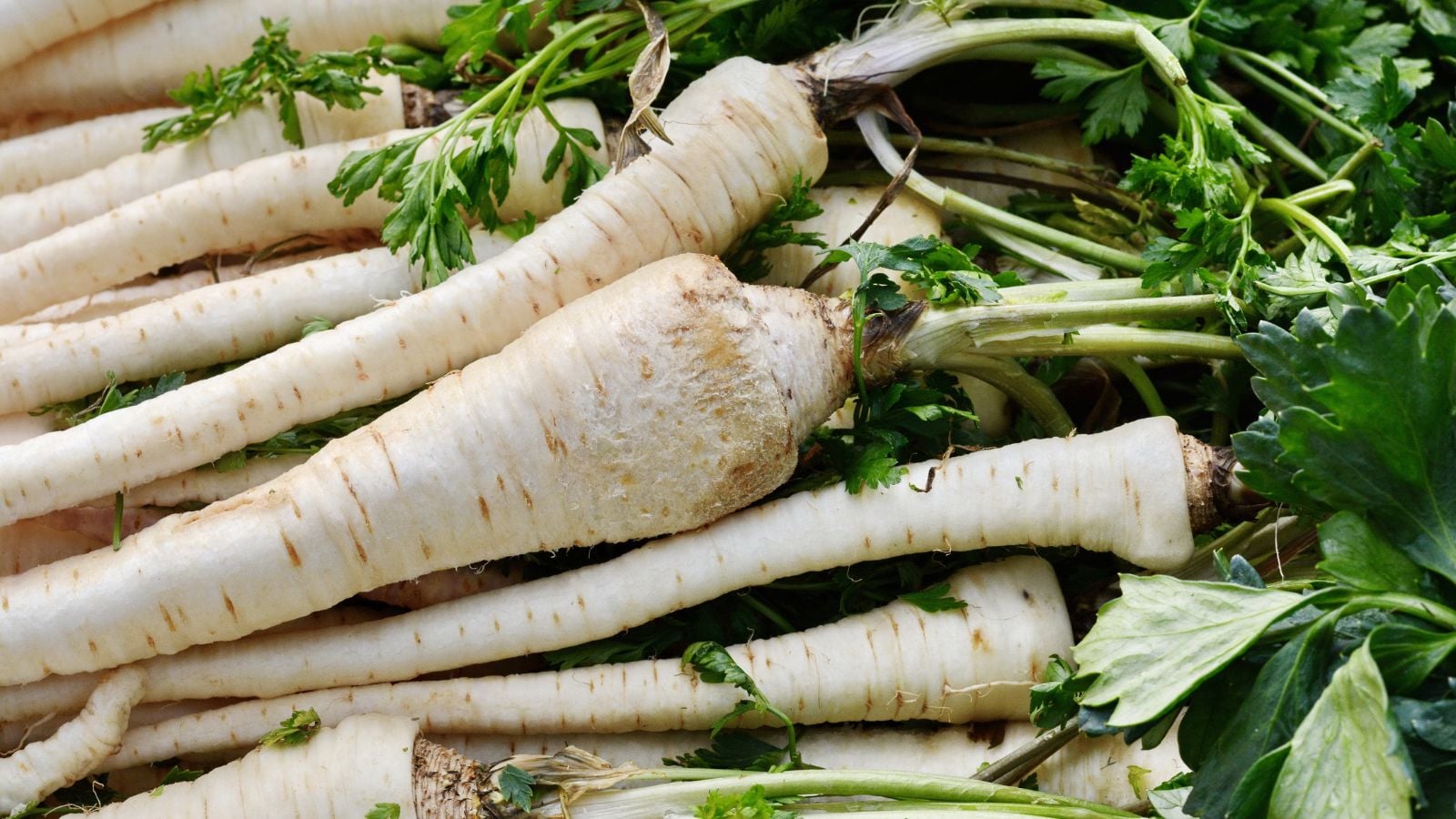
Parsnips resemble carrots but usually appear cream colored and grow larger and thicker than their relatives. The foliage looks similar to celery leaves and forms a rosette at the top of the plant. Parsnips grow as a taproot, with the edible portion typically measuring about five to ten inches long. If allowed to flower, the plant produces yellow, umbel-shaped blooms.
Parsnips develop increased sweetness when left in the ground through one or two frosts. You can plant them in spring or summer for a winter harvest. Although parsnips are technically biennial and perennial in some climates, gardeners usually grow them as an annual winter crop and harvest them in the first year, since flavor declines in the second season. This nutritious taproot contains high levels of potassium and other essential nutrients.

Planting

Plant parsnip seeds from late spring through late summer for harvest from fall into early spring of the following year. In warmer climates, sow parsnips in fall for an early spring harvest. Use fresh seed and plant it one half inch deep, making sure the soil fully covers the seed. Parsnip seed loses viability quickly, and older seed often fails to germinate.
For reliable germination and strong seedlings, the soil temperature should stay above 46°F (8°C). Using a garden cover can help warm the soil and improve germination rates.
Choose an open planting site with full sun. Parsnip seedlings prefer bright conditions but can tolerate partial shade. To maximize space in the vegetable garden, plant shallow rooted crops such as radishes or violas between parsnip rows.
Because parsnips develop delicate taproots, sow seeds directly into the ground rather than starting them in containers and transplanting later. They grow best in deeply worked, loose, loamy soil. Sow seeds one half inch deep and space them six inches apart in warm, moist, weed free soil. Plant three seeds per spot to ensure germination. Seeds typically sprout after about three weeks. Thin seedlings at six weeks so each plant has adequate spacing.
When growing parsnips in containers, choose one that is at least 12 inches deep to allow the roots to grow straight down. Small grow bags work well for this purpose. Space seeds six inches apart, then thin seedlings after six weeks to maintain proper airflow. Container growing gives you greater control over soil quality and makes it easier to provide the loose, well dug conditions parsnips need to thrive.
How to Grow
Parsnips are not difficult to grow, but they do require attention to a few key details. This root vegetable reacts poorly to excess nitrogen and inconsistent moisture.
You will see the best results by direct sowing seed outdoors in garden beds, interplanting wisely, and keeping the area weed free. Patience matters with this long season crop, but the payoff makes the wait worthwhile.
Light
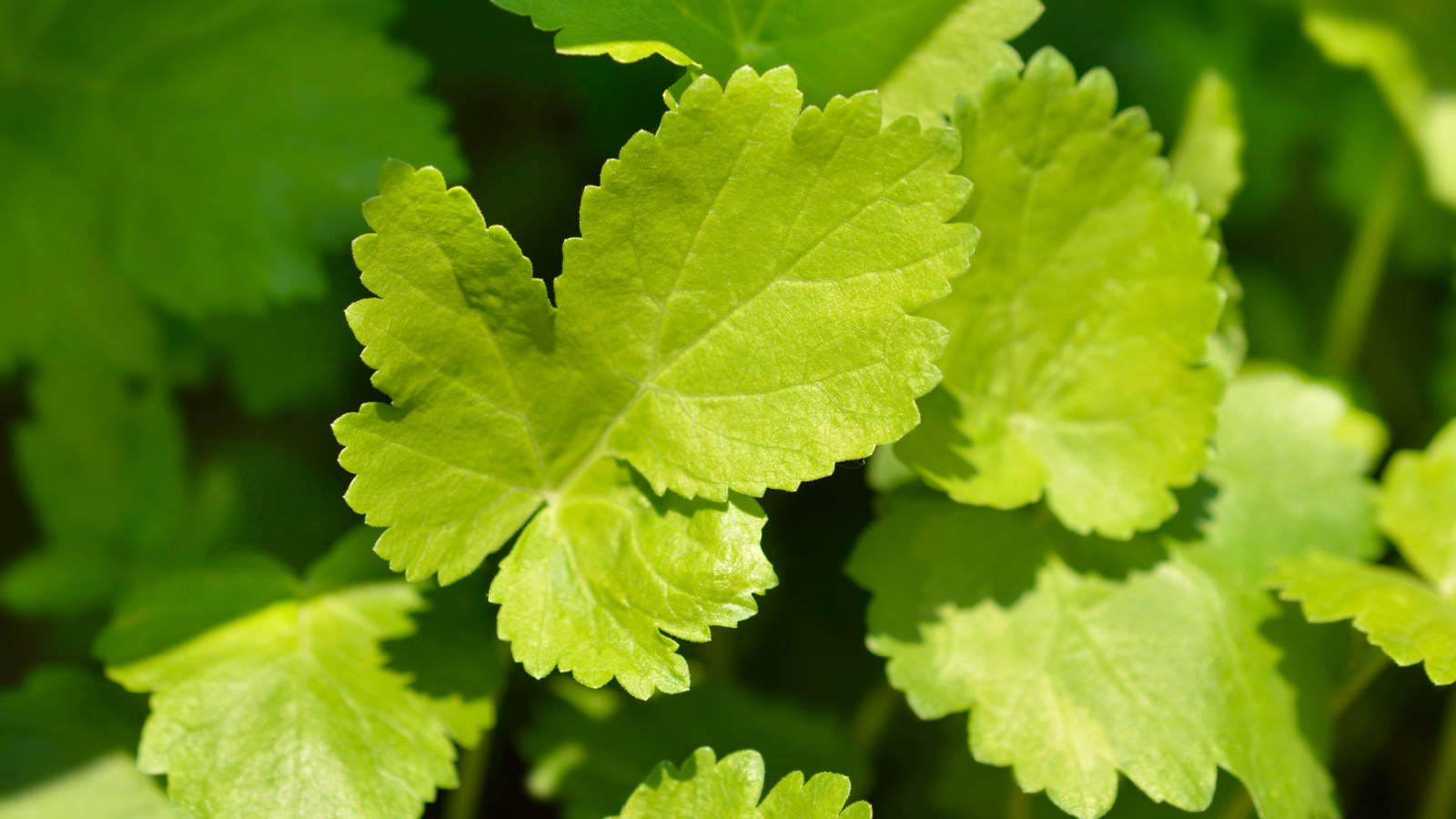
Grow parsnips in full sun to partial shade. The seeds should be planted into warm soil in USDA growing zones 2-9.
Water

One of the most important aspects of caring for this cold hardy root vegetable is maintaining consistent moisture. These plants prefer deep watering, which encourages roots to grow farther down into the soil. Parsnips are not drought tolerant, and insufficient water causes the roots to become tough.
Water parsnips deeply and consistently for the first four to six weeks, then continue to keep the soil evenly moist throughout the growing season. Soaker hoses or drip irrigation work well, and mulching helps maintain even moisture levels.
Soil

Parsnips prefer loose, well prepared loamy soil that allows roots to grow straight and deep. The pH should fall between 6.0 and 8.0. Good drainage matters most, as overly rich soil can cause growth issues. Prepare rows using finely sifted compost mixed with sand, and keep seeds well covered with at least one half inch of soil.
If you garden in clay soil, work in generous amounts of compost to improve structure and prevent compaction. Parsnips struggle to develop properly in dense clay, so creating a loose, friable soil texture is essential for healthy root formation.
Temperature

The long growing season helps develop excellent flavor in parsnips. Leaving the roots in the garden through a few light frosts converts starches into sugars, which noticeably sweetens the vegetable.
Fertilizing

Parsnips can grow in poor soil and usually do not need fertilizer, as excess nitrogen encourages heavy top growth at the expense of root development. Too much foliage can also make plants more susceptible to disease.
Phosphorus plays the most important role in parsnip nutrition because it supports strong, healthy root growth. Side dress parsnip rows with a 1-2-2 fertilizer halfway through the growing season.
Propagation

Sow parsnips into the garden from late spring through late summer for harvest from fall into early spring of the following year. Use fresh seed and plant only once the soil has warmed. Parsnip seed loses viability quickly, and older seed often fails to germinate, so buy new seed each year.
Direct sowing is the only reliable way to grow parsnips. Other propagation methods do not work for this crop.
Harvesting

Parsnips are ready to harvest after 120 days. For sweeter flavor, leave them in the ground through one or two hard frosts, which convert starches into sugars. When the greens begin to die back, the roots are ready to harvest. You can keep parsnips in the garden with a layer of mulch and harvest them as needed throughout winter and into early spring. Harvest before early spring, as roots become tougher with age.
Wear gloves and remove any remaining foliage before harvesting. Dig carefully, since damaged roots do not store well. Start by loosening the soil around the roots with a shovel or hoe, taking care not to nick them. Gently push the root sideways and pull it from the ground, loosening more soil if needed. Brush off excess dirt, then wash the roots in cold water and dry them thoroughly. Leave the skin on, as it enhances flavor.
Storing

Store parsnips in a cool, dark place such as a root cellar, garage, or basement, packed in a container of sand that fully covers the vegetables. Remove all greens before burying the roots in sand. Stored this way, parsnips will keep for up to four months.
Freezer storage also works well. Prepare parsnips the same way you would carrots before freezing. Parsnips also dehydrate or freeze dry easily and store well for later use in soups or stews.
Troubleshooting
Prevent problems with parsnips by providing good air circulation, managing moisture carefully, and using high quality parsnip seeds. Paying attention to these details will help keep your parsnip bed healthy and productive.
Growing Problems

Excess nitrogen encourages excessive foliage growth at the expense of root development.
Improper spacing, especially planting parsnips closer than six inches apart, restricts airflow and increases the risk of damage during harvest. Crowded plants also develop tough roots because they lack enough room to grow properly.
Heavy or compacted soil prevents roots from growing straight and deep, which causes them to twist, fork, or bend. Overly fertilized soil can create the same problem, leading to misshapen parsnips.
Pests

Carrot flies lay eggs at the crown of parsnips, and the larvae feed on the roots. Prevent infestations by covering garden beds with netting and thinning plants properly. Companion planting with chives or other alliums helps deter carrot flies. Alliums have shallow root systems that pair well with parsnips, and their scent repels adult flies.
Avoid growing parsnips near carrots and rotate parsnip crops to a new bed each year. In cooler climates, sowing parsnips later in the season can reduce fly pressure. Floating row covers also help, and sticky traps can catch adult flies. Beneficial nematodes target and eliminate larvae in the soil.
Aphids commonly attack leafy growth, and parsnips are no exception. These sap sucking pests damage foliage and reduce plant vigor. Control aphids with neem oil, insecticidal soap, or a strong spray of water to knock them off the leaves.
Root knot nematodes rank among the most damaging pests of root vegetables. These microscopic pests cause knots and distorted roots that restrict water and nutrient movement.
Apply beneficial nematodes to the soil to control infestations, as they actively seek out and consume harmful nematodes. Follow label directions for the first application, wait two weeks, then apply a second treatment using a fresh batch. This staggered approach helps establish a strong beneficial nematode population that continues working in the soil.
Diseases

Parsnip canker commonly develops in cool, moist conditions. Multiple fungal pathogens cause it, particularly Itersonilia perplexans and Fusarium spp. in the United States. The disease leads to black, purplish, or orange rot on the roots.
No fungicidal treatments currently control parsnip canker effectively. Plant resistant varieties and prevent root damage from nematodes or fly larvae, as injured roots are more susceptible to infection. Remove and destroy affected roots promptly, and do not compost cankered crops.
A form of Alternaria leaf blight caused by Alternaria dauci produces browned leaf edges that resemble burn damage. Infected leaves drop easily. This disease does not affect the root and can be managed with copper based fungicidal sprays.
Frequently Asked Questions
What month do you plant parsnips?
Spring through late summer. Plant parsnip seed in warm soil.
How long do parsnips take to grow?
It takes time for this plant to develop, with the harvest being 120 days after sowing.
Are parsnips easy to grow?
Parsnips need to have moist soil, plenty of sun, and be spaced out properly. If you follow these rules, you should have a healthy crop!
Where do parsnips grow best?
Parsnips should be sowed in warm soil in the late spring or summer in an open, sunny space. They enjoy cool climates, and frost makes them taste sweeter. Grow in USDA Zones 2-9.