How to Grow Lettuce Indoors Year-Round
When you're growing lettuce indoors, you'll have fewer pests and greater harvests. With the right set up, it's not difficult to grow your own lettuce all year long. Our in-depth starter guide reveals how to do it!

Contents
Growing lettuce indoors is a great way to garden from the comfort of your own home. Whether you want to grow a full head of lettuce or loose-leaf varieties, these plants are an easy and rewarding way to try indoor gardening. You will also end up with a salad bowl full of fresh greens.
You can grow lettuce indoors in potting soil using a container rather than planting it outdoors in the garden. With so many lettuce varieties available, you have plenty of options to choose from. Try head lettuce such as romaine or ‘Tom Thumb’, or grow lettuce microgreens from seed and harvest them for salads and sandwiches once they are ready.
Lettuce grows well indoors in hydroponic systems, pots or containers, and grow tents. With the right care, you can keep plants strong and enjoy lettuce year-round. From seed starting to harvest, lettuce is fun to grow and highly nutritious. When you can grow lettuce at home, adding fresh, crunchy greens to your meals becomes effortless.


Ways to Grow Lettuce Indoors

Grow lettuce indoors in a sunny window. Bay windows work especially well for growing lettuce. If you do not have a window that provides enough sunlight each day, another method in this section will be a better choice.
Lettuce plants have shallow roots, which makes them one of the easiest crops for container growing. Both heading lettuces and loose-leaf varieties grow well in a window as long as nothing blocks the light. This setup allows you to plant lettuce in a pot and grow it year-round, even in winter when tender leaves would normally suffer damage outdoors.
If a sunny window is not an option, grow lettuce or lettuce microgreens under grow lights. Lettuce does not like harsh direct light, so LED grow lights work well. With advances in technology, there are many LED options available. A grid-style LED works for both heading and loose-leaf lettuces. If you do not have a grow light, a standard shop light can also work.
Hydroponics is another strong option for indoor growing. Depending on the variety, you can use a stackable countertop system or a larger rack-based setup. These systems usually include lights, containers, and structural supports. They can be expensive, and hydroponics relies on nutrient solutions rather than soil, which adds ongoing cost.
Even so, lettuce thrives in a well-maintained hydroponic system. With the right setup, you can grow a large amount of fresh lettuce indoors. Keep in mind that any system failure can quickly damage your crop, so monitor plants daily.
Caring For Indoor Lettuce
Lettuce is an easy-to-grow plant when conditions are right. Provide the proper balance of sunlight, water, and nutrients, and you can harvest a fresh salad mix in seven to nine weeks.
Lighting & Temperature

Lettuce prefers at least 12 hours of full to partial sun per day outdoors. Indoors, the number of light hours depends on the type and strength of light provided. When growing lettuce in a window, whether north- or south-facing depending on the hemisphere, place containers where plants receive a similar amount of light each day.
Lettuce grown under grow lights also has specific needs based on the setup. These tender greens respond best to lower-wattage lighting. Both loose-leaf and heading lettuce appreciate some shade outdoors, so avoid positioning grow lights too close to the plants.
When starting seeds, provide 14 to 16 hours of light per day. Lettuce seeds germinate best when soil temperatures stay between 70 to 75°F (21 to 24°C), which aligns well with the temperature in most homes used for indoor growing. After germination and early growth, move seedlings to an area that provides about 12 hours of light per day.
Avoid placing lettuce plants or seedlings near air conditioning vents. Airflow from vents can dry out the soil or create temperatures that are too cool for proper germination and growth. Keep your growing area away from HVAC systems whenever possible. If that is not an option, monitor containers closely to ensure conditions remain suitable for healthy lettuce growth.
Water & Humidity

The most important part of growing lettuce indoors is providing consistent moisture. In non-hydroponic setups, use a spray bottle to water. Keep the soil evenly moist but not saturated, and do not allow it to dry out.
Check the top inch of soil to decide when to water again. Container placement affects watering frequency. Pots in sunny windows or under grow lights dry out faster than those in a grow tent or hydroponic system. Wicking mats can help maintain steady moisture levels and reduce watering frequency.
Aim for humidity levels between 50 and 70%. Higher humidity can encourage fungal growth in containers or on lettuce leaves and heads.
Spray bottles work best for watering indoor seedlings, loose-leaf lettuce, and heading lettuce. This method keeps the soil moist without leaving the container sitting in pooled water. If the soil becomes very dry, give it a thorough watering, but always make sure excess water drains away freely and does not collect under the pot.
In hydroponic systems, humidity levels are controlled by the surrounding environment. Change the nutrient solution every two to three weeks to keep conditions fresh and prevent problems.
Growing Medium & Container

Soilless growing mixes work well for starting lettuce seeds. Use a blend of peat moss or coconut coir, vermiculite, and sand to prepare your seed-starting medium. Once lettuce seedlings grow large enough, transplant them into a mix of potting soil and sand and space them appropriately, or continue growing them in a soilless mix with added fertilizer.
The key to healthy indoor lettuce is good drainage. Some lettuce types need richer growing media as they mature. For example, butterhead develops much of its flavor from nutrients in the soil.
Containers do not need to be deep since lettuce has relatively shallow roots. Some guides recommend plastic wicking trays to help provide consistent moisture. However, the best container depends largely on where and how you are growing. If you use a full hydroponic system, containers typically come with the setup.
Terracotta pots heat up and dry out quickly under grow lights or direct sunlight. Plastic containers work better indoors because they retain moisture and dry out more slowly. Self-watering pots do not suit every indoor setup, but lettuce does benefit from steady access to moisture when grown in containers.
Fertilizing

Because lettuce uses a lot of water, nutrients move through the soil quickly and need regular replacement. When growing lettuce indoors, apply fertilizer at planting time and again a few times throughout the growing cycle. In hydroponic systems, replace the nutrient solution every few weeks to keep plants healthy.
In soil-based indoor setups, apply a full-spectrum fertilizer after each harvest of outer leaves. If you plan to harvest an entire head of lettuce, use a 10-10-10 or 5-5-5 liquid or dry fertilizer diluted to half strength every two weeks. Avoid getting fertilizer on tender leaves, as direct contact with concentrated nutrients can cause leaf burn.
Pruning

To grow lettuce indoors, you need to know how to harvest it properly. Fortunately, lettuce is very forgiving and can be harvested at almost any stage of growth.
To harvest baby greens sown close together, prune them by cutting about one inch above the growing medium. Leave enough growth behind so the plants can continue producing new leaves. For heading lettuces such as romaine, harvest by removing the outer leaves as needed. The plant will continue growing from the center. To harvest an entire head, use a sharp knife and cut the plant at the base.
If lettuce develops disease, trim off damaged leaves as needed. Healthy growth will continue and replace what you remove.
When lettuce becomes too warm, it will bolt. Remove flower stems as soon as they appear to keep the plant focused on leaf production rather than flowering. If you want to save seed, you can allow the plant to flower and collect seeds afterward. For the best flavor and texture, harvest lettuce before bolting occurs, as leaves often become bitter once flowering begins.
Planting

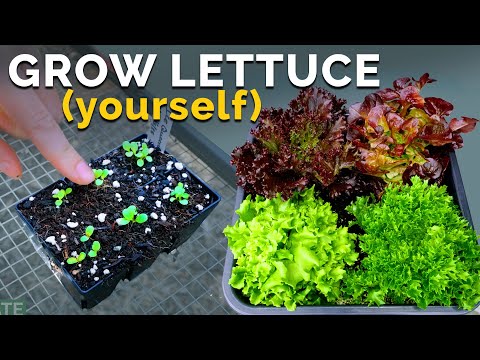
Sow lettuce seeds one inch apart in a shallow container to start them. As seedlings develop, transplant them into a pot, container, or hydroponic setup either individually or spaced up to six inches apart. Sow microgreen seeds much closer together in their tray, as they tolerate dense planting.
Lettuce grown hydroponically starts well in coir pellets. Sow a few seeds per pellet, then thin to the strongest seedling. Transfer seedlings into net pots once roots begin emerging from the growing medium.
When growing lettuce indoors, avoid planting heading lettuces too close together. Crowded conditions limit nutrient uptake and reduce head development. Give each heading lettuce adequate space, either one plant per pot or at least six inches between plants. Taller types, such as romaine, can tolerate slightly tighter spacing than other heading lettuces but still benefit from good airflow and room to grow.
Troubleshooting

Common indoor lettuce problems usually come from improper growing conditions. Good drainage is essential, and proper sunlight or supplemental lighting produces lush, crunchy leaves at harvest. When one of these factors is off balance, the plant will show it.
Lettuce is a cool-weather crop and will bolt in high heat. Reduce heat sources to prevent bolting by using lower-wattage grow bulbs. In a windowsill garden, move lettuce out of direct sun before bolting starts or provide afternoon shade. Even when heat and light levels are appropriate, harvesting at the wrong time can trigger bolting. Once lettuce bolts, the plant redirects nutrients to flower production, which causes the leaves to turn bitter.
Roots that sit in oversaturated soil for too long may rot, leading to wilting, yellowing, or overall decline. On the other hand, overly dry soil can also cause leaves to wilt. Keep the soil consistently moist without soaking it, and check moisture levels daily to maintain the right balance.
Wet growing media can attract fungus gnats. At low numbers, they are mostly a nuisance, but heavy infestations can lead to leaf damage. Apple cider vinegar traps help reduce gnat populations.
Lettuce that lacks nutrients will slow or stop growth. Provide nutrients through the growing medium and regular fertilization to avoid deficiencies.
If you notice red streaking on romaine leaves, the plant has reached an older stage of growth. Oxidation causes this discoloration and can alter flavor. Harvest affected lettuce promptly and use it right away.
Lettuce plants grown too close together compete for nutrients and often fail to form proper heads. Move crowded plants into containers with more spacing to correct this issue and encourage healthy development.