How to Plant, Grow, and Care for Lentils
Growing lentils is a great way to get protein-packed legumes for your pantry! This guide by horticultural expert Lorin Nielsen reveals how to do it the right way.

Contents
Lentils are one of the most nutrient-dense foods on the planet. They are packed with protein and dietary fiber and are often considered a “superfood”. In fact, lentils are the oldest pulse crop grown and likely one of the first domesticated crops in human history. Growing lentils has been happening for thousands of years.
In major religions like Judaism, lentils are used as a mourning food because their round shape reflects the everlasting circle of life. In India, lentils are a staple food source and are often found in curries or used as a thickener for vegetarian stews. And in Italy, lentils are the traditional side dish for a New Year’s Eve sausage feast.
But how do lentils grow? Are they easy to harvest, and do they thrive in most regions? Let’s talk about everything lentil-based, from sowing seed to storage.


Quick Care Guide

|
Scientific Name
Lens culinaris
Days to Harvest
80-110 days
Light
Full sun
Water
1″ per week, more in hot weather
|
Soil
Well-draining, adaptable to soil type
Fertilizer
2 applications of low-N, high-PK
Pests
Aphids, thrips, wireworms, seedcorn maggots, Lygus bugs
Diseases
Fusarium and Rhizoctonia root rots, Ascochyta blight, Sclerotinia stem rot
|

All About Lentils

Vicia lens, the lentil plant, goes by many different names. The term “lentil” comes directly from the word “lens”, which refers to both its botanical name and its shape. The legumes resemble tiny lenses.
In Ethiopia, lentils are called Messer and in Turkey, they are Mercimek. In India, the common terms are Masser or red dhal, while in Arabic they are known as Adas. And in Japan, they are called Heramame.
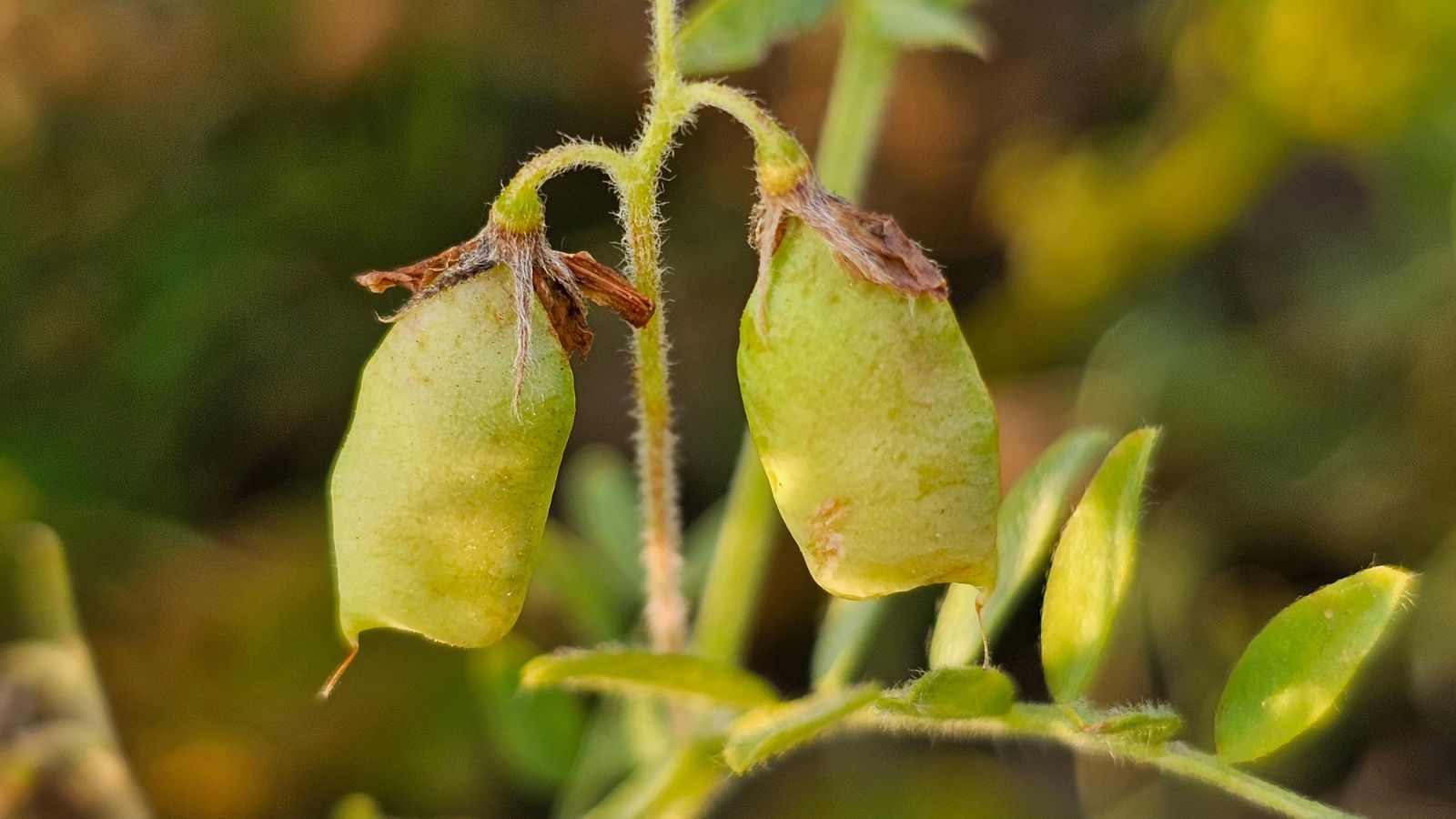
Lentil crops are grown annually and belong to the Fabaceae plant family. The pods contain edible lentil seeds, with each pod producing at least two seeds that can be split if desired. The vine is slender, with hairy, erect, branching stems.
These vines produce dainty flowers, mostly white and occasionally purple, pink, or blue, arranged on graceful racemes. Each raceme holds one to four flowers. The leaves are alternately arranged, and each consists of four to seven oval leaflets. Lentil pods measure between 0.1 and 0.3 inches. Yellow, black, green, and red-orange are common seed colors.
As an annual, the lentil plant does not regrow in subsequent years. It reaches a height of about 20 inches before significant flowering or fruiting begins.
Planting Lentils
Planting lentils is easier than you imagine. They are a wonderful crop to add to your garden and yield a rewarding harvest.
When To Plant

Lentils grow best from spring into the hot months. Sow lentil seeds indoors in early spring, about two weeks before the last frost date, then transplant them into the garden. If you are planting lentils directly in beds, wait until after the final frost. The soil should be around 68°F (20°C) for successful germination, which typically occurs in about 10 days.
Where To Plant
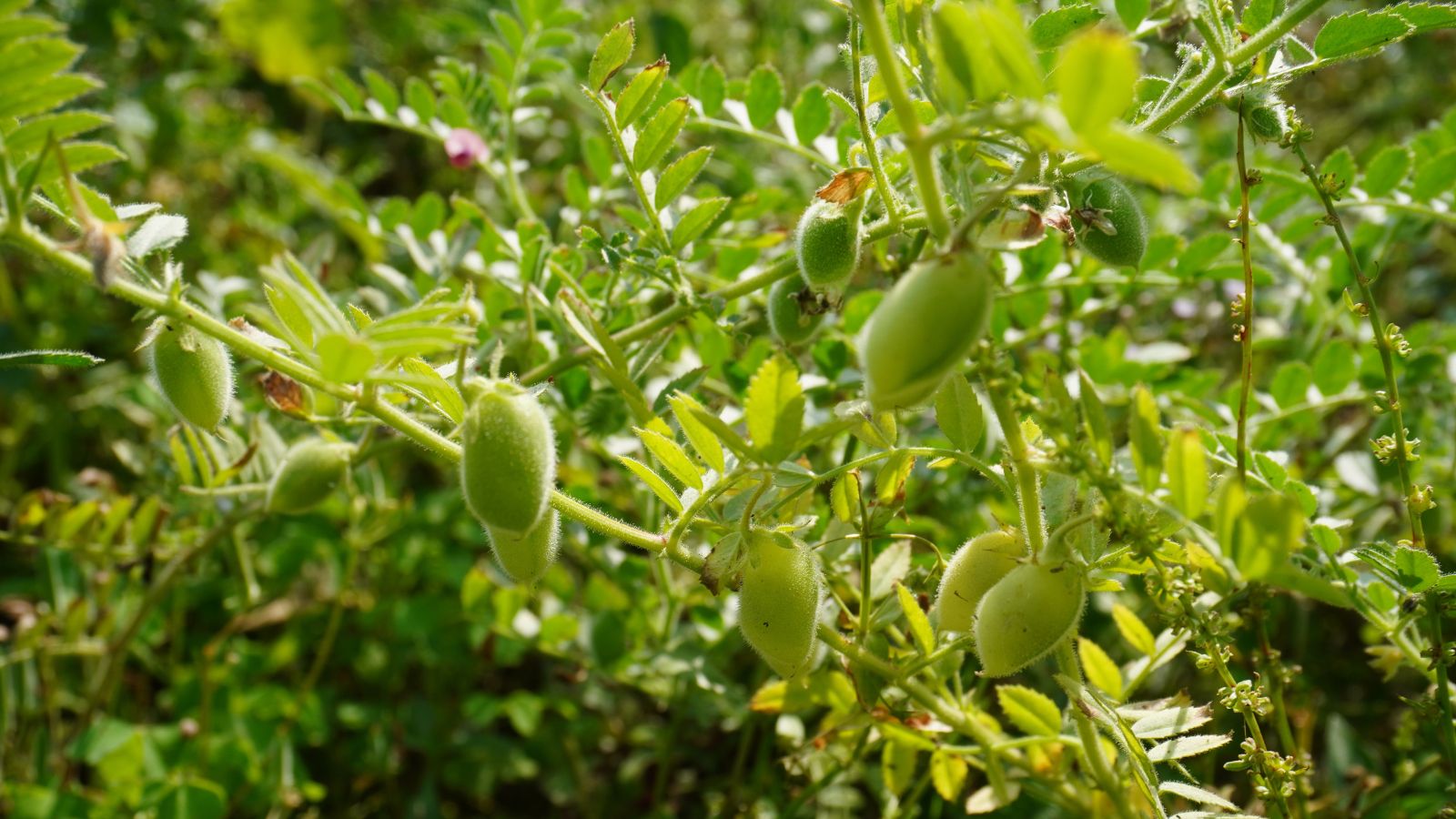
Lentils are often planted in containers as well as garden beds, but young crops in a home garden must be protected from frost and wind. Plant lentils in a location that receives full sun but has some shelter from strong gusts.
Lentil plants grow as branching vines that tend to spread, so they need adequate space. Provide a low trellis for support and ensure plenty of air circulation around the plants.
How To Plant
To plant lentils, the seeds must first be inoculated with a natural bacteria called Rhizobium leguminosarum. This rhizobacteria binds to the developing roots and absorbs nitrogen from the air, transferring it to the roots and surrounding soil. As a result, inoculated plants grow more vigorously and act as excellent nitrogen fixers in the garden.
Inoculate the seeds on the day of planting. Dampen the seeds, then roll them in the powdered inoculant until thoroughly coated. Once coated, sow the seeds immediately, either in starter pots or directly in the garden. Lentils are typically planted about one inch deep.
As they emerge, thin the seedlings to five inches apart, keeping only the most vigorous. If planting multiple rows, space rows at least 18 inches apart. Germination should take about 10 days in soil around 68°F (20°C).
Container-started plants should also be thinned to one strong seedling per pot and spaced at least five inches apart. Transplant them at the same depth they were growing in their containers.
How to Grow
When you grow lentils, they do require a few specific things to ensure they become well established. Let’s go over some of those now.
Light
Full sun is ideal for growing lentils. Aim for eight hours of good sunlight per day for the best development.
Water

One inch of water per week is the minimum goal for your lentils. In hot weather, they may need a bit more. Water in the early morning, so any moisture on the leaves can dry during the day. Always try to water at soil level rather than wetting the foliage.
As the pods begin to dry, stop watering. This allows them to cure properly and weakens the plant slightly, making harvest easier.
Soil

While they are not picky about soil type, lentils cannot tolerate waterlogged ground. Well-draining soils rich in organic matter are ideal. They grow best in a neutral to slightly alkaline pH range of 6 to 7, preferably with plenty of compost worked into the soil to help the plants thrive.
Temperature and Humidity

Your lentils are best started when the weather is cool, but the soil is warm. They can grow during cooler, temperate conditions, but they perform best once outdoor temperatures become comfortable. Lentils are sensitive to frost and will suffer damage if temperatures drop below 50°F (10°C).
While tolerant of heat, lentils may produce smaller harvests if it becomes too hot. Temperatures over 90°F (32°C) for extended periods can reduce yields significantly.
Lentil plants can also be susceptible to diseases that thrive in humid conditions. A lower humidity range of 30% to 40% is nearly ideal. In many regions, lentils are grown during the drier parts of the year for this reason.
Fertilizing

Where many plants are nitrogen dependent, lentils behave more like beans, peas, and other legumes. Their primary need for nitrogen is right after germination. After that, the inoculant you applied can supply up to 80% of their nitrogen needs.
Because of this, your fertilizers should focus more on phosphorus and potassium. Phosphorus is essential for strong root development, while potassium is crucial for flowering and pod production.
When you grow lentils, begin with soil rich in organic matter. This provides the nitrogen needed early on. As the plants develop, you can apply a low-nitrogen, high phosphorus and potassium organic granular fertilizer. One or two applications should be sufficient for the season.
Be sure to choose organic sources rather than crystallized fertilizers. Lentils are sensitive to salts, and their roots can burn easily.
Your lentils may also benefit from a small amount of sulfur. Applying a little sulfur with your first feeding can help the seedlings absorb phosphorus and potassium more effectively. If your soil is on the alkaline side, though, it may already contain enough sulfur.
Pruning and Training
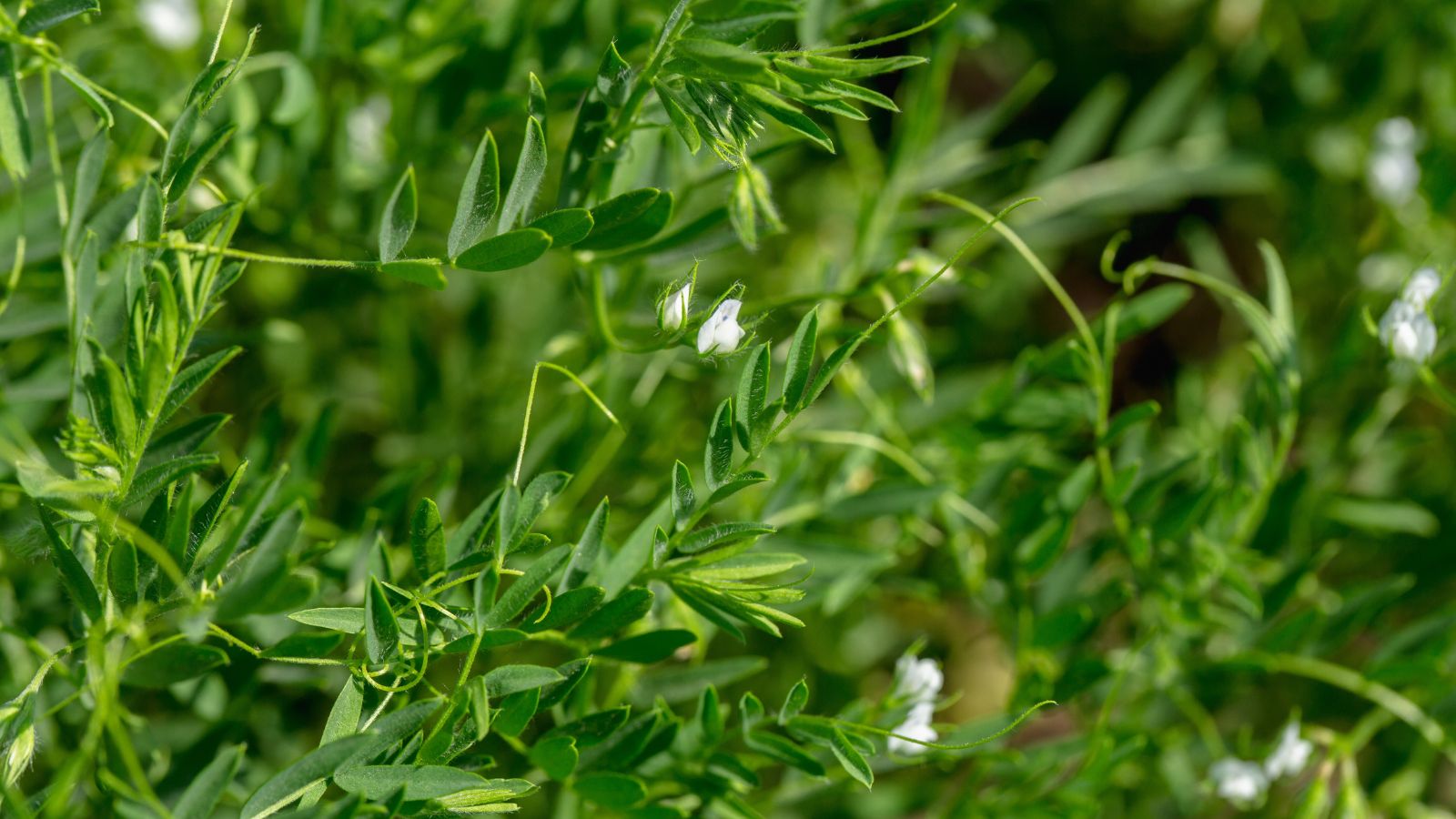
During the growing season, Lens culinaris does not generally need pruning. There are a couple of exceptions. Remove any diseased or pest-damaged material to prevent further spread, and trim selectively if you need to improve airflow through tightly packed foliage.
Lentils do need to be trained to a trellis, which usually reduces the need for additional pruning. While the vines will climb on their own, using plant ties can help secure the stems to the trellis and provide extra support.
Propagation
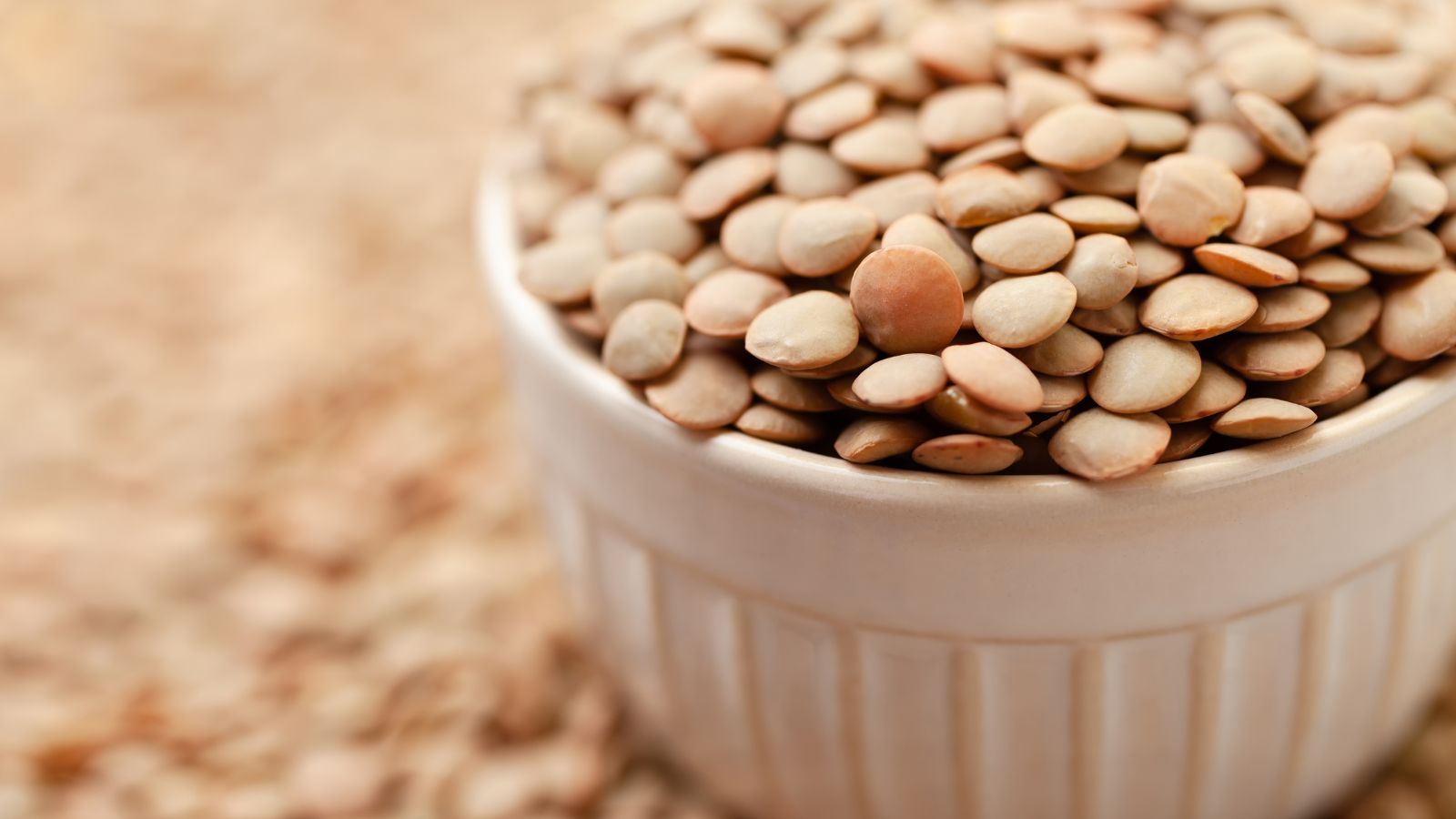
Lentils are easiest to propagate via seed. It’s rare that there’s any need to use another method, as these annuals grow quite readily from seed.
Lentil seeds should be planted one inch deep after being inoculated as described above. If you choose to skip inoculation, you can, but the plants will require additional nitrogen fertilizer. It’s recommended to inoculate your seeds prior to planting for the best results.
Harvesting
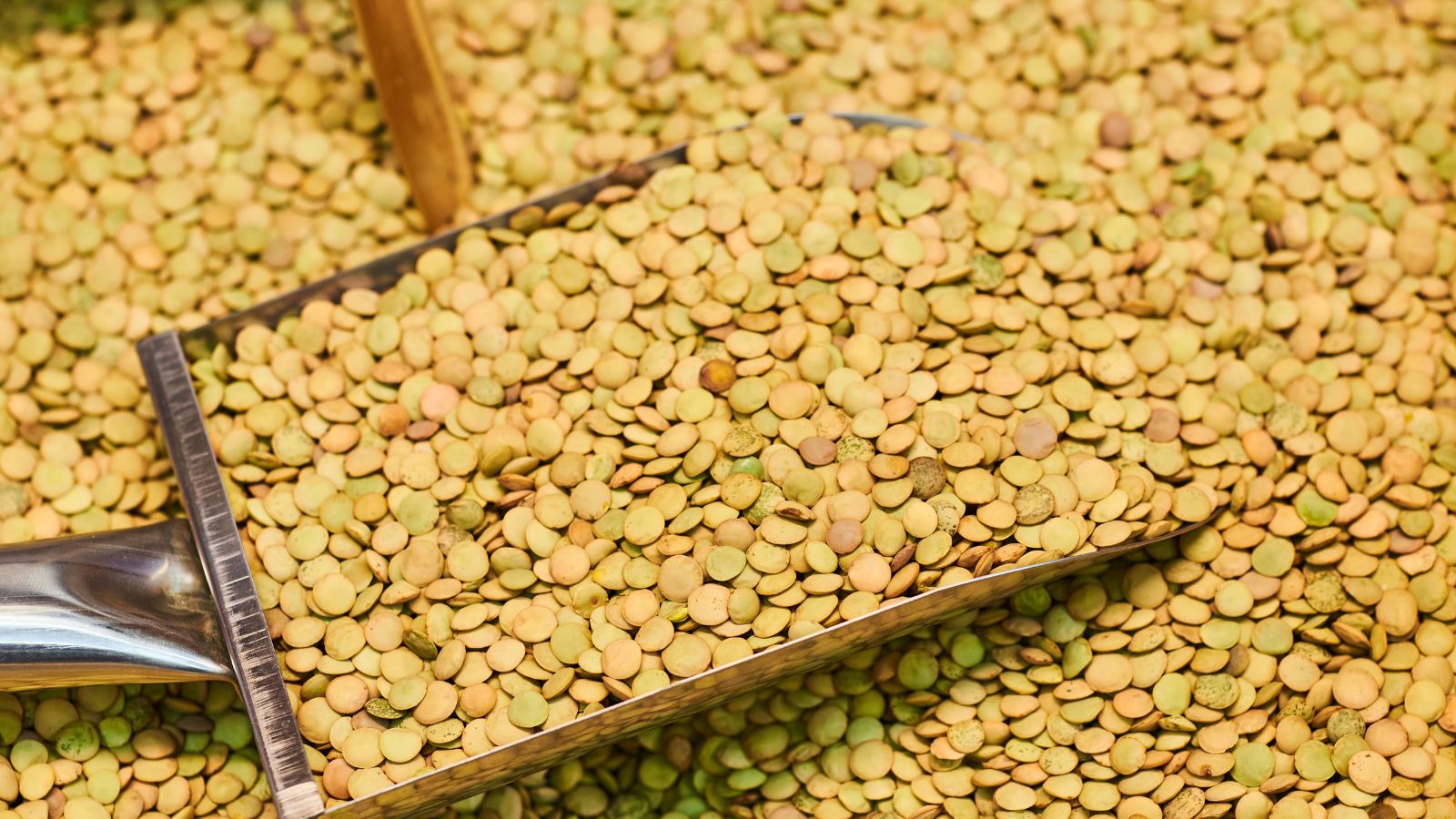
So you’ve spent all this time raising seeds into big, strong lentil vines. What now? Let’s go over everything you need to know about harvesting lentils and storing them for later.
The process of how to harvest lentils is quite simple. As the pods begin to dry, stop watering the plants. Allow the vines to dry as well, then pull them up and pluck off the pods. The vines can be added to your compost pile to break down.
Next, remove the seeds from their pods and spread them out on a tray in a cool, dry location to finish drying.
Storing

Storing your dried lentils is incredibly easy. Keep them in an airtight container in a dark cupboard. Adding a food-safe desiccant packet can help absorb any remaining moisture. If kept completely dry, lentils can last a long time, though they are best used within a year of harvest.
Troubleshooting
There’s a wide range of problems that can occur when growing lentils. Most of them are not severe, but they can still be difficult to deal with. Let’s go over the issues that might arise.
Growing Problems
Lentils are not very competitive with weeds and can suffer when they are young seedlings. Keep the area around your plants free of weed growth. Be careful when removing weeds close to the slender stems of young lentils, as the weed roots may be tangled with the lentil roots.
Air circulation is essential. When the plants are trained to their trellis, make sure there is plenty of space around them. This reduces the chance of fungal diseases spreading from leaf to leaf.
Pests

There are a number of pests that can cause problems for your lentils, but most of these issues are not severely destructive. Still, it is important to address them to keep pest populations low in your garden.
Two common sucking pests, aphids and thrips, may feed on lentils. They prefer juicier plants but will settle for lentil foliage when available. Yellow speckling on leaves can indicate aphids hiding on the undersides, while thrips are often found on flowers. Regular applications of neem oil on both the tops and undersides of leaves will greatly reduce their numbers.
Wireworms, the larvae of click beetles, live in the soil and feed on organic matter. Unfortunately, the roots of legumes are appealing to them. Treat infestations with a pyrethrin spray or beneficial nematodes. Crop rotation also helps reduce their presence.
Seedcorn maggots may burrow into lentil seeds and prevent germination. Planting more seeds than needed can offset losses, and you can avoid the problem entirely by starting lentils in pots.
The western tarnished plant bug, also known as the Lygus bug, feeds on foliage and fresh, undried lentil pods. They are often more attracted to nearby strawberries, which can draw them away. Pyrethrin will eliminate adults, but to limit the wingless nymph population, keep the area weed-free, since the bugs hatch among weeds before moving to your plants.
Diseases

Two forms of root rot are common in lentils: Fusarium root rot and Rhizoctonia root rot. Both are caused by soilborne fungi. Application of a biofungicide such as MycoStop is showing some efficacy against Fusarium, but slightly less against Rhizoctonia. Inoculation with Rhizobium leguminosarum seems to work better against Rhizoctonia. In both cases, it is best to avoid overwatering, as that reduces the likelihood of either of these fungal problems developing in the first place.
Another disease that is common after heavy spring rains and in soggy soils is Ascochyta blight. This appears as a greyish patch on leaf surfaces with a brown ring around it. It can spread to the pods and damage the seeds as well. Remove damaged plant material and treat with a copper-based fungicide to reduce further spread. Do not overwater.
Sclerotinia stem rot, often called cottony rot or white mold, is another issue you might encounter. This shows up as a white, cotton-like mass of fungal growth on stem surfaces. It is incredibly difficult to treat this form of stem rot once it settles into the stems, and many organic fungicides are ineffective.
Some beneficial mycorrhizae and bacteria, such as Pseudomonas chlororaphis, Bacillus amyloliquefaciens, and Pantoea agglomerans, can be used as soil supplements, as they seem to boost the lentil’s ability to resist infection. Monitor lentil plants for signs of problems and remove and destroy damaged plants if an infection appears.
Frequently Asked Questions
Are lentils easy to grow?
They certainly can be! As long as they have everything they like supplied, you should be able to readily harvest a great, protein-packed legume for your kitchen.
Can you grow lentils from the grocery store?
Yes, you can use dry lentils from the grocery store to grow the plants, but be careful to avoid any which have dark brown to grey spots on them. If you find any that look like that, avoid that batch, as it’s all been exposed to ascochyta blight.
What zone do lentils grow in?
You can grow them successfully in USDA zones 4 to 11. While they can be grown outside of this range, there is a very limited range of time in which the lentils can be planted, as most species require 80-110 days of growing to reach maturity.
Why should lentils not be soaked?
Unlike other beans, they don’t need soaking because they’re small enough to cook without the extra step.





