How to Plant, Grow, and Care for Fava Beans
When growing fava beans, you're improving your soil while you're getting tasty beans! They also make an excellent cover crop to fill empty spaces while boosting soil health. Learn how to grow this useful crop in this complete guide!


Contents
Growing fava beans is an easy and rewarding way to add a legume crop to your garden. Fava bean plants thrive in cool seasons, such as early spring, and can overwinter when planted in fall. They produce edible leaves and pair well with many vegetable companions. Their lush, spreading foliage benefits both the gardener and the soil.
Fava beans, or Vicia faba, are a valuable addition to the vegetable garden as either a food crop or a cover crop. They are grown worldwide for both their nutritious beans and their leafy green growth. Large fava beans are rich in nutrients and provide high levels of potassium, along with iron and magnesium. It is no surprise that there are so many varieties, as fava bean cultivation dates back at least 6000 years.
Fava beans are not suitable for everyone. Some people have a condition known as favism, which can cause hemolytic anemia, a blood disorder that interferes with oxygen delivery to the body’s cells. In severe cases, exposure can occur simply by inhaling pollen near fava plants. People with a genetic predisposition to favism should avoid growing favas and consider other legumes, such as chickpeas, instead.
Be sure to determine whether fava beans are appropriate for you before adding them to your garden.


Small Modular Metal Raised Garden Bed Kit

Small Modular Metal Raised Garden Bed Kit – 15” Tall

Quick Care Guide

|
Scientific Name
Vicia faba
Days to Harvest
75 to 100 days
Light
Full sun to partial shade
Water
1 inch per week
|
Soil
Average, well-drained
Fertilizer
Minimal, low-nitrogen, with added sulfate forms of sulfur
Pests
Aphids, leaf miners, thrips, Mexican bean beetle, spider mites
Diseases
Broad bean chocolate spot, rust, powdery mildew, fusarium root rot, mosaic virus
|
All About Fava Beans

Fava beans, or Vicia faba, are legumes that thrive in cool weather. Also known as broad beans or faba beans, these plants are often used as a cover crop to prepare garden beds for future growing seasons. There is an added benefit for gardeners who allow fava beans to mature, as both the tender green leaves and fully developed beans are edible.
Fava beans are believed to have originated in either the Mediterranean region or Central Asia. Today, there is no known wild form of the plant, as only cultivated varieties remain. In Sicily, fava beans are associated with cultural traditions and are considered symbolic. On March 19th, residents honor St. Joseph by placing fava beans at the base of statues and altars.
According to legend, St. Joseph brought rain during a severe drought in the Middle Ages, and fava beans were among the few crops to survive. Today, fava beans are widely grown in California and enjoyed around the world.
Characteristics
Fava bean plants have a bold, upright growth habit and typically reach heights of two to six feet. Leaves grow as paired leaflets along a central stem and have a silvery green appearance. The flowers feature standard, wing, and keel petals that range in color from white to deep crimson. The wing petals are marked with distinctive black spots.
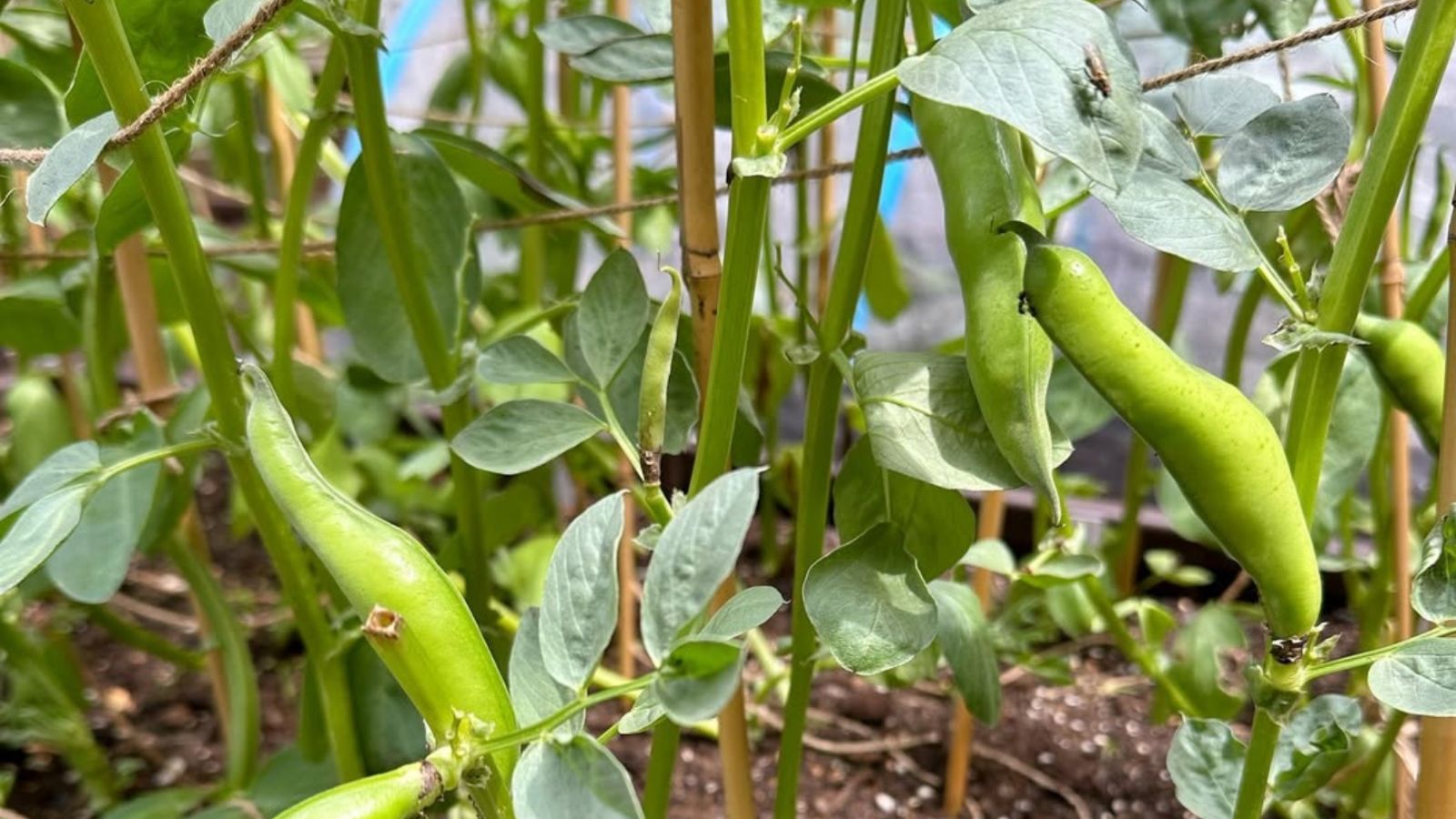
After flowering, seed pods develop. Mature green pods can grow longer than six inches and contain large, lime-colored seeds similar in appearance to lima beans. Unlike many legumes, fava beans grow upright rather than forming vines.
Both the greens and beans are eaten, and all above-ground parts of the plant, including leaves, flowers, and pods, are edible. The stems and pod shells are generally not eaten due to their toughness, though they are technically digestible. A single fava bean plant can produce up to 180 beans under good growing conditions.
One notable variety is ‘Extra Precoce Violetto’. This early-producing cultivar performs best in spring and can spread vigorously if left unmanaged. From emergence through flowering, it looks similar to standard fava bean plants. The mature beans range in color from light tan to deep violet, making this variety especially distinctive.
Planting

A young fava bean plant benefits from planting in early spring or late winter, as soon as the soil has warmed and can be worked. Fava beans planted at this time establish quickly and typically finish growing in early summer. As an alternative, favas can also be planted in fall and overwintered.
Fava beans grow best in well-drained loam but perform well in average garden soil. They prefer full sun to partial shade.
Most varieties have a spreading growth habit, which makes them challenging to grow in containers. For best results, sow seeds directly in raised beds or garden soil. Dwarf varieties such as ‘Bell Bean’ are better suited to container growing.
Start seeds indoors in seed-starting trays or sow them directly outdoors four to six inches apart, with rows spaced 18 to 36 inches apart. Plant seeds one to two inches deep. Seeds planted too shallow or too deep may fail to germinate or develop strong roots. If starting seeds indoors, transplant them outside within two weeks of germination, as fava beans grow quickly.
When planted in fall as a winter cover crop, fava beans can significantly improve spring garden soil by increasing nitrogen levels. For best results, inoculate seeds with Rhizobium leguminosarum, a beneficial bacterium that enhances nitrogen fixation. If your soil or previous crops have not been inoculated, using a legume inoculant is strongly recommended to maximize nitrogen enrichment.
How to Grow
Fava beans are not fussy, especially when given enough space to spread in the garden. Planting and caring for them through the season is an enjoyable and rewarding experience, as long as they are started with a strong, healthy foundation.
Light

Fava beans prefer full sun to partial shade. Varieties that are not heat tolerant may need shade cloth during heatwaves to prevent stress and reduced growth.
Water

Water favas in the morning or at dusk. Provide at least one inch of water per week. Drip irrigation is recommended, as water on fava foliage can lead to mildew.
During unusually wet seasons, favas may develop root rot, so avoid watering when rainfall has been excessive. Check the top two inches of soil to determine whether additional watering is needed.
Soil

Favas prefer well-drained, silt loam to loamy soil. One important aspect of growing fava beans is maintaining the correct soil pH. Seeds should be planted in areas with a pH between 6.0 and 6.5. Soils with a pH of 5.6 or lower should be amended with lime or wood ash to raise acidity levels.
While not strictly necessary, incorporating compost into the growing medium can give plants an added boost and support healthy growth.
Temperature

Though some varieties are frost resistant, most fava bean cultivars can tolerate cold temperatures down to 40°F (4°C). Once temperatures reach around 75°F (24°C), plant production increases as favas begin to move toward the end of their life cycle.
They are best grown in zones 6 and higher and require a long, cool growing season to perform well. If you are growing a variety that is not frost-hardy, use a frost cloth to protect tender greens during sudden cold snaps.
Fertilizing

Favas are nitrogen-fixing plants when inoculated with rhizobium. If they have not been inoculated, they can still fix some nitrogen, but the process is far less effective.
Although favas do not require large amounts of nitrogen, they do need adequate potassium and phosphorus. A low-nitrogen fertilizer works well because it supplies the additional phosphorus and potassium required for healthy growth. Sulfate forms of sulfur are also important for these beans, so selecting a fertilizer that includes soluble sulfur is beneficial.
Heavily diluted foliar feeds can be effective, and many bud- and bloom-focused granular organic fertilizers are also suitable options. Slow-release fertilizers should be applied at planting time or shortly before planting to support steady nutrient availability.
Pruning/Training
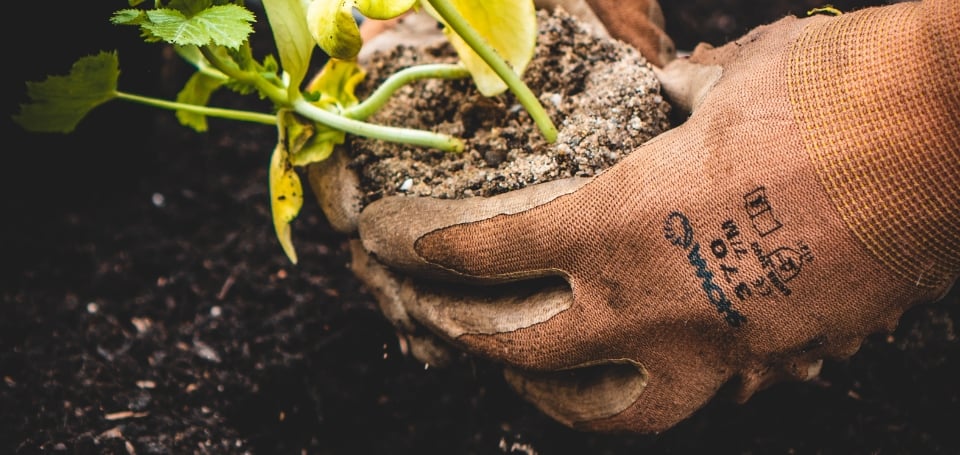
At about six weeks, prune off the top few inches of growth just above a leaf node. Remove any flowers at this time as well, which encourages stronger vegetative growth. The pruned leaves can be eaten like other hardy greens, and fava flowers are also edible.
Once you have harvested what you need for the fall season and the pods begin to turn dark brown, cut plants back to about six inches above the ground to help them survive winter. If favas were planted in spring, remove all above-ground growth at the end of the season and leave the roots in place. The remaining root system helps improve soil structure and nitrogen availability for crops planted afterward.
Although fava beans are not climbers, they benefit from staking or a light trellis. Providing support helps prevent plants from bending or collapsing as pods develop and become heavier.
Propagation
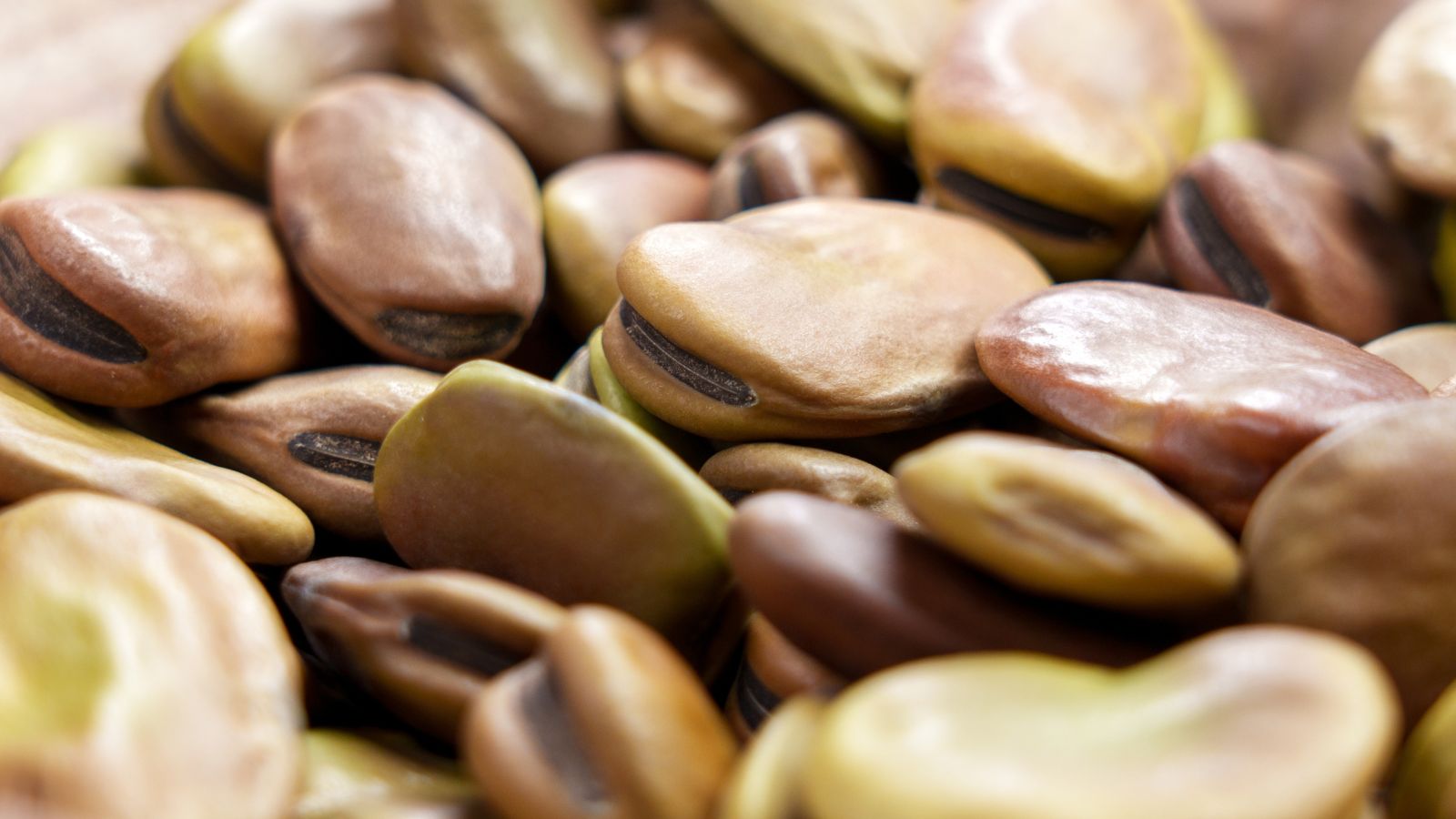
Seeds are the only method of propagation for fava beans. Collect seeds at the end of the season and store them in a cool, dark place for replanting the following year. You can also purchase fresh seed when you are ready to grow favas again.
Harvesting

Favas store well after harvest, which is one reason they are prized by both gardeners and chefs. Once beans are removed from their pods, you can enjoy them fresh and also save seed for planting during future cool-season growing periods.
Young and mature leaves can be harvested throughout the plant’s growth cycle. For pods, harvest when they are long and glossy green. Waiting too long results in tough pods and beans that are unpleasant to eat. Beans harvested too late can still be saved for planting in later seasons.
Immature pods can be eaten whole when they are thin and about three inches long. To harvest beans only, shuck the pod to access the seeds inside by pulling down the central seam from the tip of the pod. Shell the beans by blanching them. Boil for up to one minute, then immediately transfer them to ice water to stop the cooking process. Gently squeeze each bean to remove it from its outer skin, leaving you with tender, ready-to-eat beans.
Storing

Immature pods, flowers, and leaves should be eaten the same day they are harvested. Fresh fava beans will keep in a plastic bag in the refrigerator for about ten days, but it is best to eat them as soon as possible for the best flavor and texture.
For longer-term storage, allow pods to dry on the plant until they are dry to the touch. Shell the beans and spread them out on cardboard or newspaper in a warm, dry location for a few weeks so they can fully dry. Once dry, store the beans in airtight containers until needed.
Fresh fava beans can also be frozen and will keep for six to eight months. Dried favas stored in a glass jar or other airtight container can last two to three years.
Troubleshooting
Working with favas in cool weather can make vegetable gardening feel easy. However, certain conditions can still invite pests, disease, and other growing issues.
Growing Problems

Fava beans are sensitive to high heat and can die quickly during a heatwave if they remain fully exposed to sunlight. When temperatures stay consistently above 80°F (27°C), fava bean flowers become sterile. Use shade cloth to reduce UV stress and create slightly cooler growing conditions.
Cold temperatures can also cause problems. Frost can blacken fava leaves, which may not kill a healthy plant but will damage its appearance. Protect plants with frost cloth during especially cold weather to limit frost injury.
Pests
Aphids, leaf miners, and thrips suck sap from fava leaves and cause structural damage as they feed. Most of the time, these pests appear in low numbers and indicate a healthy garden ecosystem. When populations remain small, prune off infested leaves and dispose of them in the trash. During heavier infestations, introduce beneficial insects such as lacewings or ladybugs, which naturally prey on all three pests. Manage larger outbreaks with neem oil or insecticidal soap.
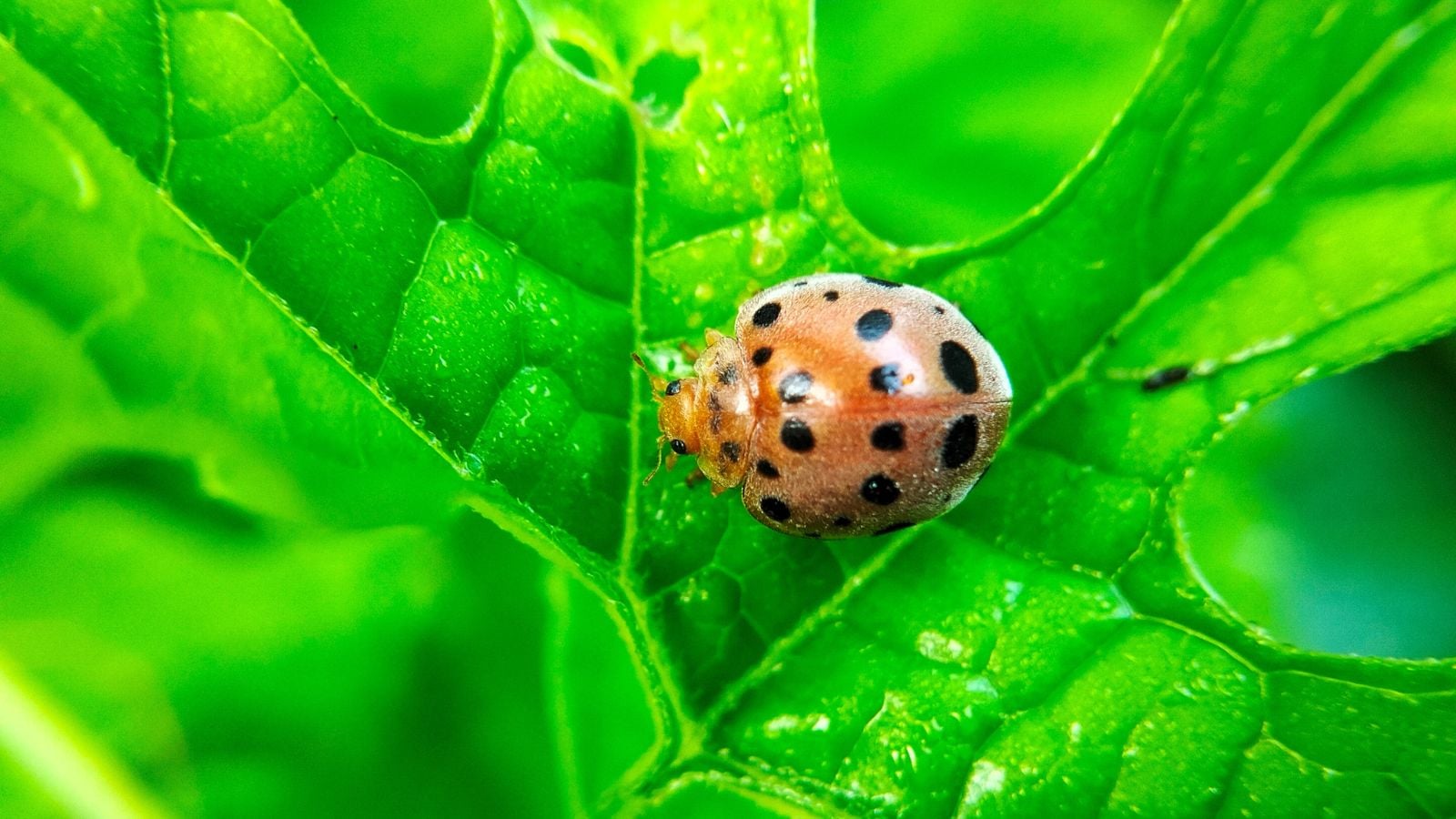
The Mexican bean beetle, Epilachna varivestis, feeds on the undersides of leaves and creates lesions that later become visible on the upper surface. Hand-picking provides the most effective immediate control. Remove beetles by hand and drop them into soapy water. If an infestation develops, apply insecticidal soap to limit further damage.
Spider mites spin fine webs and feed on leaf surfaces, leaving behind mottled yellow and white spotting. Severe infestations can lead to leaf collapse. Introduce predatory beneficial insects or treat plants with neem oil or insecticidal soap to control populations.
Severe infestations of any of these pests may require treatment with pyrethrin or spinosad sprays, which offer stronger organic control options.
Diseases

Broad bean chocolate spot is caused by the fungus Botrytis cinerea. Small brown lesions form on leaves and can spread to stems and flowers in highly humid conditions. Control this disease culturally by spacing plants properly to improve airflow. Copper fungicide sprays can help manage more advanced infections.
Broad bean rust is a fungal disease caused by Uromyces viciae-fabae. Spots develop on leaf surfaces, turn rusty in color, and eventually cause leaf collapse. This disease thrives in high humidity or previously infected soil. Practice crop rotation and avoid planting favas in the same location in consecutive years. Increase airflow around plants to lower humidity. Copper fungicide is not fully curative but can slow disease spread and buy time to remove and destroy infected leaves. Do not compost rust-infected plant material.
Powdery mildew develops when favas grow too close together during warm, humid weather. Neem oil and copper fungicides provide the most reliable control. Maintain adequate spacing and airflow to reduce humidity around plants and limit disease development.
Fusarium root rot occurs when growing media does not drain well. This fungal pathogen thrives in warm, soggy conditions and attacks the root system. Prevention is critical. Ensure excellent drainage and avoid watering during rainy periods. Some mycorrhizal products may help suppress infection if applied early, but they are not a guaranteed solution.
Mosaic virus spreads through pests such as aphids that transmit the virus while feeding. Infected plants develop distorted leaves that struggle to absorb nutrients. The virus also causes abnormal flower development and sterility. There is no cure. Focus on prevention by managing pest populations quickly. Remove and destroy infected plants immediately to prevent further spread.
Frequently Asked Questions
Do fava beans need a trellis?
Although they’re mostly upright, favas do enjoy the support from a trellis when their pods form. This keeps them from leaning and touching the ground.
How long do fava beans take to grow?
Favas grow in about 75 to 100 days.