How to Plant, Grow, and Care for Cumin
Growing cumin will keep you fully stocked on delicious cumin seeds to powder or use whole for cooking. Our growing guide reveals all!

Contents
Recently, I have been on a journey to understand cumin and learn how to use it correctly in cooking. Since starting this journey, this deliciously warm spice has completely changed how I cook and has made me determined to start growing cumin at home.
If you have a family of plain, picky eaters, cumin may be nothing more than a small pot of brown powder sitting on the spice rack, months out of date and rarely used. However, cumin is actually the second most popular spice in the world after black peppercorn. Despite its global popularity, many people use it incorrectly or underestimate its potential.
So, what is cumin? The herb plant Cuminum cyminum, commonly known as cumin, is grown for its seeds, which are used whole or ground into a powder. Cumin has been used in both cooking and medicine throughout history, from Egyptian mummification to ancient Greek cuisine, where it was sprinkled on food much like salt and pepper.
In modern food culture, cumin is a key ingredient in Mexican, Asian, Indian, Mediterranean, and Middle Eastern cuisines. Its flavor is warm and earthy with a subtle sweetness, making it suitable for both savory and dessert dishes. The best flavor comes from whole cumin seeds that are gently toasted and freshly ground, rather than pre-ground cumin powder.
The health benefits of cumin come largely from the active compound cuminaldehyde, which has anti-inflammatory, antibacterial, anti-diabetic, anti-cancer, and carminative properties. It supports digestion by reducing gas and bloating, acts as a natural detoxifier, and may aid weight loss by boosting metabolism. Cumin is also rich in essential vitamins and minerals, particularly iron, calcium, and magnesium.


Quick Care Guide

|
Scientific Name
Cuminum cyminum
Days to Harvest
120-150 days
Light
Full sun
Water
Regular
|
Soil
Sandy loam, loam
Fertilizer
Balanced organic liquid fertilizer
Pests
Aphids
Diseases
Fusarium wilt, Alternaria blight, powdery mildew
|
All About Cumin
The scientific name for the cumin plant is Cuminum cyminum. It is a warm-season annual herb in the parsley family, Apiaceae, which also includes parsnip, carrot, cilantro or coriander, and parsley. It is believed to have originated in the eastern Mediterranean region, though it is also thought to be native to the Middle East and India, where most of the world’s supply is produced today.
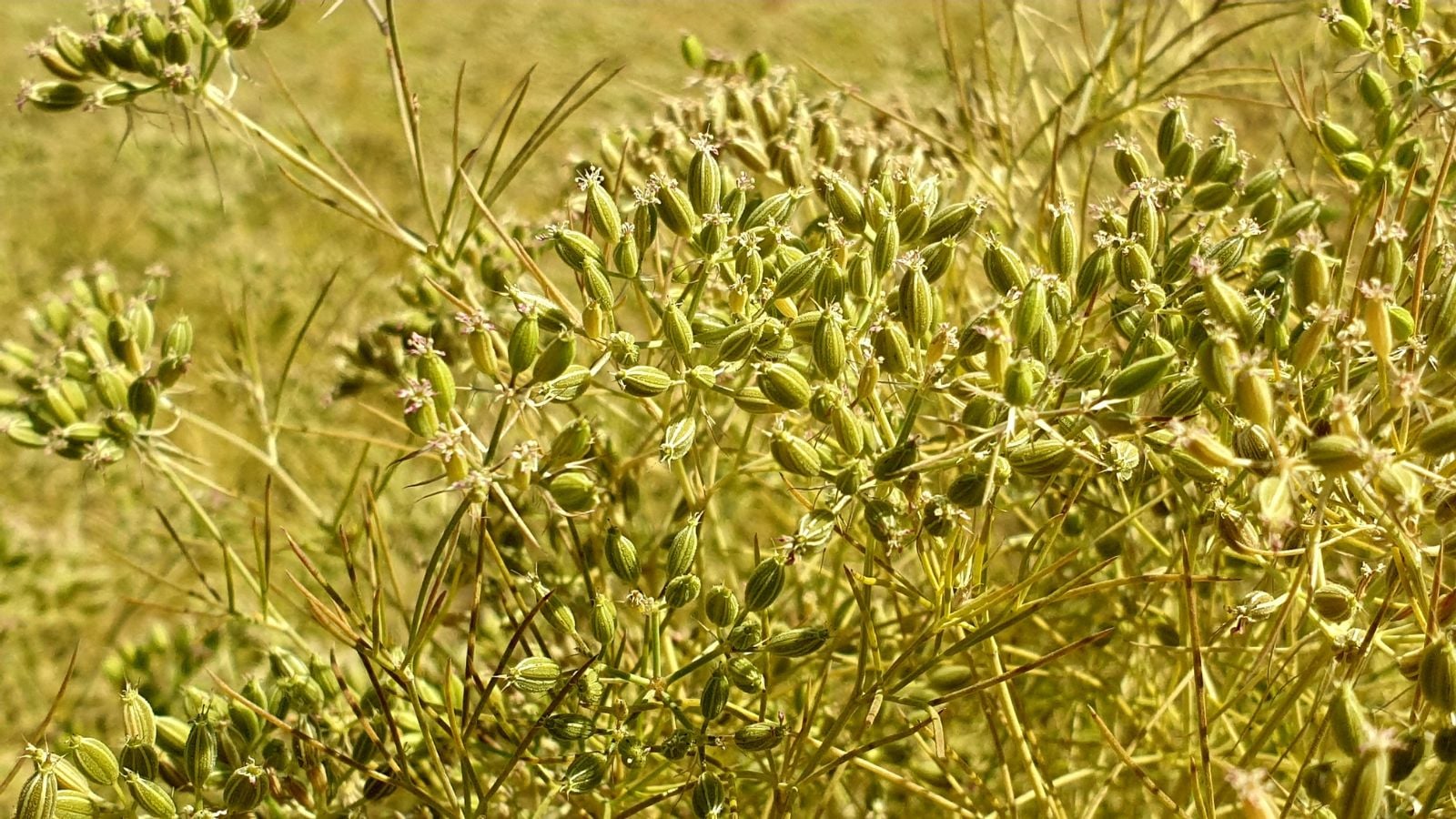
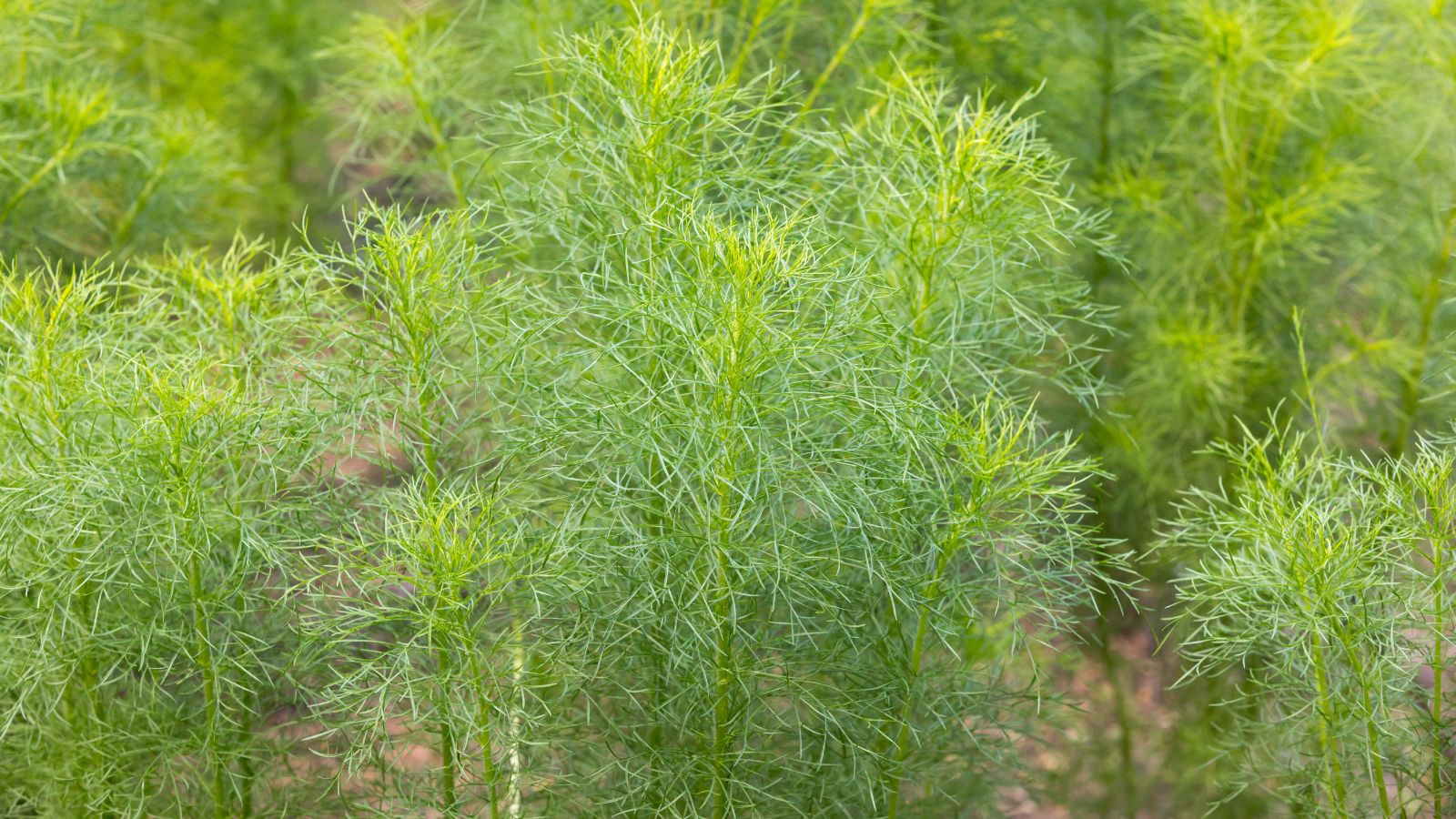
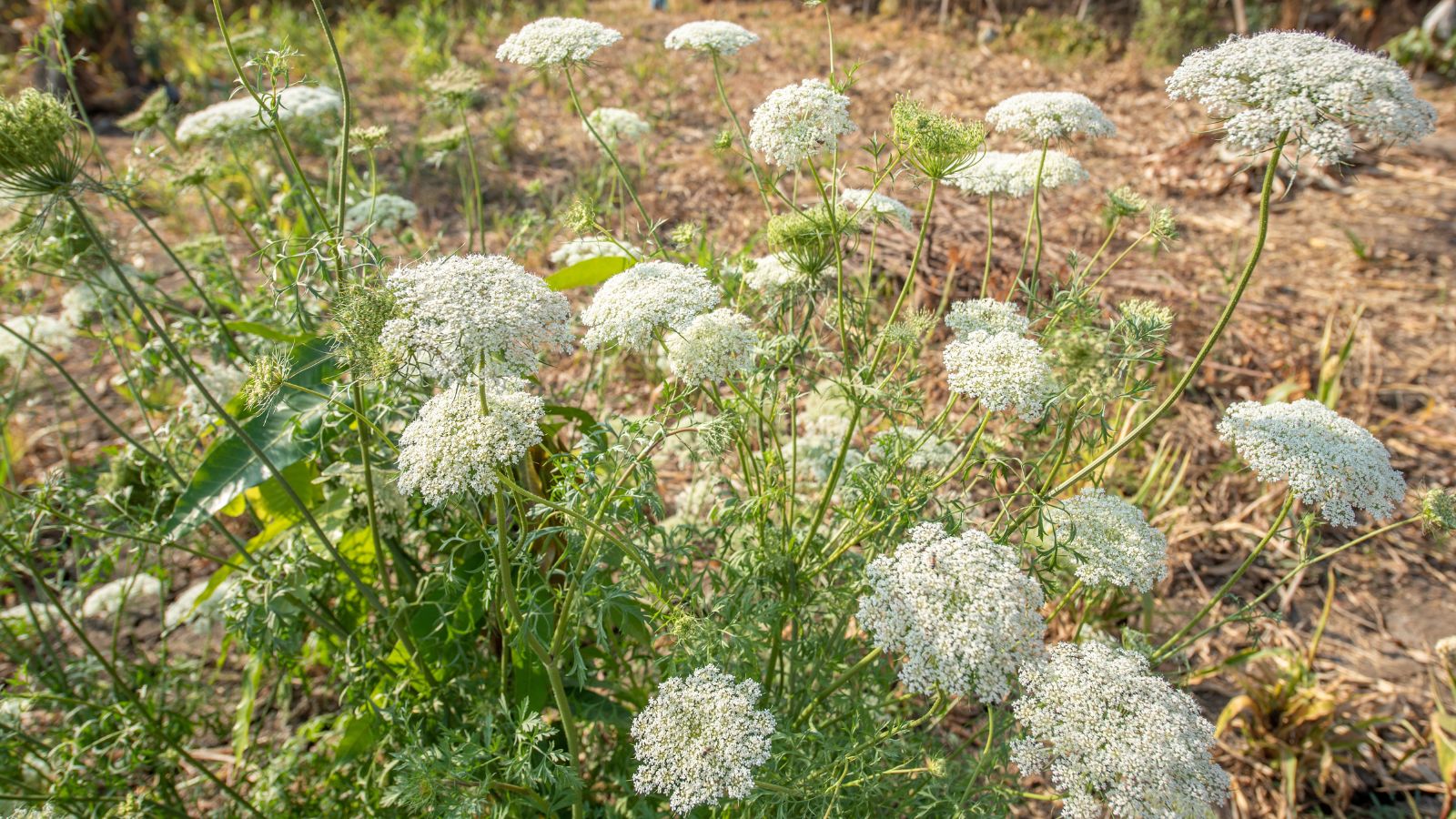
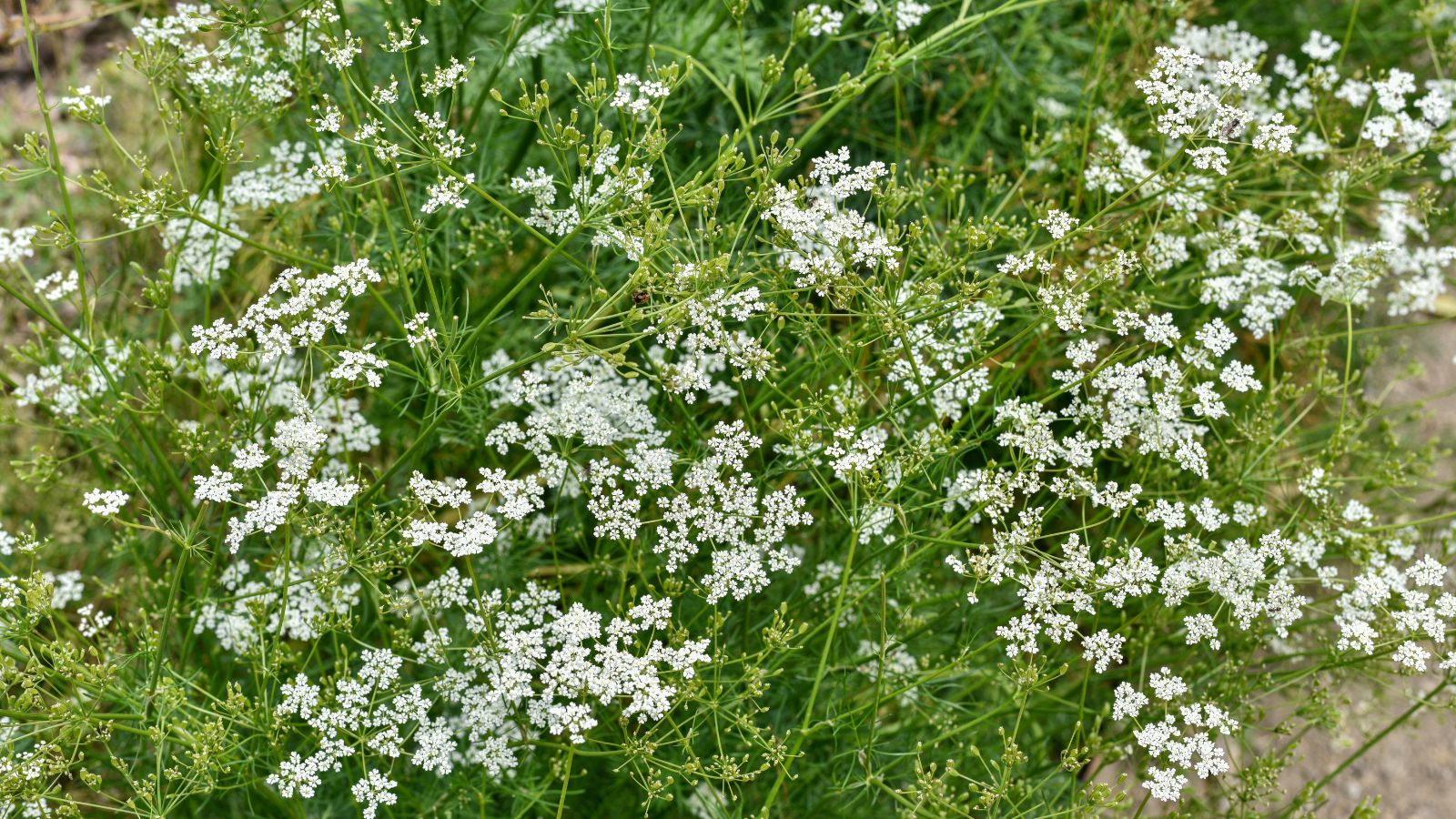
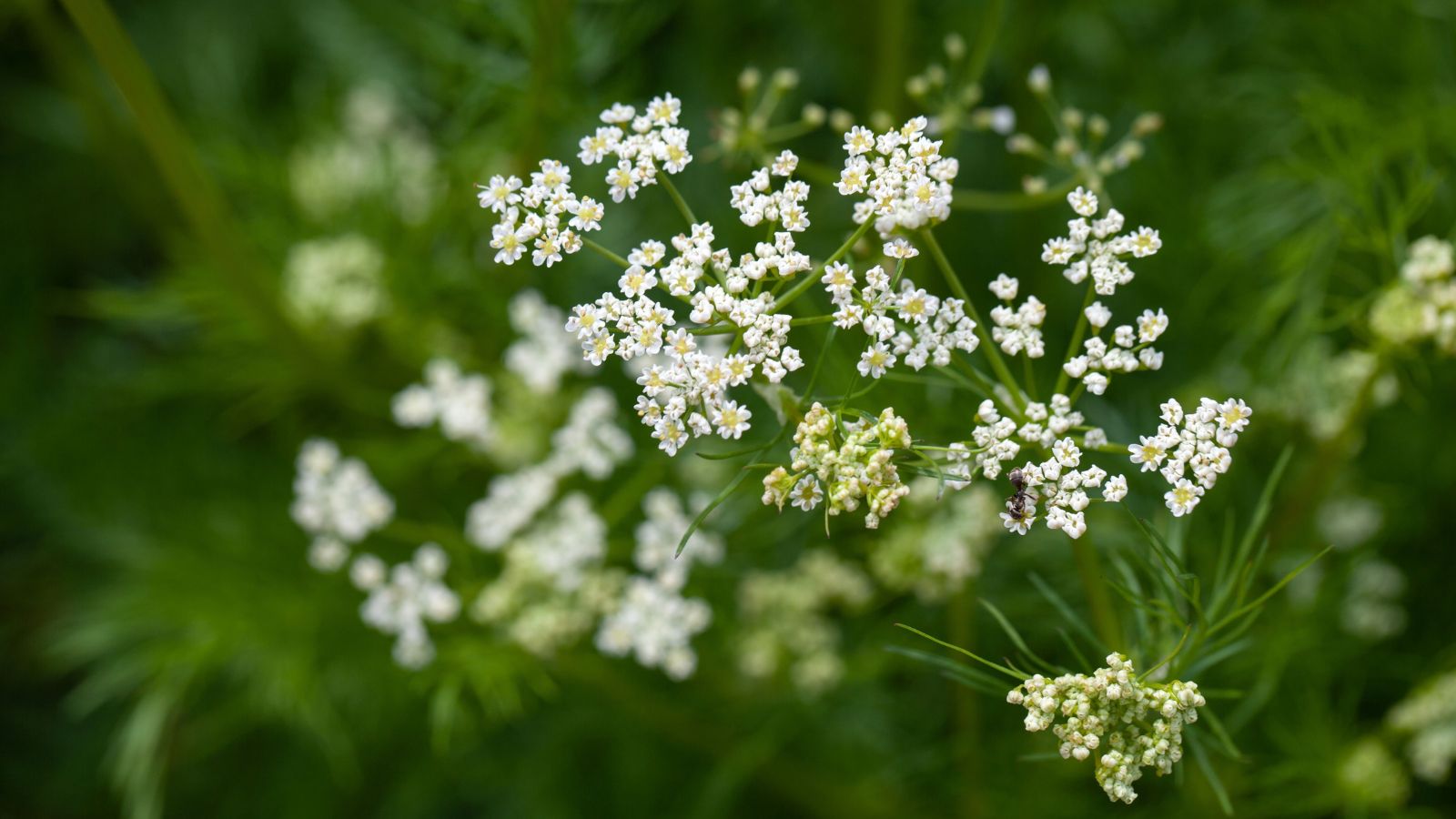
Cumin is a low-growing plant that reaches an average height of 12 to 20 inches and spreads two to six inches wide. Smooth, slender, branching stems carry finely dissected compound leaves with thread-like leaflets that are blue-green in color. Irregular pink or white flowers form in mid-summer on umbels with up to seven rays. After flowering, seed pods develop in early fall as the stems and seed heads begin to dry. The seeds are oblong, about one-quarter inch long, ribbed, and initially green-gray before turning a brownish-yellow when ready to harvest.
Cumin cannot tolerate frost and requires a long growing season of at least 120 days, with temperatures staying above 60°F (16°C). In cooler northern regions, start seeds indoors and transplant outside after the last frost has passed.
When planning to grow cumin, it is important to understand that each plant produces a relatively small number of seeds. If you want to harvest cumin in larger quantities, you will need to allow enough space to produce an adequate crop.
Cumin is well-suited to companion planting in a mixed vegetable garden. Its flowers attract beneficial insects such as predatory wasps, which feed on pests like caterpillars that attack cabbage family crops. Grow cumin alongside these vegetables to maximize its benefits in the garden.
Planting
To successfully grow cumin, you will need fertile, free-draining soil in a full sun position. Cumin is a drought-tolerant plant, but it can also adapt well to climates with frequent rainfall, as long as the soil drains well. Prolonged damp soil conditions can lead to root rot and overall plant decline.
Direct sow cumin seeds outdoors one or two weeks after the last frost, once temperatures are consistently 60°F (16°C) or higher. In colder regions, sow seeds indoors into soil blocks or biodegradable peat pots to minimize root disturbance, six to eight weeks before the last frost. Seed germination usually takes between seven and 14 days. Transplant seedlings outdoors after the danger of frost has passed and temperatures remain above 60°F (16°C).
Cumin benefits from being planted slightly overcrowded or in small clumps, which helps support the stems and prevents them from falling over.
If space is limited, cumin can also be grown successfully in containers. One advantage of container growing is the ability to start plants indoors and move them outside once conditions are suitable.
How to Grow
Growing cumin is fairly easy when the conditions are right. Read on to learn how to grow cumin in your own garden.
Light
Grow cumin in a location that receives at least eight hours of direct sunlight. Fewer hours will lead to fewer flowers, and by extension, fewer seeds.
Water

Cumin plants require about one inch of water per week, allowing the soil to almost dry out between watering. Adding a light mulch, such as grass clippings, straw, or shredded leaves, helps maintain soil moisture during very hot weather.
Water by hand with a hose or watering can, or use timed soaker hoses, and reduce watering once the flowers and seed heads begin to turn brown.
Cumin grown in containers will need more frequent watering than plants grown directly in the ground.
Soil

Cumin plants grow best in fertile, well-draining sandy loam to loam soil. Heavier soils may need amendments such as perlite to improve drainage. The optimal soil pH range is neutral, between 7.0 and 7.5, although cumin can tolerate a wider range from 6.8, which is mildly acidic, up to 8.3, which is alkaline.
Temperature

Cumin can be grown in USDA zones 5 through 10. Plants need at least 120 days of temperatures between 60°F (16°C) and 80°F (27°C) to reach maturity and produce viable seed.
Cumin does not tolerate frost, which is why seeds should be started indoors in cooler climates. At the other end of the temperature range, cumin can tolerate heat, with plants handling highs of up to 90°F (32°C).
Fertilizing

A balanced organic soil conditioner can be added early in the year before sowing. Feed cumin plants with a balanced organic liquid fertilizer once flowering stems begin to develop. Avoid fertilizers that are high in nitrogen, as excess nitrogen can reduce the fragrance and aroma of the harvested seed.
Pruning
Cumin is an annual plant grown for its seed, so it does not require pruning. Any damaged or diseased stems and leaves should be removed to prevent problems from spreading.
Flower heads should be left on the plant so they can develop into mature cumin seeds for harvest. Once the seed pods have been collected, the remaining plant material can be composted.
Propagation
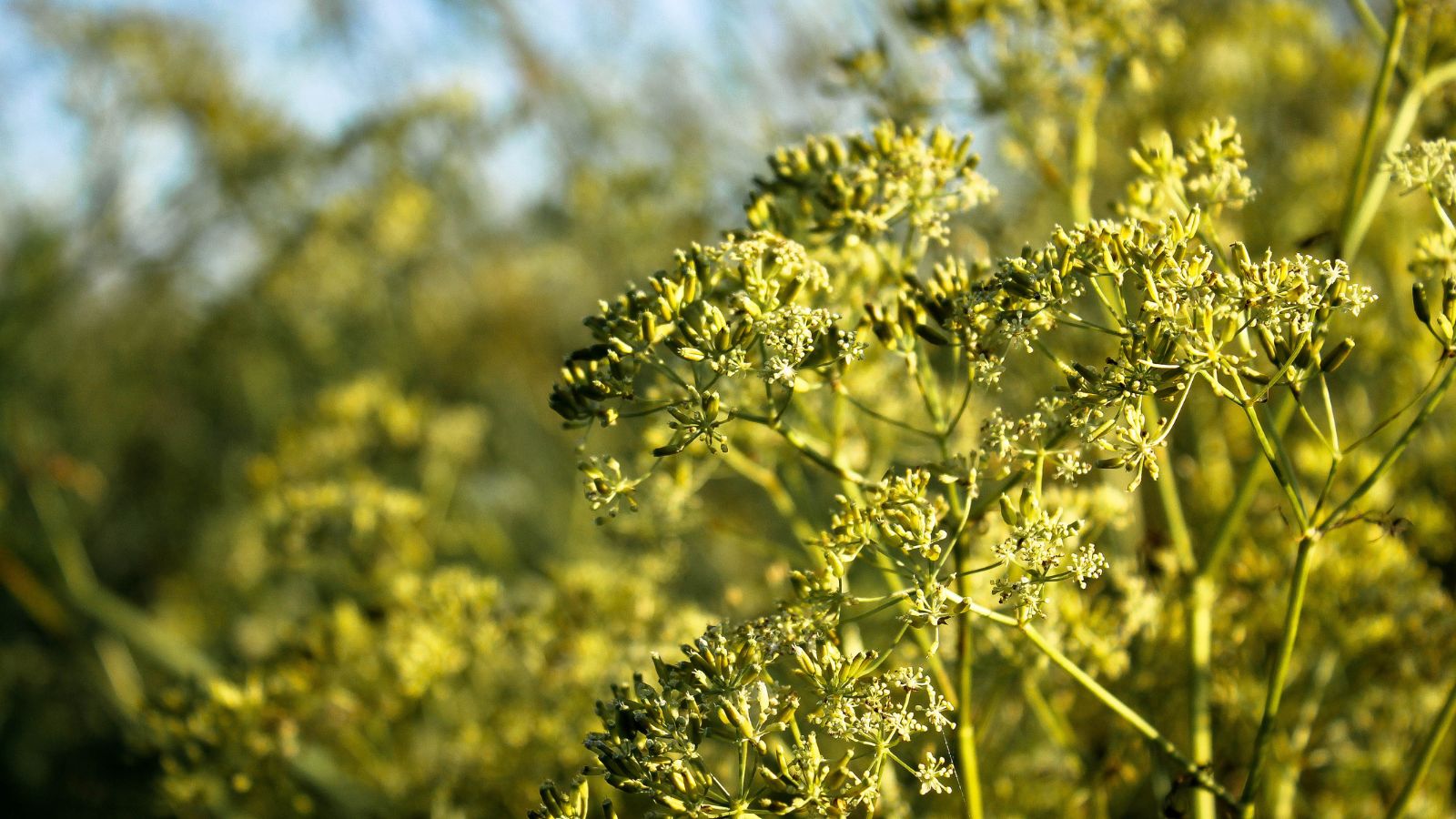
Cumin plants are propagated from seed, either sown directly outdoors or started indoors and planted out later.
Outdoors, sow seeds about two weeks after the last frost, once temperatures are consistently 60°F (16°C) or higher. Sow seeds in drills one quarter inch deep and thin seedlings when they are two inches tall to four to eight inches apart. Alternatively, sow four seeds every four to eight inches so plants can support each other as they grow. Space rows about 18 inches apart. Outdoor germination usually takes between seven and 14 days.
Indoors, start seeds six to eight weeks before the last frost. Sow seeds one quarter inch deep into soil blocks or biodegradable pots to reduce transplant shock, and keep the soil moist until shoots appear. Transplant seedlings outdoors, spacing them four to eight inches apart, once daytime temperatures remain at or above 60°F (16°C). Seeds typically germinate within seven to 14 days, or sooner if using a heated propagator.
Harvesting
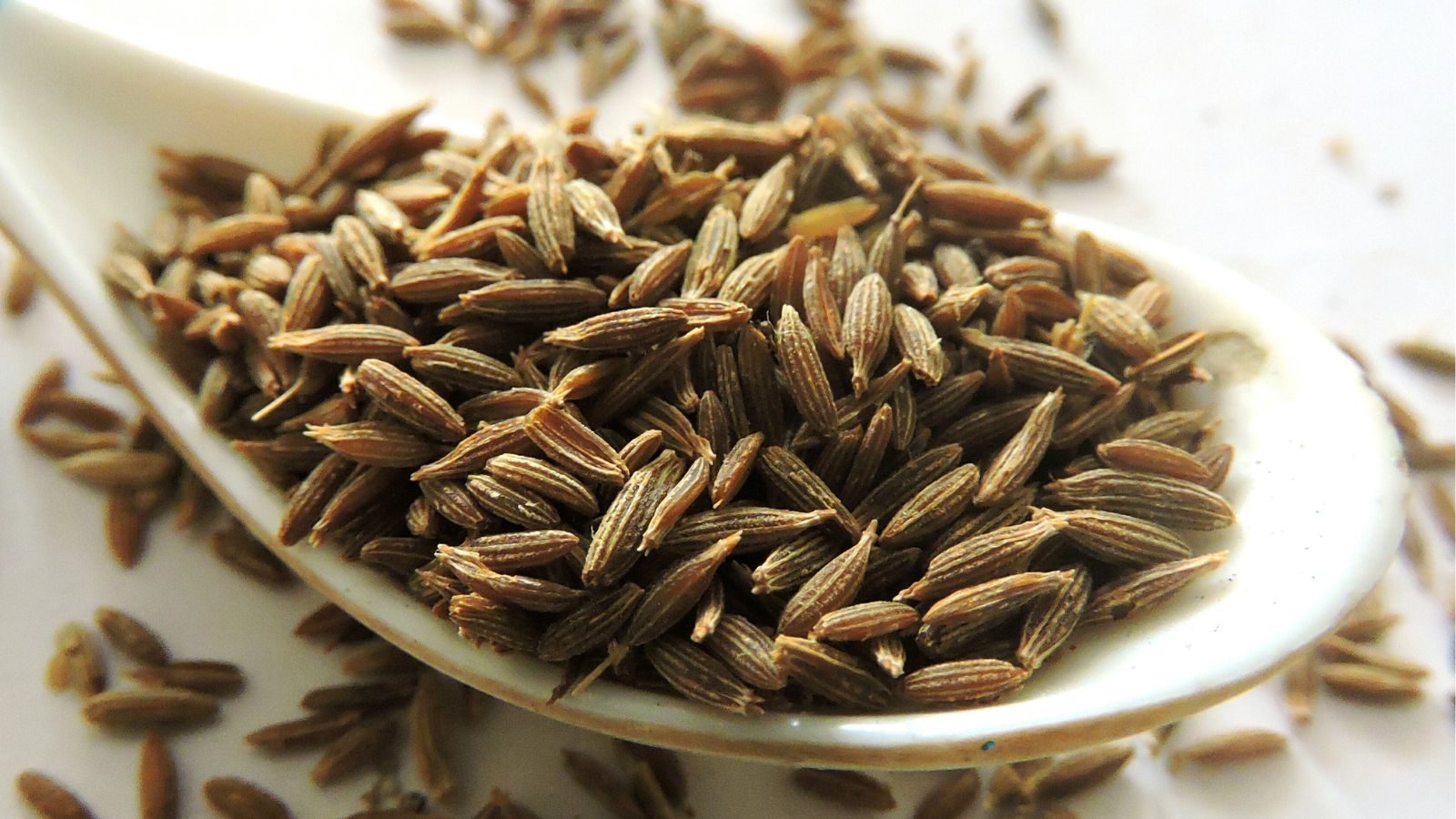
Seeds are ready to harvest after 120 to 150 days. Cumin plants may not mature all at once, so keep a close eye on your crop to ensure seeds are harvested at the right time. If seeds are left on the plant for too long, they will drop and scatter on the ground. You may also want to protect developing seeds from birds and other wildlife by placing netting or cages over the plants.
Cumin seeds are ready to harvest in fall, once flowering has finished and the seed heads turn brown. To harvest, cut stems close to the ground, bundle them together, and place the seed heads into a paper bag. Hang the bundles upside down in a warm, dry place to allow the seed pods to dry completely. The bag will catch any seeds that fall. Alternatively, stems can be laid flat on trays in direct sunlight to speed up the drying process.
Once fully dry, separate the seeds from the pods. While still in the bag, gently thrash the stems against a hard surface or roll the pods between your fingers to release the seeds. Winnow away any chaff, dirt, or debris before storing the cleaned seed.
Cumin plants are grown primarily for their seeds, but fresh leaves can also be harvested from mature plants. The leaves add a light, tangy flavor to salads or can be used as a garnish for soups and stews. After harvesting, treat the leaves like fresh herbs or salad greens and store them in the refrigerator for up to a couple of days.
Storing
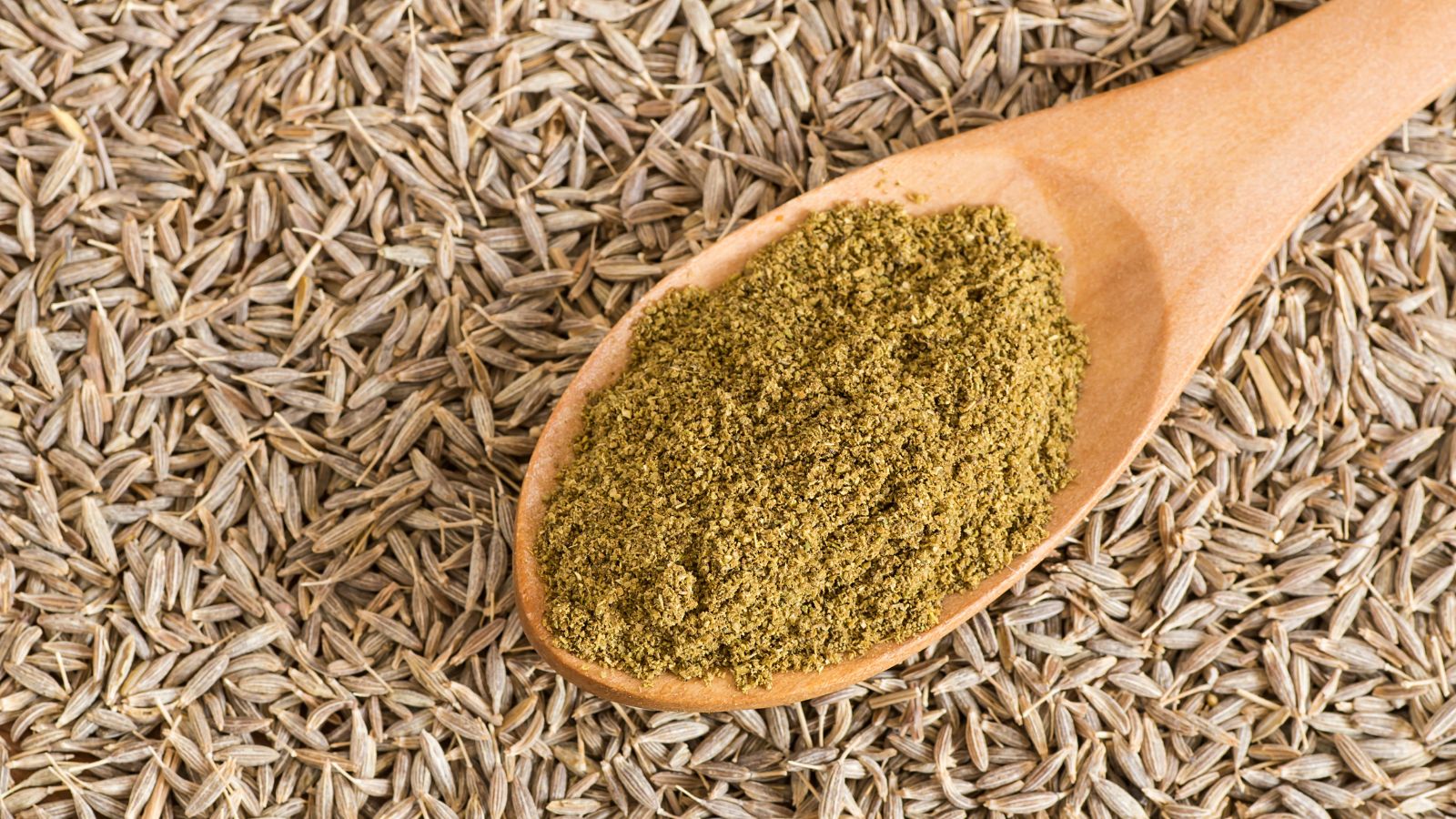
Once dry, store cumin seeds whole in an airtight container, where they should stay fresh for up to two years. Seeds can be used whole or ground into a fine powder. However, freshness and aroma deteriorate much more quickly once the seeds are ground.
For the best flavor, store seeds whole and gently toast them before grinding. Use ground cumin powder as soon as possible for optimal taste.
Troubleshooting
Cumin plants are pretty easy to grow, but there are a few things to look out for when caring for them.
Growing Problems
Overwatering cumin can lead to root rot. If plants begin to decline and there are no obvious signs of pests or disease, check the soil moisture level. You can use a soil moisture probe or simply feel the soil around the base of the plant by hand. If it feels wet, allow the soil to dry out and reduce how often you water.
Pests

Aphids (Aphidoidea) attack young new growth, feeding on phloem sap and effectively dehydrating the plant. The damage results in distorted leaves and stems. Aphids also transmit a range of plant diseases.
To manage them, plant insectary plants that attract beneficial insects such as ladybug larvae (Coccinella septempunctata). You can also treat infestations with an organic insecticidal soap or neem oil.
Diseases

Fusarium wilt is a soil-borne fungal disease that interferes with a plant’s ability to transport water and stay hydrated. Symptoms usually appear late in the season and include wilting leaves, drooping stems, and older foliage turning yellow. Fusarium wilt can also spread through contaminated seed, tools, and insects. It is important to keep tools clean and purchase high-quality seed from trusted sources.
Affected plants should be destroyed and not composted. Applying a biological fungicide such as MycoStop to the soil has shown some success in reducing the spread of fusarium.
Alternaria blight is a fungal disease that thrives in warm, humid conditions and spreads through contaminated soil and seed. The fine, delicate leaves of cumin can become completely discolored, and the disease can quickly take over an entire crop.
Healthy plants are less likely to be affected, so keep plants well fed, adequately watered, and free of weeds to improve air circulation. Remove and destroy infected plants and clear away plant debris to prevent fungal spores from overwintering. Organic treatment options are limited, but copper fungicides may help slow the spread.
Powdery mildew affects plants growing in damp shade during hot, humid weather. This fungal disease spreads by spores and coats leaves in a white, flour-like growth that inhibits photosynthesis. Infected leaves eventually turn yellow, dry out, and die.
Good garden hygiene is essential for prevention, along with removing infected foliage and relocating plants to a sunnier location. Treat powdery mildew with organic fungicides such as sulfur, neem oil, or potassium bicarbonate.
Frequently Asked Questions
Is cumin easy to grow?
Cumin is easy to grow when the conditions are right. It needs fertile, well drained soil and full sun.
Is cumin a perennial?
Cumin is an annual plant with a growing season of around 120-150 days during the hottest months of the year.
How long does cumin seed last?
Cumin seeds should last up to two years if stored in an airtight container.





