How to Plant, Grow, and Care for Cilantro
Growing cilantro and coriander is incredibly simple. Whether you're interested in the tasty leaves or the flavorful seeds, this in-depth growing guide by gardening expert Rachel Garcia covers everything from planting seeds to harvesting!

Contents
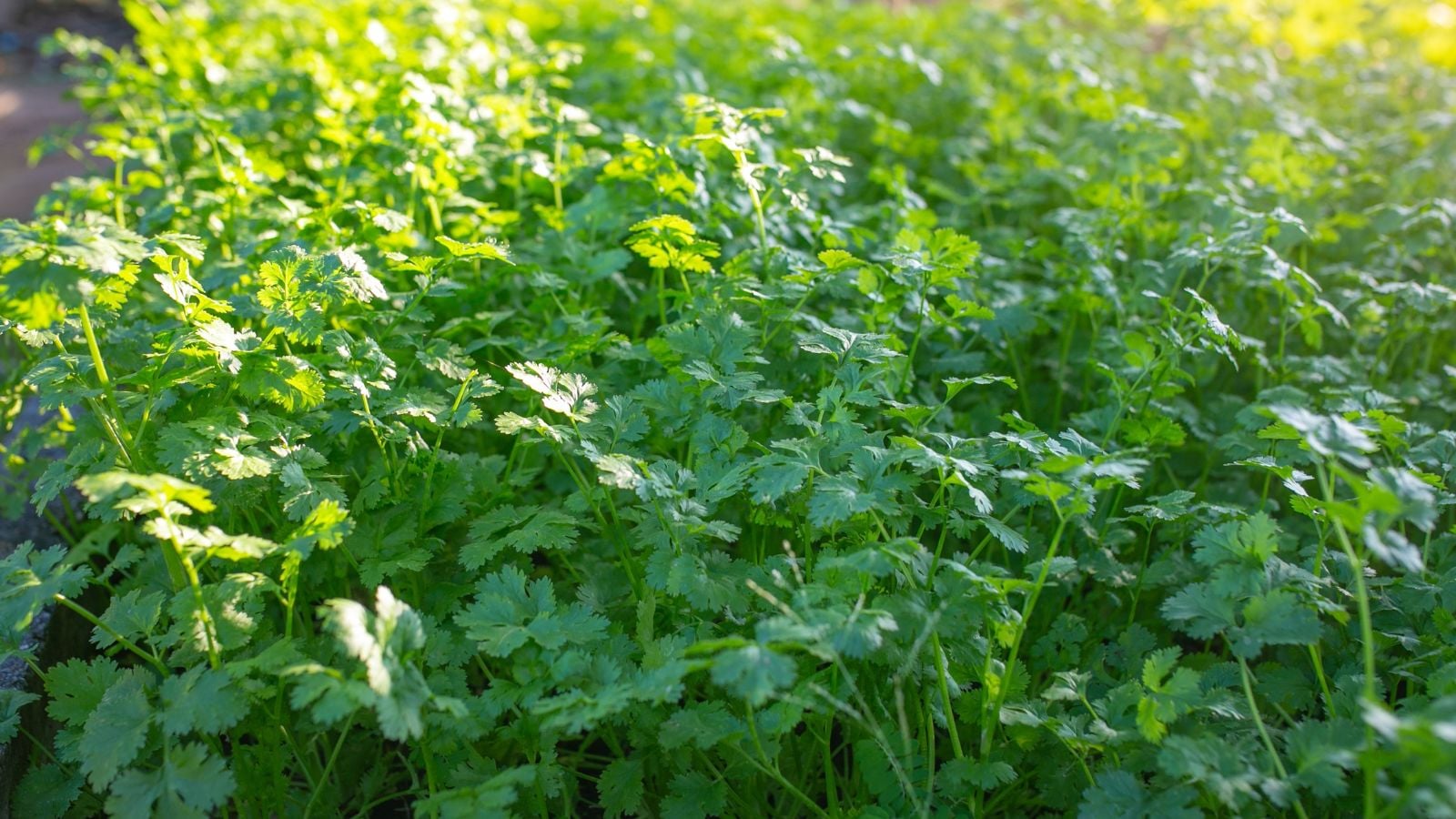
You either love it or hate it. That is what we hear most often about cilantro. Regardless of your personal taste, growing cilantro is worthwhile for its good looks alone. This whimsical, feathery plant also happens to be a delicious garnish, which is simply a bonus.
Another perk of growing this herb is harvesting coriander seeds. Cilantro and coriander may look and taste different, but they come from the same plant. Cilantro refers to the leaves, while coriander comes from the seeds. Because of this, Coriandrum sativum is correctly referred to by both names.
Cilantro has plenty of garden-friendly qualities beyond the kitchen. Its distinctive scent attracts butterflies and other beneficial insects that help with natural pest control. Cilantro is also non-toxic to animals, making it a great choice for a pet-friendly garden.
The coriander plant is appreciated worldwide and is a staple in many cultural cuisines, especially Mexican and Thai cooking. If you love cooking with fresh herbs, cilantro is ideal for a themed edible garden, such as a Mediterranean or salsa garden.
Whether you enjoy the flavor or not, learning how to grow cilantro can bring real benefits to your garden. This guide covers everything you need to know about growing cilantro successfully.
Long Standing Santo Cilantro/ Coriander

Long Standing Santo Cilantro/Coriander Seeds

Quick Care Guide

|
Scientific Name
Coriandrum sativum
Days to Harvest
30
Light
Full to partial sun
Water
Moderate and consistent
|
Soil
Fertile, well-draining
Fertilizer
Balanced, every other week
Pests
Cabbage loopers, cutworms, aphids
Diseases
Powdery mildew, bacterial leaf spot, damping off
|
All About Cilantro
It only takes one look at the plant to see that it belongs to the same family as carrots and parsley. Long, thin stems grow in clumps from a single taproot and often sprawl outward over time. Atop each stem are the feathery, fern-like leaves commonly harvested for cooking. The lower leaves are slightly more rounded than the upper foliage and closely resemble parsley. A fast grower, cilantro can reach up to two feet tall and wide.
During summer heat, cilantro plants produce small white or pale pink flowers. These blooms form umbels, meaning a central stem produces multiple flower-topped shoots that create an umbrella-shaped inflorescence. Once mature, the flowers develop into aromatic coriander seeds. The seeds are held in small yellow-brown pods, which are technically the fruit of the plant.
Every part of this plant is edible, including the roots, which are commonly used in Thai cuisine. This versatility may explain why cilantro has been cultivated for thousands of years. Coriander seeds have been dated back to ancient Egyptian times and have long played an important role in Chinese and Indian cooking. It is difficult to find an Indian curry that does not include coriander.
Although this plant likely originated in southern Europe and the Mediterranean, it has been grown worldwide for centuries. Today, cilantro is cultivated in nearly every country, with Mexico leading commercial production and California ranking as the top growing state in the US.
Characteristics
Cilantro has a short growing season because it bolts quickly in high heat. This can be extended by choosing varieties bred to tolerate warmer temperatures without sacrificing flavor. Popular options include the ‘Calypso’, ‘Marino’, and ‘Santo’ varieties. On the other end of the spectrum, some types, such as ‘Festival’ cilantro, handle cooler conditions well, making them a good choice for winter growing in zones 8 and 9.
If the thought of cilantro still makes you cringe, you are not alone. Up to 14% of the population has a genetic variation that causes a soapy aftertaste when eating cilantro. Some people with this so-called soapy gene can become accustomed to the flavor over time, especially if they grew up eating it as part of their culture’s cuisine. If you truly cannot stand it, there are several good cilantro substitutes to try, including Vietnamese cilantro and papalo.
Planting

The entire planting process focuses on prolonging the plant’s life before it bolts. Cilantro takes about a month of growth before harvesting can begin, so you will get the most from your plants by planting just after the last spring frost. In completely frost-free areas, cilantro can even be grown during winter. For a continuous harvest, it is best to plant new cilantro every other week, similar to how corn is succession planted.
Because cilantro develops a taproot, it does not transplant well, so its first planting location should be its permanent home. Sow seeds directly in the ground or in a medium-sized container. Plant seeds one quarter to one half inch deep and space them three to four inches apart. When planting in the ground, closer spacing is perfectly fine. As the plants grow, their dense foliage shades the soil, helping keep the roots cool.
If you are late in the planting season or want a more convenient option, many nurseries sell coriander starts. These are usually inexpensive and easy to find. Plant them directly into their final location, taking care not to disturb or damage the taproot.
How to Grow
You’ll be happy to hear that cilantro growing isn’t a demanding job. That being said, you definitely get out what you put into it, so taking some extra steps can prolong your harvest.
Light

Your cilantro plants will appreciate full sun with some light shade in the afternoon. They can bolt and be sunburned in direct light and heat, especially in temperatures over 75°F (24°C).
Water

Provide cilantro plants with a moderate amount of water, watering whenever the soil begins to dry out. If you are growing coriander for seed production, reduce watering once the plants begin to flower.
When it comes to humidity, coriander prefers drier conditions. You can help manage this by keeping the foliage dry during watering, which also helps prevent pest and disease issues.
Soil

Cilantro grows best in rich, loamy, and well-draining soil. An ideal soil pH falls between 6.2 and 6.8, although these plants are fairly adaptable and not overly picky. To help prevent bolting by keeping the roots cool, apply a layer of mulch across the soil surface.
Temperature

These plants can grow in zones 2 through 11, but proper placement is key to keeping them healthy. Because coriander prefers cooler conditions, plants grown in southern zones often perform best indoors. In cooler regions, be sure to wait until after the last frost before planting outdoors.
Fertilizing

Fertilizer is not strictly necessary for cilantro, but it can help support a steady supply of fresh leaves. Once the plants are about a month old, apply a balanced, water-soluble fertilizer every other week at most.
Pruning

If you plan to harvest cilantro leaves, that is the only pruning required. However, you can be strategic with pruning to encourage a fuller plant. If your cilantro becomes tall and leggy, trim back the top stems to promote bushier regrowth.
Once cilantro plants bolt, pruning will not reverse the process. When flowers begin to form, the flavor of the leaves changes significantly and cannot be restored, even if the flowers are removed.
Propagation

Cilantro grows so easily from seed that there is little reason to propagate it any other way. It readily self-seeds and has even escaped cultivated gardens to grow on its own like a weed.
Left undisturbed, it will often return the following year, although the plants may not grow true to type. You can also collect coriander seeds at the end of the season and sow them again the next year.
Harvesting

Learning how to harvest cilantro or coriander is simple. If you have been succession planting throughout the growing season, you will also enjoy a steady supply of fresh herbs.
Chinese parsley grows quickly, allowing cilantro leaves to be harvested about a month after planting. Younger leaves have the best flavor, so harvest those first. Pinch leaves off by hand or use clean scissors. Some gardeners harvest only what they need at the time, while others cut the entire plant back at once, knowing it will regrow.
If you are growing coriander for seed, expect the seeds to mature about three months after planting. Immature seeds are edible but tend to have a bitter taste and strong smell, so it is best to wait until they fully mature.
Once ready, the plant will dry out and the seed pods will begin to open. Harvest the seed heads before this happens, then place them in a paper bag to dry completely. As they dry, the flavor continues to develop and the seeds will naturally release into the bag.
Storing

You know how to cut cilantro, but proper storage is just as important. Fresh cilantro leaves will keep in the refrigerator for about a week. Placing the stems in water, like a bouquet of flowers, helps extend their freshness. Remove any leaves that begin to deteriorate right away so the rest of the bunch stays fresh.
While cilantro leaves lose much of their flavor when dried, they retain it well when frozen. A popular method is to chop the leaves and place them into an ice cube tray. Add water or another cooking liquid, then freeze. When cooking, simply pop out a cube and add it directly to your dish.
For coriander, make sure the seeds are completely dry before storage. Keep them in an airtight container in a cool, dark place, as you would with other spices. Stored this way, coriander seeds can last for several years. In the kitchen, the seeds can be used whole or ground, depending on the recipe.
Troubleshooting
Fortunately, cilantro does not suffer from many serious pest or disease issues. However, minor problems can still appear from time to time, so here are a few things to watch for.
Growing Problems

Bolting comes up often with cilantro because it is a natural part of the plant’s life cycle. As temperatures rise, the plant rushes to produce seeds so it can reproduce. While bolting is inevitable, there are several ways to slow the process and extend your harvest.
One effective approach is choosing heat-tolerant varieties and planting them in partial shade. Succession planting also helps. Sow new seeds every few weeks so that when one plant bolts, another is ready to take its place. Frequent harvesting is another useful strategy, as cutting the leaves regularly removes stems that may be preparing to flower.
Pests

Cabbage loopers are small green caterpillars with a big appetite. They chew through cilantro leaves, which can open the door to disease. Natural predators are very effective against these pests, especially beneficial wasps. You can also control cabbage loopers with Bacillus thuringiensis (BT), spinosad, or pyrethrin sprays. Preventative measures include using scent deterrents such as garlic, citrus, or neem oil.
Cutworms are nocturnal pests that sever stems at the soil line. They tend to hide in plant debris, so keeping the soil surface clean is the first line of defense. Tilling the soil after the final harvest helps disrupt their life cycle by exposing them to predators like birds or physically damaging the larvae. The same BT treatments and beneficial wasps used for cabbage loopers are also effective against cutworms.
No cilantro pest list would be complete without aphids. These common insects feed in large numbers and can quickly weaken plants. Aphids can be controlled with insecticidal soap, pyrethrin spray, or beneficial insects such as lacewings, parasitic wasps, and ladybugs. For small infestations, a strong spray of water is often enough to knock them off the plant.
Diseases

Powdery mildew appears as a white, powdery coating on the leaves, almost as if they have been dusted with baby powder. This fungal disease can severely impact cilantro growth and reduce its visual appeal. One of the simplest treatments is an organic sulfur spray, while regular applications of neem oil can help prevent powdery mildew from developing in the first place.
Bacterial leaf spot can be challenging to manage, making prevention and early action especially important. This bacterial disease causes water-soaked, discolored lesions on the foliage and spreads easily through contaminated seed and splashing water. To reduce the risk, select resistant varieties whenever possible and keep foliage dry during watering. Sulfur spray and copper fungicide can slow the spread of the bacteria, although they will not eliminate it entirely.
Damping off is a common issue that affects young seedlings and is typically caused by soilborne fungal diseases. Seedlings may appear healthy one day and then suddenly collapse, turning brown, soft, and mushy. These pathogens thrive in warm, wet conditions. For indoor growing, always use fresh, clean potting soil. Outdoors, ensure the soil drains well and avoid overcrowding plants or allowing debris to accumulate.
One of the most effective ways to prevent damping off is encouraging strong, rapid seedling growth. Well-cared-for plants are better equipped to resist disease on their own. Some mycorrhizal additives are also showing promise in helping suppress fungal pathogens in the soil.
Frequently Asked Questions
Will cilantro grow back after cutting?
Yes, and it should grow back quickly. This is an annual, though, and will eventually go to seed.
Does cilantro come back every year?
Cilantro is an annual, so it dies at the end of each growing season. However, it will usually re-seed itself and make an appearance the following year.
Does cilantro grow well in pots?
This is a fantastic choice for pots! Plus, learning how to grow cilantro indoors is super easy. As long as you have quality soil and pot with drainage holes, you’ll be set.
Why does cilantro taste like soap?
Genes are at play here. Some people are wired to strongly detect the aldehydes in cilantro. These aldehydes happen to also be found in soap, which explains the association.





