How to Plant, Grow, and Care for Cherry Tomatoes
A rite of passage for most beginner gardeners is growing cherry tomatoes. It can kickstart the love of gardening! Our tips make it easy to grow your own at whether, whether in pots or out in the garden.


Contents
Growing cherry tomatoes is a great place to start when learning how to grow tomatoes. Most gardeners grow tomatoes at some point, and cherry types are among the easiest to succeed with. There is plenty of variety to choose from, with over 100 established cherry tomato varieties available. Compared to many other tomato types, cherry tomatoes are generally easy to grow and highly productive.
Cherry tomatoes, Solanum lycopersicum, were cultivated centuries ago from wild tomato fruits native to the Andes. Inca peoples selected these small tomatoes for their sweet flavor and suitability for snacking. Anyone who has eaten a ripe cherry tomato straight off the plant understands why they became so popular.
When stocking up on tomato seeds for spring, cherry tomatoes are an excellent choice. Whether you prefer heirloom seeds, black cherry tomatoes, or determinate or indeterminate varieties, cherry tomatoes make it easy to harvest flavorful fruit throughout the growing season. Enjoy them fresh, preserve them, or use them in cooking to capture that sun-ripened sweetness year-round.


Quick Care Guide

|
Scientific Name
Solanum lycopersicum
Days to Harvest
55 to 65 days or 7 to 9 weeks
Light
Full sun to partial shade
Water
1-2 inches per week
|
Soil
Well-draining, fertile, loose soil
Fertilizer
High phosphorus slow release upon planting, high phosphorus slow release after fruiting
Pests
Tomato hornworms, aphids, leaf-footed bugs, whiteflies, spider mites
Diseases
Blights, bacterial speck, buckeye rot, grey spot
|
All About Cherry Tomatoes

Solanum lycopersicum var. cerasiforme is commonly known as the cherry tomato and includes a wide range of cultivars, from ‘Tomaccio’ to ‘Sungold’ to ‘Dances With Smurfs’. Cherry tomatoes originate from wild tomato species cultivated in the Andes by Inca peoples roughly 7000 years ago. Tomato plants have trichome-covered leaves, and their fruits form in clusters. The primary difference between cherry tomato plants and other tomato types is the smaller size of their fruits and seeds.
These tomatoes develop from flowers that bloom on branches with green, serrated leaves connected to a central stem. Tomatoes rely on external movement such as wind or insects for pollination, but they are self-fertile. The yellow tomato flower has five petals, and once the flower drops, the fruit begins to form.
The edible portion of the tomato plant is the fruit. While tomato leaves are sometimes discussed as edible, they are toxic to humans in large quantities. Like other members of the nightshade family, tomato leaves contain the alkaloids solanine and tomatine, which are difficult to digest. There is an ongoing debate around whether tomato leaves can be safely cooked, but they are generally not recommended for consumption.
Planting

Determinate varieties are easier to grow in containers, such as air pots, or in raised beds. Indeterminate varieties grow vigorously in the garden and require more space and ongoing care, so they are best planted in prepared ground. Leave at least four feet between each row to allow for proper airflow and access. Choosing the right variety plays an important role in how and where you plant your tomatoes.
Transplant summer varieties after the last frost has passed. If you are starting tomatoes from seed, sow them indoors six to eight weeks before the last frost date. Fall varieties should be planted a few months before the first frost. Tomato plants benefit from deep planting, so dig holes at least 10 inches deep. Planting tomatoes deeply encourages strong root development and improved nutrient uptake.
Install a tomato trellis early rather than relying on a tomato cage, which cherry tomatoes tend to outgrow quickly. Trellises or sturdy stakes provide vertical growing space and make it easier to manage plants throughout the season. They can also help reduce disease issues in heirloom tomatoes by improving airflow.
While cages and stakes can work, the clustered growth habit of cherry tomatoes makes trellising a better option. Cages are generally not recommended unless they are tall enough to support vigorous indeterminate growth.
How to Grow
Caring for a cherry tomato plant is easy if the right conditions are met and maintained every day. Here are key things you should pay attention to.
Light

These plants prefer full sun to partial shade, with at least six to eight hours of sunlight per day. Some varieties benefit from shade cloth during periods of high heat, while others appreciate frost cloth during cool spring weather.
Water

Water in the morning each day in hotter areas. For those with summers that peak around 90°F, water cherry tomatoes a few times per week. In fall, reduce watering to once per week. Drip irrigation works best for cherry tomatoes. Place the line at the soil surface and water until six to eight inches of soil are thoroughly soaked.
If a drip line is not available, use a regular garden hose and allow the water to slowly trickle into the soil. When growing tomatoes in containers, water more frequently than in-ground plants. Pots heat up more quickly and flush nutrients faster, while tomatoes planted in the ground retain moisture more effectively.
Too much water, especially during fruiting, can cause issues such as blossom end rot. Irregular watering often leads to fruit splitting. During cool, rainy spring weather, watering may not be necessary as often. If heavy rain is expected, it is best to move container-grown cherry tomatoes under cover to prevent waterlogged soil.
Soil

These plants prefer fertile, loose, well-draining soil. When growing them in the ground, prepare the soil before planting and leave adequate space between planting areas to prevent overcrowding as the plants mature. Amend the soil with a blend of quality topsoil, compost, and bone meal, which supports flowering and fruit production.
Tomatoes prefer slightly acidic soil, with an ideal pH range of 6.2 to 6.8. Avoid soil mixes that are high in nitrogen, as excess nitrogen encourages leafy growth at the expense of flowers and fruit. Container soil mixes should follow the same principles but require more frequent fertilizing during the growing season.
While it is possible to grow cherry tomatoes in clay garden soil, achieving a productive harvest with good flavor is more challenging without improving drainage and soil structure.
Temperature

They are hardy in zones 3 through 10 and perform best at temperatures between 70 and 85°F (21 to 29°C). Some cultivars experience blossom drop when temperatures rise above 90°F (32°C).
When temperatures fall to 56°F (14°C) or lower, fruit may drop from the plant. There are cold-resistant varieties that produce fruit in spring, as well as heat-tolerant varieties that continue producing throughout summer.
Fertilizing

Tomatoes need fertilizer at planting and throughout the fruiting cycle. Before planting a cherry tomato, amend the container or planting hole with a slow-release organic fertilizer that is higher in phosphorus. Additional calcium supports healthy fruit development as well. Look for a fertilizer with an approximate 5-7-3 NPK ratio and check whether calcium is included. Ground eggshells can also be added at planting time to supplement calcium.
As cherry tomatoes begin producing fruit, provide additional nutrients through homemade compost tea or regular applications of granular fertilizer. Foliar feeding is acceptable, but tomato leaves can be sensitive, so use caution. If you are unsure about a fertilizer, it is best to apply it to the soil around the plant or rely on additional slow-release applications. Bone meal can also help encourage continued flowering.
When growing tomatoes in containers with potting soil mixed with compost, nutrients need to be replenished more frequently. Water moves through containers quickly, carrying nutrients with it, and potted plants require more frequent watering during summer heat, which increases nutrient loss.
Pruning

Determinate cherry tomatoes require less pruning than indeterminate types, but all tomato plants benefit from regular maintenance throughout the growing season. Pinch off the first few blooms on young cherry tomato plants to encourage stronger growth and increased flowering later.
Once the plant reaches about 12 inches tall, remove the lower leaves that rest near the soil surface. This helps prevent moisture buildup and reduces the risk of disease spreading through the garden.
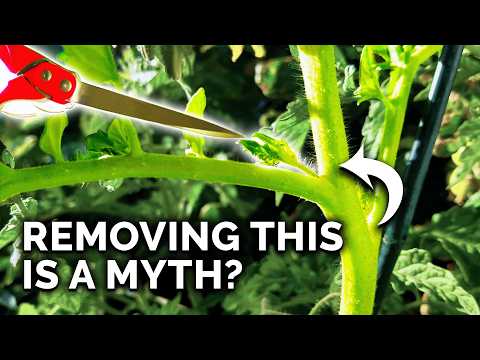
Remove tomato suckers as they appear. Suckers are small shoots that grow from the joint where a branch meets the main stem. These can be used to propagate new plants or added to compost. On determinate varieties, suckers can be left in place if desired. Indeterminate plants, however, can become unruly if suckers are not removed, so regular pruning helps keep them manageable.
Also remove any yellowing or diseased leaves, while leaving enough healthy foliage to support fruit production.
Propagation

The most reliable way to propagate tomatoes is by germinating seeds in spring and transplanting seedlings after the last frost has passed. Cherry tomato seeds can be collected and saved for the following season. Growing plants from saved seed is especially rewarding, and it is essential for preserving heirloom varieties and maintaining their genetic traits.
Tomato suckers offer another effective way to propagate cherry tomato plants. When combined with seed saving, this method can quickly produce enough seedlings to share or grow on. After pruning suckers from the plant, place them in water and allow roots to develop. Tomato suckers root readily and can produce new, healthy plants in a short period of time.
Harvesting

Harvesting cherry tomatoes is easier than harvesting larger tomato varieties because the fruit does not need to ripen off the vine. Simply pick ripe cherry tomatoes directly from the plant.
Determinate cherry tomatoes set fruit all at once, resulting in large, concentrated harvests. If you have more tomatoes than you can use fresh, canning is a practical option. Indeterminate varieties produce fruit gradually, allowing you to enjoy ripe cherry tomatoes throughout the season. If you are interested in learning more about ripening tomatoes off the vine, there are detailed guides available on the topic.
Handpick cherry tomatoes when they are fully colored and nearly ripe. Be sure to understand the final color of the variety you are growing. Red varieties should be fully red, yellow varieties should turn a rich golden shade, and orange varieties should reach their intended orange color. If you are unsure, it is fine to pick one fruit and taste it to check for flavor. Unless you plan to make fried green tomatoes, wait until fruits transition from green to their mature color before harvesting.
Storing

Cherry tomatoes are not ideal for canning or making paste, although both are possible with extra effort. Peeling tomatoes for canning is labor-intensive, especially with small fruits. The best way to enjoy cherry tomatoes is to harvest them from the vine and eat them fresh, or store them at room temperature until ready to use. Fresh cherry tomatoes in early summer are hard to beat.
For longer-term storage, cherry tomatoes can be halved and frozen for later use in sauces. They can also be dehydrated and stored at room temperature for at least six months. One of the most flavorful preservation methods is sun-drying cherry tomatoes and canning them with or without olive oil. When unopened, sun-dried cherry tomatoes can keep for up to two years.
Troubleshooting
Although cherry tomatoes are prolific producers, they can attract pests and diseases if left unchecked. Some varieties are more pest-resistant than others, but none are immune to environmental stress. Keeping a close eye on your cherry tomato plants, especially heirloom types, will help ensure a healthy, productive harvest.
Growing Problems

Irregular watering can cause cherry tomatoes to split on the vine. This often happens when inconsistent watering is combined with compacted soil. Blossom end rot occurs when plants appear healthy, but the ends of the fruit become rotted and mushy. This condition is caused by the plant’s inability to absorb enough calcium from the soil. Both issues are best prevented through proper soil preparation and consistent fertilization.
Blossom drop happens when temperatures become too hot. Providing shade during periods of extreme heat can help lower plant stress and reduce flower loss.
Sunscald develops when tomatoes are exposed to intense, direct sunlight for extended periods. Supporting larger branches with trellises allows foliage to shade developing fruit, helping prevent sun damage.
Leaf curl can be caused by a range of factors, from environmental stress such as excessive heat or inconsistent watering to underlying disease. If leaves begin to curl, observe whether they curl upward or downward, as this can offer clues about the cause.
Blossom end rot is common across all tomato types and is usually linked to irregular watering rather than a lack of calcium in the soil itself. Calcium fertilizers should be applied at planting, and products that include small amounts of calcium alongside standard NPK fertilizer can be used throughout the season. Keep soil consistently moist, but never soggy or dry, to ensure tomatoes can absorb calcium and other essential nutrients effectively.
Pests

Tomato hornworms are well-known tomato pests that feed on both the leaves and fruit of cherry tomato plants. They can be controlled naturally by encouraging beneficial insects such as lacewings, ladybugs, or Trichogramma wasps, which are their natural predators.
If quick control is needed, Bacillus thuringiensis (Bt) can be sprayed or dusted onto plants. Pyrethrin sprays are also effective against tomato hornworms. Floating row covers help prevent the moths that lay hornworm eggs from reaching your cherry tomato plants.
Aphids, leaf-footed bugs, and whiteflies are sap-sucking insects that can quickly damage plants if left unmanaged. Neem oil is an effective treatment, but avoid spraying neem oil while plants are flowering or within a couple of weeks of harvest. Insecticidal soaps are another effective option. Apply treatments at least seven days apart, ideally in the early morning or evening.
Spider mites spin fine webs around plants as they feed on leaves. Horticultural oil or neem oil can be used to control spider mites. Wipe plants with a damp cloth first to remove active mites, then apply oil to eliminate remaining pests and eggs. This same method can also be used to manage leaf-footed bugs.
Diseases

Early blight affects tomato plants from the base upward. Dark spots first appear on the lower leaves, followed by concentric rings that create a target-like pattern. This disease is caused by the fungus Alternaria solani and often builds up in soil when nightshades are planted in the same location over successive seasons. Control options include removing and discarding infected plants or treating with a copper fungicide about every two weeks.
Bacterial speck appears on tomato leaves as small, dark green spots surrounded by yellow halos. This disease is caused by Pseudomonas syringae pv. tomato and does not always stop fruit production. Prevention is the most effective approach and relies on proper crop rotation and good garden sanitation.
Tomato buckeye rot is caused by several fungal species, including Phytophthora capsici, Phytophthora drechsleri, and Phytophthora nicotianae var. parasitica. It can resemble blossom end rot, but instead of affecting only the bottom of the fruit, the rot spreads around the entire tomato. Prevention through good drainage, mulching, and keeping fruit off the soil surface is the only reliable control.
In warm, moist conditions, cherry tomatoes may develop grey leaf spot, a fungal disease that begins on the leaves and can spread to stems and fruit. Preventative practices such as crop rotation, proper spacing, and improved airflow are the most effective controls. Fungicide applications may help reduce spread if applied early.
Frequently Asked Questions
Do cherry tomatoes need a trellis?
Yes. Since cherry tomatoes grow in clusters, they’ll need adequate support from a trellis or other support.
How long does it take to grow cherry tomatoes?
Cherry tomatoes take about seven to nine weeks to grow from seed.
How many cherry tomatoes do you get from one plant?
Determinate plants produce anywhere from 20 to 90 cherry tomatoes. Indeterminates may produce more, although it depends on the size of the mature plant.
Are cherry tomatoes and grape tomatoes the same?
Grape tomatoes are a kind of cherry tomato.
What is the difference between cherry tomatoes and tomatoes?
Cherry tomatoes are much smaller than most regular tomato varieties. They are also better when they’re harvested ripe, as opposed to regular tomatoes which more easily ripen off the vine.





