How to Plant, Grow, and Care for Bok Choy
If you love stir fries, growing bok choy ensures you a constant supply. Our in-depth guide reveals all you need to know!


Contents
With summer fading from memory and fall well underway, many gardeners find parts of their garden sitting vacant. Growing bok choy, with its wide range of varieties and impressive cold hardiness, is an excellent choice for the season. Its crunchy texture and sculptural shape make it a must-have, and it is surprisingly easy to grow.
Ready to harvest in just a matter of weeks, bok choy includes some standout varieties such as ‘Purple Lady’ bok choi and the itty-bitty ‘Hedou Tiny’ bok choi. These Asian vegetables are packed with nutrition and have even been named among the healthiest foods to add to your diet. Bok choy can be eaten raw or cooked, sautéed, or blanched. Add a drizzle of sesame oil, and you have an incredibly tasty dish.
Although many varieties of choi have been cultivated for more than 5,000 years in China, you do not need to be a seasoned gardener to grow it successfully. Bok choy is a fantastic starter plant for beginners and children alike, thanks to its fast growth and quick harvest time.


Quick Care Guide

|
Scientific Name
Brassica rapa var. chinensis
Days to Harvest
30-60 depending on the variety
Light
4 hours minimum; full sun during fall, partial sun during spring
Water
1 in. per week
|
Soil
Rich well-drained soil
Fertilizer
NPK fertilizer or slightly higher in nitrogen
Pests
Slugs, aphids, vegetable weevils, flea beetles, cabbage loopers
Diseases
Downy mildew, Alternaria leaf spot
|
All About Bok Choy
An absolutely delicious Asian green, bok choy is a great addition to the garden from fall through spring. It grows well from seed or transplants, making it flexible for a wide range of growing zones.
A biennial that can be ready to harvest in just six to eight weeks, Brassica rapa subsp. chinensis is also known as pak choi or Chinese cabbage. It is prized for its crisp green leaves and thick white stems.
A relatively compact grower, reaching about 12 to 14 inches tall, this vegetable comes in several popular varieties. Common choices include baby bok choi, ‘Joi Choi’, which is slower to bolt, ‘Mei Qing Choi’, a dwarf variety, and ‘Win-Win’, another slow-bolting option.
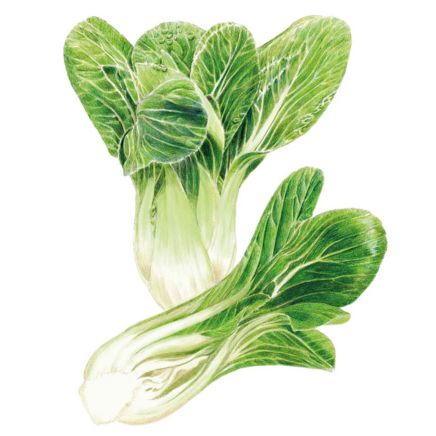
With dark green leaves held on sturdy white stems, this type of Chinese cabbage is often described as having a spoon-like shape. It grows similarly to lettuce and other brassicas, with leaves emerging from a central stem in a circular, upward pattern.
Planting

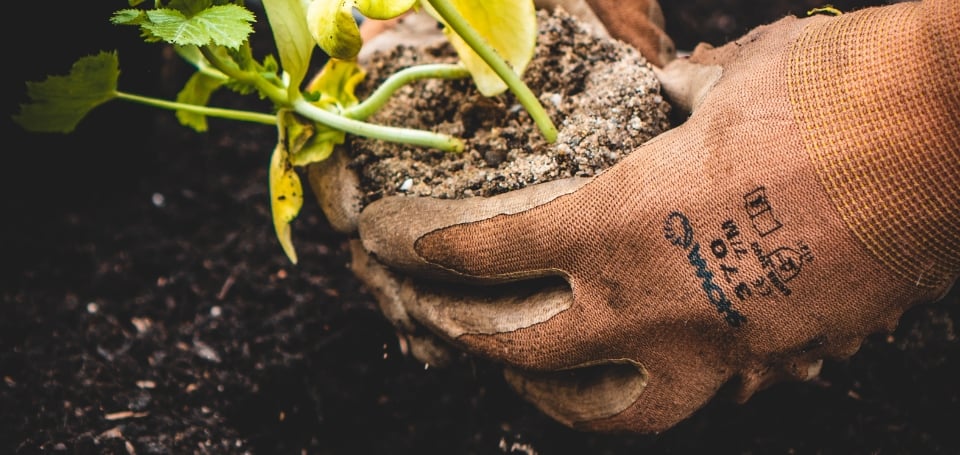
Any forecast that offers eight weeks of cool temperatures is an excellent time to plant bok choy. Seeds can be started indoors and transplanted outdoors in late summer for a fall harvest, or planted in late spring after the last frost date.
Start seeds about one quarter inch deep, either in pots or directly in the ground, and keep the soil consistently moist. If you plan to transplant, wait until seedlings are about two inches tall and properly hardened off before moving them outside.
When choosing a planting location, follow the care guide below to understand bok choy’s light requirements at different times of the year.
How to Grow
Bok choy is an easy-to-grow addition to the late summer, spring, or cool-season garden. As long as you follow a few basic guidelines, you can expect your seeds to grow into healthy, productive bok choy plants.
Light

Bok choy has different growing requirements depending on the time of year you plan to grow it. When planted in early fall, these plants do well in full sun and can tolerate a light frost. Because bok choy is more cold-hardy than many other vegetables, you do not need to be as precise with harvest timing before the first frost.
When grown in spring, Chinese cabbage prefers partial shade. Although bok choy can handle frost, large swings between freezing and warm temperatures may cause it to bolt. To reduce this risk, keep transplants indoors until the last frost has passed, then plant them out.
Avoid planting bok choy in summer. Extended periods with 16 hours of daylight can trigger bolting and significantly reduce crop quality.
Water

A fast grower, bok choy needs a good amount of water to stay healthy. Aim to give it at least one inch of water per week, making sure the soil does not dry out completely, as the plants have shallow roots. Water in the morning so any moisture on the leaves can evaporate, helping to prevent disease.
If possible, water Chinese cabbage at the base of the plant, ideally using a drip line. During cooler seasons, you may need to water less often. Check soil moisture regularly and skip watering if the soil still feels evenly moist.
Soil

Before starting your bok choy plants, assess the type of soil available in your garden.
Bok choy prefers well-drained, moist soil to grow healthy, full-sized plants. If drainage is an issue, work perlite into the soil to improve airflow and water movement. Worm castings can be added to increase moisture retention when needed.
While bok choy can tolerate less-than-ideal soil, it performs best in soil with a pH between 6.5 and 7.0. Make sure any soil amendments are thoroughly mixed in before planting. This Chinese cabbage needs consistently moist soil, so adjust your soil preparation accordingly.
Temperature

Bok choy can be grown in zones 2 through 11, but it has specific growing requirements because it prefers cooler temperatures. Mild weather with temperatures between 55°F and 70°F (13 to 21°C) is ideal. When temperatures rise above 70°F (21°C), the plant may begin to bolt, a process in which it produces flowers and then sets seed, reducing leaf quality.
Fertilizing

Bok choy prefers to be planted in soil that has been recently fertilized. As a heavy feeder, it needs plenty of nitrogen for leafy growth, along with phosphorus and potassium. It is best to add nutrients in the form of compost or composted chicken manure at planting time rather than fertilizing repeatedly throughout the growing season.
Pruning

Bok choy does not generally need to be pruned. However, the leaves of this tasty plant can be harvested before the entire plant matures. Simply snip off the outer leaves with a knife or pruning snips, leaving the main stem intact so the plant can continue growing.
During warmer periods, cut back any stems that begin to flower unless you are saving seed. Once flowers form, the leaves tend to become more bitter in flavor.
Propagation

A quick-growing crop, bok choy is best grown from seed or transplants. If starting from seed, sow directly one quarter to one half inch deep in fertile, well-draining soil and keep it evenly moist. When planting in rows, space rows two feet apart, with plants spaced four to five inches apart.
Similar to celery, bok choy can also be regrown from the cut-off root end. Place the base in warm water on a windowsill, and after about a week, once new growth appears, transplant it back into the garden or a container.
Harvesting

Bok choy can be enjoyed at many stages of its growth. Baby seedlings can be harvested while thinning rows and eaten right away. You can begin harvesting individual bok choy leaves at 21 days, but for full heads, wait until the plant reaches maturity, usually between 45 and 60 days.
Harvest using a sharp knife at the base of the plant, cutting just below where the stem holds the leaves together. Be sure to separate the leaves before use, as dirt and insects can hide in the tightly packed grooves of the plant.
Storing

Bok choy, as a leafy green, does not have a long storage life. While it can be cleaned, chopped, and frozen for stir-fries and similar dishes, it will generally last only four to seven days in the refrigerator when grown using organic methods. Do not wash bok choy until just before using it, as excess moisture will shorten its storage life.
Troubleshooting
Bok choy has been cultivated for thousands of years. Over that time, farmers have identified a handful of common problems, along with reliable solutions, when it comes to growing and caring for bok choy.
Growing Problems

Bok choy is easy to grow, and even if you are just starting out as a gardener, there are only a few things to keep in mind when planting it. Make sure you place the cabbage in an area of your yard that receives enough sunlight, as insufficient sun can result in spindly stems.
Space your bok choy properly and remember that each plant needs about four to five inches of space on either side. When young, plants can sometimes tip over and may need support from a small stake placed in the soil. Bok choy has shallow roots, so it is not especially sturdy on windy days.
Pests

Like most members of the brassica family, this Chinese cabbage can be attacked by a variety of pests. One of the best ways to prevent an infestation before it starts is planting your greens under row covers from day one. This creates a barrier that keeps pests from laying eggs and feeding on your vegetables.
A shiny, slippery trail across the leaves is often a sign that slugs are attacking your crop. These pests are especially fond of young seedlings and can cause serious damage if left unchecked. You can hand-pick them when spotted or apply an organic slug and snail bait around plants. Slugs thrive in damp areas, so check behind pots, under decks, and within dense vegetation to catch them early.
While aphids may not cause severe damage on their own, they are carriers of several plant viruses that can infect young leaves. To manage aphids, encourage beneficial insects such as ladybugs in the garden. You can also grow trap crops like nasturtiums, which attract aphids away from bok choy. When infestations become heavy, remove and discard the trap plants. Neem oil is also an effective control method.
Leaves with noticeable chewing damage are often the result of cabbage loopers in their caterpillar stage. These small green pests feed aggressively on many brassica crops. Prevent infestations with row covers or treat existing ones with Bacillus thuringiensis (BT).
Tiny yellow spots on cabbage leaves can indicate flea beetle damage. These soil-dwelling pests resemble small fleas and can sometimes become trapped beneath row covers. Planting radish as a trap crop can help draw them away from bok choy. For heavier infestations, diatomaceous earth or pyrethrin treatments can be effective.
Diseases

Bok choy is fairly disease-resistant. That said, practices like crop rotation and mulching plants with straw go a long way toward preventing problems.
Downy mildew can appear as leaf spotting or a soft, fuzzy growth on the underside of leaves. It is caused by species of Peronospora or Plasmopara. Infected leaves should not be composted. To reduce the risk of infection, avoid getting the foliage wet when watering. Copper-based fungicides can help control the spread of this disease.
Tan spots with dark centers may indicate Alternaria leaf spot, another disease that can be difficult to manage once established. Prevention is the most effective approach. Apply straw mulch and water at the base of the plant to keep foliage dry. Copper fungicide may offer some control, but it is not always fully effective.
Frequently Asked Questions
How long does it take to grow bok choy?
Depending on the variety, bok choy can grow in 30-60 days.
Can you regrow bok choy?
Yes! Place the cut stem in a bowl with warm water in a sunny place in your kitchen, making sure to change the water daily. After a few days you should see a few baby leaves emerge from the stem. After a week, plant in a pot with some potting soil, only keeping the leaves above soil.