Growing Beets: How To Get Big Beetroot Harvests
Looking for healthy root vegetables? Growing beets is easy! Our thorough growing guide explains the process from seed to harvest.


Contents
Beets have gotten a bad rep over the years as being strange red things on salad bars. But they don’t have to be, and growing beets at home is easy and fun!
Available in multiple colors including a naturally-occurring striped version, beets are vitamin-packed. Full of healthy potassium, manganese, folate, and vitamin B2, they’re low-calorie. And they’re delicious.
We’ve all heard the horror stories about beets staining things, and they’re true. Red beets have long been used as a form of dye. But not all beets have the classic red-purple coloring, and many are stain-free!
Did I mention yet that they’re delicious? Whether cooked as a vegetable side or sliced up on top of salads, beets can be an easy addition to any number of meals.
Curious enough to grow beets on your own yet? You should be! Let’s explore everything there is to know about the humble beet and discuss how to grow beets. You’ll be as excited as I am by the time we’re through!
Subscribe to the Epic Gardening Podcast on iTunes or Spotify


Beets: Quick Care Guide

|
Scientific Name
Beta vulgaris subsp. vulgaris var. conditiva
Days to Harvest
45-70, depending on cultivar
Light
Full sun preferred, tolerates partial shade
Water
About 1” per week
|
Soil
Loamy, well-draining, can accept sandy soil
Fertilizer
High-phosphorous fertilizer preferred, be cautious with too much nitrogen in soil as it can cause development of foliage & not root
Pests
Aphids, leafhoppers, leaf miners, beet cyst nematode, root knot nematode, flea beetles, Mexican bean beetles, darkling beetles
Diseases
Cercospora leaf spot, Rhizoctonia & Pythium damping-off, Fusarium yellowing & root rot, Aphanomyces root rot, powdery mildew, downy mildew, bacterial leaf spot, bacterial scab, beet curly top virus, beet western yellows virus
|
All About Beets

Beta vulgaris subsp. vulgaris is beet’s botanical name, but that covers more than one root vegetable.
Interestingly enough, there are many different forms of beet. While I’m focusing on beetroot & garden beet, there are entire families of different cultivars that are similar, but somewhat different in growing habits.
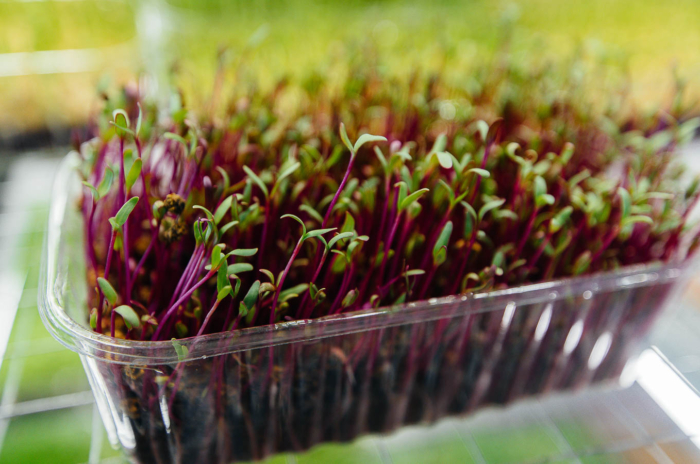
Some beet species are used for animal fodder. Others are used in the production of sugar instead of sugarcane. Some forms are cultivated for their leafy greens and stems as food. Beet microgreens are delicious. And, of course, the roots can be quite delicious too.
Altogether, beets are economically the most significant crop of the Caryophyllales order. This order includes cacti, carnations, ice plants, amaryllis, many carnivorous plants, and all forms of beet plants.
Five different groups of cultivars are recognized among beets. Those are:
- Altissima group (Beta vulgaris subsp. vulgaris var. altissima) or sugar beets: Originated in Germany in the 1700’s. Generally raised to produce sugar instead of sugarcane.
- Flavescens group (Beta vulgaris subsp. vulgaris var. flavescens) or swiss chard: Believed to come from the Mediterranean, although the “Swiss” name is confusing. Excellent leafy green vegetable.
- Cicla group (Beta vulgaris subsp. vulgaris var. cicla) or spinach beet / swiss chard: Originates in the Mediterranean, another popular leafy green vegetable which forms in a head similar to cabbage.
- Crassa group (Beta vulgaris subsp. vulgaris var. crassa) or mangelwurzel: Claimed to have been widespread throughout the UK, Ireland and Scotland. Edible to humans when young, but generally grown as animal fodder.
- Conditiva group (Beta vulgaris subsp. vulgaris var. conditiva) or beetroot / garden beet: Its origins are hard to place but range from the UK through eastern Europe. This is what is most commonly called the beet when referring to vegetables, and produces both leafy greens and edible roots.
As this family’s so wide, I’m going to stick to the Conditiva cultivar group for today’s focus. But I’m sure I’ll revisit mangelwurzels and sugar beets in the future!
Recommended Beet Varieties

Beets come in three basic color ranges: golden, white, or red.
By and large, the majority of beet roots are red to purplish-red in coloration. Rich in the natural compound betanin, people grow beets of this kind for dyes and food coloring as well as for eating.
Most of the red beet varieties have a bit of red or purple extending up the stem. A few even have purple veins in the leaves.
Golden and white beets do not “bleed,” as the level of naturally occurring betanin is much lower. You won’t need to worry about your cutting board turning pink or your clothes getting stained. Many people who want a lighter flavor grow beets in the golden category.
Golden beets often have yellowish stems to match the inside of the root. White beets tend to be pale or albino-looking, with lighter-colored leaves and stems.
Red Beets

- Early Wonder: 45 days. 3-4″ deep red beets with tall, glossy greens that are great for eating. Pickles well.
- Merlin: 48 days. Hybrid which produces round roots 3 inches in diameter packed with high sugar content. Good resistance to leaf spot & fungi.
- Boro: 50 days. Cercospora-resistant! Smooth red skin, very round shape. Large healthy foliage.
- Red Ace: 50 days. Rapidly growing beets with uniform roots, sweet and tender even when older. Good greens for bunching.
- Ruby Queen: 55 days. Early-producing beet that performs well in poor soil. Canning industry favorite.
- Chioggia Guardsmark: 55 days. Medium-height tops with pink-striped stems. Beet root is also striped and looks like a red and white target!
- Crosby’s Egyptian: 55 days. Introduced to the US in 1869. Tender flesh, good flavor.
- Detroit Dark Red: 56 days. 1892 heirloom variety producing 3″ round beets. Cold-hardy and can germinate in as low as 40-degree soil temps.
- Bull’s Blood: 60 days. Red-purple tops over a similarly-covered root. Popular for microgreens or beet roots 2-3 inches in diameter.
- Burpee’s Red Ball: 60 days. Classic Burpee variety. Great flavor, very adaptable to various weather conditions.
- Cylindra: 60 days. Also called Formanova. 1880’s heirloom, cylindrical and 6-9″ in length. Dark red. Easy slicing and peeling!
- Crapaudine: 60 days. Elongated carrot-shaped roots with rough, barklike skin and deep red-black flesh. Very old heirloom.
- Falcon: 60 days. Developed for hot condition growing. Resists bolting, greens are vigorous. Excellent texture & flavor.
- Moulin Rouge: 60 days. Deep wine-purple to wine-red color. Perfect for baby beets 1 to 2 inches in diameter. Beautiful greens.
- Lutz Green Leaf: 65 days. Can reach sizes of 6 inches in diameter without getting pithy or woody! Fuschia-veined greens, good storage root.
- Okragly Ciemnoczerwony: 65 days. Old Soviet Union variety used for borscht and similar dishes. Superb storage beet. Extremely dark red.
Golden Beets

- Boldor: 51 days. Orange-colored root exterior with vivid golden flesh. Yellow-stemmed light-green tops. Very tasty. Juices well.
- Golden: 55 days. 1820’s heirloom. Doesn’t bleed or stain! Rich golden-yellow flesh with tasty greens.
- Burpee’s Golden: 55 days. 1940s-era beet with a sweeter, mild flavor. Taproots 2 inches in diameter. Really popular beets in the garden.
- Touchstone Gold: 55 days. Leaves and stems are green, with a vibrantly-golden root interior. Good germination.
White Beets

- Albino: 55 days. Heirloom from Holland. Pure white, smooth and round root. Greens also tasty. Can be used for sugar-making!
- Avalanche: 55 days. Snow-white roots, super-sweet, 2-3″ diameter. Tops are pale green stemmed with medium-green leaves. No bleeding!
Planting Beets
Subscribe to the Epic Gardening Podcast on iTunes or Spotify

This doesn’t have to be a chore. In fact, once you’re familiar with the process, you’ll wonder why it took you so long to try growing beets!
When growing beets, it’s important to take into consideration the weather conditions. Grow beets in cooler temperatures. They are often planted in the fall or spring months and can make great companions for other crops.
In the fall, you can plant 8 to 10 weeks before the first expected frost. This should get you a good crop of beets in early winter.
If you live in a frost-free zone, you can plant consecutive crops every three weeks throughout the winter. Start your beets indoors and transplant them outdoors for good germination.
In the spring, plant beets as soon as the soil can be worked. Avoid very muddy conditions. You can also start your beet seeds indoors and transplant later.
Germination only occurs when the soil temperature is 50°F (10°C) or higher. If you’ll be growing beets all winter, keep that in mind!
Ideally, you will want to plant beets in a full-sun environment. You can grow beets in partial shade conditions as well, but full sun promotes healthy roots and greens.
If planting in containers, select containers that are at least 12 inches deep. This allows space for good root development as well as drainage. I like to plant beets in raised bed gardens, but you can grow beets directly in the ground. Amend your soil with compost if it’s a clay-type. Well-draining loamy or sandy soils work well.
If you’re in a Mediterranean climate, you can grow beets through the winter months. Place them in a south-facing location where sunlight can reach them all day.
When planting beet seeds, sow your beet seeds one inch deep and three to four inches apart if you don’t wish to thin them out. If you don’t mind thinning out some as baby beet greens to eat later, you can sow them closer together.
Thin plants to about three to four inches apart when they’ve reached two inches tall, or when they’ve developed their second pair of true leaves.
Mulching with cut grass, straw, or shredded leaf mulch helps keep your soil moist. As the weather gets cooler in the fall, it also provides needed warmth for the roots.
If you are growing beets just for the greens, you can sow much closer together. One half inch apart without thinning provides you with a good supply of greens. The large roots will not form when this close together, so keep that in mind.
Growing Beets

Beets are a fun crop to grow! People grow beets because they are some of the easiest root crops for beginners. But like all root crops, there are some tricks. Read on to discover those helpful hints.
Sun & Temperature

For the best root development while growing beets, plant in full sun. Your can also grow beets in partial shade, but they may not develop as large of a root that way.
Beets prefer cooler temperatures. You’ll grow beets best at 60 to 70°F (16-21°C) daytime temps. Nighttime lows should be 50 to 60°F (10-16°C). This makes growing beets perfect for spring or fall.
You will find that beets can tolerate colder conditions. Many varieties can tolerate temps as low as 20°F (-7°C).
When the temperature dips into chilly ranges, provide a thick layer of mulch around the roots. Floating row covers or cold frames can provide added warmth in freezing conditions.
If your beets are reaching full maturity, be mindful of the outdoor temperature. When it drops below 50°F (10°C) for over a month, mature beets may go to seed. This leaves the root woody and inedible, so harvest beets before they can put up a seed stalk.
Many beets will darken in color and become sweeter in colder conditions. This makes winter-harvested beets quite popular!
Watering & Humidity

Beets like lots of water, as they use it to make healthy greens and sweet roots. But they do not like soggy or muddy conditions, as those lead to the spread of disease.
It’s best to opt for consistent, even moisture. About an inch of watering per week works well. Pair that with mulching to keep the soil damp and prevent evaporation.
Water more if the temperature goes up, but be careful. Humidity is not your friend when growing beets! Avoid wetting the greens or splashing soil particulate onto them. Damp leaves are more prone to disease issues.
I recommend using a soaker hose or other drip-type watering system to irrigate. This prevents splashback or damp leaves. Also, proper spacing allows airflow around the greens, helping keep them protected.
In cooler weather, humidity is not as much of a concern. Cold temperatures don’t promote fungal spread.
Soil

Loamy, slightly-acidic to slightly-alkaline soils are best for growing beets. Avoid hard or clay-type soils as it will slow root development.
If you’ve got hard clay soil, prepare your soil by breaking it up. Pick out any rocks that you find, as those can act as barriers to root development. Blend in compost to loosen the soil. A little perlite to keep it draining well and aerated is good, too.
A sandier soil can work perfectly for beet development as long as it’s nutrient-dense. Compost is of use here as well, since it will keep soil nutrition up.
The pH of your soil is optimal for growing beets between 6.0 and 7.5. Try not to stray too far out of that range if possible.
Also avoid heavy cultivation around your beets. It can disturb the fine hairlike roots extending out from the main beetroot. Pull weeds carefully, but avoid disturbing the soil around the plant whenever possible.
Fertilizing

Beets are heavy feeders, but they tend to be picky!
High-phosphorous soils are important for beets. They encourage good root development and promote germination.
Good sources of phosphorous for your plants include bat guano, soft rock phosphate, and bone meal.
Potassium is also important, as it helps protect your beets from many diseases.
If you have clean wood ash from the fireplace (i.e. ash from hard or soft wood with no firelog or paper waste in it), save some. Blend small amounts into the soil to bring the potassium levels up before planting.
Warning: avoid applying wood ash if your pH level is above 6.5. It can rapidly increase the pH of your soil, making it difficult for to grow beets and other plants. Even if your pH is lower, a little goes a long way, so be cautious!
Nitrogen is where it’s tricky. Your beets will want nitrogen to promote healthy growth of their greens. Nitrogen also assists in photosynthesis, which keeps the plant strong and healthy.
But too much nitrogen in your soil will spur your beet seedlings to form only leafy greens. They won’t develop those big fat roots we love to eat!
I recommend having your soil tested prior to planting beets. This will help you to know what you need to amend your soil, and then you can use balanced fertilizers later. Even a home soil test kit is an option.
One other nutrient which is especially important to beets is boron. This micronutrient protects against black spot on the roots. Adding a small amount of borax to your beet bed can provide this nutrient.
As you grow beets, they will consume whatever nutrition you’ve worked into their soil. It’s important to side-dress with a balanced liquid fertilizer twice during the season. This provides any other nutrition they’ll need.
Propagation

Healthy beet roots require propagation from seed. If you want both greens and roots, you really have to sow your own.
Your beets will transplant well (see the transplanting segment below to learn more about transplanting beet seedlings). This allows you to start beet seeds in pots or directly in the bed.
Only interested in greens? If so, you can always save your beet root tops with a small amount of stem still attached. Place the root top in a shallow bowl of water and change the water daily. The greens will regrow, getting you one extra crop of young greens.
Pruning Beets

You don’t have to prune your beets, but you certainly can if you’d like. In fact, it’ll provide you with a regular source of fresh greens!
If you’re harvesting beets for their greens, select only outer leaves whenever possible. Never remove more than one third of the plant’s greens at a time. Allow them to grow back before harvesting from that plant again so you can continue to grow beets.
When pruning off greens, cut or twist them off an inch or more above the root. This prevents the root from losing too much of its moisture.
Transplanting

Older beets don’t transplant well. If you need to move older beets, it’s best just to harvest beets.
On the other hand, young beets transplant quite well. They’re simple to transplant once they’ve developed their second pair of true leaves.
Try to avoid disturbing the fine hairlike extensions off their taproots. You can avoid this by using a decomposable pot. Newspaper, coconut coir or peat, and other organic pots break down in the soil.
If using decomposing pots, be sure to score the sides and base of the pot to allow root development. As the beetroot swells in size, it’ll push the pot open.
Not using a plantable pot? No problem. Use a seedling cell tray and plant a single beet per cell. When you transplant, gently remove the seedling and all its soil. Plant it without disturbing the soil or root system.
Harvesting and Storing Beets
So you’ve sown the beet seeds and carefully raised your plants. Now what? Harvesting beets and planting, of course! Let’s go over how to harvest beets. I’ll also cover fresh storage and share a few popular preserving techniques.
Harvesting Beets

The first harvest is actually done when you’re thinning out your beet seedlings. Don’t throw away those baby greens! Use them on salads instead. To avoid damage to other nearby beet roots, snip the tasty beet greens off at soil level.
If you want baby beets or young beet greens, leave some of your beets in place until the roots reach about one inch diameter. Harvesting beets at this stage may include removing the whole plant at that point, leaving about one inch of stem on the baby beet root.
Fully-mature beets should be removed greens and all. Leave one to two inches of stem on the root.
There’s good reason to separate the greens from the roots when you harvest. If you don’t, the greens will continue to suck moisture out of the root, rendering it woody in texture. Leaving a short stem in place prevents “bleeding” from the root as well.
If you’d like to harvest a few greens to toss into your salad mid-season, read “pruning” for more info. Remember not to harvest more than one third of the plant at once!
Storing Fresh Beets

If you have a bounty of beets, there’s two options for storage. You can store fresh beets in the refrigerator or a root cellar.
Before storing, clip off all greens, leaving a short one to two inch stub of stem behind. Dust off any soil clinging to the beet’s surface.
Your beet greens can be stored in a sealed, zip-top bag between layers of paper towel. Press out any excess air in the bag. Store for up to two days in the refrigerator. They’re best fresh, but have a short shelf life.
Beet roots can be stored in a sealed, zip-top bag with the air pressed out. Place them in the crisper drawer of your refrigerator for up to 7 to 10 days. Cooked beets can be refrigerated for one to two days in a sealed container.
Root cellar storage is a bit different. Find a large bucket and place some dry sand in the bottom, then add a layer of beets. Continue to layer in sand and beets until your beets are all covered completely.
If you don’t have clean, dry sand, you can use fresh wood shavings. Older wood shavings should be just barely dampened before use. This prevents them from absorbing too much moisture from your produce.
Preserving Beets

There’s many different ways to preserve your beets for later use. Let’s go over those now!
Freezing your beets is definitely among the most popular ways to store them.
To prepare them for freezing, cook and peel your beets. You can cut them or leave them whole for freezing. Dry off all surfaces, then place on a sheet pan lined with wax paper. Freeze until the beets are rock-solid. Transfer to an airtight container or freezer bag.
Canning is another popular way of saving beets for later use. For beets in water, you’ll need to use a pressure canner. Beets are a low-acid food and are not safe to can on their own in a water bath.
You can increase acidity by making pickled beets using a vinegar base. If pickling your beets, you can water-bath can these for later use!
Dehydration or freeze-drying is also popular. If you’re making beet chips, cook the beets first, then slice and dry. For storage of beets to add to soups and stews later, you can dry them raw or cooked.
Troubleshooting Beet Problems
Subscribe to the Epic Gardening Podcast on iTunes or Spotify
Determining problems while growing beets is pretty straightforward. Here’s what to look for.
Growing Problems

Outside of pests or diseases, the most common beet problem is black heart. Sometimes called beet black spot, it’s caused by a deficiency of boron in the soil. Black and woody spots will form on and into the root.
These spots need to be cut out before eating, as they’re woody and unappetizing. You can add small amounts of Borax to your soil to improve the boron level prior to planting to prevent this. Once planted, use a seaweed extract or add compost to try to improve boron levels.
Pests

Quite a few pests can become problematic while growing beets. Here’s a short list of which ones are likely to appear and how to get rid of them!
Two of the most dangerous pests are disease-spreaders. Aphids and leafhoppers both zero in on the lush beet greens as a prime food source.
When battling aphids and leafhoppers, it’s relatively easy to eliminate them. Spraying all surfaces of the leaves and stems of your beet greens with neem oil keeps these pests at bay.
A bit trickier to defend against are leaf miners. The larvae of pests cause maze-like trails to appear on leaves as they feast upon tender plant tissue.
Since the larvae are encapsulated in the leaf’s surface, prevention is best. Neem oil can also assist with keeping adult leaf miners at bay. For a stronger option, opt for a spinosad spray.
Two types of nematodes cause damage to the roots. The beet cyst nematode is the worst, as it causes stunted beet plants and cyst-infested roots. Yellowed and wilted foliage can also occur. But root knot nematodes also cause yellowing and wilting, especially in hot weather.
Battling nematodes must be done at the soil level. I recommend introducing beneficial nematodes to your soil. These helpful nematodes will kill off the harmful ones and keep your plants safe.
Finally, three types of beetles may also come to visit.
Both flea beetles and Mexican bean beetles will skeletonize the leaves of your beets. Little leafy material will be left behind!
Spinosad sprays are somewhat effective against these. I prefer pyrethrin sprays, as they works more quickly.
Finally, darkling beetles may feed on the stems and young beet seedlings. The larvae of these beetles are mealworms, a favorite food of chickens! If you have chickens, your darkling beetle population will be almost negligible as they’ll gobble them up.
No chickens? No problem. Darkling beetles are susceptible to both sprays mentioned above. And all three of these beetles can be deterred with neem oil on all above-ground plant surfaces.
Diseases

Purplish-red spots are the first sign of cercospora leaf spot. These spots will eventually turn brown, dry out, and fall out of the leaf, leaving them riddled with holes.
You can fight this fungal leaf spot with OMRI-certified organic spray that contains bacillus subtilis, a bacteria that stops spore development. Remove damaged leaves if possible.
Damping off causes seedling collapse and withered roots. It can also look as though the seedling’s stem has been chewed through by a pest. Rhizoctonia and pythium fungi are to blame for this disease.
Copper fungicides are effective against damping off. Once mixed with water, they’re sprayed onto foliage to prevent fungal development. This won’t cure plants that are already damaged, and those should be removed.
Fusarium is another fungal disease that causes yellowing and root rot in beets. Copper fungicide is again useful as a preventative here, but fusarium is more insidious. It can dwell in the soil for years after forming. Prevention is important with this disease!
Aphanomyces root rot often strikes sugarbeets, although it’s less common in beets in the garden at home. This causes watersoaked lesions along the large beet root. It’s caused by a waterborne pathogen that is an oomycete, and can be difficult to fight.
Early field studies are showing that spent lime, a byproduct of the sugarbeet industry, may be of use. Lime, or calcium carbonate, is used to purify sugarbeet juice before making sugar. The spent lime is then worked into the fields to reduce aphanomyces outbreaks.
Use of lime in your gardens may help prevent this form of root rot, but it will also change your soil pH. If you’re not growing beets that are sugarbeets specifically, you’re unlikely to encounter aphanomyces.
Powdery mildew and downy mildew are both common on beet greens. Powdery mildew creates a whitish, dusty growth on the leaves. Downy mildew causes fuzzy grey spores to grow on leaves.
Both forms of mildew have one easy solution. Spraying with copper-based fungicide eliminates these diseases. Neem oil can act as a preventative.
Bacterial leaf spot causes yellow to brown splotches on leaves. Another bacterial problem, scab, causes grey, white or tan spotting on roots.
These bacterial diseases can be treated using Bacillus subtilis. Leaf spot is preventable with application of neem oil, but scab is more insidious. Avoid dry soil conditions to prevent scab development.
Finally, there are a pair of viruses which beets are susceptible to.
Beet curly top is spread by the beet leafhopper. This disease causes leaves to crinkle and curl inward. It also causes yellowing or leaf discoloration, and may stunt leaf & root growth.
Beet western yellows virus is transmitted by aphids. This virus creates yellowing between the veins on leaves and sometimes reddish-brown spotting. Leaves may take on a rusty look, thicken, get leathery or brittle.
In both viral diseases, there are no cures currently available. Preventing pests that spread these diseases is essential. Removing weeds that may harbor the diseases will also help keep them from occurring.
Frequently Asked Questions
What is beeturia, and is it dangerous?
Not dangerous in the slightest bit! Red beets naturally contain a naturally-occuring compound called betanin. It’s has become popular as a food colorant and flavoring. Any color in stool or urine after eating beets is just a sign that you ate them or something with a beet extract in it.
What month do you plant beets?
Generally you want to plant beets as a cool crop in either early spring, or mid-summer through late fall, depending on the region in which you live. For fall harvests, colder regions should plant in summer, and warmer ones can plant later.
How long does it take to grow a beet?
Depending on cultivar, you’re looking at 45 to 75 days from beet seed to grow beets.
How many beets will one plant produce?
Each beet seed that germinates produces one beet.
Do beets grow back every year?
When you grow beets, you are growing beets as annuals. Therefore, once you pull, the plant is done.
Can I plant beets in March?
You can grow beets beginning in March! For a spring crop, begin planting beets in March as soon as the soil is warm enough for working.
Do beets need full sun?
They grow best in full sun but can take some shade. If you want to grow beets specifically for beet greens, shade is no problem.
What is the best fertilizer for growing beets?
The best fertilizers for growing beets contain higher amounts of phosphorus and potassium. These help you grow beets by assisting in root development and bulb growth.