The Ultimate Guide to Growing Raspberries
Growing raspberries at home allows you to enjoy the sweet and flavorful fruits at their peak. Join farmer Briana Yablonski to learn how to grow these perennial berries in your garden.


Contents
Adding fruit-bearing plants to your garden adds a new layer of enjoyment to time spent outside. Biting into a freshly picked carrot or tomato is rewarding, but tasting a sun-warmed raspberry straight from the plant? That’s an entirely new layer of bliss.
Growing raspberries at home comes with many perks. Since these flavorful fruits are notoriously perishable, they’re often squished or expensive at the store. However, when you grow them at home, you can eat the berries moments after harvesting!
Since raspberries are easy to grow for beginners, planting once allows you to enjoy berries year after year. Not sure which raspberry variety to choose or where to plant it? Don’t worry—I’ll cover all you need to know about planting and caring for raspberries.


Raspberry Overview

|
Plant Type
Perennial
Family
Rosaceae
Genus
Rubus
Species
varies
|
Native Area
Europe, Asia, and North America
Exposure
Full sun to partial shade
Height
Four to five feet
Watering Requirements
Moderate
|
Pests & Diseases
Raspberry rust, anthracnose, botrytis, powdery mildew, spotted wing drosophila, Japanese beetle
Maintenance
Low to moderate
Soil Type
Rich and well-draining
Hardiness Zone
3-9, varies slightly by cultivar
|
What Are Raspberries?

Raspberries are perennial plants in the Rubus genus. This group also includes brambles such as blackberries, wineberries, and dewberries. Although there are multiple species of raspberries, many of the cultivated varieties are Rubus idaeus, Rubus strigosus, or hybrids of these two species.
All of these plants are perennials that form long branches called canes. Although the plants’ roots are perennial, the canes often live for only one or two years. The canes produce clusters of white flowers in the spring or summer, followed by bright fruits.
Although it’s easy to assume raspberries are berries (it’s in the name, after all), their fruits are actually aggregate fruits. Each ‘berry’ is actually composed of many small fruits called drupelets.
Types of Raspberries
When it comes to selecting beginner-friendly raspberries to grow in your garden, there are a few factors you can use to differentiate cultivars. Keep these factors in mind when looking at varieties.
Primocane-Bearing vs. Floricane-Bearing

Raspberries produce two types of canes: primocanes and floricanes. Primocanes refer to canes that emerged that season, while floricanes refer to canes that are in their second year of growth. Some varieties produce fruit on the primocanes, and others only produce fruit on floricanes.
Primocane-bearing varieties are also known as fall-bearing or ever-bearing raspberries. They typically fruit in late summer and into fall, but some varieties may produce a crop in early summer and another in late summer.
Gardeners also refer to floricane-bearing varieties as summer-bearing or June-bearing. The plants produce flowers on canes that have overwintered, and the fruit often ripens in June or July. These plants require a more robust trellising system than primocane-bearing varieties.
Fruit Color

Red raspberries are the most common, but you can also find purple, gold, and black varieties. These varieties differ in both flavor and color.
Beginner-Friendly Raspberry Varieties
Raspberry cultivars differ in growth habit, fruit color, hardiness zone, and disease resistance. Here are a few beginner-friendly raspberries to try growing at home.
‘Heritage’

This everbearing raspberry produces fruits on primocanes, so you don’t have to worry about elaborate staking and trellising. You can cut the canes to the ground in the fall, let new growth appear the following spring, and enjoy delicious red fruits from early summer through fall.
The plants often fruit in their first year of growth, so you don’t need to wait to enjoy ripe raspberries. ‘Heritage’ grows well in zones 4 through 8.
‘Joan J’

A thornless primocane raspberry, ‘Joan J’ produces firm, red fruits in the early summer and again in the early fall. The fruits have a lower moisture content than other raspberries, so they store longer while still providing a desirable juiciness. They are hardy to zones 3 through 8.
‘Fall Gold’

If you want to step away from red raspberries, the beautiful peachy-gold ‘Fall Gold’ berries are a good place to start. The plants are everbearing and grow well in zones 3 through 8. The plants only grow a few feet tall and wide, they work well for small gardens.
When and Where to Plant
Most raspberry plants are hardy to zones 4 through 8, and some varieties can also grow well in zone 3. That means if you live in the contiguous United States, you can probably grow raspberries! However, growers in the Deep South and northern Midwest may not be able to provide the ideal conditions.
Once you decide if raspberries will thrive in your growing zone, it’s time to pick a suitable variety and get to planting.
Choosing a Planting Site

Raspberries grow best in an area with at least eight hours of direct sunlight. They can grow well in partial shade, but expect fewer flowers and fruits.
You should also look at the soil. Avoid areas with compacted or constantly wet ground, and look for good drainage. Even if you don’t plan on conducting a soil test, determine the pH. They grow best at a pH between 5.5 and 6.5, so adjust the pH before planting, if necessary.
Raspberries grow at least four feet tall and three feet wide, so make sure your plant has room to spread without encroaching on other plants.
Bare-Root vs. Container-Grown Plants

You have two main options when it comes to planting raspberries: bare-root and potted plants.
Bare-root plants are dormant, so you should plant them when the ground is thawed and the trees are dormant. Fall and spring plantings can both work well. These plants are often less expensive than container-grown options and hold up well in shipping.
Container-grown plants are actively growing, so they’re more sensitive to cold temperatures. Therefore, you should wait to plant until after the last spring frost occurs.
When to Plant

As I mentioned above, the ideal planting time depends on whether you’re growing a bare-root or potted plant.
Bare-root plants can be planted in the ground in the fall and spring in mild climates; however, spring planting is recommended if you live in zone 7 or below. Plant after the soil thaws but before your last spring frost.
Plant container-grown raspberries in the spring after the last frost has passed. These plants are actively growing, so they’re sensitive to cold damage.
How to Plant

Once you’ve found a good growing site and established it’s the right time to plant, it’s time to prepare your soil. First, ensure it’s well-aerated and well-draining. If the ground seems compacted, you can loosen it with a digging fork or shovel. Mixing well-aged compost into the top six inches will also help improve the soil.
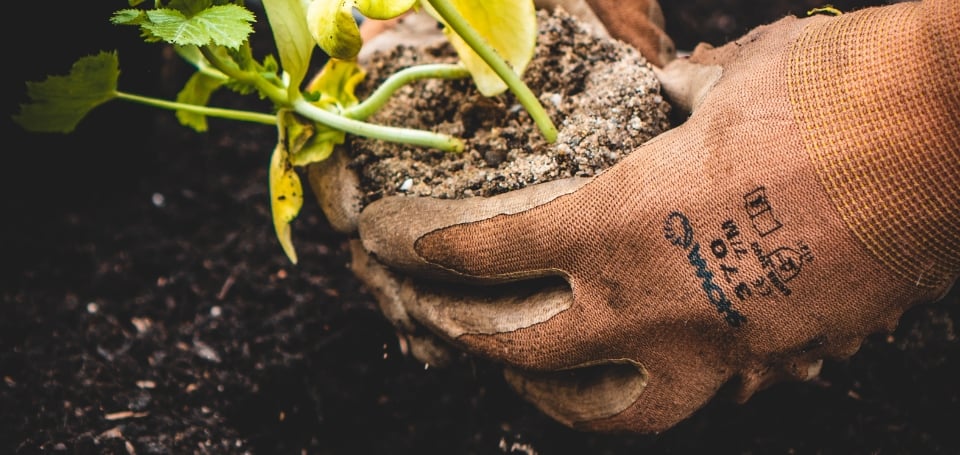
Space the plants two to three feet apart to allow for adequate room and airflow. Dig a hole that’s as deep and wide as the plant’s root ball or root system. Try to avoid wrapping the roots around in the hole; instead, dig a wider hole and spread the roots out.
If you’re working with a potted plant, you may need to loosen wrapped roots from the sides of the container. Trimming extra-long roots is okay and preferable to tightly circling them around the hole.
Ensure the crown of the plant (the spot where the roots connect to the cane) is one to two inches above the ground. Fill in the hole with soil, then gently tamp it with your foot. Water well and mulch with wood chips, straw, or another organic material to keep in moisture and prevent weed growth.
Plant Care
After your plants are in the ground, you’ll need to provide the same care you offer to many other plants: maintaining adequate soil moisture, keeping weeds under control, and fertilizing as necessary.
Watering

Raspberry plants require a moderate amount of moisture during the growing season. Maintain moist soil around newly planted canes so the plants can establish themselves. Once the plants settle in, plan to provide about one inch of water per week.
Drip irrigation is ideal since it keeps plant leaves dry and delivers water directly to the base of the plants. You can set up a drip irrigation system using drip tape and headers, or use a soaker hose to moisten the soil.
Weed Control

Weeds can quickly compete with raspberry plants, and removing weeds from between the canes is an unpleasant job. Adding mulch around your plants is one way to keep weeds at bay and reduce your workload.
Apply two to three inches of wood chips, straw, or leaf mulch around the plants in the spring. These materials will help prevent weeds and conserve moisture, but they won’t prevent the raspberry canes from breaking through the soil. You may still have to pull a few weeds, but you’ll deal with fewer unwanted plants.
Fertilizing

Raspberry plants are light feeders, so you don’t have to apply much fertilizer to keep them healthy. Adding a small amount of balanced fertilizer each spring will provide the plants with the nutrients they need throughout the growing season. You can also add a small amount of microbially-rich compost or worm castings to boost the soil life and make organic nutrients more available to your plants.
Avoid applying high-nitrogen fertilizer. These products often spur the plants to develop lots of lush, green growth but few flowers and fruits.
Trellising

You don’t have to trellis raspberry plants but a support system transforms a mess of sprawling canes into tidy, upright plants that are easier for beginner growers. This simplifies harvesting, improves airflow, and decreases disease. Pruning is especially recommended for floricane-producing varieties.
There are many beginner-friendly ways to grow raspberries on a trellis, and one way isn’t necessarily better than the other. Your budget, number of plants, and space all help determine the best method for you.
Here are a few ways you can trellis your raspberry plants.
- T-posts and wire: Place two t-posts on either end of your raspberry row, spacing the posts one foot apart. Add a few layers of wire or twine between the t-posts to box in your raspberry plants.
- Cattle panel: Place a cattle panel along one side of your raspberry plant(s), leaning the panel at a slight angle. This works great if you’re growing your berries next to a fence. Encourage the plants to grow against the panel, and tuck in canes as necessary.
- Arbor: If you only have a single raspberry plant, you can train it to grow up an arbor. Gently tie the canes to the arbor as they grow.
Pruning

Pruning helps maintain healthy plants and leads to large harvests. However, pruning the incorrect way or at the wrong time of year can harm your plants.
Before you start pruning, note whether your plants are primocane-bearing or floricane-bearing. Each type requires a different type of pruning, so it’s essential to know which one you’re growing.
Primocane-bearing varieties can be pruned or mowed all the way to the ground in the late fall or winter. Yes, all the way! The plants will store energy in their root system over the winter and send up new canes in the spring. These canes will then produce flowers and fruit in the same year.
Floricane-bearing plants are a bit trickier to prune, but the process is still pretty simple. Wait until late fall or winter to begin the process. First, locate the second-year canes (floricanes) that produced fruit, and prune them to the ground. Leave the primocanes, only removing them if there is more than one every six inches.
Common Pests and Diseases
Unfortunately, raspberries are prone to numerous pests and diseases that can be challenging for beginner growers. However, knowing what to look out for can help prevent these issues from becoming severe.
Spotted Wing Drosophila

A small fruit fly, the Asian spotted wing drosophila (SWD) was first noticed in the continental United States in 2008. Since then, it’s wreaked havoc throughout the country. Unlike many fruit flies, this pest lays its eggs on ripe rather than rotting fruit. Soft fruits like raspberries are a prime target.
When the eggs hatch, the small larvae begin feeding on the fruits. While small larvae may go unnoticed, larger ones can cause a wrinkled or cratered appearance.
The best way to control the pests is by trapping them with vinegar traps. Fill a small cup with apple cider or red wine vinegar, cover it with a lid, and poke small holes near the top of the cup. The flies will enter the trap and be unable to find their way out.
Japanese Beetle

A common pest of many garden plants, the Japanese beetle likes to feed on raspberry leaves and flowers. These green and brown beetles overwinter in the ground as grubs and sometimes seem to emerge as adults overnight. Therefore, it’s important to watch for their emergence.
If you see the beetles, you can hand-pick them from your plants and place them in a bucket of soapy water. Completing this process daily will help prevent them from causing serious damage.
You can also take preventative measures to kill the underground grubs. Beneficial nematodes and milky spore powder are both effective at treating the grubs. Applying these products in the fall or spring will yield the best results.
Raspberry Yellow Rust

Caused by the fungus Phragmidium rubi-idaei, raspberry yellow rust is a disease that impacts the foliage of raspberry plants. The first symptom is yellow spotting on the leaves in the spring or summer. The fungus then eats through the leaves until it appears on the undersides. Infected plants may experience fruits that die on the plants, and leaves often fall off the canes.
Prevention is the best way to deal with this disease. Remove fallen leaves and canes, rather than leaving them in the garden, and prune as necessary to increase airflow.
Anthracnose

A common garden disease, anthracnose refers to a group of symptoms caused by many different fungi. Anthracnose on raspberries is caused by the fungus Elsinoe necator. The pathogen often infects the canes, leading to purple spots that eventually develop concave interiors. Severe infection can lead to dead canes.
Anthracnose is difficult to treat once it occurs, so aim to prevent it by choosing a sunny location with good airflow and well-draining soil. Use drip irrigation rather than a sprinkler, and remove any crowded canes and weeds that limit airflow.
Botrytis

Also known as gray mold, Botrytis cinerea is a common and potentially detrimental raspberry disease. It infects the fruits, causing healthy berries to become covered in a fuzzy, gray mold that renders them inedible. Botrytis is most likely to occur in cool and wet environments.
You can help prevent botrytis by using drip irrigation and maintaining good airflow around your plants. Although you can’t save infected berries, you can prevent the fungus from spreading by spraying your plants with a biofungicide.
Powdery Mildew

When powdery mildew infects raspberry plants, the leaves, canes, and/or fruit become coated with a fine layer of white powder. Although a minor infection isn’t a big concern, a severe outbreak can stunt plant growth and reduce yields. Since spore germination is highest during warm, moist conditions, keep an eye out for the disease on rainy, spring days.
You can help prevent powdery mildew by planting raspberries in full sun and using drip irrigation. Some cultivars also have resistance to the disease, so look for these if you’ve experienced powdery mildew in the past.
If you spot powdery mildew, you can spray your plants with a biofungicide like Bacillus subtilis. When the weather dries, the infection often goes away.
Harvesting

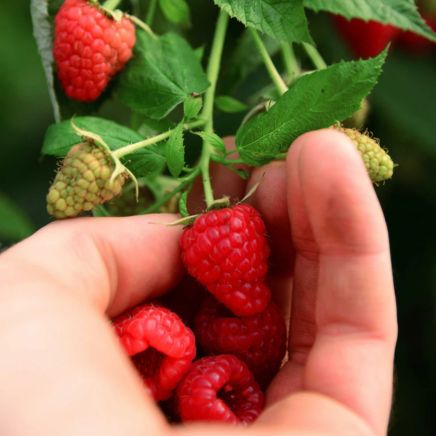
Raspberries are fragile fruits, so harvesting when they’re ripe but not overripe is key. Look for berries that are deep in color and easily free from the plant when you pull them. Not all the berries ripen at once, so check the plants every few days.
Since the fruits are fragile, they easily crush when stacked. Using a shallow, wide container will limit damaged fruits. After you pick your berries, place them in the refrigerator without washing.