How to Use Greensand in the Garden
Greensand, or glauconite, is an incredible organic soil conditioner. When applied correctly, it boosts soil health and by extension, your garden plants. Epic Gardening Founder Kevin Espiritu explains what greensand is and how best to use it.

Contents
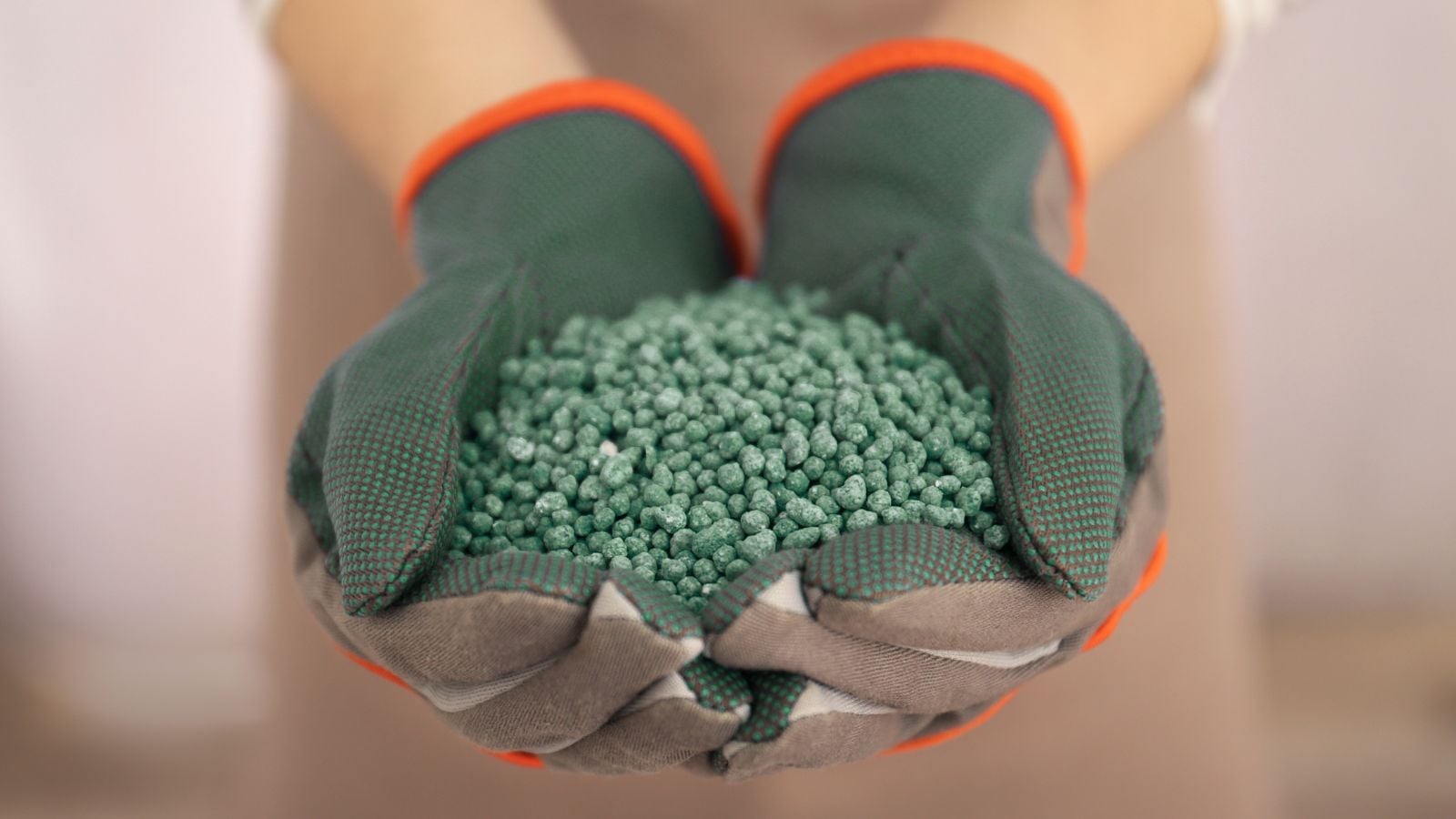
Glauconite greensand is an incredible inorganic soil amendment for your garden. It’s a mineral that formed in prehistoric times in anaerobic ocean environments. It’s a popular amendment for your raised beds, adding benefits as it accumulates in your soil.
When properly applied, greensand will boost your garden’s soil health, helping you get the results you want from your garden. Whether you use it to condition your soil seasonally or you’re preparing a planting site, as long as you use it correctly, you’ll notice a difference.
What is greensand, and how do you use it? Find the answers below, as well as the benefits it can provide to your garden.
What Is Glauconite Greensand?
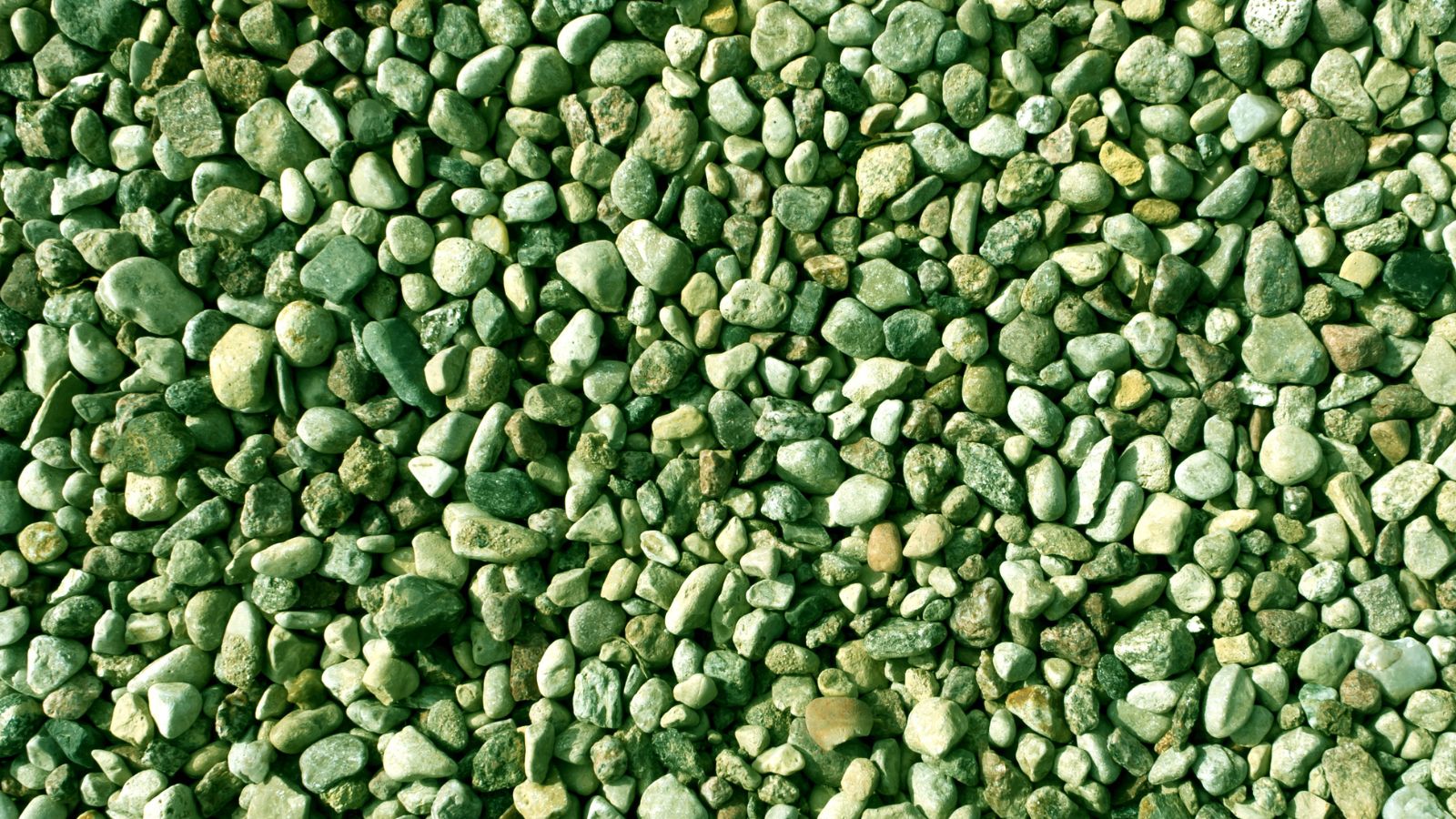
In North America, greensand is mined from deposits of glauconite in many areas, including New Jersey, Delaware, Maryland, and Virginia. These deposits are remnants of freshwater marine environments that date back to the late Cretaceous period. Its composition is iron-potassium silicate (a conglomerate of minerals left from many years ago).
Greensand occurs all over the world, with significant deposits occurring in the British Isles. Here, deposits are separated into upper and lower greensands, and have different geographical locations.
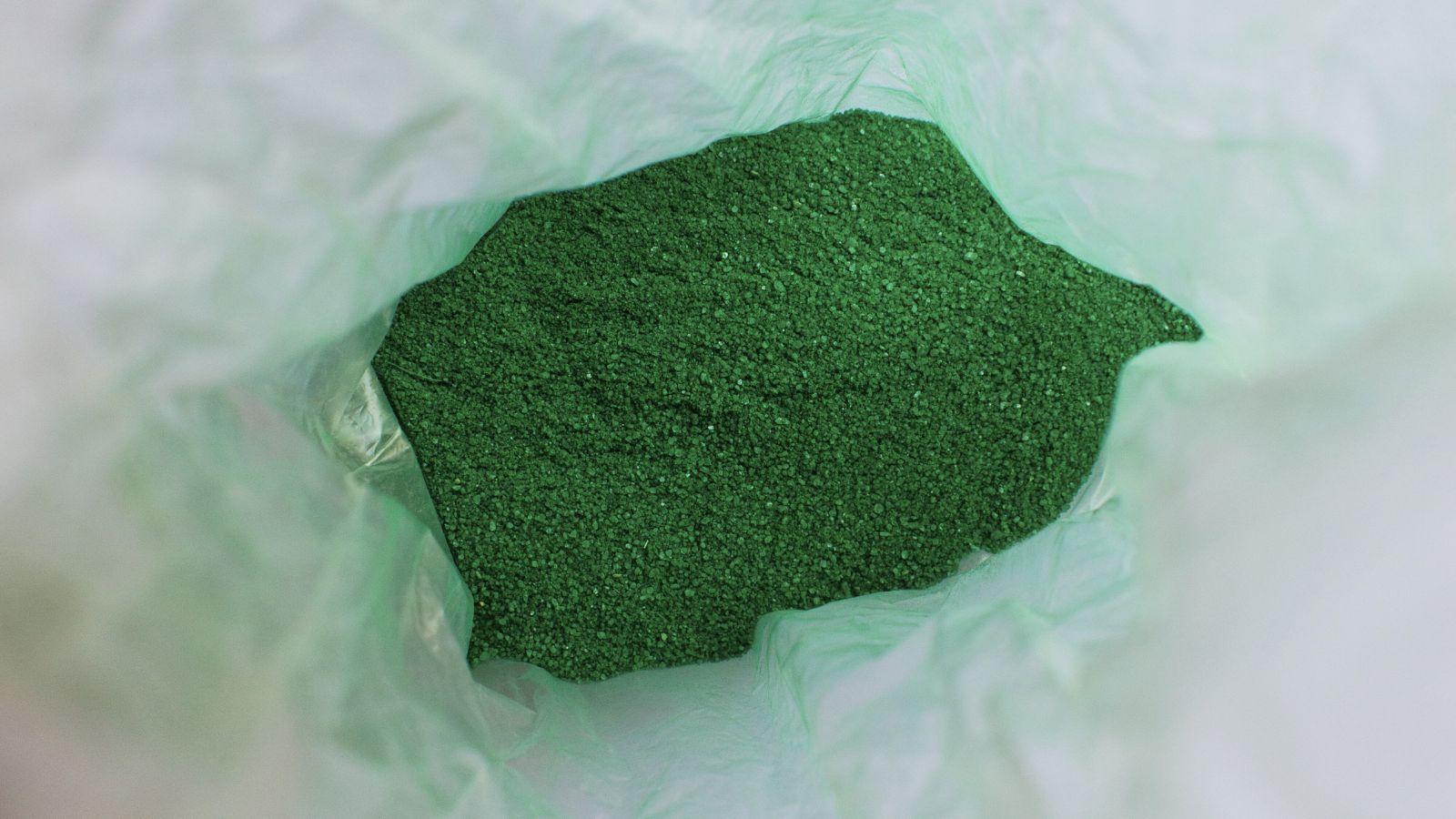
Deposits of iron, potassium, lime, silicates, and over 30 other trace minerals at the bottom of stagnant pools of water compressed to form the rock known as greensand, which is mined and processed for use in the garden. It’s easily crumbled, thus the name greensand stuck due to both the texture and color of the mineral.
Manganese greensand filters have been produced for water treatment of hard water, removing hydrogen sulfide, iron oxide, hydrogen sulfide, and arsenic. The elimination of these minerals is known to soften hard water through various chemical exchange properties.
That’s why greensand is not actually sand, but an amalgamation of minerals that have a structure that is sand-like. In fact, it is instead clay made up of iron-potassium silicate.
Benefits of Greensand
Unlike actual sand, greensand helps retain water and nutrients. It’s estimated that it holds around one-third of its weight in water, making it a fantastic remedy for heavy clay soil or sand. This improvement to the soil directly relates to better plant health.
Here are more of the many benefits that greensand provides:
- Improves the soil’s ability to hold both moisture and nutrients
- Improves soil structure by increasing cation exchange capacity (CEC)
- Eventually breaks down and becomes a bioavailable source of potassium permanganate, water-soluble iron, and trace minerals like phosphoric acid, manganese, and calcium
- Helps loosen soil structure in clay soil texture as well as sandy soils, and in turn can improve moisture retention
- Helps increase root growth as it improves soil structure
How to Use Greensand
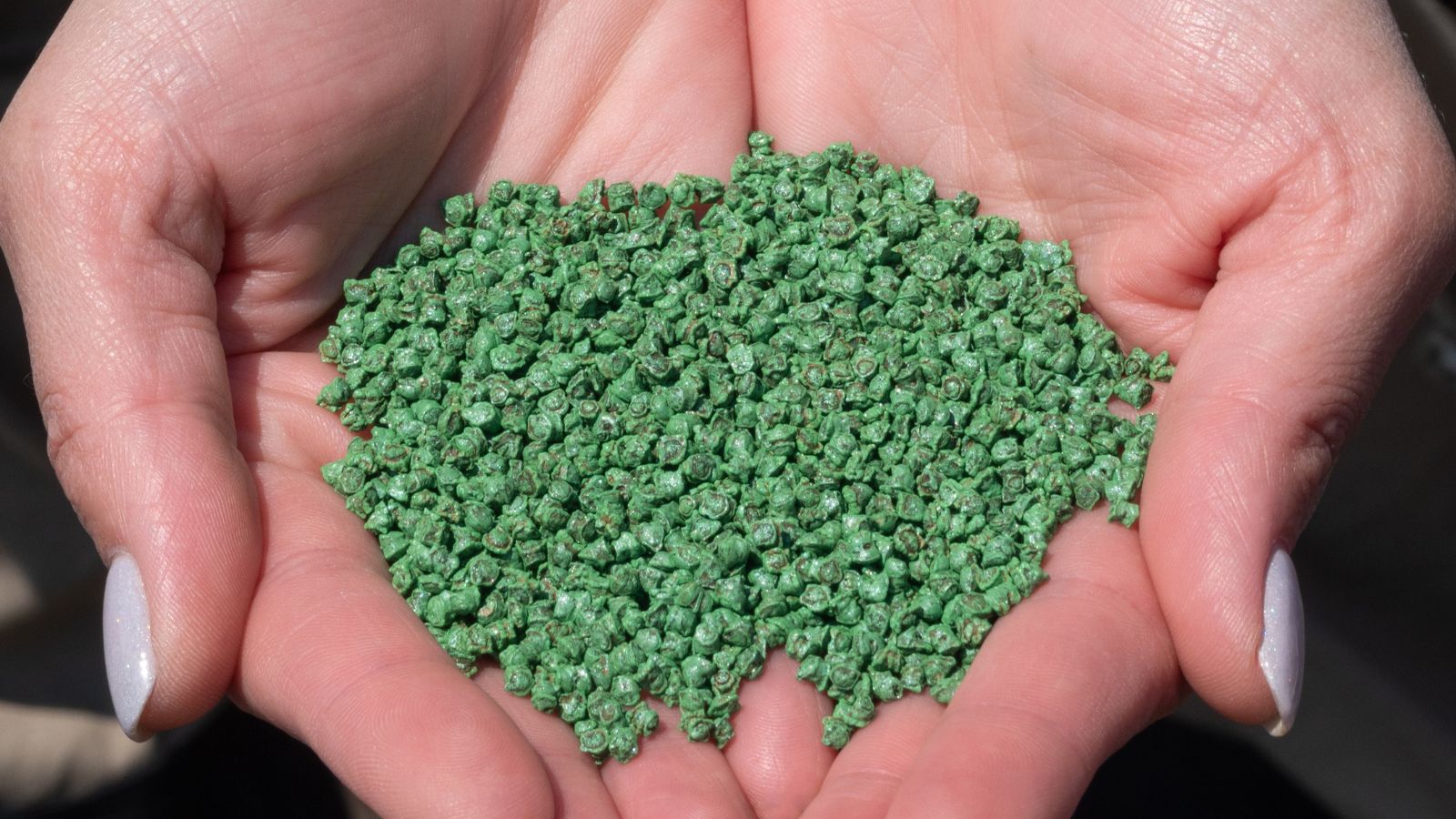
Green sand is best applied in early spring to boost plant health, as the slow-release marine potash within it takes time to become bioavailable. For all applications, mix into the top three to six inches of soil.
- Trees: Work 1-2 cups of greensand into the soil around the base of the tree
- Lawns: Use a broadcast application of 10-20 pounds per 1,000 square feet
- Flowers and Vegetables: Apply 25-30 pounds per 1,000 square feet
- Container Plants: 2-3 tablespoons per gallon of high-quality potting soil
- Broadcasting: Heavy applications of 50-100 pounds per 1,000 square feet for poor soil
After the first year of amendment, you should use less. Around one to two pounds per 100 square feet is a good recommendation, provided your soil needs amending at all.
While application of greensand to your potted plants is possible, it’s only useful to improve soil condition, as its slow-release nature won’t break down quickly enough to boost potassium in your houseplants. You can also add coconut coir, perlite, or vermiculite to improve your potting soil instead of greensand and have better effects.
Texas Greensand vs. Lava Sand vs. Glauconite
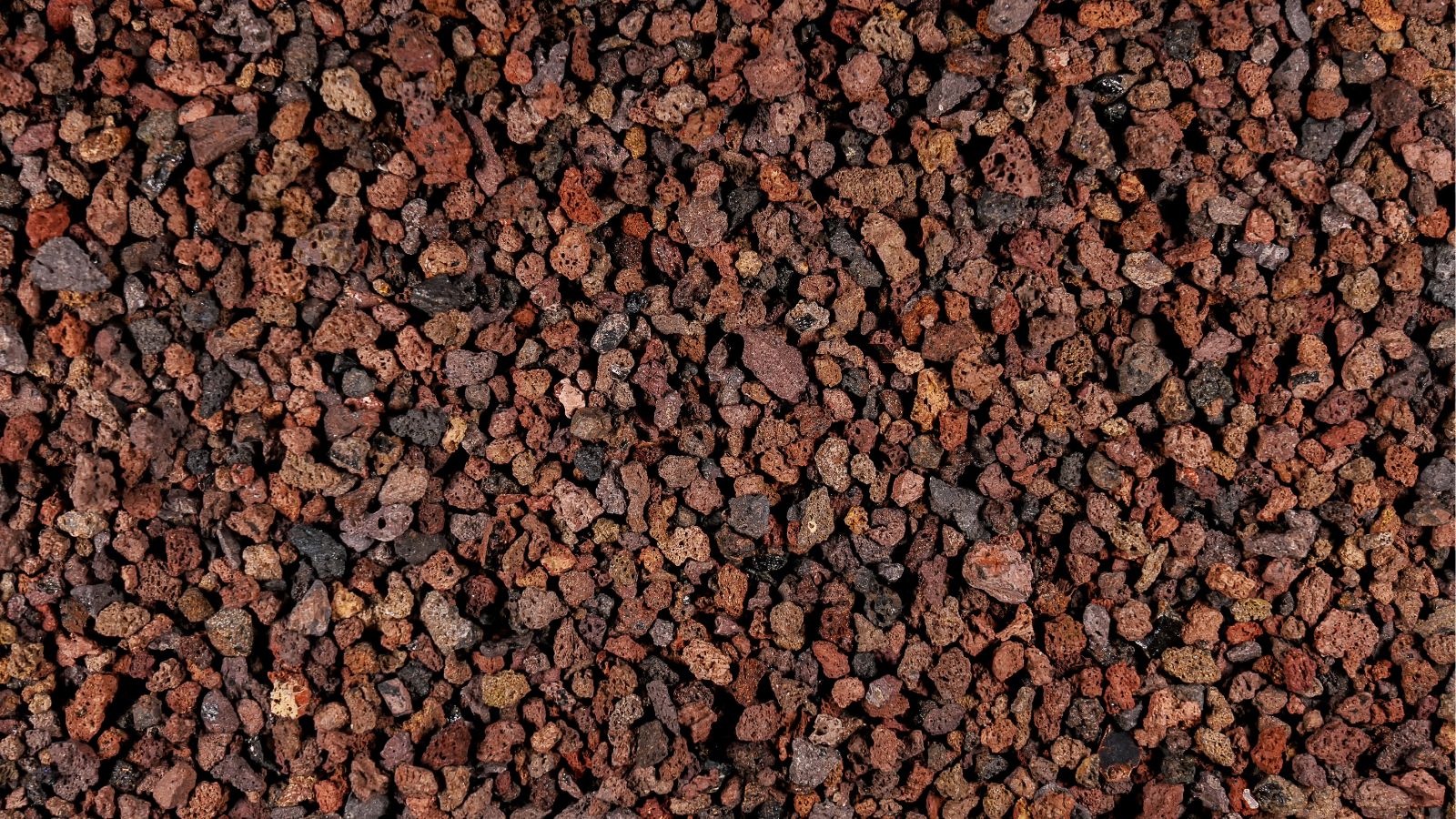
There’s a bit of confusion out there about these three soil amendments, so let’s clear it up.
Texas greensand is different from the glauconite type and has an NPK ratio of 0-2-5. Texas greensand also contains about 2% magnesium and 19% iron. It comes from deposits in the Brazos River Valley in North Texas, rather than the northeastern US. Not to mention, due to its nutrient content, application amounts are different.
Lava sand is crushed up scoria, which is a type of reddish-brown volcanic rock that is a byproduct of lava gravel mining. It also provides aeration to soil, much like glauconite greensand and Texas greensand do.
Is It Safe For Your Garden?
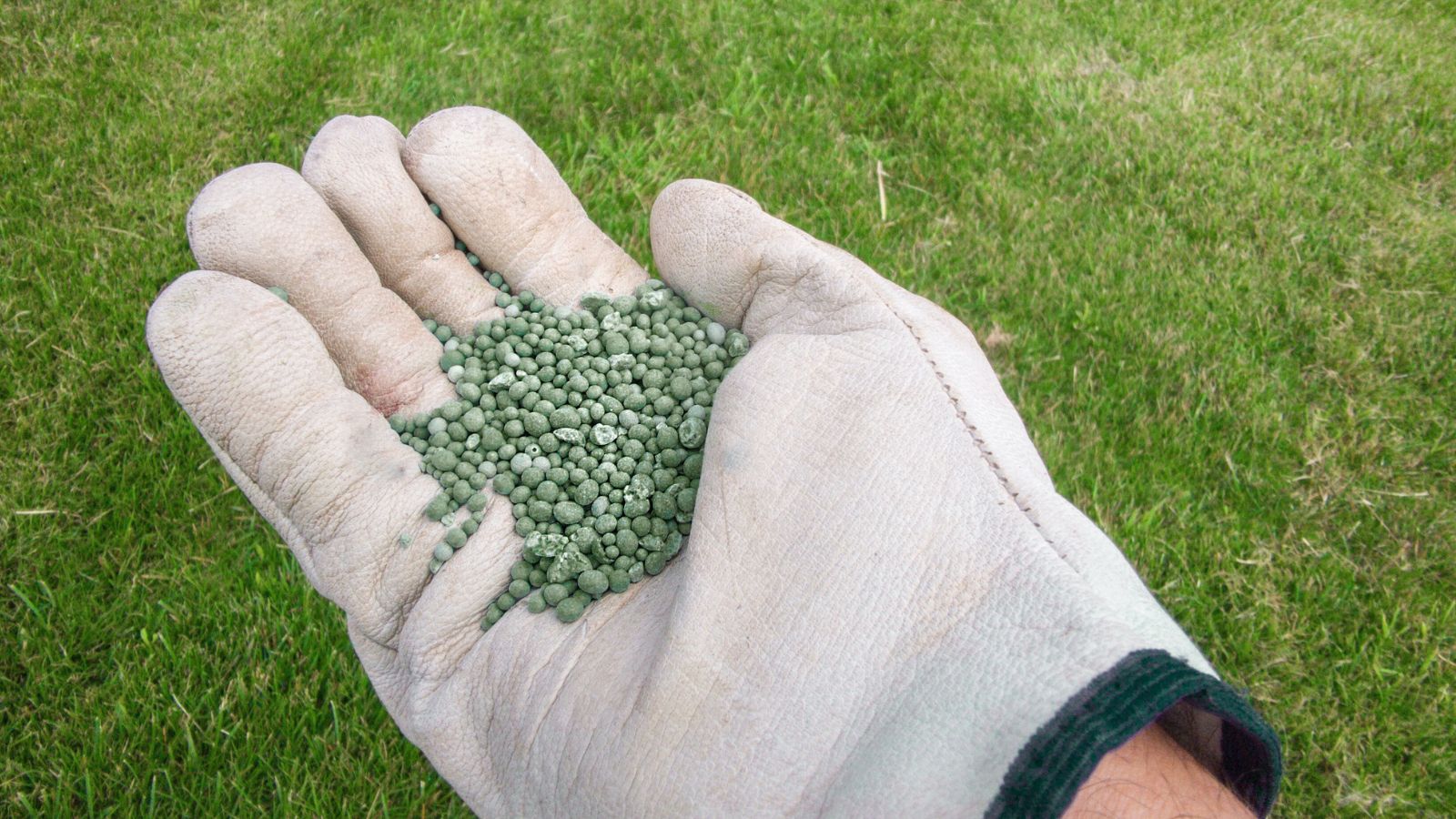
You’ll be happy to know that greensand fertilizer is completely safe to use for both yourself and your garden. You don’t need to use gardening gloves when working with it, and it is not toxic to animals or children. This is one of the few soil amendments you don’t have to worry about, which is a huge relief!
Equally important, glauconite greensand doesn’t harm or disrupt the beneficial microorganisms in your soil that are working to break down minerals and nutrients and make them bioavailable for your garden. It also doesn’t harm sensitive plants.
I don’t want to mess with the natural soil food web within my garden, so greensand fertilizer to improve moisture and nutrient retention is a fantastic solution.
Frequently Asked Questions
Why is it called greensand?
This mineral clay is called greensand because it has a greenish color, and a sand-like structure.
Can you use too much greensand?
While we don’t recommend overapplying greensand (or any amendment) a slight overapplication probably won’t harm your plants as much as overapplying more potent amendments.
Where is greensand found?
You’ll find it in New Jersey, Delaware, Virginia, and Maryland.