7 Environmentally-Friendly Ways to Get Rid of Invasive Plants
Invasive plants threaten the yard! They snuff out your perennials and overrun the area with rampant growth. Don’t let them take over; the larger and more established they are, the more difficult it will be to remove them. Join native plant gardener Jerad Bryant and discover seven environmentally friendly ways to eliminate invasive plants.


Contents
Invasive, unruly plants are the bane of a gardener’s existence. They creep along the ground when you least expect them, overwhelming the site with long vines, thorny stems, and thick roots. Some invasives are worse than others, though all of them are undesirable in home gardens.
It’s important to attack these unruly plants when they’re young. Young seedlings are easy to remove, whereas mature specimens anchor themselves to the ground. Don’t worry, though, as there are environmentally-friendly ways to get rid of invasive plants once they establish themselves.
We’ll use tarps, snips, and your hands to get rid of these pesky invasives. Which method works best for you depends on your garden, the invasive plants in question, and how much time and energy you have to spare.

CobraHead Original Weeder & Cultivator

CobraHead Original Weeder & Cultivator

Pull Them Up

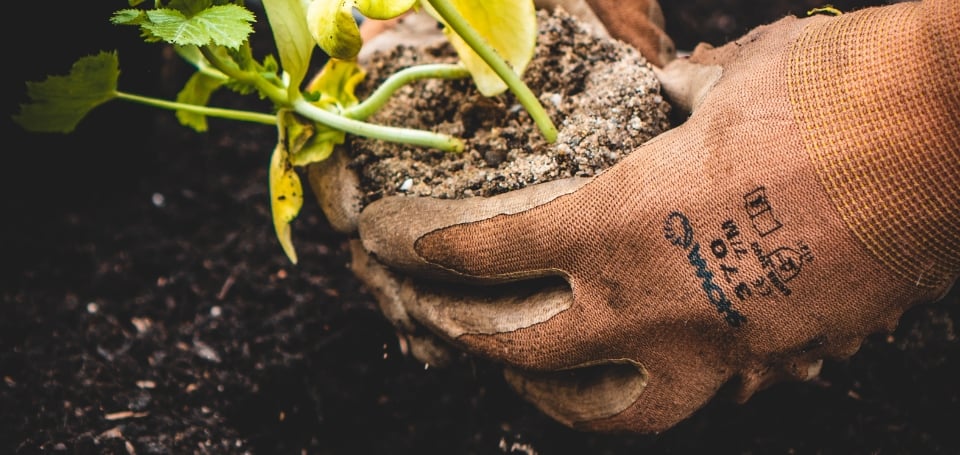
This is, by far, the most common way to get rid of invasive plants. Grab some gloves, use your hands, and pull each weed out of the ground. If you can remove the roots, you’ll likely prevent the invasives from overrunning your garden.
Get rid of invasive plants on garden walks, on a weekend, or when you have some extra time to putz around your yard. With repeated pullings, you’ll prevent the unruly specimens from taking over. Weeds seemingly grow overnight, and they can get out of hand if you forget to pull them for two weeks or longer.
Some invasives snap when you pull them. They’ll leave their roots in the ground and sprout new growth in a few days. Pull gently and slowly to ensure you get all the roots, and avoid yanking when you pull.
Other invasives have rhizomes or stolons that root along the ground. Ensure you get all of the rooting stems out of the ground to ensure no new sprouts appear. Some, like Tree of Heaven, respond with more vigorous growth after pulling. These need extra careful attention, and complete removal.
Snuff Them Out

Lazy gardeners rejoice! This environmentally-friendly way to get rid of invasive plants is easy to complete. All you need is some cardboard free of tape and plastic. This slow-acting method works to snuff out the invasives so they can’t access air or sunlight. It’s best for large patches that are too big to hand-pull.
Start by putting down layers of cardboard all over the area. Leave no patch of invasive plants uncovered. Weigh down the cardboard by wetting it and by placing rocks or bricks on its edges. As the weeds die, the cardboard breaks down into the soil.
After three to four weeks, the ground should be ready for planting. You may pull up the cardboard and plant underneath, or leave it and plant into it! Place compost on top, then plant your crops or wildflowers in the compost. Their roots will penetrate beneath the cardboard as it breaks down, and the invasives will stay snuffed out.
Try Occultation

Occultation is similar to snuffing out with cardboard. It relies on opaque tarps that block the sun and amplify heat. They zap the plants underneath, killing their roots and leafy tops. As with snuffing out, occultation is a low-maintenance way to get rid of invasive plants that’s perfect for lazy gardeners.
You’ll need a solid tarp that doesn’t let light or air move through it. Opt for plastic or fabric tarps that resist tearing. Black tarps are superb, as they amplify the heat and zap the plants underneath.
First, chop tall invasives, then lay the tarp on top of them. Weigh its edges with bricks, rocks, or similarly heavy objects.
The weeds will wither away after three to four weeks of occultation. Pull up the tarp to see the progress after three weeks, and remove it fully once everything is dead. Put a layer of compost or leaf mold on top of the ground, and plant new crops into it.
Occultation may get hot enough to kill most weed seeds, though some can remain in the soil. You’ll want to keep a close eye on the site after removing the tarp to notice weed seedlings and sprouts. Remove them promptly to prevent them from taking over the area again.
Use Solarization

Solarization is like occultation, except it relies on clear tarps instead of opaque ones. The clear tarps amplify the sun, creating strong beams that burn pesky invasives underneath. Use greenhouse plastic or a similar UV-resistant material that won’t break down outside.
If any weeds poke up, chop them and lay them down so the tarp fits over them. Place the tarp over the entire site, then weigh its corners with bricks or stones. The clear tarp must sit for at least three to four weeks to work, though it can take longer if there are rainy or overcast days.
You’ll know the plants are dead when they’re brown and crunchy underneath the plastic. Remove the tarp, put down soil or compost, and plant new crops. Don’t leave the tarp for longer than a few months, as it can begin breaking down into little pieces that are hard to remove.
I recommend repurposing old tarps or using what you have rather than buying new ones. There’s so much plastic on the Earth, and it’s more environmentally friendly to repurpose it than to buy it new.
Snip Seed Heads

If at first you don’t snuff the weeds out, you may use efficient strategies to prevent them from spreading.
Many short-lived weeds, like nipplewort and forget-me-nots, produce more seeds than you can count! These seeds are what allow them to flourish in new sites. If you remove the seeds before they fall, you’ll reduce the number of seedlings that grow in the future.
Use your fingertips if the invasives aren’t toxic. Otherwise, wear gloves and use snips to remove them. Pinch off both flowers and seed heads, and dispose of them away from the garden. Hot compost them, or bury them deeply so they don’t sprout. However, some invasives survive even hot compost, so do some research before throwing them in.
This method prevents seeds from falling, but it doesn’t kill the plant. It’s not effective for removing pesky perennials that anchor themselves to the ground. Consider chopping them down or snuffing them out instead.
Chop Them Down
Some unruly invasives, like Himalayan blackberries, sprout thorny canes that are difficult to handle! They’re pokey and sharp, presenting a real danger to gardeners. Instead of pulling or snuffing them to get rid of invasive plants, it’s best to chop them down repeatedly until they disappear.
New sprouts will appear after you chop the old ones. As long as you consistently chop or pull these sprouts before they mature, you’ll starve the invasive plant of energy and kill it over time. Some growers may paint herbicides onto the cut stumps. This isn’t truly environmentally-friendly, as synthetic herbicides can rest in the soil and impact surrounding vegetation, animals, and microbes.
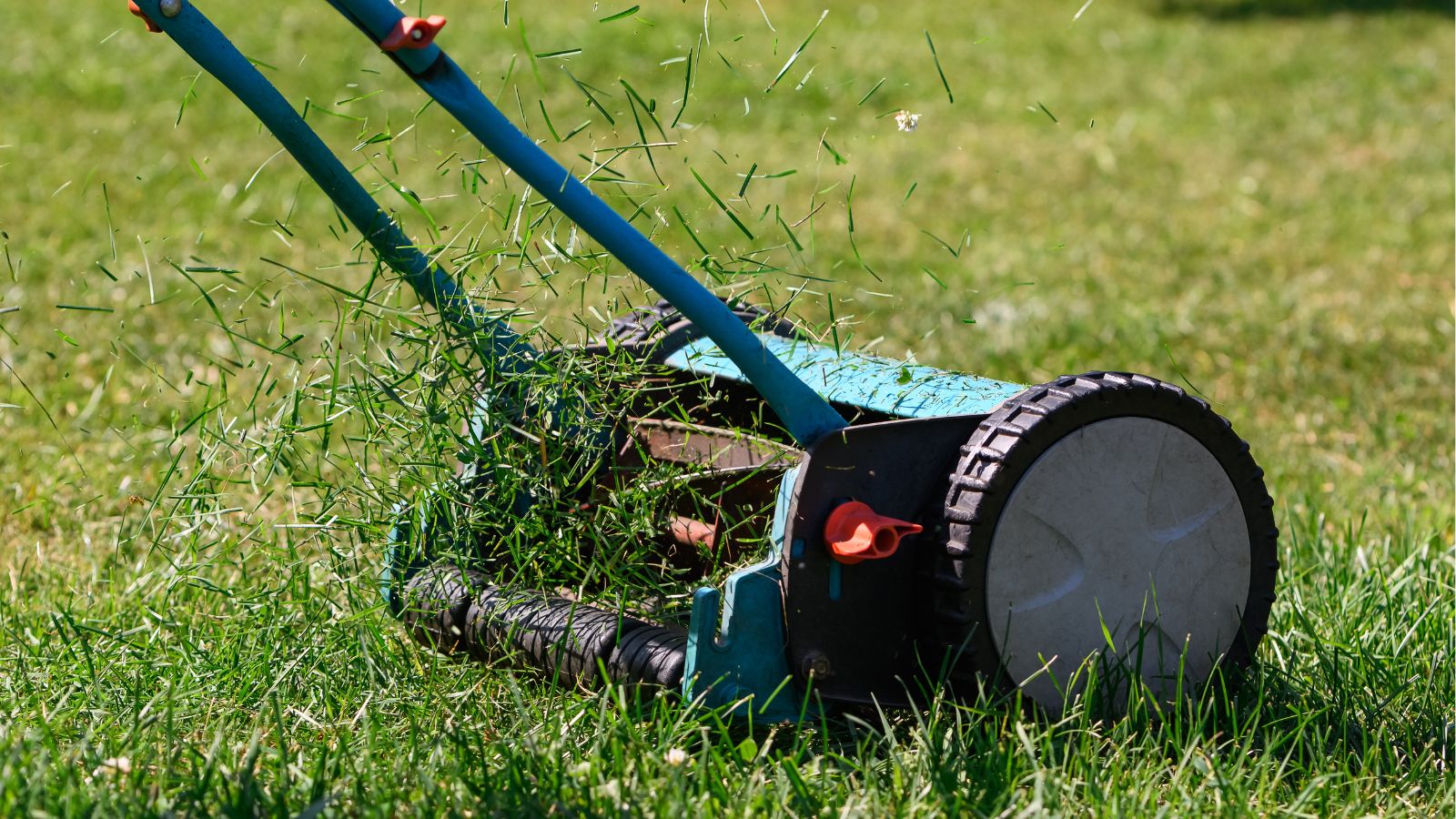
Instead of chopping, use a lawn mower! Mowers cut down soft plant matter easily, and they struggle with thorny or woody specimens. Chop woody weeds, mow tender ones, and repeat the process as often as necessary to stifle the invasive plants.
Cover the Soil

Bare soil invites weeds and invasive species to thrive. These specimens colonize bare ground with seeds, stems, and roots. Instead of leaving the ground bare, cover it with mulch and plants! The more you cover the soil, the fewer weeds you’ll have to manage in the future.
Use compost, leaf mold, straw, wood chips, or potting soil to cover the ground. Fallen leaves, coco coir, and premade bed mixes also work well. The goal is to cover the ground and feed it with organic matter. Mulch breaks down into soil over time, which will invite weeds to sprout.
Don’t let them come back! Plant native plants instead to get rid of invasive plants. Native species are essential for a healthy ecosystem—they feed pollinators, house wildlife, and prevent invasive species from returning.