The Best Garlic Companion Plants (and What to Avoid)
Picking the right garlic companion plants can improve the flavor of your garlic and your other crops, too! Find out which garlic companion plants work best and which to avoid in this complete guide.

Contents
Garlic is a truly versatile plant that can be used in countless ways. Not only does it have a delicious, aromatic flavor that can season nearly any dish, but it also makes an excellent companion for many plants in the garden. Garlic is a natural antifungal and can repel pests with its strong scent, and there are many garlic companion plants that benefit from being grown nearby.
Garlic is a powerful companion plant thanks to its strong aroma and natural pest-repellent properties. Its scent can deter a wide range of garden pests, while also helping attract beneficial insects that support pollination. In small gardens, garlic can make a big impact when interplanted closely with other fruits and vegetables.
There are only a few plants, such as beans, that garlic does not grow well alongside. Overall, it is an excellent choice for companion planting throughout the garden. Below, we will explore some of the best garlic companion plants to grow in your space.
Silver White Softneck Garlic – USDA Certified Organic

Silver White Softneck Garlic – USDA Certified Organic

What Is Companion Planting?

Companion planting is a popular way of arranging crops in the garden, particularly in small-scale and home gardens where space is limited and every plant counts. This approach can help maximize space and improve the quality of the crops you are growing. Some plant combinations can even enhance the flavor of neighboring plants.
One reason companion planting remains popular is its ability to repel predatory insects. Certain plants have strong aromas or naturally repel insects that commonly feed on vegetables. Other plants release compounds into the soil that deter pests such as nematodes. Companion planting can also help attract beneficial insects that pollinate your garden. By encouraging these helpful insects, gardeners benefit from improved pollination and increased biodiversity.
Companion planting is also valuable when planning garden layout, as it helps make the most of limited space. Some companion plants grow as groundcovers, filling soil-level space while shading the soil and suppressing weed germination. Others grow tall and provide shade for heat-sensitive crops below. Additionally, fast-growing companion plants can mark the location of slower-germinating seeds, helping prevent accidental overplanting.
Good Garlic Companion Plants
Garlic is an excellent companion for many plants in the garden. They help repel common pests that attack a range of crops.
Fruit Trees

One of the best uses of garlic is as a companion for fruit trees. Garlic has antifungal properties that can help protect fruit trees from several diseases, including apple scab in apple trees and leaf curl in peach trees. This is an easy, organic way to grow garlic while protecting valuable fruit trees.
Garlic can also repel aphids, mites, fungus gnats, cabbage loopers, ants, snails, onion flies, codling moths, and Japanese beetles. The strong scent of garlic can even help deter rabbits and deer.
Herbs
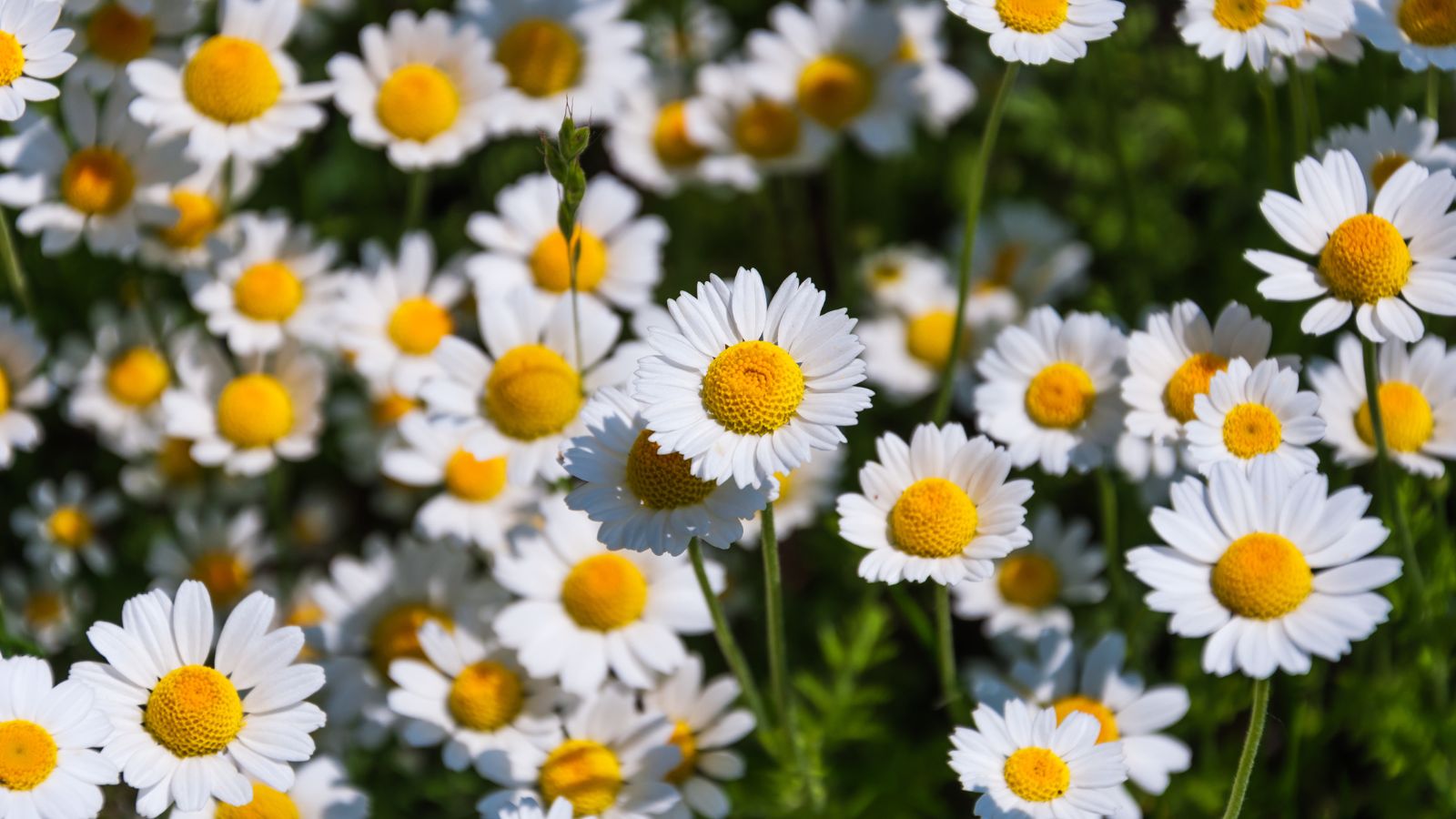
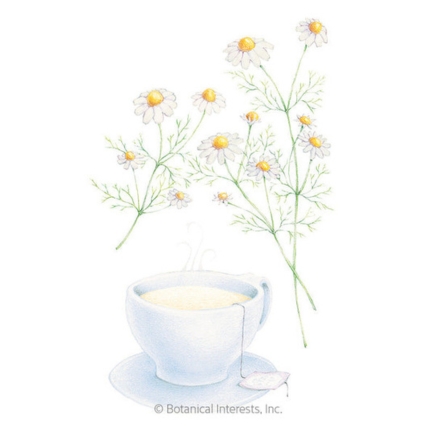
If you want to plant garlic with herbs, chamomile is a great option. Chamomile can help improve the flavor of garlic. Another herb that pairs well with garlic is rue. Rue is a strongly scented herb known for keeping flies and maggots away, which can help prevent maggot damage to nearby plants.
Yarrow and summer savory can improve the overall health and productivity of garlic. Garlic also repels spider mites, making it a good companion for dill. Tarragon is another excellent companion plant, as it can increase garlic growth.
Flowers

Garlic is one of the best companion plants for flowers because it acts as a natural pest repellent. For example, many rose pests dislike the strong scent of garlic. Insects such as aphids, ants, mites, and snails, as well as black spot fungi, tend to avoid areas where garlic is planted. Garlic can also help deter pests from geraniums.
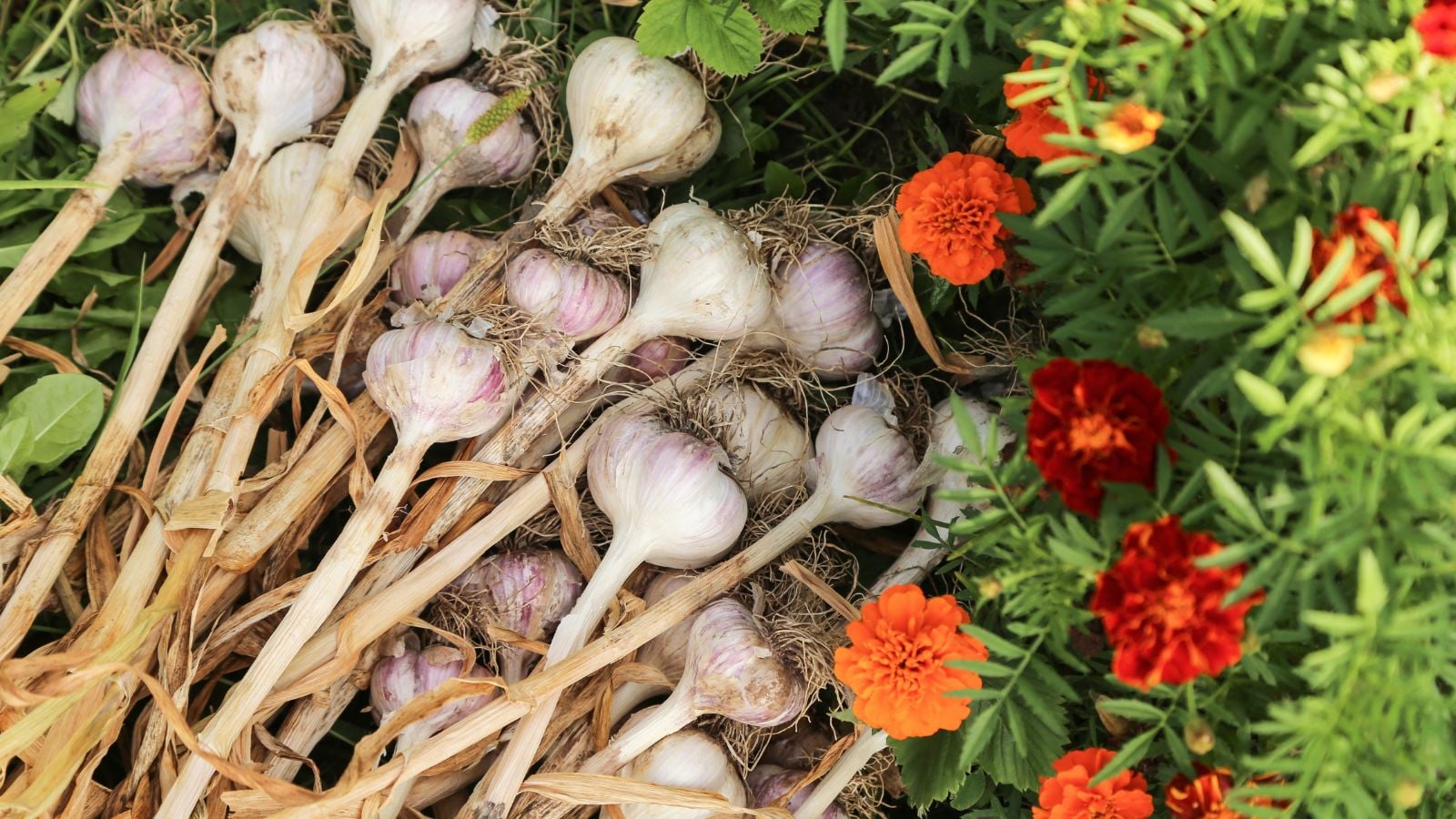
Garlic and marigolds are both known for repelling a wide range of pests, making them a powerful combination along garden borders where they can discourage pests while attracting beneficial pollinators.
Another advantage of planting garlic with nasturtiums is that nasturtiums help shade out weeds and make use of otherwise unused space at the soil surface. Nasturtiums also produce edible flowers that can be harvested or left on the plant to act as a trap crop for pests.
Leafy Greens

Garlic and leafy greens grow well together because they occupy different spaces in the garden bed. The garlic bulb forms below the soil surface, while its green scapes grow tall and narrow. Leafy greens have shallow roots and grow close to the soil surface, filling space that would otherwise be unused.
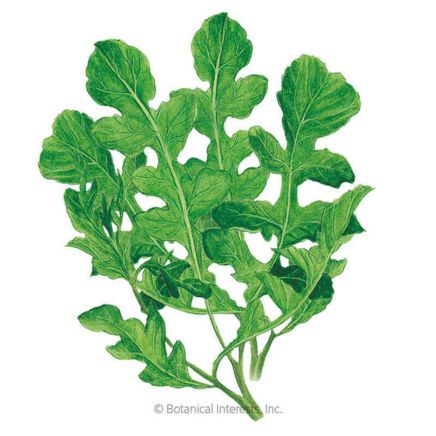
For example, arugula and lettuce are low-growing leafy greens that pair well with garlic. Choose a smaller lettuce variety that will not block sunlight from reaching your plant. Lettuce also does not compete with garlic for the same soil nutrients.
Spinach is another good companion plant for garlic because both crops are cold-hardy and can grow together through winter until spinach is damaged by colder temperatures. Similar to nasturtiums, spinach can act as a living ground cover around garlic plants, helping suppress weeds and protect the soil.
Brassicas

Garlic is an excellent companion plant for members of the brassica family because it repels many of their common pests, including cabbage loopers, cabbage worms, cabbage maggots, and Japanese beetles.
Cabbage is a particularly good companion, as the strong scent of garlic can help protect tender cabbage plants from pest damage while also discouraging grazing animals from feeding on your crops. Garlic is known to deter animals that chew on garden plants, such as deer, rabbits, squirrels, and moose. It may also improve the flavor of broccoli when planted nearby.
If you struggle with pests attacking brassica crops like kale, kohlrabi, brussels sprouts, collards, or cauliflower, consider interplanting garlic or using it as a border around garden beds to help deter pests.
Vegetables

Garlic grows well with carrots because it confuses carrot flies and helps protect plants from infestation. The oils garlic secretes can also help protect carrots from root maggots, and this benefit extends to celery, which belongs to the same plant family. Garlic can also act as a natural fungicide against late potato blight, helping protect potato crops. Planting garlic bulbs near potatoes may reduce the risk of this disease taking hold.
Beets and garlic are both root crops, but they grow at different depths in the soil, making them compatible companions. They do not compete for the same nutrients, and garlic can help protect beets from fungal infections. Parsnips are another root crop that benefits from companion planting with garlic. Because parsnips are vulnerable to root maggots, the antifungal properties of garlic can be especially helpful.
Garlic is also a strong companion plant for tomatoes, as it deters spider mites and other pests that commonly attack tomato plants. It is also believed to improve tomato flavor when grown nearby. Both hot and mild peppers benefit in similar ways when companion planted with garlic.
Although peppers and garlic grow at different times of the year, young pepper plants can be better protected by planting them near garlic before it is planted in early spring. Another member of the Solanaceae family, eggplant, also grows well with garlic, as it helps protect developing fruit from pest damage.
What Not To Plant With Garlic

One of the few downsides to growing garlic in the garden is that it can build up sulfur in the soil, which may inhibit the growth of certain plants. Garlic can stunt the growth of beans, peas, and most legumes, so these crops should be planted farther away to prevent reduced growth. Similar to beans, the herbs parsley and sage may also struggle when grown near garlic.
Although this has not been proven through scientific studies, many gardeners report stunted growth when parsley and sage are planted nearby.
Garlic should also be kept away from asparagus. Garlic is a member of the allium family, which can inhibit asparagus growth. There is a practical reason for this. Asparagus takes several years to establish and produce spears. Garlic can increase sulfur and other compounds in the soil while depleting key nutrients that asparagus needs for spear production. When grown together, asparagus may develop smaller root systems and produce fewer spears due to nutrient imbalance.
Finally, avoid planting garlic in large groupings alongside only other allium crops such as onions, chives, leeks, and shallots. Concentrating members of the same plant family increases the risk of pests spreading quickly and damaging the entire planting. Interplanting garlic throughout the garden and among a variety of vegetables helps reduce the risk of widespread pest damage.
Frequently Asked Questions
Where should I plant garlic in my garden?
Everywhere! Garlic has antifungal properties, repels an incredible number of pests (including rabbits and deer), and compliments almost any plant in the garden.
Will garlic grow in shade?
Probably not– Garlic thrives in full sun! It is possible to grow it in the shade, but the bulbs will be smaller.