Front Yard Raised Beds: 9 Tips to Keep Them Looking Good
Raised beds can be an excellent way to keep your front yard garden neat and tidy. But with the bustle of life, it can be challenging to keep them looking good. Join gardening expert Melissa Strauss for some tips on keeping your front yard raised beds aesthetically pleasing and orderly.


Contents
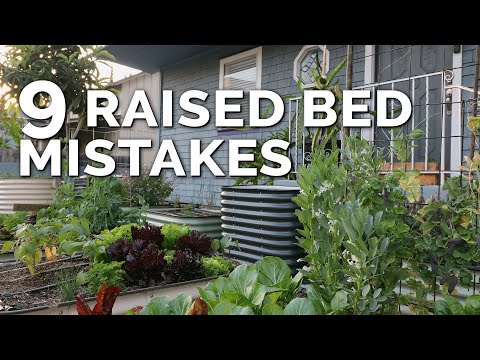
Using raised beds in the front yard is a great way to create a beautiful, productive landscape. It blends functionality with curb appeal, and aesthetics with convenience. However, making it look attractive and blend with your home and style takes some thoughtful design and execution.
Using raised beds does a lot to define your front yard garden. It creates well-delineated boundaries, makes walking paths more accessible, and solves issues of poor soil types. If you have clay, sand, or gravelly soil, this is an easy way to grow things that prefer nutrient-rich loam.
Before you get started, it’s important to check with your HOA, if you have one. Some have restrictions and rules regarding your front yard landscape. Once you’re certain that it’s not a problem, make a footprint plan and get started!
Here are some tips on creating a beautiful and harmonious raised bed garden in the front yard.


Choose Quality Beds and Assemble Them Fully

The first thing to do when planning for your front yard raised beds is to decide on the type of material. There are a number of great options, and since this is the front of your home, it’s important to choose the right one. You also want to choose the right number and layout, but we will get to that in a minute.
When it comes to materials, your beds should last a long time and stand up well to the elements. Using raw lumber isn’t a great idea, as it will deteriorate quickly and need frequent replacing. That can end up costing more than simply making the investment to purchase sturdy materials from the start.
Metal beds are a great choice when it comes to durability and affordability. They come in a wide range of sizes and colors, and they last for a long time. If these don’t suit your home style, there are plenty of other materials to choose from.
You can build beds from brick, concrete, or stone, as well. If you love the look of wood, choose a durable wood that tolerates the elements. Cedar is an excellent choice.
Once you have your materials, don’t cut corners on assembly. Make sure that you utilize all the proper connectors and stabilizers that come with your beds. If you’re building them yourself from raw materials and aren’t certain of the process, it’s best to do some research.
Seal Wood Beds

If you’ve chosen wooden beds over a more rigid material, you’ll want to make them last as long as possible. It’s complicated and labor-intensive to change out your front yard raised beds. You can protect your wooden beds by sealing them.
Sealing wooden raised beds will extend their lifespan considerably. It also prevents moisture absorption, which leads to rot and decay. On top of that, it shields the material from insects that bore holes in wood.
Make sure you use a non-toxic sealant, especially if you plan to grow edible plants. Natural oils like linseed oil are effective, but need regular re-application. There are plant-based sealants approved as food safe by the FDA. Beeswax also makes a surprisingly good and food-safe sealant for wood.
Plan Layout and Level the Ground

Before you place your beds in the front yard, it’s a great idea to create a plan. Map out where you want to place them in a way that’s organized and aesthetically pleasing. I like to make a map of my garden spaces using a planner so that I have something to refer back to.
Once you have a plan, level out all the locations where you’ll be placing your beds. Leveling the ground for your front yard raised beds is important for both practical and aesthetic reasons. If the ground is uneven, soil and water will push harder against one side and cause warping, leaning, and potentially collapse over time.
A level base facilitates even soil and watering, rather than water pooling on the lower end of the bed. It keeps the soil depth consistent, so all roots get equal access to water and nutrients. It also makes your yard look nicer if everything is level. A level bed looks more intentional and well-built.
Use Quality Soil and Mulch

After you assemble and place your front yard raised beds, it’s time to fill them. For lower beds, filling them with soil is perfectly fine. You can purchase a premixed raised bed soil or create your own formula. Aim for a balanced, fertile, and properly draining mixture.
The objective for your soil is one that holds enough water, but drains properly to avoid root rot. It should have a healthy supply of important nutrients and a loose, crumbly texture that is easy for developing roots.
A good proportion of materials is 40% topsoil, 40% compost, and 20% aeration material. Aeration materials are those that create a loose texture. Coarse sand and perlite are good examples of this.
For taller beds, it’s impractical to fill them entirely with a soil mixture. Instead, fill them about halfway with other organic materials. Some good bottom mill materials include wood chips, logs, branches, sticks, corn stalks, or other brush. Use materials that will break down over time and enrich the soil as they do so.
You also want to use mulch in your front yard raised beds. Mulch not only makes things look neat and tidy, but it also has other important uses. Mulch suppresses weeds, retains moisture, and enriches the soil as it breaks down. I love pine bark mulch for its look and the fact that it acidifies the soil as it breaks down.

Weed Regularly

If you want your front yard raised beds to look good, weeding is a necessary task. It’s not anyone’s favorite garden activity, but there is a certain satisfaction in surveying the results. It helps conserve resources for your desired plants and makes things look neater in general.
If you weed frequently, the task is less arduous. Waiting until your beds are overrun with weeds makes the job much harder. Not to mention, if you allow them to flower and go to seed, you will end up with more weeds in the long term. Instead, weed often. Set aside 15 minutes once a week and just pull out whatever doesn’t belong.
Edge Around Your Beds

This step is optional, but it can make a significant difference in the look of your front yard raised beds. Edging them isn’t just a way to improve the appearance of your beds. It can also extend their life and cut down on maintenance.
A defined border frames your area and gives a more polished, intentional look. It also creates a physical barrier to keep out weeds and grass that can creep in. It makes mowing around them easier and reduces moisture damage to wood beds.
You can use many materials for this, and if you desire, create paths between your beds for a more cohesive appearance. Bricks or pavers make nice edging, as do naturally shaped stones. A simple gravel trench will go a long way toward improving drainage and suppressing weeds.
Plant Effectively
Now you’re ready to start planting. It’s important to plan out your front yard raised beds to be attractive throughout the season. You don’t want them to peak early and then look sad and dilapidated by mid-summer.
Clean Rows and Groupings

Measure your beds and keep those measurements in mind when you select your plants. Consider the final size of the plants, rather than their starting size. They will grow quickly as the weather warms up.
Consider their height as well, and their needs. Don’t plant low-water plants with those that prefer consistent moisture.
Keep your rows and groupings neat and orderly. If you start out this way, you have a much better chance of keeping this space orderly as the plants grow into it. Make sure to create support for plants that need that as well.
Succession Planting

If you’re planting seeds, succession planting is a good way to keep things blooming and beautiful throughout the seasons. Plant your seeds every two to three weeks for a month or so. They will grow at different paces, and this will lead to a much longer blooming season.
If you’re planting from nursery starts, choose a variety of plants that bloom at different times. This will achieve a similar effect and create a more harmonious and continuously beautiful space.
Mix Ornamentals and Edibles

For me, raised beds in the front yard have a cottage garden vibe. The quintessential cottage garden contains a harmonious mixture of both ornamental and edible plants. By mingling the two together, you can achieve something wonderful.
Read up on companion planting so that you can pair edible plants and ornamentals effectively. Certain plants work together excellently, while others don’t. Marigolds and herbs make excellent companions for most vegetables, and they help repel nuisance insects.
Prune and Deadhead Regularly

As your front yard raised bed garden grows and flourishes, it’s extra important to keep up with maintenance. Those in the front yard are more visible than those in the back. You want them to look deliberate and well cared for.
Deadheading is the number one maintenance activity, aside from weeding, that makes a positive difference in the garden. Removing the spent flowers from your plants makes them instantly look healthier. It also encourages more blooming for a longer season.
Make sure to keep up with pruning as well. In this way, you can maintain proper airflow and sunlight through the center of your plants. It’s important to do this, especially in containers, to combat fungal issues.
Promptly Pull Out Dying Plants

When your annuals start to look scraggly, don’t wait for them to die completely. As soon as they lose their vigor and start to fade, it’s a good idea to pull them out and replace them with plants for the next season.
This goes for dying perennials as well. Don’t leave unsightly, brown, or diseased foliage in your front yard raised beds. Keep them neat and well-maintained to keep your front yard looking beautiful!





