How to Grow Foxtail Ferns in Pots and Containers
The graceful, erect plumes of feathery foliage make the foxtail fern a winning garden plant. It’s a stunning specimen that grows well both indoors and outdoors, and it thrives in containers. Learn how to pot and care for your foxtail fern alongside fern grower Jerad Bryant.


Contents
Foxtail fern, despite its name, is not a true fern. Its long stems have feathery needles that resemble fern fronds, hence the name. They grow upwards in an erect fashion, and their needles are so dense that they resemble foxtails.
In reality, the foxtail fern is a species of Asparagus that grows well outdoors in mild climates. Growing foxtail ferns in containers means you can bring them inside when it gets cold during the winter. The foxtail fern is perfect for adding lush, green color and texture to your garden, no matter if it’s indoors or outdoors.
A thriving foxtail fern needs good soil, optimal growing conditions, and bright light. Ensure your plant has what it needs to thrive, and it’ll reward you with handsome foliage full of soft, fuzzy needles. No matter where you live, you can successfully grow foxtail ferns in pots and containers.
Step 1: Find a Foxtail Fern

Foxtail ferns are varieties of Asparagus densiflorus. ‘Myersii’ is the most common and oldest used cultivar. You may also see it under ‘Myers,’ ‘Meyeri,’ and ‘Meyersii.’ They are all different names for the same plant.
Look for this cultivar online, or search for it at grow shops and plant nurseries. It’s commonly available in small and large pots. It’s a common landscaping plant in frost-free climates, and it’s available in outdoor garden centers in those regions.
Find a fern that works for you. Choose a small one if you have a small space for a houseplant. If you’re growing these ferns on your patio, choose larger specimens that’ll look great instantly after planting.
Step 2: Choose a Pot

These ferns prefer to dry out between waterings, so they need a pot that lets moisture drain freely. Use ceramic, plastic, or metal pots. Terra cotta is superb, as it’s porous and free-draining
No matter the pot you choose, ensure it has drainage holes that let excess moisture escape. A simple pot with a drainage hole will do, though planters work well too.
Place a saucer or tray below the pot to catch the draining water. This is especially important for foxtail ferns in containers indoors, as you don’t want water getting all over your counters and floors. If you don’t have a tray, use an old plastic container as a saucer.
You’ll also need good soil for your fern. These plants prefer nutrient-rich, well-drained soil. Purchase a mix from the store, or make one yourself with free-draining ingredients. If the soil is poor in nutrients, mix in a powder organic fertilizer with balanced amounts of nitrogen, phosphorus, and potassium.
Step 3: Transplant the Fern

It’s safe to transplant foxtail ferns during the growing season. If it’s fall or winter, you’ll want to complete the transplanting process indoors to help the roots acclimate to their new environment. In frost-free climates, transplant the ferns anytime you’d like.
Start by preparing each new pot for planting. Fill them halfway with soil and make a hole in each one for the ferns’ rootballs. Then, remove your foxtail ferns from their pots and set them inside the new containers.
Cover the roots with more soil, and water it well when the soil reaches the surface. If it sinks below the roots, add more dry soil on top and water again.
Step 4: Care for Your Plant
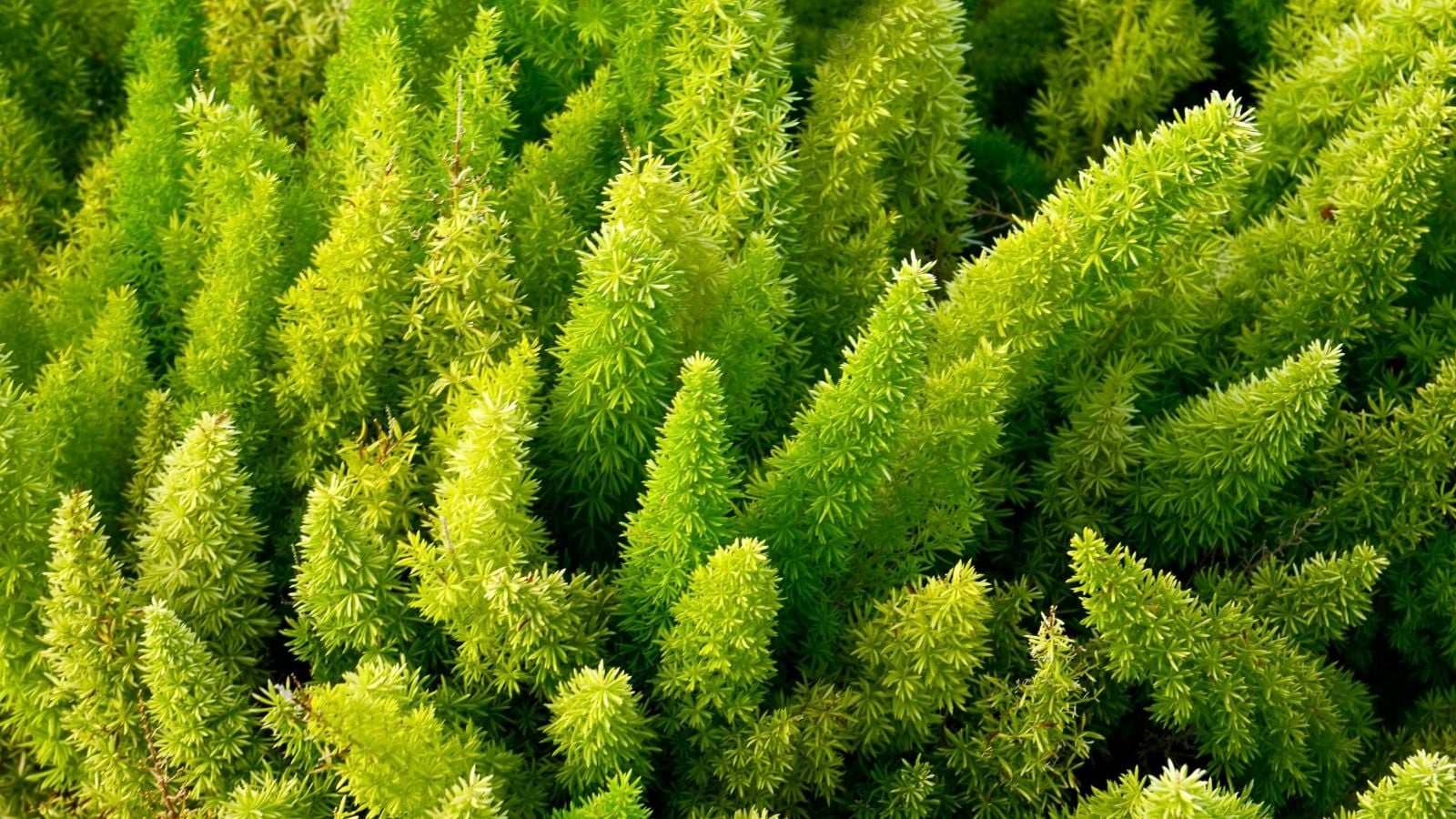
Foxtail ferns in containers need bright light to thrive. Situate them near a window with plenty of natural sunlight. Or, use plant grow lights to brighten dark rooms. The ferns respond well to artificial light, especially during the winter when the days are short and cold.
Outdoors, these specimens need full sun or partial shade. They must have afternoon shade in hot climates, as direct afternoon sunlight can cause the leaves to burn and scorch. They’ll grow best with bright light for most of the day.
Once you have the lighting all configured, begin a normal watering schedule. You want the ferns’ soil to dry first before you water again. If you’re unsure of the moisture levels, use your finger to check below the surface. Stick it in and sense whether it’s wet or dry underneath, then decide whether or not to irrigate.
Air flow is the final consideration. Avoid placing your ferns near heaters or A/C units, as they tend to dry the air. Place them where there’s plenty of ambient humidity. If it’s not very humid, use humidifiers indoors to boost moisture levels.
Step 5: Overwinter in a Warm Spot

These ‘fake’ ferns love warmth. They’ll overwinter outdoors in USDA hardiness zones 9 through 11. They grow best indoors during the winter in zones 8 and below.
The green fronds are evergreen, and they’ll survive cool temperatures. When temperatures drop to 20-25°F (-7 to -4°C), the fronds may die back to the roots. New growth will sprout in the spring if the roots survive the cold temperatures.
If you’d like to ensure the foxtail ferns survive, bring containers inside! Move them to a bright, sunny windowsill or set them under LED grow lights. Be sure not to overwater them, and let them adapt to the warmer weather of your home.
In zone 9, protect your outdoor potted ferns with frost cloth if the weather gets unusually cold at night. Cover them completely, then remove the covers in the morning when the sun rises and the weather warms.
Step 6: Move Outdoors in Spring

You have two choices in spring: leave the ferns indoors, or move them outside for the growing season. There’s no wrong choice, though moving them outside will help them thrive with more sunlight and natural rainfall.
Give your ferns a gentle transition, and move them outside a week or two after your last average frost date. Move them for a few hours a day, then bring them back inside at night. Each day, extend how long you leave them out until they’re fully outside all day and night.
Wash all the dust from the indoor winterization period off with a hose. Refresh the ferns’ fronds, and trim any dead or weak stems. Though rare, the foxtail fronds may develop green berries that turn red. Remove them to prevent the plant from spreading, as it’s invasive in some states.
Step 7: Repot, If Necessary

Spring is a good time for repotting. If your fern’s roots look rootbound and they’re poking out of the soil, it may be time to uppot the plant. Remove the plant from its pot, and use a sharp knife to cut it out if it won’t budge.
Foxtail fern roots are vigorous. They may break the pot if you don’t transplant them every two to three years. Don’t be afraid to cut them to remove them, as they’ll quickly recover after planting.
Uppot your ferns into larger pots with more room for growth. Give them fresh soil and a good dose of water, then set them under bright light while they establish themselves.
And that’s all there is to it! Repeat the steps when you want a new plant, or divide your existing specimens to propagate new ferns. Dig them up, slice them in two, and plant the divisions in new containers with good soil.
Key Takeaways
- It’s not difficult to grow foxtail ferns in containers. They need good soil, plenty of light, and infrequent watering to thrive.
- In frost-free climates, you may grow ‘Myersii’ in containers outdoors year-round.
- Overwinter the plants indoors in zones 8 and below.
- The plants form dense clumps over time. Divide or repot them to give them room to spread.
- The Asparagus genus has many different species and cultivars with ornamental fern-like fronds. Try growing ‘Sprengeri,’ ‘Cwebe,’ the climbing asparagus fern (A. setaceus), or Shatavari (A. racemosus).
Frequently Asked Questions
What’s the lifespan of a foxtail fern?
Foxtail ferns are long-lived specimens! They’ll grow for many decades in containers, and they’ll outlast many of your other perennials.
Do foxtail ferns like shallow pots?
Young plants may grow well in shallow pots, though over time they’ll need larger containers. Their roots are quick-growing and vigorous, and they require repotting every two to three years to thrive.
Do foxtail ferns grow well in containers?
Yes, they do! They thrive in pots, and this limits them from spreading in your garden. Uninhibited, they’ll form a clump about three feet tall and wide.





