How to Plant, Grow, and Care for Finger Lime Trees
Finger limes are described as citrus caviar because the texture of the pulp resembles caviar. These low-maintenance trees can be incorporated into almost any space thanks to their size. If you want to grow your own, follow this in-depth guide.

Contents
Finger limes are slowly being introduced into the culinary world but are quickly becoming chef favorites. Often described as citrus caviar, finger limes have a pulp texture that resembles caviar. The fruit contains small, round vesicles filled with juice that deliver a burst of refreshing acidity and flavor with every bite. Growing a finger lime tree is surprisingly easy, and the fruit can be stored in the freezer to enjoy at any time of year.
The juicy pearls of finger lime fruit work beautifully as a garnish for a wide range of dishes and desserts. They pair especially well with seafood but are also excellent in cocktails and sweet dishes. Finger limes can be used as a substitute for lime juice and, in some cases, are an even better option. Adding finger limes to tacos or fruit salad delivers bright citrus flavor without making tortillas soggy or salads watery. If you enjoy bold, tangy flavors, the fruit can even be eaten on its own.
Finger lime trees fit well into almost any space. They are low maintenance and thrive in heat but do require protection from frost. Because they grow well in containers, moving them indoors during winter is a practical solution for cooler climates. Finding a finger lime tree can be the biggest challenge, as they are rarely available in local stores. However, several online retailers offer shipping directly to your home.



Quick Care Guide

|
Scientific Name
Citrus australasica
Days to Harvest
Harvest annually March-May
Light
Partial to full sun
Water
Moderate
|
Soil
Well-draining
Fertilizer
Every 6 weeks from spring-summer
Pests
Mites, scales, lepidopterans, aphids, ACP
Diseases
Phytophthora, twig dieback, HLB
|
All About Finger Lime Trees
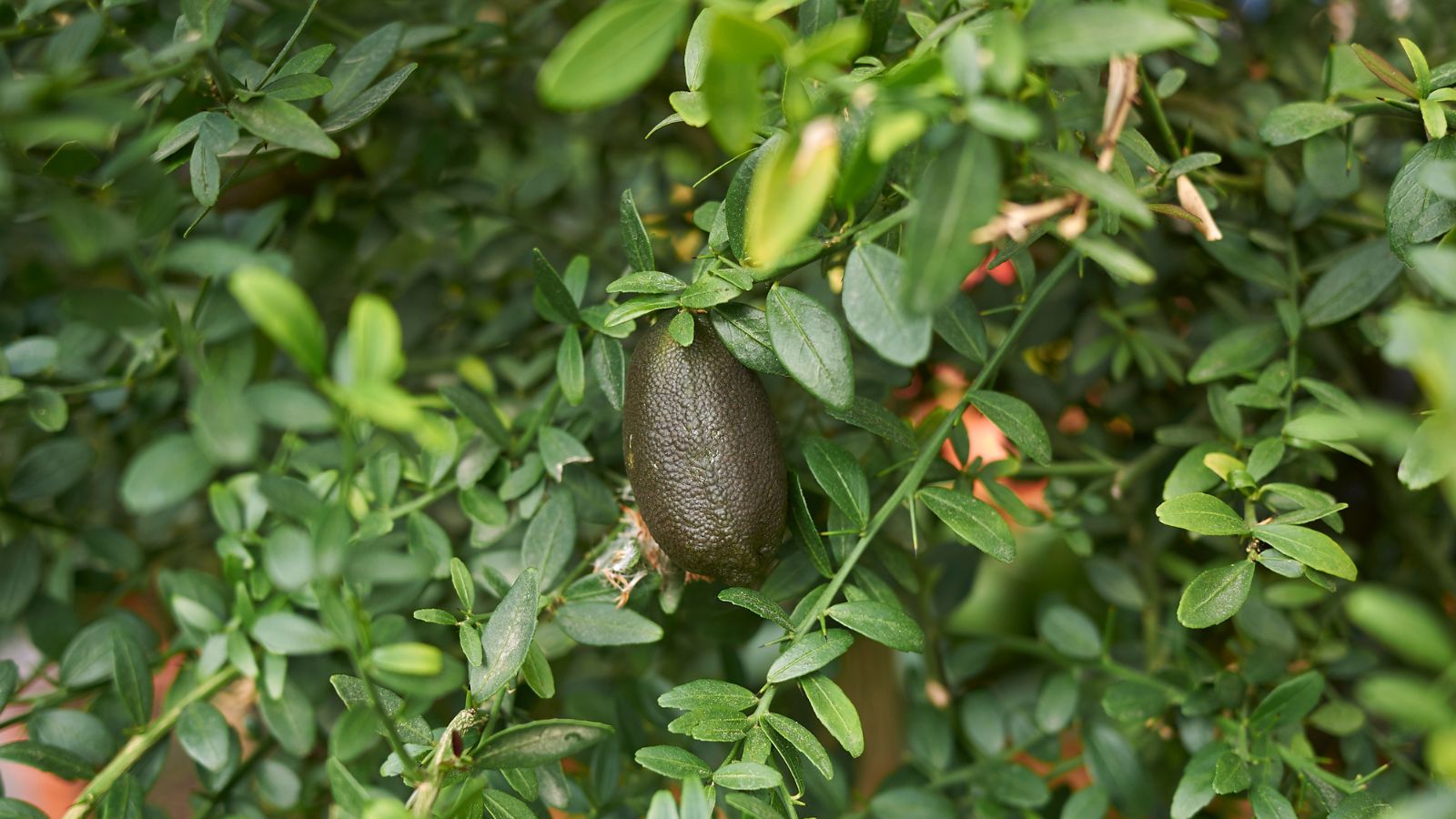
Citrus australasica is commonly referred to as finger lime, Australian finger lime, and caviar lime. Despite its unusual appearance, Australian finger lime is closely related to familiar citrus types such as lemons, navel oranges, and mandarins.
Citrus australasica is one of six citrus species native to Australia, where it grows naturally in rainforest environments as an understory shrub or small tree. Mature plants typically range in size from six to 25 feet tall.
Characteristics
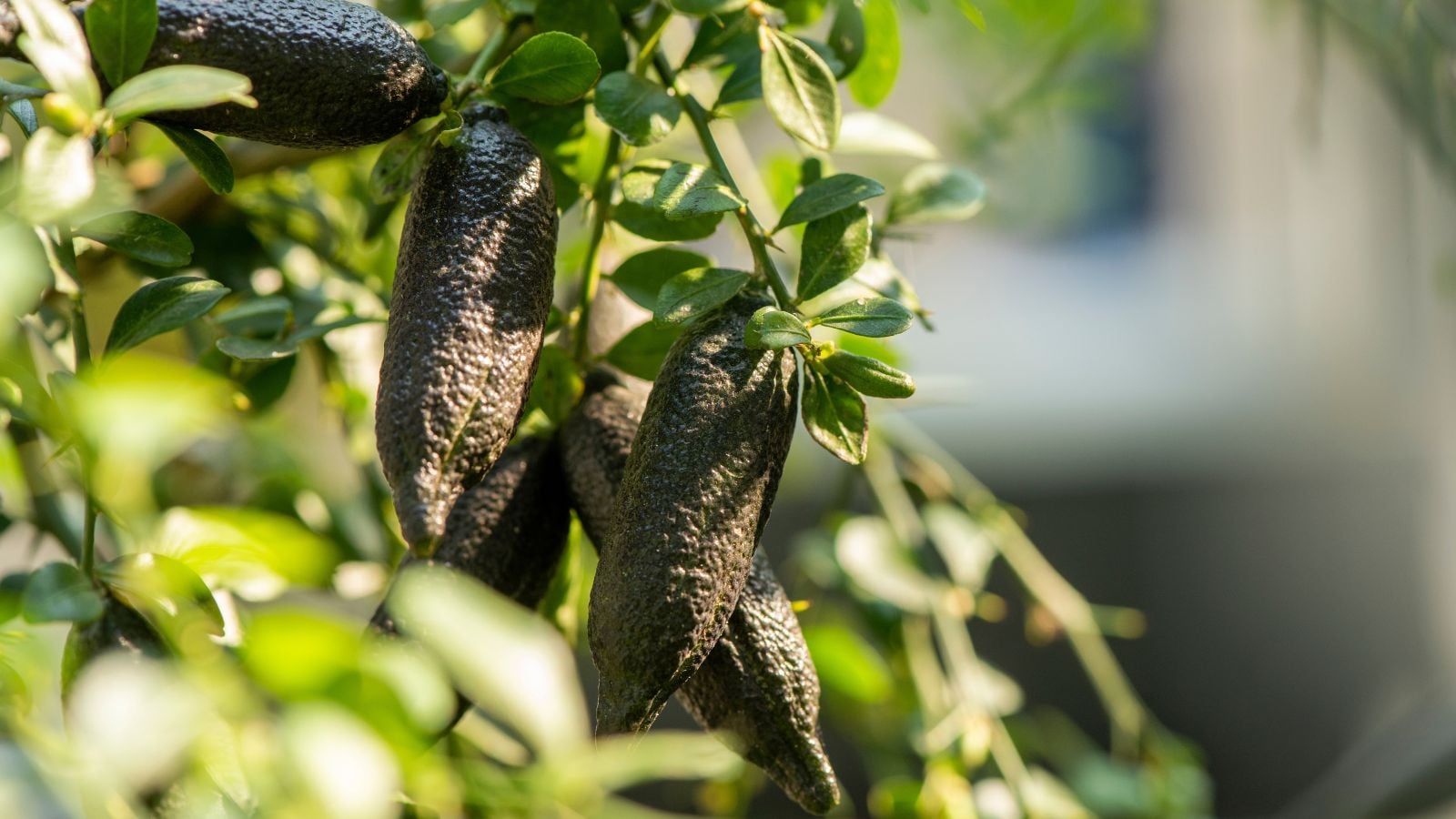
The Australian finger lime tree has small, opposite, evergreen leaves with a thorn at each leaf axil. The flowers are bright pink, fading to pale pink or white. The fruit is long, cylindrical, and often curved, with a shape commonly compared to fingers. Fruit is typically seedless or contains very few small seeds.
Depending on the variety, fruit size ranges from one to six inches, and colors include red, yellow, green, purple, and brown. In Australia, several established varieties are available, although fewer options may be found in other countries. Popular examples include ‘Red Champagne’, ‘Chartreuse’, ‘Crystal’, and ‘Pink Ice’. Each variety has a different sugar-to-acid ratio, giving it a distinct flavor, as well as uniquely colored juice vesicles.
Australian finger lime trees are most often planted as grafted trees and usually begin producing fruit one to two years after planting. It typically takes four to five years for a tree to reach peak production. Trees flower in fall and are generally ready for harvest between March and May, although some varieties may fruit slightly earlier or later. Finger lime trees are self-fertile but tend to produce heavier crops when pollinated.
Uses
Citrus australasica is not only valued for its unique fruit but may also play a key role in addressing Huanglongbing (HLB), also known as citrus greening. HLB is a serious disease that causes small, deformed fruit and eventually leads to the death of citrus trees. It has had a devastating impact on citrus production worldwide, particularly in the United States, China, and Brazil.
Australian finger lime has demonstrated both tolerance and resistance to HLB. Tolerance means the tree can become infected but shows only mild symptoms and continues to grow and produce marketable fruit. Resistance refers to trees that are not susceptible to HLB and do not become infected after exposure. Understanding and applying these traits is critical for protecting citrus production on a global scale.
Planting
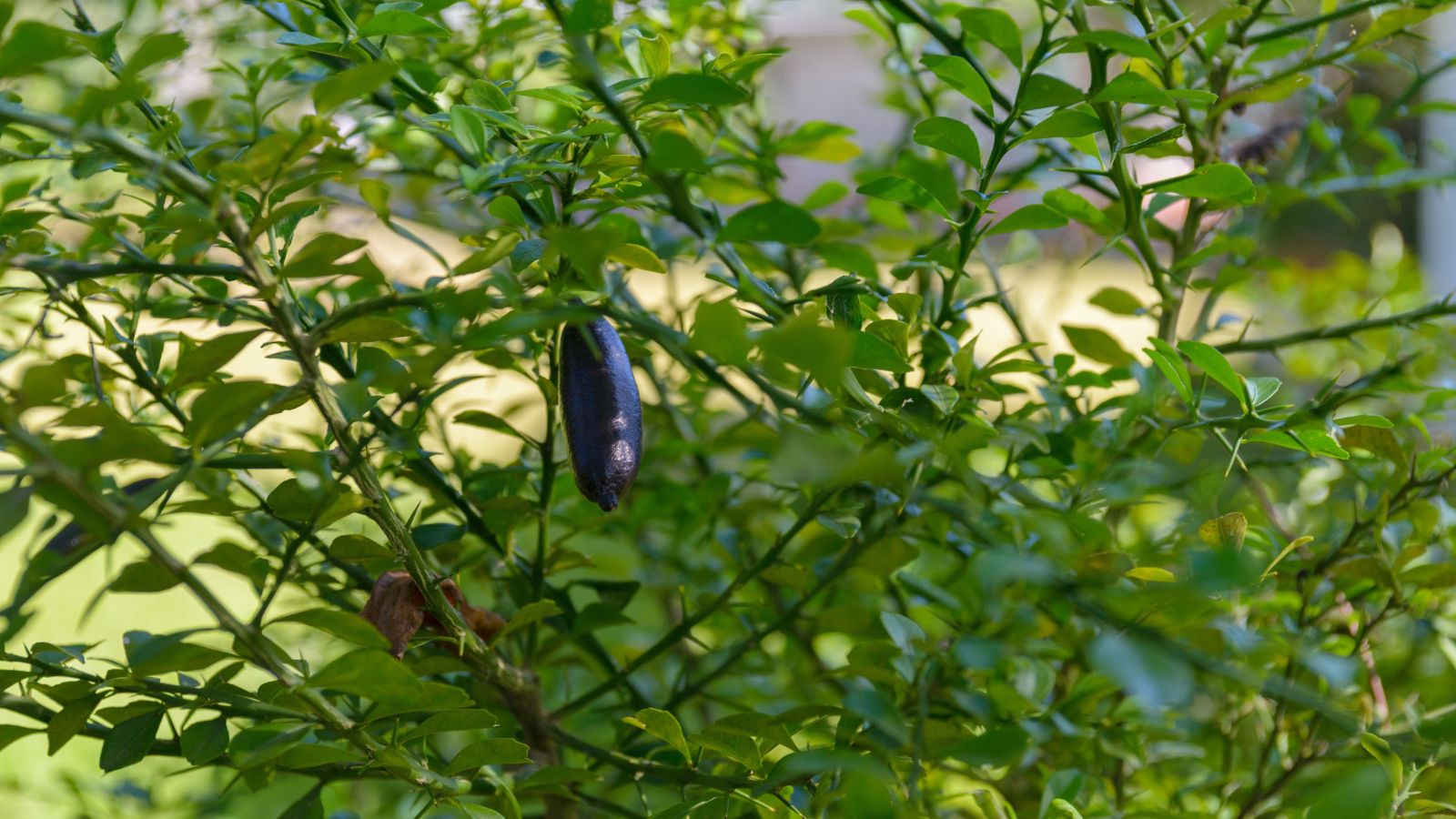
The best time to plant a young tree is in spring after the last frost. It can also be planted during summer, but avoid temperatures that exceed 90°F (32°C) for the first couple of weeks while the tree acclimates. Choose a sunny, warm location with good soil drainage.
Keep in mind that this tree has many thorns, so avoid planting in high-traffic areas where people or pets may come into contact with it. Protection from wind is also important, as excessive wind can cause thorns to scratch or puncture developing fruit.
This tree can be planted either in a large container or directly in the ground. If planting in a pot, use at least a 10-gallon container and a potting mix formulated specifically for citrus. Water the newly planted tree thoroughly until the entire pot is saturated.
When planting in the ground, dig a hole twice as wide and the same depth as the root ball. Backfill the hole, apply mulch, and water well. Whether planting in a container or in the ground, do not bury the graft union. The rootstock should remain a few inches above soil level.
How to Grow
Caviar limes require very little effort to grow. Providing the best care for your tree will keep it looking beautiful and productive.
Light
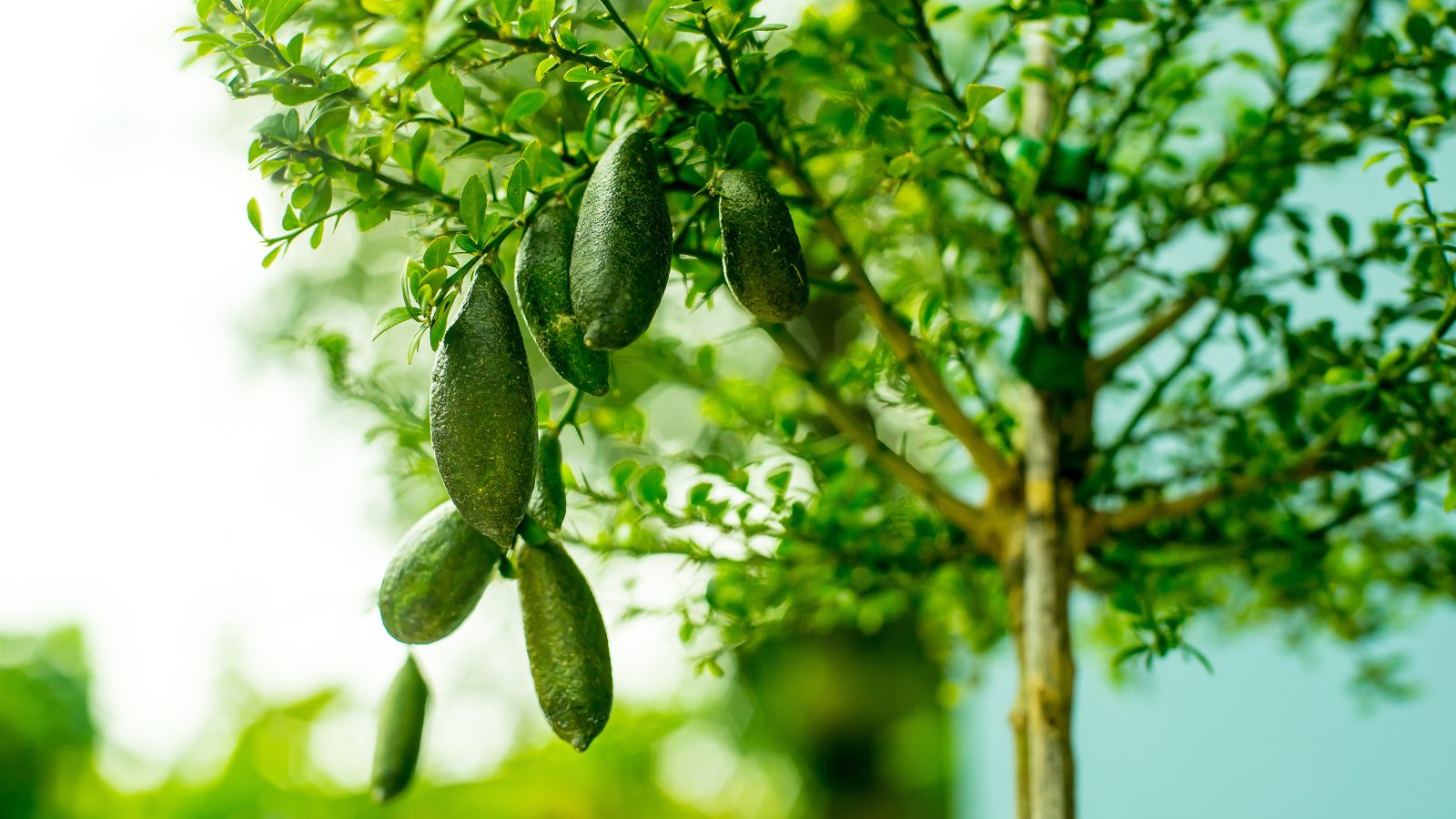
Australian finger lime requires partial to full sun, meaning at least six hours of direct light per day. It is hardy in zones 8 through 11 but can also be grown in colder regions if brought indoors during frost.
Water

Water in the morning once or twice a week. Soil should be kept moist but not soggy or saturated. Use soaker hoses or drip irrigation to reduce runoff and keep water directed at the root zone.
Finger limes grown in containers may require more frequent watering. Pots should be fully saturated, then allowed to dry down until the soil is slightly moist before the next watering. Potted trees can be watered using drip irrigation or manually with a hose.
Do not allow the soil to dry out, and keep plants consistently watered during flowering and fruit development. Underwatering during warmer months can lead to leaf drop. Trees generally do not require supplemental watering during rainy seasons.
Soil

Australian finger lime trees can grow in a wide range of soil types as long as the soil drains well. They perform best in loamy soils with high organic matter content. For optimal growth, soil pH should be slightly acidic to neutral.
Temperature

Finger lime trees thrive in temperatures above 90°F (32°C) during the summer and mild winters above 40°F (4°C). Trees require protection during the winter if temperatures drop below freezing.
Fertilizing

There are many fertilizers available that are specifically formulated for citrus. Application rates and frequency depend on the fertilizer blend and whether it is slow release. Slow-release fertilizers generally need to be applied once or twice a year.
Fertilize finger limes in spring and summer. Keep in mind that australian finger lime does not require as much fertilizer as other citrus types such as lemon or mandarin trees. Avoid over-fertilizing during bloom and fruit development, as this can cause flowers and fruit to drop.
If a citrus-specific fertilizer is not available, a 12-6-6 blend can be used. Look for fertilizer formulations that also include micronutrients such as magnesium, zinc, iron, and copper.
Pruning
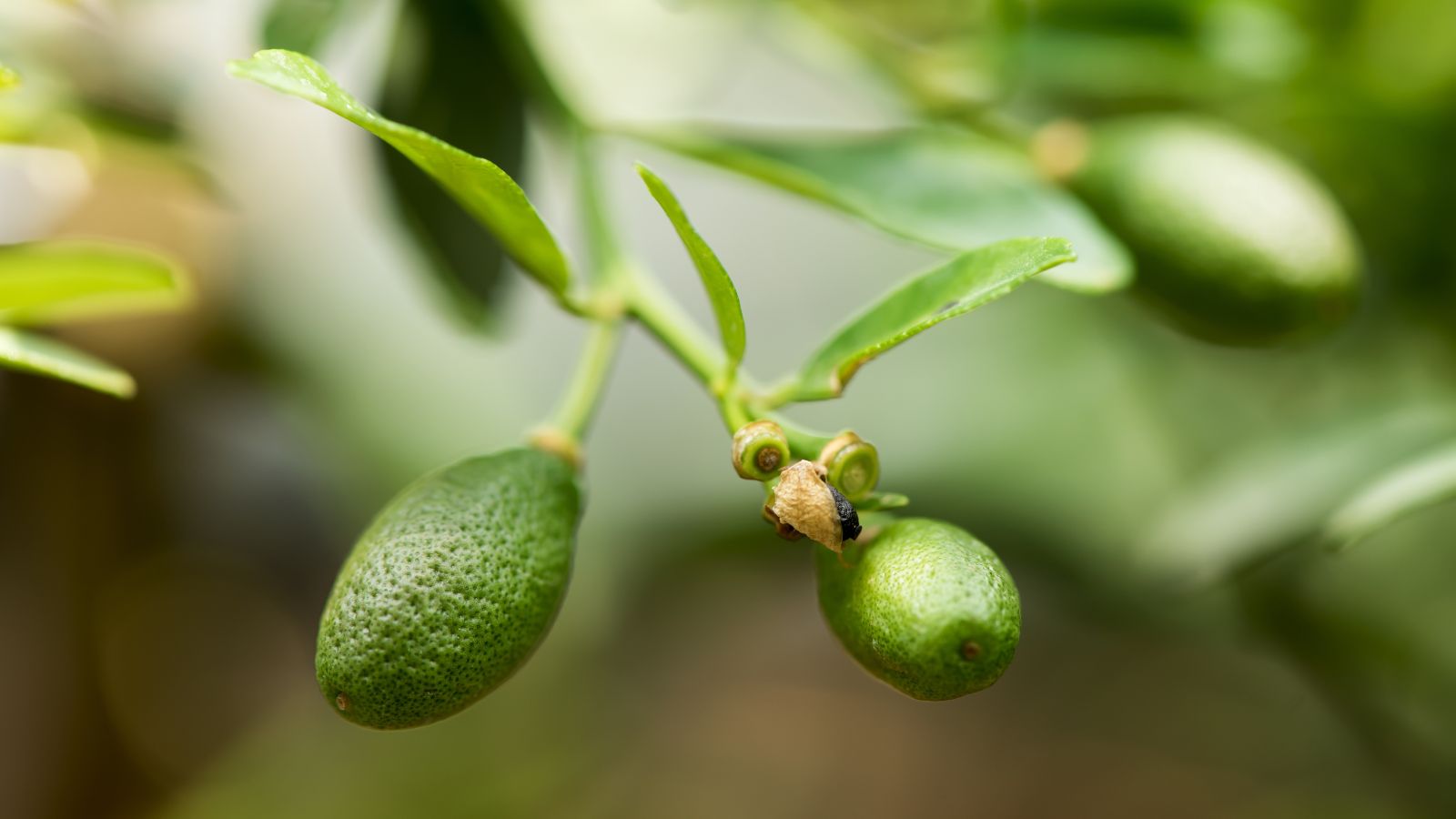
Pruning can be done at any time of year, but it is best completed after harvest to avoid removing flowers or developing fruit. Fruit is typically ready to harvest from March through May, with flowering beginning in fall.
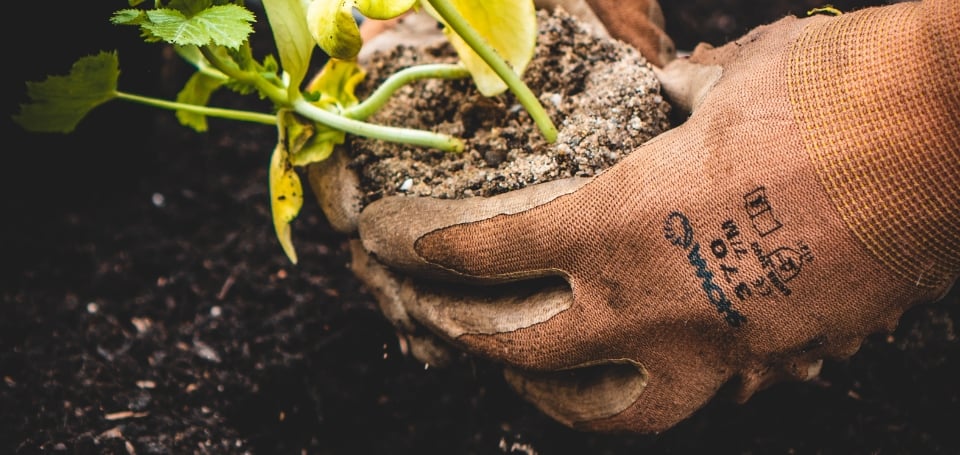
Australian finger lime can be challenging to prune because of its dense thorns, so hand and eye protection are essential. Heavy-duty, puncture-resistant work gloves are strongly recommended.
Prune to maintain the tree’s size, remove problematic branches, and cut away dead shoots. Finger limes do not rely on old growth to produce fruit, and much of the fruit will naturally drop from the tree. Any old fruit that does not fall on its own should be removed by hand. Australian finger lime trees are evergreen, so their leaves remain on the tree year-round.
Propagation
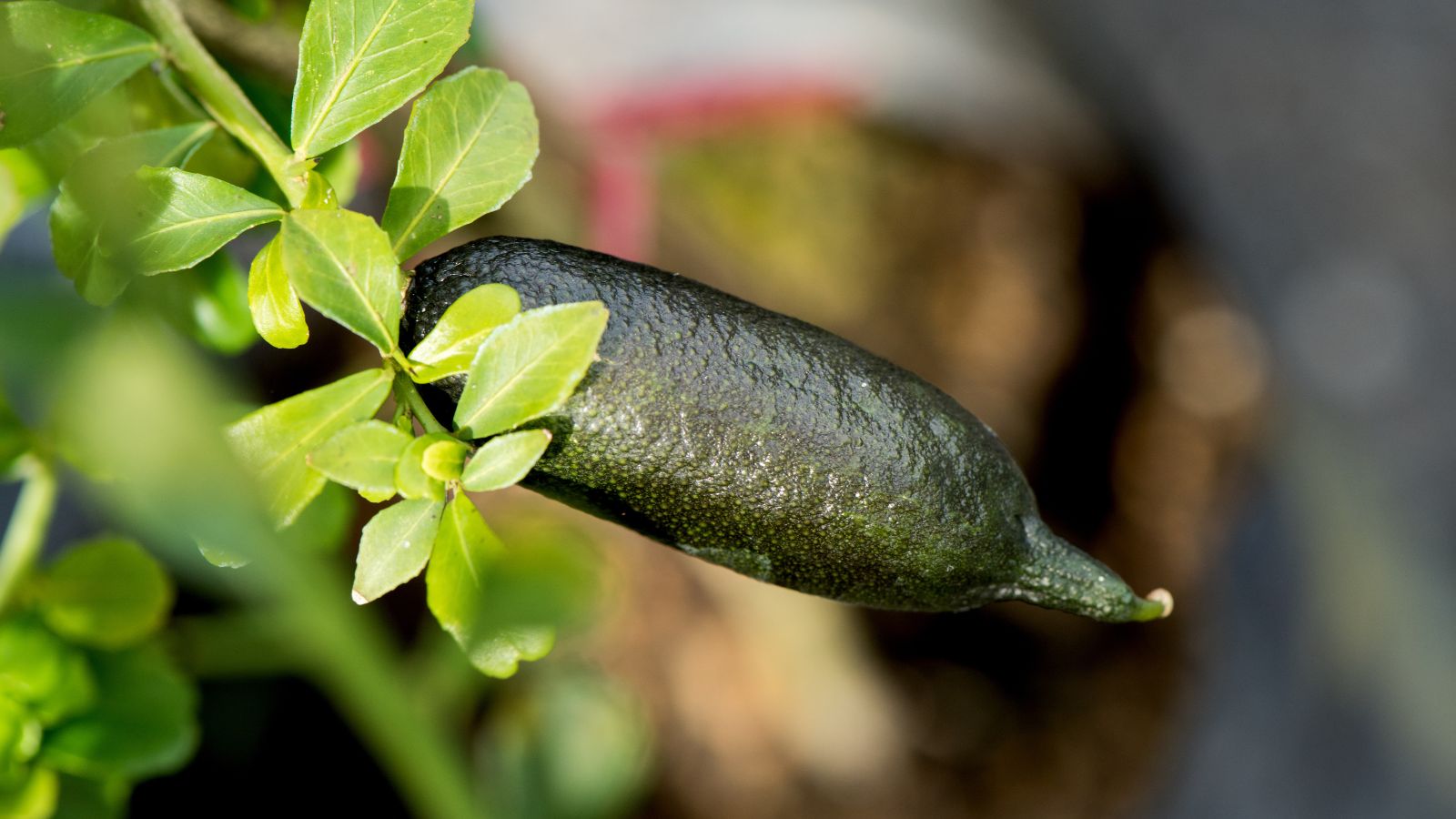
Grafting and rooted cuttings are the most reliable methods for propagating australian finger lime. Seeds can be difficult to source, and successful germination is uncommon.
Chip budding is the most widely used grafting technique for finger lime trees and is typically performed onto a seedling rootstock. For in-ground planting, grafted trees are the preferred option. Seedling rootstocks generally develop stronger root systems than rooted cuttings, resulting in a more stable tree.
Depending on the rootstock used, grafted trees may offer improved disease resistance, increased cold tolerance, and better control over mature height.
Rooted cuttings are a simple and effective propagation method for Australian finger lime, particularly for container growing. Cuttings should be two to four inches long, and a rooting hormone should be applied to encourage faster root development. Keep cuttings in a humid environment out of direct light until roots have formed.
Root development typically begins in about two weeks. Gradually acclimate young plants over one to two weeks before introducing them to direct sunlight. Trees propagated from cuttings are best suited to containers and should not be planted in the ground.
Harvesting
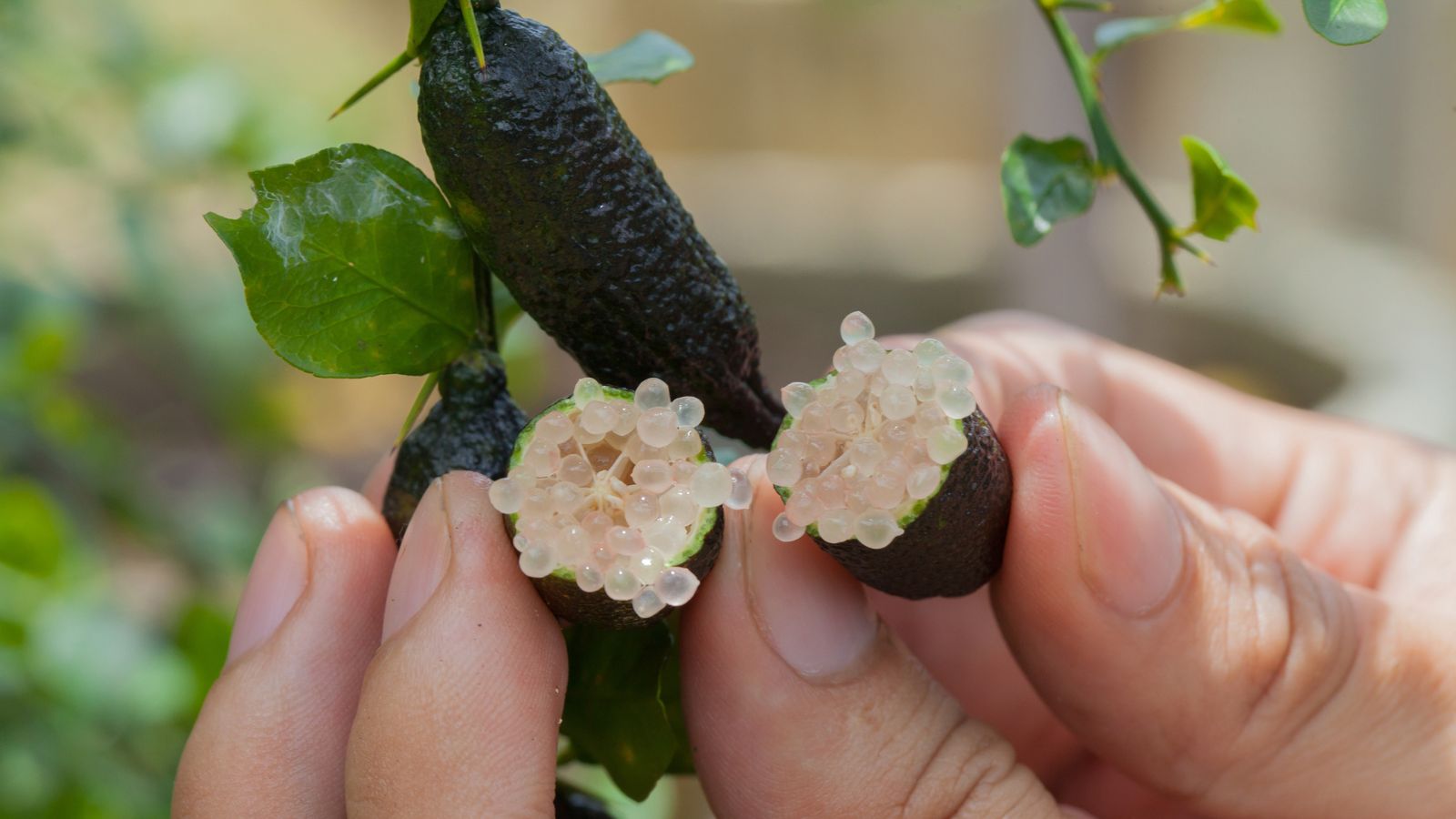
Harvesting finger lime fruit can be challenging without proper protection. These thorny plants can quickly turn harvesting into a frustrating task if care is not taken. Once the fruit is picked, there are several storage options to ensure your effort is not wasted.
Color is the first indicator of ripeness. Depending on the variety, finger lime fruit may be red, yellow, green, purple, or brown. Once the fruit has developed full color, gently pull it from the tree. Ripe fruit should detach easily. If force is required, the fruit is not yet ready to harvest. When picking fruit, wearing thick, puncture-resistant gloves is strongly recommended to protect your hands from the sharp thorns.
Storing
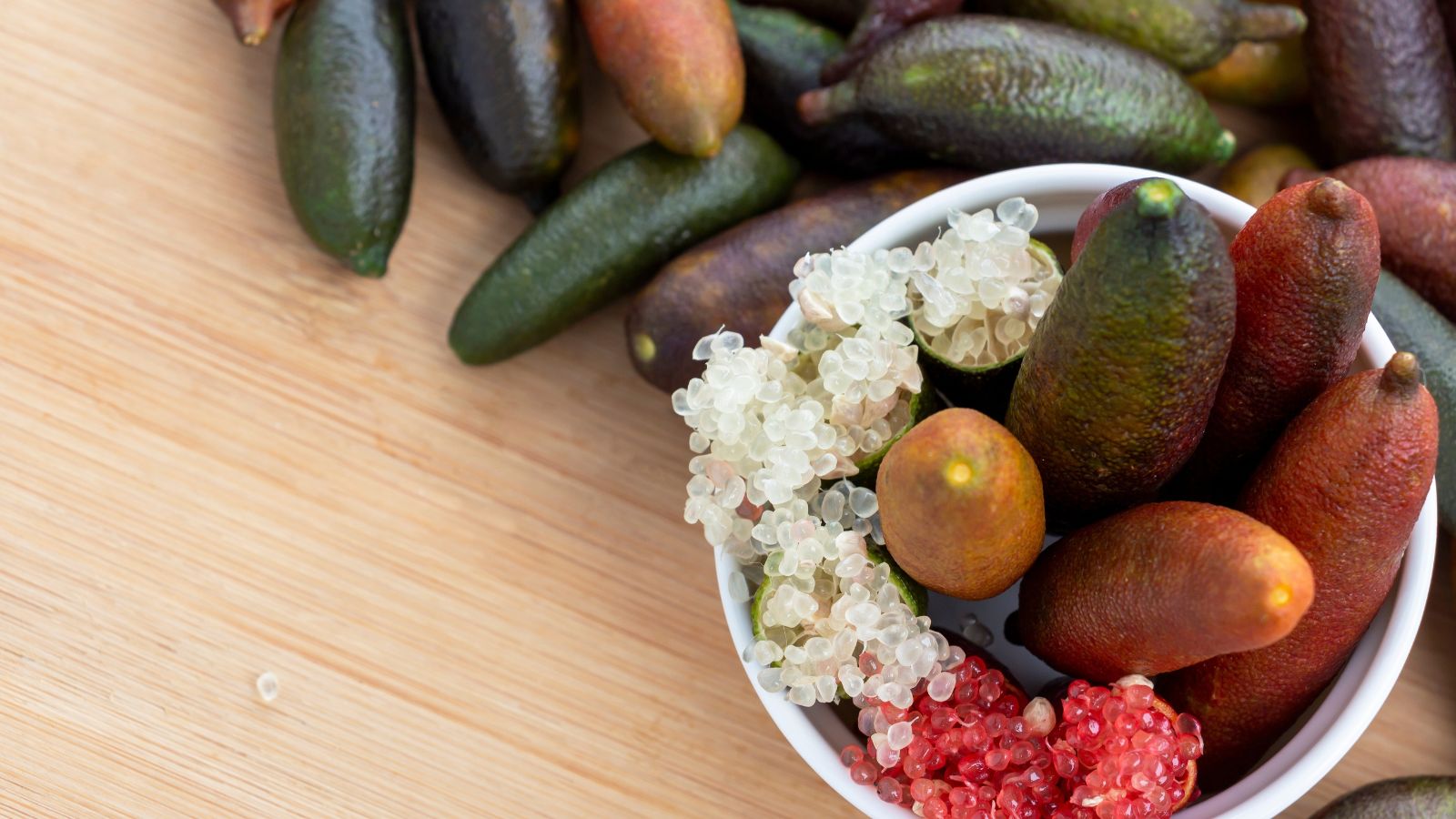
Fruits can be stored at room temperature for about one week and in the refrigerator for about three weeks. Keep refrigerated fruit in a breathable bag or container.
Caviar limes also store exceptionally well in the freezer. To freeze them, place whole fruits in a sealed, freezer-safe container. The pulp retains its caviar-like texture and can be stored for up to six months.
Troubleshooting
Australian finger limes occasionally have minor growing issues. Most issues can be prevented or easily resolved. Below are some tips for having a problem-free growing experience.
Growing Problems
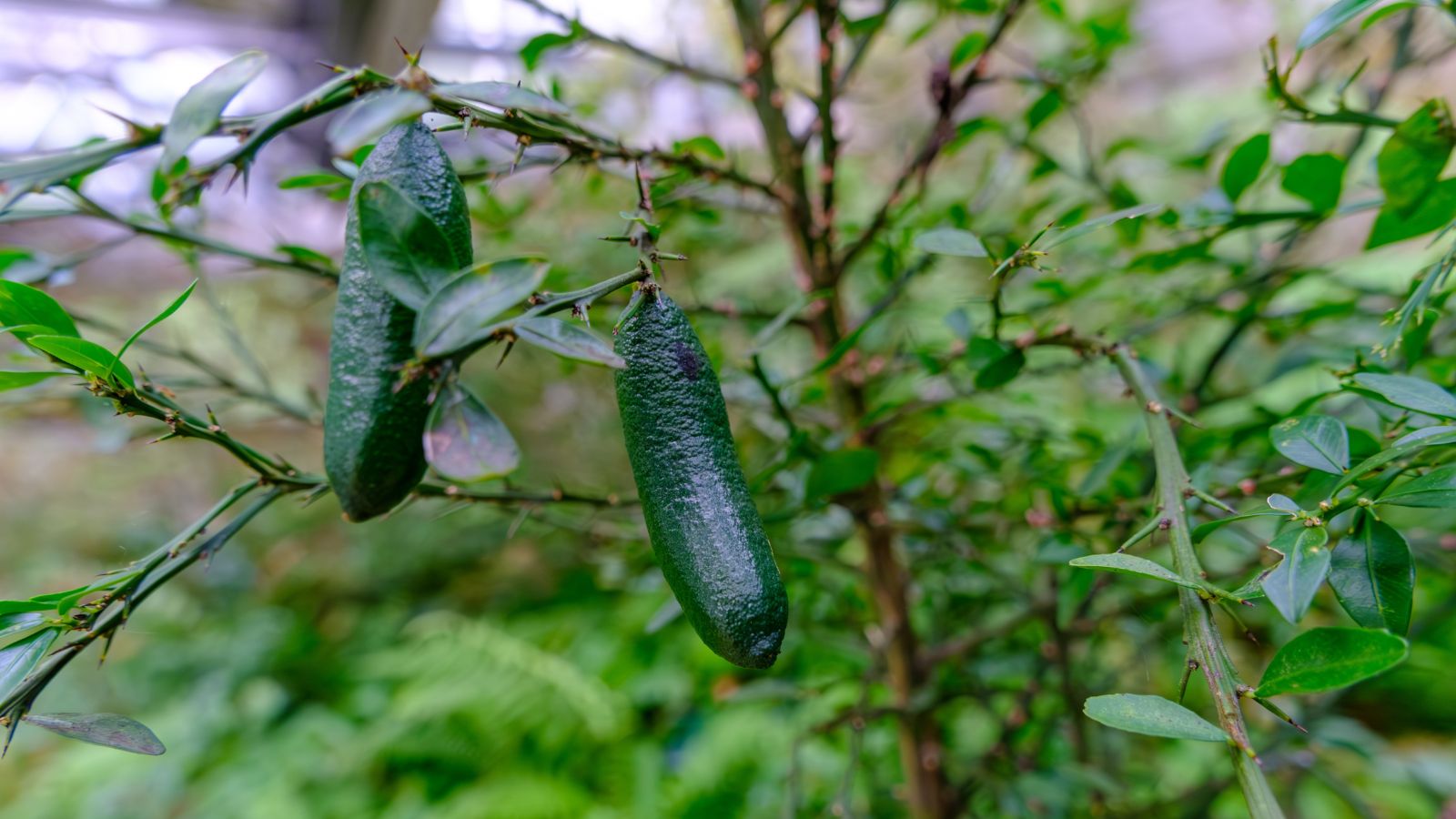
Although finger lime trees are shade-tolerant, excessive shade can result in little to no fruit production. The plant may continue to grow and remain healthy, but fruiting will be significantly reduced.
Flower abortion and premature fruit drop are commonly caused by extreme weather or over-fertilizing during flowering and early fruit development. Avoid fertilizing during bloom or the initial stages of fruit set to prevent unnecessary fruit loss. Some flower and fruit drop is normal and should be expected.
Damaged fruit is another common issue, particularly in windy locations. Thorns can puncture developing fruit, creating entry points for mold and rot. Avoid planting finger lime trees in exposed, windy areas, or install a wind barrier to protect fruit as it develops.
Pests

Several mite species can be problematic for caviar limes. They cause stippling damage on leaves, and heavy infestations can lead to leaf drop.
Mites are more likely to attack weak or stressed trees. Maintaining overall plant health is the most effective defense, as healthy trees tend to support a natural balance between pest mites and predatory insects that keep populations in check. If mite populations become severe, horticultural oils or insecticidal soaps can be used to reduce infestations.
Soft and armored scale insects may appear on twigs and branches. Damage is indirect, as scales excrete honeydew that promotes the growth of sooty mold. This mold coats the leaves, inhibits photosynthesis, and can lead to leaf drop. Scale populations are often kept under control by natural predators and parasites. If intervention is needed, horticultural oil sprays are an effective treatment.
Aphids are small, soft-bodied insects that feed on the sap of tender plant tissue. Aphids are typically controlled by beneficial insects, but populations can occasionally grow large enough to cause damage. Control methods include removing heavily infested leaves, spraying plants with a strong stream of water, or using horticultural oils or insecticidal soaps.
Lepidopteran pests include several moth larvae that feed on foliage. Leaf rollers damage tender new growth, while citrus leaf miner larvae create winding tunnels beneath the surface of leaves, most often on the undersides.
Larvae can be removed by hand on small plants, and treatment is rarely necessary for mature trees. If citrus leaf miner damage becomes excessive, pheromone traps can be used to disrupt mating.
Diseases
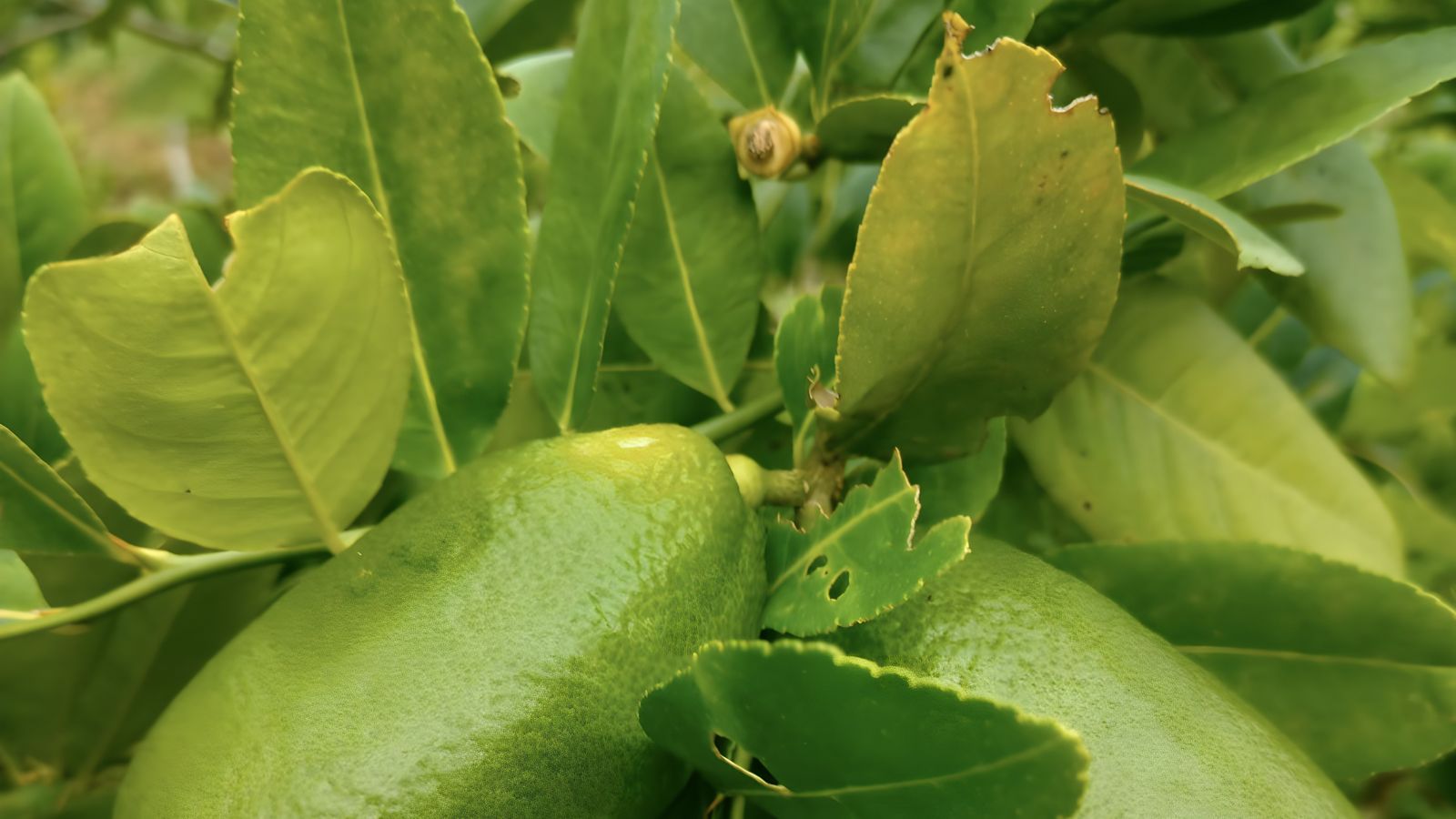
Phytophthora is one of the most common root diseases affecting citrus and causes a general decline in tree health. Leaves may appear yellow or pale green, and advanced stages often show gumming, where sap oozes from the trunk.
Phytophthora is best prevented through proper irrigation practices and planting in well-draining soil. Some rootstocks are more tolerant or resistant to Phytophthora. It is extremely important to keep at least a few inches of the rootstock above the soil line.
Twig dieback can be caused by several different fungal pathogens and typically occurs during the rainy season. Chemical treatment is usually unnecessary. Prune off affected twigs and branches promptly to prevent the infection from spreading.
Huanglongbing, commonly known as citrus greening disease, causes symptoms such as yellow mottled leaves, sudden decline in young trees, and small or misshapen fruit. The disease is spread by the Asian citrus psyllid, so controlling this insect helps limit transmission.
There is no cure, and once a tree becomes infected, it must be removed. Australian finger lime has shown some tolerance to Huanglongbing, meaning symptoms may be milder. If infection is suspected, have the tree tested and remove it if confirmed.
Removing infected trees helps prevent spread to nearby citrus. Always source new trees from reputable nurseries that follow state regulations. For example, citrus trees grown in California should carry a CDFA label indicating they originate from certified clean nursery stock.
Frequently Asked Questions
How long does it take for finger lime to fruit?
Finger lime will start to fruit after one year. They will produce an abundant amount of fruit after 4-5 years.
Can you grow finger limes in the US?
Absolutely! Although it may be difficult to find in stores, there are a few online retailers that can ship a tree directly to your home.
How big do finger lime trees get?
Australian finger lime trees range in size from 6-25 feet depending on the variety and rootstock. Trees can be pruned to maintain the desired height.