Feather Meal: A High-Nitrogen Organic Fertilizer
Feather meal is an excellent slow-release source of organic nitrogen. Learn to apply it to your plants.

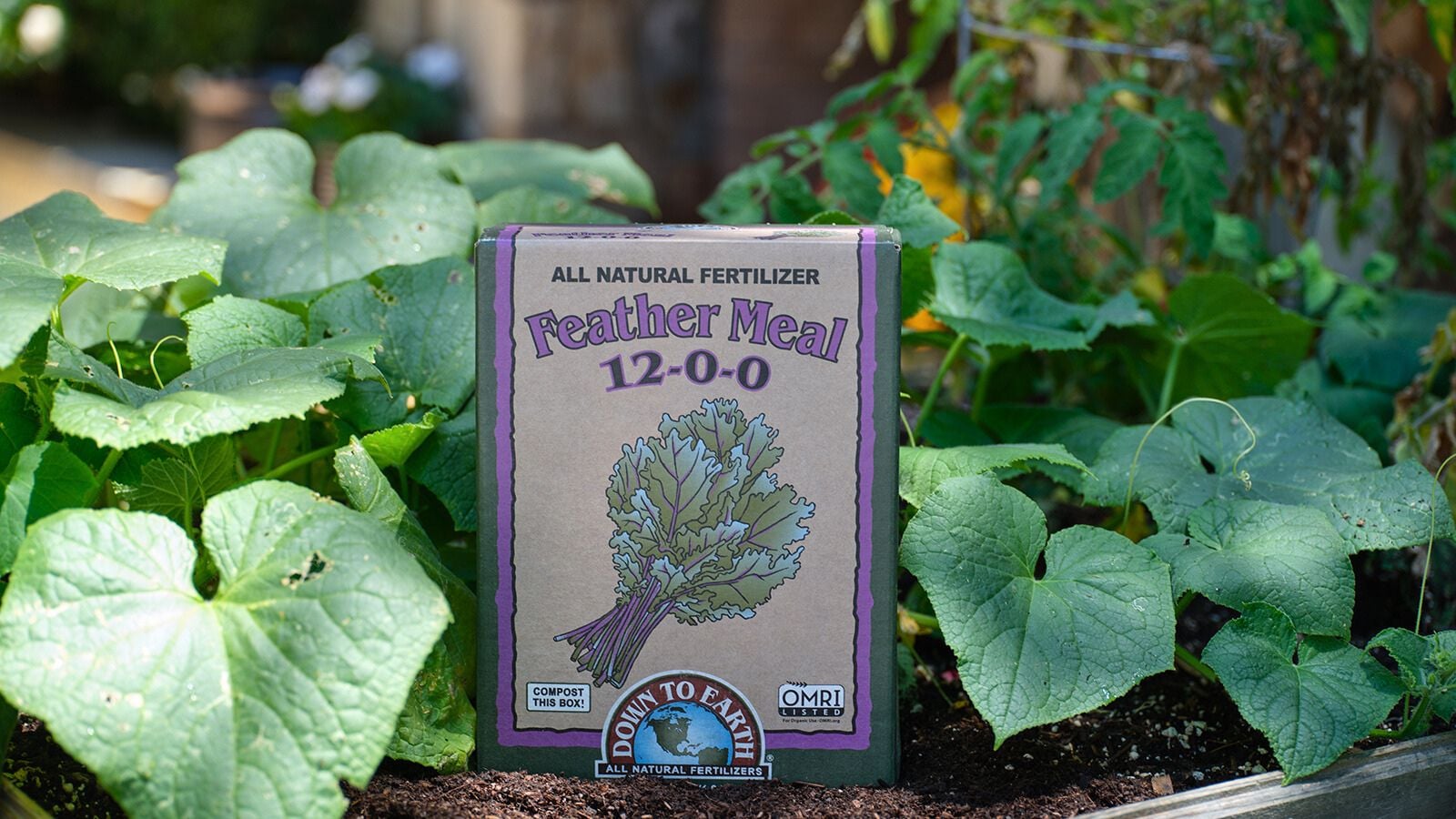
Feather meal is a fantastic organic fertilizer high in nitrogen that can take the place of many synthetic liquid fertilizers in your garden. If you’re wondering, “What is feather meal made of?”, the answer is as simple as it seems: feathers from poultry animals that have been harvested for meat.
They’re collected and subjected to high temperatures and pressure, then further ground up to form a fine powder. After they’re dried, they’re then packaged up for use in fertilizer mixes, animal food, and more.
Nitrogen Boost: Feather Meal
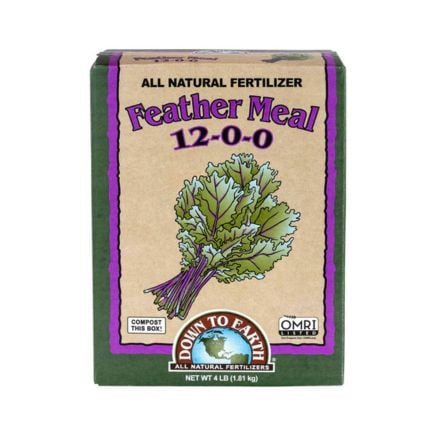
Nitrogen Boost: Feather Meal
Feather meal is a great source of slow release nitrogen that is perfect for heavy feeders like corn, cole crops and leafy green vegetables. Incorporate into your soil before planting for best results.
Buy at Epic Gardening ShopBenefits of Feather Meal
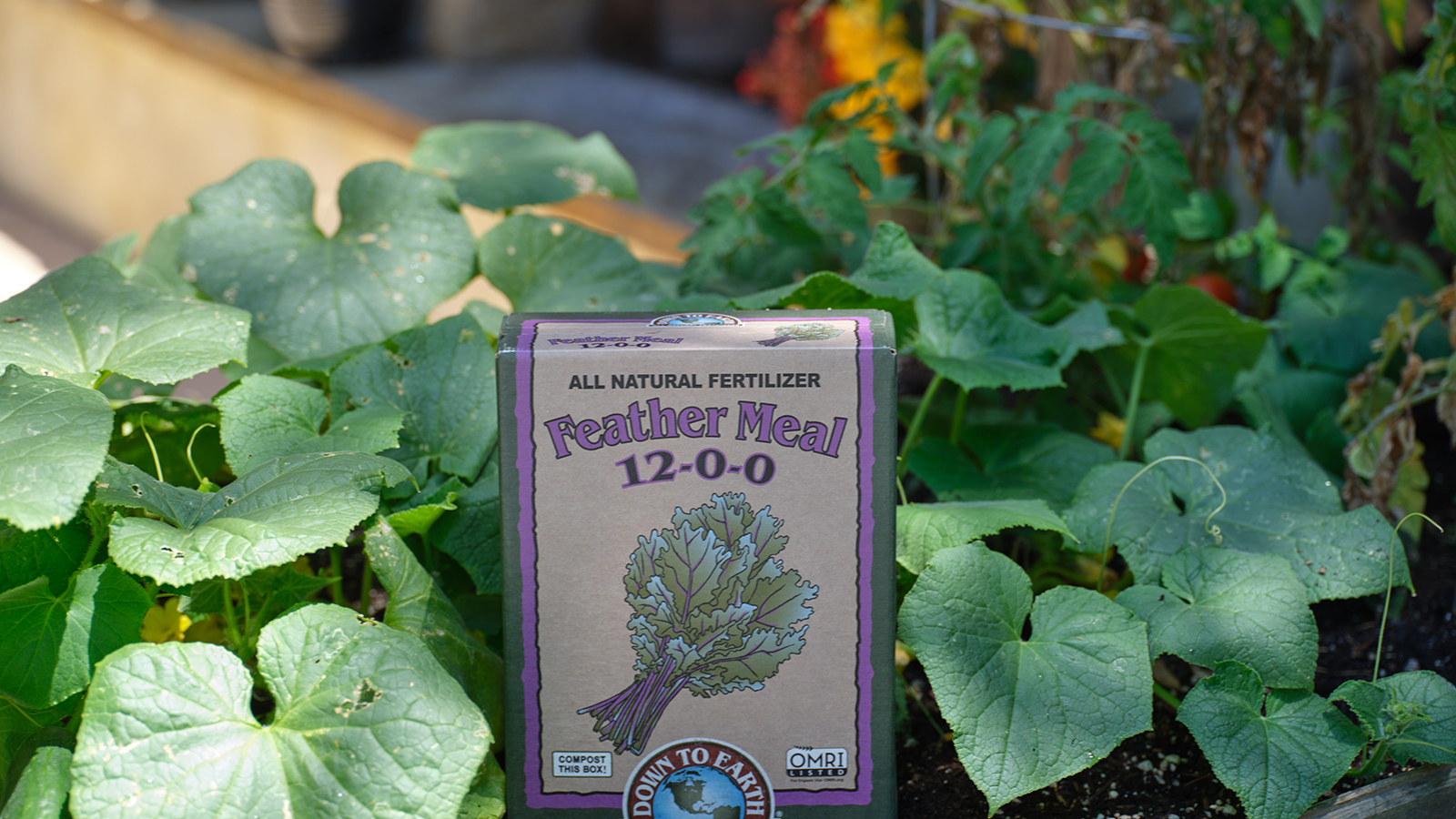
With an NPK ratio of ~12-0-0, it’s a fantastic supply of nitrogen and not much else. Some of the nitrogen is readily available for immediate use by your plants, but most is a slower-release type contained within the keratin protein that comprises most of a feather’s structure.
As a primary plant nutrient, nitrogen has immense benefits and impact on plant growth:
- Increases green vegetative growth
- Kickstarts compost pile
- Improves soil structure
I’ve used feather meal to improve my soil after running a soil test and discovering my soil was depleted of nitrogen. I had been growing heavy nitrogen feeders like corn in the bed and it was totally dry.
I did a quick search for quality feather meal products, grabbed one from Down to Earth, added to my cart, and voila: a steady source of slow release nitrogen to my soil as soon as the package arrived.
It’s best applied directly to the soil, mixed into the top few inches as it is not water-soluble and must be in contact with soil particles and soil microorganisms to begin the decomposition process. Do not use as a top-dressing.
How to Apply Feather Meal

Remember: it takes time for the meal to break down, so feed your plants at a natural rate and don’t go overboard. Once feather meal is added to your soil, the microorganisms within your soil – bacteria, nematodes, fungi – all have roles in breaking down into forms of nitrogen that are bioavailable for your plants.
So not only do you get to add nitrogen to your soil, you’re also building the life within your soil which has many more benefits than just the initial fertilizer application.
If you’re setting up a new organic vegetable garden in existing soil, mix 3-6 lbs per 100 sq. ft. into the soil. You can also mix a spoonful or two into the planting hole of transplanted vegetables.
As your crops progress, a side dress mixed into the top few inches of soil will work quite well if done on a monthly basis.
If fertilizing container plants, mix one to two tablespoons per gallon of soil if mixing a new batch of potting mix. If amending existing houseplants or container veggies, a small quantity of 1-2 tbsp mixed into the top inch of soil and watered in is sufficient.
Potential Safety Issues

Because of the disgusting practices of factory-farmed poultry, many chickens are exposed to antibiotics, antihistamines, fungicides, caffeine, synthetic sex hormones, and other potentially harmful materials. Similar to how marine life bioaccumulate toxins that can be harmful to human health, a study found trace amounts of these compounds in feather meal.
My personal take: if you know where you’re getting your feather meal from and trust the way the chickens were raised, the potential effects should be quite minimal. Even still, it’s a far better product than additional sources of synthetic nitrogen that many people dump on their soils, both for the soil life and the environment.





