Extending the Harvest: Fall Care for Pepper Plants
Fall is an interesting time for pepper plants. You likely still have ripening peppers, and the temperature is steadily cooling each day. Cool weather, ample rainfall, and early frosts threaten these peppers before you can harvest them. Don’t worry—we’ll extend the harvest with some simple tricks from pepper grower Jerad Bryant.


Contents
I love peppers. They’re one of the easiest crops to grow, so long as you get ahead of the growing season in late winter. Peppers benefit from an early start indoors to reach full size. Then, after you transplant them, they have the rest of the season to flourish.
At the end of the season, peppers act like tomatoes. They continue to grow flowers and fruits in a last-ditch attempt to beat the coming cold. You’ll have to help them by snipping their extra blooms and protecting the ripening chiles from frosty weather.
Peppers ripen easily indoors, and they taste great both green and fully ripe. They’re great for growers who like preserving and canning their produce at the end of summer. Whether you have a large bed full of peppers or a few containers, these tricks help you extend your pepper harvest in the fall.


Candy Cane Chocolate Cherry Sweet Pepper
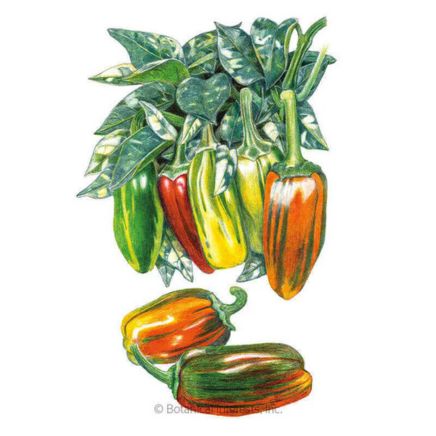
Candy Cane Chocolate Cherry Sweet Pepper Seeds
Last Call
Fall care begins with harvesting. Consistent picking encourages the plants to produce more flowers and peppers, which will extend your pepper harvest. The more you pick, the more peppers you’ll have to harvest! Alongside regular harvesting, additional care ensures your specimens thrive during these months.
Pick Peppers

Start by picking all the ripe peppers on the plants you can see. Inspect the stems up and down, and lift the leaves to peer underneath them. Bell peppers are easy to find on the plants, while bird and chile peppers are small and tend to hide in the foliage.
Don’t snap the fruits off. Use snips or pruners to remove each pepper. Ripe chiles are great for roasting, fresh eating, and drying, while immature green ones work best in sauces, marinades, and sofrito.
You don’t have to harvest every pepper. Leave some immature ones to ripen if you prefer them ripe and not green. If, however, an early frost is in the forecast, you’ll need to harvest each pepper or protect them with a cover before the frost arrives.
Mulch Roots

Mulch protects the roots from frosty weather. Instead of letting them freeze, you’ll bolster the pepper plants against early frosts and chilly temperatures. Mulch also helps absorb excess moisture, which prevents the roots from sitting in soggy conditions.
Many mulches will do to extend your pepper harvest, though some are better than others. Compost is the best kind; it’s organic, it decays readily, and it feeds the earth. It’s also easy to make at home, so long as you get the ratio right. Balance greens and browns, turn the pile daily, and keep it moist for quick compost.
Without access to compost, simply use whatever you can get your hands on! Coco coir, straw, and leaf mold are excellent options. Fallen leaves work in a pinch, though it’s best to chop them up before putting them in your pepper beds.
Extending the Harvest
Cheap, easy-to-find materials make extending the harvest an easy task. Covers protect the plants at night, and selective pruning ensures each pepper ripens on time. Careful preparation will bolster your crop against fall pests, cold weather, and pesky fungal diseases.
Greenhouse Plastic

The best way to protect pepper plants and extend your pepper harvest is with greenhouse plastic. This clear material traps heat and lets sunlight through, creating a greenhouse-like climate. You don’t need a giant greenhouse; all you need are raised or in-ground beds, greenhouse plastic, hoops, and clamps to secure the plastic.
Start by sticking hoops into the pepper plot. Stab each end of the hoop on each side of the bed, and arrange the hoops in a row along the length of the bed. Your bed should resemble a mini hoop-house. Then, drape the greenhouse plastic over the hoops.
Secure the plastic with the clamps, and use rocks or bricks to weigh down the ends on the ground. Open the plastic during the day to let air flow through it, and close it at night to trap the heat. This covering will prolong your growing season by a month or longer!
Frost Cloth

Frost cloth traps less heat than greenhouse plastic, but it’s still a useful material to extend your pepper harvest. It’s cheaper than clear plastic, and there are household items you can use as substitutes. Frost cloth is a lightweight fabric that covers the pepper bed at night to protect it from cold.
Find this cloth available at garden centers, plant nurseries, and online retailers. If you can’t find any or you’ve got a budget to stick to, use old bedsheets instead! I used to work at a wholesale nursery where we used frost cloth, bedsheets, and other thin fabric pieces we could find.
Cloth works by trapping heat underneath. It keeps the plants warmer than their surroundings and protects every ripening pepper from ice, snow, and rain. Drape it gently over the plants, and secure the ends to the ground with rocks or bricks.
Move Containers

A pepper plant in a container is easy to care for during the fall. Simply move it where it’ll do better to extend your pepper harvest. If it’s rainy in your region, move it under cover. Place the pepper container on your porch, balcony, or patio where there’s an overhead covering.
If it’s cold in your region, move the pepper plant to a spot where there’s more sun and less cold. Set it up on a north-facing wall, or move it to the sunniest spot of your yard.
Selective Trimming

If you know it’s the end of the growing season, you may prune parts of the pepper plant you don’t need. Then, it’ll have more energy to use on ripening its existing peppers.
Start by locating any flowers that are blooming. Snip them off, taking care not to damage the nearby stems and chiles. Also, remove any yellow leaves or damaged peppers.
Without excess flowers, the plant will redirect its nutrients and energy towards ripening any remaining peppers, which will extend your pepper harvest. You’ll notice they’ll swell quickly after selective trimming.
Overwinter Pepper Plants
Before the first average frost date, decide whether you want to save your pepper species or start anew next year with seeds. Peppers need lots of sun to thrive during the winter. If you can keep them alive, you’ll have a head start on the growing season next year.
Take Cuttings

Cuttings are an easy way to make clones of your favorite plants. Maybe you liked the way a pepper tasted, or you liked the way the plants grew. By snipping the stems and encouraging them to form roots, you’ll create a fresh supply of peppers for next season.
To take cuttings, use snips or pruners to slice portions of the stems off. Make portions four to six inches long, then remove the lower leaves from the cuttings. Jab their cut stems into pots with potting soil, and water them well.
Set the pots in a tray under partial shade, and add a humidity dome for good measure. Ample humidity helps your plants form roots, as they can take water in through their leaves when it’s humid enough. Remove the dome once the pepper cuttings sprout roots.
Transplant Pepper Plant

Rather than taking cuttings, you may remove the entire plant from the ground and put it in a pot for overwintering. This process requires some planning, as the plants need some time to adapt after transplanting. A month or two before the first frost, identify the peppers you want to keep.
Dig down about six inches away from the stem, making a circle around the pepper’s trunk. Dig a foot down, then dig underneath the plant itself. Heave it out of the ground, using your knees and not your back to support the pepper.
With the pepper dug out, it’s time to prepare a pot for planting. Fill a large pot with potting soil, then set the dug plant inside. Cover its roots with soil, water it well, and leave it outdoors in the sun. Begin moving the pepper indoors after two weeks or longer.
Move Plants Indoors

Move your peppers indoors well before harsh frosts arrive. They’ll struggle to adapt to the indoors if they’re cold-shocked before the move. Protect them with frost cloth or clear plastic, then move them inside if you want to keep them going through the cold months.
Indoors, peppers do best near a warm, sunny windowsill. Keep them away from harsh drafts from heaters, doors, and open windows. Heaters tend to dry the air, and a humidifier can help boost humidity if the plants sit near a heat source.
Pepper plants need direct sunlight indoors, and if they don’t have it, they’ll need supplemental sun from grow lights. Set the grow lights on an automatic timer so they turn on at sunrise and off at sunset.
Indoor pepper specimens need less water during winter than they do during the growing season. Let the soil dry first before watering, and use your finger to test the moisture levels if you’re unsure.
Key Takeaways
- Remember, peppers love the heat! Keep them warm while they ripen their fruits to extend your pepper harvest.
- Pick all chiles off the plants before the first frost date.
- Use clear plastic or frost cloth to protect outdoor specimens during fall.
- Take cuttings or transplant plants into pots for overwintering.