How To Plant, Grow, and Care for Myrtle Spurge (Euphorbia Myrsinites)
Euphorbia myrsinites is a fascinating and beautiful plant that is useful in xeriscape. However, it can be invasive if not controlled. This guide by Epic Gardening founder Kevin Espiritu shares tips on how to grow it (and control it) successfully.

Contents
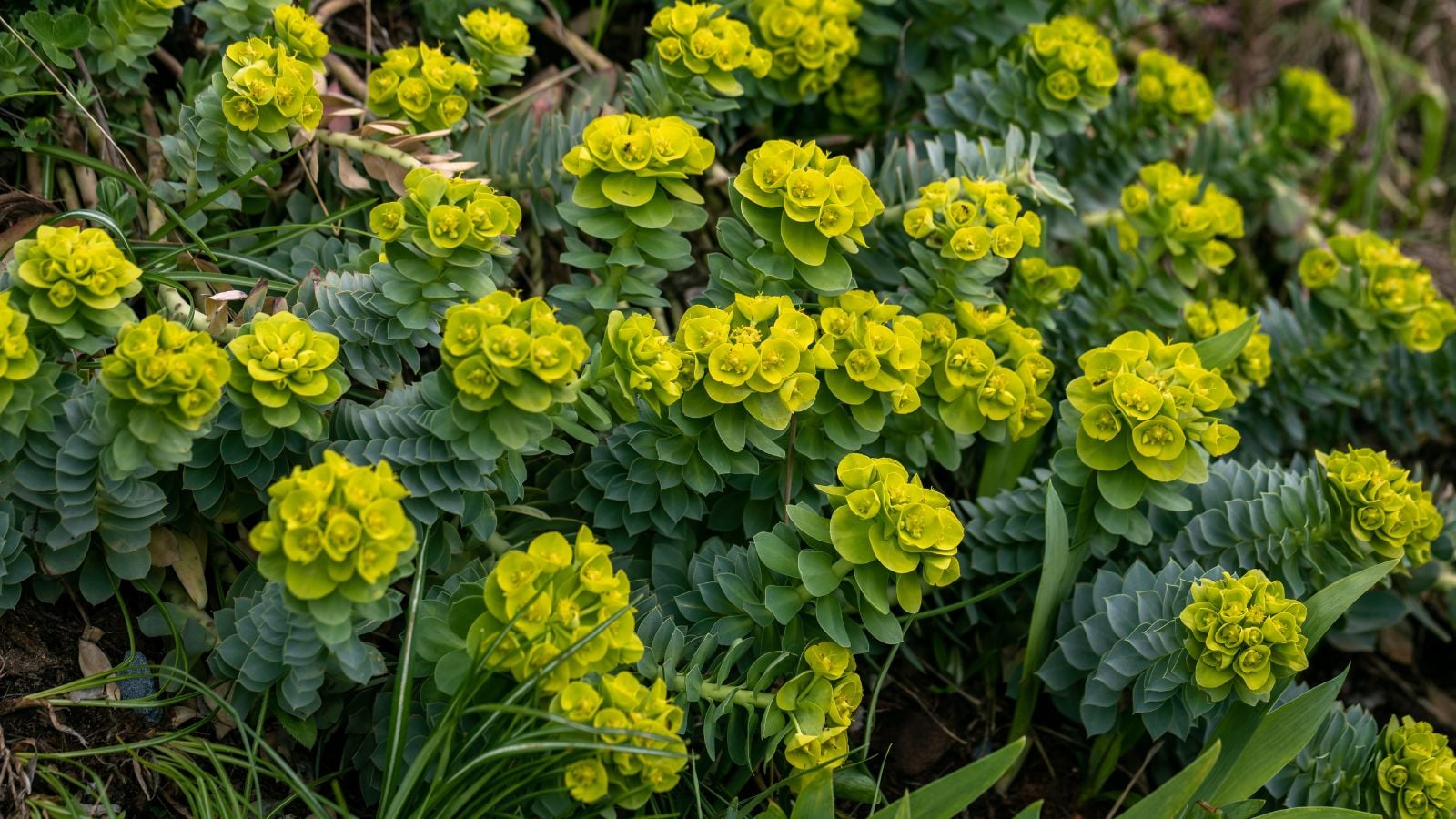
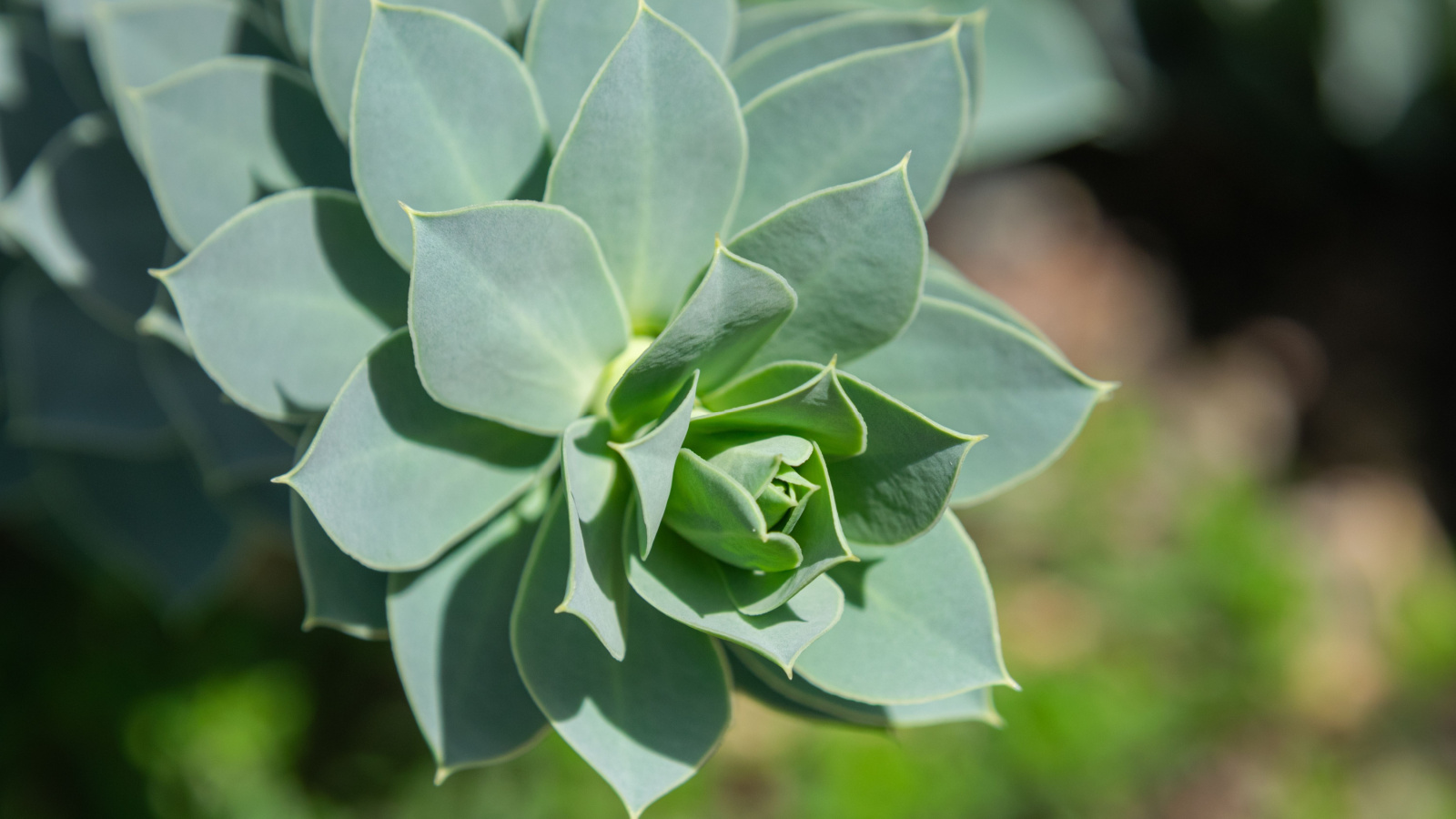
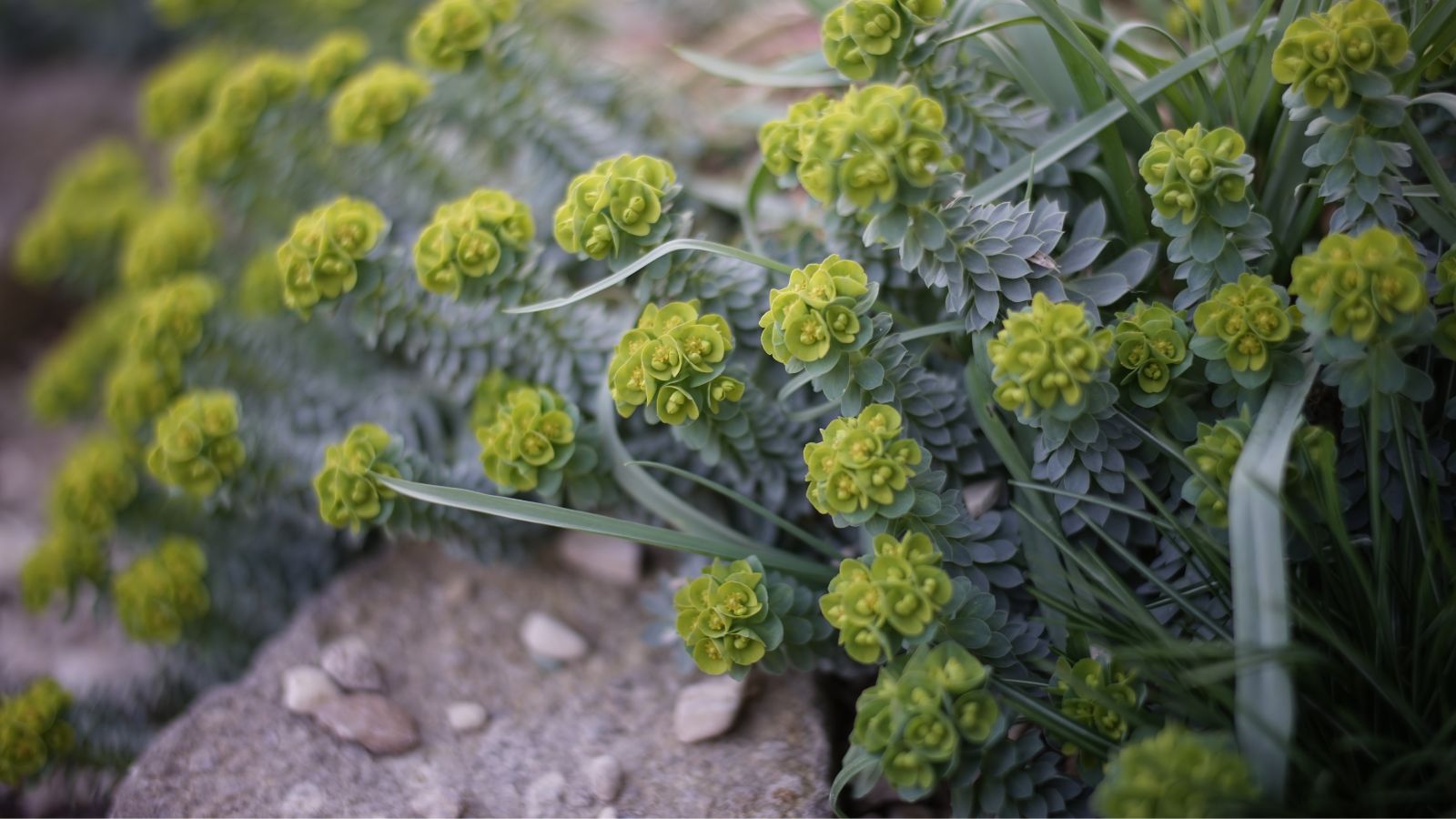
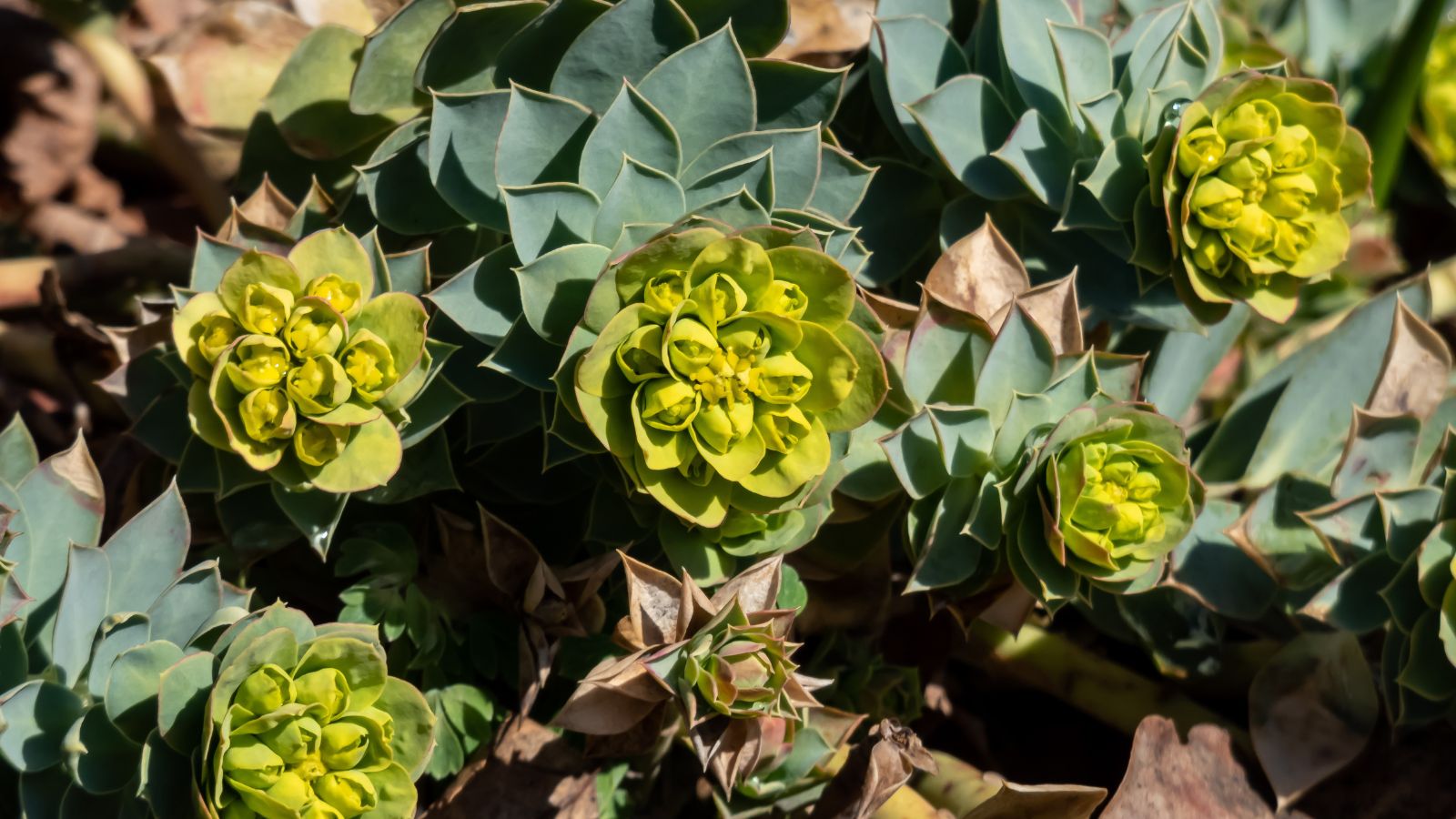
Euphorbia myrsinites is known for its spirals of blue green leaves and stunning chartreuse or bright yellow bracts that appear on sprawling stems. The flowers bloom mostly in early spring. This species is native to Asia Minor and southeastern Europe.
Commonly called myrtle spurge or donkey tail, Euphorbia myrsinites is a perennial succulent in the Euphorbiaceae family. Depending on the region, members of this genus can behave as either annual or perennial succulents. This plant has received the Royal Horticultural Society’s Award of Garden Merit.
This broad-leaved, glaucous spurge is considered invasive or noxious in some regions and is banned in certain US states. Take care when growing and handling your sprawling myrsinites, but keep in mind that it is still an excellent xeriscaping plant.
Modern Patio Planter – 12″ Tall

Modern Patio Planter – 12″ Tall
Crafted with high quality steel and a unique clipping system that allows each piece of the bed to fit together perfectly. With no tools needed to assemble, these sleek and sturdy planters are the perfect addition to your space.
Buy at Epic Gardening Shop
Quick Care Guide

|
Common Name(s)
Donkey tail spurge, myrtle spurge, blue spurge, creeping spurge
Scientific Name
Euphorbia myrsinites
Family
Euphorbiaceae
|
Hardiness Zones
5-9
Height & Spread
6-12″ tall and wide
Light
Full sun
|
Soil
Normal, sandy soil
Water
Low
Pests & Diseases
Aphids, mealybugs
|
All About Euphorbia Myrsinites

In the UK, Euphorbia myrsinites has earned the Royal Horticultural Society’s Award of Garden Merit. You can plant this succulent in rock gardens, terracotta pots, or containers. It also works well along driveways, where its sprawling growth creates an impressive ground cover.
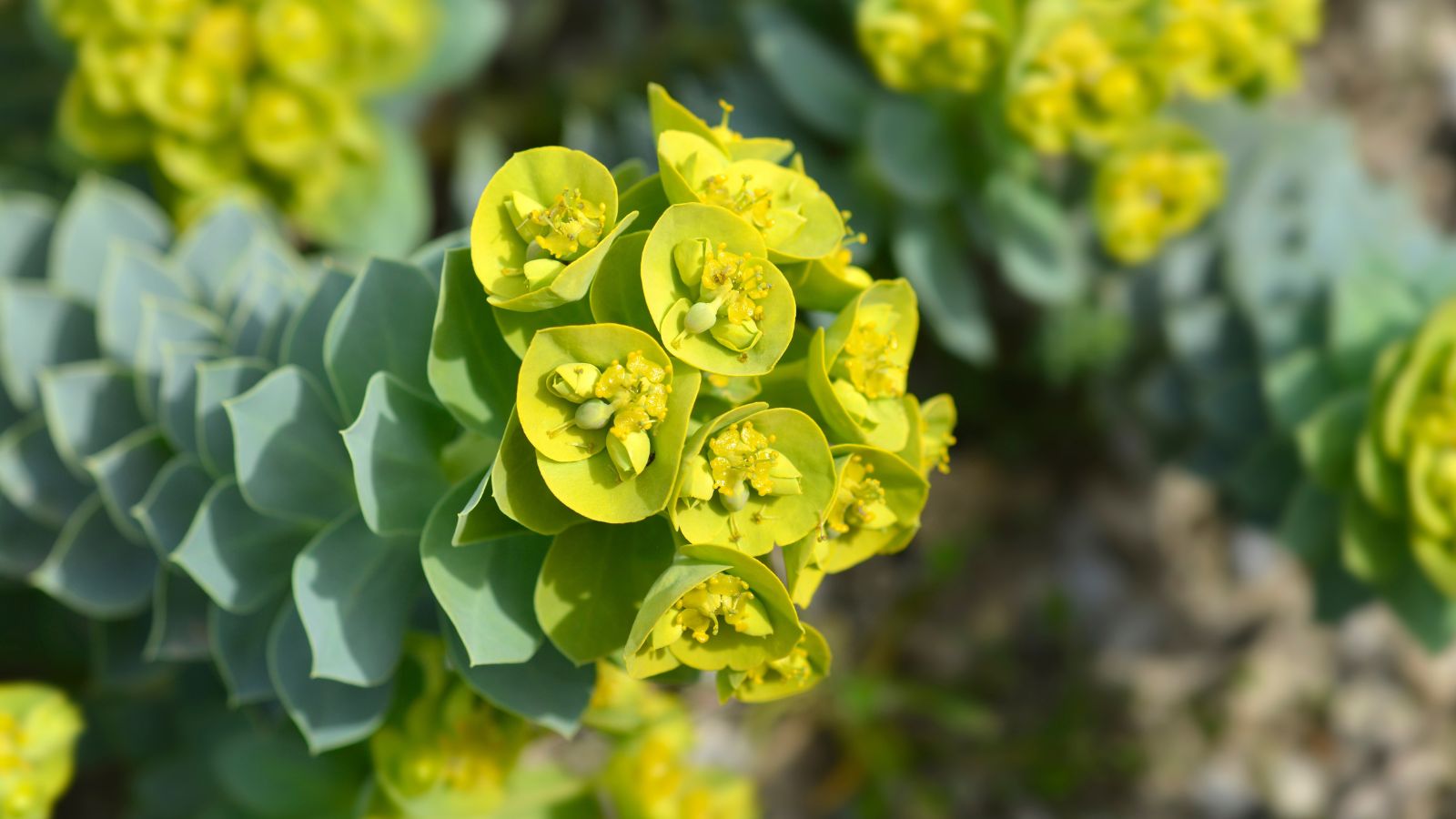
This plant is native to southeastern Europe and Asia Minor, including Italy, the Balkans, Crimea, and Turkey. Its light gray-green leaves spiral along trailing stems. In spring, small greenish buds open into sulfur-yellow flowers nestled within the spiraling foliage. Most gardeners grow it for the showy yellow bracts that surround the blooms.
Despite its award-winning appeal, use caution when cultivating this species. It is classified as an invasive plant and noxious weed in Oregon, Utah, and Colorado. If you live in one of these regions, Epic Gardening recommends growing it in containers and removing spent flowers promptly. Monitor the plant’s growth closely to prevent it from escaping garden beds, as it can pose a risk to local ecosystems.
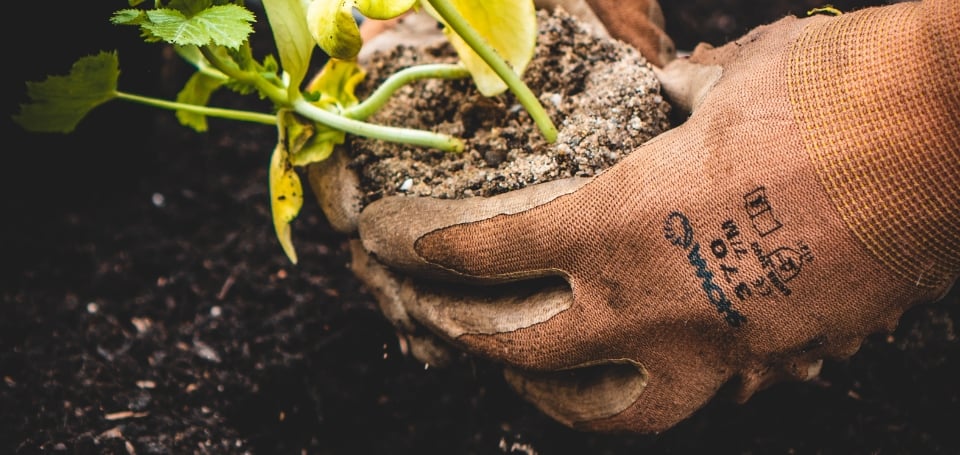
Like other Euphorbia species, creeping spurge produces a latex sap that can irritate skin. The sap is toxic if ingested and may cause blindness if it contacts the eyes. Always wear protective gear such as gloves, eye protection, and long-sleeved clothing when handling Euphorbia myrsinites.
How to Grow
Aside from its toxicity, myrtle spurge is easy to care for as long as it is kept under control. Here are the basics for growing it successfully.
Light
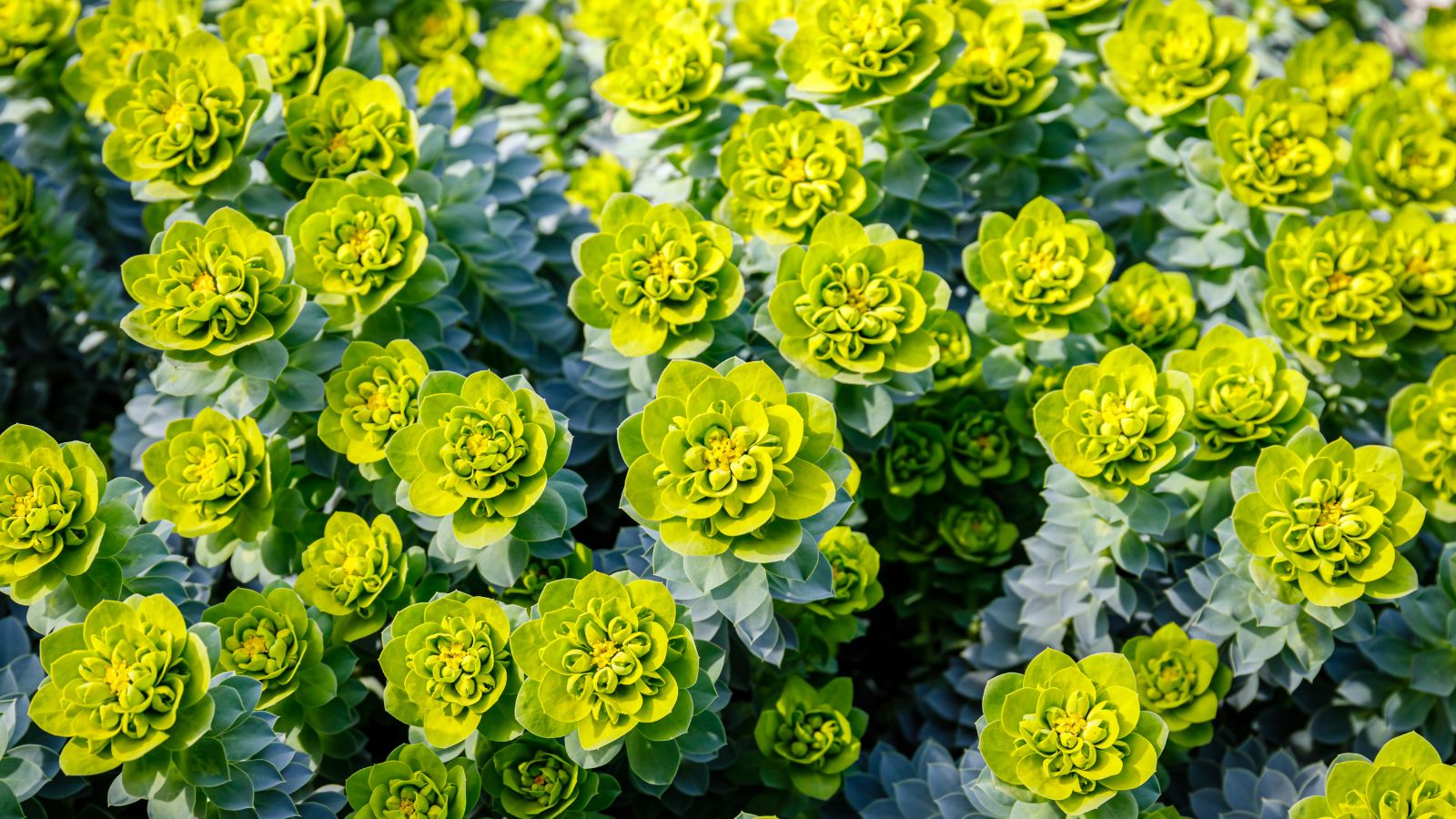
This plant thrives best in full sun. It grows well in USDA zones 5 through 9. While it is typically grown outdoors, if you live in a region where the plant is considered an invasive noxious weed or in a colder climate, you can grow it indoors in a bright, south-facing window.
Water
This succulent is drought-tolerant and needs very little water. Avoid overwatering, as it can kill the plant. Only water when the soil is dry to the depth of your entire finger or during periods of severe drought. Keep the leaves dry when you irrigate, and water slow and low in the morning whenever possible.
Soil

Your plant will grow easily in dry, hot areas with poor soil. In fact, it prefers well-draining sandy or gravelly soil and thrives in dry conditions. Even pre-formulated cactus soil is often too rich. If you choose to use it, mix in coarse gravel or sand to increase drainage and reduce nutrient density.
Temperature and Humidity

One reason this plant is such an invasive noxious weed is its ability to withstand extreme temperatures, from triple-digit heat to lows of -20°F (-29°C). There is no need to protect an established plant from these conditions, although it performs best in areas with warm winters.
Fertilizer
This plant is classified as an invasive noxious weed in Colorado, Oregon, and Utah, and it rarely needs fertilizer to thrive. In those regions, it is best to avoid fertilizing altogether. Even elsewhere, feeding is usually unnecessary, as it performs extremely well in low-quality soils.
Repotting
Repot your plant once it begins outgrowing its current container. Choose a new pot with ample drainage holes that is only slightly larger than the previous one. Remove the plant and its soil from the old container, then add enough coarse potting mix to the new pot to keep the plant at the same planting depth. Fill in around the root ball, water lightly, and place the plant in full sun while it establishes new roots.
Pruning

Pruning Euphorbia myrsinites is essential if you want to keep its invasive nature in check. After the plant blooms in spring and summer, you can cut back the sprawling stems quite severely. At minimum, remove spent flowers before they can release their seeds.
This helps prevent rapid spreading and promotes more consistent flowering. When a blooming stem begins to turn yellow, simply clip it off at the base using clean pruning shears.
Propagation
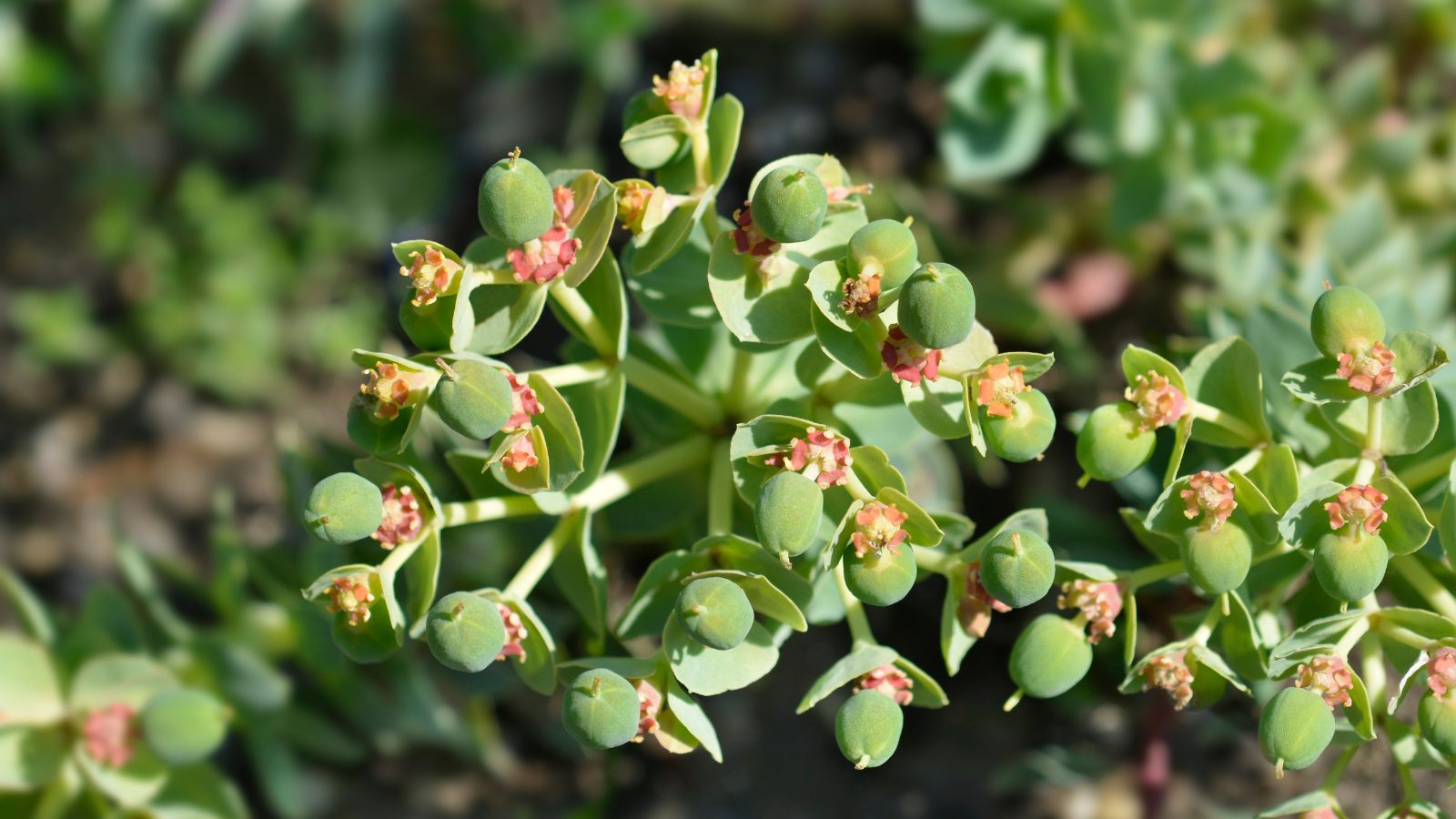
Since donkey tail spurge is an invasive species, it spreads primarily by seed. You can also propagate it from cuttings, which root easily in late spring and early summer during the active growing season.
Wear gloves, eye protection, and long sleeves to protect yourself from the plant’s sap. Take a healthy cutting, remove the bottom two-thirds of the leaves, and dip the cut end in rooting hormone. Place the cutting in coarse potting mix and wait. In four to six weeks, it should be well rooted.
Troubleshooting
Here are a few problems that you might face when growing your euphorbia spurge.
Growing Problems
Your plant can spread and take over the entire garden if you do not prune it regularly. Trim it right after it blooms to prevent rapid self-propagation. Also avoid overwatering, since soggy soil can kill the plant and create ideal conditions for root rot.
Pests
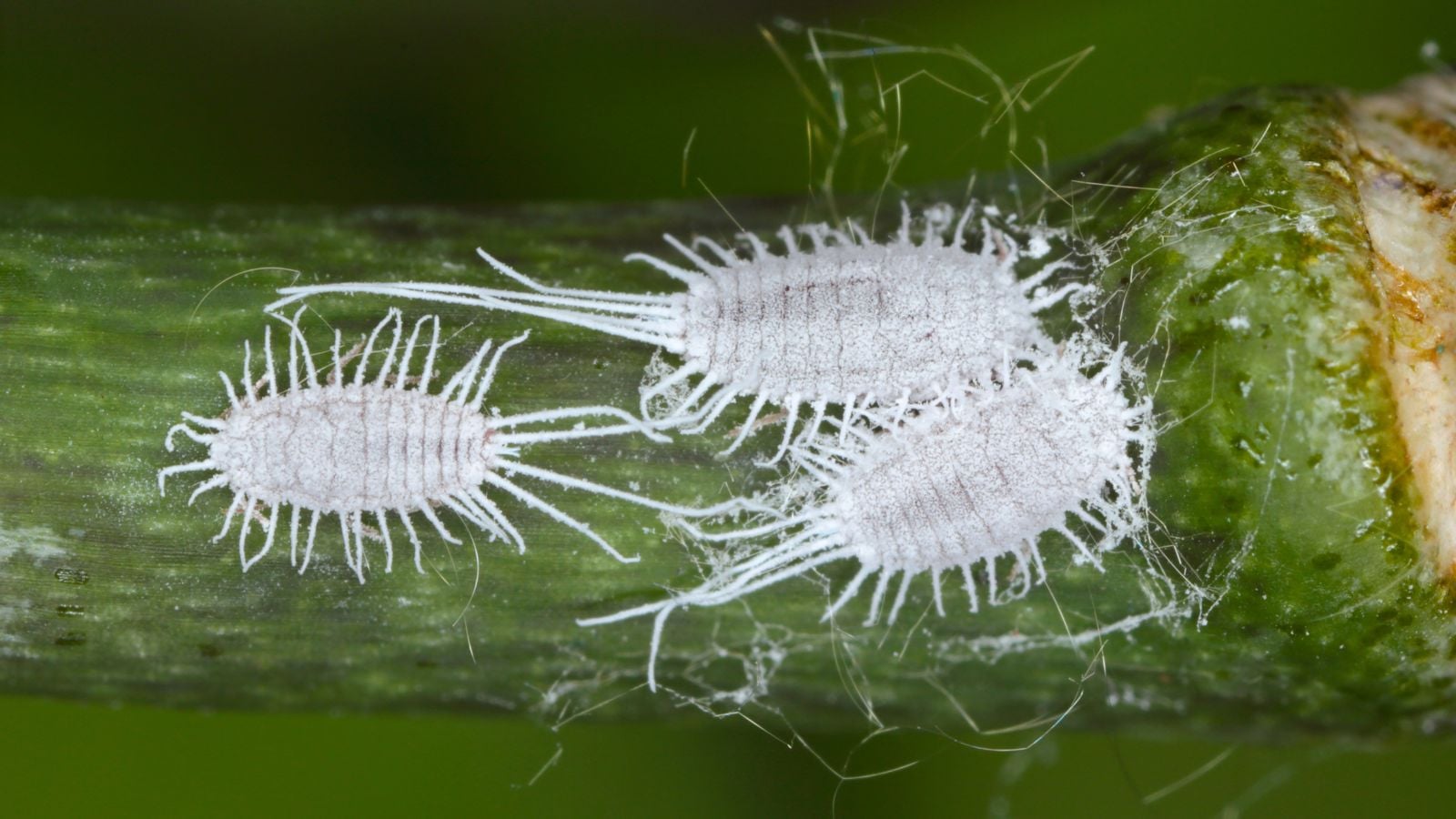
This plant is susceptible to pests such as aphids and mealybugs. You can remove both with a strong stream of water from a hose.
For mealybugs, begin by wiping them off the plant with a cloth dipped in rubbing alcohol, then follow up with a neem oil spray. For aphids, ensure your succulent is growing in well-drained soil and allow the soil to dry between waterings to discourage repeat infestations.
Diseases

When grown in moist conditions, this plant can develop bacterial or fungal rots, so always plant it in medium-dry, well-drained soil. Root rot is especially common when the soil is too rich, when the plant has been fertilized, or when it is not receiving full sun and the soil stays wet between waterings.
To treat root rot, remove any damaged or diseased parts of the plant. Check the base of the stems. If the tissue is brown and mushy, the plant may need to be discarded. If the base is still firm, stop watering or move the plant into fresh, dry growing media. In some cases, this may resolve the issue.
Frequently Asked Questions
When should I prune my Euphorbia plants?
You need to prune your plant when you see that your blooming stems are starting to turn yellow.
Are myrtle spurge plants poisonous?
All parts of this plant are considered to be poisonous. Its milky white sap is poisonous if ingested – it can cause severe gastric pain. Also, make sure to wear protective gloves and eyewear when handling this plant to prevent skin rashes.
Is myrtle spurge invasive?
Yes. This plant is considered a noxious weed, and highly invasive. If you live in Oregon, Utah, or Colorado, please plant it in a container and keep it away from areas where it will thrive.
How do I get rid of myrtle spurge?
If you have already planted Euphorbia myrsinites, control its spread through deadheading as soon as the showy yellow bracts bloom, as the plants spread primarily through those. You can also dig up the plants and move them into pots. Remember to always wear protective gear when working with these plants. Monitor the area where you removed them for several years to prevent remaining plant matter from growing new plants.
What happens if you touch spurge?
It can cause minor skin irritation and blistering.